Porque os homens precisam ser recompensados por seus méritos
18 de março de 2026 por Vanessa Barbara
As premiações são uma ótima maneira de reconhecer as conquistas dos indivíduos masculinos de nossa sociedade, que muitas vezes se comportam com distinção mesmo sob extrema pressão.
Aqui estão os requisitos para alguns dos distintivos mais rigorosos e prestigiados:
Distintivo de Ajuda Doméstica – Conclua uma tarefa doméstica simples (por exemplo, trocar uma lâmpada ou desentupir uma pia) em até trinta dias e/ou após seis pedidos cada vez mais insistentes. Troque os lençóis uma vez por ano por iniciativa própria. Compre um avental engraçado para expressar sua personalidade.
Medalha de Mérito Vida Familiar – Publique fotos com seus filhos no Instagram. Ensine-os ao menos uma habilidade de vida, como arrotar a palavra “abracadabra”, cuspir longe um caroço de azeitona, controlar seus gases ou incendiar coisas aleatórias. Pague a pensão alimentícia conforme determinado pela justiça.
Prêmio Antílope de Prata – Durante um dia inteiro, mantenha um diário de suas experiências de escuta. Identifique um exemplo e discorra com sua parceira após: (1) Obter informações, (2) Ser persuadido, (3) Reconhecer algo ou (4) Compreender os sentimentos de alguém.
Prêmio Thomas A. Edison de InovadorExcepcional – Desenvolva uma técnica para higienizar vegetais na máquina de lavar louça. Passe a aquecer sua comida com um secador de cabelo em vez de consertar o micro-ondas. Compre um aspirador de pó novo em vez de trocar o filtro. (Mas não se esqueça de levar o lixo para fora a fim de apagar seus rastros.)
Especialidade em Comunicação – Mantenha uma conversa simples com alguém por cerca de dez minutos, sem depreciar nenhum grupo minoritário ou ofender a dignidade das mulheres – algo que nunca aconteceria porque é só uma piada; francamente, por que levar tudo a sério? Você fica linda quando sorri.
Medalha Nacional de Conquista ao Ar Livre – Aceite levar o lixo para fora uma vez por semana. Só isso. Você não precisa cortar a grama, buscar seus filhos na escola ou fazer qualquer outra coisa pelo resto do ano.
Menção Honrosa Conjugal por Bons Serviços – O indicado deve ter prestado um mínimo de vinte minutos de bons serviços que se destaquem. Esta medalha geralmente é concedida pela esposa de outrem enquanto você finge ser prestativo após um jantar.
Prêmio Homem Qualificado – Durante sete dias consecutivos, não dê conselhos não solicitados a mulheres. Abstenha-se de analisar as escolhas de vida e carreiras de terceiros. Por favor, evite explicar coisas que você não entende completamente. Ok, cinco dias consecutivos.
Distintivo de Mérito Pioneiro – Tente tratar todos ao seu redor como se não fossem seus subordinados. Comporte-se com o mínimo de respeito, consideração e honestidade. É aconselhável não gritar ou socar a parede, nem quando aquela tonta fez por merecer.
Insígnia Nem Todo Homem – Não recorra a envenenamento, estrangulamento, espancamento, esfaqueamento ou fuzilamento em relação a qualquer mulher em um raio de pelo menos cinquenta metros.
#116 – São Paulo, 9 de março de 2026 Especial Matrescência Cansaço, pele pálida e cabelo oleoso hortifruti.org
“Mãe é uma mulher que ficou louca” (Miguel Sokol)
:: EDITORIAL ::
Está chegando às livrarias no dia 9 de março um verdadeiro tratado sobre esse assunto complicado que é procriar, parir e então se ver irremediavelmente transformada em um legume para o resto da vida.
O que muda aí é o tipo de legume.
(Mulheres transformadas em inhames, por exemplo, são relativamente sortudas.)
Mas me afastei um pouco do cerne da questão. Matrescência é um livro de não ficção escrito pela jornalista científica britânica Lucy Jones e traduzido por esta vossa humilde criada. Está sendo publicado pela editora Fósforo. É grande e ficou especialmente caprichado, sobretudo na parte bibliográfica e nas notas de rodapé.
Leiam, divulguem, emprestem e usem como peso para fixar a cola nos brinquedos.
Essas ideias bizarras eram herança da teoria da “imaginação materna”, que prevaleceu entre os séculos XVI e XVIII. Os médicos acreditavam que as mulheres grávidas podiam transformar, com suas mentes, o feto em crescimento, e portanto os distúrbios congênitos eram culpa da mãe. Se ela se assustasse com um sapo, por exemplo, a criança poderia acabar com os pés palmados. Ou se ela passasse muito tempo olhando para uma imagem de Jesus, o bebê poderia nascer com uma barba.
Quando James Young Simpson, professor de obstetrícia em Edinburgo e criador do modelo de fórceps utilizado até hoje, ofereceu essa opção a uma paciente chamada sra. Carstairs, ela ficou tão grata que batizou a filha de “Anestesia”.
Nem todos estavam satisfeitos com essas iniciativas para minimizar a dor das mulheres no parto. O apelo inicial de Simpson para empregar analgésicos “de acordo com todos os princípios da verdadeira humanidade”, em 1847, foi contestado por padres e médicos por razões religiosas e morais: em Gênesis, Deus amaldiçoa Eva por comer a maçã, e seu castigo é que o parto deveria doer – “Multiplicarei as dores de tuas gravidezes, na dor darás à luz filhos”. (O castigo de Adão era lidar com espinhos e cardos, o que me parece um pouco injusto.)
Dessa vez, eu me permiti comer mais do que nunca. Deixei meu corpo ditar sua relação com o mundo físico. Vi meu corpo se expandir, vi minha pele esticar. Muitas vezes sonhava que as pessoas vinham até mim e me ofereciam pratos de comida, seus animais de estimação, seus entes queridos idosos, e eu os enfiava delicadamente em minha boca.
[This time I let myself eat, like I never had before. I let my body dictate its relationship with the physical world. I saw myself expand, saw my skin stretch. I’d often dream that people came to me and offered me plates of food, their pets, their aging loved ones, and I’d gently draw them all into my mouth.]
:: PRIMEIRA MULHER EM MARTE :: Abigail Tucker, Mom Genes
E, no entanto, como filha de uma mãe que, cerca de quatro décadas após meu nascimento, ainda me segue até os estábulos frios das ovelhas, e como mãe de uma filha que atualmente deseja ser a “primeira mulher em Marte”, mas também ter 22 filhos, tenho muitas perguntas sobre essa jornada feminina compartilhada e sobre os lugares aonde as mulheres vão sem saber.
[And yet, as the daughter of a mother who—some four decades after my birth—will still tail me into wintery sheep barns, and as the mother of a daughter who presently aims to be the “first girl on Mars” but also to have twenty-two children, I have many questions about this shared female journey, and the places that women unknowingly go.]
Em um dado momento, parecia que o bebê poderia rasgar o meu períneo, então rapidamente me moveram para outra posição. Nas horas seguintes, fui colocada em várias posições para aproveitar a força da gravidade: de quatro, em uma espécie de pose de cadeira, de joelhos e, por fim, deitada de lado com uma perna no ombro da parteira, porque, àquela altura, eu já não conseguia me sustentar. Estava no meu estado mais feral e primitivo. Queria queimar a indústria do hipnoparto até não sobrar mais nada.
Mas a crença de que falar abertamente sobre a dor da maternidade prejudicaria a criança, e a própria mãe, é uma mentira. E eu não quero mais ter medo disso.
[But the belief that it would hurt the child, and the mother herself, to openly speak about the pain of motherhood is a lie. And I don’t want to be afraid of it any longer.]
Baixei um livro, publicado pela La Leche League, chamado The Womanly Art of Breastfeeding [A arte feminina de amamentar]. A capa mostrava uma bela mulher de longos cabelos ruivos cacheados e soltos, envolta em um lençol branco. “Este livro irá me ensinar a arte feminina”, pensei. “Amamentar não te dá pontos extras. É apenas a forma normal de criar um bebê”, eu li.
:: ADENDO ::
Eu também li The Womanly Art of Breastfeeding inteirinho e não cheguei a entender grande coisa sobre a tal arte feminina.
Em seu testamento, Assia Wevill foi bem direta: “A Ted Hughes, o pai dela”, escreveu, “deixo minha ausência, sem dúvida bem-vinda, e meu profundo desprezo.”
[In her will, Assia Wevill made no bones: “To Ted Hughes, their father,” she wrote, “I leave my no doubt welcome absence and my bitter contempt.”]
As reportagens nunca diziam: “Rowena ostenta seu abdome super rechonchudo apenas dois meses depois de dar à luz seu bebê”, ou: “Gia flexionou sua pança balouçante”, ou: “Ao sair de casa, Poppy fez questão de que todos olhassem para sua barriga flácida e cheia de estrias em um sutiã Balenciaga, exibindo sinais profundos de cansaço, a pele pálida e o cabelo perfeitamente oleoso”.
:: NEVOEIRO :: Yvonne Perrin, The First Seven Years: A Record Book for Mother & Child
Ele […] deve dormir ao ar livre o dia todo, no inverno e no verão. A única condição climática realmente inadequada para o bebê é o nevoeiro.
Publicado em 1894, The Care and Feeding of Children [Cuidado e alimentação infantis], do pediatra Luther Emmett Holt, foi um best-seller. “Nunca se deve brincar com bebês menores de seis meses; quanto menos isso acontecer, em qualquer época, melhor para eles”, escreveu. Outras regras incluíam não sair de casa com o bebê pelos primeiros três meses, assim como um aviso de que “emoções descontroladas, tristeza, excitação, medo e paixão podem fazer o leite cair mal à criança”.
Durante a gravidez, todo o nosso corpo passa por mudanças. Nossas pintas podem escurecer e nossa voz pode ficar mais grave (como aconteceu com Kristen Bell grávida durante as gravações de Frozen — parece que a famosa trilha sonora poderia ter sido ainda mais estridente em alguns trechos). Nossos narizes alargam, nossos arcos plantares se achatam e nossas unhas dos pés caem. Nosso cabelo pode mudar de cor ou ficar cacheado. Podemos arrotar como se tivéssemos engolido uma bomba-relógio. Nosso fígado pode liberar bile, provocando uma coceira insuportável. E nos tornamos comprovadamente mais apetitosas para os mosquitos devido ao aumento da temperatura corporal e da produção de dióxido de carbono.
[In pregnancy our entire physical selves are in flux. Our moles may darken, our voices drop an octave (as a pregnant Kristen Bell’s did while recording Frozen—it seems that the notorious soundtrack could have been still shriller in places). Our noses widen, our arches flatten, and our toenails fall off. Our hair can change color or gain curl. We may burp as if we’ve swallowed a bomb cyclone. Our livers may leak bile, causing us to itch like the dickens. And we become demonstrably more delicious to mosquitoes because of our increased body temperature and carbon dioxide output.]
Um estudo com roedores revelou que as mães ratas precisam guinchar de modo ultrassônico para que os pais ajudem a cuidar dos filhotes.
[A rodent study revealed that mice moms must ultrasonically squeak at mice dads in order to get them to pitch in with childcare.)]
>>>>
Se você gosta de A Hortaliça, encaminhe esta edição para um amigo leitor. Hoje temos 26 aguerridos assinantes e uma dúzia de doadores esporádicos que ajudam a manter essa feira livre. Se também quiser colaborar, há um botão de assinatura logo abaixo.
Os links dos livros são afiliados da Amazon e nos ajudam a recarregar o Bilhete Único.
“Para ser lido na maldita hora da noite em que tudo é engraçado – logo após a hora em que nada faz sentido e antes daquela em que tudo faz sentido” (Stephanie A.)
Pequeno aviso legal: A Hortaliça será distribuída gratuitamente através desta plataforma. Não iremos produzir conteúdo fechado para assinantes por acreditar no livre acesso à informação, arte e cultura. A tarifa zero é bancada por leitores, leitoras e leitões que têm condições (e vontade) de colaborar. Quem quiser ajudar pode escolher um plano de assinatura ou depositar moedas de ouro aleatórias na chave pix: vmbarbara@yahoo.com. Vamos apoiar o jornalismo independente, a literatura de guerrilha e a bobice semiprofissional.
#115 – São Paulo, 6 de fevereiro de 2026 Especial dentistas hortifruti.org
“Até capturarmos esta tartaruga/ a outra já fugiu.” (Rafael Mantovani)
:: EDITORIAL ::
Nesta edição, juntamos dois temas palpitantes que jamais foram abordados em conjunto: carnaval e dentistas.
Somos assim audaciosos — ou preguiçosos demais para buscar a necessária congruência.
Fica a dica para as escolas de samba que, em 2027, poderão usar o samba-enredo “Da Gengiva ao Implante: O Cuidado Bucal Vira Carnaval” ou “Com Dentadura ou Natural, Nosso Samba é Imortal”.
Para mais contexto, leiam a análise: “No quesito piada infame, nota da madrugada é 10”. E divirtam-se.
:: CARNAVAL ::
Mulher no metrô:
“…Aí me falaram que eu já era a quarta pessoa que ficava com ele e ainda era 6 da tarde! [pausa] Ou seja, o cara acordou cedo.”
Segundo Roberto Díaz e Paula Hahn, administradores de um site de turismo médico chamado Border CRxing, a cidade de Los Algodones tem a maior concentração per capita de dentistas do mundo: bem mais de mil em uma população de 5.500 habitantes. É conhecida como a Cidade dos Molares.
[According to Roberto Díaz and Paula Hahn, who run a website about medical tourism called Border CRxing, Los Algodones now has the highest per-capita concentration of dentists in the world: well over a thousand in a population of fifty-five hundred. It’s known as Molar City.]
:: RATOS EM CARTOLAS :: Guimarães Rosa, Ave, palavra
Zôo (Jardin des Plantes) Tartarugas, nas lajes: estouvam-se, remexendo-se, que nem ratos debaixo de cartolas.
:: 750 CONVIDADOS E 3 ELEFANTES :: Janet Flanner, Paris era ontem
Em Versalhes [em 1939], lady Mandl deu um baile de época para 750 convidados e três elefantes, sendo que todos os três se recusaram a ser montados, entre outros, pela princesa de Kapurthala.
:: ASPECTO DE FRANGO :: Nikolai Gogol, Taras Bulba
O dono da casa, depois de ter bebido um pequeno copo de uma misteriosa infusão, despiu o cafetã e, ficando de ceroulas e pantufas, adquiriu o aspecto de um frango. Depois foi deitar-se com a mulher em algo que parecia um armário. Dois rapazolas deitaram-se no chão, defronte do armário, parecendo simples cachorros.
Na mesma época em que Loomis realizava experimentos com eletroencefalograma (EEG) em sua mansão, o artista surrealista [Dalí] fazia experiências com suas próprias transições para o sono. Como descreveu em seu livro de 1948, 50 Secrets of Magic Craftsmanship [50 segredos mágicos da pintura], ele se sentava em uma “poltrona esquelética, de preferência de estilo espanhol”, enquanto segurava frouxamente uma chave pesada sobre um prato virado para baixo no chão. À medida que adormecia, suas mãos relaxavam — e eventualmente a chave caía por entre seus dedos. O estalo repentino da chave ao bater no prato o despertava. Convencido de que acordar durante essa fase revigorava seu ser psíquico e impulsionava a criatividade, Dalí então se sentava e começava a pintar.
[Around the time that Loomis was conducting EEG experiments in his mansion, the surrealist artist was experimenting with his own transitions into sleep. As he described it in his 1948 book 50 Secrets of Magic Craftsmanship, he would sit in a “bony armchair, preferably of Spanish style,” while loosely holding a heavy key in one palm above an upside-down plate on the floor. As he drifted off, his hands would slacken — and eventually the key would fall through his fingers. The sudden clack of the key hitting the plate would wake him. Convinced that being aroused during this period revived his psychic being and boosted creativity, Dalí would then sit down and start painting.]
Quando Luís XIV teve um dente extraído em Versalhes, o dentista puxou sua mandíbula com tanto zelo que abriu um buraco no palato, alcançando a passagem nasal. Por um tempo depois disso, qualquer líquido que o rei bebesse jorrava pelo seu nariz. Para estancar o sangramento, o cirurgião teve que cauterizar o buraco com um ferro em brasa.
[When Louis XIV had a tooth pulled at Versailles, his dentist yanked at his jaw with such zeal that he tore a hole through the palate and into the nasal passage. For a while after that, any liquid that the King drank would come spraying out of his nose. To plug it closed, his surgeon had to cauterize the hole with a red-hot iron.]
Até mesmo os praticantes mais experientes do toma-lá-dá-cá de Washington ficaram espantados com as novas regras para a compra de influência. Em dezembro, um assento em um jantar coletivo em Mar-a-Lago podia ser garantido com uma contribuição de um milhão de dólares para a MAGA Inc., um super PAC que funciona como caixa de campanha para as eleições de meio de mandato. Mais recentemente, conversas individuais com o presidente passaram a estar disponíveis por cinco milhões de dólares.
[Even seasoned practitioners of Washington pay-to-play have been startled by the new rules for buying influence. In December, a seat at a group dinner at Mar-a-Lago could be had for a million-dollar contribution to MAGA Inc., a super PAC that serves as a war chest for the midterms. More recently, one-on-one conversations with the President have become available for five million.]
Acho que […] esse tipo de passividade é uma libertação da necessidade de controle. Como autônomo, não tenho a rotina de um emprego fixo, então o arranjo de cada hora é uma questão de escolha, uma oportunidade de reflexão e avaliação. Às vezes, eu só quero ficar onde estou e assistir Dateline, porque é o que vem a seguir. Deixe a morte me levar.
[I think because the passivity of it is a release from the need for control. As someone who is self-employed, I don’t have the jig of a regular job, so the disposition of every hour is a matter of choice, an occasion for reflection and evaluation. Sometimes I just want to stay where I am and watch Dateline, because that’s what’s next. Let death come.]
Em 2020, uma pesquisa realizada pela Faculdade de Odontologia da Universidade de Nova York revelou que três quartos dos dentistas admitiram ter sido atacados verbalmente por um paciente, e quase metade havia sofrido agressão física. Os estudantes de odontologia foram ainda mais maltratados: 86% deles haviam sofrido abuso verbal no ano anterior.
[In 2020, in a survey by the New York University College of Dentistry, three-quarters of dentists reported that they’d been verbally attacked by a patient, and nearly half had been physically assaulted. Dental students were treated even worse: eighty-six per cent had been verbally abused in the previous year.]
A socióloga Ashley Mears, que pesquisou os escalões superiores do circuito global de festas em Nova York, Miami, Ibiza e Saint-Tropez, descobriu que “os esbanjadores mais duvidosos eram os não ocidentais, como russos, árabes e ‘asiáticos loucos de ricos’, ou caras que ‘são donos de toda a água da Sérvia’”.
[The sociologist Ashley Mears, who researched the top echelons of the global party circuit in New York, Miami, Ibiza, and Saint-Tropez, found that “the most dubious of big spenders were non-Westerners, like Russian, Arab, and ‘crazy rich Asian’ spenders” or guys who “own all the water in Serbia.”]
Maya pegou um volume da Grande Enciclopédia Soviética, um tomo encadernado em tecido azul-escuro. Era o volume cinco, que começava e terminava com palavras completamente incompreensíveis: “Berezna” e “Botokudy”. Maya abriu o livro e deparou-se com um retrato de página inteira de um homem de meia-idade, quase careca, com rosto redondo, lábios finos e óculos de pincenê com lentes redondas sem aro.
Era Lavrentiy Beria, descrito no artigo de quatro páginas que acompanhava o retrato como “um dos líderes mais destacados do Partido Comunista Soviético Bolchevique e do Estado soviético, um aluno leal e camarada de J. V. Stálin”, e assim por diante. Não era o avô de Arutyunyan — era o principal executor de Stálin. Depois que o próprio Beria foi executado, os assinantes da Grande Enciclopédia Soviética receberam uma carta que Maya agora lhe mostrava: a editora estatal acadêmica da Grande Enciclopédia Soviética recomenda que as páginas 21, 22, 23 e 24, bem como o retrato anexado entre as páginas 22 e 23, sejam removidos e substituídos por novas páginas, anexas a esta carta. Use tesoura ou lâmina de barbear para remover as páginas mencionadas, tomando cuidado para preservar as margens internas onde as novas páginas serão coladas.
As páginas de substituição continham um artigo sobre o Estreito de Bering.
[Maya got out a volume of the Great Soviet Encyclopedia, a tome in blue-black cloth. This was volume five, which began and ended with perfectly incomprehensible words: “Berezna” and “Botokudy.” Maya opened the book to a full-page portrait of a middle-aged, mostly bald man with a round face, perfectly thin lips, and a pince-nez with round rimless lenses. This was Lavrentiy Beria, whom the accompanying four-page article described as “one of the most outstanding leaders of the All-Soviet Communist Party of Bolsheviks and of the Soviet state, a loyal student and comrade of J. V. Stalin,” and so forth. This was not Arutyunyan’s grandfather—this was Stalin’s chief executioner. After he himself was executed, subscribers to the Great Soviet Encyclopedia received a letter that Maya was now showing her: The state scholarly publishing house of the Great Soviet Encyclopedia recommends that pages 21, 22, 23, and 24, as well as the portrait bound in between pages 22 and 23, be removed and replaced with new pages, enclosed with this letter. Use scissors or a razor blade to remove the above-mentioned pages, taking care to retain inner margins to which new pages are to be glued. The replacement pages contained an article on the Bering Strait.]
:: OBRA- PRIMA ::
Este álbum é uma obra-prima.
>>>>
Agradecimentos: Adriano Bastos, Arthur Tertuliano, Gigio, minha mãe. Esta edição foi possível graças a 27 aguerridos assinantes e uma dúzia de doadores esporádicos.
Os links dos livros são afiliados da Amazon e nos ajudam a recarregar o Bilhete Único.
“Para ser lido na maldita hora da noite em que tudo é engraçado – logo após a hora em que nada faz sentido e antes daquela em que tudo faz sentido” (Stephanie A.)
Pequeno aviso legal: A Hortaliça será distribuída gratuitamente através desta plataforma. Não iremos produzir conteúdo fechado para assinantes por acreditar no livre acesso à informação, arte e cultura. A tarifa zero será bancada pelos leitores e leitoras e leitões que tiverem condições financeiras (e vontade) de colaborar. A estes, pedimos que nos apoiem escolhendo um plano de assinatura ou depositando moedas de ouro aleatórias para a chave pix: vmbarbara@yahoo.com. Vamos apoiar o jornalismo independente, a literatura de guerrilha e a bobice semiprofissional.
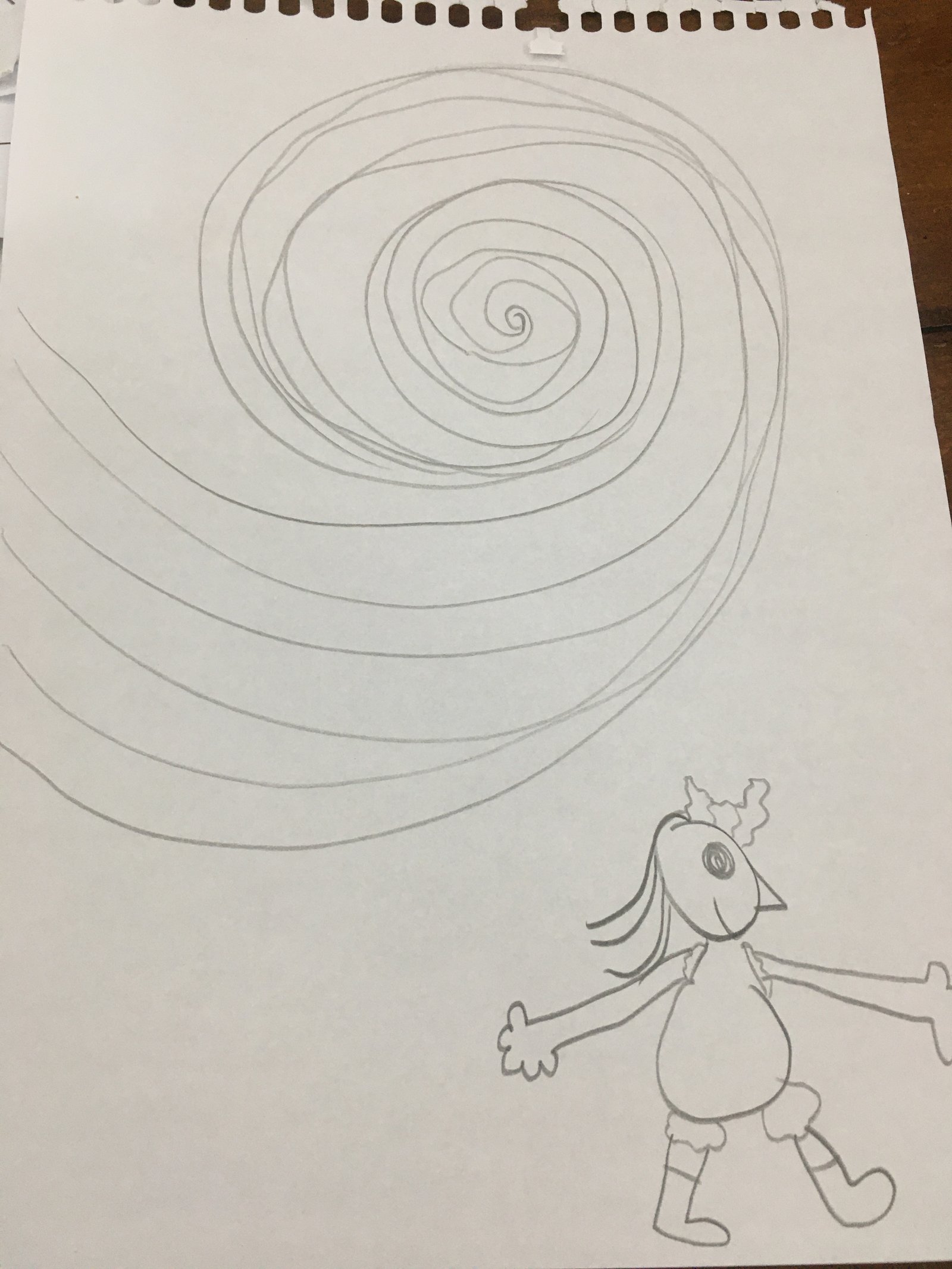
O desenho acima representa a autora fugindo de uma espiral de extravagância. Talvez ela tenha uma mochila nas costas e um par de botas bufantes. Ou então está tentando escapar de um rocambole descontrolado.
Nesta edição extra, trazemos dois comunicados importantes e um alerta. O boletim “O Mês em Batata” virá quando possível, pois não trabalhamos sob pressão.
São eles:
1. O aniversário é do episódio e quem perde somos nozes
Esses dias comemoramos o aniversário de um ano do episódio “CPF na nota?”, esse feito literário intrépido que nos enche de orgulho.
Algumas coisas que aconteceram desde então:
Fui acusada de “monetizar meu chifre”
Recebi 2 (dois, deux, two, zwei) pedidos de desculpas de homens envolvidos
Alguns veículos de imprensa se prestaram quase que imediatamente a descredibilizar a vítima
Houve inúmeras tentativas de descobrir meus interesses escusos
Um total de zero pessoas foi cancelada, apesar do pânico moral
Um sujeito lembrou que eu era colaboradora regular do NYT, e que portanto minha carreira jamais foi prejudicada. Achei humilde que ele tenha admitido exercer influência significativa em jornais americanos. (A autoestima do homem branco!)
Mulheres colocaram meu relato em dúvida e falaram em questões inverificáveis
As escritoras — eu gostaria de ter contado com o apoio de meia dúzia delas. Mas nessa selva editorial, isso pode significar perder emprego, prêmio, contrato.
Um jornal chegou a anunciar que houve um aumento de 13.800% nas vendas dos meus livros, em um levantamento realizado a pedido do veículo. Os números absolutos não foram fornecidos, mas estou aqui para fornecê-los: vendi 3 mil exemplares do livro Operação Impensável. Hoje vivo em Bora Bora e apoio os pés nas carcaças dos homens que desgracei.
Não deixem de ouvir Silenciadas, podcast narrativo da Cristina Fibe, e O chá revelação, de Chico Felitti, para um pouco mais de contexto.
A obra foi originalmente publicada em 2008 pela CosacNaify. No ano seguinte, ganhou os prêmios APCA e Jabuti de melhor livro reportagem. Também nesse ano, a capa do livro, criada por Elaine Ramos e Maria Carolina Sampaio, entrou para a lista de melhores do mundo do American Institute of Graphic Arts (AIGA). O livro foi republicado em 2018 pela editora do SESI-SP.
Com o tempo, todas essas edições se esgotaram.
Em 2026, a Fósforo preparou esta nova edição com um projeto gráfico totalmente distinto, assinado por Flávia Castanheira. Ela decidiu atualizar a cara do livro usando elementos das passagens rodoviárias de hoje: linhas pontilhadas, fontes monospaced, QR codes e códigos de barras.
Aproveito para agradecer a minha editora, Juliana Rodrigues, pela paciência e pelo capricho.
O lançamento oficial é em 4 de fevereiro.
Editora : Fósforo
Data da publicação : 4 fevereiro 2026
Número de páginas : 224 páginas
Peso do produto : 193 g
Dimensões : 14 x 1 x 20 cm
Quantidade de vezes que eu tive que reler : quatro
O release fala em “obra essencial do jornalismo literário brasileiro”, e quem sou eu para questionar?, e faz um resumo da trama:
“Borrando as fronteiras entre jornalismo e literatura, esta obra tornou-se um registro atemporal do funcionamento da segunda maior rodoviária do mundo, na qual Vanessa Barbara assume ao mesmo tempo os papéis de historiadora e investigadora, exploradora e cronista, dissecando a ‘cidade de chicletes abandonados, de pessoas com pressa e de coisas perdidas’.
3. Cuidado!
Se eu não tivesse lido direitinho a descrição dessa promoção, não sei o que faria com uma família tão grande.
Tomem cuidado.
>>>>
Agradecimentos: Esta edição foi possível graças a 26 aguerridos assinantes e uma dúzia de doadores esporádicos.
Os links dos livros são afiliados da Amazon e nos ajudam a recarregar o Bilhete Único.
“Para ser lido na maldita hora da noite em que tudo é engraçado – logo após a hora em que nada faz sentido e antes daquela em que tudo faz sentido” (Stephanie A.)
“Levanta-se a hipótese de que ele seja burro” (idem, sobre o general Augusto Heleno)
:: EDITORIAL ::
Nada como escutar um podcast para impedir o córtex pré-frontal medial de cavar valas macabras no cerne da consciência humana enquanto o corpo físico se ocupa em limpar o sifão da pia. É realmente uma ocupação antidepressiva exemplar, um verdadeiro escudo acústico contra a ruminação. Uma ótima ideia para começar o ano.
Muitas de nossas associações musicais são verbais, e às vezes absurdas. Esta semana do Natal, quando comi salmão defumado (que adoro), ouvi na mente o verso “O come, let us adore Him”. E agora, para mim, o hino ficou associado ao salmão.
:: PAGO POR SUBSTANTIVO :: Michael Hobbes e Peter Shamshiri If Books Could Kill
Ele é pago por substantivo? [Is he paid by the noun?] (Michael, sobre um livro que eu não lembro qual era)
É, realmente parece que ele está só sentando e digitando sem ler nada. [Yeah it really feels that he’s just sitting down and typing and not reading it.]
Vou só ficar aqui lendo um outro livro enquanto você fala. [I’ll just be sitting here reading a different book while you talk.]
Um tá preso de fato e o outro tá preso na própria loucura.
(Sobre Daniel Silveira e Marcos do Val)
:: MERITOCRACIA DA SAÚDE :: Michael Hobbes e Aubrey Gordon Maintenance Phase
Ele acha que mudanças no estilo de vida podem curar toda e qualquer doença. [He thinks that lifestyle can cure every single illness] (Michael)
É isso que você pensa quando tem uma saúde relativamente boa, quando sempre teve acesso a cuidados médicos e quando lhe ensinaram que saúde é uma meritocracia. E que você colhe o que planta, o que não é verdade para quase nada nesta vida. [Which is what you think when you have relatively good health, when your healthcare has always been provided to you, and when you’ve been taught that health is a meritocracy. And you get out of it what you put into it, which is not true of almost anything in this life.] (Aubrey)
[…] Confundir a percepção que as pessoas têm da sua saúde com o seu caráter, moralidade e valor enquanto seres humanos. [Muddling up people’s perceived health with their carachter and morality and worth as people.]
:: MERITOCRACIA DA SAÚDE – PT. 2 :: Michael Hobbes e Aubrey Gordon Maintenance Phase
É claro que nossos estilos de vida afetam nossa saúde, há uma certa dose de verdade nisso. Mas acredito que a adoção dessa ideia, especialmente pela indústria, acaba introduzindo o que os pesquisadores chamam de ‘paradigma do risco associado ao estilo de vida’. O fato de o estilo de vida influenciar o risco de doenças é bastante inquestionável, mas, com o tempo, a ideia passou a ser vista como a única coisa que afeta esse risco. Chegamos, então, à conclusão oposta: que todos que adoecem devem ter feito algo para merecê-lo.
[Of course our lifestyles affect our health, there is truth at the heart of this. But I think the adoption of this and specially the takeup of this by industry ends up smuggling in what the researchers call “the lifestyle-risk paradigm”. The fact that your lifestyle affects your risk for disease is pretty unobjectionable but eventually it became that your lifestyle is the only thing that affects your risk for disease. We then get the reverse understanding that well, then, everybody who is sick must have done something to deserve it.] (Michael)
Tudo isso parte da premissa — e ao mesmo tempo reforça — a ideia de que, mais uma vez, pessoas magras e sem deficiência estão fazendo as coisas “certas”, e que quaisquer custos assumidos por um empregador são culpa das pessoas gordas e das pessoas com deficiência.
[All of this is both predicated on and reinforcing the idea that, again, thin people and non-disabled people are doing right things and that any costs that an employer shoulders are the fault of fat people and disabled people.]
W. Penfield impressionou-se com a frequência dos ataques musicais e deixou muitos exemplos fascinantes e quase sempre engraçados, uma incidência de 3% nos mais de 500 pacientes com epilepsia do lobo temporal que ele estudou. […]
Em cada caso, a música era fixa e estereotipada. A mesma melodia era ouvida repetidamente, fosse no decorrer de ataques espontâneos, fosse mediante estimulação elétrica do córtex propenso a ataques. Portanto, essas melodias não eram populares só no rádio, mas igualmente populares como ataques alucinatórios; elas eram, por assim dizer, “As dez mais do córtex”.
:: RESPONSABILIZAÇÃO :: Michael Hobbes e Peter Shamshiri If Books Could Kill
Isso refletia uma espécie de responsabilização de baixo para cima, que eles se sentiam impotentes para disciplinar.
[It reflected a sort of bottom-up accountability that they felt powerless to discipline] (Peter, sobre a “cultura do cancelamento”)
Esse medo entre os membros da maioria — pessoas que surtam com a escolha das palavras, “nem dá mais para dizer isso” —, em vez de pensarem em como a aceitação afetaria os membros da minoria, pensam em como a aceitação afetaria os membros da maioria.
[This fear among members of the majority – people who freak out about word choice, “you can’t even say this anymore” – instead of thinking about how acceptance would affect members of the minority, they think about how acceptance would affect members of the majority.]
:: ENTROPIA :: Sarah Marshall You’re Wrong About, “The Auralyn”
[…] viver com depressão crônica ou algo parecido. Significa que você não pode simplesmente se deitar e deixar acontecer, porque o que está acontecendo, e cada pequena coisa que você faz, cada gato que você desenha… Na verdade, você está lutando bravamente contra essa entropia em que está vivendo.
[[…] living with long-term depression or something like that. It just contains you can’t lie back and let it happen to you because it’s what’s happening and that every little thing you do and every cat that you draw is… actually, you’re very bravely fighting against this entropy that you’re living in.]
[…] um pequeno tocador de áudio que colocaríamos no quarto dele e que reproduziria um loop infinito do zumbido de um mosquito. Mas o aparelho só se ativaria no escuro, então, toda vez que ele apagava as luzes, o zumbido começava. Aí ele acendia as luzes para procurar o mosquito e ele não estava lá. E assim por diante, até que camisas de força fossem necessárias.
[… a little audio player that we’d stick in his bedroom and that would play an endless loop of a mosquito whining. But it would only activate in darkness, so every time he turned off the lights the whining would start. Then he’d turn on the lights to hunt for it and the mosquito wouldn’t be there. And so on and so on, until straitjackets were required.’]
“E de súbito”, Llinás conclui, “ouvimos uma música na cabeça ou, aparentemente vindo do nada, surge-nos uma forte vontade de jogar tênis. Isso às vezes simplesmente nos acontece.”
:: MOLHO PARA TACOS :: Kelly and Zack Weinersmith, A City on Mars
Aparentemente, o ambiente espacial também faz com que a comida tenha um sabor menos intenso. Isso pode ser resultado da mudança de fluidos corporais, que cria uma pressão nos seios nasais semelhante à de um resfriado, ou pode ser que, na ausência de gravidade, os cheiros não cheguem ao nariz, ou ainda pode ser algo relacionado à atmosfera artificial. Seja qual for o motivo, os astronautas frequentemente cobiçam os condimentos picantes, como sal, pimenta, Tabasco e maionese. E, claro, molho para tacos.
O molho para tacos, salgado e saboroso, é tão apreciado pelos astronautas que, por cerca de uma semana em 1991, tornou-se a primeira moeda específica do espaço sideral. No voo do ônibus espacial STS-40, o molho para tacos era usado em tudo. O piloto Sid Gutierrez lembrou: “Embora eu mesmo não tenha feito isso, observei meus colegas de tripulação colocando molho para tacos em cereais Rice Krispies pela manhã”.
Por volta do oitavo dia, o comandante da STS-40, Bryan O’Connor, percebeu que o consumo de molho para tacos pela tripulação logo ultrapassaria o estoque disponível. Segundo Gutierrez, o comandante “confiscou todo o molho para tacos restante e o dividiu igualmente entre os membros da tripulação. A partir daí, o molho para tacos tornou-se a moeda de troca. Por exemplo, se fosse a sua vez de limpar a latrina, você podia pagar a alguém com um ou dois molhos para tacos para fazer isso por você.”
[The environment of space also reportedly makes food taste less flavorful. This may be a result of the fluid shift creating sinus pressure similar to a cold, or it may be that in zero gravity smells don’t waft up into your nose, or it may be something about the artificial atmosphere. Whatever the reason, astronauts often lust for piquant condiments, such as salt, pepper, Tabasco, and mayonnaise. And, of course, taco sauce. Salty, zesty taco sauce is so beloved by astronauts that for about a week in 1991 it became the first form of currency specific to outer space. On shuttle flight STS-40, taco sauce went on everything. Pilot Sid Gutierrez recalled, “Although I didn’t do it myself, I observed crewmates putting taco sauce on Rice Krispies in the morning.” Around day 8, STS-40’s Commander Bryan O’Connor realized the crew’s rate of taco sauce consumption would soon outstrip the taco sauce supply. According to Gutierrez, the commander “secured all the remaining taco sauce and divided it equally among the crew members. Thereafter taco sauce became the medium of exchange. For example, if it was your turn to clean the latrine, you could pay someone a taco sauce or two to do it for you.]
Meu peso em gelinho
>>>> Agradecimentos: Esta edição foi possível graças a 26 aguerridos assinantes e uma dúzia de doadores esporádicos.
Os links dos livros são afiliados da Amazon e nos ajudam a recarregar o Bilhete Único.
“Para ser lido na maldita hora da noite em que tudo é engraçado – logo após a hora em que nada faz sentido e antes daquela em que tudo faz sentido” (Stephanie A.)
Pequeno aviso legal: A Hortaliça será distribuída gratuitamente através desta plataforma. Não iremos produzir conteúdo fechado para assinantes por acreditar no livre acesso à informação, arte e cultura. A tarifa zero será bancada pelos leitores e leitoras e leitões que tiverem condições financeiras (e vontade) de colaborar. A estes, pedimos que nos apoiem escolhendo um plano de assinatura ou depositando moedas de ouro aleatórias para a chave pix: vmbarbara@yahoo.com. Vamos apoiar o jornalismo independente, a literatura de guerrilha e a bobice semiprofissional.
The other day I was talking with a friend and she said something like “there is no bad years, just you picking the wrong movies” and while I’m not sure I’d exactly agree with her, I do think it gets into a certain truth about year end reports: they are all maps through what the critic/cinephile curated for themselves.
Mine has its fair share of personal tastes and idiosyncrasies: more action or crime movies than most, Brazilian movies that are not The Secret Agent (and The Secret Agent), far more Asian movies than most lists include, many of it don’t exactly play in big western festivals. I like to use favorites for these lists instead of the usual best because it seems like a more fair to owning to my biases and because I think best is boring, and I’d rather settle for list of movies that engaged my imagination in way or another. So, call it 100 movies, I find interesting enough to ponder and share.
Every year around the time of the São Paulo Film Festival in late October I question myself about doing another list and every year I do it, part because I love sharing movies, part because it is useful for me to both think through the year and do some eclectic prospection through the year in movies.
At this time of the year two simultaneous impulses always take place: those who complain that these lists are too boring and homogeneous and those who seem annoyed that they are not even more so. I have sympathy for the first position, the centrality of film festivals and the weight of money for movie marketing (they are the same thing when you stop to think about it) play a large role in this and today film community seem to most exchange opinion in such narrow spaces they ended up often samey. There are certainly far less differences between tastes at Film Comment and Cahiers du Cinema than there used to be. Some of the reasons for this can be positive, the growing internationalization of most larger film magazines has many pluses, but it certainly result in often blander and less exciting results, or at least the more exciting parts of it have being talked about for so long that by the time they hit those lists they look like more of the same.
I don’t think the following list is any sort of prescription for this state of affairs, it is definitely not organized as any counter narrative. 4 out of 10 movies in my top 10 were in Sight and Sound top 50 (full disclosure: I’m a voter there, so I share the blame if you think that list is too dull) and this year’s big budget movies that critics happen to like (One Battle After Another and Sinners) are both in there somewhere, as are the Cannes and Venice winners. I do hope it is a bit less festival centric than most and that it remains populist in spirit if not necessary in the international mass market way.
Some big movies of the year are not there because they give me nothing, and a few because I just prefer obscure Japanese time travelling remarriage movies to them, and of course there are others are still had not get around to see. I wouldn’t call 2025 a bad year for movies, they never are if you look hard enough, but I don’t think it quite have that objective great movie like Close Your Eyes or The Shrouds. My first two places, which have been 1a and 1b since I saw them in October, are close to the movies that topped my list during the pandemic affected years, but then that is still a high achievement and I know I’m taken them with me for years. I do get the sense that there have been more big highly discussed auteur movies in 2025 than recent, but that they also were ultimately a little more safe and less idyossincratic than ever, a troubling trade to observe. Lists like this are among many things a useful place to think about developments like this.
As usual, my criteria are movies I’ve watch for the first time this year, longer than 45 minutes public screened for the first time between 2023 and 2025. The order doesn’t matter that much, I know I like 21o. more than 41o., but I’m not sure that I really like it better than 25o.
My favorite new shorts seen this year are Scott Barley’s A Ladder and Jean-Luc Godard’s beyond the grave Scenários, both fascinating miniature exercises in storytelling, read to pull you in the wonder of what comes next.
Some favorite film books first time readings because why not: Scene (Abel Ferrara), Sick and Dirty (Michael Koresky), Everything is Now (J. Hoberman), Derivative Media (Andrew DeWaard), the Francis Vogner article in Critica e Curadoria de Cinema (org Laécio Ricardo de Aquino Rodrigues) and a couple of oldies I get around recently The Silent Clowns (Walter Kerr) and Chaplin Last of the Clowns (Parker Tyler).
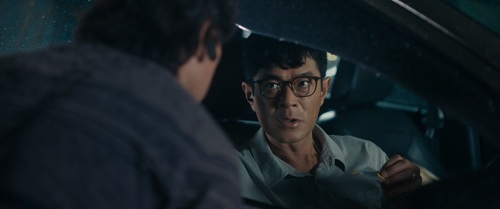
100) The Movie Emperor (Ning Hao)
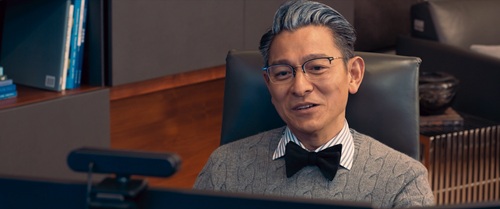
One of the many films that reflect on filmmaking itself on this year’s list, if not one of the most serious. Movie star Andy Lau plays a movie star who decides to make a social art film to reinforce his relevance and ends up alienating everyone. The satire isn’t the most biting, but there is a very expressive bitterness, and it’s always a pleasure to see Andy Lau being a movie star as we don’t have that many anymore.
99) Missing Child Videotape (Ryota Kondo)
An exercise in playing into the early 2000s Japanese horror sandbox. Formally precise, it does know how to conjure an unsettling and horrible image. Academic cinema with some meat is certainly preferable to some of the more curator-approved versions of the same.
98) 1st Kiss (Ayuko Tsukahara)
The beginning and end of a relationship through the dramatic framework that popular fiction makes possible. One of those things that Japanese cinema keeps very much alive with its taste for melodrama and fantasy, and the certainty that it can take the emotions it conveys seriously.
97) Zero (Jean Luc Herbulot)
Congolese filmmaker Herbulot got some attention with his very good horror action hybrid Saloum a few years ago; this follow-up barely got any, but it isn’t that different as a thriller with horror elements and large colonial tension in the background. Clever premise and forceful and immediate, if a little too punishing death trip.
96) One Minute Is an Eternity for Those Who Are Suffering/Um Minuto é uma Eternidade para Quem Está Sofrendo (Fábio Rogério, Wesley Pereira de Castro)
When two gazes meet in the presence and in the editing. A diary film of day-to-day life and impressions of director Pereira de Castro, who is always torn between an intoxicating first-person dive and the effort to exist beyond it.
95) Satranic Panic (Alice Maio Mackay)
The world’s most productive 21-year-old horror filmmaker keeps doing fine spins on known horror concepts as a way to deal with different aspects of current trans life. As usual, lively cast, fairly grounded in its characters lives, and lots of energy, plus it is one of the two queer horror movies in this list that climax in a cool musical number, and I have a weakness for that.
94) Filmlovers!/Spectateurs ! (Arnaud Desplechin)
As time goes by, Desplechin increasingly replaces Bergman for Truffaut and becomes less relevant in the contemporary film scene. This essay on cinephilia is more eccentric than insightful, but it becomes more fascinating the more it embraces the perversity of such passion.
93) The Falling Sky/A Queda do Céu (Eryk Rocha, Gabriela Carneiro da Cunha)
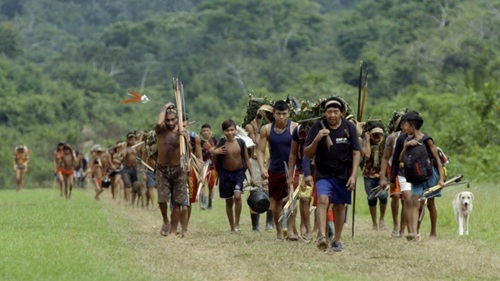
Eryk Rocha co-directed this documentary about the Yanomami and their fight against the external forces with actress Gabriela Carneiro da Cunha, and in some ways it allows for a strong social concern to balance his more aestheticized interests. Like most of Rocha’s documentaries, the main subjects are invited into a carefully crafted pictorial image that fits the Yanomami’s connection to their land.
92) Squad 36/Bastion 36 (Olivier Marchal)
A Netflix original film that barely exist, but as always, I enjoy former cop Marchal’s films about the excesses of French law enforcement officers. He knows the milieu intimately and how to describe it in detail while remaining very closely connected to it. This one feels like a more conservative version of a 1970s thriller by Yves Boisset.
90) Amelia’s Children/A Semente do Mal (Gabriel Abrantes) and The Strangers: Chapter 2 (Renny Harlin)
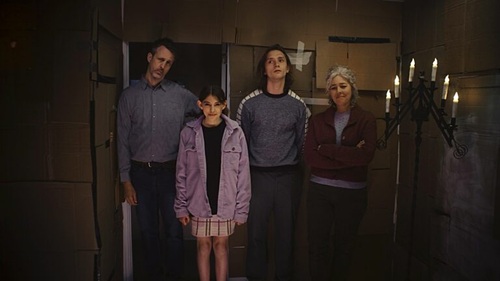
Two very solid horror thrillers from barebones and very recognizable scenarios. Abrantes (from festival darling Diamantino) has a lot of fun with his power family games and old gothic intimations, while the resourceful, if very shallow, Harlin gets to fill time between what was a bad movie and what I assume is going to be another one by staging a 90-minute slasher chase that is as minimal as it is exciting. Neither movie is for anyone who cares about plot or psychology, but if you like playful form operating in a mostly vacuum, those movies deliver.
89) L’Aventura (Sophie Letourneur)
Letourneur’s previous film was called Voyage to Italy, this one L’Aventura, and both elaborate on the same project of setting their characters in motion across this foreign land. As always, she is a great director of actors.
88) Gil, Let’s Explode São Paulo/Explode São Paulo, Gil (Maria Clara Escobar)
This is one of Brazilian movies on the list filmmaker I’ve personally known for years, and given that it is a first-person film about a lesbian singer who worked for her, this seems worth mentioning. It is a power tug in which Escobar allows Gil to star in the fiction she deserves while making sure she is also a character in the movie the filmmaker wants. A complex relationship between multiple desires and power that was made through a decade and does offer a fascinating look in a sort of low-budget film portrait that was popular in the Dilma years, becoming its own mirror.
86) Dead Souls (Alex Cox) and In the Lost Lands (Paul W. S. Anderson)
Two neo-westerns by filmmakers with strong and eccentric personalities. Cox’s film was made on a shoestring budget, while Anderson’s had plenty of money behind it, but both exert a great fascination with how to push a cinematic image with recognizable iconography and a rugged surface onto its own, almost experimental paths.
85) Second Life (Chris Huo)
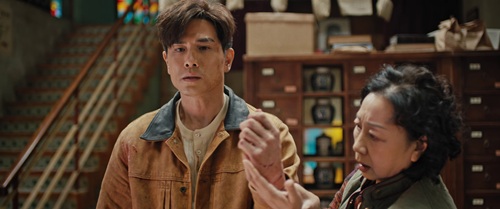
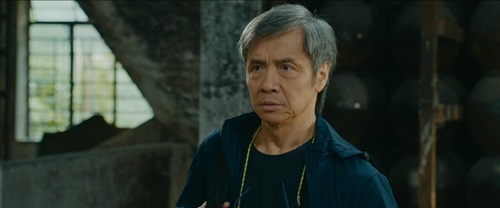
Director Huo is one of the more prolific filmmakers on the Chinese DTV scene and has been on my lists before as a throwback to 1980s Hong Kong action. This one is his most eccentric, combining comedy, family drama, and some great choreography (the climax is especially inspired). And it is a great vehicle for veteran Hong Kong character actress Yuen Qiu, a former classmate of Jackie Chan and Sammo Hung, who has worked with everyone from Lau Kar Leung to Stephen Chow and rarely gets a main role this good.
84) The Volunteers: The Battle of Life and Death (Chen Kaige)
Part two of Chen Kaige’s patriotic epic about the efforts of Chinese soldiers in the Korean War. It is big official cinema on a scale rarely seen today, that makes very good use of the filmmaker’s decorative talents. Every image is carefully staged.
83) Thieves Highway (Jesse V. Johnson)
Another neo-western, this one by the always resourceful Jesse V. Johnson. It is not one of his most ambitious films but keeps finding good current analogues to old forms. It is a low-key movie about cattle robbers and the “cow cop” on their trail, with everyone a little more beat down and desperate than in similar movies. Thieves Highway could pass for a minor 50s Randolph Scott western, and that is an art form worth preserving.
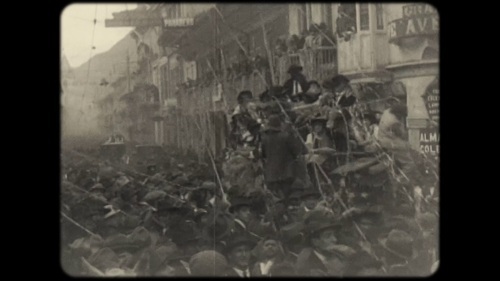
The great Colombian filmmaker Luis Ospina passed away in 2019 while working on this film, which Jerónimo Atehortúa Arteaga completed. It is itself a revival of images from local silent cinema, reimagined in all their power in a newly woven narrative.
81) Hunt the Wicked (Chris Huo)
Another blast from Chris Huo. The opening and closing sections are as excitingly designed as this kind of low-budget action gets.
80) Wake Up Dead Man (Rian Johnson)
Rian Johnson always makes the same movie, exploiting his skill for staging scenes to the hilt while distracting us with his latest tall tale. At his worst, he comes across as a little too clever; at his best, he is a storyteller of unusual fluidity in contemporary American cinema. This is the best of the detective movies he made with Daniel Craig, probably because the actual star is Josh O’Connor as the priest who wished for the crime he did not commit, and the focus on faith gives the film something to counterbalance all the theatrics.
79) Back Home (Tsai Ming Liang)
Another one of the miniature observational movies Tsai has been making since his “retirement.” The dog scene earlier is a wonder, and everything else is fine too.
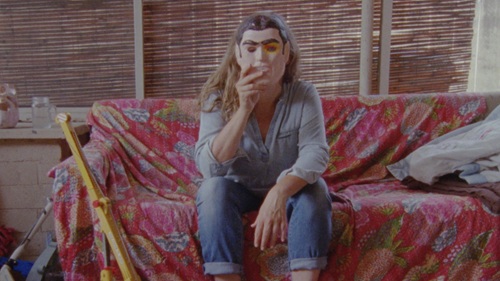
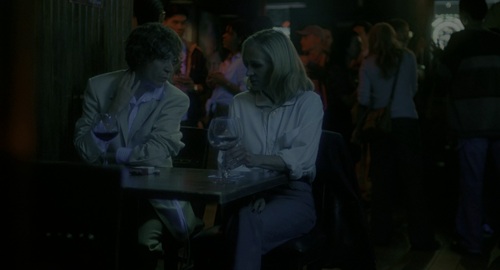
78) If I Had Legs I’d Kick You (Mary Bronstein)
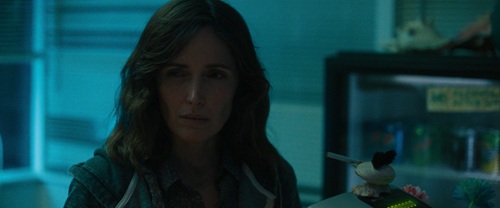
Bronstein’s debut, Yeast (2008), made a lot of good use of mumblecore aesthetics to move it away from its usual very male-dominated milieu towards the more toxic elements of female friendships; this second feature starts from the Safdies’ intense semi-realism (her husband Ronald is their longtime co-writer and editor) for an arty, almost thriller about how motherhood can be terrible. I’m sure this is going to be even better when all the tics in it are a signpost of a long past arthouse period. It helps that Rose Byrne is great in it.
77) More Beautiful (Karoline Herfurth)
Another film about female anxieties, despite the fact that it takes the form of a populist comedy. The scenes with the young cast are especially good.
76) Super Happy Forever (Kohei Igarashi)
A Japanese Hong Sang-soo movie about finding and losing people. Some very good casual filmmaking set against a more rigid writing structure.
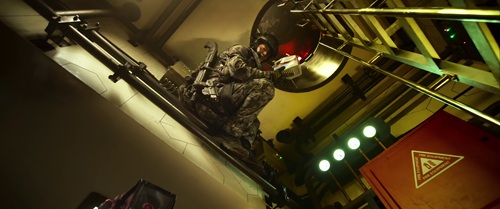
75) Operation Hadal (Dante Lam)
Exquisite recruiting poster for the Chinese military with action and melodrama taken to the extreme. A Jerry Bruckheimer 90s movie without the dull parts. I left it ready to serve Xi. One must admire the shamelessness of the Chinese film industry.
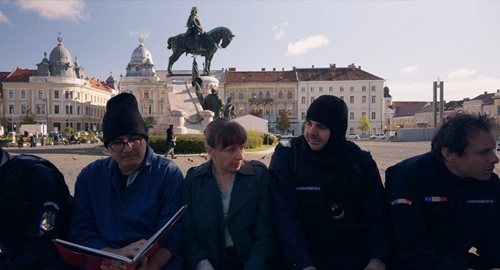
74) Kontinental ‘25 (Radu Jude)
I’m not always convinced by Radu Jude’s high concepts: I had no use for his Dracula, but this “remake” of Europa 51 about the end of the European social democracy pact has the right amount of intimacy and observation to actually give the idea some force.
73) Evidence (Lee Anne Schimitt)
A thoughtful film essay on the impact of conservative American think tanks, but above all, one that is ready to convey its arguments through a series of material and spatial strategies.
72) Dream Team (Lev Kalman, Whitney Horn)
A very good pastiche that gets a lot out of the idea that softcore movies suggest normal without committing to them, which makes them ideal surfaces for this sort of no-budget experiment. Great hangout vibes; everyone involved is probably having a better time than anyone watching it, which is paradoxically part of what is so likable about it.
71) Honey Don’t (Ethan Coen, Tricia Cooke)
Another good pastiche by a creative couple. Honey, No! is more serious and sad than the genre exercise it was sold as, and has considerable difficulty flowing narratively, but as a collection of stray observations about an oppressive urban space organized around Margaret Qualley’s presence, this film is cooler and more interesting than anything the Coens have done together in the last decade of their partnership.
70) A Gilded Game (Herman Yau)
A Herman Yau-directed financial thriller that is fairly slick and mostly pleasurable. A gangster movie without any shootouts but plenty of bad people shouting at their computers. Every scene with Andy Lau (who is there to tell us not every capitalist is pure evil, because only China cares about that) is a joy, even more so if we are just hanging out with him with no plot.
69) The Smashing Machine (Benny Safdie)
An unfairly maligned movie, probably because it is rather clumsy as a drama, but as an experiment in playing with the Safdies’ taste for documentary detail as a way of representing sports masochism and the multiple images and desires related to it, this is a much richer movie than it has been given credit for.
67) Megadoc (Mike Figgs) and Stuntman (Albert Leung, Herbert Leung)
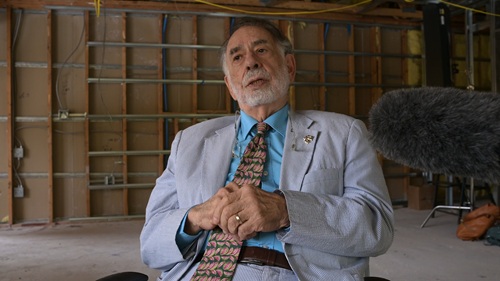
Two movies all about representing the limits of outmoded personal forms of filmmaking and how they clash with current cinema. Figgis’ all-access documentary about Coppola’s Megalopolis is a fascinating peek behind the power games involved in such a project, even if its focus on the shooting carefully sidesteps any of the polemics around it. The Leungs debut is a melodrama about a Hong Kong veteran choreographer who refuses to adapt to current safety concerns, is a very heartfelt look at what remains of the city’s film industry, a subject that, as everyone knows, is very meaningful for me.
66) Dangerous Animals (Sean Byrne)
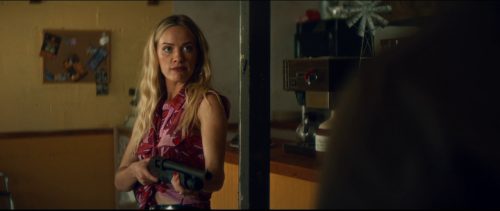
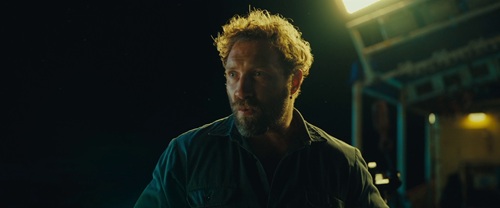
Beggining now a series of shameless potboilers. This one is likely the best shark movie since 2016’s The Shallows, just a good idea (reimagining Peeping Tom with a psychopath whose kink is filming women being eaten by sharks) very well executed. The image of Jai Courtney relishing the videos he recorded is one of the most disturbing scenes of the year, and the heroine castrating him by throwing his camera into the water is one of the funniest.
65) Roofman (Derek Cianfrance)
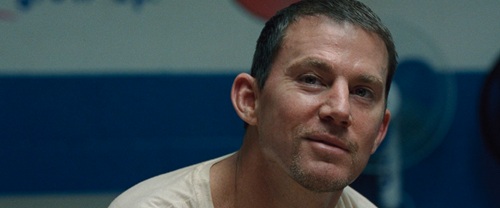
Like The Smashing Machine, Roofman is an experiment around how to use a true story. In this case, how charming a movie star (Channing Tatum) must be to let a depressing comedy of errors about a fuckup who keeps making the wrong decision go down smoothly. Audiences stayed away, but it is a credit to filmmaker Cianfrance, Tatum, and co-star Kirsten Dunst how well this plays.
64) Relay (David Mackenzie)
An empty calories formalist doing his best to make a good 1996 videostore hit.
63) Sinners (Ryan Coogler)
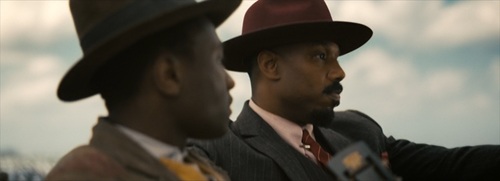
Huge, disjointed and incoherent, but a pleasure to watch for its over two hours. The great populist film of the year, a candidate to be underrated/overrated according to individual preferences, allow me to be centrist and place it in the middle section of mine. Better in how it uses horror than how it stages it, but the performances and music are great, and I find the epilogue very moving.
62) Friendship (Andrew DeYoung)
Very good cringe male anxiety comedy. Everyone does wonders reacting to star Robinson’s very committed turn.
61) Behind the Shadows (Jonathan Li, Chou Man-Yu)
Another voyeuristic thriller, this one from Hong Kong and focused on marriage, and updating some of the more melodramatic parts of Hitchcock’s movies.
60) After the Hunt (Luca Guadagnino)
I know this has been a punching bag since its Venice debut, because everyone likes to act superior to past its sell date prestige items, but I had a great time, and most of the topicality is dressing up for a delightful comedy of manners about some awful people very dedicated to their own forms of social phoniness. I don’t know if it’s a smart dumb movie or a dumb smart one, and I suspect neither does Guadagnino.
59) Father Mother Sister Brother (Jim Jamursch)
Jamursch’s best movie in 15 years, a collection of short stories that echo each other whose biggest merit is how cohesively it feels.
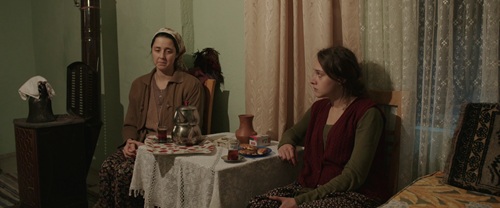
58) The World of the Dead/O Mundo dos Mortos (Pedro Tavares)
This is something so unusual for Brazilian cinema, taking place in the realm of myth with a spare theatricality that suggests artists like Oliveira. The World of the Dead looks back to a tradition of movies, but its distance from them is part of what is moving about it. Some great close-ups.
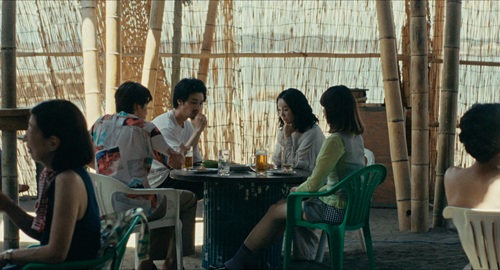
57) Life (Zeki Demirkubuz)
Demirkubuz remains a master at carefully shaped drama.
56) Alappuzha Gymkhana (Khalid Rahman)
A male bonding sports movie about Indian college students boxing. It does a great job of setting an environment and allowing the characters’ feelings to resonate within it.
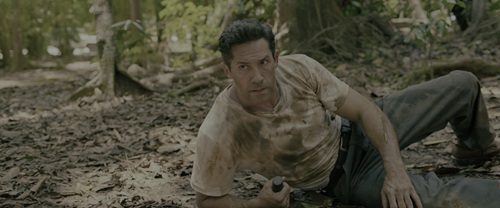
55) Prisoner of War (Louis Mandylor)
As others have pointed out, an American DTV version of Oshima’s Merry Christmas, Mr. Lawrence, so Scott Adkins is kicking people every few minutes. One of his better recent vehicles, and it works well as an action and pow movie.
54) The Three of Knowledge/A Arvore do Conhecimento (Eugene Green)
An encounter between the wonder of Green’s images and the humor of Portuguese production company O Som e a Fúria.
53) Ick (Joseph Kahn)
A monster movie about paternity, generational tension, and, I guess, the pandemic that remains always engaging thanks to director Kahn’s tasteless energy and a wonderful lead performance by Brandon Routh.
52) Queens of the Dead (Tina Romero)
Tina Romero is George’s daughter, something the movie is keen to constantly remind us of, and Queens of the Dead is a queer version of the apocalyptic zombie films he used to make. Great characters and cast, very likeable atmosphere, a delight that goes completely against the grain of current horror cinema.
51) She Rides Shotgun (Nick Rowland)
Father/daughter on the run crime movie that remains propulsive and had pretty good lead performances. There used to be so many more good movies like this.
50) The Little Sister/La petite dernière (Hefsia Herzi)
A very well-observed drama about negotiating your sexuality when you come from a conservative background. I especially like how it always exists on the edge of personal anxiety, while the character’s surroundings remain relaxed and inviting, the drama remains internal in her trembling and desires.
49) The Secret Agent/O Agente Secreto (Kleber Mendonça Filho)
A paradox: a movie that effectively reimagines the anxieties of the Bolsonaro years while hanging up in the late 70s Recife. An emotional trap that is often affectionate and generous. It is an achievement in setting an environment, physical and emotional, that the movie can just disappear in. Cinema as a form of time travel.
48) Little Boy (James Benning)
Urgent if a little dated in its discourse, but filtered with Benning’s conceptual and material precision.
47) Peter Hujar’s Day (Ira Sachs)
Another exercise in time travel. Back in the 70s, photographer Peter Hujar gave an interview describing his previous day, which survives only in transcription, and this movie reproduces the talk with the words faithful to the letter while filmmaker Sachs and his actors Ben Winshaw and Rebecca Hall try to imagine what is physically going on while those two people talk.
46) Flat Girls (Jirassaya Wongsutin)
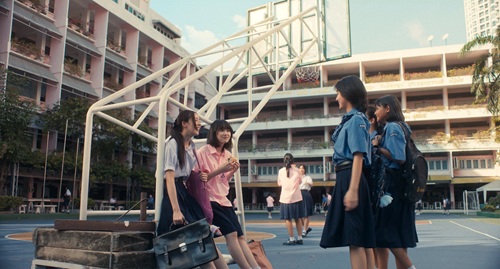
The melancholy of growing up. Very attentive to the bonds between its two teenagers and what they intimately share and how to position it in the face of a social environment that insists on meddling.
45) One Battle After the Other (Paul Thomas Anderson)
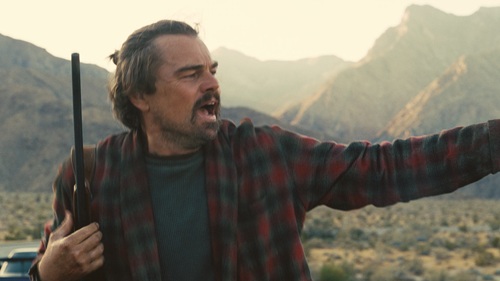
A great chase picture and enjoyable comic panorama. Anderson is making the best of the toys DiCaprio got Warner to give him; like most of his movies, it is an uneven mess, and it has honestly been overdiscussed politically, but any movie with those landscapes, that Del Toro performance, and DiCaprio wishing he knew how to do his daughter’s hair is doing things right.
44) Flashes of Critiques Metaphysical Murmurs/Relâmpagos de Críticas Murmúrios de Metafísicas (Julio Bressane, Rodrigo Lima)
Bressane revisits the origins of his cinema and what editing still allows it to flow.
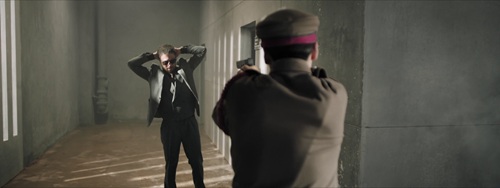
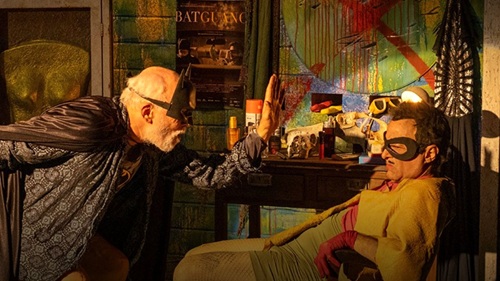
Teixeira returns to his great anthropophagic Batman and Robin as tropicalist Beavis and Butthead early film for a diaristic road movie about his current anxieties, so bitter, melancholic, yet still inventive.
42) Let’s Go Karaoke! (Nobuhiro Yamashita)
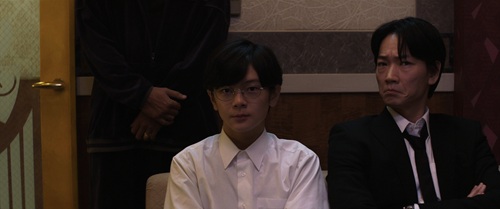
It’s always a pleasure to see Yamashita in good form, one of the most enjoyable filmmakers around, and who else could make such delightful cinema out of the friendship between a boy who sings in a choir, fearing the effects of puberty on his voice, and a yakuza who needs to win a karaoke competition.
41) Room Temperature (Zac Farley, Dennis Cooper)
A very good movie about what horror fiction can contain and represent. It is co-directed by the wonderful queer novelist Dennis Cooper, but it is something that can only exist as film and offers some great commentary on the current state of horror movies, even if it is not exactly one.
40) Metro.. in Dino (Anurag Basu)
Romance and alienation in the big city. About moving various characters around an emotional chessboard and connecting them through music. One of the most enjoyable films of the year.
39) Life and Death Madalena/Morte e Vida Madalena (Guto Parente)
To make independent cinema in Brazil is a pain and a joy.
38) Meeting with Pol Pot (Rithy Panh)
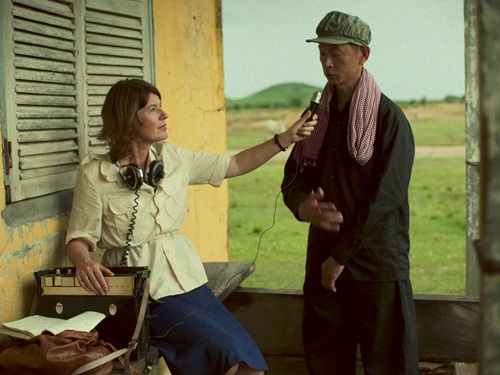
Rithy Panh remains true to himself and his efforts to excavate Cambodia’s history. This time, through a fictional film about a trip by French journalists to interview Pol Pot. One of his best films.
37) The Shadow’s Edge (Larry Yang)
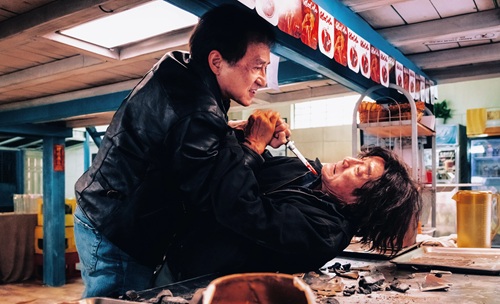
I’m probably overrating this because I’m still shocked there is a movie this good starring Jackie Chan in the year 2025. Accidental commentary about the arrested state of Hong Kong-affiliated cinema: this is a remake of a very good 2007 movie called Eye in the Sky, and Tony Leung Ka Fai played the master criminal in it, and of course he is still playing the same role at 67.
36) Jenseits des Rechts (Dominik Graf)
I love German TV crime shows and how they allow their auteurs to play around with B movies, which is especially welcome when Graf turns his hand at them, as he is one of the best storytellers in the world.
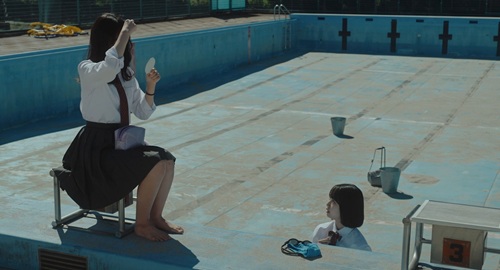
35) Swimming in a Sand Pool (Nobuhiro Yamashita)
Another recent Yamashita movie, this one taken from a play about a group of schoolgirls talking about their problems while cleaning a pool full of sand, gets its very symbolic scenario and central image and makes something so graceful out of it.
34) With Hasan in Gaza (Kamal Aljafari)
Of the gesture of locating the weight, political and personal, of the casual images stored away.
33) Retro (Karthik Subbaraj)
This year’s best Indian action movie. Only they could marry Chaplin and John Wick. A beautiful flow of intense and deeply felt images.
32) Youth (Homecoming) (Wang Bing)
The first part of Wang Bing’s trilogy dedicated to the daily lives of young workers in Chinese industry was on my list two years ago. It is essentially one big project lasting around nine hours. This final installment is like an epilogue, following its characters at home and at leisure, away from work but still affected by it.
31) Only Good Things/ Apenas Coisas Boas (Daniel Nolasco)
A queer western melodrama about shifting your desires and feelings to the landscapes of Brazil’s countryside. As good as that Almodóvar western from a few years ago was foolish.
30) The Phoenician Scheme (Wes Anderson)
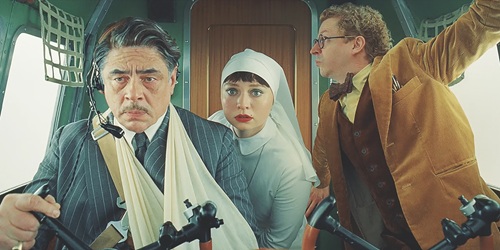
Wes Anderson reimagines Mr. Arkadin as a contemporary political farce. Of all the big-budget Hollywood movies released this year, this is certainly the most incisive.
29) The Sixth Robber (Chris Huo)
The best of Huo crime thrillers, the first to match the excellence of its action scenes with the intensity of the drama.
28) Blue Heron (Sophy Romvari)
I’ve known Romvari online for years, and I enjoy her short film work, which has occasionally covered the same personal territory, so given the very emotional and autobiographical nature of Blue Heron, I’m not necessarily objective about it, but movies like this aren’t very objective anyway. People keep comparing Blue Heron to Aftersun, as they are similar movies about troubled family drama observed by a young girl who only half understands it, but it strikes me as more ambitious and successful, and there is a scene near the end when Romvari breaks the fourth wall for good that still makes me misty.
27) The Colors Within (Naoko Yamada)
Music and animation that are ready to find good ways to give its young characters emotions a strong opening. The central idea is a good way to represent the things only animation can do, and as usual, Yamada is one of the warmer filmmakers around.
26) It was Only an Accident (Jafar Panahi)
Polanski’s Death and the Maiden as a great farce. My favorite Panahi movie is Crimson Gold, and this is probably his closest movie to it since. It’s mechanical and didactic, but its bitter and desperate humor works, and the drama remains engrossing throughout.
25) The Ice Tower/La tour de glace (Lucile Hadžihalilović)
I remember The Ice Tower got very mixed reviews when it played in Berlin earlier this year, so it is nice to see it showing up in a lot of year-end lists. It’s always a plus when good movies go through the whole reclamation work that fast. Our attention economy can be cruel, and Hadžihalilović is an artist whose idiosyncrasies can be further from it, as beautiful as her images can be. This one uses a fable to catalogue all the ways filmmaking will seduce and crush you.
24) Fire Supply (Lucia Seles)
Speaking of idiosyncrasies, there are few films as distinctive as those by Sales. So deliberately constructed in their fictions with their own rhythms, the editing of Fire Supply is exquisite, as is each location in which its characters take refuge. An artificial cinema that is at the same time very inviting and intimate, almost homemade.
23) Air (Aleksei German Jr)
A Russian war epic about women fighters on the Leningrad front. This is a sweeping, old-fashioned spectacle done on a large scale. Terrific actresses and great plane action. It is very exciting while never letting lose how death hangs over everything. War is a tough negotiation with death that states win and people lose.
22) Kickflip (Lucca Filippin)
Young skateboarders from upstate São Paulo. Images that are disposable and could be on any social media platform, but which Fillipin’s movie infuses with possibility. A movie with no distance between the cinematic apparatus and its characters, very compelling because it recognizes the full power of their gestures and dramatic charge of their actions without distancing the images from the skateboarders daily lives.
21) Youth (Hard Times) (Wang Bing)
The mid part of Wang Bing’s large project. The most pointed and angry. If Youth seems as ambitious as his earlier masterpiece West of the Tracks, and I won’t be surprised if in a couple of decades it will be talked about as a key 2020s Chinese film as that one is from the 2000s, this chapter will be why. It is didactic but so full of life, and the use of offscreen remains exquisite.
20) White House/Kasa Branca (Luciano Vidigal)
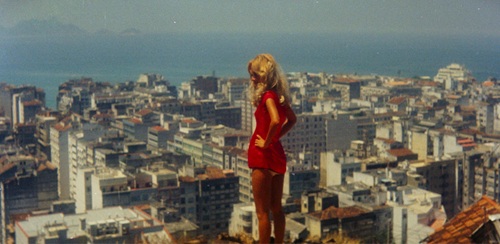
The best and most beautiful Brazilian film I’ve seen this year. So connected to the daily lives of its Rio youngsters, so well observed and lively. The naturalism of Brazilian independent cinema is sometimes a limiting crutch, but Kasa Branca breathes life into it and brings it into contact with the great chronicle cinema of Rio de Janeiro, by Nelson Pereira and David Neves, and it’s so good to see something like this again here.
19) Mirrors No. 3 (Christian Petzold)
One for auteurism: Petzold making a careful variation on many of his pet themes and formal tics with his usual skill. It is familiar but precise. Petzold’s handling of actors remains great. I might’ve listened to the Four Seasons’ The Night some 50 times in the past two months.
18) Evil Puddle (Charles Roxburgh)
There is something about the possibilities of amateur cinema that Roxburgh and his longtime partner, Matt Farley, achieve: it is a film with an absurd concept, a city attacked by haunted puddles, which ends up being one of the few useful portraits of post-pandemic communities and how they negotiate their individualistic desires. The fact that everything is so affectionate makes the sharp parts work better. It’s part Stephen King, part Shyamalan, and offers Farley one of the best variations on his persona.
17) Highest 2 Lowest (Spike Lee)
Spike Lee’s remake of Kurosawa’s masterpiece High and Low is one of the year’s most divisive, mostly because of the question about a known auteur remaking another, which quite honestly bores me. What I do care about is what Lee does with the scenario, a highly personal read that turns it into a very conservative paranoid fantasy about two very successful Black film artists, Lee and star Denzel Washington, and their fears about their own relevance and how a world they are not that at home in sees them. The big drop scene midway is wonderful and lively; everything else is oppressive but increasingly strange and torturous. Lee remains very relevant because he seems so lost in his bubble.
16) Ariel (Lois Patiño)
Originally, Patiño was going to make this movie with Matias Piñeiro, and he remains very close to Piñeiro’s work with its contemporary use of Shakespeare’s text, in this case, The Tempest. In Ariel, the find is to set the action in Portugal, this land always ready to convey a haunted historical weight, with the Azores beautifully filmed, which adds a new layer to both Patiño’s and Piñeiro’s cinema.
15) Escape (Masao Adachi)
Adachi is the only major filmmaker who sacrificed years of his life to radical clandestine political action. Since his comeback to filmmaking with 2007’s Prisoner/Terrorist, he has been making no-budget spare representations of Japan’s radical resistance. This time he comes up with a tribute to Kirishima Satoshi, a man who stayed most of his life as a fugitive on the Japanese government’s most wanted list until he showed up at a hospital dying and told the world who he was. Adachi couldn’t care less about what current cinema looks like, but he cares about Saroshi and what lives like his mean. He is 86 years old and perhaps our freest filmmaker.
14) 7 Walks with Mark Brown/Sept promenades avec Mark Brown (Pierre Creton, Vincent Barré)
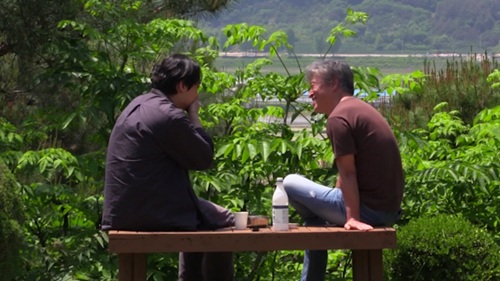
Speaking of free movies, this one could borrow Hong’s title, What Nature Says to You. Just a vibrant movie about our relationship to the natural world around us.
13) Fuck the Polis (Rita Azevedo Gomes)
Another movie that radically engages with the world. This one follows a trip by Gomes to Greece, multiple times and historical echoes, the whole weight of a world that carries so much with it, filtered here by the ease with which Azevedo Gomes films the most casual moments. There is a lot of beauty, but also a lot of violence in how this cinematic gaze mediates all these relationships.
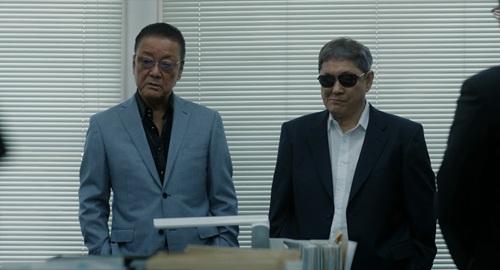
11) Broken Rage (Takeshi Kitano) and Where to Land (Hal Hartley)
There are a lot of movies by aging filmmakers in this list, as usual. Aging artists often bring with them a lot of history and connections that engage me, and they frankly care so little about current fashions in a way that is always a plus. I hate when people use terms like “late style” to try to explain them, because doing so isn’t very productive. I’d rather own up that I can be faithful and sentimental and that there is something radical about a lot of those end-of-career artistic gestures. Here are two good test cases, both cinematic wills of sorts: Kitano, 78, is a throwaway Amazon production, and Hartley, 66, was made with very little money through internet funding. The Japanese master is a huge celebrity who keeps getting away with eccentric movies, while the American might be unique among his generation for not seriously trying to engage with the mainstream. These are very funny and generous movies; they also make absolutely no sense if you don’t know the artists’ work. Kitano offers a series of variations on his screen persona, an hour-long movie that replays its basic scenario twice with tonal variations, as oppressive in its connotations as joyful in its execution. Hartley’s film, which is literally about the making of a filmmaker’s will (although his on-screen avatar is a celebrated romantic comedy auteur, which is funny and perceptive), is so taken by what it can pass along, what comes before, and the possibilities of a future. Do I find it Hartley’s best movie in over 30 years because it seems so final? Probably, at least to a point, the sense of a world ending, the urgency, but also the pleasure that comes with it is a lot of the appeal. There is a lot of finality in both of those movies, but also an opening that is equally upfront.
10) Bad Girl (Varsha Bharath)
At the opposite end of the spectrum, a debut feature so full of possibility and energy, so dedicated to representing the life and desires of a young Indian woman. I like the freshness of the movie, I like that it remains so nimble and so uninterested in any kind of austerity, while at the same time, just by being so blunt and direct, it comes across as a radical and assertive gesture.
9) The Bewilderment of Chile (Lucia Seles)
Some of the most fun and cozy filmmaking around. Just packing things that matter for its makers while remaining so connected to the city and its public spaces, how to love and live in them. This is very funny and, like Seles’ other work, so inviting and warm, and the editing is an impressive act of keeping so many situations, characters, and ideas in a coherent balance.
8) Castration Movie Anthology i. Traps (Louise Weard)
Ward’s movie is the first part of an ambitious project, currently filming the third, attempting to account for the most disparate forms of trans experiences. It is four and a half hours with very little modulation, keeping its eye on more situations, characters, and contradictory feelings. It is a lot of movie, made with complete carefreeness and at the same time always intoxicated by the experiences on screen, always very affecting in its own way, never half-hearted.
7) Desert of Namibia (Yoko Yamanaka)
A young bipolar Japanese woman and the two men she oscillates around. Those are easy signposts that matter and don’t, as are any of the ways one could describe the main character’s actions: selfish, violent, out of control. The words and the value judgments that come with them don’t seem fair to director Yamanaka desire to only let her exist. So generous as a gesture, and so uncompromising. And in actress Yuumi Kawai, she finds her right accomplice, really one of the most astonishing performances of the last few years, almost peak Gena Rowlands good.
6) What Nature Say to You (Hong Sang-soo)
The oppressive nature of the family house, the general distance between the boyfriend and her parents, everything observed with such caustic care. And then that wonderful drunk scene when the comedy of manners just falls apart.
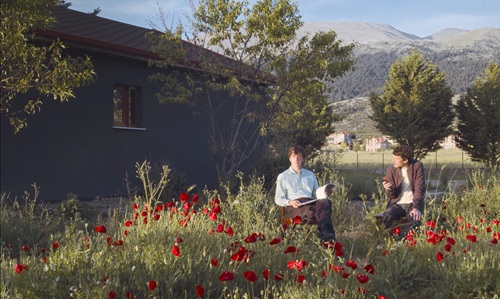
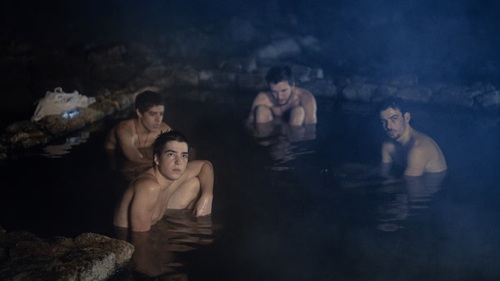
5) Last Night I Conquered the City of Thebes/Anoche conquisté Tebas (Gabriel Azorín)
Young men in steam baths, lost in a mythical image. An entire historical past, the uncertainties of the future, and the presence of the present. Battles that have been and battles that will be, suspended in time. A very beautiful film that creates an entire world from those half-naked guys taking a bath and talking.
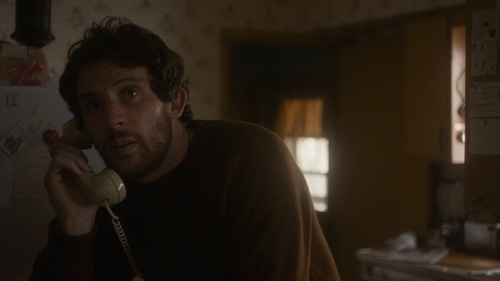
4) The Mastermind (Kelly Reichardt)
Two movements, the heist and the flight. Multiple meanings that are clear and obscure. A film that is very adept at playing its parts off against each other and exploiting Josh O’Connor’s screen presence. The title is and isn’t a joke; the robbery is the predictable disaster beneath its supposed cleverness, but O’Connor clearly considers himself above his criminal milieu, a guy who wants to be the boss without the hassle and monotony of the office job that his father’s connections could probably get him. The film lingers on the late scene with his college friend who offers him salvation with a place in a Canadian commune that he has to refuse because “it’s not his scene.” Even in the face of literal marginalization, there is still the need to embrace an imaginary self-image. A mirage that the film strips bare until the incredible final shot.
3) She Taught Me Serendipity (Akiko Ohku)
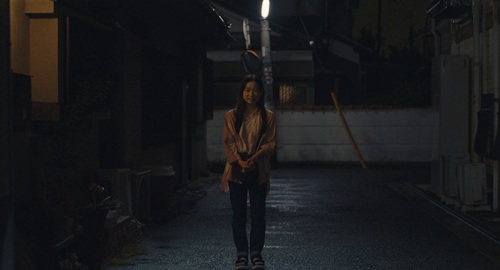
There is probably not a better moment in a movie this year than the love confession that just arrives midmovie, so raw and exposed, and that goes on and on. Such a beautiful movie about how we perceive the world and how we allow, or not, for the people around us to be a part of it. So hopeful and upbeat, yet so painful and hardly earned. A true education in the form of a simple slippery youth romantic comedy.
2) Dry Leaf (Alexandre Koberidze)
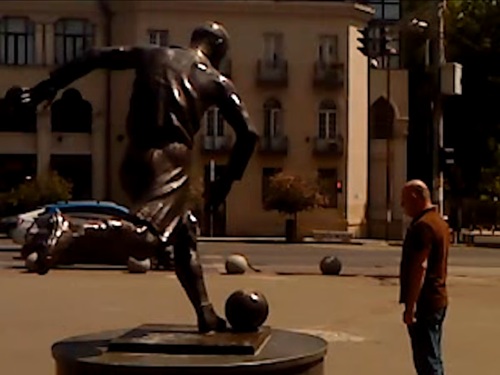
The pleasures of make-believe. A man drives across the roads of Georgia in search of his missing daughter, in the company of his imaginary friend, on a tour of the amateur football fields she visited. Cinema always returning to The Searchers, here blessed by Brazilian football. Koberidze loves football because it is a mythical field where anything is possible. He makes a movie in the same vein, cataloging new encounters, a blur (the images were shot in very low resolution) full of green fields, children, animals, and old faces that pass by on screen.
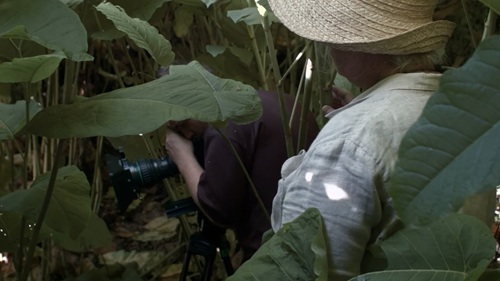
1) Blue Moon (Richard Linklater)
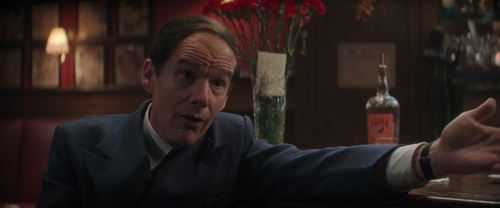
Dry Leaf looks forward the most, but if I’m being honest with myself, this chamber piece is all about looking back at a world at twilight near the end is my favorite. A movie with impressive finality about all the things the pre-World War II days could be hopeful about approaching the end. It takes place in near real time and a single set, and it is so tightly controlled by Linklater in a mix of contradictory emotions. A drunk funeral and a beautiful one.

 Login
Login