Login
Login
Gravamos nosso podcast com seguidores!

https://youtu.be/PbJR0JoWHJA

These are my recently read books and some comments and notes from when I read them.
As I love books and recommendations by others, I want to share them in a collective format so others can read gems of books, as I think books are still the best way to read new information these days. Even more with the fast pace we are going at, as books are well structured and made for the long term.
Over the years, I have made recommendations in Writer’s Room, my newsletter, on my now page or in person. Here I have collected and curated them over the years including some comments. I hope you enjoy.
These are some of my all-time favorite books that I recommend to everyone.
Last updated: December 30, 2025
In a bold move toward ultimate minimalism, developer Geir Isene has created Frame — the first X11 server for Linux written entirely in assembly language. The X server is one of those foundational pieces that most of us take for granted. It’s big, complex, and full of decades of legacy code. But what if someone...
The post Frame: The First Linux X Server Written Entirely in Assembly Language appeared first on DebugPoint.com. Do not reproduce this post without permission.
Creation is the ultimate form of pursuing ourselves, giving to the world when shared, and using the power of our subconscious. It gives us joy, and to every artist, it is the ultimate (flow) state of happiness.
The act of creation is an outlet. It gives joy to us when we create something out of nothing, we block out anxiety or boredom.
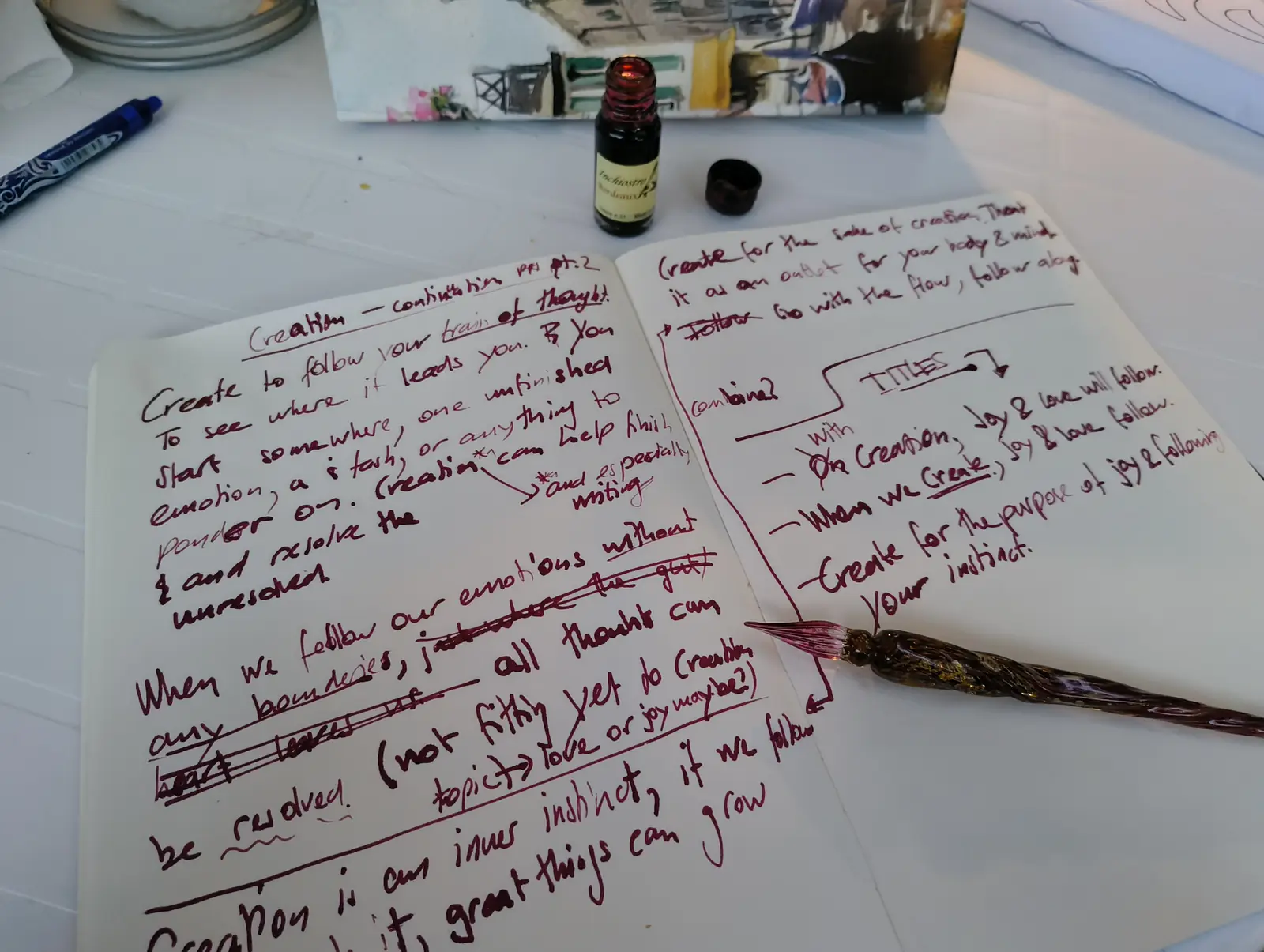
Creating should be done like:
Creation, and especially writing, can help resolve the unresolved.
Creating is also about making a difference. If nothing changes in you, the people, not enough value was added to your creation. Any creation should trigger something. But foremost, the process of creation should change something in you, some release, a good feeling, it must feel right. If it does nothing, an empty feeling, the creation might not be there yet.
Create with love and empathy in mind. Liking someone is one thing, but giving love, caring for someone, and integrating that into your work is the ultimate way to create.
Create joy and laughter. Speak the language of people, make them happy by creating enjoyment.
When we follow our emotions without any boundaries, following our instincts, we get into a state of deep focus and deep concentration where all thoughts can be resolved.
Creation is our inner [[Gut Feeling|Instinct]]. If we follow and nourish it, great things can arise from it. Treat it as an outlet for your body and mind. Go with the flow, follow along. Create for the sake of creation.
The act of creation is following your own life rhythm, for example, the [[Pathless Path]]. It is the ultimate form of connecting with yourself.
All creation is unique, unique specifically to you as the creator, but also (hopefully) to the reader, viewer, or consumer of your work. Your creations live long after your death; others will connect and create new works from them. It’s giving joy after you’re gone.
Learn for Life, as I like to say, has been my earliest mantra when starting any of my creations shared online. The common definition of success is reaching a desired outcome. The Scientist’s definition of success is: if you learn something new, you haven’t failed, as Anne-Laure Le Cunff says on How to Design Tiny Experiments Like a Scientist.
For example, a scientist defines it like this: if you say you want to write more, instead of just writing, you define ‘I will write for at least one month, or at least 10 articles. And then you don’t stop before that. Success is the experience, not the outcome.
The act of creation is a slow process that needs time and experience. A slow life, an [[The Ordinary (Boring) Life|ordinary, boring life]] even, to focus on the details, using the craftsmanship refined over the years, and retrieving joy from the process of creation.
What matters is the quality and outcome we are proud to release to the world.
You create for yourself with no return in mind, you just share it as a gift for the world, for anyone to consume.
Creation thought of as a gift is an easy way for you to create without the burden of pleasing people, as it’s take-it-or-leave-it, like a gift. No strings attached, just making gifts.
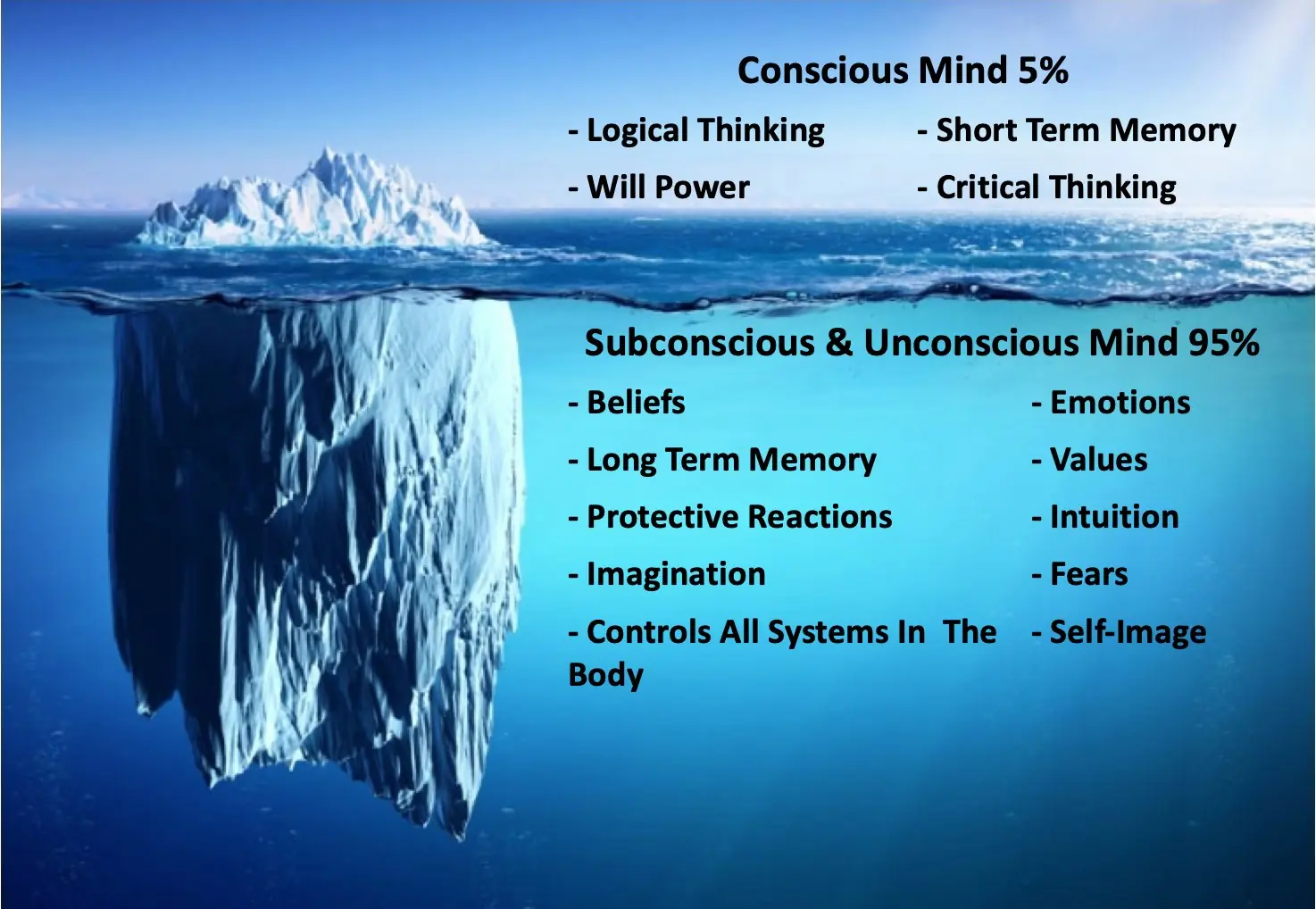
When we create, most of our subconscious is driving the thought. Just let it cruise and see what the outcome is. Use the conscious mind for fixing errors and making sure the sentences make sense later, but don’t start with it.
Different flairs for designs to add ease or user delight to your creation. Similar to the “Spark Joy Philosophy”, which is very fitting when creating for the enjoyment of the reader.
To me, creation sparks joy for myself, it’s the outlet for me to release and organize my thoughts. It avoids the [[shallow happiness]] that I get from social media, binge-watching Netflix, or other brainless activities on the phone or TV. Sure, there’s time for that too, to calm down, but if we are not careful, the algorithms will take over and we default to always choosing the easy choice.
Creating is hard, there’s friction, it does not directly work, but the reward is long-term, with [[deep happiness]] and a deep flow state: “It’s magical that they just tried to be there”, which is the highest form of happiness artists get (see The Artist’s Way) as we discovered in Finding Flow, with escaping digital distractions through deep work and slow living.
I hope you find your outlet for creation, an act you can partake in to develop happiness and joy for yourself, getting into that deep flow and having a slow process where many small gifts of creation can be shared with the world.
This article was created with the inspiration of reading How to Live by Derek Sivers in Cavallino, Italy.
I was watching kids play football on a campsite football field in Italy, so free and joyful. ↩︎
Weston 16.0 released with major advances in HDR, color management, and Wayland protocol support. After about five months of development, the Weston project has officially released Weston 16.0, the reference Wayland compositor. This version brings important improvements that will help desktop environments like GNOME, KDE, and Enlightenment achieve better and more complete Wayland support. It’s...
The post Weston 16.0 Released: Key New Features appeared first on DebugPoint.com. Do not reproduce this post without permission.
GNOME OS is getting a dedicated “Test Center” that finally makes testing experimental apps and system components safe, simple, and reversible on image-based distributions. GNOME OS has always been that cool, slightly wild playground for people who live and breathe GNOME. It’s image-based, atomically updated, super secure… and until now, a bit of a pain...
The post GNOME OS is Getting a ‘Test Center’ – Making Experimental Software Testing Actually Usable appeared first on DebugPoint.com. Do not reproduce this post without permission.
Debian released important point updates for both its current stable and previous stable versions on July 11, with Debian 12 officially entering its Long Term Support phase. The Debian project released updated point versions for both its current stable release and the previous one on July 11, 2026. Debian 13.6 delivers 124 stability fixes and...
The post Debian 12.15 and 13.6 Released: Bookworm Enters LTS with Support Until 2028 appeared first on DebugPoint.com. Do not reproduce this post without permission.