OMODA & JAECOO ha pasado en España de una oferta casi centrada en la gasolina a un ‘mix’ donde las versiones electrificadas ya son mayoritarias, con la tecnología SHS como eje central de su estrategia
La transición del automóvil se suele contar como una línea recta hacia el vehículo eléctrico. Sin embargo, el mercado avanza de una manera menos previsible porque la electrificación no se despliega igual en una gran ciudad que en una zona periurbana, en una familia con plaza de garaje que en una persona que aparca en la calle o en una flota profesional que en un vehículo destinado a viajes largos.
Dicho de otro modo, no todas las soluciones sirven para todos los usos ni todos los territorios se encuentran en el mismo punto de madurez, y la idea está ganando peso en la estrategia de algunas marcas decididas a no concentrar su oferta en una única respuesta tecnológica. OMODA & JAECOO, que comenzó a comercializar vehículos en España en los primeros meses de 2024, es un ejemplo de cómo el mercado puede cambiar en poco tiempo. Según los datos facilitados por la compañía, en sus primeros compases prácticamente el 98% de las ventas correspondía a versiones de gasolina sin electrificar, mientras que en 2026 más del 90% de sus matriculaciones se concentra en versiones electrificadas, contando híbridos, híbridos enchufables y eléctricos puros.
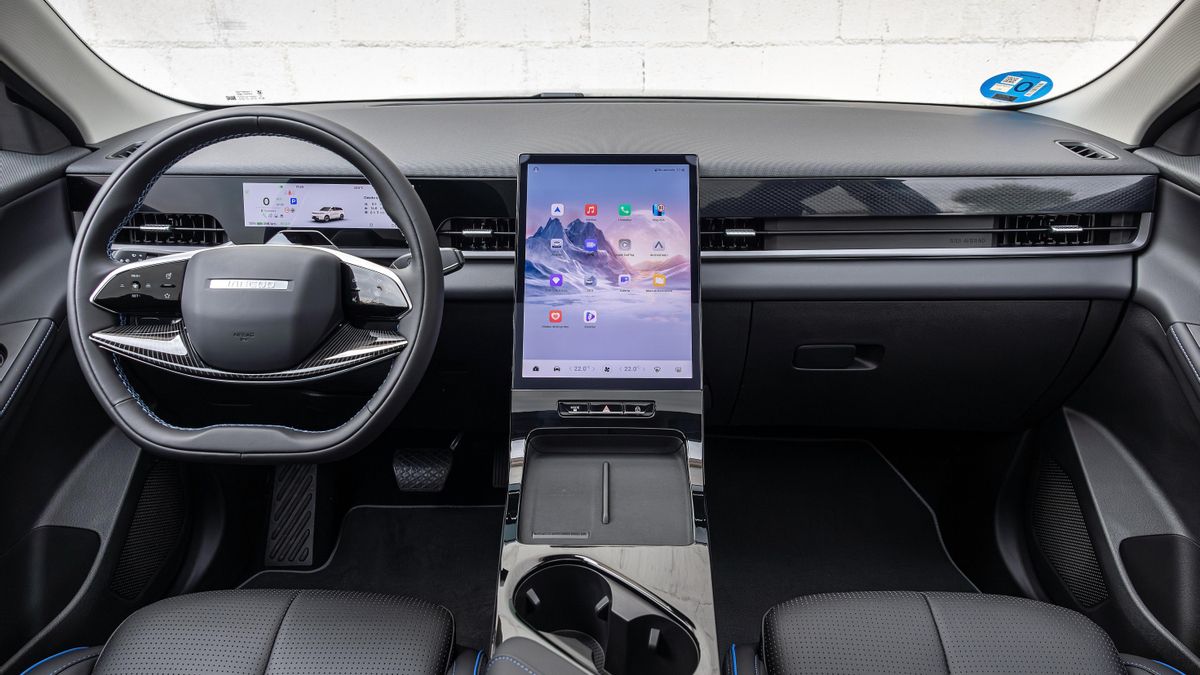
JAECOO 5 EV en circulación.
El salto es relevante porque no solo habla de la evolución de una marca, sino también de una tendencia más amplia. Para algunos conductores, el vehículo eléctrico puro encaja de forma directa; otros ven en el híbrido enchufable una tecnología de transición, y para un tercer grupo el híbrido convencional opera como puerta de entrada a la electrificación.
OMODA & JAECOO ha articulado su crecimiento en nuestro país sobre esa convivencia tecnológica. La gama actual de OMODA incorpora modelos como el OMODA 5 SHS híbrido, el OMODA 5 EV, el OMODA 7 SHS híbrido enchufable y el OMODA 9 SHS híbrido enchufable. En el caso de JAECOO, la gama incluye el JAECOO 5 de gasolina y también en versión SHS híbrida, además de variantes SHS híbridas enchufables en los JAECOO 7 y JAECOO 8.
Omoda 5 SHS híbrido circulando en carretera.
Como se aprecia, la tecnología SHS (Super Hybrid System) ocupa un papel central en la propuesta de ambas marcas, y su denominación hace referencia tanto a los híbridos como a los híbridos enchufables. Los primeros están pensados para mejorar la eficiencia sin necesidad de recarga externa, en tanto que los segundos se orientan a quienes pueden aprovechar la conducción eléctrica en el uso diario pero necesitan mantener la autonomía para recorridos más largos.
El Super Hybrid System (SHS) presenta, por tanto, dos configuraciones diferenciadas. En las versiones híbridas, el sistema combina motor de combustión y apoyo eléctrico para reducir consumos y emisiones sin necesidad de recarga externa, una opción pensada para quienes buscan consumir poco sin cambiar sus hábitos de uso. En las variantes SHS híbridas enchufables, la arquitectura añade una batería de mayor capacidad y la posibilidad de circular en modo eléctrico durante los desplazamientos cotidianos, manteniendo la autonomía del motor térmico para trayectos de mayor alcance. Más que como una única tecnología cerrada, el sistema SHS funciona como una familia de soluciones de transición que permite adaptar la electrificación a distintos perfiles de conducción.
En otras palabras, el sistema se sustenta en la gestión coordinada del motor térmico, el motor eléctrico, la batería y la transmisión para decidir en cada momento qué fuente de energía resulta más eficiente. En función de la carga de la batería, la demanda de potencia y el tipo de conducción, el coche puede priorizar el impulso eléctrico, combinar ambos motores o recurrir al motor de combustión en las fases donde se le exige mayor rendimiento. En los híbridos enchufables, esa lógica se amplía con una batería de más capacidad, que permite recorrer una parte relevante de los trayectos diarios en modo eléctrico si se recarga con regularidad.
Soluciones para cada necesidad
OMODA & JAECOO se adhiere a la posición de que no se trata de enfrentar tecnologías, sino de entender para qué sirve cada una. Una persona que realiza trayectos urbanos, dispone de un punto de carga y recorre distancias previsibles puede encontrar en el eléctrico una solución coherente. Quien alterna desplazamientos diarios con viajes largos puede optar por un híbrido enchufable si tiene acceso habitual a recarga. En cambio, en zonas con menor infraestructura o en casos donde la recarga doméstica no es viable, el híbrido puede representar una mejora de eficiencia más sencilla de adoptar.
La evolución de las ventas de OMODA & JAECOO en España refleja esa transición gradual. De acuerdo con sus datos, de los cerca de 50.000 clientes que acumula en España entre 2024 y 2026, más de la mitad, el 56.95%, ya ha preferido un vehículo electrificado. La cifra muestra que la electrificación no depende únicamente de los eléctricos puros. También cuentan las soluciones intermedias que permiten ampliar la base de usuarios que dan algún paso hacia tecnologías más eficientes.
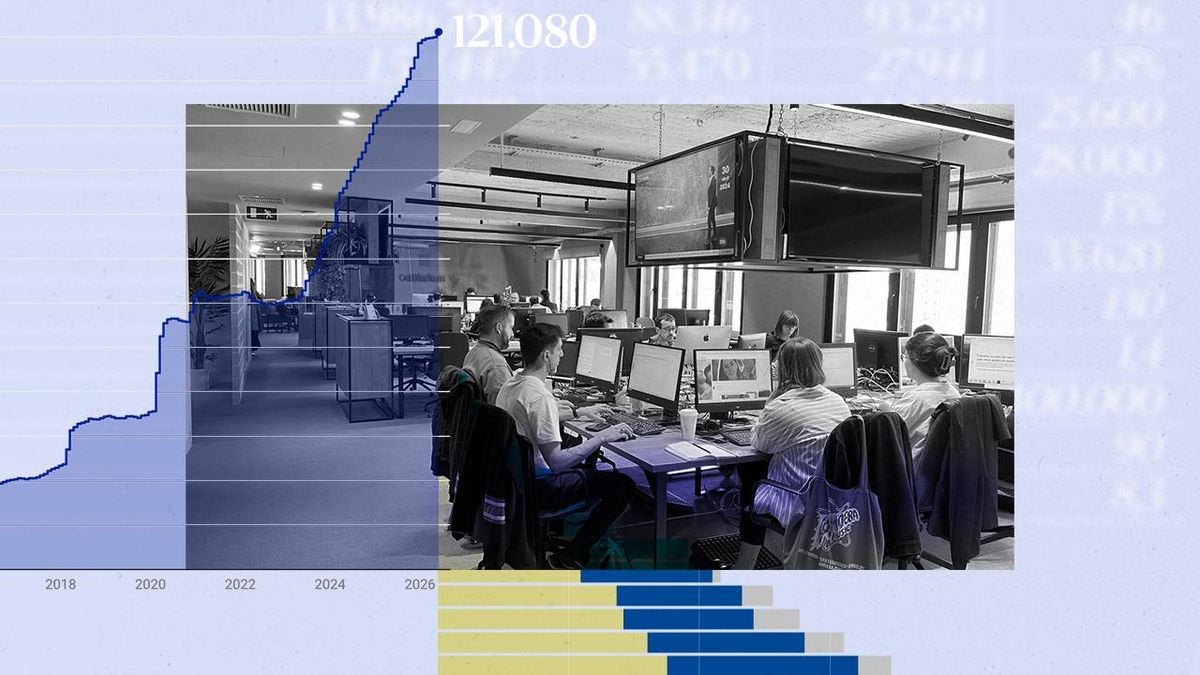
Mejoramos los sueldos de la redacción, contratamos a más periodistas y aumentamos el presupuesto para colaboradores y ediciones locales. Los ingresos de elDiario.es crecen un 11,8%, pero lo que más aumenta es la aportación de nuestros 121.000 socios y socias: un 21,5%
No es habitual ver estas cifras al detalle; pocos medios de comunicación las enseñan. Muchos pregonan la transparencia, pero solo para los demás. En elDiario.es también nos la aplicamos.
Estos son todos los datos de 2025.
1. Periodismo solvente y sin hipotecas
En 2025, elDiario.es ingresó 17.348.226 euros y gastó 15.864.233 euros. El superávit fue de 1.483.993 euros, una cifra muy similar a la del año anterior (1.531.477 euros en 2024).
Un año más, seguimos sin deudas. Ni un solo crédito. Es una de las claves de nuestra independencia. No queremos deber nada a nadie. Solo a nuestra comunidad de lectores.
2. Más de 120.000 personas nos apoyan
Empezamos 2025 con 98.019 socios y socias y lo acabamos con 115.277. Hoy ya somos 121.080.
Todas nuestras cifras de socios están auditadas por OJD.
La cuota media es de 72,84 euros anuales. Porque en elDiario.es sabemos que no todos pueden pagar lo mismo.
Tenemos 16.972 mecenas: personas que pagan cuotas por encima de la tarifa estándar de 80 euros al año. Y también 5.797 socios bonificados: personas con ingresos bajos que tienen tarifas reducidas. Para nosotros es importante que nadie deje de leernos por no poder pagar.
3. Seguimos creciendo
Respecto a 2024, nuestros ingresos han aumentado en 1.830.042 euros: un 11,8% más.
Lo que más crece, otro año más, es la aportación de nuestros socios y socias: un 21,5%. Entre todos, sumáis 7.312.486 euros: casi 1,3 millones más que el año anterior.
Los ingresos de publicidad también crecen, un 9,3%, hasta los 8.765.841 euros.
Además, hemos ingresado 924.042 euros por la venta de ejemplares de nuestra revista en papel, los derechos de reproducción a otras plataformas, la venta de nuestra tecnología, la asesoría a otros medios extranjeros y otros ingresos menores.
En 2025, hemos cobrado 253.461 euros en subvenciones de distintas administraciones públicas: 24.000 euros del Kit Digital, 41.802 euros del Ministerio de Cultura, 12.545 euros del Parlamento Europeo, 5.500 euros de un programa de empleo de la Comunidad de Madrid y 169.614 euros de fondos europeos para el desarrollo de nuevo software y herramientas con IA (149.118 euros de esta misma subvención están imputados en el ejercio 2026).
También hemos obtenido 92.396 euros por los intereses que generan nuestras reservas: los beneficios de años anteriores que guardamos como colchón de seguridad, por si vienen años peores.
4. Invertimos más
Los ingresos han crecido en 1,8 millones de euros. Nuestros gastos también, en casi idéntica cantidad. El coste total de elDiario.es ha pasado de 14 a 15,8 millones de euros. Cada euro de este crecimiento lo hemos reinvertido para mejorar nuestro periódico.
Nuestro principal gasto son los sueldos de los periodistas y demás trabajadores de elDiario.es. Son 8,35 millones de euros entre salarios (6.480.237 euros) y cotizaciones sociales (1.875.311). En total, suman 815.515 euros más que el año anterior.
También hemos aumentado en 300.000 euros el gasto en colaboradores y agencias: es un 27,5% más, hasta los 1.394.571 euros.
Hemos repartido 1.419.991 euros entre las ediciones locales y medios asociados a los que distribuimos parte de nuestros ingresos. Es una de las que más aumenta respecto al año pasado: sube 410.000 euros, un 40% más.
Los gastos generales suman 4.390.545 euros entre los costes de tecnología, el alojamiento de la web, los teléfonos y equipos informáticos, los desplazamientos para cubrir noticias, los gastos de producción de nuestros eventos –como el Festival de las Ideas y la Cultura–, los alquileres de oficinas y los costes de distribución e impresión de nuestra revista en papel.
También contabilizamos 80.358 euros en amortizaciones.
Los gastos en abogados, juicios y seguros por responsabilidad civil ya suponen 223.220 euros. Es una partida que se ha duplicado en apenas dos años y que este año subirá otra vez.
5. La presión de los juzgados
Ahora mismo tenemos abiertas 13 causas judiciales: civiles y también penales. Hace una semana, ganamos definitivamente en el Tribunal Supremo una de ellas: una demanda de Ángeles Muñoz, la alcaldesa de Marbella. La sentencia acredita la veracidad y el rigor de nuestra información y condena a Muñoz al pago de las costas. Sin embargo, el compañero que publicó esas noticias, Pedro Águeda, aún sigue imputado en otro juzgado de Marbella. La alcaldesa le acusa en esta ocasión del delito de revelación de secretos.
Estas querellas y demandas son una forma de intentar amedrentarnos; el castigo por publicar información. En este caso concreto, por las noticias sobre el enorme patrimonio de la alcaldesa de Marbella y sus nexos familiares con los negocios más turbios. Su hijastro ha sido recientemente condenado por narcotráfico y blanqueo de capitales. Y el marido de Ángeles Muñoz se libró de esta misma causa judicial por razones de salud: la Fiscalía le acusaba de blanquear más de 7 millones de euros procedentes del narco, pero falleció dos años antes del juicio.
Por ahora, ni uno solo de los procesos penales contra periodistas de elDiario.es ha terminado con una condena. Aun así, es agotador. Uno de nuestros compañeros –Carlos Sosa, el director de Canarias Ahora– está pendiente de un juicio disparatado donde el juez corrupto Salvador Alba le pide 23 años de prisión. Solo la fianza ya le ha supuesto 422.500 euros. Pero lo peor no es el dinero: son las noches sin dormir. Que te acusen de delitos castigados con penas de cárcel no es una presión fácil de aguantar.
6. No hay periodismo sin periodistas
Empezamos 2025 con 139 trabajadores. Lo terminamos con 149, diez personas más. Hoy ya somos 151.
Alrededor de dos tercios del equipo somos periodistas: 99 en total. El otro tercio, 52 personas, trabajan en los departamentos que dan soporte a la redacción: el equipo comercial, la administración, la atención a los socios y socias, las métricas, el diseño o la programación.
Además de esta redacción central, contamos con 96 personas más que están contratadas en nuestras ediciones locales asociadas. En total, 247 trabajadores a tiempo completo en el conjunto de elDiario.es. No cuento aquí a los colaboradores. Tampoco a los becarios: van oscilando entre 4 y 8 personas en función del mes del año, están a media jornada, con un tutor asignado, convenio con la universidad y alta en la Seguridad Social.
En 2012, cuando fundamos elDiario.es, éramos solo 12 personas en plantilla.
En 2020, ayudamos a poner en marcha otro periódico más en Argentina: elDiarioAR, donde trabajan otra decena de personas. Y ahora estamos estudiando alianzas con otros medios de Latinoamérica. Nuestro objetivo no es lograr ingresos de estos países; queremos importar noticias: mejorar la información para nuestros lectores.
Hay quien cree que la inteligencia artificial ayudará a reducir las redacciones; a hacer más noticias con menos manos. No es nuestro caso. Creemos que el periodismo de calidad solo lo pueden hacer humanos. Y vamos a seguir creciendo si nuestros recursos siguen aumentando. Es la única manera de destapar noticias: con periodistas.
No hay ningún otro diario digital en España con una plantilla tan amplia. Tampoco ningún otro periódico –incluidos los de papel– con un despliegue local como elDiario.es.
Hay muchos medios que se llenan la boca con la palabra España. Curiosamente, los que se dicen más patriotas rara vez salen de Madrid. Ni siquiera de la M-30.
Los ingresos y gastos de estas redacciones asociadas van al margen de estas cuentas; son empresas independientes. elDiario.es cubre algunos de sus costes –como el soporte tecnológico–, financia una parte de su actividad y participa accionarialmente en ellas junto con socios locales, que suelen ser los periodistas que allí trabajan.
En 2025, las ediciones locales en cuyo capital participa elDiario.es ingresaron en conjunto 3.678.656 euros, gastaron 3.468.710 euros y tuvieron un superávit de 209.946 euros.
A medida que aumentan nuestros ingresos, también mejoramos los salarios de nuestra redacción. Es un compromiso que está recogido en el artículo 29 de nuestro Estatuto. Lo hemos aplicado desde el primer día. Nunca hemos congelado los sueldos.
En enero de 2025, subimos los salarios un 3,5% para todos. Y también aplicamos mejoras extraordinarias, por encima de ese porcentaje, a un tercio de la plantilla, poniendo especial atención en los sueldos más bajos. En total, entre la subida generalizada y las individuales, aumentamos los salarios un 4,8%.
En enero de 2026, hemos vuelto a subir los sueldos, priorizando los más bajos: un 5% para quienes ganan menos de 35.000 euros, un 3% para aquellos que están entre 35.000 y 50.000 euros y un 2% para los sueldos más altos.
Además, hemos aplicado mejoras individuales a 27 personas más, en función de su mayor experiencia o responsabilidad.
El sueldo más bajo de la redacción central está hoy en 25.000 euros brutos anuales a jornada completa; es muy poco habitual y corresponde a algunos jóvenes que tienen con nosotros su primer empleo. Del total de la plantilla, solo el 16% cobra menos de 30.000 euros brutos anuales, incluidos pluses y complementos. El sueldo mediano está hoy en 37.350 euros.
En cuanto al tipo de contratos, apostamos por el empleo estable. Tenemos solo cuatro personas con contratos temporales –para cubrir distintas bajas por enfermedad, maternidad o paternidad y algún refuerzo puntual para los meses de verano–. El resto, 147 trabajadores, somos fijos.
9. Nos preparamos para el futuro
El artículo 26 de nuestro Estatuto nos obliga a reinvertir o guardar como reservas “al menos el 30% de los beneficios anuales”. Es algo que llevamos a rajatabla. Es nuestro colchón para el futuro.
Tras consolidar el resultado de nuestras empresas participadas, nuestro beneficio de 2025 ha sido de 1,4 millones de euros. Hemos repartido un dividendo de 796.760 euros brutos. El resto ha ido a reservas.
Desde nuestra fundación, en 2012, elDiario.es ha ingresado 107,4 millones de euros y ha tenido un beneficio bruto de 11,9 millones de euros: 9,6 millones de beneficio neto acumulado tras los impuestos. De ese total, a lo largo de 14 años, hemos reinvertido o guardado como reservas 6,3 millones de euros: el 65% del beneficio neto. Es más del doble de lo que marca nuestro Estatuto.
Los accionistas de elDiario.es seguimos siendo prácticamente los mismos que fundamos este periódico e invertimos nuestro trabajo y ahorros para arrancar: juntamos un millón de euros en total. Aquí puedes ver quiénes somos.
A lo largo de estos años, hemos incorporado al accionariado a algunos de nuestros compañeros que no formaban parte de ese primer equipo. Pero la estructura societaria no ha cambiado: los principales accionistas de elDiario.es seguimos siendo personas que trabajamos aquí, o que se han jubilado tras años en elDiario.es. El resto son amigos y familiares que nos ayudaron con algo de dinero para arrancar.
10. No dependemos de ningún Gobierno
Nuestro Estatuto –artículo 24– pone un límite al dinero que podemos recibir de un único anunciante. Es un máximo del 10% de nuestros ingresos totales. Este tope también rige para los anunciantes públicos, no solo los privados.
En 2025, el Gobierno gastó 88 millones de euros en publicidad y comunicación institucional, que repartió entre los distintos medios. De ese total, elDiario.es recibió 353.117 euros, el 0,4% de ese presupuesto. Son cifras públicas –las nuestras y las del resto de los medios–, puedes consultarlas aquí.
Sobre el total de nuestros ingresos, esos 353.117 euros suponen solo el 2% del total.
Las empresas públicas dependientes del Estado también invirtieron 84 millones de euros en 2025 en publicidad. Sobre ese total, elDiario.es recibió 459.587 euros, el 0,66% (puedes consultar el reparto por medios de ese presupuesto aquí).
No dependemos del Gobierno. Ni de éste ni del próximo que venga. Nuestra fuerza reside en la comunidad de lectores que nos apoya.
“La independencia de elDiario.es emana de sus socias y socios, que son sujetos de derechos y no solo lectores, clientes o suscriptores. Los periodistas de elDiario.es son los garantes de estos derechos, no solo empleados”.
Cuando fundamos elDiario.es nunca soñábamos con alcanzar estas cifras. Nos hemos convertido en el segundo medio digital con mayor alcance de España –según los datos más recientes del Informe Reuters, de la Universidad de Oxford–. En uno de los cinco periódicos más grandes, si comparamos el tamaño de nuestra plantilla o el total de suscriptores. En una redacción capaz de liderar exclusivas de investigación de impacto mundial.
Es un pequeño milagro: un periódico fundado con el ahorro y el trabajo de unos pocos periodistas que demuestra que se pueden hacer las cosas de otra manera. Con el apoyo de 121.000 personas comprometidas.
En otras métricas, seguimos siendo muy pequeños. Nuestra facturación publicitaria es minúscula, comparada con otros medios con una fracción de nuestra audiencia. La diferencia es que nuestros anunciantes solo compran publicidad, y no nuestro silencio o la línea editorial.
En 2012, no aspirábamos a crear una empresa que facturase 17 millones y diera empleo a 247 personas. Nuestro principal objetivo era otro. Sigue siendo el mismo de entonces: crear una institución capaz de garantizar el mejor periodismo, al servicio de sus lectores. Y que este periodismo libre e independiente sea también un oficio digno, no un voluntariado.
Estas cuentas, estos números, son una herramienta, no un fin en sí mismos. Son el blindaje de nuestro diario.
Si ya eres socio o socia, quiero darte las gracias: todo esto lo hemos construido también gracias a ti. Y espero que sientas orgullo por el periódico que has ayudado a crear.
Si aún no eres socio, te animo a que te sumes. Con el apoyo de personas como tú, este pequeño milagro continuará.
👉 Grab your free seat to the 2-Day AI Claude-athon:
https://links.outskill.com/CASJUL2
🔐 100% Discount for the first 1000 people
💥 Dive deep into Claude, its models and Learn Automations, Build AI Agents, Make videos & images – all for free!
The Gulf states are investing billions in pipelines, railways, and trade corridors to reduce their dependence on the Strait of Hormuz, but geography stands in the way.
If you want to support CaspianReport, the best way is simple: watch, like, and share the videos. For direct support, you can join as a member or contribute; every bit helps keep the channel independent and improves the quality of the work.
Call center nurses at the health giant said workplace surveillance tools and AI prioritize speed and cost savings over quality and safety.
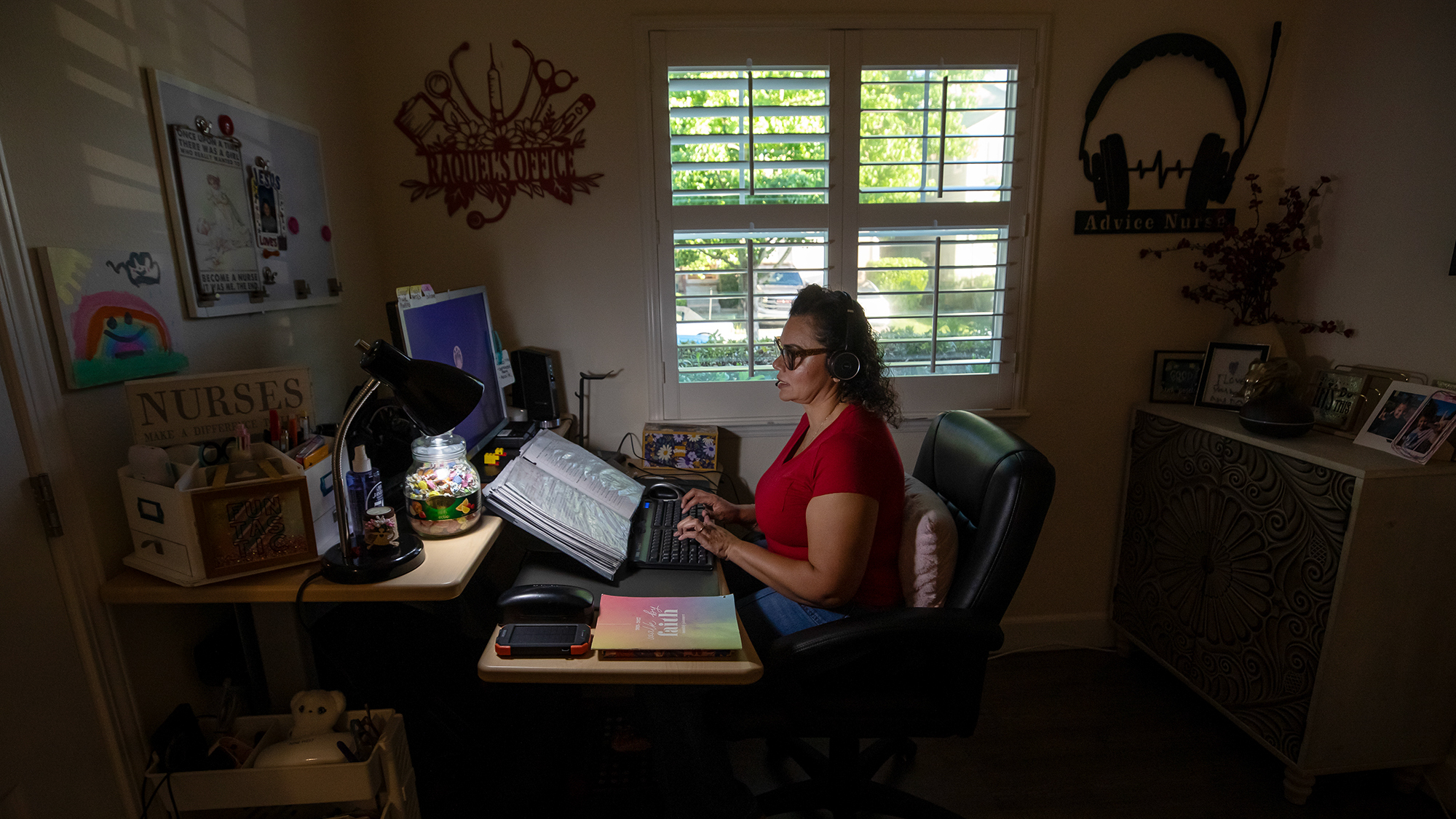
Kaiser Permanente advice nurse Raquel Alvarez Sanchez works from her home office in Santa Rosa on April 6, 2026. Kaiser Permanente nurses have raised concerns about the growing use of AI to monitor their work ahead of upcoming contract negotiations.
Photo by Chad Surmick for CalMatters
Kaiser Permanente nurses who answer advice and triage calls say their duty of care for patients is being increasingly threatened by workplace surveillance.
Seven current and former nurses told The Markup that those who spend more than 15 minutes on a call with a patient routinely face criticism from Kaiser management or get called into performance evaluation meetings. Call time, they said, factors into monthly performance scores they receive.
In addition to tracking call length, they said Kaiser uses software that tries to predict on a daily basis whether they’re being unproductive or failing to answer calls quickly. Artificial intelligence systems have also been used to rate their empathy and tone of voice.
Their comments come as the California Nurses Association begins negotiating a new contract with Kaiser this month with AI a likely issue. Kaiser nurses went on strike against AI for one day in March and picketed against AI last fall. The CNA is bargaining for 25,000 nurses, including 1,000 in call centers.
At the same time, California lawmakers are considering several bills regulating AI in the workplace, including one that would protect from retaliation doctors and nurses who override automated care recommendations.
Kaiser defended its use of AI, saying it deploys the technology with human oversight and with patient safety in mind. It said it does not use “average handle time” to assess performance.
Kaiser Permanente is the largest private employer in California, providing healthcare services to more than 9 million people in the state and to 3 million other Americans. That means the company’s use of artificial intelligence could set important precedents for managing workers with AI. It could also have a big impact on patient care, providing an early example of how the healthcare sector balances cost-cutting automation with human presence or touch.
Raquel Alvarez Sanchez, a Kaiser Permanente advice nurse in Vallejo since 2010, said she was on a call with a patient who was suicidal last year that took more than an hour because she had to wait for police to arrive before hanging up. She tried to make the man feel cared for, even though she was cognizant that staying on the call that long would throw off her average call time for weeks and could lead to questions from management. Sanchez, a union steward, said she’s accompanied colleagues to performance evaluation meetings, where they were found to have done everything right on a call — except staying on the line for more than 15 minutes. She said she hasn’t seen nurses get fired for doing that, but she fears that continued pressure can lead nurses to quit or retire early.
“I think at some point all of the nurses have been talked to about their average handle time,” she said. “The only thing I can think of is they’re doing it for profit.”
Another nurse who spoke with The Markup on condition of anonymity due to fear of retribution described how that surveillance affected a call with a patient last year. Initially she thought her patient, an elderly woman who just received a terminal cancer diagnosis, was suicidal, but quickly came to understand that she was in shock and really needed somebody to talk to.
The nurse wanted to take time to show compassion or comfort to the woman, who acts as a caretaker for her daughter, but she stopped herself out of fear it would hurt her monthly performance score and lead to a reprimand from her manager. She became a nurse to provide people with compassionate care, but “I had to ask myself: Am I going to get disciplined for going off script or saying more than what is necessary?”
Kaiser Permanente advice nurse Raquel Alvarez Sanchez works from her home office in Santa Rosa on April 6, 2026. Kaiser Permanente nurses have raised concerns about the growing use of AI to monitor their work ahead of upcoming contract negotiations.
Photo by Chad Surmick for CalMatters
Kaiser Permanente says its performance evaluations help improve patient outcomes. A company spokesperson said, “Kaiser Permanente does not use Average Handle Time to assess agent performance or enforce call time metrics. Any tools used in contact center settings support our quality assurance efforts and have human review and oversight.” In a statement provided to The Markup and CalMatters, spokesperson Vincent Staupe added that Kaiser uses AI responsibly, with human oversight, and by “prioritizing patient safety, privacy, and equity,” but he said, “As a large organization, we do not share specific information about internal technology systems for security and operational reasons.”
Is technology putting patients at risk?
It’s not clear how patient care is affected by algorithmic management, nor is the impact of limiting the length of triage and advice calls on patients. Kaiser call center nurses can’t say for certain whether the pressures they face results in adverse outcomes for patients because their contact with patients ends after they hang up the phone. A 2024 public records request by CalMatters to the California Department of Managed Health Care found no complaints by patients against Kaiser related to call times. But nurses insist the risk to patient safety and quality of care is real.
Consumer Watchdog patient advocate Michele Ramos said many Kaiser patients begin their care on the advice line. They later complain to her, mostly about things that happen in Kaiser facilities, but “I can see now where a lot of the problems” start, given the call constraints nurses are under.
Ramos said the time pressures may fit a broader pattern at Kaiser of putting costs over quality. The health giant was hit with a record fine, $50 million, as part of a settlement over findings from the California Department of Managed Health Care that it delayed behavioral health appointments beyond statutory limits and too often moved patients into group rather than individual therapy. Kaiser also settled with the U.S. Department of Labor after investigations into its substance use and mental health services. Kaiser faced criticism in 2002 for paying bonuses to call center workers who aren’t nurses for keeping calls short, though call center nurses who spoke with The Markup and CalMatters said they encountered no such practices today.
“Kaiser’s been known through the years to manage dollars over managing care, and I think this would be a contributor to that, which is only going to fail patients,” Ramos added.
Nurses said they are pressured to stay under 15 minutes even for the sorts of calls that often take more time, like diagnosing a patient with multiple symptoms, chronic illnesses, new parents in need of advice and assurance, people who desire extended health education, or people who are overwhelmed after receiving life-altering news who could use some compassion. Nurses say calls that involve interpreters often take 30 minutes or more. About four in 10 Californians speak a language other than English and half of them do not speak English well, according to a state environmental health agency.
“The amount of time that Kaiser is giving us to complete a call is sometimes not safe,” said one nurse, who asked to remain anonymous due to fear of retaliation.
“People can get hurt,” said Charlotte Capulong, who has worked in nurse call centers for 22 years and helped organize Kaiser nurses against the AI tone-of-voice tool. Capulong said nurses felt harassed by managers in meetings she attended as a union rep, even if they successfully carried out all other duties of their jobs except completing calls within 15 minutes.
“You aren’t calling Comcast. We’re dealing with life here,” she said.
Kaiser Permanente Sacramento Medical Center in Calif. on Monday, Aug. 15, 2022. More than 2,000 mental health physicians striked throughout Northern California over staffing issues leading to patients waiting longer to access help. Photo by Rahul Lal, CalMatters
Nurses are instructed to stick to a script on phone calls and give no more than two to three pieces of advice, Capulong and other nurses said, which means they may sometimes need to decide whether to withhold advice or face a performance evaluation hearing.
The nurses say artificial intelligence could make the surveillance nurses encounter on the job worse.
In summer 2024, Kaiser began testing an AI tool that attempts to assess empathy and tone in the voices of nurses and patients, according to nurses who spoke with The Markup and CalMatters. In response, nurses circulated and signed a petition in favor of the right to patient privacy, more transparency, and the right to exercise their professional judgement and encouraged management to involve nurse’s input and feedback. The signature campaign used the same tag line that nurses used at protests outside San Francisco hospitals earlier that year: “Trust nurses, not AI. The AI tests ended in November 2024, but union representatives were told that managers may bring the program back in the future.
Nurses reported feeling harassed by existing surveillance, “and that was intensified when they said we’re going to use AI to evaluate our calls and grade us,” said Sanchez.
Another nurse speaking on condition of anonymity said “AI did not understand our job and would grade us wrong all the time.”
A Kaiser spokesperson declined to respond to questions about the AI tool or answer questions about the use of AI and other automated systems in the company’s call centers and healthcare facilities, including for evaluating nurse performance or whether patients were informed about the use of AI to evaluate their empathy and tone.
Nurses also said they get little time between calls even if that call involves speaking with a patient who is suicidal, experiencing a mental health episode, or near death. In years past, nurses got around 10 minutes to finish writing notes in a patient’s chart or collect themselves after a particularly tough call. Today they say they typically get 30 seconds or less when lines are busy, although more at slow times, like late at night, or if they get a manager’s permission after a particularly challenging call. The overall pace they say, can lead to mistakes like missing important cues into a patient’s wellbeing.
CNA reps declined to talk about specific provisions they intend to seek related to AI ahead of their talks with Kaiser this summer.
How surveillance and AI shape nursing
Critics say excessive workplace monitoring can lead to lower morale as employees feel less trusted and autonomous, relegated to being no more than algorithm monitors. UC Berkeley Labor Center Technology and Work Program director Annette Bernhardt has warned that algorithmic management can turn people into fleshy robots, echoing complaints from an Amazon factory worker who The Markup and CalMatters interviewed last year. A 2023 academic survey of call centers in four developed countries found that using AI for management or monitoring left workers with less time between calls and more likely to feel emotionally drained by their work. Nearly half of respondents said that AI tools made their jobs more stressful. A prior study by the same researchers, Virginia Dolleghast of Cornell University and Sean O’Brady of McMaster University found that performance monitoring leads to higher rates of emotional exhaustion.
Dolleghast, who has studied the impact of surveillance technology on call center workers for more than a decade, said what Kaiser call center nurses are experiencing is part of a broader trend: Across different industries, persistent surveillance is increasing stress levels for workers who are resolving complex, emotionally-charged issues.
“Stress and burnout can lead to more mistakes across a range of areas, and in the healthcare setting that is much higher risk because you’re dealing with people’s lives and their health,” she said.
The converse can be true: Workers who are given more discretion to decide the pace and timing of their work experience higher levels of job satisfaction and less absenteeism.
The 9-1-1 call center at the San Francisco Department of Emergency Management in San Francisco, on Aug. 2, 2019.
Photo by Eric Risberg, AP Photo
Nurses nationwide are more frequently encountering artificial intelligence and similar software systems in the workplace. Half of more than 2,000 nurses who responded to a 2024 survey by the National Nurses United union said their employer uses algorithmic systems to analyze health records. Such systems can do things like determine how fragile a patient is or predict how many hours of care they will need. Two-thirds of the surveyed nurses said their own assessments had at some point disagreed with a computer-generated prediction. Six out of 10 respondents said they don’t trust their employer to prioritize patient safety when using AI.
Pa Vue has worked as a nurse in call centers for the better part of the past decade. She said she and other Kaiser nurses routinely have conversations with managers about call efficiency and receive evaluation scores once a month. She recalls having a score reduced for repeating advice to a patient that she worried had unusual symptoms and possible heart issues.
As a union representative in some performance meetings, Vue has seen managers raise efficiency questions about calls they deem too long. She’s also seen nurses receive lower performance scores if they go against software recommendations based on their professional opinion or make an appointment for a patient without consulting a doctor.
She believes that efficiency aims accelerated by technology can hinder a nurse’s ability to focus and reduce the quality of care that patients pay for.
“I’m not against the use of AI as long as it’s beneficial to the patient but in this particular use [empathy and tone monitoring] it’s to increase productivity and improve efficiency and cut costs. Kaiser is forgetting we aren’t just a call center for customer support, we’re nurses, and we’re there to take care of patients,” she said.
National Nurses United and CNA President Cathy Kennedy sees the use of AI to detect nurse empathy as part of a long series of steps by Kaiser to limit their autonomy and make them more efficient. She believes AI threatens to automate and fragment the work that nurses do, and companies developing and deploying AI systems should establish that those systems are effective and equitable before deploying them.
Kaiser Permanente in Oakland on Aug. 2, 2022.
Photo by Martin do Nascimento, CalMatters
Notification of new tech deployments is part of the nurse union’s contract with Kaiser but sometimes nurses don’t receive notification, CNA says. So union leaders are attempting to track the number of AI models in use at Kaiser Permanente, advising its members to inform them when they encounter new tech. This paves the way for CNA to push back as it did with the empathy and tone AI last summer or as it did when it stopped a pilot program that would have replaced nurses that sit at the bedside of confused patients with cameras.
Debru Carthan, a Kaiser radiologist, is on the front line of worker-management fights over AI at the company. A member of Service Employees International Union, she is also part of the Coalition of Kaiser Permanente Unions, where she sits on a committee to discuss use of AI and emerging technology at Kaiser. The coalition also has a “see something, say something,” campaign for frontline workers to report when they notice AI deployments; the coalition says that too often management quietly implements AI into workflows without notice or worker input. She worries that the AI tone detector used on advice nurses could discriminate against nurses from different cultures and has come to believe that the use of AI in healthcare generally has more to do with money and corporate greed than patient care.
California lawmakers have responded to worker AI concerns both inside and outside the healthcare sector. They tried and failed last year to address how AI impacts workers like call center nurses. Assembly Bill 1018 and Senate Bill 7, two bills endorsed by the CNA, would have required employers to inform workers before using automated systems on the job to do things like promote or discipline workers or evaluate job performance, but Gov. Gavin Newsom vetoed SB 7, and, facing strong opposition from companies including Kaiser Permanente, AB 1018 failed to pass for the third consecutive year.
Earlier this year, lawmakers reintroduced a new version of Senate Bill 7, now called Senate Bill 947. Another bill would prohibit employers using AI to predict the emotional state of their employees. Yet another bill would protect doctors and nurses from retaliation if they override recommendations generated by an automated system and require healthcare providers to supply employees with an inventory of automated systems once a year. Kaiser declined to share a list of AI systems in use when asked by The Markup and CalMatters.
Altogether CNA and the affiliated California Labor Federation support roughly half a dozen bills to regulate use of AI in the workplace. Calling AI a central issue in the next presidential election, members of the California Labor Federation and labor leaders from Democratic primary states held a press conference in Sacramento earlier this year to say that if Newsom wants to become president then he needs to pass laws protecting workers from AI. “It’s an ongoing fight, and it’s a fight well worth having,” Kennedy said. “Whenever there are other unions in discussion about artificial intelligence we are in solidarity with them.”
The nurse that withheld compassion to a terminal cancer patient she thought was suicidal said she believes monitoring and scoring systems turn nurses into automatons that check boxes.
“I used to use humor as a way to help patients heal, and I don’t feel comfortable doing that here because I know the calls are being recorded. You can always tell when a patient appreciates the humor or your personal compassion, but I don’t feel like call centers have tolerance for that because that’s not part of the script,” she said. “That really takes away from the whole point of being a nurse and what patients come to know from nurses.”
This story was reported with contributions from Lam Thuy Vo and Ana Ibarra.
Las eSIM están transformando la conectividad en los viajes internacionales al evitar tarjetas físicas, recargos inesperados y búsquedas de redes públicas. Yesim ofrece cobertura en más de 200 países con planes adaptados a cada destino
Hoy cualquier viaje empieza en el smartphone: tarjetas de embarque, mapas, apps bancarias y reservas. Pero todo eso solo funciona con conexión estable desde que aterrizas.
Para quien vive en España, el problema aparece fuera de la zona de roaming de la UE: dentro de la Unión, gracias al principio de roam like at home, la conexión se percibe casi como en casa, pero al cruzar las fronteras europeas —a Estados Unidos, Turquía, Marruecos o Japón— el roaming sigue siendo caro, la SIM local es pesada y el Wi-Fi público apenas existe fuera de los hoteles.
Por eso surge una nueva oleada de servicios digitales que eliminan la dependencia del operador. El viajero descarga una app, elige un plan según su ruta, instala la eSIM desde casa y la activa al aterrizar. Un ejemplo es la empresa suiza Yesim, pionera en eSIM para viajeros, con más de 3,5 millones de usuarios en todo el mundo.
Conectarse a Internet desde el extranjero
Cada uno de los métodos habituales para mantenerse conectado en el extranjero tiene inconvenientes ocultos de los que la publicidad no suele hablar.
El roaming fuera de la UE funciona por zonas con recargos y límites estrictos: en Estados Unidos, 500 MB por €6,05 al día pueden esfumarse en horas, y al superarlos la velocidad cae o vuelve la facturación por megabyte —hasta €12,10 por MB en la zona Resto del Mundo—, con cargo diario aunque no toques el móvil.
La SIM local parece lógica, pero implica colas, pasaporte, un plan en otro idioma y registros locales que en destinos como Egipto o Japón pueden exigir documentos que no lleves; y al viajar por varios países, toca repetirlo en cada uno. Además, el número de teléfono español deja de servir para llamadas, y pierdes las primeras horas buscando una tienda en vez de llegar al hotel.
El Wi‑Fi de hoteles o cafeterías es cómodo, hasta que sales a la calle: en el transporte o lejos del centro casi nunca hay cobertura, justo cuando necesitas un mapa o un taxi. Y está la seguridad: las redes abiertas no cifran el tráfico, y cualquiera en la misma red puede interceptar lo que transmites al pagar o usar apps bancarias.
Una viajera utiliza su teléfono en el aeropuerto.
Travel eSIM: comodidad, flexibilidad y previsibilidad
La eSIM es un microchip integrado en el dispositivo que permite descargar y activar perfiles de operadores de forma remota, compatible ya con la mayoría de smartphones. La Travel eSIM construye sobre esa base un ecosistema completo: una app para elegir planes y gestionar gastos, soporte 24/7 y control de datos para viajeros.
Su principal ventaja son los precios competitivos y la previsibilidad: país de cobertura, validez, datos y precio final se conocen de antemano, sin tiendas ni Wi-Fi ocasional. La conexión pasa a ser parte del presupuesto del viaje, como un billete o un seguro; y tu número español sigue activo, así que al volver cambias a tu tarifa habitual sin acudir al operador.
Yesim: el estándar suizo de conectividad en viaje
Pocos actores ofrecen a la vez flexibilidad de tarifas, cobertura global y selección automática de la mejor red. La empresa suiza Yesim opera desde 2019 en más de 200 destinos, y su puntuación de 4,8 en Google Play es una de las más altas entre los operadores eSIM.
Sus tarifas se adaptan a cada viaje: el planGlobal Packagecubre más de 80 países y el Global Plus Package más de 140, ideales para presupuestos definidos. El Pay & Fly funciona con pago por uso —una única eSIM para más de 170 países— y pagas solo por los datos consumidos.
Su ventaja técnica clave es el cambio automático a la mejor red entre más de 800 operadores asociados, muy útil en regiones de cobertura irregular como el norte de África, Oriente Medio o el Sudeste Asiático.
Para viajes en familia o en grupo, destaca la función Multiple eSIMs: permite gestionar varios perfiles desde una sola cuenta y compartirlos con otros usuarios, incluso sin que tengan la app instalada.
Todo el proceso comienza en la app de Yesim: descargarla, registrarse, elegir el plan e instalar el perfil, todo desde casa — en Madrid o Barcelona — para activar la conexión al aterrizar en Bangkok o Dubái. Para probar antes, hay un paquete de 500 MB por €0,50, y los nuevos usuarios reciben un 15% de descuento con el código promocional GETYESIM15.
El roaming queda atrás
Los métodos tradicionales están quedando obsoletos por una razón clara: fueron diseñados para otra realidad. El roaming depende demasiado del operador, la SIM local exige tiempo y trámites, y el Wi‑Fi no ofrece estabilidad en movimiento. Servicios modernos como Yesim marcan el nuevo rumbo: menos colas, menos letra pequeña y más control sobre el gasto.
Detrás de este enfoque hay una posición clara: “Para Yesim, la libertad de conexión es un derecho humano fundamental que ayuda a las personas a mantenerse cerca, comunicarse y compartir momentos importantes a pesar de las distancias”, afirma Dmitri Verbovski, fundador y director ejecutivo de la compañía.
Escucha todos los episodios de '¿Atado y bien atado?', el podcast presentado por la periodista y escritora Olga Rodríguez
Continuamos la programación de los podcasts en vivo de Atado y Bien Atado, conducidos por Olga Rodríguez, con un nuevo episodio en el que se analiza cómo durante décadas las vidas de millones de mujeres fueron vigiladas y disciplinadas por la dictadura. El franquismo impuso un modelo de mujer subordinada, confinada al hogar, a la maternidad y a la obediencia, bajo la tutela del nacionalcatolicismo y de instituciones dedicadas al control moral y social de las mujeres, como el Patronato de Protección a la Mujer.
Pero frente a esa maquinaria de represión también existe una historia de resistencia. La de las presas políticas que mantuvieron viva la lucha en las cárceles franquistas, la de las obreras y sindicalistas que desafiaron la dictadura en fábricas y barrios, la de las mujeres que participaron en las luchas vecinales y estudiantiles y las pioneras del movimiento feminista y lesbiano que cuestionaron las normas impuestas sobre el deseo y las identidades. Una memoria plural de rebeldías que contribuyó a erosionar los cimientos del franquismo y a conquistar derechos y libertades.
En este nuevo episodio recuperamos esas historias silenciadas de represión y resistencia. Reflexionamos, además, sobre el modelo de feminidad impuesto por el franquismo, interrogándonos sobre las continuidades entre aquel pasado y nuestro presente. Y lo hacemos con de la mano de mujeres que son un referente del feminismo y de la memoria:
Justa Montero, activista feminista y por la memoria antifranquista, Consuelo García del Cid, escritora y activista a la que su familia encerró por “rebelde” en un reformarorio dependiente del Patronato, Boti Rodrigo, activista por los derechos LGTBI, María José Gallego, sindicalista, Lucía Vicente, militante antifranquista y expresa política, Paca Blanco, presidenta de Las Olvidadas del Patronato de Protección a la Mujer y Sol Luque, presidenta de la Asociación Todos los Niños Robados.
La iniciativa Naturaliza busca apoyar al profesorado para incorporar el medioambiente y la educación para la sostenibilidad de forma transversal en las aulas
En España, en el recién terminado curso 2025-2026, según datos del ministerio de Educación, Formación profesional y Deportes, ha habido casi 6,5 millones de alumnos sumando los de educación infantil, primaria y ESO. Millones de alumnos que desde que son pequeños ya reciben a través de su entorno conceptos medioambientales importantes porque en sus manos estará el futuro del planeta. Sin embargo, para muchos de ellos, esta terminología puede llegar a ser confusa y quedarse en el campo de lo teórico.
Por eso, Ecoembes creó en 2018 el proyecto educativo Naturaliza para integrar el medio ambiente y la sostenibilidad en el día a día en las aulas. “El objetivo es acompañar al profesorado en la incorporación del medio ambiente y la educación ambiental en el aula, proporcionarles la formación, los recursos y las herramientas que les pueden ayudar a incorporar estas temáticas. Tanto desde el punto de vista más teórico, como también a nivel un poco más práctico, en la incorporación de rutinas y hábitos a nivel operativo”, señala Helena Astorga, responsable del proyecto de Naturaliza en Ecoembes. Se trata de trabajar las asignaturas —como Lengua, Ciencias Sociales o Naturales— desde una perspectiva ambiental.
Carolina Herrero es profesora del Colegio Mariano Serra en Aldaia (Valencia) y este ha sido el primer año en el que participan en este proyecto. “Sirve para concienciar a los niños y para que aprendan vocabulario y a encajar todos los conceptos que normalmente los adultos les explicamos desde nuestra perspectiva de adultos. Sostenibilidad, respeto, la huella de carbono, son cosas que los nenes, si los van asimilando desde chiquititos, lo van entendiendo y ya forman parte de sus rutinas diarias”, explica Herrero que cuenta cómo los niños pudieron disfrutar de un espacio que conocer —el cinturón verde de Aldaia— pero también descubrieron los sucio que estaba y la cantidad de basura que había. “Si estas actividades las hacen en los sitios donde van a jugar al salir del cole, pues como que se vuelcan más en mantenerlos limpios, mantenerlos cuidados y respetarlos”, concluye Herrero.
Una sesión del programa Naturaliza para los alumnos del CEIP Eresma, de Segovia.
Acogida del programa Naturaliza
Los datos de este proyecto hablan por sí solos. Durante el curso 2025-2026, en el programa Naturaliza han participado más de 700 docentes, 625 centros educativos y casi 27.000 alumnos en toda España, lo que refleja una implantación amplia y consolidada en el ámbito educativo. A nivel territorial, destacan comunidades con mayor impacto como la Comunidad de Madrid (con más de 5.600 alumnos), la Comunidad Valenciana (más de 4.300), Andalucía (con más de 3.200) y Castilla y León (más de 3.100), comunidades también en las que la población escolar es abundante. Además, si se observan todas las personas que han sido impactadas desde que el proyecto comenzase en 2018 estaríamos hablando de casi 4.000 docentes, 2.472 centros y 170.090 alumnos, lo que muestra que hay un crecimiento y una consolidación importante dentro del sistema educativo.
No hay duda de que se cumple el objetivo de contribuir a formar a nuevas generaciones más conscientes y comprometidas con la sostenibilidad, capaces de entender su relación con el entorno y de actuar para preservarlo pero no solo eso. Lo realmente llamativo es que el impacto va mucho más allá de estas cifras de participantes en el programa. “Son los niños los que enseñan a los padres ese respeto, al reciclar, a lo que se puede y lo que no se debe hacer, a todo. Además, es que en nuestro colegio estamos rodeados de huertas. Ellos crecen con nosotros viendo todos los espacios verdes y aprenden que hay que cuidarlos”, señala Herrero.
Para Astorga, que los más pequeños sepan cómo cuidar correctamente el medio ambiente es fundamental ya que estas generaciones son las que liderarán el mundo en el futuro. “Ellos puedan visualizar cómo lo que hacen a nivel individual también tiene un impacto a nivel global en el medio ambiente, eso ayuda a que sea más fácil que incorporen determinados hábitos. Ahora son pequeños, pero van a ser los ciudadanos del futuro y los futuros decisores que dirigirán la sociedad dentro de 20 años”, apunta Astorga. Aunque esta profesional tiene muy claro que es lo que le gustaría que sucediese dentro de dos décadas: “que la educación ambiental estuviera completamente incorporada a los currículos de la educación en todos los ámbitos, no solamente en la educación formal, sino también en la informal”. El objetivo final es, al fin y al cabo, quellegue el día en el que programas como este no sean necesarios.
A new state tool lets you tell data brokers to stop tracking you. Will they comply? Help us investigate.
Hello there,
Our names are Colin and Mohamed, and we’re both journalists at CalMatters and The Markup.
If you haven’t heard yet, California is offering a new way for people to protect their data — and we want your help tracking its rollout and effectiveness.
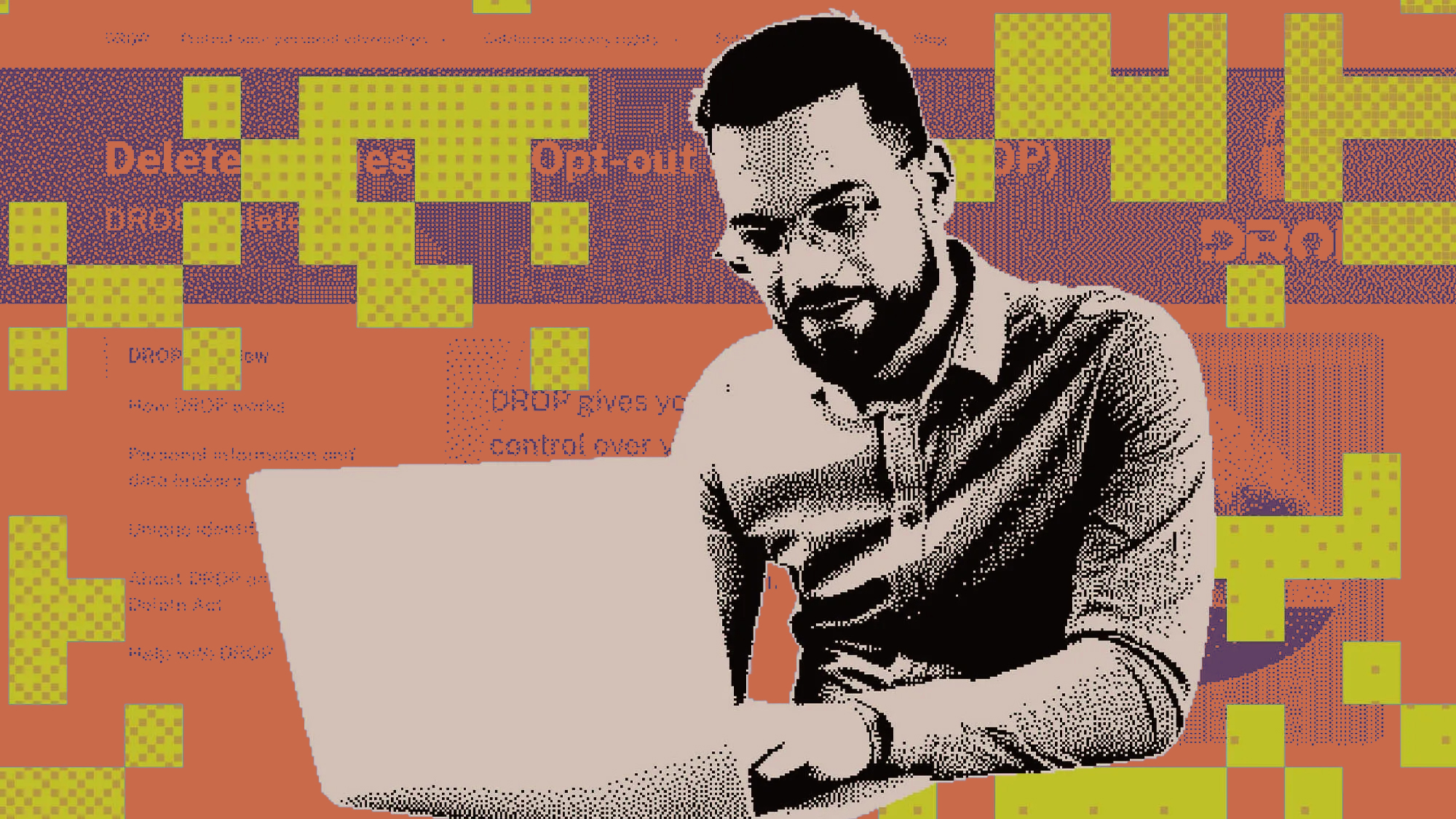
Starting at the beginning of this year, the California Privacy Protection Agency allowed residents of the state to sign up for the Delete Request and Opt-out Platform, or DROP. The tool lets consumers send an instant request to hundreds of data brokers, asking them to delete their data and stop tracking them.
The brokers are required to start processing those requests in August. We reported on the tool’s launch, and as new requests are processed, we’ll keep following the story.
CalMatters and The Markup want to keep tabs on whether data companies comply with DROP, and that’s where we need your help.
Californians have the right to know about the personal information a business collects about them and to control how it is used and shared. We’ll walk you through how to exercise those rights with some of the largest data brokers in the country and how to share what they tell you with us. Then, after the DROP deadline, we’ll walk you through how to do it again, and we’ll help you figure out if the information companies have about you changed, grew, or was deleted.
If you don’t live in California, but have friends or family in California who would be interested in helping us investigate, please share this article with them.
Mientras en Islandia o Venezuela certificamos la defunción de masas de hielo milenarias, en las remotas montañas de Baltistán los habitantes "casan" glaciares para combatir la sequía. Si aún no eres socio y quieres escuchar completo este nuevo episodio, primero hazte socio en este enlace
Puedes escuchar el cuarto episodio completo del mítico podcast de ciencia y humor en este enlace de elDiario.es
Cada año, la Tierra pierde 273.000 millones de toneladas de hielo, el equivalente a tres piscinas olímpicas derritiéndose cada segundo. Para visibilizar este drama, el ser humano ha comenzado a oficiar melancólicos funerales, como el celebrado en 2019 para despedir al glaciar islandés Okjökull, o la creación de un cementerio simbólico con lápidas talladas en hielo para recordar a los colosos caídos. La tragedia avanza de forma implacable en todo el planeta: la reciente práctica desaparición del glaciar de La Corona, en el pico Humboldt, ha convertido a Venezuela en el primer país de los Andes en quedarse sin una sola de sus cumbres heladas.
Esta pérdida irreparable trasciende los meros datos científicos y nos golpea profundamente a nivel emocional, ya que tendemos a percibir a los glaciares casi como entidades vivas. La investigadora Alejandra Melfo señala la “coincidencia cósmica” que supone que, tras decenas de miles de años de existencia, sea precisamente la actual generación la que deba presenciar el fin de estas nieves eternas. Su reflexión, llena de poesía y desolación frente a un territorio climático inexplorado, sirvió de inspiración para que el músico Jorge Drexler compusiera una canción dedicada a honrar estas heridas y encontrar la manera de despedir a los glaciares.
Frente a esta desolación, surgen respuestas asombrosas como las de Baltistán, en el Himalaya, donde los habitantes combaten la sequía celebrando insólitas “bodas” entre hielos distintos para engendrar pequeños glaciares que les garanticen agua. Y, en los Pirineos, el glaciar del Monte Perdido agoniza y pierde grosor a tal velocidad que los expertos calculan que podría desaparecer por completo en apenas una década. Acompáñanos en este recorrido por las diferentes formas de despedir a los glaciares a lo largo y ancho del planeta.
Puedes escucharlo completoen nuestra web. Si no eres socio, puedes suscribirte en este enlace
***
Agradecimientos: Alejandra Melfo (doctora en astrofísica e investigadora del glaciar de La Corona), Jorge Drexler (cantante), Sebastián (guía local en los Andes), Eñaut Izaguirre Estíbaliz (geógrafo, glaciólogo e investigador del Instituto Pirenaico de Ecología del CSIC), Sergio Henrique Faria (director del Laboratorio de Hielo del Centro Vasco para el Cambio Climático), Nicolás González (investigador del Laboratorio de Hielo), Tehzeeb Bano (investigadora de la Universidad de Guelph), Ahmnad Nazir (supervisor del programa de sembrado de glaciares de la agencia Aga Khan), Zakir Hussain (profesor de la Universidad de Baltistán y asesor de la ONU), Lisa Kranz (miembro de la expedición)
***
¿Qué es Catástrofe Ultravioleta? Catástrofe Ultravioleta es un podcast de Antonio Martínez Ron, Javier Peláez y Javi Álvarez que trata de acercar el mundo de la ciencia a través de los más diversos ámbitos de conocimiento. El programa de ciencia ganador de un Ondas regresa con 10 episodios monotemáticos que se publicarán los jueves, cada dos semanas. Cada episodio es una experiencia sonora que ofrece una aproximación a la realidad desde perspectivas inesperadas y una buena dosis de humor.
To get Obscura, you don't even need to link a personal email to your account. So if you, want a privacy first VPN go to https://obscura.com/CASPIAN or scan the QR code and get 25% off a subscription for only $6/month
If Trump’s deal with Iran falls apart, the United States has five routes into Iran.
If you want to support CaspianReport, the best way is simple: watch, like, and share the videos. For direct support, you can join as a member or contribute; every bit helps keep the channel independent and improves the quality of the work.
Mental health providers are increasingly using AI technology to record conversations, raising privacy concerns among patients and practitioners.
Illustration by Roxsy Lin, American Community Media
In 2024, Kaiser Permanente announced the rollout of Abridge. Described in a press release as “ambient listening technology,” the AI-powered scribe is designed to help clinicians including mental health providers securely capture clinical notes during patient visits.
But what the description fails to indicate is that the tool records entire medical appointments, including deeply personal mental health sessions.
During these sessions, mental health professionals are required to obtain patients’ consent before using the tool. However, as shared by multiple providers, that consent process does not include explanations about how the information is handled. Nor does it say how long and where recordings are stored, or who has access to the data.
This happens in part because that information has not been shared with providers, despite their attempts to obtain it.
‘Empty assurances’
Ilana Marcucci-Morris chose not to use the platform with her patients. She is a licensed clinical social worker with Kaiser psychiatry in Oakland, California. She is also a member of a bargaining committee. In that role, she regularly meets with various Kaiser representatives, including Northern California’s director of mental health.
Marcucci-Morris describes how, during those meetings, she and other committee members have asked questions about patient privacy protections, HIPAA compliance, and the safeguards in place for the use of these technologies.
According to her, the response from leadership has often been empty assurances: “We are compliant. That’s it. That’s all you need to know. We vet the technology, therapist. Don’t worry. That’s not your job. We have tech experts. That’s their job,” Marcucci-Morris said in an interview with American Community Media.
“They won’t show us, right? And my feeling is, if you have nothing to hide and you’re doing it totally […] ethically, then you would show us, prove it. They can’t, and they won’t, and they declined to when we ask.”
Ligia Pacheco is a psychiatric social worker who provides remote therapy services for Kaiser patients in Southern California. She said Kaiser also refused her requests to provide further explanations.
In an interview with American Community Media, Pacheco recalled how a coworker once raised concerns to a supervisor. The response: that “it’s unprofessional for you to provide your personal beliefs on AI in our work setting.”
For Pacheco, “that leads to just low morale, no space to advocate for patients. We’re supposed to be the voice of patients who are coming in their most vulnerable state. And we can’t even be that voice for them, so we feel discouraged.”
“Patient after patient after patient”
Providers have been required to see more patients in recent years. That creates intense pressure to keep up with documentation and workloads, Marcucci-Morris highlighted.
“You’re just like seeing patient after patient after patient after patient with barely enough time to go to the bathroom, eat a snack […] get some fresh air,” she said.
According to Marcucci-Morris, refusing to manage the increased patient volume can be treated as a failure to meet job expectations. It may also lead to disciplinary action.
As a union steward, she said she often represents colleagues during workplace investigations related to delayed documentation or difficulties managing heavy caseloads. In those situations, she said management frequently recommends the use of Abridge to save time and avoid further discipline.
In her view, the providers she knows who use the technology are not doing so because they support or trust it. Rather, it is because they feel pressured to protect their jobs and comply with workplace demands.
“I consider that to be coercive because you’re putting someone in a position to either lose their job or use the software. That’s another choice that’s under duress,” she explained.
Provider, patient concerns
Brian Hoberman is chief information officer for The Permanente Medical Group. In a Kaiser press release, he said, “Abridge’s advanced technology supports our doctors’ well-being by reducing the documentation burden.”
He added, “We implemented this new technology after careful review and diligent testing and found it to be well received by patients and doctors…”
For at least one patient interviewed for this story such assurances fall short.
“I fear that this kind of information that’s being recorded now can get into the wrong hands,” said the patient, who asked not to be identified for privacy reasons. “I may not want my employers, I may not want my family members, I might not want people to know some of these very kind of intimate conversations and deep conversations I have with my doctors [and] with my mental health provider.”
Adriana Webb is a social worker at Kaiser Panorama City in Los Angeles. “I work with patients who have sensitive medical diagnoses, like […] HIV and AIDS, and a lot of times my patients don’t even want that in their chart.”
A spokesperson for Kaiser Permanente insisted in an emailed response to American Community Media that clinicians are required to gain patient consent prior to using Abridge. “No one is recorded without their knowledge and consent,” the statement read.
It added that recordings are stored for no longer than 14 days, and that data processing meets all HIPAA requirements as well as Kaiser Permanente’s own privacy and security standards.
“Abridge helps clinicians spend more time focused on patients and less time on administrative tasks,” it said.
Weaponizing mental health data
According to Nicole Alvarez, senior analyst for technology policy at the Center for American Progress, “a record of someone’s lowest moments can be used against them in ways that, you know, […] a high blood pressure reading cannot.”
She said mental health data can be especially sensitive because of the stigma surrounding mental health conditions. For patients, that stigma carries real-world consequences in areas such as employment, child custody cases, immigration matters, and security clearances. She emphasized that, like other forms of personal data, mental health information can be weaponized against individuals.
Agreements between health systems and AI vendors can vary widely, she said. This includes terms related to whether audio recordings or transcripts can be used to train AI models, whether patient data is de-identified, how long the data is retained, whether it can be shared with other clients, and what happens to the information once a contract ends.
Kaiser insists any data it collects is not used to train AI models.
Still, in Alvarez’ experience, patients often have little visibility into these arrangements. She argued that health systems have a responsibility to clearly disclose how patient information is being handled and used.
Alvarez also emphasized that, in most cases, patients have the right to refuse recordings. But, she said, the opt-out process is not always clearly presented. According to her, consent options may range from direct questions at check-in to language buried in intake paperwork, making it important for patients to carefully review forms and disclosures.
She said meaningful consent requires patients not only to know they are being recorded and that they can decline, but also to understand how their information may be stored, shared, or used afterward.
Coercive consent
Pacheco experienced this during a personal appointment at Kaiser. Her doctor did not ask for permission to use the app and instead informed her that it would be used. After a moment, she decided to refuse the platform’s use. Although the doctor stopped the recording, she felt a noticeable discomfort in the doctor’s demeanor afterward.
She later decided to change doctors.
Situations like this are a concern for Marcucci-Morris, who said the company’s approach to obtaining consent for the use of Abridge during appointments can feel manipulative and coercive. In her view, providers are trained to present the tool in a way that places the needs of patients and doctors in opposition to one another.
She explained that patients are often told the system will help doctors with documentation, reduce burnout, and allow them to spend more time with their families. As a result, patients may feel guilty declining the use of the tool because they do not want to make their provider’s job harder.
She believes this framing pressures patients into agreeing rather than allowing them to make a fully comfortable and independent decision.
According to Kaiser, Abridge is available in “40 hospitals and more than 600 medical offices in eight states and the District of Columbia,” part of a larger embrace of AI technology by the health care industry. Abridge operates in more than 14 languages.
American Community Media reached out multiple times to Abridge AI Inc. for comment but received no response. According to the company’s website, Abridge describes itself as a “Business Associate” to providers. Patients are advised to consult providers’ privacy policies for information on how their data is protected.
“Therapy is most effective in privacy and when trust is achieved through two human beings,” said Marcucci-Morris. For her, “healing occurs when human empathy is offered sincerely as part of any sort of mental health treatment relationship.”
She added, “I believe recording a therapy session changes human behavior. It changes the patient’s demeanor.”
While American policymakers see a deal with Iran as the end of a crisis, the Israelis see it as the beginning of a far more dangerous one.
We used DeltaSweep throughout this episode to track the Strait of Hormuz, ships, military activity, and key infrastructure in real time. You can try the same dashboard yourself at https://www.deltasweep.com
Geography has a way of outlasting politics, and few places demonstrate that better than Cuba.
The maps, ship trackers, intelligence feeds, and datasets you see in our videos all come from DeltaSweep. We originally built it for our own research, but we've now opened it to the public. If you've ever wondered how we connect the dots behind a story, this is where much of that work begins.
Rep. Justin Pearson, D‑Memphis, is blocked by the Sergeant at Arms as he tries to enter a Senate Judiciary Committee meeting on the second day of a special redistricting session at the Tennessee State Office Building. Republicans have reconvened behind closed doors after protesters shut down the previous day’s hearing on a GOP plan to dismantle Memphis’s lone majority‑Black congressional district.
The discussion reads Hester’s doorway standoff as a live test of whether civil‑rights‑era victories on access and representation can withstand today’s more openly authoritarian playbook.
Sign up at our new newsletter platform, ReadingthePictures.media, for our latest posts and videos.
Play Supremacy World War 3 for FREE on PC, iOS, or Android:
💥 https://con.onelink.me/kZW6/r4plwl99
Receive a Unique Starter Pack with a free Seasonal Unit the
Elite Railgun and value of USD 40, available only for the next 30 days!
As tensions rise between Washington and Havana, we examine why Cuba is once again becoming a major focus of US foreign policy.
If you want to support CaspianReport, the best way is simple: watch, like, and share the videos. For direct support, you can join as a member or contribute; every bit helps keep the channel independent and improves the quality of the work.
Dark patterns force patients to share their data with big healthcare networks, even when the privacy form they’re signing explicitly says they can opt-out.
Gabriel Hongsdusit
When Paula Stannard, one of the federal government’s top healthcare privacy officials, visited her eye doctor this year, she was asked to sign a form, acknowledging she’d received a privacy notice about how the office would use her health data.
“Had I received the notice of privacy practices? No,” she told an audience at one of the nation’s largest health industry conferences in March.
“I did not want to tell them who I was and why they should not be doing that,” said Stannard, who is director of the Office for Civil Rights at the U.S. Department of Health and Human Services. “But I did write a note that says, ‘I have not received this. I am not acknowledging receipt.’”
Stannard’s story is all too common.
Over the last year, I’ve interviewed more than 20 patients, healthcare providers, experts and advocates about the privacy forms they must sign to get care at their providers’ offices.
Time and again I was told the same thing: Across the country, from large hospital systems to small, private clinics, patients are being asked to sign waivers blindly without knowing exactly what they’re signing.
When patients ask to see more, staff usually don’t have an easy way to show them. When patients do get the forms, it tells them all the ways their medical data will be shared and reused, and some of the ways patients can refuse. But electronic systems make it impossible to opt out on the spot, requiring follow up emails.
Records sharing between unaffiliated providers through these networks can benefit patients by making their scattered records more visible to the provider who is treating them.
In other cases, companies, such as GuardDog, have admitted to accessing patient records “under the guise of treatment” and funneling them to personal injury law firms.
There’s not much patients can do to limit the risks of their data being available across networks, except by aggressively pursuing opt-outs when providers offer them. Turns out, that can be pretty hard to do.
Gale Oleson is a retired dermatologist in Missouri who recalled visiting the emergency room after a hand injury.
“They hand me the signature pad,” he said. “They said, you have to sign this so we can do the procedure. And I said, well, I don’t know what the heck I’m signing. Is it like you get my house today? You know, you could be taking my car, you know, signing over my life insurance. And they just laugh, you know?
“… In those situations, I’ve had them either turn the screen to me or I request that they print out a copy for me to review and they’ve always done it, but it’s always a ‘I forgot how a printer works’ kind of thing.”
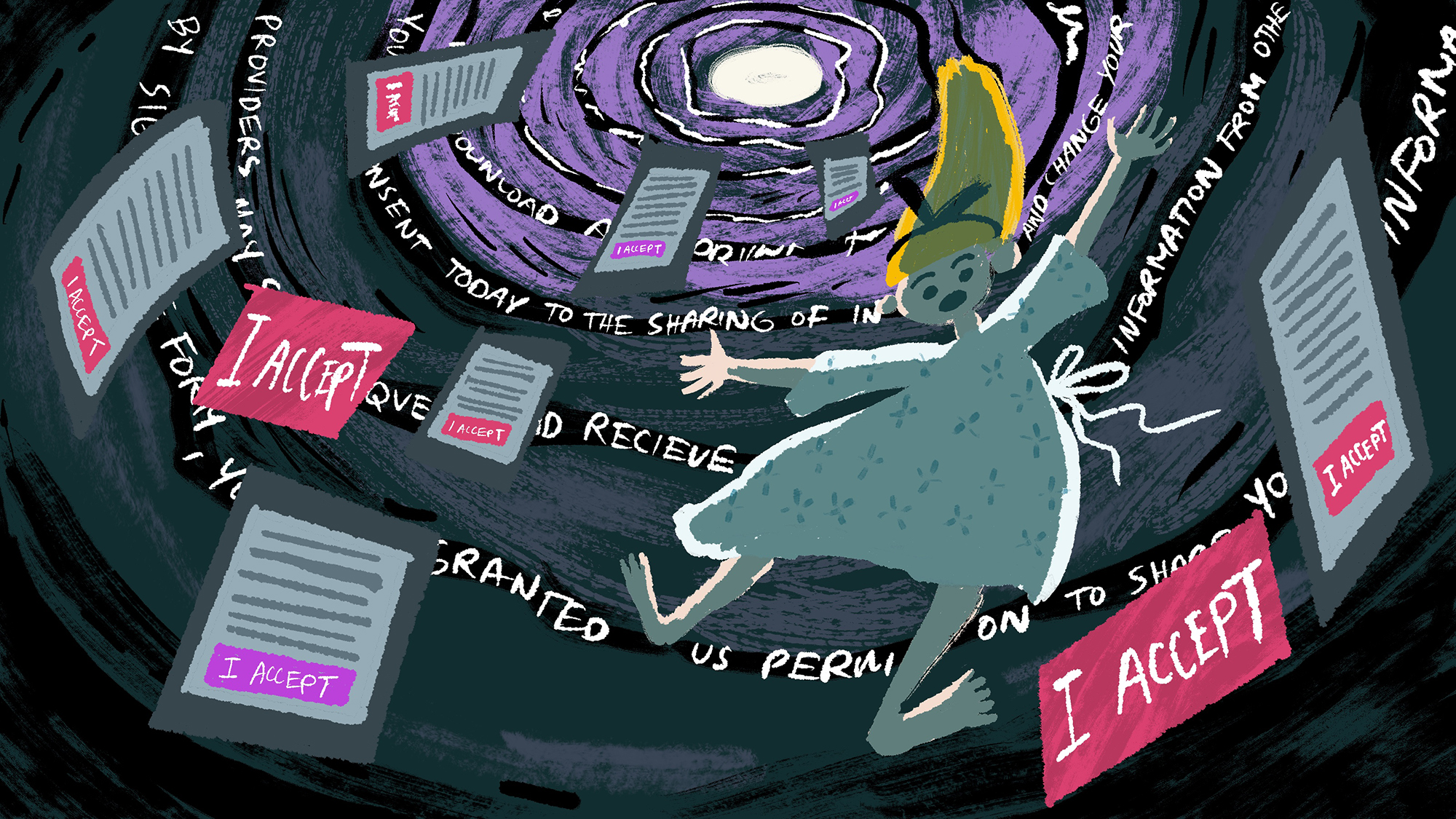
Experts have a name for this practice: “Dark patterns,” which are manipulative design choices that steer people into doing things or making decisions they otherwise would not make. It’s easier to check the box to say that you’ve received the privacy notice, even if you haven’t. It’s easier to sign the digital signature box, even if you can’t see what you’re signing.
The alternative — saying you didn’t get the privacy notice, or asking repeatedly to see what you’re signing — sounds like a simple request, but can be scary for patients. Many of the patients I’ve interviewed, including a lawyer who works as a privacy advocate, told me they’re afraid that speaking up or pushing back against terms they don’t agree to will make health providers categorize them as inconvenient patients and make it harder to get the care they need.
As a privacy researcher, I’ve experienced this hesitation myself. Last year, I wrote about the epic lengths I went through to get a copy of the consent forms I signed when my toddler needed surgery. When my child was strapped to a movable bed, the surgeon standing there at the ready, I was asked to verify my signature on a consent form. When I asked if I could have a copy of it, a nurse said she wasn’t allowed to give it to me — and sent me to a ghost office at another hospital to search for it. In the moment, I let it go, so I wouldn’t hold up the surgery. Later, after asking multiple people for help, I was finally able to get a copy.
To experience more of what patients have to deal with and test whether they’re able to successfully get the information they need, say no, or opt-out of having their data shared, I checked out over a dozen health care systems myself by registering and going to appointments in Iowa, New Jersey, New York, Ohio, Oregon, South Carolina and Virginia.
One telehealth appointment with a provider showed me how easily dark patterns force patients to share their data with big healthcare networks, even when the privacy form they’re signing explicitly says they can opt-out.
In October 2025, I booked a telehealth appointment with a women’s health clinic in Virginia, after a source was frustrated with the clinic’s check-in process. During registration, I was asked to sign their notice of privacy practices. It’s the same type of form that Stannard never got, but was asked to say she did.
The notice told me that I was giving them permission to let my physician share my health data with a health information exchange, a network that allows providers to search my medical records, like lab results or medical history, from other health organizations when they treat me. These networks can be regional, state-wide or national in reach. The privacy notice says that by signing the form, “you agree to have your medical information shared.”
It also says I have two other choices:
Say no by following instructions on the opt-out form, but there’s no link to the form.
Say yes now and kick off the opt-out process later by sending an email. An email address is provided.
But when I got to the end of the privacy notice, I wasn’t allowed to say no. I had only one choice: “I accept.” After that, there’s a spot to type my name “to accept the policy,” check a box that I understand that I’m electronically signing, and a big button to “Continue.”
I ignored the accept button and tried clicking “Continue.” An error message told me I couldn’t move forward unless I hit “I accept.”
I was at a crossroads. The privacy notice literally describes “Say No Thanks” as a choice, but doesn’t let me pick it.
At this point, most of the patients I’ve interviewed would probably click “I accept” and move on, even if they wanted to keep their information private. But I was researching what patients have to do for healthcare systems to honor their wishes around consent and privacy, so I stopped filling out the form.
Instead, I emailed the address on the privacy notice. I was surprised that an employee got back to me that day, shared the opt-out request form, and confirmed that “registration is required to opt-in.” She also told me her company, which manages this consent process for the information exchange, will process my opt-out after I sign it and they’re able to process it. The risk is that they might not do it before my appointment. I emailed her back and asked what we should do about this, since the original privacy notice says, “Please note, your opt-out does not affect health information that was disclosed through HIE [health information exchanges] prior to the time that you opted out.” How could we make sure none of my information is shared?
The next day, she replied that her company would proactively opt me out of the information exchange, that I should still complete the opt-out form she sent me, and that “You should now be able to complete your check-in, and the setting will remain unchanged.”
When I went back to check in for my appointment, I clicked “I accept,” because the health services company assured me nothing will change. Just to be safe, I wrote “I opt out of HIE” and my initials, “AR” into the box where I’m supposed to write my name.
When I wrote to a manager of the women’s clinic about this, they stood by Privia’s process and said that Privia makes themselves available for patients who want to opt-out.
“This is a dark pattern,” said Lior Strahilevitz, a legal scholar at the University of Chicago who has published papers on privacy and dark patterns and teaches health law. In fact, Strahilevitz sees multiple dark patterns in the patient registration process I went through.
One is called an “obstruction dark pattern,” which means the design makes it harder for patients to make any choice except the one healthcare providers want.
Another dark pattern was “visual interference” where the interface makes it hard on the patient. “The patient’s going to have to face inordinate burdens in order to make an autonomous choice,” he said, because they will need to go “outside the user interface, outside the screens, in order to exercise your opt-out rights.”
Lucia Savage, former chief privacy officer at the federal health IT office, called the Office of the National Coordinator for Health IT, said that problems like this can happen when people carelessly put physical forms online. “This isn’t really a design at all,” she said. “This is just a bunch of paper pasted onto a web page. Could you even really call it design?”
So, is all of this legal?
Legal experts point out that only one element of the check-in process violates the spirit of health privacy law, and it’s not the part I expected.
In Virginia, where I had my appointment, it’s legal for providers to opt patients in at registration and give them a way to opt-out later.
Some states, like Florida and New York, require providers to get a patient’s explicit consent before they can share or access a patient’s data from information exchanges. Other states, like Arizona and Maryland have laws that allow data-sharing through health information exchanges by default, as long as providers tell patients and give them a way to opt-out. Some states have not passed any additional regulations, which means they follow the federal baseline. Federally, under the Health Insurance Portability and Accountability Act (HIPAA), sharing a patients’ data in a health exchange is legal.
According to Sarah Jaromin, a health policy specialist at the National Conference of State Legislatures, in Virginia, there is no current state policy with explicit opt-in or opt-out requirements.
Craig Konnoth, a law professor at the University of Virginia who specializes in health and civil rights looked at the privacy notice I was asked to accept. “You have the choice as to whether your data is going to be used. In this particular situation, ‘we are going to use your data until you file in the opt-out paperwork’ — then that’s actually kosher,” he said.
What experts say violates the spirit of the law, however, is requiring that patients sign the privacy notice itself.
When I was checking in, the privacy notice forced me to add my signature and click “I accept” before I could click “Continue.”
“What becomes problematic for me is that you can’t actually proceed. The design forces you to do something that the HIPAA privacy rule does not require you to do,” said Stacey Tovino, a professor who teaches HIPAA privacy law at the University of Oklahoma College of Law. (Full disclosure: As a part of my role as Director of Sociotechnical Research at The Markup and CalMatters, I am combining a broader journalistic investigation with a small ethnographic research studying on digital patient intake procedures, The Markup paid Tovino to consult on the HIPAA implications of my findings, but she did not participate in data-collection or editorial decision-making.)
“Nothing in HIPAA requires them to make you sign the notice,” said Tovino. “If they don’t obtain the signature they simply have to document why they didn’t get it.”
There’s an important nuance here. At a doctor’s office, patients usually have to sign and give consent to treatment and financial responsibility policies before they can actually get medical care. But when it comes to privacy notices, HIPAA only requires healthcare providers to ask that patients acknowledge receiving it. Patients should be able to ignore it.
Many of the privacy-focused patients I interviewed, including those who also work as doctors and nurses, deliberately decline to sign a notice of privacy practices if it contains terms they disagree with. But when modern check-in technology refuses to let a patient move forward without agreeing to the notice of privacy practices, is that legal?
Emily Hilliard, press secretary at the U.S. Department of Health and Human Services (HHS), confirmed that the HIPAA privacy rule does not require providers to get a patient’s consent to their privacy notice, but it also does not “prohibit covered entities from requiring individuals to acknowledge, or agree to the terms of, an NPP.”
In other words, requiring patients to agree to a privacy notice before getting treatment is legal.
“Likely because HHS never envisioned this happening, HIPAA does not explicitly prohibit a covered entity from requiring an acknowledgement of receipt of the notice of privacy practices as a condition of treatment,” said Adam Greene, a partner at the law firm Davis Wright Tremaine who focuses on health information, privacy and security.
“HHS has heard about widespread problems with the acknowledgment of receipt of the notice of privacy practices becoming an obstacle to patient care and a cause of confusion,” he said. “In 2021, they issued a proposed rule that, amongst other things, proposed deleting the requirement for an acknowledgment of receipt of the notice of privacy practices.” The rule was never finalized, but it is back on the agenda this year.
Stannard confirmed that at HHS, “we are in the process of finalizing the rule which includes some additional requirements for the notice of privacy practices.”
The current proposed rule includes, “Eliminating the requirement to obtain an individual’s written acknowledgment of receipt of a direct treatment provider’s Notice of Privacy Practices.”
Experts say patients should be able to opt out immediately — not eventually
Legal experts say that regulators can fix this problem with one fell swoop: make it a rule that companies must let patients opt-out right away, at the same moment they’re notified that they can.
“Amend these [federal] regulations to say covered entities shall not impose an undue burden on people trying to opt out. Covered entities shall not make it functionally problematic. Covered entities shall not, in registration documents, force people to proceed, thus waiving their right to opt out at the earliest possible time,” Tovino said.
She suggested that when a company notifies someone of their right to opt out, the next sentence should include a link to do so.
Savage agreed that this change would “absolutely” be a substantial intervention. “I believe that’s something OCR [Office of Civil Rights at HHS] could do in regulations.”
At the same event where Stannard shared that her eye doctor asked her to acknowledge a privacy notice she never got, I asked her, “Would updating the privacy rule to require a live link when patients make a choice to opt out or into sharing their information be empowering to Americans as individual patients?” She’d just spoken about U.S. Health Secretary Robert F. Kennedy Jr.’ s agenda “to empower individuals with their own health information.”
“That’s an interesting idea,” Stannard responded. “I don’t remember if we’ve considered it before. It’s certainly something that we could consider going forward.”
One registration form, but a cocktail of technology companies
Navigating the dark patterns in the check-in process was difficult. What I’ve learned however, is that it’s hard to know who picked that interface to use with patients. Did it come from the clinic or the sprawl of vendors that health facilities have come to rely on?
Private clinics often partner with multiple outside companies (vendors covered by HIPAA) to get technology and administrative support. My appointment involved three different companies:
The mobile link I received to check-in for my appointment comes from a company named Phreesia, which handles patient-facing software, like consents, medical screening surveys and payment. When a patient clicks through those consent forms in the U.S., it goes through Phreesia every 1 in 6 patient visits.
The clinic had joined Privia Health, which handles management services for nearly 5,000 providers across 15 states, which affect 5.2 millions patients, according to a 2025 press release. The privacy notice I struggled with sent me to Privia’s medical records office to opt out. Phreesia’s logo was also on the copy of my forms that the clinic emailed me.
Finally, for my second telehealth appointment six months later, the clinic sent me a link with the name of another vendor, “athenahealth,” in it. The clinic had replaced Phreesia with athenahealth entirely.
“Unless you’re a really giant system,” said Savage, “you don’t have internal expertise on how to do this. So you buy it. You buy what’s plug-and-play and what’s affordable.”
The Markup and CalMatters asked all three companies who was responsible for the design of the patient registration interface, and no company gave us a clear answer.
Privia: “Privia is committed to the privacy and security rights of our patients’ information and to ensuring we comply with all regulatory requirements regarding our use of that information,” said Robert Borchert, senior vice president of investor and corporate communications at Privia Health.
athenahealth: “athenahealth provides technology that healthcare providers use to manage patient registration and clinical workflows … configured according to each provider’s requirements and applicable law,” read a statement from athenahealth, provided by Nikki D’Addario, senior public relations manager.
Phreesia: “It is the provider’s form and they determine the content and interface options,” said Dori Zweig Young, Phreesia spokesperson.
None of the companies responded to detailed written questions about how much control clinics have over the interface.
A blindspot for regulators and how it can be fixed
Strahilevitz explained, however, that agencies like the FTC and CFPB, which have been the most active on regulating dark patterns, regulate privacy within their zones, and only occasionally take on boundary cases.
“Health privacy, for the most part, is going to be primarily addressed by HIPAA and Health and Human Services rather than the FTC Act and the Federal Trade Commission,” he said. “There are limits on [the Commission’s] ability to protect patient privacy because that’s basically another entity’s job.”
Greene and Savage both agreed that the Federal Trade Commission has jurisdiction to enforce against dark patterns as unfair or deceptive practices in for-profit healthcare entities. The clinic I went to, like hundreds of thousands across the country, is for-profit.
But HHS has a broader mandate to regulate healthcare organizations, including non-profit hospitals.
For example, Strahilevitz said, in consumer finance, regulators at the Consumer Financial Protection Bureau treat a practice as unfair or deceptive when a consumer cannot reasonably avoid the resulting injury. Just as hard-to-cancel online subscriptions force people to pay more, maze-like opt-out structures force patients to pay with their data by default.
Strahilevitz said this provides a framework for thinking about privacy injuries in healthcare. An information exchange could serve as a clearing house for information about a patient’s abortion, which has a clear potential for injury if that information becomes known in a state where abortion treatments are criminalized.
“In other privacy contexts, the courts have said where it’s literally possible to opt out of something but, practically quite difficult, unduly onerous, then we’re not going to treat that as creating an opt-out right,” he said.
Savage sees more opportunities in carrots than sticks to get to best practices. She argued that the government could invest in good interface design that’s open source and available for anyone to use, and the federal health IT office, where she used to work, could create competitions focused on improving the technical tools that providers buy and use.
If the big technology vendors that independent clinics are already using make these changes, it could affect millions of patients.
State regulation is another possible solution. Strahilevitz said that scrutiny of dark patterns is spreading as states, like California, and regulatory agencies, like the FTC, seek to reign in unfair or deceptive practices through the simple intervention that it should be as easy to cancel as it is to subscribe, with one click.
“I hope that at some point, we’ll get to a point where symmetry of choice is the law of the land, not only with respect to consumer privacy in some states, but to these kinds of medical privacy or financial privacy or other contexts,” he said.
The Markup and CalMatters showed how website code could make it harder for Californians to exercise their right to remove personal data. Now much of that code has disappeared.
Sen. Maggie Hassan pressed data brokers to make it easier to opt out of their systems, citing an investigation by The Markup and CalMatters, published in partnership with WIRED. U.S. Sen. Maggie Hassan speaks during a Senate Finance Committee on Capitol Hill in Washington, D.C. on March 14, 2025. Photo by Ben Curtis, AP Photo
More data brokers have changed their practices in response to reporting from The Markup and CalMatters as well as a subsequent Senate investigation.
Data brokers — companies that collect and sell access to often-sensitive information on consumers — are required to register in the state of California and provide a way for consumers to request their data be deleted.
Last year, an investigation by The Markup and CalMatters, published in collaboration with WIRED, showed that many of those companies placed code on the web pages for making those requests that prevented them from appearing in search results. The “no-index” code tells search engines like Google not to catalog those pages, making it less likely that anyone would see them. Experts said that’s a hurdle for Californians looking to exercise their legal rights.
Last year’s investigation found 35 data brokers were using the code, 12 of whom soon removed it and allowed their pages to appear in search results.
Today, only eight of those 35 brokers are still hiding their deletion pages, according to another review done by The Markup and CalMatters this week. That includes five major data brokers who came under Senate investigation.
After The Markup and CalMatters published their report, the top Democrat on the Senate Joint Economic Committee minority, New Hampshire Democratic Sen. Maggie Hassan, sent letters to five data brokers questioning them about their practices.
Four of the companies — IQVIA Digital, Comscore, Telesign Corporation and 6sense Insights — engaged with the Senate committee about their practices and agreed to make their pages visible in search, according to a report the committee later released. The report also estimated that consumers have lost more than $20 billion from fraud and identity theft related to broker data breaches.
In an addendum to their initial findings released last week, the committee said that the fifth company facing questioning, Findem, also belatedly removed its “no-index” code, making its deletion pages visible in search engines.
One of the data brokers no longer hiding its opt-out page, BrightCheck, has a broken opt-out page and no longer appears on California’s broker registry.
Data brokers that hid opt-out pages from search engines
Of 499 brokers registered with the state of California, The Markup and CalMatters in August 2025 found 35 instructing search engines to ignore pages with instructions on how consumers can remove their data. As of May 2026, only eight had such instructions.
Chart: Tomas Apodaca
·
Source:
California Privacy Protection Agency 2025 Data Broker Registry
Of the eight brokers still hiding their deletion pages, only one, a company called Fideo, responded to a request for comment about whether they would continue using the code on their pages.
Jason Soni, a spokesperson for Fideo, which uses data for crime and fraud prevention purposes, said the company intentionally “chose not to display the application page itself in Google search results for technical and consumer experience reasons.” Consumers, he said, can make requests starting “from our homepage and public privacy resources, which provide the right context, routing, and instructions for privacy requests,” instead of starting at the application page.
“Americans deserve a choice over whether their personal data is collected, used, and sold for profit or not,” Hassan said in a statement released alongside the amended report. “Data brokers like Findem have a responsibility to provide that choice with clear, user-friendly opt-out functions and straightforward privacy policies.
DeltaSweep is a real-time OSINT platform built to track military activity, geopolitical developments, and emerging events across the Middle East.
Built using the same research workflow behind CaspianReport, the platform combines military aircraft tracking, naval monitoring, satellites, GPS jamming detection, OSINT feeds, military bases, and resource infrastructure into a single operational dashboard.
This is not a sponsorship. I’m one of the co-founders of the project, and after years of juggling dozens of separate tools and trackers, we decided to build our own system.
Join Freecash today by clicking on the link https://bit.ly/4cRYdc7 and enjoy an extra $10 on your first offer!
Trump has been skeptical of NATO since taking office. So what happens if he follows through, and America stops showing up?
If you want to support CaspianReport, the best way is simple: watch, like, and share the videos. For direct support, you can join as a member or contribute; every bit helps keep the channel independent and improves the quality of the work.
Escucha el segundo episodio de 'La memoria en ruinas', un podcast sobre el patrimonio español que se resiste a desaparecer
El capítulo 2 de La memoria en ruinas profundiza en la sorprendente realidad que José María Sadia y Andrea Morán acaban de descubrir: que España fue una especie de casa de subastas a principios del siglo XX. La profesora María José Martínez Ruiz, una de las mayores expertas en el comercio del arte, explica cómo anticuarios y agentes internacionales se llevaron de nuestro país todo tipo de joyas artísticas para vendérselas a magnates americanos como William Randolph Hearst, o a museos de prestigio, como el Metropolitan de Nueva York.
María José Martínez Ruiz
En esta segunda entrega, los periodistas se preguntan si todos estos tesoros nos fueron robados o si, por el contrario, fuimos nosotros quienes los vendimos.
Joan Molina
En busca de pistas certeras, visitarán un enclave que vivió uno de los fenómenos de expolio (o autoexpolio) más dolorosos de la Historia del arte. Se trata de la sustracción de una obra maestra, las pinturas murales de la ermita de San Baudelio de Berlanga. Un viaje final tratará de dar respuesta a una cuestión de lo más enigmática: ¿Dónde están actualmente las pinturas románicas de la iglesia soriana?
**
Puedes escuchar los 10 episodios de ‘La memoria en ruinas’ en nuestra web y en tu plataforma de audio favorita:
La memoria es ruinas es una producción de elDiario.es. Si te gusta lo que hacemos, necesitamos tu apoyo. Hazte socia, hazte socio, en elDiario.es/socio
Financiado por la Unión Europea – Next Generation EU

 Login