The Amarna Letters are an extraordinary archive of 3,300 year-old correspondence between the rulers of the Ancient Near East. Watch our full video to learn more about Late Bronze Age diplomacy, and hear some of the remarkable letters themselves.
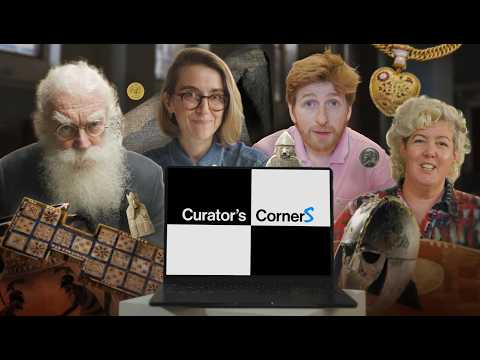
Today, we bring you a very special 100th episode of Curator’s Corner! What makes this so special is that it was decided by you – our wonderful audience. You are the reason this series has been so successful, so it feels only right that you had the chance to decide the topic of this episode.
You all came up with fantastic ideas – but it was the Amarna Letters that were one of the most requested topics, and even more requested was Irving Finkel talking about, well, pretty much anything. So, we thought we'd give you both. You deserve it.
Over 3,000 years ago, the rulers of the ancient world were sending each other letters: negotiating marriages, exchanging lavish gifts, complaining about missing gold, reporting wars and, occasionally, desperately begging Egypt to send help.
The Amarna Letters are an extraordinary collection of cuneiform tablets discovered at the ancient Egyptian city of Akhetaten (modern Amarna). Dating largely to the 14th century BC, they preserve diplomatic correspondence between the Egyptian pharaohs and the rulers of the Late Bronze Age world.
Join Irving Finkel as we explore how the Amarna Letters were discovered, why Egyptian officials were corresponding in a Mesopotamian language, and what these remarkable tablets reveal about warfare and politics in the ancient world.
Turns out international diplomacy hasn't changed that much in 3,300 years.
TIME STAMPS:
00:00 100th Episode!
00:45 The Discovery of the Amarna Letters
03:35 What Are the Amarna Letters?
05:40 Reading transcriptions of the Amarna Letters
06:50 Gold, Gifts & Royal Marriages
13:38 Complaints to the Pharaoh. And more gold.
20:20 Habiru and Crisis in Canaan
30:55 Why Were Egyptians Writing in Cuneiform?
36:32 Fear the wrath of Irving Finkel
40:50 Secret message revealed...
--------
ATTRIBUTION:
Books referenced:
By Nile and Tigris: a narrative of Journeys in Egypt and Mesopotamia - E. A. Wallis Budge
The Amarna Letters - William L. Moran
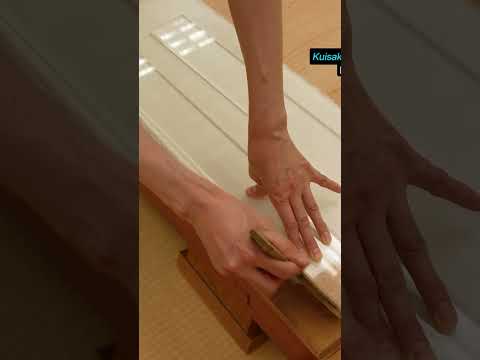
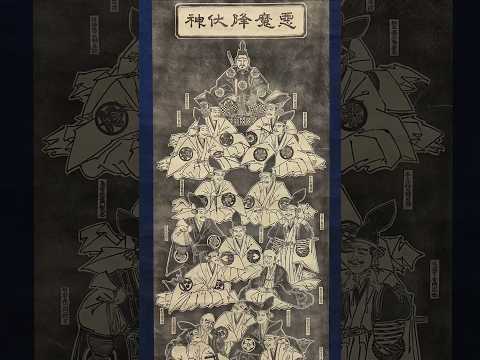
Step inside the British Museum's Hirayama Studio as it celebrates over 30 years conserving East Asian masterpieces on paper and silk in a unique space.
https://www.britishmuseum.org/blog/one-kind-hirayama-conservation-studio
It’s hard to believe that we’ve been making Curator’s Corner for over a decade.
The series that allows curators from the British Museum to share their research, their passion and their frankly astonishing knowledge of the objects in their care.
As we eagerly anticipate the 100th episode, we thought we’d pay a small homage to the series you voted for over ten years ago, and take a look back at some of the remarkable things we’ve discovered along the way.
So what will the 100th episode be?
You’ll have to wait and see…
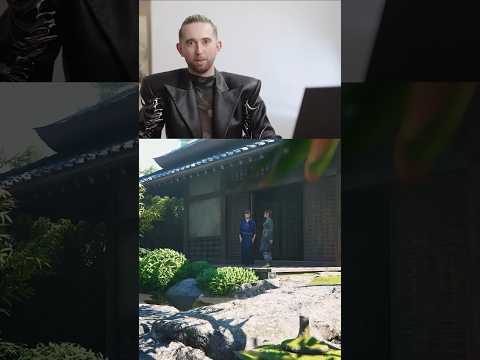
As we approach the opening of the Bayeux Tapestry at the British Museum on 10 September, we needed to hire the best of the best to lead our Security team.
Unfortunately, their first day wasn't a quiet one...
Get closer to the Bayeux Tapestry. More tickets are released on 21 October.
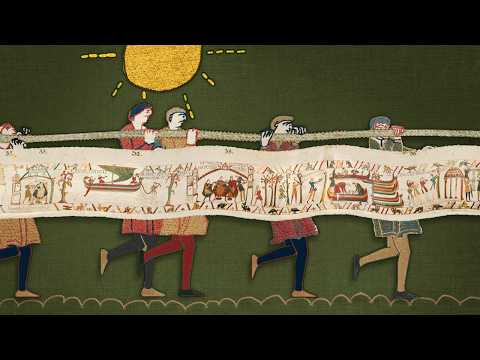
Battles, revolutions and world wars – the Bayeux Tapestry has survived them all. But how did something made from linen and wool almost 1,000 years ago survive to tell its story today?
In this film, you’ll discover:
- How the Bayeux Tapestry was made using linen, wool and skilled embroidery
- Who may have made and commissioned it – and why
- How storage may have helped it survive for centuries
Designed for learners aged 11+, this short animation is equally suitable for families, teachers, students and anyone with an interest in history.
Discover the Bayeux Tapestry:
See the Bayeux Tapestry at the British Museum, on display from 10 September 2026 to 11 July 2027, or explore more online:
Bring the Bayeux Tapestry live into your classroom!
Join the British Museum’s live schools broadcast on 14 October 2026, for an action-packed journey through the Bayeux Tapestry, with expert guests, fascinating stories and a live student Q&A. Created especially for learners aged 7–14.
Book your class now https://www.britishmuseum.org/learn/schools/ages-7-14/live-schools-broadcast-bayeux-tapestry
Explore our wider schools offer:
https://www.britishmuseum.org/learn/schools
Subscribe to the British Museum for more films exploring history, archaeology and the world’s cultures.
The people of the ancient world didn't have 70mm film. But they did have clay, bronze, and gold, and their physical creations depicting the Odyssey demonstrate an astounding level of creativity and imagination. These objects go far beyond simply depicting scenes of the Odyssey, creating levels of interaction with their audience that's rarely seen today.
Join Curator of the Greek World, David Saunders, as he delves through the collection, guiding you through these diverse objects from the collection, and showing you how they told one of the most enduring stories of all time.
You may have noticed this is NOT a Curator's Corner. This is because we are still working on the 100th episode... subscribe so you don't miss it when it releases.
Chapters:
00:00 Intro
01:28 Chalcidian jar showing the blinding of the Cyclops
05:40 Italian mixing bowl showing the blinding of Polyphemus
11:00 Roman bronze figure - Odysseus
14:00 Bronze dish - Skylla
17:05 Black-figured skyphos - Circe
20:16 Gold ring - Penelope
Please note at 21:45 there is a small spelling error in the word 'circa'.
This armour was made from a crocodile. As conservators worked on the leather, it slowly returned to the shape of the animal it once was. The result is a rare object combining Roman military culture with ancient Egyptian belief.
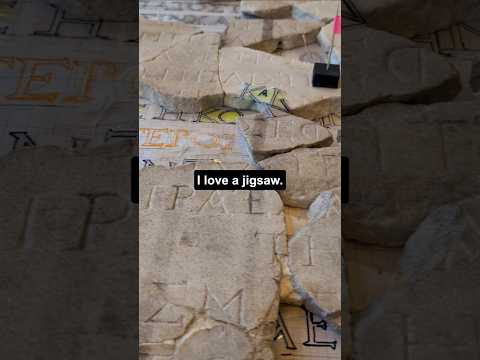
This is a Roman jigsaw puzzle - with missing pieces. More than 150 stone fragments once formed a letter from Emperor Antoninus Pius. Putting it back together means questioning every letter and line.
 Login