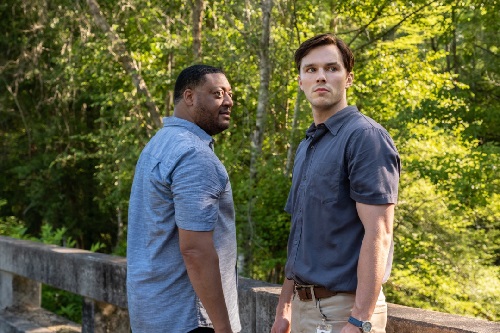
Normal view

Published — 1 January 2025 Anotacões de um Cinéfilo

My Favorite Movies of 2024

Versão em Português

I’m not going to go through all the same arguments from the long essay that opened last year’s list, but its general observations are still up to date, I’m afraid that especially the more negative ones. The film business is still doing great in 2024 (and with it the feeling that cinema is becoming more and more distant from the world) and being a film critic, or simply a more active cinephile, means that this constant questioning is inevitable. To what extent your gaze is only captured and serving it is a constant question/crisis. And exercises like this list are both a personal playful effort and something that you’ll never be able to completely separate from it. In a way, dealing with cinema today is this constant effort to remember that your cinephilia isn’t your social media, that film history isn’t the Criterion Collection, that so-called auteur cinema isn’t there to serve the Fremauxs and MUBIs. All these things are mediations that are difficult to avoid, but relating to cinema always goes beyond that. I like lists partly because I enjoy the process of putting them together and also because sharing movies is always a pleasure.

The criteria for this one are the same as always: movies I’ve seen in 2024, longer than 45 minutes and that were shown for the first time in the last three years. As I always like to reiterate, the order is quite random, especially when the movies are at the bottom of it. I know I liked the 21st more than the 45th and this one more than the 80th, but I don’t know if even today I prefer them to the movies that are just before or after them. I’d also like to mention Socialist Realism, which Raul Ruiz filmed in 1973 and Valeria Sarmiento finished last year. I never know how to include these films suspended in time, especially this one that was originally interrupted by Pinochet’s coup.
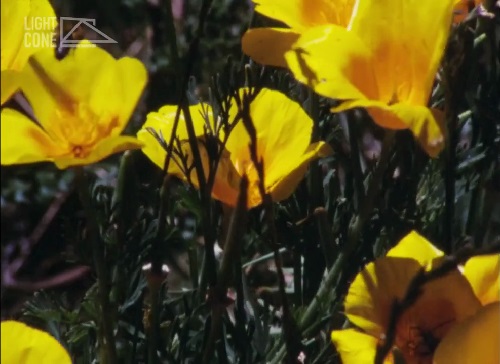
My favorite new movies under 45 minutes seen in 2024 were Bouquets 31-40 (Rose Lowder) and Trailer of a Film That Will Never Exist: Phony Wars (Jean-Luc Godard); I was also very fond of Trabalho de Amor Perdido (Vinicius Romero), Où sont tous mes amants? (Jean Claude-Rousseau), I Thought the World of You (Kurt Walker), Duna Atacama (Romero) and Last Screening (Darezhan Omirbayev).
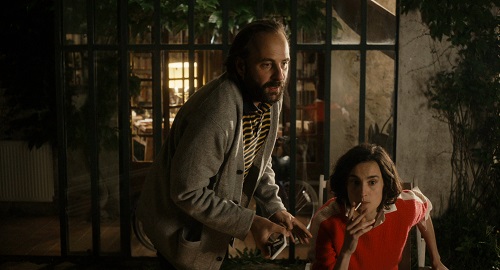
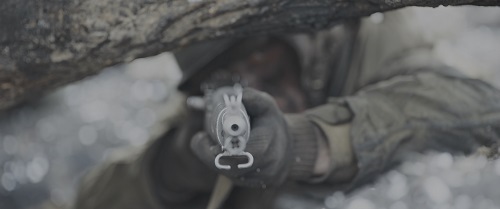
99) Suspended Time/Hors du Temps (Olivier Assayas) and The Volunteers: To the War (Chen Kaige)

I’m starting with a tie, and maybe I should put something like Black Dog (Guan Hu) at this place instead. I’m not even sure Suspended Time qualifies as a good movie; that it is kind of a non-movie is part of why it is even here. What I do know is I liked watching them, and I might’ve liked thinking about them even more. They are the work of filmmakers who were once celebrated, but almost nobody likes Suspended Time and I suspect only people very into mainstream Chinese cinema even knows To The War exists (by the way it is the first of a trilogy). I suspect what they have to say would mostly annoy people, Suspended Time is pure navel-gazing from a very successful man who sometimes seems more and sometimes less at peace with his own position. Does French cinema gentility about how the big family home means something become better by some meta movements? To The War is patriotic kitsch, pure flag waving about sacrificing yourself for China, it is called To the War and doesn’t do a thing to question that. It is also very impressive when its in the trenches with the soldiers. I like Suspended Time because Assayas looks in a mirror sees that he become cinema du papa and gives a half troubled, half defeated shrug. I like To The War because Chen Kaige was always a decorative filmmaker who was good at coming up with an image and the ones in it aren’t much worse than Farewell My Concubine; they are just  outside the tastes of programmers and critics who liked him three decades ago. Those are auteurist cinema near the end movies and because I have some relationship with not only the artists, but their surroundings I find those last rites of some genuine interest.
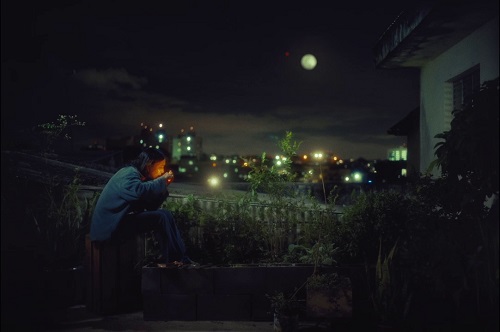
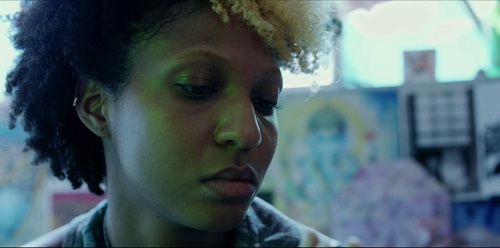
97) Cidade; Campo (Juliana Rojas) and Power Alley (Lillah Halla)

Two features by Brazilian female filmmakers, one more established (Rojas) and the other just starting out (Halla), both about women moving through spaces and situations where violence is always close. These are movies that are a little more formatted than I would prefer, but they have a lot of strength when they look at their protagonists and are better when they approach the supernatural that hangs over them rather than when they indulge in naturalism.
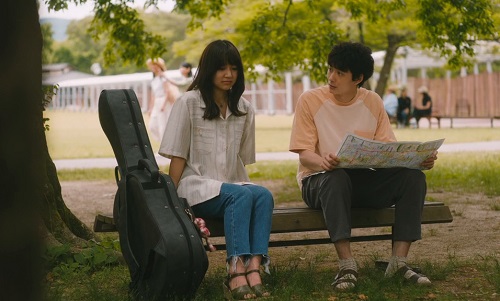
96) One Second Ahead, One Second Behind (Nobuhiro Yamashita)

Nobuhiro Yamashita is a personal favorite of mine, this one is him working very much as hired gun from the Japanese film industry and remaking a Taiwanese high concept romance. Young people going through their lives while ab artificial movie-like construction affects them is very much the Yamashita touch. The main concept of time did make me think of my own relationship to Yamashita movies as given that people in the west do not care enough about him to program or release his movies, I’m always depending on those big heroes of current cinephilia (amateur subtitlers) and so I’m always late to him (he has at least two movies since this one).
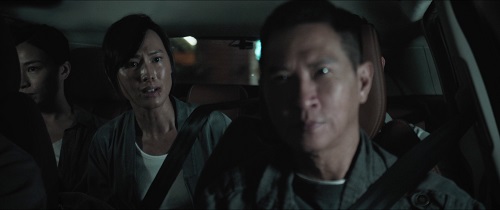
95) Bursting Point (Dante Lam, Tong Wai-Hon)

Dante Lam goes back to Hong Kong after many years making big movies in China (the biggest one co-directed by Chen Kaige) and it is a self-conscious return to the kind of movie that he started with some of the muscle from his Chinese work. In a weak year for Hong Kong movies, it is good to see an old master in a familiar territory.
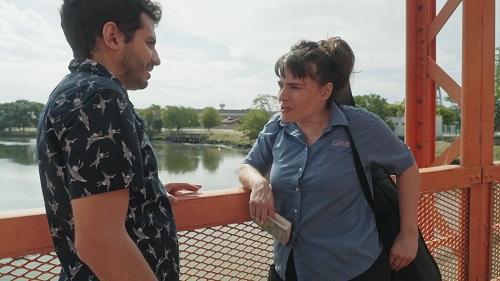
94) Terminal Young (Lucía Seles)

Argentine filmmaker Lucia Seles has found a very specific place for herself. This new movie is a natural extension of the 3 2022 movies I included last year. We like our artists to move forward without changing too much, Seles seems to prefer to ignore that. What counts is the pleasure and precision of her movie’s construction and they have a grace apart from most of the ones around them.

93) Abiding Nowhere (Tsai Ming-liang)

Speaking of trusting what you do, Tsai Ming-liang and Lee Kang-sheng will keep making movies about a monk who moves very slowly and I will keep finding easy to get into their rhythms.
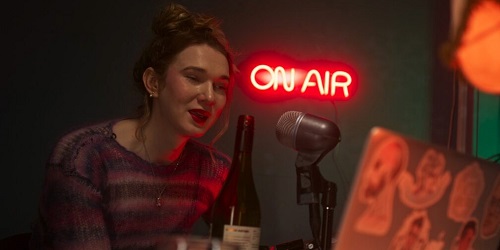
92) Carnage for Christmas (Alice Maio Mackay)

Despite the title this Christmas slasher is less bloody than aimed at giving teenage trans girls a good horror movie to watch with their friends and it is a great time. Mackay is very good at marrying a larger concept into its genre pleasures and rougher low budget style.
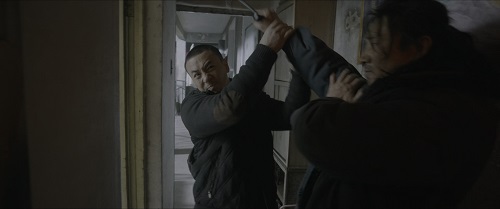
91) Black Storm (Qin Pengfei)

Fast, cheap and completely dedicated to what Chinese choreographers and stuntmen are capable of extracting from a masochistic exercise in non-stop action.

90) Joker: Folie à Deux (Todd Phillips)

More of a conceptual triumph whose big gestures outstrips its execution, but every bit as fascinated a failed big budget strange object as Megalopolis. And as a depiction of moving around in depressive numbness while fictionally disassociating, it can be surprisingly moving.
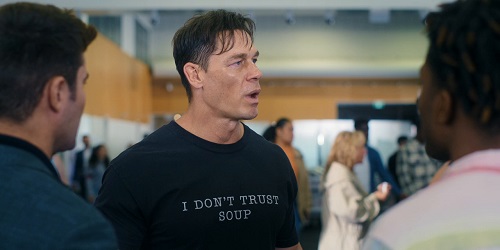
89) Ricky Stanicky (Peter Farrelly)

While people were watching Christopher Nolan win 100 Oscars, I was watching Peter Farrelly doing a Peter Farrelly movie for the first time in ages, and happy for that choice. It would be worth it for John Cena’s very funny performance, but this has a balance between humor and pathos out of guys who are very afraid they will come out embarrassed by not being quite who they want to project that the Farrellys at their best have always been good at.
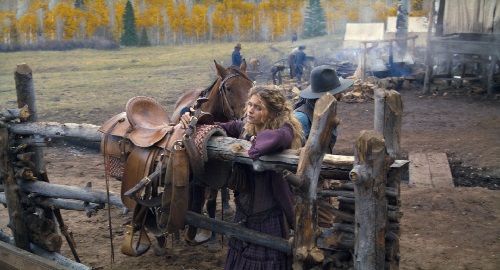
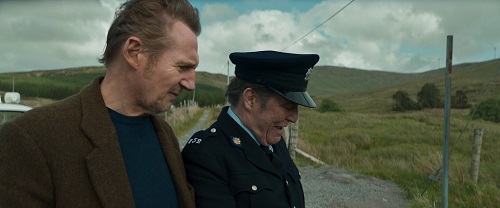
87) Horizon: An American Saga – Chapter 1 (Kevin Costner) and In the Land of Saints and Sinners (Robert Lorenz)

Two westerns about how their respective countries (US and Ireland) are trapped in their cycles of violence. Both combine a classicist temper with a very current surface, for better or worse. Costner’s movie is too grandiloquent, but it has wonderful moments in which it just installs itself in the lives of its settlers and a collection of striking faces. Lorenz, who was Clint Eastwood’s right-hand man for a long time, doesn’t deny the influence and draws some beautiful moments from it and makes great use of his cast of great Irish actors.

86) Paixão Sinistra (João Pedro Faro)

Rio’s lost youth dream musically of a past in Brazilian cinema that they can’t quite get back.
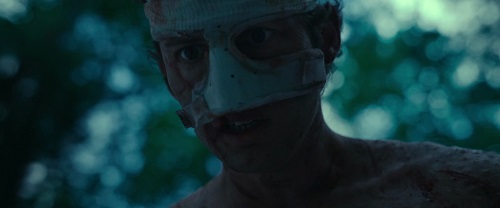
85) The Animal Kingdom/Le Règne animal (Thomas Cailley)

I prefer Cailley’s first movie Love at First Fight (which has essentially the same principle of maturing and opening up to the world through an attraction) because in general I prefer a good actor (in that case, Adele Haenel) to a metaphor, but this one uses technology and the woods that serve as its main location extremely well.
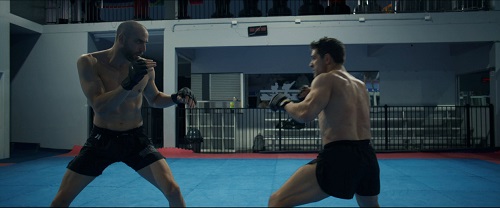
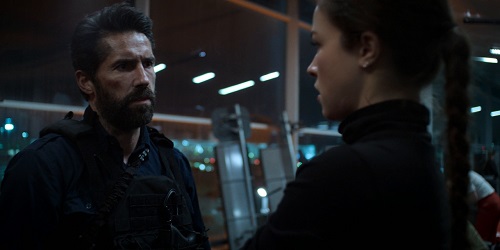
83) Life After Fighting (Bren Foster) and One More Shot (James Nunn)

The two best English language DTV action movies of the year. Like Nunn and Adkins’ previous One Shot, One More Shot is a long take gimmick movie that makes a lot of creative choices inside its high concept and single location because it’s more about finding ways of moving around a continuous space than selling the take. If I’m honest, every dramatic scene of Life After Fighting, a vehicle for its impressive star/director Bren Foster is not good at all, but thankfully they become rarer as the movie is get taking over of his very impressive fighting skills. As a form of narcissism through punishment and expression of repressed rage the second half is very impressive. They would make for a curious double bill of current right-wing paranoid fantasies, but they are mostly tribute for intelligent low budget staging.
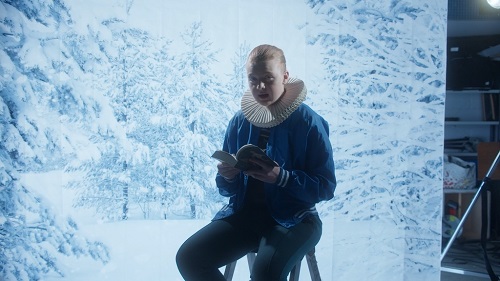
82) Orlando, My Political Biography/Orlando, ma biographie politique (Paul B. Preciado)

Preciado is a public intellectual experimenting with movies, in this case with an essay film that brings Virginia Wolff’s novel closer to contemporary trans experience, and what strikes me as remarkable here is how he understands that his articulation can only find strength in the power of the various faces he invites to collaborate and mix their lives with his film.
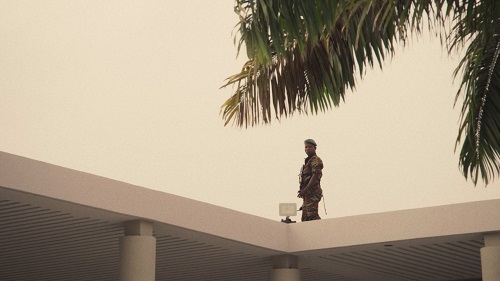
81) Dahomey (Mati Diop)

Whatever one do, getting untangled from the colonial weight remains hard to negotiate. Clear and often very expressive. Speaking of ways current cinema status quo has a distant and overconceptual relationship to the world, I saw Diop’s film, a powerful anti-colonial essay that won this year’s Berlin, in a double bill with Miguel Gomes overrated Grand Tour, a colonial phantasmagoria with ironic detachment, in an event promoted by its mutual distributor Mubi and that is what movies often become now: different flavors to be filled under easy to sell umbrellas. It doesn’t diminish Diop’s achievment, her movie seriousness and focus becomes more clear next to Gomes.
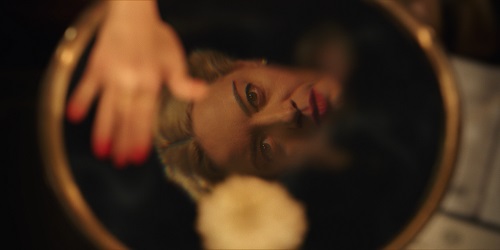
80) Megalopolis (Francis Ford Coppola)

Is Megalopolis good or just endlessly fascinating? It is a movie impossible to separate from its context, pro and con. A large artistic happening. As a movie of ideas, it is pretty bad, but as an expression of how Coppola can keep distracting us from that with multiple fireworks, it shows he is still having a lot of his Hollywood skills even under a lateral move like this. Coppola was always a Hollywood guy who dreamed of being his own Irving Thalberg, and he gets to play with that very expensively. It is a tribute to artistic expression in a technocratic world drained of it, but to what end? I was talking with a friend last week, and he mentioned to me that he never saw a film so devoid of tension in its making, which I found a good way to describe the experience. What can we do with an artist who can purchase everything?
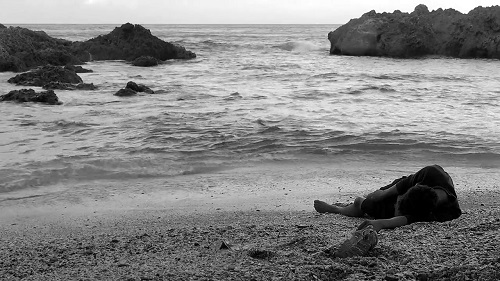
79) Obscure Night – Goodbye Here, Anywhere/Nuit Obscure – Au Revoir Ici, N’Importe Où (Sylvain George)

Resilient existences at the margins of the ruins of the European colonial project.
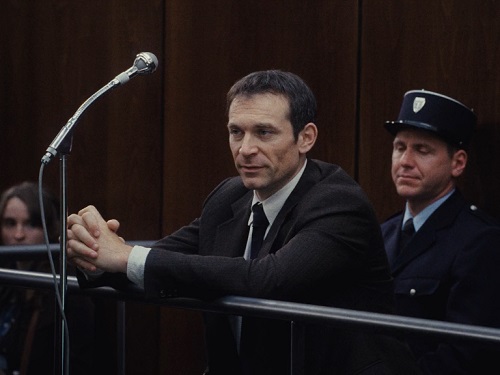
78) The Goldman Case/Le Procès Goldman (Cédric Kahn)

Film process and court room procedural tied in a liturgy of identity, politics and how they are performed, perceived and consumed.
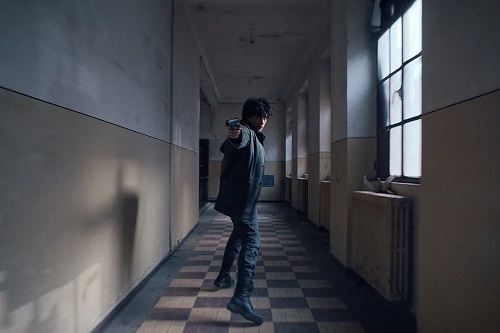
77) Death Will Come/La Mort viendra (Christoph Hochhäusler)

A successful late capitalism thriller similar to something like Assayas’ Boarding Gate only with better gunplay.
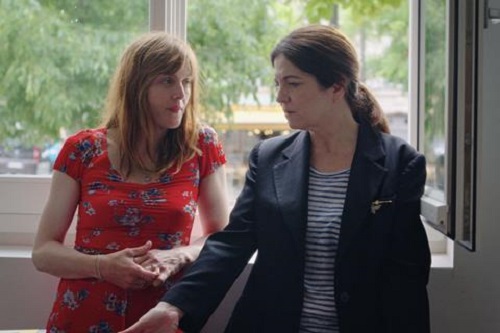
76) This Life of Mine/Ma vie ma gueule (Sophie Fillières)

A touching if uneven movie that is impossible to swet apart from knowing that Fillieres passed away days after completing its shooting. The openness and display of emotional fragility end up being haunting.
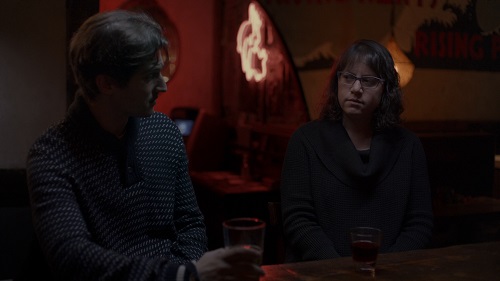
75) The Feeling That the Time for Doing Something Has Passed (Joanna Arnow)

I’m not against this annual presence of an American indie influenced by Hong Sang-soo on this list, among other things because it’s a fictional tension that takes their naturalism to a much more interesting place.
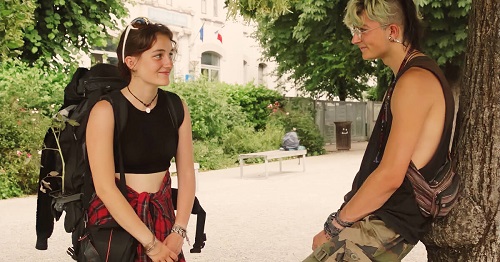
74) So Long/Ce n’est qu’un au revoir (Guillaume Brac)

Brac finding the fiction and a world, which is to say cinema, into the everyday lives and hopes of some real French teenagers.
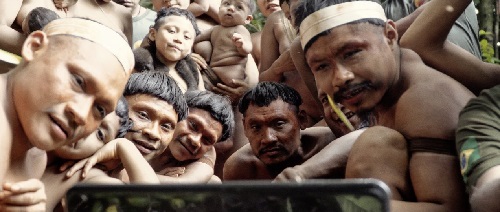
73) The Invention of the Other/A Invenção do Outro (Bruno Jorge)

A movie of an encounter, but above all a movie in which the weight of the camera, of the place of cinema in these relationships, is revealed with great force.
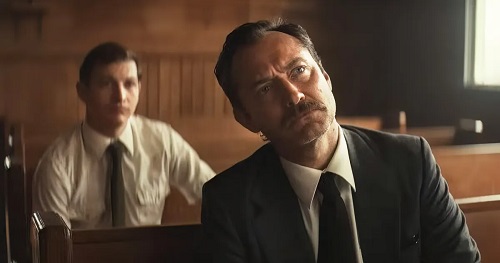
72) The Order (Justin Kurzel)

A macho contest between a cop and a neo-Nazi, whose strong and different ideological relationships to the idea of order are there to justify their self-images. A movie very dedicated to a lot of older ideas of film craft and personal expression, but Kurzel, whose taste for realism I’ve never cared for, does find an ideal venue in the work of Jude Law and Nicholas Hault. Two remarkable performances that make the movie.
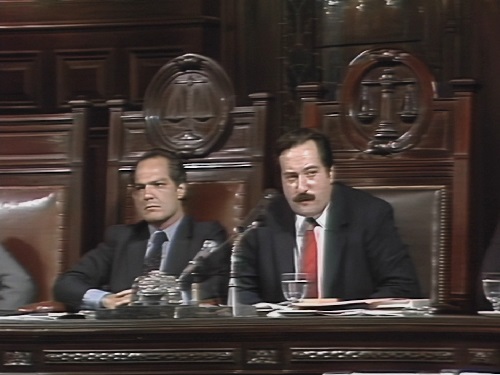
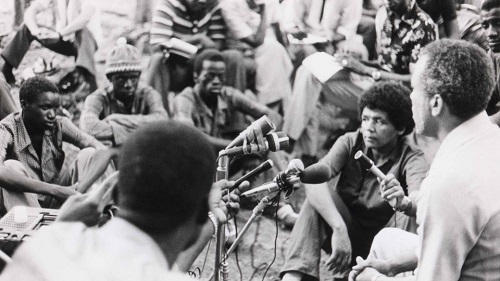
70) El juicio (Ulises de la Orden) and Mário (Billy Woodberry)

Two political documentaries based on archive footage. One about affirming Argentine democracy through images of the trial of the military junta, the other a crisis about the limitations and concessions of the global South’s anti-colonial project through the trajectory of Angolan Marxist intellectual Mario de Andrade. Both are movies of today, powerful essays on the echoes of the 20th century that reach us.
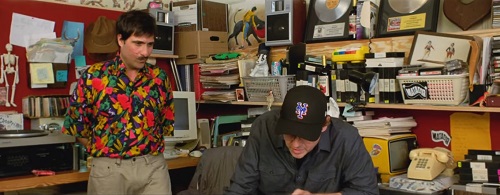
69) Pavements (Alex Ross Perry)

What does this essay about how any art, however intentionally dissonant, ends up being packaged by capital, especially in the ways in which this dissonance is celebrated, tell us? There’s a wonderful scene of the opening of an exhibition about the band and all these artists offering versions of their songs and at some point it gets obvious that someone has decided to invite only women and it becomes impossible to separate the curatorial cynicism from the fact that I genuinely enjoy listening to Soccer Mommy covering them? And we’re back in the eternal loop. Perry makes a movie about Pavement, someone else could make a movie about. let’s say, John Waters just as well, except of course Pavements know it’s a souvenir that only interests those like me who have a relationship with them.
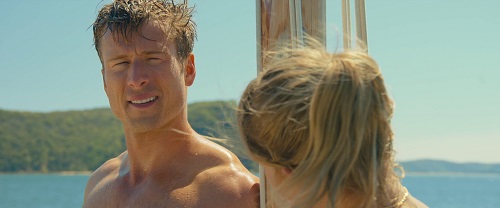
68) Anyone But You (Will Gluck)

A very good pop confection made by people who understand that the main thing something like this is just setting the right positive mood for performers and audience alike. I watch a lot of current romantic comedy, most of it is not good and almost all of it has late genre anxiety desperate trying to justify why the filmmakers are still returning to the old well, this one does that too by overplaying its Much Ado About Nothing echoes, but it gets that the main justification is adding  a lot of actual jokes around good looking stars.  
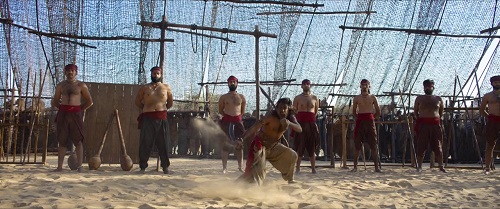
67) Malaikottai Vaaliban (Lijo Jose Pellissery)

Expert myth-making, so sensuous and gripping. Another example of populist cinema done right. Why waste time with some late, bloated mess by Ridley Scott when a movie like Malaikottai Vaaliban is right there?
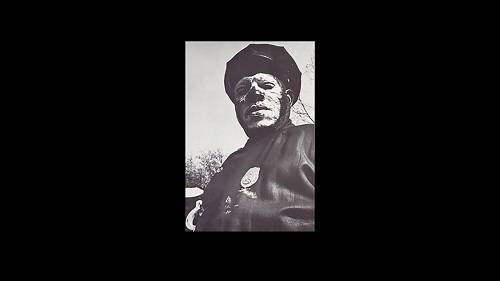
66) Caixa Preta (Bernardo Oliveira, Saskia)

A radical musical in the movement from sound to concrete written in the film form in the most abrasive way possible.
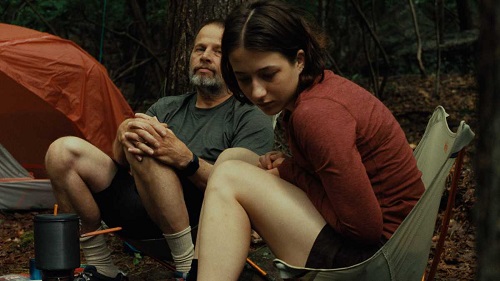
65) Good One (India Donaldson)

A movie of place, of observing how three bodies transform as they cut through it, how the awareness of relating to the world is gradually changed. It’s reminds me of Kelly Reichardt, sometimes a little reiterative, but well, River of Grass also had its limitations and this is a very talented debut, especially in terms of environment and performances. Director India Donaldson is Roger Donaldson’s daughter, and it’s easy to think of this movie as a kind of dialogue with his best film Smash Palace, both of which are movies about daughters who go into the woods in the company of their divorced and resentful dad with an emphasis on how the locations reflect the moods of the characters who dominate their gaze, that one was an expression of male rage, this one about having to deal with it.
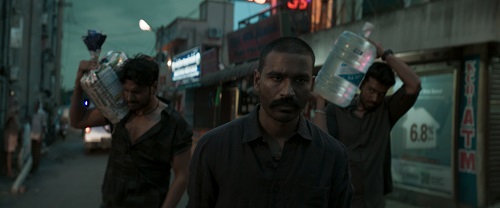
64) Raayan (Dhanush)

A delirious narcisist exercise from Indian star Dhanush.
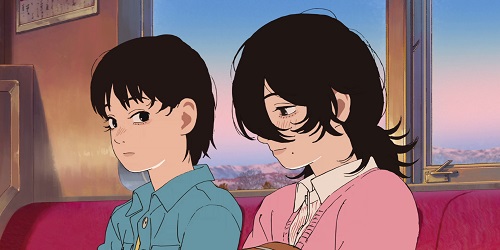
63) Look Back (Kiyotaka Oshiyama)

About creating and sharing it with those who matter, but also a beautiful look at its own process and all the force of the images that Oshiyama manages to pull out of the original work.
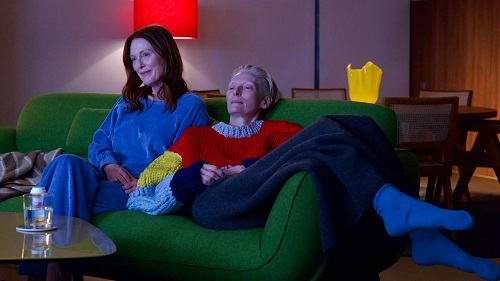
62) The Room Next Door/La habitación de al lado (Pedro Almodóvar)

Like all late Almodovar, it’s very conscious of its position as brand cinema, but it’s a movie that finds in its displacement the strength to interrupt the stodginess. It’s about how Julianne Moore is one of the best actresses in the world and how to find the ideal space to allow melodrama to resonate.

61) El auge del humano 3 (Eduardo Williams)

A constant presence of the world that the digital image is always on the verge of dissolving. What does cinema, as an art that is constantly engaged in this presence, achieve in the face of this being in the world of uncertain concreteness.
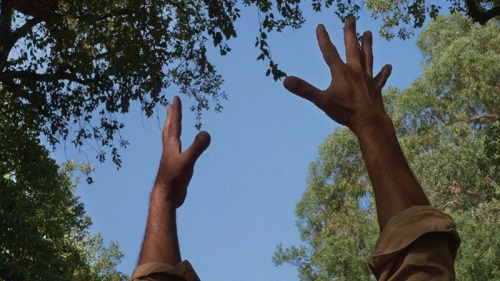
60) Fire of Wind/Fogo do Vento (Marta Mateus)

A very studied Straubian-Hiulletian movie, one might say academic, but the best possible version of a certain current formalism. What stayed with me was the greens and brown of its natural locations.
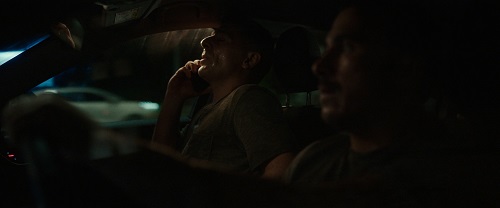
59) Adagio (Stefano Sollima)

Like The Order, this is a return to an old masculine local cinema, harsh cop procedural there, male weepies about tragical and violent bonds here. It is meaty, portentous, and so very serious, but every emotion is treated head on and allowed to expand and take over Rome itself. Call it silly or passé, but it is too skillfully made by Sollima to not register strongly.
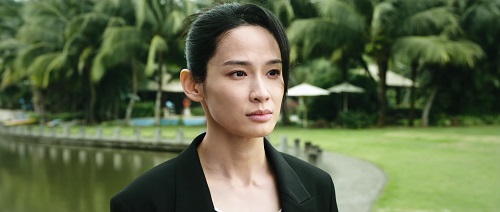
58) The Bodyguard (Qin Pengfei)

Qin Pengfei is a very busy man, 4 movies this year (the three I saw quite good), as Chinese streamers always needs fast-paced action movies and he does them very well. This is the best of the ones I’ve seen probably because it’s less punishing, but concerned with finding solutions to keep moving and stopping just long enough to allow the stuntmen some impactful scenes. There are few current movies as unelevated as Qin Pengfei’s, what you get out of them is just the pleasure of their making.
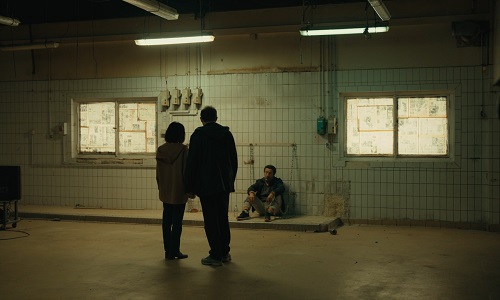
57) Serpent’s Path (Kiyoshi Kurosawa)

A variation on a variation. Kurosawa’s very busy year was often taking with looking back. This French remake of one his duo of low budget hostage thrillers from 1998, an international co-production expansion of a small movie aimed at the local video market has a lot of small pleasures, but is also very much about the distance its filmmaker career has covered while remaining himself since then.
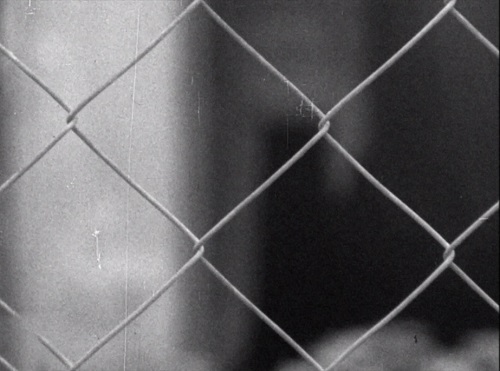
56) A Fidai Film (Kamal Aljafari)

An archival movie made from material recovered from a Palestinian image center in Lebanon that had been taken by the Israeli army in 1982. A rescue, but above all an investigation into the materiality of the film image and how to intervene in it to highlight its political weight.
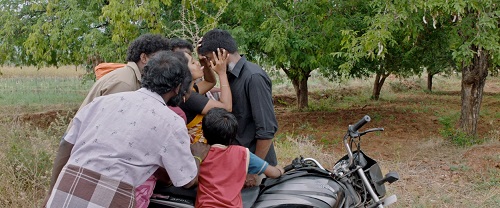
55) Kottukkaali (P. S. Vinothraj)

A movie of constant movement and a lot of muted violence that is negotiated silently but accumulates in an inevitable manner. Very well controlled by Vinothraj.
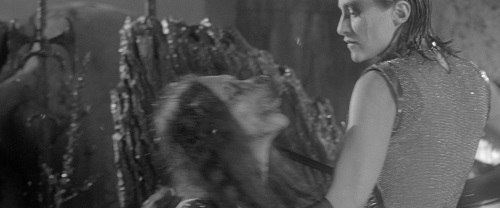
54) She Is Conann/Conann (Bertrand Mandico)

A carnival of queer images about an identity that multiplies in a violent landscape, a world of barbaric fiction that can nevertheless be constantly adapted by Mandico’s gaze.
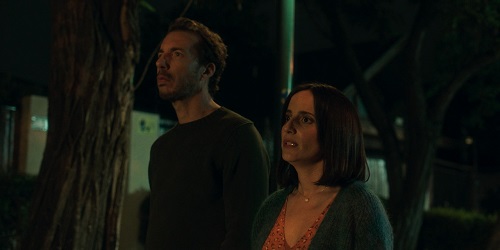
53) The Practice/La práctica (Martín Rejtman)

Harsh frustrating everyday slowly taken by the wonder of filmmaking fiction. Give it to Rejtman to repeat a gag of a guy suddenly falling into a hole and make it funnier.
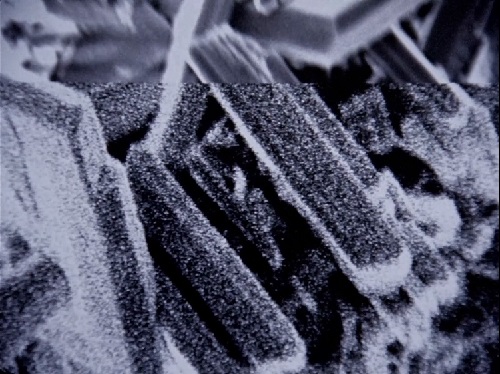
52) Last Things (Deborah Stratman)

Time moves, geology stays. Film material meets a cosmic dimension.

51) The People’s Joker (Vera Drew)

It’s a pleasure to watch someone take all the debris of superhero movie fanyasies of the past few years and appropriate them into something handmade and very personal, always quite inventive as it negotiates the artificial surfaces and very real wounds. It would make for a nice double bill with Tavinho Teixeira’s Batguano.
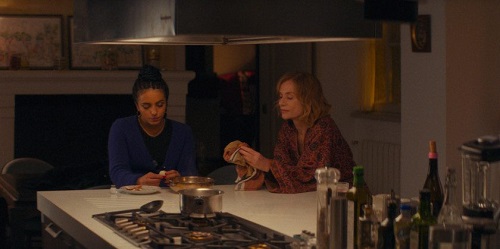
50) Visiting Hours/La prisonnière de Bordeaux (Patricia Mazuy)

It’s great to see that the very talented Mazuy has been getting financing more regularly the last few years; in this one she reunites with Isabelle Huppert, so hopefully more people will notice. It is a social almost thriller (more than one friend pointed out that Mazuy seems to be deliberately echoing Chabrol’s La Cerimonie), but what stands out is how careful it plays around Huppert’s self-delusions. Huppert and Hafsia Herzi also starred this year in Techine political movie built around their unlikely friendship, and that one was as mediocre as this one is lively. It reminds us that taking the care to get details right matters as much as having good intentions.

49) Dear Kaita Ablaze (Hisayasu Satô)

Western moviegoers who are familiar with Hisayasu Satô’s movies associate him with unpleasant depictions of various forms of sexual obsession and violence, with a strong emphasis on the place of cinema and its audience. Satô makes dirty movies in a very literal way. The characters in Dear Kaita Ablaze are not overwhelmed by desire, but with the impact of the work of a Taisho period painter called Keita Murayama, but the violent images, the rough and uncomfortable surface, this constant duel between a physical dimension and the image that captures it remain very recognizable.
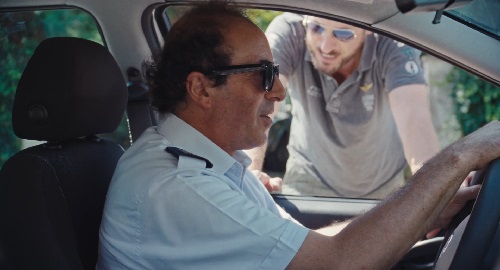
48) The Adventures of Gigi the Law/Gigi la legge (Alessandro Comodin)

A Kiarostami-lite work about moving around performing the law and the fictions movies can locate in it. Powerful because of how it manages to allow meaning to arrive without trying to frame the character and actions into it.
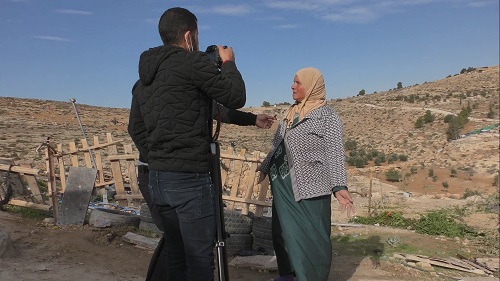
47) No Other Land (Yuval Abraham, Basel Adra, Hamdan Ballal, Rachel Szor)

The land, how one connects with it and the violence done because of it. Images of power, how it is abused. A first-person cinema whose closeness to the account of violence never offers any distance. In which the only information is the weight of this experience of living on occupied land.
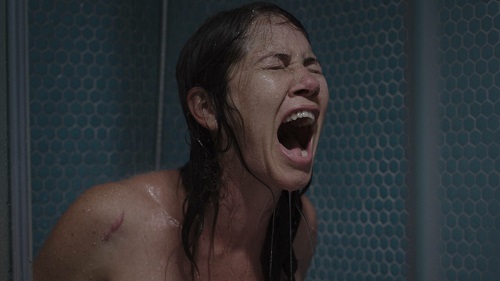
46) Incompatible with Life/Incompatível com a Vida (Eliza Capai)

Another political movie based on a first-person account. In the filmmaker’s case, she was forced by Brazilian law to carry out a pregnancy with a fetus that had no chance of survival. Capai shoots her own experience and talks to couples who have been through the same situation. There is something very strong there in how each one presents themselves in front of the camera and in Capai’s own images, about power and the lack of it, about women’s bodies and the ways in which they are denied by society.
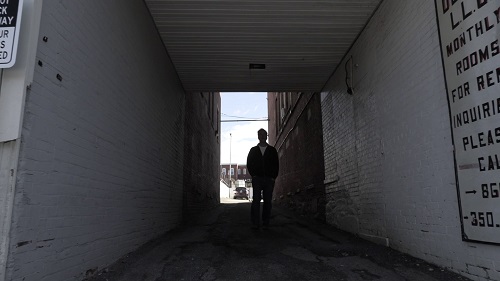
45) Heard She Got Murdered (Charles Roxburgh)

I like these movies that Roxburgh and Matt Farley make at their production company Mottern Media very much because of the freedom they often suggest and because they are both celebrations of this collaborative filmmaking and aware of the various processes of power around them. This is one of two sequels they’ve made recently that return to the crime scene in a very scathing way. Art can’t escape violence, almost its opposite, a murder musical.
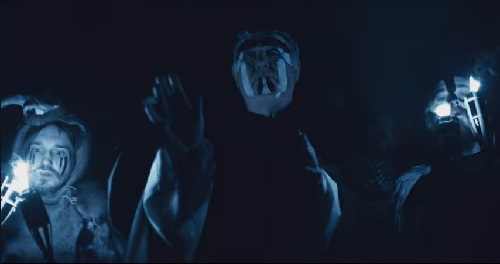
44) All You Need Is Death (Paul Duane)

In the rush for meaningful horror, the genre lost contact with the images this Irish movie can generate, nasty and taken by something evil, a general malaise that is rendered in painful but very clear moments.

43) Malu (Pedro Freire)

Pedro Freire made this movie inspired by his mother, actress Malu Rocha. It’s a beautiful but very harsh movie, a return to a certain hysterical fiction that Brazilian cinema has always done well, exacerbated feelings painted by everyday but excessive images, and which has almost disappeared in recent decades in which realism and restraint have been highly valued. Malu is more concerned with getting to the heart of this relationship between three generations than with sounding tasteful, fortunately. And the three actresses, Juliana Carneiro da Cunha as the grandmother, Carol Castro as the daughter and, above all, Yara de Novaes as the mother, are superb.   
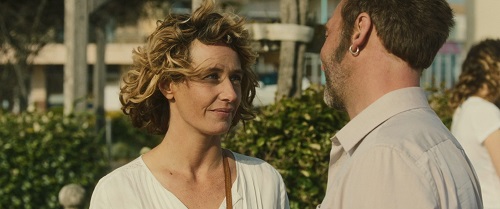
42) Wild Seas/La Passagère (Héloïse Pelloquet)

A dance of seduction about power, a romance very aware that every decision has weight and consequences and that they are not the same for each of the three parties involved. A very carefully observed and modulated movie.
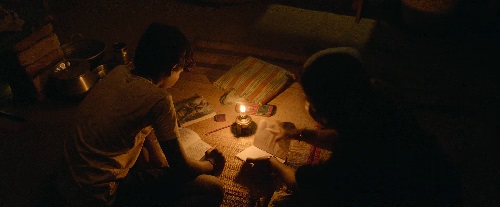
41) Vaazhai (Mari Selvaraj)

A childhood memory made overwhelming by being rendered as large film spectacle. About class, labor, the pleasures of moving outside the power structures and the constant reminder that there is always a limited to that. Selvaraj is very good at combining his young stand-in perspective with constant dread just around the frame.

40) Stress Positions (Theda Hammel)

A screwball roundabout of queer desire made funnier and more desperate because every character in it has been rendered hornier and neurotic by being stuck in quarantine. It is very nicely anchored in its setting, so funny and rooted in character. Among the few good pandemic movies, this one has the smallest human scale while multiplying the perspectives, which makes it easier to relate.
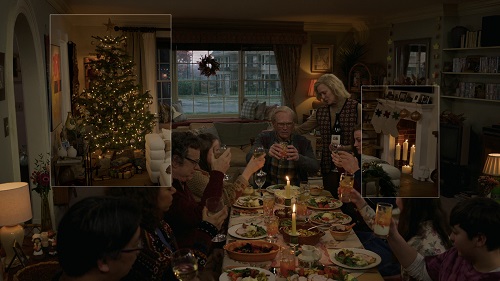
39) Here (Robert Zemeckis)

Half sentimental, half bitter account of how American official ideology can only be acceptable under a lot of self-delusions. It is power comes from how it acknowledges and remains inseparable from it as Zemeckis himself is unable to find any distance. It is a movie packed with big concepts (the single set single frame, the casting of his Forest Gump leads, the ugly plastic images under heavy CGI makeup) that over determine it, but its failure and sadness are hard to shake. That what happens inside the frame always remains a digital sketched concept of lived-in experience, a literal imitation of life pitched as a historic panorama, is consistent compelling.
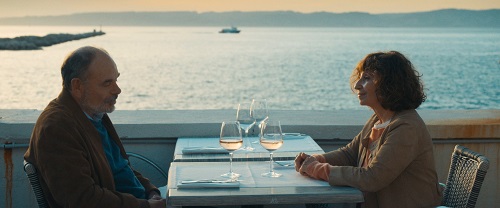
38) And the Party Goes On/Et la fête continue! (Robert Guédiguian)

Robert Guédiguian has been a resistant artist for over 40 years, filming the same things that matter to him: his city of Marseille, his wife Ariane Ascaride, his friends and a politics based on generosity towards the community. And the Party Goes On combines a series of observations about the passage of time and generations with an episode from local politics. It’s not an urgent film or one based on its moment, but it’s very honest about how Guédiguian feels about it. That’s why it never loses its luster.
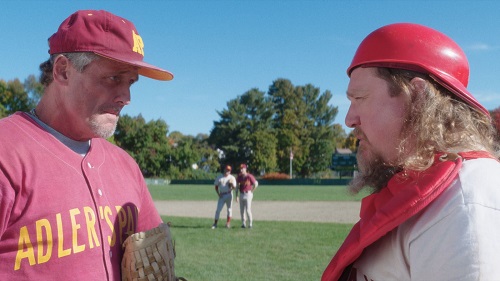
37) Eephus (Carson Lund)

Trying to keep the lights going in a world that disappears. Funny melancholia about an American life its local indie movies have to dream of.

36) Kubi (Takeshi Kitano)

One of the noteworthy things about Takeshi Kitano is that he is a popular artist and one of the world’s most peculiar filmmakers. Enter this samurai epic, his big return to the genre since Zatoichi, perhaps his last film to travel well around the world, which turns out to be a bitter comedy about a bunch of guys desperate to conquer each other, preferably by decapitation. To like Kubi you have to agree with Kitano that men losing their heads is a very funny thing.
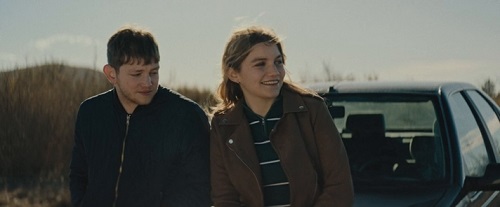
35) Junkyard Dog/Chien de la casse (Jean-Baptiste Durand)

Another desperate comedy based in a lot of well-placed detail and some good observation of male behavior. Director Durand was great as the victim in Alain Guiraudie’s Misericordia and Junkyard Dog plays very close to his cinema,
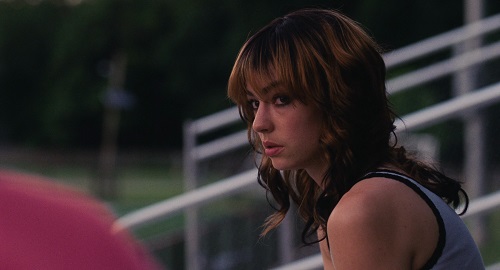
34) I Saw the TV Glow (Jane Schoenbrun)

There’s something that gets lost when Schoenbrun moves from the almost handmade bedroom movie to this larger structure with very slick images, multiple Lynchian references and Phoebe Bridgers’ cameo, but at the same time it seems to me that there’s a very strong feeeling that they are cartographing here. As it’s a movie very much given to long think pieces and social media texts, I sometimes notices the need to treat it as something to be read or intentionally obscure, when it seems to me the opposite – a very direct and heartfelt movie. It’s not one of those art-horror movies, but a film that relies on a constant malaise and not exactly an allegory about finding yourself trans, because the way the movie deals with dysphoria and dissociation, someone who replaces their non-living life with this constant escape into pop culture, is pure text and drama (although it’s a scenario that’s also recognizable for some forms of depression in cis people). It seems to me above all to be a deeply felt movie, of enormous sadness, but it also finds in it something very vigorous that allows it not to end there.
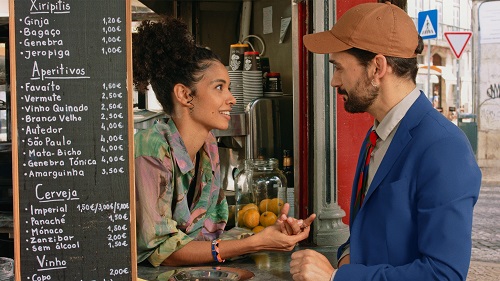
33) Greice (Leonardo Mouramateus)

Leonardo Mouramateus has lived in Portugal for years, which gives him his own perspective on the anguish of Brazilian auteur cinema, lost between here and its dreams of Europe. All his feature films are farces based on dualities and dislocations. He has been working towards Greice for some time and, together with Amandyra as the title character, here he makes a beautiful tribute to the power of fiction and of inventing something new. A cinema of adventure, in which Greice’s mischief always finds a way of twisting situations and finding a new freshness in them.
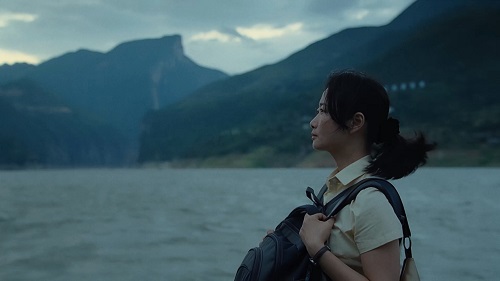

31) Kyrie (Shunji Iwai) and Caught by the Tides (Jia Zhangke)

Iwai and Jia have been two of the best Asian filmmakers for most of the last 30 years and they seem to have set out to rethink a lot of strands from their early work. Caught by the Tides does this very directly by reframing footage from some of his earlier movies towards a new story while Kyrie revisits many familiar motifs from Iwai’s work. Neither feels like a tired retreaf, but the opposite large gestures toward today and moving ones. Movies of a curiosity and at the same time a very strong emotion, Caught by the Tides is a beautiful find of a title that describes both well in this constant movement between the private and the world.
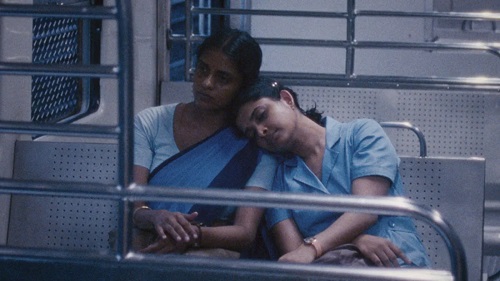
30) All We Imagine as Light (Payal Kapadia)

A film so precise in its depiction of the structures surrounding its two main characters, both those that limit them and the multiple fractures in the various spaces they inhabit that allow them to escape, and above all a movie that makes this dance between the individual and the world progressively impassioned. I think that this first fiction feature by Kapadia (who made a good epistolary essay called A Night of Knowing Nothing a few years ago) must be the closest thing to unanimity in movie circles this year, and I’m pleased that it’s such a good film.

29) T Blockers (Alice Maio Mackay)

So ingenuously conceptually and good at making its horror plot, desire for filming and observations on trans youth lives go together. Very old school. The cast chemistry is so good, I’m almost disappointed when the movie has to deal with its zombie bigots. That Alice Maio Mackay was 19 when she released this does makes a lot of its good eye and ear make sense and I hope she does keep getting better budgets and enough freedom, being a horror fan has been a bit of a bummer this past few years and the genre can use more filmmakers like her.
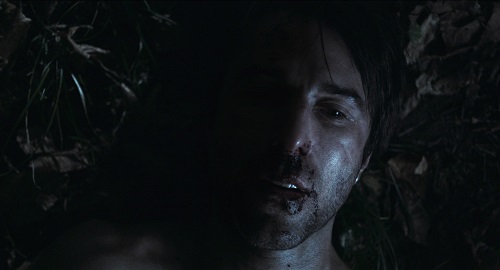
28) Blackout (Larry Fessenden)

Speaking of which, Fessenden is probably the closest thing to a heir that a certain section of American horror cinema of the 1970s, that of Romero and Hooper, has today, as this tale of lycanthropy as an entry point for a caustic look at a general impotence of American liberalism, rightly points out, especially because he knows how to move between the symbolic and the visceral.
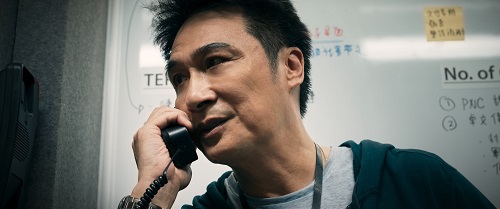
27) Crisis Negotiators (Herman Yau)

Yau has been shifting between the occasional small project and big action movies for years now, this one is a remake of an American movie (F Gary Gray’s The Negotiator) that most sticks to its plot, but it feels apart from most of the recent crop of Hong Kong action movies much because of Yau one large change it, making the other negotiator a former cop who turned his back to that world, gives it a different perspective. The thing that sets Yau’s action movies apart from pretty much everyone else is that he actually cares for the collateral damage in them, so this plays as a movie about Herman Yau philosophy of action cinema. Of course, it has its share of well executed action, Yau prefers chase scenes and it is fun to watch him find ways to include a couple in this, and it works great as a vehicle for Lau Ching-wan and Francis Ng.
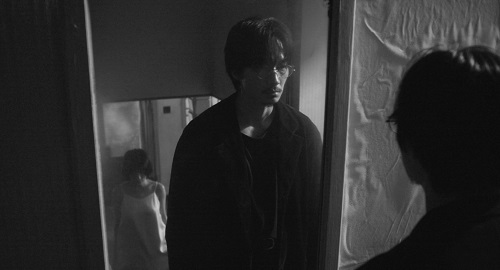
26) A Spoiling Rain (Haruhiko Arai)

The starting point is reminiscent of a Hong Sang-soo film from about twenty years ago: two guys who work in the Japanese erotic film industry drink and mourn the death of an ex they met there (of course, it takes forever for them to realize they’re talking about the same woman). Arai is a filmmaker and critic who worked as a screenwriter in the 1970s for the best filmmakers to come out of the pinkus (Wakamatsu, Kumashiro) and there is a specificity here that films of this kind rarely find. It’s a lament about the last gasps of the milieu, with no big nostalgia beyond beyond an observation of a dissolution.
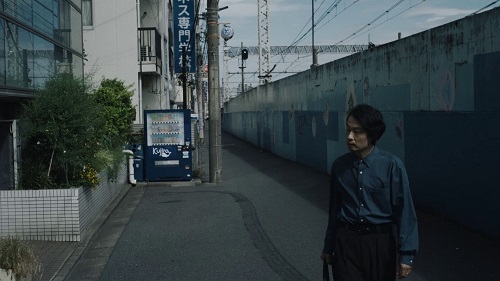
25) Chime (Kiyoshi Kurosawa)

A 45 minute concentrated display of most of the formally accomplished things Kurosawa’s work is all about. One of the most unnerving feel bad movies from the past few years. It is pure auteurist affirmation, but the unease is never just for show.

24) Hit Man (Richard Linklater)

One of the dangers of falling into alluring fiction is that trusting into it too much can turn you into a sociopath. Hit Man is a great variation into one fictions oldest hits “you are who you pretend you are”, it is both aware of some of its more complicated implications and too charmed by itself to care which paradoxically does give it a more chilling core. It offers Linklater and Glen Powell ample opportunity to play along playful scenarios, it is one of the easiest movies to like to come out this year, which makes its shortcomings (the too generic New Orleans setting, its refusal to even nod towards the troubling aspects of the real-life sting operation that inspired it) more disappointing. When it does get to make its multiple fictions work it does function of reminder that when mainstream American cinema is great it can be this simultaneous wonderful and evil thing.
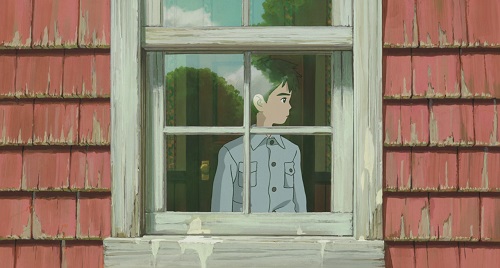
23) The Boy and the Heron (Hayao Miyazaki)

Images of death and life.
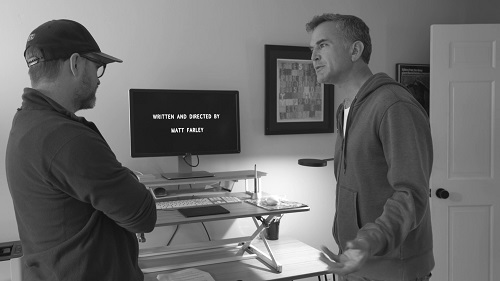
22) Local Legends: Bloodbath! (Matt Farley)

Farley  did the first Local Legends around a decade ago and it is more earnest than the other Mottern movies, a celebration of the pleasure in art work with enough digs on himself to undercut the narcissism. Since then, he has developed enough of a following to become something of a cult artist and this very funny sequel is a very perceptive movie about the economy of art today and the hell of the term “content”.

21) Favoriten (Ruth Beckermann)

The politics of school. Beckermann followed a school class for three years, one for whom German was not the first language, and she gets so much out of the interplay between the children’s natural behavior, the very genuine efforts of their teacher and the stiffer aspects of school itself. A moving film about how some very young people go through negotiating an ideological space than don’t fully understand.
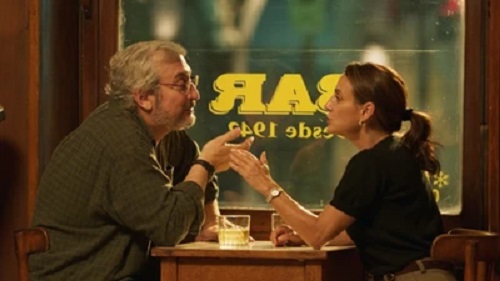
20) What We Wanted to Be/Lo que quisimos ser (Alejandro Agresti)

A middle-aged couple meet outside a movie theater and for years maintain the same ritual of seeing each other without revealing who they are, creating personas that they gradually adapt. Agresti suspends the world around them and slowly lets some of the edges slip in. A very beautiful movie about fiction and cinema made up of two actors meeting in a couple of restaurants.
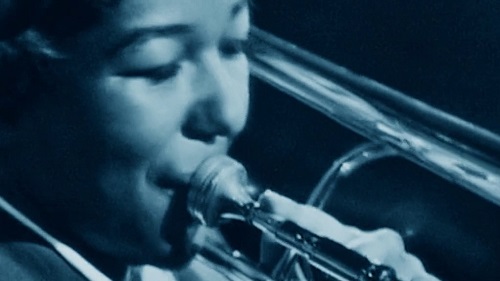
19) Soundtrack to a Coup d’État (Johan Grimonprez)

Grimonprez bases his movie on the fact that American foreign policy sent some of its best black musicians to Africa as cultural ambassadors while working to sabotage any progressive element in local independence movements. Using jazz and the trajectory of Patrice Lumumba as organizing principles for a very strong essay on the colonial principles behind much of American policy towards the global south during the Cold War.
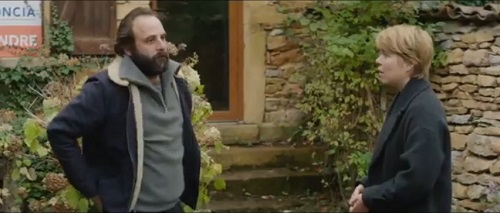
18) Three Friends/Trois amies (Emmanuel Mouret)

Mouret continues to apply his very careful formalist eye to a series of romantic encounters. Cinema as a way of mediating desires. There isn’t a shot that isn’t thought out with precision and the cast is wonderful.

17) REFORM! (Jon Bois)

Bois applies his interest in losers not for sports as usual, but politics. In this case, the rise and fall of the American Reform Party through the 90s. A very funny and horrifying look at the limitations of US addiction to politics as spectacle and its two-party system and itt has such a wonderful cast of characters.
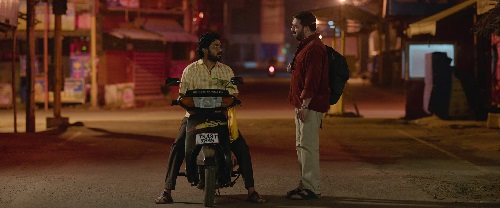
16) Meiyazhagan (C. Prem Kumar)

A sentimental bridge to the past. It gets so much out of this idea of rebuilding a connection with a place and personal bonds and the work of the two central actors is beautiful. It was the best of the Indian films I’ve seen this year, even though it exists well outside what Western cinephilia has come to value in them.
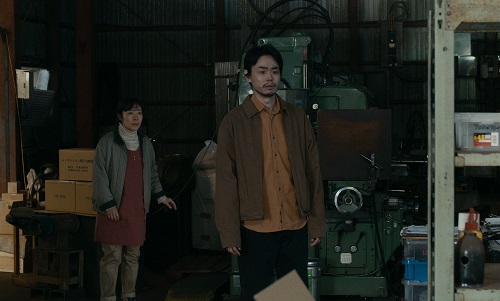
15) Cloud (Kiyoshi Kurosawa)

Online economy is hell. The world proposed by Cloud is so flat, so lacking in emotion or perspective, a post-apocalyptic movie about today. Of course, we could’ve said the same about Pulse in 2001, this just add a few new online horrors.
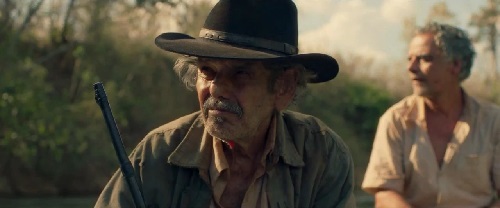
14) Same Old West/Oeste Outra Vez (Erico Rassi)

A Brazilian neowestern about some sadsack dudes running and shooting each other while crying about women they absolute do not understand.That it is a western makes sense as it is pretty much about imagine yourself as part of mythic tradirion to make up for how your life is all used up. Very very funny and very very sad. Brazilian movie of the year.  
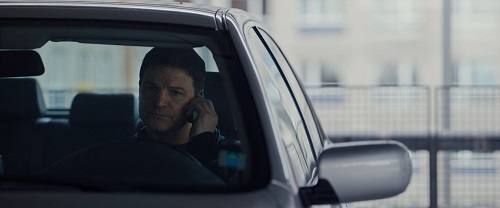
13) Scorched Earth (Thomas Arslan)

Crime as just another form of labor. Even more so than In the Shadows, which Arslan made more than a decade ago, a heist movie stripped of any romantic notion associated with the genre, even the celebration of the protagonist’s professionalism is hollowed out. The city, the relationships, the multiple twists all point towards this same steady alienation. That Arslan makes this package so exciting is his greatest achievement.
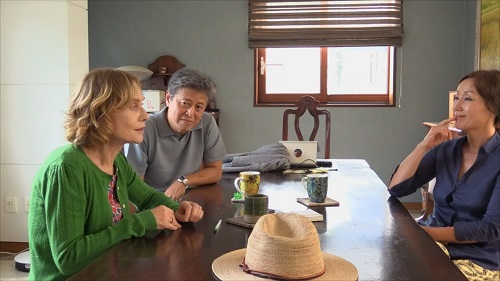
12) A Traveler’s Needs (Hong Sang-soo)

There’s a recent Isabelle Huppert interview in which she mentions that Hong came out with this movie on the spot when they talked about working together again. A lot of what is lovely about A Traveler’s Needs, and Hong recent work in general, comes from this, the simplicity and spontaneity, the joy of putting something together, the relationship between filmmakers and his actors. This is very much a movie about Huppert in Korea, there is so little to it, but it also feels like so much.
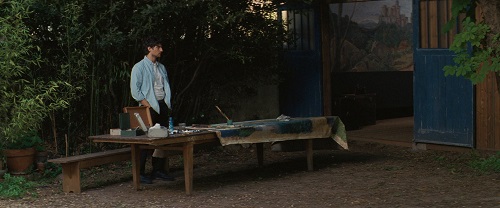
11) The Plough/Le Grand Chariot (Philippe Garrel)

Garrel is 76, his father Maurice passed away in 2011, and all his films since then have been shaped by the idea of fatherhood, about being the father and not the son, and the responsibility involved. And Garrel, unlike most veteran filmmakers, is obsessed with youth. Like his previous film The Salt of Tears, it’s a movie about what does or doesn’t get passed on to later generations, about the son who takes on his father’s responsibilities and the better and worse ways they absorbed that wisdom. The images in scope are a reminder that Renato Berta is one of the greatest cinematographers.

10) Don’t You Let Me Go/Agarrame fuerte (Leticia Jorge, Ana Guevara)

The complicities that a group of women form in death and life. A movie based on modulating its drama and the way it allows its actresses, who are all excellent, to establish themselves in that place that belongs to them alone.
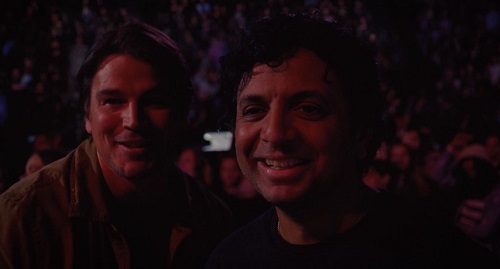
9) Trap (M. Night Shyamalan)

Shyamalan doing his De Palma movie. He gets to twist around some of the things he always put trust on when it comes to stories and families and maybe the fascinating thing about Trap is that by going very negative on what he usually holds dear, Shyamalan got to make his most purely enjoyable movie. It is great to watch Hartnett moving around all this oppressive film apparatus,  a movie is very much contained in its title, and a lot of it involves how it equates the police work with the filmmakers, two apparatuses of control that tighten their grip on its psychotic killer, whose gifts for projecting an affable image of normalcy can only allow him to go so far. Some great cinematography by Sayombhu Mukdeeprom as well.
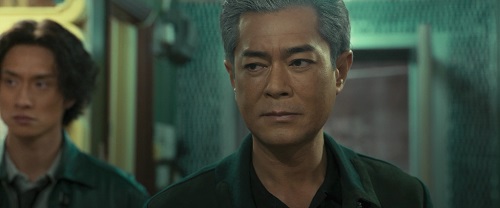
8) Twilight of the Warriors: Walled In (Soi Cheang)

Kowloon Walled City was the most densely populated area in the world in the 80s. Twilight of the Warriors: Walled In reconstructs it in the most impressive film set of the year. A place that transports you to a past, of the city and also of its cinema, a disputed space that has been lost, which the film celebrates and mourns. The most exciting of requiems. Hong Kong cinema is something that has always meant a lot to me and today it is a dying zombie, a bit like the city’s own increasingly tenuous independence. Cheang’s exciting camera moving through that space, the vitality of his actors, veterans and young ones, all its careful craftsmanship suspends that for two hours.
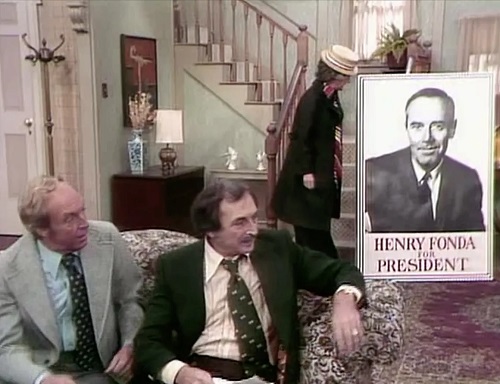
7) Henry Fonda for President (Alexander Horwath)

The ways Hollywood and American ideology intersect mostly during the Hays Code days in a thoughtful film essay that uses Fonda’s image as a guide. A remarkable work of film criticism smart and very careful assembled by Horwath, himself a terrific critic/historian/programmer. By coincidence, I kept getting commissioned writing on Fonda movies this year (Young Mr Lincoln, The Wrong Man, Madigan), so I also did got to think of him a lot, which makes me even more impressed by Horwath work. We don’t get this kind of serious inquiry not only on film history but our past itself that often.  
6) Last summer/L’été dernier (Catherine Breillat)

Morality and the ways it is twisted for its own ends. Desire as this element that often doesn’t fit into it. Breillat films everything in such a frank and frontal way, no subterfuge or justification, all the observations are up to the spectator. Curiously, this is a remake of a Danish film that I haven’t seen, which according to friends is much worse without Breillat’s version changing too much. Producer Said Ben Said, saw it and decided that it would make a good Breillat film and offered it to her, considering the calcified state of much contemporary auteur cinema, perhaps more of them should take on a commission like this.
5) The Other Way Around/Volveréis (Jonás Trueba)

Much like The Girls Are All Right which Trueba’s partner Itsaso Arana, who stars and co-writes here, made last year, this is a delightful fiction of discovery. A play on remarriage comedies (philosopher Stanley Clavell’s book on the genre even features in it) with multiple options that develop from the initial scenario, various possible ways of extending affection when intimacy becomes greater than passion. I think what makes these films by Los Ilusos Film especially captivating is that they suggest an adventure for both filmmakers and audience.
4) Misericordia/Miséricorde (Alain Guiraudie)

Guiraudie best known film Stranger by the Lake was a Hitchcokian riff on a erotic thriller, this Misericordia is a Hitchcockian comedy on guilty. It has a wonderful bucolic setting, a small village where everyone knows so much the police has the keys to every house and it seems like they all pass the days drinking and thinking of sleep with each other. It manages to be very funny while increasingly tying the knot around its main character actions. Plus, the priest in love is the best character in any movie this year.
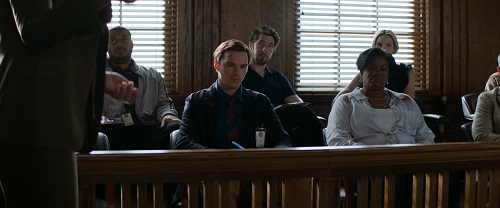
3) Juror #2 (Clint Eastwood)

Eastwood’s movie would plat well with both Guiraudie and Breilat’s ones; it is predicted in guilty and morality, but it does so in a very American self-image, about the desire of claiming you are good. What is justice when everything is a matter to uphold an image and, that good life that you have the right to, can be used to wash their decisions. This keeps getting described as a throwback because Eastwood is supposed to be a classicist, and it is the rare mainstream movie that is aimed at adults, but most courtroom dramas do very little of what it does so well. Juror #2 is not concerned about what happens in it as much as in the larger implications those actions set in motion. Everyone in the cast does amazing work (particular Nicholas Hoult and Toni Collete in the leads and Cedric Yarbrough), and the movie last 45 minutes or so do mounts a rare power as it increases its inquire. If this ends up really being Eastwood’s last movie, he is 94 after all, that final scene is a great curtain call.

2) The Shrouds (David Cronenberg)

On the relationship between our bodies and the virtual. About a widower who unhealthily clings to the reproduction of his dead wife’s bones while desperately searching for a new intimacy. It’s a movie informed by the filmmaker’s grief, but one that seems to me to have a lot to say about our world today, perhaps more than any other released in recent years. The film is filled with anguish at this disconnection from the world that the constant mediation of the web produces. It made me think a lot about a less violent and more melancholic Videodrome. I know there are few things that have touched me more this year than Cassel trying to put on the shroud of the original title to feel what his dead bodies feel or his first meeting with Sandrine Holt. A lament about the emotional and moral consequences of the end of physicality when you don’t perceive the other, what’s left?
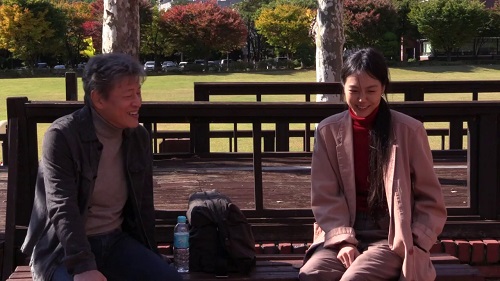
1) By the Stream (Hong Sang-soo)

As I mentioned earlier Hong’s movies of the past few years have been informed by intimate hastiness, not so much By the Stream which seems far more deliberated and careful mapped out without losing this spontaneous closeness. Everyone in it is exactly what they seem and impossible to pin down. It is a movie very pleased in just following the many encounters it set in motion. Except for the womanizing fired director whose actions set the plot in motion the movie holds everyone so dearly (that character doers gets to star in two of Hong’s greatest comedy of embarrassment scenes). The post performance dinner is ine of the more magical scenes in one of his movies, so funny and so tender. And isn’t that key to Hong’s whole cinema? Getting frunk while being haunted by all the great and messy things one have done. That and of course, Kim Min-hee smile in the last scene.

Meus Filmes Favoritos de 2024

English Version

Não vou repetir o longo ensaio com que eu abri a lista do ano passado, mas as observações gerais dele ainda valem, temo que sobretudo as mais negativas. O comercio do cinema segue a todo o vapor em 2024 (e com ele esta sensação de uma distancia cada vez maior do cinema para com o mundo) e ser critico de cinema ou por sinal simplesmente um cinéfilo mais ativo meio que torna inevitável esta interrogação constante. Até que ponto o seu olhar esta só capturado e servindo a ele, trata-se de uma indagação/crise constante. E exercícios como esta lista são ao mesmo tempo um esforço lúdico pessoal e algo que nunca vai se separar por completo dela. De certa lidar com o cinema hoje é este esforço constante de se lembrar que a sua cinefilia não são as suas redes sociais, que a história do cinema não é a Criterion Collection, que o dito cinema de autor não esta lá para servir os Fremauxs e as MUBIs. Todas essas coisas são mediações difíceis de evitar dela, mas se relacionar com o cinema vai sempre além disso. Gosto de listas em parte porque gosto do processo de elabora-las e porque compartilhar filmes sempre me é um prazer.

Os critérios dessa são os mesmos de sempre, filmes que vi ao longo de 2024, com mais de 45 minutos e que foram exibidos pela primeira vez nos últimos três anos. Como sempre gosto de reforçar a ordem é bastante aleatória sobretudo quando mais bo fundo dela os filmes se encontram, sei que gostei do 21º mais do quedo 45º e este mais que 80º, mas não sei se mesmo hoje prefiro eles aos filmes que estão logo antes ou depois. Queria aproveitar também para mencionar Realismo Socialista que Raul Ruiz filmou em 1973 e Valeria Sarmiento finalizou ano passado. Nunca sei como incluir estes filmes suspensos no tempo ainda mais este que foi originalmente interrompido pelo golpe do Pinochet.

Meus filmes de menos de 45 minutos vistos em 2024 favoritos foram Bouquets 31-40 (Rose Lowder) e Film annonce du film qui n’existera jamais: Drôles de guerres (Jean-Luc Godard); Também gostei bastante de Trabalgo de Amor Perdido (Vinicius Romero), Où sont tous mes amants? (Jean Claude-Rousseau), I Thought the World of You (Kurt Walker), Duna Atacama (Romero) e Songy Seans (Darezhan Omirbayev).

100) Tempo Suspenso/Hors du Temps (Olivier Assayas) e The Volunteers: To the War (Chen Kaige)

Estou começando com um empate, e talvez eu devesse colocar algo como Black Dog (Guan Hu) nesse lugar. Nem sei se Tempo Suspenso se qualifica como um bom filme; o fato de ser uma espécie de não-filme é parte do motivo pelo qual ele está aqui. O que eu sei é que gostei de assisti-los e talvez tenha gostado ainda mais de pensar sobre eles. São trabalhos de cineastas que já foram celebrados, mas quase ninguém gosta de Tempo Suspenso e suspeito que apenas pessoas muito interessadas no cinema chinês mainstream saibam que To The War existe (a propósito, é o primeiro de uma trilogia). Desconfio que o que eles têm a dizer só irritaria as pessoas, pois Tempo Suspenso é puro olhar para o umbigo de um homem muito bem-sucedido que às vezes parece mais e às vezes menos em paz com sua própria posição. Será que a a gentilidade do cinema francês sobre como a grande casa da família significa algo se torna algo melhor com alguns acenos metalinguistiscos? To The War é um kitsch nacionalista, pura patriotada sobre se sacrificar pela China, chama-se “Para a Guerra” e não faz nada para questionar isso. Também é muito expressivo quando está nas trincheiras com os soldados. Gosto de Tempo Suspenso porque Assayas se olha no espelho, vê que se tornou o cinema du papa e dá de ombros, meio perturbado, meio derrotado. Gosto de To The War porque Chen Kaige sempre foi um cineasta decorativo capaz de encontrar uma imagem, e as que estão nesse filme não são muito piores do que em Adeus, Minha Concubina; elas estão apenas fora do gosto dos programadores e críticos que gostavam dele há três décadas. Esses são filmes de cinema de autor perto do fim e, como tenho alguma relação não apenas com os artistas, mas com o seu entorno, considero esses últimos ritos de algum interesse genuíno.

97) Cidade; Campo (Juliana Rojas) e Levante (Lillah Halla)

Dois longas de cineastas brasileiras, uma mais estabelecida (Rojas) e a outra começando (Halla) , ambos sobre mulheres se movendo por espaços e situações onde a violência esta sempre próxima. São filmes um pouco mais formatados do que eu preferiria, mas tem bastante força quando olham para as protagonistas e são melhores quando se aproximam do sobrenatural que paira sobre eles mais do que quando se entregam ao naturalismo.

96) One Second Ahead, One Second Behind (Nobuhiro Yamashita)

Nobuhiro Yamashita é um favorito meu, e nesse filme ele está trabalhando como um contratado da indústria cinematográfica japonesa e refilmando um romance taiwanês desses comuma sacada chamativa. Jovens vivendo suas vidas enquanto uma construção artificial similar a de um filme os afeta é bem o toque de Yamashita. O conceito principal de tempo me fez pensar em minha própria relação com os filmes de Yamashita, pois como no ocidente não se importam o suficiente com ele para programar ou lançar seus filmes, estou sempre dependendo dos grandes heróis da cinefilia atual (legendadores amadores) e, portanto, estou sempre atrasado em relação a ele (tem pelo menos dois filmes depois deste).

95) Bursting Point (Dante Lam, Tong Wai-Hon)

Dante Lam voltou a Hong Kong depois de muitos anos na China fazendo filmes grandiloquentes (um dos quais co-dirigido por Chen Kaige) e é um retorno consciente ao tipo de filme que ele começou com um pouco do peso dos seus filmes chinês. Num ano fraco para filme de Hong Kong é um bom ver um belho mestre no território familiar.

94) Terminal Young (Lucía Seles)

A cineasta argentina Lucia Seles encontrou um lugar bem particular para ela. Este novo filme é uma extensão natural dos 3 filmes de 2022 que eu inclui ano passado. Gostamos dos nossos artistas avançando sem mudar muita coisa, Seles parece preferir ignorar isso. O que conta é o prazer e precisão da sua construção e eles tem uma graça a parte da maioria dos filmes no seu entorno.

93) Abiding Nowhere (Tsai Ming-liang)

Por falar em confiar no que você faz, Tsai Ming-liang e Lee Kang-sheng continuarão fazendo filmes sobre um monge que se move muito lentamente e eu continuarei achando fácil entrar no ritmo deles.

92) Carnage for Christmas (Alice Maio Mackay)

Apesar do título, esse slasher de Natal é menos sangrento do que tem como objetivo proporcionar às adolescentes trans um bom filme de terror para assistirem em turma e é muito divertido. Mackay é muito boa em combinar um conceito maior com os prazeres do gênero e o estilo mais bruto de baixo orçamento.

91) Black Storm (Qin Pengfei)

Rápido, barato e completamente dedicado ao que coreógrafos e dublês chineses são capazes de extrair de um exercício masoquista de ação continua.

90) Coringa: Delírio a Dois/ Joker: Folie à Deux (Todd Phillips)

É mais um triunfo conceitual cujos grandes movimentos superam sua execução, mas um objeto estranho de grande orçamento fracassado tão fascinante quanto Megalopolis. E como uma representação de se mover em um torpor depressivo enquanto se dissocia ficcionalmente, pode ser surpreendentemente tocante.

89) Ricky Stanicky (Peter Farrelly)

Enquanto as pessoas assistiam a Christopher Nolan ganhar 100 Oscars, eu assistia a Peter Farrelly fazendo um filme de Peter Farrelly pela primeira vez em muito tempo, e fiquei feliz por essa escolha. Valeria a pena pela atuação engraçadíssima de John Cena, mas esse filme tem um equilíbrio entre o humor e o sentimento patético de caras que têm muito medo de passar vergonha por não serem exatamente quem eles querem projetar, algo que os Farrelly sempre fizeram muito bem.

87) Horizon: Uma Saga Americana – Capítulo 1/Horizon: An American Saga – Chapter 1 (Kevin Costner) e Na Terra de Santos e Pecadores/In the Land of Saints and Sinners (Robert Lorenz)

Dois westerns sobre como seus respectivos países (EUA e Irlanda) são presos a seus ciclos de violência. Ambos combinando um temperamento classicista com uma superfície para bem e para o mal bastante contemporânea. O filme de Costner é grandiloquente demais, mas tem momentos maravilhosos no qual só se instala na vida de colonos e uma coleção de rostos marcantes. Lorenz, que durante muito tempo foi braço direito de Clint Eastwood não nega a influência e tira dela alguns belos momentos e faz ótimo uso do seu elenco de ótimos atores irlandeses.

86) Paixão Sinistra (João Pedro Faro)

A juventude perdida do Rio sonha musicalmente com um passado de cinema brasileiro que ela não tem como voltar.

85) O Reino Animal/Le Règne animal (Thomas Cailley)

Eu prefiro o primeiro filme do Cailley Amor a Primeira Briga (que tem essencialmente o mesmo principio de maturação e abertura para o mundo através de uma atração) porque no geral prefiro um bom ator (naquele caso, Adele Haenel) a uma metáfora, mas este filme usa tecnologia e a mata que lhe serve de locação muitíssimo bem.

83) Life After Fighting (Bren Foster) e One More Shot (James Nunn)

Os dois melhores filmes de ação em DTV em inglês do ano. Como o anterior One Shot, de Nunn e Adkins, One More Shot é um filme de um falso plano unico que faz muitas escolhas criativas dentro de seu conceito e de sua locação única, porque se trata mais de encontrar maneiras de se movimentar em um espaço contínuo do que de vender o truque. Para ser sincero, todas as cenas dramáticas de Life After Fighting, um veículo para seu impressionante astro/diretor Bren Foster, não são nada boas, mas, felizmente, elas se tornam mais raras à medida que o filme vai se apossando de suas impressionantes habilidades de luta. Como uma forma de narcisismo por meio de punição e expressão de raiva reprimida, a segunda metade é muito expressiva. Os dois filmes formariam uma curiosa dupla de fantasias paranóicas da direita atual, mas são, sobretudo, um tributo à inteligente encenação de baixo orçamento.

82) Orlando, minha biografia politica/Orlando, ma biographie politique (Paul B. Preciado)

Preciado é um intelectual publico se aventurando no cinema, neste caso com um filme ensaio que aproxima o livro de Virginia Wolff de vivencia trans contemporânea, e o que me parece notável aqui é como ele compreende que sua articulação só tem como encontrar força na potência dos vários rostos que ele convida para colaborar e misturar suas vidas com o filme.

81) Dahomey (Mati Diop)

Independentemente do que se faça, continua sendo difícil se desvencilhar do peso colonial. Perspicaz e muitas vezes muito expressivo. Falando sobre como o status quo do cinema atual tem uma relação distante e excessivamente conceitual com o mundo, vi o filme de Diop, um vigoroso ensaio anticolonial que venceu o Festival de Berlim deste ano, em uma sessão dupla com o superestimado Grand Tour de Miguel Gomes, uma fantasmagoria colonial com distanciamento irônico, em um evento promovido por sua distribuidora mútua Mubi, e é isso que os filmes muitas vezes se tornam agora: sabores diferentes a serem preenchidos sob uma capa de fácil venda. Isso não diminui a realização de Diop, a seriedade e o foco de seu filme ficam mais claros ao lado de Gomes.

80) Megalopolis (Francis Ford Coppola)

Megalópolis é bom ou apenas extremamente fascinante? É um filme impossível de separar de seu contexto, seja ele a favor ou contra. Um grande acontecimento artístico. Como um filme de ideias, é bem ruim, mas como uma expressão de como Coppola pode continuar nos distraindo disso com vários fogos de artifício, mostra que ele ainda tem muitas de suas habilidades hollywoodianas, mesmo em um movimento lateral como esse. Coppola sempre foi um hollywoodiano que sonhava em ser seu próprio Irving Thalberg, e ele pode brincar com isso aqui por um alto custo. É um tributo à expressão artística em um mundo esgotado e tecnocarata, mas com qual finalidade? Eu estava conversando com um amigo na semana passada e ele me disse que nunca tinha visto um filme tão desprovido de tensão em sua realização, o que achei uma boa maneira de descrever a experiência. O que podemos fazer com um artista que pode comprar tudo?

79) Nuit Obscure – Au Revoir Ici, N’Importe Où (Sylvain George)

Existências resilientes as margens da ruina do projeto colonial europeu.

78) O Caso Goldman/Le Procès Goldman (Cédric Kahn)

O processo cinematográfico e o judicial estão atrelados em uma liturgia de identidade, política e como estes são performados, percebidos e consumidos.

77) A Morte Virá/La Mort viendra (Christoph Hochhäusler)

Um bom thriller de capitalismo tardio, algo como Boarding Gate, de Assayas, só que com melhores cenas de ação.

76) Esta Minha Vida/Ma vie ma gueule (Sophie Fillières)

Um filme tocante se irregular inseparável de que Fillieres faleceu dias após completar as filmagens. A abertura e exposição das fragilidades emocionais acabam assombrados.

75) Aquela Sensação que o Tempo de Fazer Algo Passou/The Feeling That the Time for Doing Something Has Passed (Joanna Arnow)

Não sou contra esta presença anual de um indie americano influenciado por Hong Sang-soo nessa lista entre outras coisas porque é uma tensão ficcional que leva o naturalismo deles para um lugar muito mais interessante.

74) É Apenas um Adeus/Ce n’est qu’un au revoir (Guillaume Brac)

Brac encontrando a ficção e um mundo, ou seja, o cinema, na vida cotidiana e nas aspirações de alguns adolescentes franceses reais.

73) A Invenção do Outro (Bruno Jorge)

Um filme de encontro, mas sobretudo um filme em que o peso da câmera, do lugar do cinema nessas relações é revelado com muita força.

72) The Order (Justin Kurzel)

Um duelo de machões entre um policial e um neonazista, cujas fortes e diferentes relações ideológicas com a idéia de ordem estão lá para justificar suas auto-imagens. Um filme que se dedica a muitas ideias antigas de artesanato cinematográfico e de expressão pessoal, mas Kurzel, cujo gosto pelo realismo nunca me impressionou, encontra no trabalho de Jude Law e Nicholas Hault uma expressão ideal. Duas atuações notáveis que fazem o filme.

70) El juicio (Ulises de la Orden) e Mário (Billy Woodberry)

Dois documentários políticos de imagens de arquivo. Um de afirmação da democracia argentina pelas imagens do julgamento da junta militar, outro de crise sobre as limitações e concessões do projeto anticolonial do sul global pela trajetória do intelectual marxista angolano Mario de Andrade. Ambos são filmes de hoje, ensaios potentes sobre os ecos do século XX que chegam até nós.  

69) Pavements (Alex Ross Perry)

O que nos diz que este ensaio sobre como qualquer arte por mais que intencionalmente dissonante termina sendo embalada pelo capital, sobretudo nas formas em que esta dissonância é celebrada? Tem uma cena maravilhosa da abertura de uma exposição sobre a banda e todas essas artistas oferecendo versões de musivas deles e em algum momento fica óbvio que alguém decidiu convidar somente mulheres e fica impossível separar o cinismo curatorial de que eu genuinamente aprecio ouvir uma cover deles da Soccer Mommy? E voltamos para o loop eterno. Perry faz um filme sobre Pavement, outra pessoa poderia fazer um filme sobre, digamos, John Waters igual, tirando claro que Pavements sabe que é um souvenir que só interessa quem como eu tem uma relação com eles.

68) Todos Menos Você/Anyone But You (Will Gluck)

Um confeito pop muito bom, feito por pessoas que entendem que o principal nesse tipo de filme é criar uma atmosfera agradável e positiva tanto para os atores quanto para o público se instalar. Assisto a muitas comédias românticas atuais, a maioria delas não é nada boa e quase todas têm uma ansiedade de gênero tardio, tentando desesperadamente justificar por que os cineastas ainda estão voltando à velha fonte. Essa também faz isso ao exagerar nos ecos de Muito Barulho por Nada, mas percebe que a principal justificativa é colocar um grande número de piadas de fato em torno das estrelas atraentes.

67) Malaikottai Vaaliban (Lijo Jose Pellissery)

Formação de mitos excelente, tão sensual e envolvente. Outro exemplo de cinema populista muito bem sucedido. Por que perder tempo com uma bobagem tardia e prolixa de Ridley Scott quando um filme como Malaikottai Vaaliban está logo ali?

66) Caixa Preta (Bernardo Oliveira, Saskia)

Um musical radical no movimento do som ao concreto escrito na forma do filme da maneira mais abrasiva possível.

65) Boa Menina/Good One (India Donaldson)

Um filme de lugar, de observação de como três corpos se transformam enquanto cortam ele, como a consciência de uma relação com o mundo vai se transmutando aos poucos. Lembra algo da Kelly Reichardt, as vezes um pouco reiterativo, mas bem o River of Grass também tinha as suas limitações e esta é uma estreia muito talentosa sobretudo no ambiente e atuações. A diretora India Donaldson é filha do Roger Donaldson, e é fácil pensar este filme como uma espécie de dialogo com o melhor filme dele Smash Palace, ambos são filmes sobre filhas que vão para o mato em companhia do pai divorciado e ressentido com ênfase em como as locações refletem os estados de espirito das personagens que dominam o seu olhar, aquele era uma expressão de fúria masculina, este sobre ter que lidar com ela.

64) Raayan (Dhanush)

Exercício narcisista delirante do astro indiano Dhanush.

63) Look Back (Kiyotaka Oshiyama)

Sobre criar e dividir isso com que importa, mas também um belíssimo sobresseu próprio processo e todaa força de imagens que Oshiyama consegue extrair da obra original.

62) O Quarto do Lado/La habitación de al lado (Pedro Almodóvar)

Como todo o Almodovar tardio ele é muito consciente da sua posição como cinema de grife, mas é um filme que emcontra no seu deslocamento forças para interromper o estipor. É sobre como Julianne Moore é uma das melhores atrizes do mundo e sobre encontra o espaço ideal para permitir o melodrama ressoar.

61) El auge del humano 3 (Eduardo Williams)

Uma presença constante de mundo que a imagem digital esta sempre prestes a dissolver. O que o cinema como arte que esta constantemente engajada nesta presença consegue diante desse estar no mundo de concretude incerta.

60) Fogo do Vento (Marta Mateus)

Um filme straubiano-huilletiano muito estudado, alguns diriam que algo acadêmico, mas a melhor versão possível de certo formalismo contemporâneo. O que ficou comigo foi sobretudo o verde e marrom das suas locações naturais.

59) Roma em Chamas/Adagio (Stefano Sollima)

Assim como The Order, este é um retorno a um antigo cinema local masculino, um policial duro lá, um melodrama de homens sobre laços trágicos e violentos aqui. É pesado, portentoso e muito muito sério, mas todas as emoções são tratadas de maneira frontal e permitidas a se expandir e assumir o controle da própria Roma. Chame-o de tolo ou ultrapassado, mas é feito com muita habilidade por Sollima para não ser registrado com força.

58) The Bodyguard (Qin Pengfei)

Qin Pengfei é um homem muito ocupado, 4 filmes este ano (os três que eu vi bem bons), já que os streaming chineses sempre precisam muito de filmes de ação ligeiros e elefazeles muito bem. Este é o melhor dos que eu vi provavelmente porque menos masoquista, mas preocupado em encontrar soluções par continuar se movendo e parando só o suficiente para permitir aos dubles algumas cenas de impacto. Há poucos filmes atuais tão pouco elevados quanto os de Qin Pengfei, o que você retira deles é só o prazer da sua realização.

57) Le chemin du serpent (Kiyoshi Kurosawa)

Uma variação de uma variação. O ano muito ocupado de Kurosawa foi muitas vezes marcado por olhar para trás. Esse remake francês de uma do seu duo de thrillers de rapto de baixo orçamento de 1998, uma expansão de coprodução internacional de um pequeno filme voltado para o mercado de vídeo local, tem muitos pequenos prazeres, mas também é muito sobre a distância que a carreira de seu cineasta percorreu enquanto permaneceu ele mesmo desde então.

56) A Fidai Film (Kamal Aljafari)

Filme de arquivo feito a partir de material recuperado de um centro de imagens palestinas do Libano que havia sido levado pelo exercio israelense em 1982. Um resgate, mas sobretudo uma investigação sobre a materialidade da imagem do cinema e como intervir nela para ressaltar seu peso politico.

55) A Garota Adamante/Kottukkaali (P. S. Vinothraj)

Um filme de movimento constante e de muitas violências matizadas que se negocia silenciosamente, mas que se acumulam de forma inevitável. Muitissimo bem controlado por Vinothraj.

54) Conann (Bertrand Mandico)

Um carnaval de imagens queer sobre uma identidade que se multiplica numa paisagem violenta, um mundo de ficção barbara que ainda assim pode ser constantemente adaptado pelo olhar de Mandico.

53) A Prática/La práctica (Martín Rejtman)

Um cotidiano áspero e frustrante lentamente tomado pelo encanto da ficção cinematográfica. É preciso admirar como Rejtman repete a piada de um cara que cai em um buraco de repente e a torna mais engraçada.

52) Last Things (Deborah Stratman)

O tempo se move, a geologia permanece. A materialidade do cinema encontra uma dimensão cósmica.

51) The People’s Joker (Vera Drew)

É um prazer observar alguém pegar todo o entulho de imaginário de filmes de super herói dos últimos anos e tirar dali algo artesanal e muito pessoal, sempre bastante inventivo enquanto negocia as suas superfícies artificiais e dores muito verdadeiras. Faria um velasessão dupla com Batguano do Tavinho Teixeira.

50) A Prisioneira de Bordeaux/La prisonnière de Bordeaux (Patricia Mazuy)

É ótimo ver que a talentosa Mazuy vem obtendo financiamentos com mais regularidade nos últimos anos; nesse filme, ela volta a trabalhar com Isabelle Huppert, então espero que mais pessoas o notem. É um quase thriller social (mais de um amigo apontou que Mazuy parece estar deliberadamente ecoando Mulheres Diabolicas, de Chabrol), mas o que se destaca é o cuidado com que ela aborda as autoilusões de Huppert. Huppert e Hafsia Herzi também estrelaram este ano um filme político da Techine, construído em torno de sua improvável amizade, e aquele foi tão medíocre quanto este é vibrante. Isso nos lembra que ter o cuidado de fazer os detalhes contarem é tão importante quanto ter boas intenções.

49) Dear Kaita Ablaze (Hisayasu Satô)

O espectador ocidental que conhece os filmes do Hisayasu Satô o associa a uma descrição muito desagradável das mais variadas formas de obsessão e violência sexual com ênfase grande no lugar do cinema e seus espectadores nele. Satô faz filmes sujos de uma maneira muito literal. Os personagens de Dear Kaita Ablaze não tomados pelo desejo, mas com o impacto da obra de um pintor do período Taisho chamado Keita Murayama, mas as imagens violentas, a superfície grosseira e incomoda, este duelo constante entre uma dimensão física e a imagem que  a capta seguem muito reconhecíveis.

48) Gigi la legge (Alessandro Comodin)

Uma obra a Kiarostami sobre mover-se enquanto se desempenha o papel de homem da lei e das ficções que o cinema pode localizar nisso. A força do filme reside na forma como consegue permitir que o significado chegue sem tentar moldar a personagem e as suas ações.

47) No Other Land (Yuval Abraham, Basel Adra, Hamdan Ballal, Rachel Szor)

A terra, como se conecta com ela e as violências que se faz por ela. Imagens de poder, sobre como se abusa dele. Um cinema em primeira pessoa cuja proximidade do relato de violência nunca oferece distância. No qual a única informação é o peso dessa experiencia de se viver numa terra ocupada.

46) Incompatível com a Vida (Eliza Capai)

Outro filme politico calcado na experiência em primeira pessoa. No caso da diretora com uma gravidez de um feto sem chances de sobreviver que ela foi forçada pela lei brasileira a levar a cabo. Capai filme a própria experiencia e conversa com casais que passaram pela mesma situação. Tem algo muito forte ali em como cada um se apresenta diante da câmera e das próprias imagens que Capai, sobre o poder e a ausência dele, sobre o corpo da mulher e as formas como ele é negado pela sociedade.

45) Heard She Got Murdered (Charles Roxburgh)

Gosto muito desses filmes que Roxburgh e Matt Farley fazem em sua produtora Mottern Media pela liberdade que eles frequentemente sugerem e por serem ao mesmo celebrações dessa criação conjunta e conscientes dos diversos processos de poder entorno deles. Esta é uma das duas sequencias que eles fizeram recentemente que retornam a cena de crime de forma muito mordaz. A arte não consegue escapar da violência, quase o seu contrario, um musical de assassinato.

44) All You Need Is Death (Paul Duane)

Na corrida por um horror relevante, o gênero perdeu contato com as imagens que esse filme irlandês pode gerar, sórdidas e tomadas por algo maligno, um mal-estar geral que é apresentado em momentos penosos, mas muito claros.

43) Malu (Pedro Freire)

Pedro Freire fez este filme inspirado na sua mãe a atriz Malu Rocha, é um filme bonito mas bem duro, um retorno a uma certa ficção histérica que o cinema brasileiro sempre fez bem, sentimentos exacerbados pintado por imagens cotidianas mas excessivas, e quase desapareceu nas últimas décadas no qual realismo e contenção foram muito valorizados. Malu está mais preocupado de chegar no cerne daquela a relação de três gerações do que com soar de bom gosto, ainda bem. E as três atrizes, Juliana Carneiro da Cunha como a avó, Carol Castro como a filha e sobretudo Yara de Novaes como a mãe, são formidáveis.

42) La Passagère (Héloïse Pelloquet)

Uma dança de sedução sobre o poder, um romance muito consciente de cada decisão tem peso e consequências e que elas não são aas mesmas para cada uma das três partes envolvidas. Filme observado e modulado com muito cuidado.

41) Vaazhai (Mari Selvaraj)

Uma memória de infância que se torna devastadora ao ser apresentada como um grande espetáculo cinematográfico. Sobre classe, trabalho, os prazeres de sair das estruturas de poder e o lembrete constante de que sempre haverá um limite para isso. Selvaraj é muito bom em combinar a perspectiva de seu jovem representante com o temor constante que paira as margens do quadro.

40) Stress Positions (Theda Hammel)

Uma roda de desejo queer como comedia screwball, que se torna mais engraçada e desesperada porque todos os personagens ficaram mais excitados e neuróticos por estarem presos em quarentena. É muito bem ancorado em seu ambiente, tão engraçado e alicerçado em seus personagens. Entre os poucos bons filmes sobre pandemia, esse é o que tem a menor escala humana enquanto multiplica as perspectivas, o que facilita a identificação.

39) Aqui/Here (Robert Zemeckis)

Um relato meio sentimental, meio amargo, de como a ideologia oficial americana só pode ser aceitável sob uma série de autoilusões. Sua força vem do fato de reconhecer e permanecer inseparável dela, já que o próprio Zemeckis é incapaz de encontrar qualquer distância. É um filme repleto de grandes conceitos (o cenário/enquadramento único, o uso de seus protagonistas de Forest Gump, as imagens de plástico feias sob uma pesada maquiagem CGI) que o determinam demais, mas seu fracasso e sua tristeza são muito expressivos. A forma como o que acontece dentro do quadro permanecer sempre um conceito digital esboçado da experiência vivida, uma imitação da vida literal apresentada como um panorama histórico, permanece fascinante.

38) E a festa continua/Et la fête continue! (Robert Guédiguian)

Robert Guédiguian é um artista resistente a mais de 40 anos a filmar as mesmas coisas que lhe importam: sua cidade de Marselha, sua esposa Ariane Ascaride, seus amigos e uma política baseada numa generosidade para com a comunidade. E a festa continua combina uma serie de observações sobre a passagem do tempo e de gerações com um episódio da política local, não é um filme urgente ou calcado no seu momento, mas ele é muito honesto para como Guédiguian se sente a respeito dele. Por isso mesmo ele nunca perde o viço.  

37) Eephus (Carson Lund)

Tentando manter as luzes acesas em um mundo que desaparece. Melancolia engraçada sobre uma vida americana com a qual seus filmes independentes precisam sonhar.

36) Kubi (Takeshi Kitano)

Uma das coisas notáveis sobre Takeshi Kitano é que ele é um artista popular e um dos cineastas mais peculiares do mundo. Entra este épico de samurai, o grande retorno dele ao gênero desde Zatoichi, talvez seu último filme a viajar bem pelo mundo, que se revela uma comedia amarga sobre um bando de homens desesperados para conquistar uns aos outros de preferencia via decapitação. Para gostar de Kubi você precisa concordar com Kitano que homens perdendo sua cabeça é algo muito engraçado.

35) Chien de la casse (Jean-Baptiste Durand)

Outra comédia desesperada baseada em uma série de elementosde cena muito bem colocados e uma boa observação do comportamento masculino. O diretor Durand esteve ótimo como a vítima em Misericordia, de Alain Guiraudie, e Chien de la casse se aproxima muito do cinema dele,

34) I Saw the TV Glow (Jane Schoenbrun)

Tem algo que se perde quando Schoenbrun se move do filme de quarto quase artesanal do seu longo anterior para toda esta estrutura maior com imagens muito bem cuidadas, referencias diversas a Lynch e ponta da Phoebe Bridgers, mas ao mesmo tempo me parece ter uma experiencia muito forte que elu cartografa aqui. Como é um filme muito dado a artigos e textões, sinto uma certa necessidade de tratar ele como algo a ser lido ou intencionalmente obscuro quando me parece o contrário um filme muito direto e muito sentido. Não é um desses filmes de horror de arte, mas o filme que aposta num mal-estar constante e não exatamente uma alegoria sobre se descobrri trans porque a forma como o filme lida com disforia e dissociação, alguém que substitui a própria vida não-vivida por esta fuga constante para a cultura pop é puro texto e drama (apesar de ser um cenário também reconhecível para algumas formas de depressão de pessoas cis). Me parece sobretudo um filme muito sentido, de uma tristeza enorme, mas também encontra nela algo muito vigoroso que o permite não se encerrar nisso.

33) Greice (Leonardo Mouramateus)

O Leonardo Mouramateus mora a anos em Portugal e o que lhe da uma perspectiva muito própria sobre a angustia do jovem cinema de autor brasileiro perdido entre aqui e os sonhos de Europa. Todos os longas delesão farsas baseadas em dualidades e deslocamentos, ele vinha tateando Greice faz tempo e em parceria com a Amandyra como a personagem titulo faz aqui um belo elogio a força da ficção e de criar novas situações. Um cinema de aventuras, no qual a malandragem de Greice sempre da um jeito de entortar as situações e encontrar um frescor novo.

31) Kyrie (Shunji Iwai) e Levados Pelas Marés/Caught by the Tides (Jia Zhangke)

Iwai e Jia são dois dos melhores cineastas asiáticos durante a maior parte dos últimos 30 anos e parecem ter se proposto a repensar muitas vertentes de seus antigos trabalhos. Levados Pelas Marés faz isso de forma muito direta, reenquadrando imagens de alguns de seus filmes anteriores em uma nova história, enquanto Kyrie revisita muitos elementos familiares do trabalho de Iwai. Nenhum deles parece uma recauchutagem cansada, mas, ao contrário, são grandes gestos em direção ao presente e como tais bastante tocantes. Filmes de uma curiosidade e o mesmo tempo uma emoção muito forte, Levados pelas Marés não deixa de ser um belo achado de titulo que descreve ambos bem neste movimento constante que mantem entre o privado e o mundo.

30) Tudo Que Imaginamos Como Luz/All We Imagine as Light (Payal Kapadia)

Um filme tão preciso em como descreve as estruturas no entorno das suas protagonistas, tanto aquelas que limitam como as múltiplas fraturas nos vários espaços que elas frequentam que permitem escapes e sobretudo um filme que faz esta dança entre individuo e o mundo de uma maneira progressivamente apaixonante. Acho que este primeiro longa de ficção de Kapadia (que fizera um bom ensaio epistolar chamado A Night of Knowing Nothing uns anos atrás) deve ser o mais próxima de uma unanimidade no meio cinéfilo este ano, me agrada que seja um filme tão bom.

29) T Blockers (Alice Maio Mackay)

Tão engenhosamente concebido e hábil em fazer com que seu enredo de terror, o desejo de filmar e as observações sobre a vida de jovens trans combinem. Nisso é um filmede horror bastante à antiga. A química do elenco é tão boa que quase me decepciono quando o filme tem de lidar com seus zumbis intolerantes. O fato de Alice Maio Mackay ter 19 anos quando lançou esse filme faz com que muitos de seu bom olhar e ouvido façam sentido, e espero que ela continue recebendo orçamentos melhores e liberdade suficiente, pois ser fã de terror tem sido um pouco frustrante nos últimos anos e o gênero precisa de mais cineastas como ela.

28) Blackout (Larry Fessenden)

Falando nisso, Fessenden provavelmente o mais próximo de um herdeiro de que certa parcela do cinema de horror americano dos anos 70, aquela de Romero e Hooper, tem hoje como bem aponta este conto de licantropia como porta de entrada para um olhar caustico sobre uma impotência geral do liberalismo americano especialmente porque ele sabe como se mover entre o simbólico e o visceral.

27) Crisis Negotiators (Herman Yau)

Yau vem alternando entre pequenos projetos ocasionais e filmes de ação de grande porte há anos. Este é um remake de um filme americano (A Negociação, de F. Gary Gray) que se mantém fiel ao seu enredo, mas se distingue da maioria da recente safra de filmes de ação de Hong Kong muito por causa da única mudança significativa de Yau, fazendo com que o outro negociador seja um ex-policial que deu as costas para esse mundo, o que lhe dá uma perspectiva diferente. O que diferencia os filmes de ação de Yau de praticamente todos os outros é o fato de ele realmente se importar com os efeitos colaterais, de modo que esse é um filme sobre a filosofia de Herman Yau para o cinema de ação. É claro que ele tem sua parcela de ação bem executada, Yau prefere cenas de perseguição e é divertido vê-lo encontrar maneiras de incluir um par delas nesse filme, que funciona muito bem como um veículo para Lau Ching-wan e Francis Ng.

26) A Spoiling Rain (Haruhiko Arai)

O ponto de partida lembra um filme de Hong Sang-soo de uns vinte anos atras: dois caras que trabalham na indústria de filme erótico japonesa bebem e lamento a morte de uma ex que conheceram por lá (é claro demora uma eternidade para eles perceberem que falam da mesma mulher). Arai é um cineasta e crítico que trabalhou como roteirista nos anos 70 para os melhores cineastas que saíram do meio dos pinkus (Wakamatsu, Kumashiro) e existe uma especificidade aqui que filmes do tipo raramente encontram. È um lamento sobre os últimos suspiros do meio, sem grande nostalgias para além de uma observação de uma dissolução.

25) Chime (Kiyoshi Kurosawa)

Uma demonstração concentrada de 45 minutos da maioria dos aspectos formais excitantes do trabalho de Kurosawa. Um dos filmes mais angustiantes e de mal estar dos últimos anos. É pura afirmação autorista, mas o desconforto nunca é apenas jogo de cena.

24) Assassino por Acaso/Hit Man (Richard Linklater)

Um dos perigos de se deixar levar pela ficção sedutora é que confiar demais nela pode transformá-lo em um sociopata. Hit Man é uma ótima variação de um dos mais antigos clássicos da ficção, “você é quem você finge ser”. Ele está ciente de algumas de suas implicações mais complicadas e é encantado demais por si mesmo para se importar com isso, o que, paradoxalmente, lhe dá um caráter mais inquietante. Ele oferece a Linklater e Glen Powell amplas oportunidades de brincar com cenários lúdicos, é um dos filmes mais fáceis de se gostar lançados este ano, o que torna suas limitações (o uso genérico demais de Nova Orleans, sua recusa em sequer acenar para os aspectos negativos da operação de intimidação real que o inspirou) mais decepcionantes. Quando consegue fazer com que suas múltiplas ficções funcionem, ele serve como um lembrete de que, quando o cinema americano convencional é excelente, ele pode ser ao mesmo tempo maravilhoso e maligno.

23) O Menino e a Garça (Hayao Miyazaki)

Imagens de morte e vida.

22) Local Legends: Bloodbath! (Matt Farley)

Farley fez o primeiro Local Legends há cerca de uma década e é mais singelo do que os outros filmes da Mottern, uma celebração do prazer no trabalho artístico com piadas suficientes sobre si mesmo para diminuir o narcisismo. Desde então, ele desenvolveu um número suficiente de seguidores para se tornar uma espécie de artista cult e essa sequência muito engraçada é um filme muito perspicaz sobre a economia da arte atual e o inferno do termo “conteúdo”.

21) Favoriten (Ruth Beckermann)

A política da escola. Beckermann acompanhou uma classe escolar por três anos, uma para alunos a quem o alemão não era o primeiro idioma, e ela consegue extrair muito da interação entre o comportamento natural das crianças, os esforços genuínos da sua professora e os aspectos mais rígidos da própria escola. Um filme cativante sobre como algumas pessoas muito jovens passam pela negociação de um espaço ideológico que não compreendem totalmente.

20) O que Queríamos Ser/Lo que quisimos ser (Alejandro Agresti)

Um casal de meia idade se conhece na saída do cinema e por anos mantem o mesmo ritual de se encontrarem sem revelar quem são criando personas que eles adaptam aos poucos. Agresti suspende o mundo no entorno deles e vai deixando algumas arestas entrarem aos poucos. Um filme muito bonito sobre ficções e cinema composto por dois atoresa se encontrar numpar de restaurantes.

19) Soundtrack to a Coup d’État (Johan Grimonprez)

Grimonprez baseia seu filme no fato de que a politica externa americana enviou alguns dos seus melhores músicos negros a Africa como embaixadores culturais ao mesmo tempo que trabalhava para sabotar qualquer elemento progressista dos movimentos de independência locais. Usando jazz e a trajetória de Patrice Lumumba como princípios organizadores para um ensaio muito forte sobre os princípios coloniais por trás de boa parte da politica americana para o sul global durante a Guerra Fria.

18) Três Amigas/Trois amies (Emmanuel Mouret)

Mouret segue aplicando seu olhar formalista muito cuidadoso para uma série de encontros e desencontros românticos. O cinema como forma de mediar desejos. Não tem um plano que não seja pensando com precisão e o elenco é maravilhoso.  

17) REFORM! (Jon Bois)

Bois aplica seu interesse em perdedores não ao esporte, como de costume, mas à política. Nesse caso, a ascensão e a queda do Partido Reformista Americano durante os anos 90. Uma visão muito engraçada e aterrorizante das limitações do vício dos EUA na política como espetáculo e seu sistema bipartidário, além de um elenco de personagens incrível.

16) Meiyazhagan (C. Prem Kumar)

Uma ponte sentimental para o passado. Tira tanto dessa ideia de reconstruir uma ligação com um lugar e laços pessoais e o trabalho dos dois atores centrais é precioso. Foi o melhor dos filmes indianos que vi este ano apesar de existir bem fora do que a cinefilia ocidental vem valorizando neles.

15) Cloud (Kiyoshi Kurosawa)

Economia onlime é um inferno. O mundo proposto por Cloud é tão raso, tão desprovido de emoção ou perspectiva, um filme pós apocalíptico sobre hoje.  Claro que podíamos descrever Pulse desta maneira em 2001, este só acrescenta alguns novos horrores online.

14) Oeste Outra Vez (Erico Rassi)

Um neowestern brasileiro sobre uns perdedores tristonhos fugindo e atirando uns nos outros enquanto choram por mulheres que eles absolutamente não entendem. O fato de ser um western faz sentido, já que se trata de se imaginar como parte de uma tradição mítica para compensar o fato de sua vida não i a lugar algum. O equivalente cinematográfico de assistir um bando de maluco ficar bêbado cantando Roberto Carlos e digo isto de forma muito positiva. Muito, muito engraçado e muito, muito triste. Filme brasileiro do ano. 

13) A Arte do Caos/Verbrannte Erde (Thomas Arslan)

O crime como só mais uma forma de trabalho. Ainda mais do que Nas Sombras que Arslan fizera mais de uma década atras, um filme de assalto esvaziado de qualquer noção romântica associada com o gênero, até a celebração do profissionalismo do protagonista é esvaziada. A cidade, as relações, as múltiplas reviravoltas tudo ponta para esta mesma alienação constante. Que Arslan torne este pacote tão excitante é o seu maior mérito.  

12) As Aventuras de uma Francesa/A Traveler’s Needs (Hong Sang-soo)

Há uma entrevista recente de Isabelle Huppert em que ela menciona que Hong criou esse filme na hora, quando eles conversaram sobre trabalhar juntos novamente. Muito do que é adorável em As Aventuras de uma Francesa, e no trabalho recente de Hong em geral, vem disso: a simplicidade e a espontaneidade, a alegria de criar algo, o relacionamento entre os cineastas e seus atores. Esse é um filme sobre Huppert na Coreia, há tão pouco nele, mas também sugere tanto.

11) Le Grand Chariot (Philippe Garrel)

Garrel está com 76 anos, seu pai Maurice faleceu em 2011, e todos seus filmes desde então são marcados pela ideia da paternidade, sobre ser o pai e não o filho e a responsabilidade envolvida nisso. E Garrel ao contrario da maioria dos cineastas veteranos é obcecado pela juventude. Assim como o seu anterior O Sal das Lagrimas, é um filme sobre o que se passa ou não para as gerações posteriores, sobre o filho que assume as responsabilidades do pai e das maneiras melhores e piores que ele aplica essa sabedoria. As imagens em scope um lembrete de que Renato Berta é um dos melhores fotógrafos do mundo.

10) Agarra-Me Forte/Agarrame fuerte (Leticia Jorge, Ana Guevara)

As cumplicidades que um grupo de mulheres formam em morte e vida. Um filme calcado em modular seu drama e na forma que permiti as suas atrizes, todas ótimas, a se estabelecerem naquele lugar que pertence somente a elas.

9) Armadilha/Trap (M. Night Shyamalan)

Shyamalan fazendo seu filme de De Palma. Ele revira algumas das coisas em que sempre depositou fé nos seus filmes anteriores a respeito de contar histórias e a importancia da família, e talvez o mais fascinante em Armadilha seja o fato de que, ao fazer algo muito negativo em relação ao que ele costuma valorizar, Shyamalan conseguiu fazer seu filme mais puramente divertido. Tem algo muito forte no Hartnett se movendo por todo esse aparato cinematográfico opressivo, o filme está muito contido em seu título, e grande parte do que ele faz envolve a forma como equipara o trabalho da polícia com o dos cineastas, dois aparatos de controle que apertam o cerco sobre seu assassino psicótico, cujo talento para projetar uma imagem afável de normalidade só lhe permite ir até certo ponto. Créditos também para a fotografia do Sayombhu Mukdeeprom.

8) Twilight of the Warriors: Walled In (Soi Cheang)

Kowloon Walled City era a area de maior densidade populacional do mundo nos anos 80. Twilight of the Warriors: Walled In a reconstrói no cenário cenográfico mais impressionante do ano. Um lugar que transporta a um passado, da cidade e também do seu cinema, espaço em disputa que se perdeu, que o filme celebra e lamenta. O mais excitante dos réquiens. Cinema de Hong Kong é algo que sempre me disse muito e hje ele é um zumbi moribundo, um pouco como a própria independência cada vez mais tênue da cidade. A câmera excitante de Cheang se movendo por aquele espaço, a vitalidade dos seus atores, veteranos e jovens, todo o seu cuidadoso artesanato suspende isso por duas horas.   

7) Henry Fonda for President (Alexander Horwath)

As maneiras pelas quais Hollywood e a ideologia americana se cruzam, principalmente durante os dias do Código Hays, em um ensaio cinematográfico minucioso que usa a imagem de Fonda como guia. Um trabalho notável de crítica cinematográfica, inteligente e muito bem organizado por Horwath, ele próprio um excelente crítico/historiador/programador. Por coincidência, recebi várias encomendas para escrever sobre filmes de Fonda este ano (A Mocidade de Lincoln, O Homem Errado, Madigan), então também pensei muito nele, o que me deixa ainda mais impressionado com o trabalho de Horwath. Não temos esse tipo de investigação séria, não apenas sobre a história do cinema, mas também sobre nosso próprio passado, com muita frequência.

6) Culpa e Desejo/L’été dernier (Catherine Breillat)

A moralidade e as maneiras que ela é contorcida para fins próprios. Desejo como este elemento que com frequência não se encaixa nela. Breillat filma tudo de forma tão franca e frontal, nenhum subterfugio e justificativa, todas as observações cabem ao espectador. Curiosamente trata-se de um remake de um filme dinamarquês que eu não vi que segundo amigos é muito pior sem que a versão de Breillat altere muita coisa, o produtor Said Ben Said, o assistiu e decidiu que daria um bom filme de Breillat e ofereceu a ela, considerando o estado calcificado de muito do cinema de autor contemporâneo, talvez mais deles deviam embarcar numa encomenda como essa.

5) Ao Contrário/Volveréis (Jonás Trueba)

Assim como As Garotas Estão Bem que a parceira de Trueba Itsaso Arana fez ano passado, e que aqui protagoniza e co-escreve, esta é uma prazerosa ficção de descoberta. Um jogo a partir das comédias de recasamento (o livro do filosofo Stanley Clavell sobre o gênero até figura nele) com múltiplas opções que desenvolvem a partir do cenário inicial, vários possíveis formas de estender o afeto quando a intimidade se torna maior que a paixão. Acho que o que torna esses filmes da Los Ilusos Film especialmente cativantes é que eles sugerem uma aventura para realizadores e espectadores.

4) Misericordia/Miséricorde (Alain Guiraudie)

O filme mais conhecido de Guiraudie, Estranho no Lago, era uma versão hitchcokiana de um thriller erótico, esse Misericordia é uma comédia hitchcockiana sobre culpa. Tem um cenário bucólico maravilhoso, um pequeno vilarejo onde todos sabem tanto que a polícia tem as chaves de todas as casas e parece que as pessoas passam os dias bebendo e pensando em dormir uns com os outros. Ele consegue ser muito engraçado e, ao mesmo tempo, amarrar cada vez mais o nó das ações de seu personagem principal. Além disso, o padre apaixonado é o melhor personagem de qualquer filme deste ano.

3) Jurado #2/ Juror #2 (Clint Eastwood)

O filme de Eastwood se relaciona bem com os filmes de Guiraudie e Breilat; ele é previsto em termos de culpa e moralidade, mas o faz em uma autoimagem muito americana, sobre o desejo de afirmar que você é bom. O que é justiça quando tudo é uma questão para sustentar uma imagem e, esta boa vida que é seu dureito pode ser usada para justificar suas decisões. O filme continua sendo descrito como algo que vem do passado do cinema americano, porque Eastwood é supostamente um classicista, e é o raro cinemão de gênero voltado para adultos, mas a maioria dos antigos dramas de tribunal faz muito pouco do que esse filme faz tão bem. Jurado #2 não está tão preocupado com o que acontece no filme quanto com as implicações maiores que essas ações desencadeiam. Todos no elenco fazem um trabalho incrível (especialmente Nicholas Hoult e Toni Collete nos papéis principais e Cedric Yarbrough), e os aproximadamente 45 minutos finais do filme têm um poder raro à medida que aumentam sua indagação. Se esse acabar sendo realmente o último filme de Eastwood – afinal, ele tem 94 anos -, a cena final é uma ótima saída de cena.

2) O Senhor dos Mortos/The Shrouds (David Cronenberg)

Da relação entre os nossos corpos e o virtual. Sobre um viúvo que doentiamente se agarra a reprodução dos ossos da esposa morta enquanto busca desesperadamente uma nova intimidade. É um filme informado pela viuvez do cineasta, mas que me parece ter muito a dizer sobre o nosso mundo hoje, talvez mais do que qualquer outro lançado recentemente. Agoniado como ele é por essa desconexão com o mundo que a mediação constante da web produz. Me fez pensar muito em um Videodrome menos violento e mais melancólico. Sei que tem poucas coisas que me tocaram mais este ano do que Cassel tentando vestir a mortalha do titulo  original para sentir o que os seus defuntos sentem ou do seu primeiro encontro com Sandrine Holt. Um lamento sobre as consequências emocionais w morais do fim da fisicalidade quando não se percebe o outro, o que resta?

1) Através do Fluxo/By the Stream (Hong Sang-soo)

Como mencionei anteriormente, os filmes de Hong dos últimos anos foram marcados por uma agilidade íntima, mas não tanto em Através do Fluxo que parece muito mais deliberado e cuidadosamente mapeado sem perder essa espontânea proximidade. Todos os personagens são exatamente o que parecem ser e são impossíveis de serem definidos. É um filme muito satisfeito em apenas acompanhar os muitos encontros que desencadeia. Com exceção do diretor mulherengo demitido, cujas ações desencadeiam a trama, o filme tem um carinho muito especial por todos (ainda assim esse personagem protagoniza duas das melhores cenas de comédia de constrangimento de Hong). O jantar pós-espetáculo é uma das cenas mais mágicas em um de seus filmes, tão engraçada e tão terna. E não é esse o segredo de todo o cinema de Hong? Ficar bêbado enquanto se é assombrado por todas as coisas boas e atrapalhadas que se fez. Isso e, é claro, o sorriso de Kim Min-hee na última cena.

❌