Normal view

Published — 1 January 2026 Anotacões de um Cinéfilo

My Favorite Movies of 2025

Versão em português aqui

The other day I was talking with a friend and she said something like “there is no bad years, just you picking the wrong movies” and while I’m not sure I’d exactly agree with her, I do think it gets into a certain truth about year end reports: they are all maps through what the critic/cinephile curated for themselves.

Mine has its fair share of personal tastes and idiosyncrasies: more action or crime movies than most, Brazilian movies that are not The Secret Agent (and The Secret Agent), far more Asian movies than most lists include, many of it don’t exactly play in big western festivals. I like to use favorites for these lists instead of the usual best because it seems like a more fair to owning to my biases and because I think best is boring, and I’d rather settle for list of movies that engaged my imagination in way or another. So, call it 100 movies, I find interesting enough to ponder and share.

Every year around the time of the São Paulo Film Festival in late October I question myself about doing another list and every year I do it, part because I love sharing movies, part because it is useful for me to both think through the year and do some eclectic prospection through the year in movies.  

At this time of the year two simultaneous impulses always take place: those who complain that these lists are too boring and homogeneous and those who seem annoyed  that they are not even more so. I have sympathy for the first position, the centrality of film festivals and the weight of money for movie marketing (they are the same thing when you stop to think about it) play a large role in this and today film community seem to most exchange opinion in such narrow spaces they ended up often samey. There are certainly far less differences between tastes at Film Comment and Cahiers du Cinema than there used to be. Some of the reasons for this can be positive, the growing internationalization of most larger film magazines has many pluses, but it certainly result in often blander and less exciting results, or at least the more exciting parts of it have being talked about for so long that by the time they hit those lists they look like more of the same.

I don’t think the following list is any sort of prescription for this state of affairs, it is definitely not organized as any counter narrative. 4 out of 10 movies in my top 10 were in Sight and Sound top 50 (full disclosure: I’m a voter there, so I share the blame if you think that list is too dull) and this year’s big budget movies that critics happen to like (One Battle After Another and Sinners) are both in there somewhere, as are the Cannes and Venice winners. I do hope it is a bit less festival centric than most and that it remains populist in spirit if not necessary in the international mass market way.

Some big movies of the year are not there because they give me nothing, and a few because I just prefer obscure Japanese time travelling remarriage movies to them, and of course there are others are still had not get around to see. I wouldn’t call 2025 a bad year for movies, they never are if you look hard enough, but I don’t think it quite have that objective great movie like Close Your Eyes or The Shrouds. My first two places, which have been 1a and 1b since I saw them in October, are close to the movies that topped my list during the pandemic affected years, but then that is still a high achievement and I know I’m taken them with me for years.  I do get the sense that there have been more big highly discussed auteur movies in 2025 than recent, but that they also were ultimately a little more safe and less idyossincratic than ever, a troubling trade to observe. Lists like this are among many things a useful place to think about developments like this.

As usual, my criteria are movies I’ve watch for the first time this year, longer than 45 minutes public screened for the first time between 2023 and 2025. The order doesn’t matter that much, I know I like 21o. more than 41o., but I’m not sure that I really like it better than 25o.
My favorite new shorts seen this year are Scott Barley’s A Ladder and Jean-Luc Godard’s beyond the grave Scenários, both fascinating miniature exercises in storytelling, read to pull you in the wonder of what comes next.

Some favorite film books first time readings because why not: Scene (Abel Ferrara), Sick and Dirty (Michael Koresky), Everything is Now (J. Hoberman), Derivative Media (Andrew DeWaard), the Francis Vogner article in Critica e Curadoria de Cinema (org Laécio Ricardo de Aquino Rodrigues) and a couple of oldies I get around recently The Silent Clowns (Walter Kerr) and Chaplin Last of the Clowns (Parker Tyler).

100) The Movie Emperor (Ning Hao)
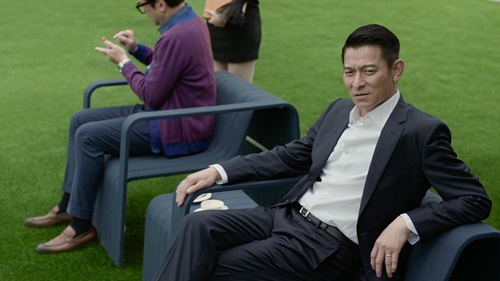
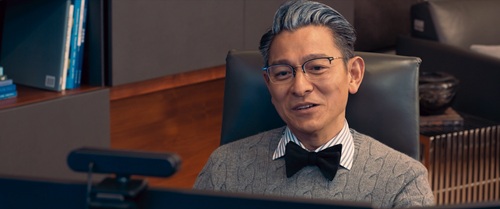
One of the many films that reflect on filmmaking itself on this year’s list, if not one of the most serious. Movie star Andy Lau plays a movie star who decides to make a social art film to reinforce his relevance and ends up alienating everyone. The satire isn’t the most biting, but there is a very expressive bitterness, and it’s always a pleasure to see Andy Lau being a movie star as we don’t have that many anymore.

99) Missing Child Videotape (Ryota Kondo)
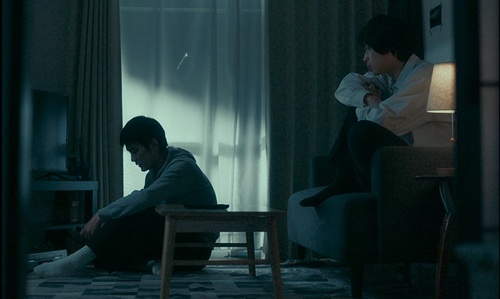
An exercise in playing into the early 2000s Japanese horror sandbox. Formally precise, it does know how to conjure an unsettling and horrible image. Academic cinema with some meat is certainly preferable to some of the more curator-approved versions of the same.

98) 1st Kiss (Ayuko Tsukahara)
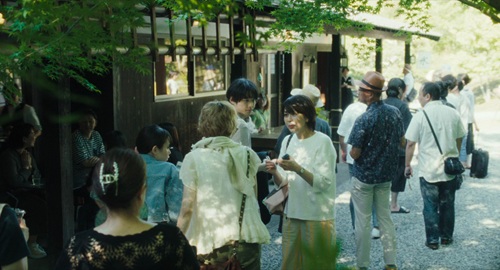
The beginning and end of a relationship through the dramatic framework that popular fiction makes possible. One of those things that Japanese cinema keeps very much alive with its taste for melodrama and fantasy, and the certainty that it can take the emotions it conveys seriously.

97) Zero (Jean Luc Herbulot)
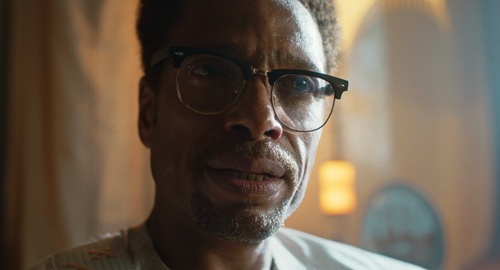
Congolese filmmaker Herbulot got some attention with his very good horror action hybrid Saloum a few years ago; this follow-up barely got any, but it isn’t that different as a thriller with horror elements and large colonial tension in the background. Clever premise and forceful and immediate, if a little too punishing death trip.

96) One Minute Is an Eternity for Those Who Are Suffering/Um Minuto é uma Eternidade para Quem Está Sofrendo (Fábio Rogério, Wesley Pereira de Castro)
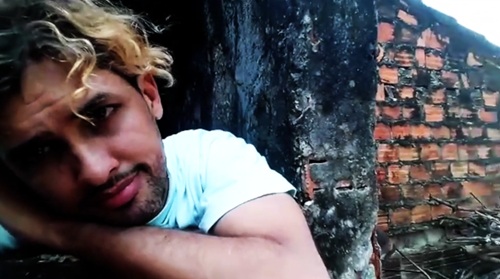
When two gazes meet in the presence and in the editing. A diary film of day-to-day life and impressions of director Pereira de Castro, who is always torn between an intoxicating first-person dive and the effort to exist beyond it.

95) Satranic Panic (Alice Maio Mackay)
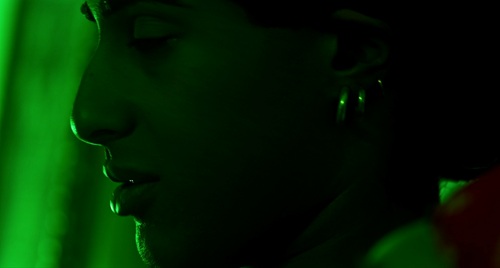
The world’s most productive 21-year-old horror filmmaker keeps doing fine spins on known horror concepts as a way to deal with different aspects of current trans life. As usual, lively cast, fairly grounded in its characters lives, and lots of energy, plus it is one of the two queer horror movies in this list that climax in a cool musical number, and I have a weakness for that.

94) Filmlovers!/Spectateurs ! (Arnaud Desplechin)
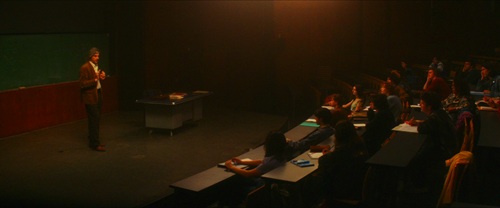
As time goes by, Desplechin increasingly replaces Bergman for Truffaut and becomes less relevant in the contemporary film scene. This essay on cinephilia is more eccentric than insightful, but it becomes more fascinating the more it embraces the perversity of such passion.

93) The Falling Sky/A Queda do Céu (Eryk Rocha, Gabriela Carneiro da Cunha) 
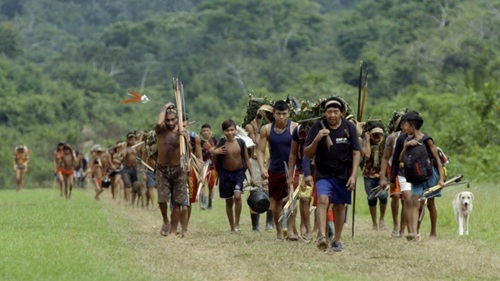
Eryk Rocha co-directed this documentary about the Yanomami and their fight against the external forces with actress Gabriela Carneiro da Cunha, and in some ways it allows for a strong social concern to balance his more aestheticized interests. Like most of Rocha’s documentaries, the main subjects are invited into a carefully crafted pictorial image that fits the Yanomami’s connection to their land.

92) Squad 36/Bastion 36 (Olivier Marchal)
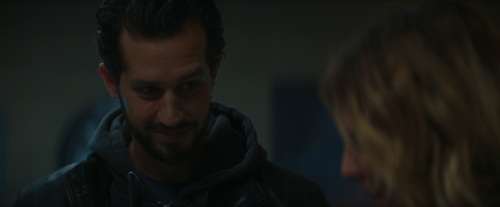
A Netflix original film that barely exist, but as always, I enjoy former cop Marchal’s films about the excesses of French law enforcement officers. He knows the milieu intimately and how to describe it in detail while remaining very closely connected to it. This one feels like a more conservative version of a 1970s thriller by Yves Boisset.

90) Amelia’s Children/A Semente do Mal (Gabriel Abrantes) and The Strangers: Chapter 2 (Renny Harlin)
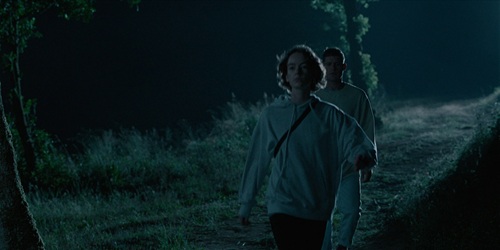
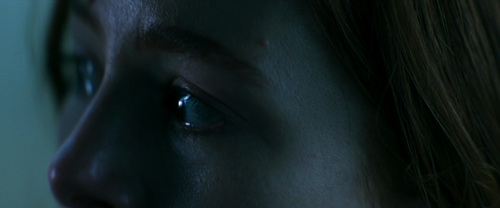
Two very solid horror thrillers from barebones and very recognizable scenarios. Abrantes (from festival darling Diamantino) has a lot of fun with his power family games and old gothic intimations, while the resourceful, if very shallow, Harlin gets to fill time between what was a bad movie and what I assume is going to be another one by staging a 90-minute slasher chase that is as minimal as it is exciting. Neither movie is for anyone who cares about plot or psychology, but if you like playful form operating in a mostly vacuum, those movies deliver.

89) L’Aventura (Sophie Letourneur)
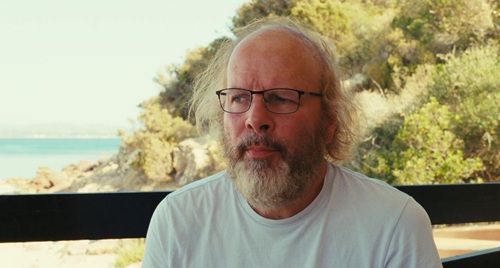
Letourneur’s previous film was called Voyage to Italy, this one L’Aventura, and both elaborate on the same project of setting their characters in motion across this foreign land. As always, she is a great director of actors.

88) Gil, Let’s Explode São Paulo/Explode São Paulo, Gil (Maria Clara Escobar)
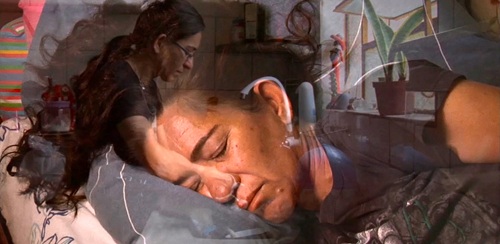
This is one of Brazilian movies on the list filmmaker I’ve personally known for years, and given that it is a first-person film about a lesbian singer who worked for her, this seems worth mentioning. It is a power tug in which Escobar allows Gil to star in the fiction she deserves while making sure she is also a character in the movie the filmmaker wants. A complex relationship between multiple desires and power that was made through a decade and does offer a fascinating look in a sort of low-budget film portrait that was popular in the Dilma years, becoming its own mirror.

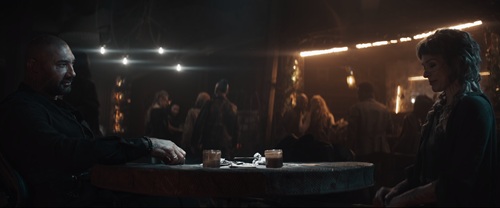
86) Dead Souls (Alex Cox) and In the Lost Lands (Paul W. S. Anderson)

Two neo-westerns by filmmakers with strong and eccentric personalities. Cox’s film was made on a shoestring budget, while Anderson’s had plenty of money behind it, but both exert a great fascination with how to push a cinematic image with recognizable iconography and a rugged surface onto its own, almost experimental paths.

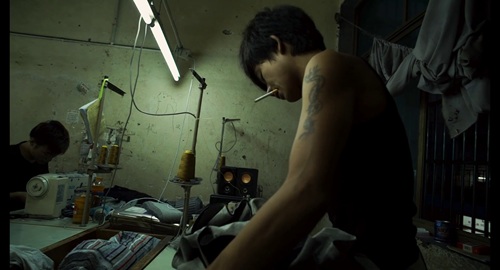
85) Second Life (Chris Huo)

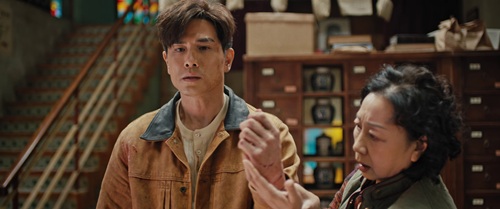
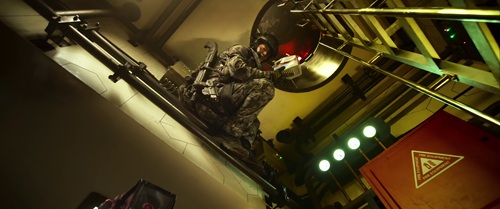
Director Huo is one of the more prolific filmmakers on the Chinese DTV scene and has been on my lists before as a throwback to 1980s Hong Kong action. This one is his most eccentric, combining comedy, family drama, and some great choreography (the climax is especially inspired).  And it is a great vehicle for veteran Hong Kong character actress Yuen Qiu, a former classmate of Jackie Chan and Sammo Hung, who has worked with everyone from Lau Kar Leung to Stephen Chow and rarely gets a main role this good.

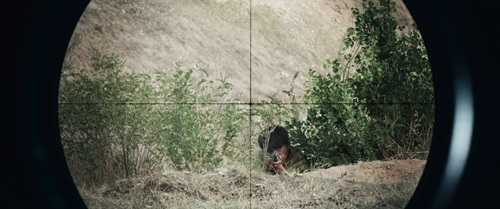
84) The Volunteers: The Battle of Life and Death (Chen Kaige)

Part two of Chen Kaige’s patriotic epic about the efforts of Chinese soldiers in the Korean War. It is big official cinema on a scale rarely seen today, that makes very good use of the filmmaker’s decorative talents. Every image is carefully staged.

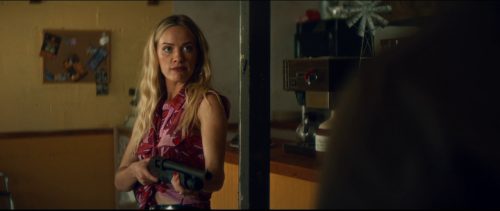
83) Thieves Highway (Jesse V. Johnson)

Another neo-western, this one by the always resourceful Jesse V. Johnson. It is not one of his most ambitious films but keeps finding good current analogues to old forms. It is a low-key movie about cattle robbers and the “cow cop” on their trail, with everyone a little more beat down and desperate than in similar movies. Thieves Highway could pass for a minor 50s Randolph Scott western, and that is an art form worth preserving.

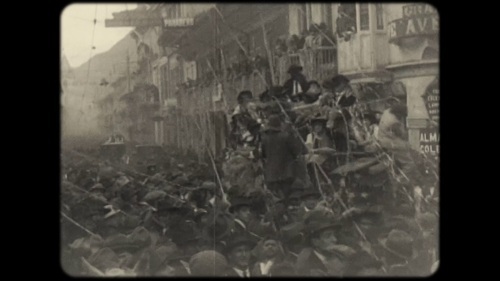
82) Silent Witnesses/Mudos testigos (Luis Ospina, Jerónimo Atehortúa Arteaga)

The great Colombian filmmaker Luis Ospina passed away in 2019 while working on this film, which Jerónimo Atehortúa Arteaga completed. It is itself a revival of images from local silent cinema, reimagined in all their power in a newly woven narrative.

81) Hunt the Wicked (Chris Huo)

Another blast from Chris Huo. The opening and closing sections are as excitingly designed as this kind of low-budget action gets.

80) Wake Up Dead Man (Rian Johnson)

Rian Johnson always makes the same movie, exploiting his skill for staging scenes to the hilt while distracting us with his latest tall tale. At his worst, he comes across as a little too clever; at his best, he is a storyteller of unusual fluidity in contemporary American cinema. This is the best of the detective movies he made with Daniel Craig, probably because the actual star is Josh O’Connor as the priest who wished for the crime he did not commit, and the focus on faith gives the film something to counterbalance all the theatrics.

79) Back Home (Tsai Ming Liang)

Another one of the miniature observational movies Tsai has been making since his “retirement.” The dog scene earlier is a wonder, and everything else is fine too.

78) If I Had Legs I’d Kick You (Mary Bronstein)

Bronstein’s debut, Yeast (2008), made a lot of good use of mumblecore aesthetics to move it away from its usual very male-dominated milieu towards the more toxic elements of female friendships; this second feature starts from the Safdies’ intense semi-realism (her husband Ronald is their longtime co-writer and editor) for an arty, almost thriller about how motherhood can be terrible. I’m sure this is going to be even better when all the tics in it are a signpost of a long past arthouse period. It helps that Rose Byrne is great in it.

77) More Beautiful (Karoline Herfurth)

Another film about female anxieties, despite the fact that it takes the form of a populist comedy. The scenes with the young cast are especially good.

76) Super Happy Forever (Kohei Igarashi)

A Japanese Hong Sang-soo movie about finding and losing people. Some very good casual filmmaking set against a more rigid writing structure.

75) Operation Hadal (Dante Lam)

Exquisite recruiting poster for the Chinese military with action and melodrama taken to the extreme. A Jerry Bruckheimer 90s movie without the dull parts. I left it ready to serve Xi. One must admire the shamelessness of the Chinese film industry.

74) Kontinental ‘25 (Radu Jude)

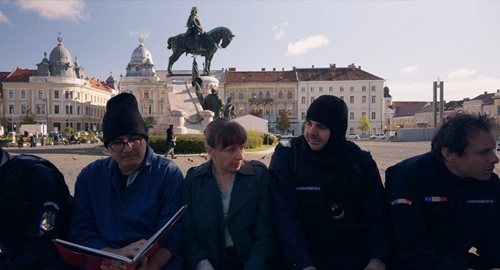
I’m not always convinced by Radu Jude’s high concepts: I had no use for his Dracula, but this “remake” of Europa 51 about the end of the European social democracy pact has the right amount of intimacy and observation to actually give the idea some force.

73) Evidence (Lee Anne Schimitt)

A thoughtful film essay on the impact of conservative American think tanks, but above all, one that is ready to convey its arguments through a series of material and spatial strategies.

72) Dream Team (Lev Kalman, Whitney Horn)

A very good pastiche that gets a lot out of the idea that softcore movies suggest normal without committing to them, which makes them ideal surfaces for this sort of no-budget experiment. Great hangout vibes; everyone involved is probably having a better time than anyone watching it, which is paradoxically part of what is so likable about it.

71) Honey Don’t (Ethan Coen, Tricia Cooke)

Another good pastiche by a creative couple. Honey, No! is more serious and sad than the genre exercise it was sold as, and has considerable difficulty flowing narratively, but as a collection of stray observations about an oppressive urban space organized around Margaret Qualley’s presence, this film is cooler and more interesting than anything the Coens have done together in the last decade of their partnership.

70) A Gilded Game (Herman Yau)

A Herman Yau-directed financial thriller that is fairly slick and mostly pleasurable. A gangster movie without any shootouts but plenty of bad people shouting at their computers. Every scene with Andy Lau (who is there to tell us not every capitalist is pure evil, because only China cares about that) is a joy, even more so if we are just hanging out with him with no plot.

69) The Smashing Machine (Benny Safdie)

An unfairly maligned movie, probably because it is rather clumsy as a drama, but as an experiment in playing with the Safdies’ taste for documentary detail as a way of representing sports masochism and the multiple images and desires related to it, this is a much richer movie than it has been given credit for.

67) Megadoc (Mike Figgs) and Stuntman (Albert Leung, Herbert Leung)

Two movies all about representing the limits of outmoded personal forms of filmmaking and how they clash with current cinema. Figgis’ all-access documentary about Coppola’s Megalopolis is a fascinating peek behind the power games involved in such a project, even if its focus on the shooting carefully sidesteps any of the polemics around it. The Leungs debut is a melodrama about a Hong Kong veteran choreographer who refuses to adapt to current safety concerns, is a very heartfelt look at what remains of the city’s film industry, a subject that, as everyone knows, is very meaningful for me.

66) Dangerous Animals (Sean Byrne)

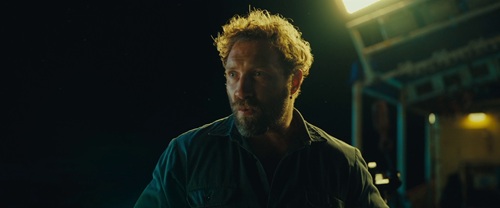
Beggining now a series of shameless potboilers. This one is likely the best shark movie since 2016’s The Shallows, just a good idea (reimagining Peeping Tom with a psychopath whose kink is filming women being eaten by sharks) very well executed. The image of Jai Courtney relishing the videos he recorded is one of the most disturbing scenes of the year, and the heroine castrating him by throwing his camera into the water is one of the funniest.

65) Roofman (Derek Cianfrance)

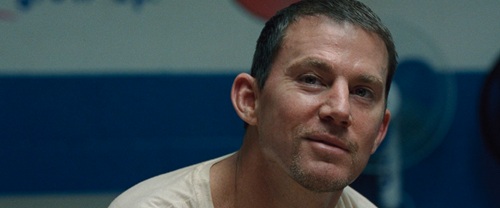
Like The Smashing Machine, Roofman is an experiment around how to use a true story. In this case, how charming a movie star (Channing Tatum) must be to let a depressing comedy of errors about a fuckup who keeps making the wrong decision go down smoothly. Audiences stayed away, but it is a credit to filmmaker Cianfrance, Tatum, and co-star Kirsten Dunst how well this plays.

64) Relay (David Mackenzie)

An empty calories formalist doing his best to make a good 1996 videostore hit.

63) Sinners (Ryan Coogler)

Huge, disjointed and incoherent, but a pleasure to watch for its over two hours. The great populist film of the year, a candidate to be underrated/overrated according to individual preferences, allow me to be centrist and place it in the middle section of mine. Better in how it uses horror than how it stages it, but the performances and music are great, and I find the epilogue very moving.

62) Friendship (Andrew DeYoung)

Very good cringe male anxiety comedy. Everyone does wonders reacting to star Robinson’s very committed turn.

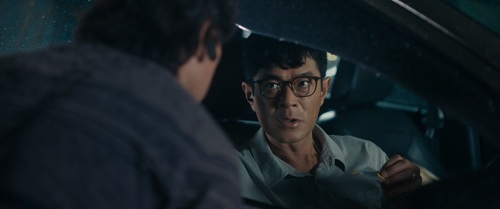
61) Behind the Shadows (Jonathan Li, Chou Man-Yu)

Another voyeuristic thriller, this one from Hong Kong and focused on marriage, and updating some of the more melodramatic parts of Hitchcock’s movies.

60) After the Hunt (Luca Guadagnino)

I know this has been a punching bag since its Venice debut, because everyone likes to act superior to past its sell date prestige items, but I had a great time, and most of the topicality is dressing up for a delightful comedy of manners about some awful people very dedicated to their own forms of social phoniness. I don’t know if it’s a smart dumb movie or a dumb smart one, and I suspect neither does Guadagnino.

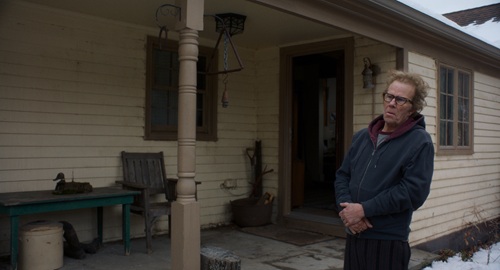
59) Father Mother Sister Brother (Jim Jamursch)

Jamursch’s best movie in 15 years, a collection of short stories that echo each other whose biggest merit is how cohesively it feels.

58) The World of the Dead/O Mundo dos Mortos (Pedro Tavares)

This is something so unusual for Brazilian cinema, taking place in the realm of myth with a spare theatricality that suggests artists like Oliveira. The World of the Dead looks back to a tradition of movies, but its distance from them is part of what is moving about it. Some great close-ups.

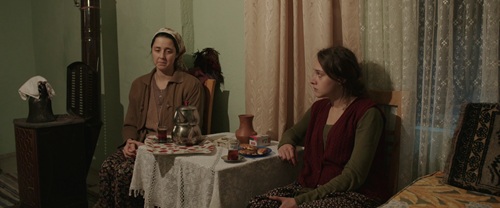
57) Life (Zeki Demirkubuz)

Demirkubuz remains a master at carefully shaped drama.

56) Alappuzha Gymkhana (Khalid Rahman)

A male bonding sports movie about Indian college students boxing. It does a great job of setting an environment and allowing the characters’ feelings to resonate within it.

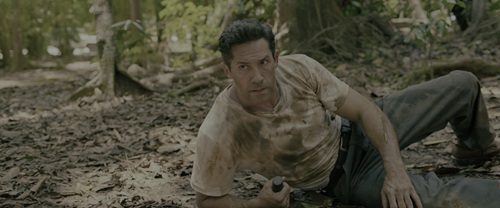
55) Prisoner of War (Louis Mandylor)

As others have pointed out, an American DTV version of Oshima’s Merry Christmas, Mr. Lawrence, so Scott Adkins is kicking people every few minutes. One of his better recent vehicles, and it works well as an action and pow movie.

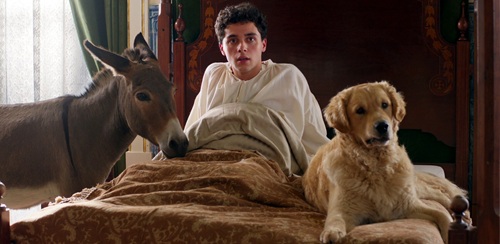
54) The Three of Knowledge/A Arvore do Conhecimento (Eugene Green)

An encounter between the wonder of Green’s images and the humor of Portuguese production company O Som e a Fúria.

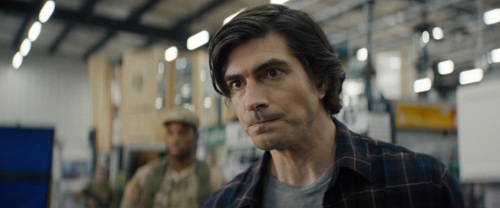
53) Ick (Joseph Kahn)

A monster movie about paternity, generational tension, and, I guess, the pandemic that remains always engaging thanks to director Kahn’s tasteless energy and a wonderful lead performance by Brandon Routh.

52) Queens of the Dead (Tina Romero)

Tina Romero is George’s daughter, something the movie is keen to constantly remind us of, and Queens of the Dead is a queer version of the apocalyptic zombie films he used to make. Great characters and cast, very likeable atmosphere, a delight that goes completely against the grain of current horror cinema.

51) She Rides Shotgun (Nick Rowland)

Father/daughter on the run crime movie that remains propulsive and had pretty good lead performances. There used to be so many more good movies like this.

50) The Little Sister/La petite dernière (Hefsia Herzi)

A very well-observed drama about negotiating your sexuality when you come from a conservative background. I especially like how it always exists on the edge of personal anxiety, while the character’s surroundings remain relaxed and inviting, the drama remains internal in her trembling and desires.

49) The Secret Agent/O Agente Secreto (Kleber Mendonça Filho)

A paradox: a movie that effectively reimagines the anxieties of the Bolsonaro years while hanging up in the late 70s Recife. An emotional trap that is often affectionate and generous. It is an achievement in setting an environment, physical and emotional, that the movie can just disappear in. Cinema as a form of time travel.

48) Little Boy (James Benning)

Urgent if a little dated in its discourse, but filtered with Benning’s conceptual and material precision.

47) Peter Hujar’s Day (Ira Sachs)

Another exercise in time travel. Back in the 70s, photographer Peter Hujar gave an interview describing his previous day, which survives only in transcription, and this movie reproduces the talk with the words faithful to the letter while filmmaker Sachs and his actors Ben Winshaw and Rebecca Hall try to imagine what is physically going on while those two people talk.

46) Flat Girls (Jirassaya Wongsutin)

The melancholy of growing up. Very attentive to the bonds between its two teenagers and what they intimately share and how to position it in the face of a social environment that insists on meddling.

45) One Battle After the Other (Paul Thomas Anderson)

A great chase picture and enjoyable comic panorama. Anderson is making the best of the toys DiCaprio got Warner to give him; like most of his movies, it is an uneven mess, and it has honestly been overdiscussed politically, but any movie with those landscapes, that Del Toro performance, and DiCaprio wishing he knew how to do his daughter’s hair is doing things right.

44) Flashes of Critiques Metaphysical Murmurs/Relâmpagos de Críticas Murmúrios de Metafísicas (Julio Bressane, Rodrigo Lima)

Bressane revisits the origins of his cinema and what editing still allows it to flow.

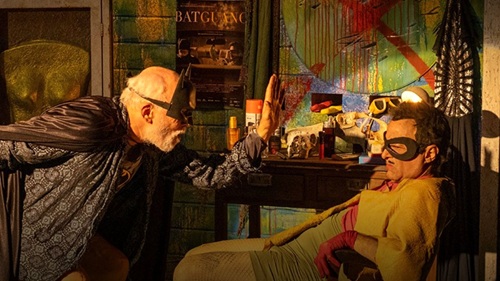
43) Batguano Returns – Roben na Estrada (Tavinho Teixeira, Frederico Benevides)

Teixeira returns to his great anthropophagic Batman and Robin as tropicalist Beavis and Butthead early film for a diaristic road movie about his current anxieties, so bitter, melancholic, yet still inventive.  

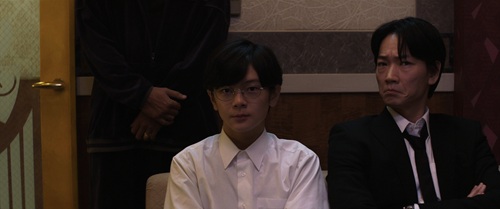
42) Let’s Go Karaoke! (Nobuhiro Yamashita)

It’s always a pleasure to see Yamashita in good form, one of the most enjoyable filmmakers around, and who else could make such delightful cinema out of the friendship between a boy who sings in a choir, fearing the effects of puberty on his voice, and a yakuza who needs to win a karaoke competition.

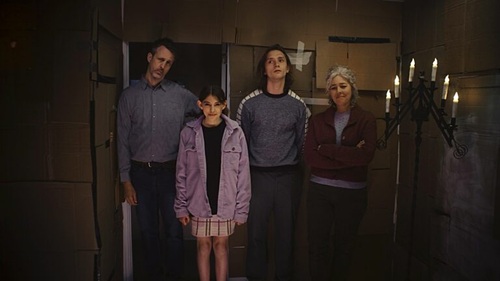
41) Room Temperature (Zac Farley, Dennis Cooper)

A very good movie about what horror fiction can contain and represent. It is co-directed by the wonderful queer novelist Dennis Cooper, but it is something that can only exist as film and offers some great commentary on the current state of horror movies, even if it is not exactly one.

40) Metro.. in Dino (Anurag Basu)

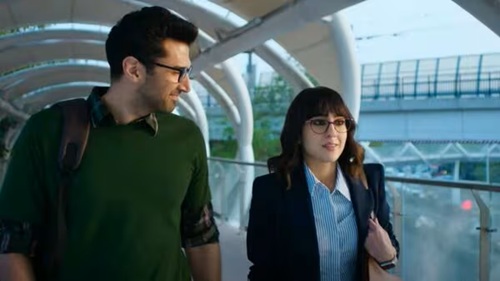
Romance and alienation in the big city. About moving various characters around an emotional chessboard and connecting them through music. One of the most enjoyable films of the year.

39) Life and Death Madalena/Morte e Vida Madalena (Guto Parente)

To make independent cinema in Brazil is a pain and a joy.

38) Meeting with Pol Pot (Rithy Panh)

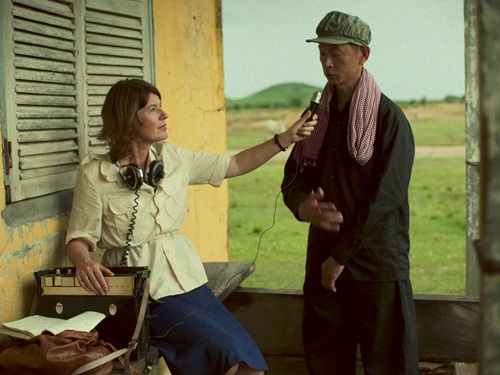
Rithy Panh remains true to himself and his efforts to excavate Cambodia’s history. This time, through a fictional film about a trip by French journalists to interview Pol Pot. One of his best films.

37) The Shadow’s Edge (Larry Yang)

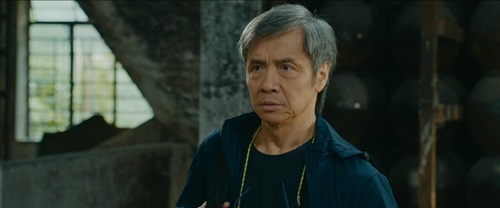
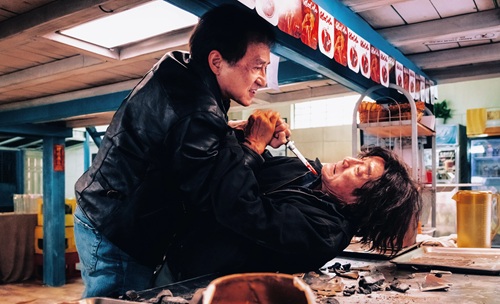
I’m probably overrating this because I’m still shocked there is a movie this good starring Jackie Chan in the year 2025. Accidental commentary about the arrested state of Hong Kong-affiliated cinema: this is a remake of a very good 2007 movie called Eye in the Sky, and Tony Leung Ka Fai played the master criminal in it, and of course he is still playing the same role at 67.

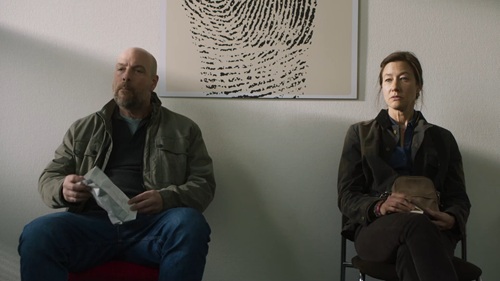
36) Jenseits des Rechts (Dominik Graf)

I love German TV crime shows and how they allow their auteurs to play around with B movies, which is especially welcome when Graf turns his hand at them, as he is one of the best storytellers in the world.

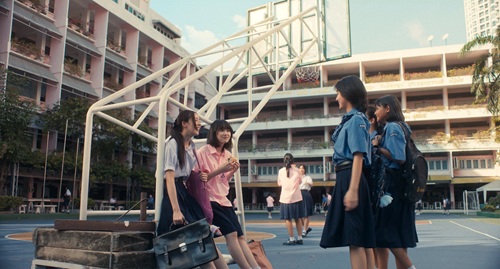
35) Swimming in a Sand Pool (Nobuhiro Yamashita)

Another recent Yamashita movie, this one taken from a play about a group of schoolgirls talking about their problems while cleaning a pool full of sand, gets its very symbolic scenario and central image and makes something so graceful out of it.

34) With Hasan in Gaza (Kamal Aljafari)

Of the gesture of locating the weight, political and personal, of the casual images stored away.

33) Retro (Karthik Subbaraj)

This year’s best Indian action movie. Only they could marry Chaplin and John Wick. A beautiful flow of intense and deeply felt images.

32) Youth (Homecoming) (Wang Bing)

The first part of Wang Bing’s trilogy dedicated to the daily lives of young workers in Chinese industry was on my list two years ago. It is essentially one big project lasting around nine hours. This final installment is like an epilogue, following its characters at home and at leisure, away from work but still affected by it.

31) Only Good Things/ Apenas Coisas Boas (Daniel Nolasco)

A queer western melodrama about shifting your desires and feelings to the landscapes of Brazil’s countryside. As good as that Almodóvar western from a few years ago was foolish.

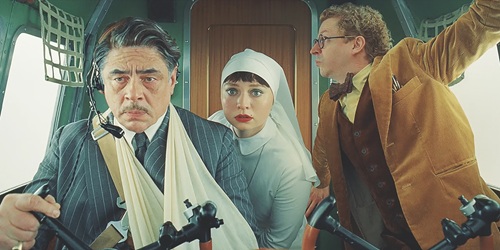
30) The Phoenician Scheme (Wes Anderson)

Wes Anderson reimagines Mr. Arkadin as a contemporary political farce. Of all the big-budget Hollywood movies released this year, this is certainly the most incisive.

29) The Sixth Robber (Chris Huo)

The best of Huo crime thrillers, the first to match the excellence of its action scenes with the intensity of the drama.

28) Blue Heron (Sophy Romvari)

I’ve known Romvari online for years, and I enjoy her short film work, which has occasionally covered the same personal territory, so given the very emotional and autobiographical nature of Blue Heron, I’m not necessarily objective about it, but movies like this aren’t very objective anyway. People keep comparing Blue Heron to Aftersun, as they are similar movies about troubled family drama observed by a young girl who only half understands it, but it strikes me as more ambitious and successful, and there is a scene near the end when Romvari breaks the fourth wall for good that still makes me misty.

27) The Colors Within (Naoko Yamada)

Music and animation that are ready to find good ways to give its young characters emotions a strong opening. The central idea is a good way to represent the things only animation can do, and as usual, Yamada is one of the warmer filmmakers around.

26) It was Only an Accident (Jafar Panahi)

Polanski’s Death and the Maiden as a great farce. My favorite Panahi movie is Crimson Gold, and this is probably his closest movie to it since. It’s mechanical and didactic, but its bitter and desperate humor works, and the drama remains engrossing throughout.

25) The Ice Tower/La tour de glace (Lucile Hadžihalilović)

I remember The Ice Tower got very mixed reviews when it played in Berlin earlier this year, so it is nice to see it showing up in a lot of year-end lists. It’s always a plus when good movies go through the whole reclamation work that fast. Our attention economy can be cruel, and Hadžihalilović is an artist whose idiosyncrasies can be further from it, as beautiful as her images can be. This one uses a fable to catalogue all the ways filmmaking will seduce and crush you.

24) Fire Supply (Lucia Seles)

Speaking of idiosyncrasies, there are few films as distinctive as those by Sales. So deliberately constructed in their fictions with their own rhythms, the editing of Fire Supply is exquisite, as is each location in which its characters take refuge. An artificial cinema that is at the same time very inviting and intimate, almost homemade.

23) Air (Aleksei German Jr)

A Russian war epic about women fighters on the Leningrad front. This is a sweeping, old-fashioned spectacle done on a large scale. Terrific actresses and great plane action. It is very exciting while never letting lose how death hangs over everything. War is a tough negotiation with death that states win and people lose.

22) Kickflip (Lucca Filippin)

Young skateboarders from upstate São Paulo. Images that are disposable and could be on any social media platform, but which Fillipin’s movie infuses with possibility. A movie with no distance between the cinematic apparatus and its characters, very compelling because it recognizes the full power of their gestures and dramatic charge of their actions without distancing the images from the skateboarders daily lives.

21) Youth (Hard Times) (Wang Bing)

The mid part of Wang Bing’s large project. The most pointed and angry.  If Youth seems as ambitious as his earlier masterpiece West of the Tracks, and I won’t be surprised if in a couple of decades it will be talked about as a key 2020s Chinese film as that one is from the 2000s, this chapter will be why. It is didactic but so full of life, and the use of offscreen remains exquisite.

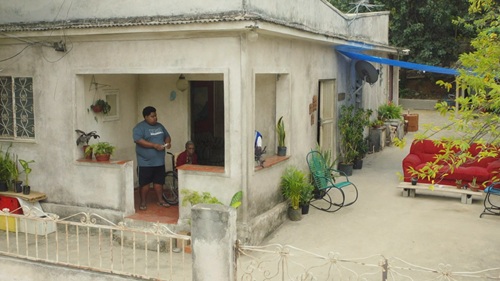
20) White House/Kasa Branca (Luciano Vidigal)

The best and most beautiful Brazilian film I’ve seen this year. So connected to the daily lives of its Rio youngsters, so well observed and lively. The naturalism of Brazilian independent cinema is sometimes a limiting crutch, but Kasa Branca breathes life into it and brings it into contact with the great chronicle cinema of Rio de Janeiro, by Nelson Pereira and David Neves, and it’s so good to see something like this again here.

19) Mirrors No. 3 (Christian Petzold)

One for auteurism: Petzold making a careful variation on many of his pet themes and formal tics with his usual skill. It is familiar but precise. Petzold’s handling of actors remains great. I might’ve listened to the Four Seasons’ The Night some 50 times in the past two months.

18) Evil Puddle (Charles Roxburgh)

There is something about the possibilities of amateur cinema that Roxburgh and his longtime partner, Matt Farley, achieve: it is a film with an absurd concept, a city attacked by haunted puddles, which ends up being one of the few useful portraits of post-pandemic communities and how they negotiate their individualistic desires. The fact that everything is so affectionate makes the sharp parts work better.  It’s part Stephen King, part Shyamalan, and offers Farley one of the best variations on his persona.

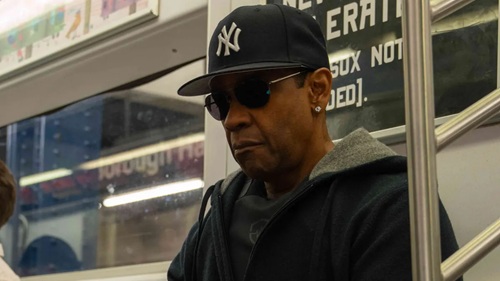
17) Highest 2 Lowest (Spike Lee)

Spike Lee’s remake of Kurosawa’s masterpiece High and Low is one of the year’s most divisive, mostly because of the question about a known auteur remaking another, which quite honestly bores me. What I do care about is what Lee does with the scenario, a highly personal read that turns it into a very conservative paranoid fantasy about two very successful Black film artists, Lee and star Denzel Washington, and their fears about their own relevance and how a world they are not that at home in sees them. The big drop scene midway is wonderful and lively; everything else is oppressive but increasingly strange and torturous. Lee remains very relevant because he seems so lost in his bubble.

16) Ariel (Lois Patiño)

Originally, Patiño was going to make this movie with Matias Piñeiro, and he remains very close to Piñeiro’s work with its contemporary use of Shakespeare’s text, in this case, The Tempest. In Ariel, the find is to set the action in Portugal, this land always ready to convey a haunted historical weight, with the Azores beautifully filmed, which adds a new layer to both Patiño’s and Piñeiro’s cinema.

15) Escape (Masao Adachi)

Adachi is the only major filmmaker who sacrificed years of his life to radical clandestine political action. Since his comeback to filmmaking with 2007’s Prisoner/Terrorist, he has been making no-budget spare representations of Japan’s radical resistance. This time he comes up with a tribute to Kirishima Satoshi, a man who stayed most of his life as a fugitive on the Japanese government’s most wanted list until he showed up at a hospital dying and told the world who he was. Adachi couldn’t care less about what current cinema looks like, but he cares about Saroshi and what lives like his mean. He is 86 years old and perhaps our freest filmmaker.

14) 7 Walks with Mark Brown/Sept promenades avec Mark Brown (Pierre Creton, Vincent Barré)

Speaking of free movies, this one could borrow Hong’s title, What Nature Says to You. Just a vibrant movie about our relationship to the natural world around us.

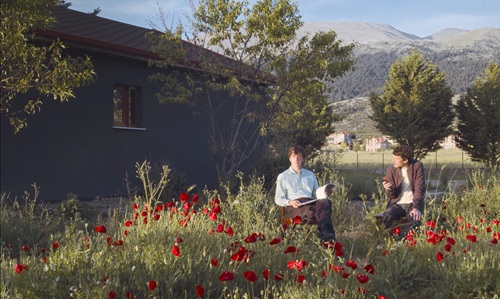
13) Fuck the Polis (Rita Azevedo Gomes)

Another movie that radically engages with the world. This one follows a trip by Gomes to Greece, multiple times and historical echoes, the whole weight of a world that carries so much with it, filtered here by the ease with which Azevedo Gomes films the most casual moments. There is a lot of beauty, but also a lot of violence in how this cinematic gaze mediates all these relationships.

11) Broken Rage (Takeshi Kitano) and Where to Land (Hal Hartley)

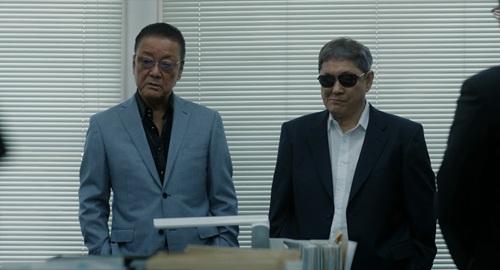
There are a lot of movies by aging filmmakers in this list, as usual. Aging artists often bring with them a lot of history and connections that engage me, and they frankly care so little about current fashions in a way that is always a plus. I hate when people use terms like “late style” to try to explain them, because doing so isn’t very productive. I’d rather own up that I can be faithful and sentimental and that there is something radical about a lot of those end-of-career artistic gestures. Here are two good test cases, both cinematic wills of sorts: Kitano, 78, is a throwaway Amazon production, and Hartley, 66, was made with very little money through internet funding. The Japanese master is a huge celebrity who keeps getting away with eccentric movies, while the American might be unique among his generation for not seriously trying to engage with the mainstream. These are very funny and generous movies; they also make absolutely no sense if you don’t know the artists’ work. Kitano offers a series of variations on his screen persona, an hour-long movie that replays its basic scenario twice with tonal variations, as oppressive in its connotations as joyful in its execution. Hartley’s film, which is literally about the making of a filmmaker’s will (although his on-screen avatar is a celebrated romantic comedy auteur, which is funny and perceptive), is so taken by what it can pass along, what comes before, and the possibilities of a future. Do I find it Hartley’s best movie in over 30 years because it seems so final? Probably, at least to a point, the sense of a world ending, the urgency, but also the pleasure that comes with it is a lot of the appeal. There is a lot of finality in both of those movies, but also an opening that is equally upfront.

10) Bad Girl (Varsha Bharath)

At the opposite end of the spectrum, a debut feature so full of possibility and energy, so dedicated to representing the life and desires of a young Indian woman. I like the freshness of the movie, I like that it remains so nimble and so uninterested in any kind of austerity, while at the same time, just by being so blunt and direct, it comes across as a radical and assertive gesture.

9) The Bewilderment of Chile (Lucia Seles)

Some of the most fun and cozy filmmaking around. Just packing things that matter for its makers while remaining so connected to the city and its public spaces, how to love and live in them. This is very funny and, like Seles’ other work, so inviting and warm, and the editing is an impressive act of keeping so many situations, characters, and ideas in a coherent balance.

8) Castration Movie Anthology i. Traps (Louise Weard)

Ward’s movie is the first part of an ambitious project, currently filming the third, attempting to account for the most disparate forms of trans experiences. It is four and a half hours with very little modulation, keeping its eye on more situations, characters, and contradictory feelings. It is a lot of movie, made with complete carefreeness and at the same time always intoxicated by the experiences on screen, always very affecting in its own way, never half-hearted.

7) Desert of Namibia (Yoko Yamanaka)

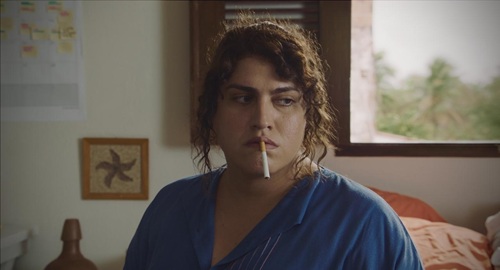
A young bipolar Japanese woman and the two men she oscillates around. Those are easy signposts that matter and don’t, as are any of the ways one could describe the main character’s actions: selfish, violent, out of control. The words and the value judgments that come with them don’t seem fair to director Yamanaka desire to only let her exist. So generous as a gesture, and so uncompromising. And in actress Yuumi Kawai, she finds her right accomplice, really one of the most astonishing performances of the last few years, almost peak Gena Rowlands good.

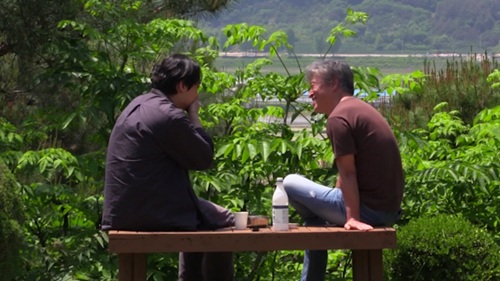
6) What Nature Say to You (Hong Sang-soo)

The oppressive nature of the family house, the general distance between the boyfriend and her parents, everything observed with such caustic care. And then that wonderful drunk scene when the comedy of manners just falls apart.

5) Last Night I Conquered the City of Thebes/Anoche conquisté Tebas (Gabriel Azorín)

Young men in steam baths, lost in a mythical image. An entire historical past, the uncertainties of the future, and the presence of the present. Battles that have been and battles that will be, suspended in time. A very beautiful film that creates an entire world from those half-naked guys taking a bath and talking.

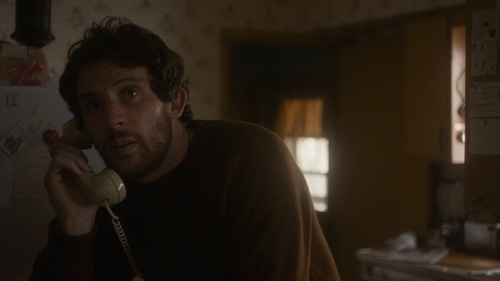
4) The Mastermind (Kelly Reichardt)

Two movements, the heist and the flight. Multiple meanings that are clear and obscure. A film that is very adept at playing its parts off against each other and exploiting Josh O’Connor’s screen presence. The title is and isn’t a joke; the robbery is the predictable disaster beneath its supposed cleverness, but O’Connor clearly considers himself above his criminal milieu, a guy who wants to be the boss without the hassle and monotony of the office job that his father’s connections could probably get him. The film lingers on the late scene with his college friend who offers him salvation with a place in a Canadian commune that he has to refuse because “it’s not his scene.” Even in the face of literal marginalization, there is still the need to embrace an imaginary self-image. A mirage that the film strips bare until the incredible final shot.

3) She Taught Me Serendipity (Akiko Ohku)

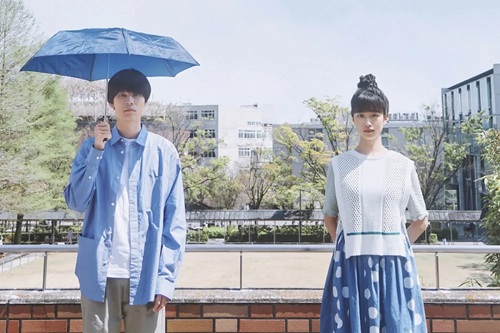
There is probably not a better moment in a movie this year than the love confession that just arrives midmovie, so raw and exposed, and that goes on and on. Such a beautiful movie about how we perceive the world and how we allow, or not, for the people around us to be a part of it. So hopeful and upbeat, yet so painful and hardly earned. A true education in the form of a simple slippery youth romantic comedy.

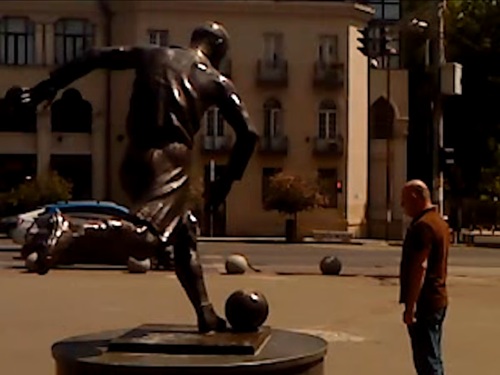
2) Dry Leaf (Alexandre Koberidze)

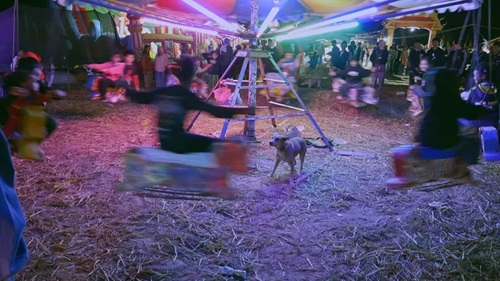
The pleasures of make-believe. A man drives across the roads of Georgia in search of his missing daughter, in the company of his imaginary friend, on a tour of the amateur football fields she visited. Cinema always returning to The Searchers, here blessed by Brazilian football. Koberidze loves football because it is a mythical field where anything is possible. He makes a movie in the same vein, cataloging new encounters, a blur (the images were shot in very low resolution) full of green fields, children, animals, and old faces that pass by on screen.

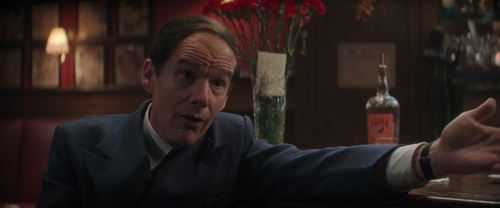
1) Blue Moon (Richard Linklater)

Dry Leaf looks forward the most, but if I’m being honest with myself, this chamber piece is all about looking back at a world at twilight near the end is my favorite. A movie with impressive finality about all the things the pre-World War II days could be hopeful about approaching the end. It takes place in near real time and a single set, and it is so tightly controlled by Linklater in a mix of contradictory emotions. A drunk funeral and a beautiful one.

Meus Filmes Favoritos de 2025

English version here

Outro dia, eu estava conversando com uma amiga e ela disse algo como “não existem anos ruins, só você escolhendo os filmes errados” e, embora eu não tenha certeza se concordo totalmente com ela, acho que isso reflete uma certa verdade sobre os balanços de fim de ano: todos eles são mapas traçados a partir do que o crítico/cinéfilo selecionou para si mesmo.

O meu tem sua parcela de gostos pessoais e idiossincrasias: mais filmes de ação ou policiais do que a maioria, filmes brasileiros que não são O Agente Secreto (e O Agente Secreto), muito mais filmes asiáticos do que a maioria das listas inclui, vários deles que não são exibidos em grandes festivais ocidentais. Gosto de usar favoritos para essas listas em vez do habitual “melhores”, porque me parece mais justo em relação aos meus viéses e porque acho que “melhores” é maçante, e prefiro me contentar com uma lista de filmes que despertaram minha imaginação de uma forma ou de outra. Então, chamemos de 100 filmes que considero interessante o suficiente para ponderar e compartilhar.

Todos os anos, por volta da época do Mostra de São Paulo, no final de outubro, eu me questiono sobre fazer outra lista e todos os anos eu a faço, em parte porque adoro compartilhar filmes, em parte porque é útil para mim tanto refletir sobre o ano quanto fazer uma prospecção eclética do ano em filmes.

Nesta época do ano, sempre ocorrem dois impulsos simultâneos: os que reclamam que essas listas são muito aborrecidas e homogêneas e os que parecem irritados por elas não serem ainda mais assim. Tenho simpatia pela primeira posição, a centralidade dos festivais de cinema e o peso do dinheiro no marketing cinematográfico (eles são a mesma coisa quando você para para pensar) desempenham um papel importante nisso e, hoje, a comunidade cinematográfica parece trocar opiniões em espaços tão restritos que acabam sendo muitas vezes repetitivas. Certamente há muito menos diferenças entre os gostos da Film Comment e da Cahiers du Cinema do que costumava haver. Algumas das razões para isso podem ser positivas, a crescente internacionalização da maioria das grandes revistas de cinema tem muitas vantagens, mas certamente leva a resultados muitas vezes mais insossos e menos excitantes, ou pelo menos as partes mais empolgantes já foram discutidas por tanto tempo que, quando chegam a essas listas, parecem mais do mesmo.

Não acho que a lista a seguir seja uma solução para essa situação, e definitivamente não foi organizada como uma contra-narrativa. Quatro dos dez filmes da minha lista dos dez melhores estavam na lista dos 50 melhores da revista Sight and Sound (confissão: sou um dos votantes, por isso partilho da culpa se acharem aquela lista demasiado enfadonha) e os dois filmes de grande orçamento do ano que os críticos gostam (Uma Batalha Após a Outra e Pecadores) estão ambos em algum lugar da lista, tal como os vencedores de Cannes e Veneza. Espero que seja um pouco menos centrada em festivais do que a maioria e que continue a ser populista no espírito, se não necessariamente no sentido do grande mercado internacional.

Alguns dos filmes importantes do ano não estão aqui porque não me dizem grande coisa, e outros porque prefiro um filme obscuro sobre viagem no tempo e recasamento japones a eles . É claro que há outros que ainda não tive oportunidade de ver. Não diria que 2025 foi um mau ano para o cinema, pois nunca o são se procurarmos bem, mas acho que não teve nenhum filme objetivamente excelente como Feche os Olhos ou The Shrouds. Meus dois primeiros lugares, que são 1a e 1b desde que os vi em outubro, estão próximos dos filmes que lideraram minha lista durante os anos afetados pela pandemia, mas ainda assim é uma façanha e sei que vou levá-los comigo por anos.  Tenho a sensação de que houve mais filmes de autores importantes e muito discutidos em 2025 do que nos últimos anos, mas que eles também foram, em uma análise justa, um pouco mais seguros e menos idiossincráticos do que nunca, uma troca preocupante de se observar. Listas como esta são, entre muitas outras coisas, um lugar útil para refletir sobre desenvolvimentos como este.

Como sempre, meus critérios são filmes que assisti pela primeira vez este ano, com mais de 45 minutos de duração e exibidos publicamente pela primeira vez entre 2023 e 2025. A ordem não importa tanto, gosto certamente do 21o mais que do 41o, mas não sei se eu o prefiro mesmo ao 25o.

Meus curtas favoritos vistos este ano são A Ladder, de Scott Barley, e Scenários, de Jean-Luc Godard, ambos exercícios fascinantes de miniatura na arte de contar histórias, prontos para te encantar com o que vem a seguir.

Alguns dos meus livros favoritos sobre cinema que li pela primeira vez, porque não: Scene (Abel Ferrara), Sick and Dirty (Michael Koresky), Everything is Now (J. Hoberman), Derivative Media (Andrew DeWaard), o artigo do Francis Vogner para Critica e Curadoria de Cinema (org Laécio Ricardo de Aquino Rodrigues) um par de livros antigos que li recentemente The Silent Clowns (Walter Kerr) e Chaplin Last of the Clowns (Parker Tyler).

100) The Movie Emperor (Ning Hao)

Um dos muitos filmes que olham para o próprio fazer cinematográfico na lista deste ano, se não um dos mais sérios. O astro Andy Lau faz um astro que resolve fazer um filme de arte social para reforçar sua relevância e termina alienando tudo e todos. A sátira não é a mais ácida, mas existe uma amargura muito expressiva e sempre é um prazer ver Andy Lau ser uma estrela de cinema, não temos tantas assim.

99) Missing Child Videotape (Ryota Kondo)

Um exercício inspirado no terror japonês do início dos anos 2000. Formalmente preciso, e sabe como evocar uma imagem inquietante e horrível. Cinema acadêmico com algum peso e consistência é certamente preferível a algumas das versões mais aprovadas pelos curadores do mesmo tipo.

98) 1st Kiss (Ayuko Tsukahara)

O começo e o fim de uma relação através do arcabouço dramático que a ficção popular permite. Uma dessas coisas que o cinema japonês mantém muito vivo com seu gosto pelo melodrama e fantasia, e a certeza de que pode levar as emoções proporcionadas por ele a sério.

97) Zero (Jean Luc Herbulot)

O cineasta congolês Herbulot chamou a atenção há alguns anos com seu muito bom híbrido de terror e ação, Saloum; seu filme seguinte quase passou despercebido, mas não é tão diferente, como um thriller com elementos de horror e uma grande tensão colonial como pano de fundo. Premissa engenhosa de viagem de morte, filmado de forma vigorosa e direta, se talvez um pouco punitiva demais.

96) Um Minuto é uma Eternidade para Quem Está Sofrendo (Fábio Rogério, Wesley Pereira de Castro)

Quando dois olhares se encontram na presença e na montagem. Filme diário do cotidiano e impressões do diretor Pereira de Castro, que está sempre entre um mergulho embriagado na primeira pessoa e o esforço de existir para além dele.

95) Satranic Panic (Alice Maio Mackay)

A cineasta de horror de 21 anos mais produtiva do mundo continua a fazer boas variações sobre conceitos conhecidos do gênero como forma de lidar com diferentes aspectos da vida trans atual. Como de costume, o elenco é vivaz, segue bem fundamentado no dia a dia das suas personagens, e muita energia, além de ser um dos dois filmes de horror queer desta lista que culminam em um número musical muito legal, e eu tenho uma queda por isso.

94) Loucos Por Cinema!/Spectateurs ! (Arnaud Desplechin)

Quando mais o tempo passa, mais Desplechin troca Bergman por Truffaut e fica menos relevante no meio do cinema contemporâneo. Este ensaio sobre cinefilia é mais excêntrico do que profundo, mas fascinante quanto mais abraça a perversidade dessa paixão.

93) A Queda do Céu (Eryk Rocha, Gabriela Carneiro da Cunha)

Eryk Rocha co-dirigiu este documentário sobre os Yanomami e sua luta contra as forças externas com a atriz Gabriela Carneiro da Cunha, e, de certa forma, isso permite que uma forte preocupação social equilibre seus interesses mais estéticos. Como a maioria dos documentários de Rocha, os personagens centrais são convidados a tomar parte de um quadro visual cuidadosamente elaborado que no caso se encaixa bem na conexão dos Yanomami com sua terra.

92) Bastion 36 (Olivier Marchal)

Um filme original da Netflix que quase não existiu, mas como sempre gosto dos filmes do ex-policial Marchal sobre os excessos dos agentes de lei e ordem franceses. Ele conhece o meio com intimidade e sabe como detalhá-lo ao mesmo tempo que permanece muito próximo dele. Este parece uma versão mais conservadora de um thriller setentista do Yves Boisset.

90) A Semente do Mal (Gabriel Abrantes) e Os Estranhos: Capitulo 2/The Strangers: Chapter 2 (Renny Harlin)

Dois thrillers de horror muito sólidos, com tramas básicos e muito reconhecíveis. Abrantes (do queridinho dos festivais Diamantino) diverte-se muito com seus jogos de poder familiar e referências góticas antigas, enquanto o habilidoso, e sempre superficial, Harlin preenche o tempo entre o que foi um filme ruim e o que eu presumo que será outro, encenando uma perseguição slasher de 90 minutos que é tão minimalista quanto empolgante. Nenhum dos filmes é para quem se preocupa com o enredo ou a psicologia, mas se você gosta de lúdismo delicioso operando num vácuo quase total, esses filmes tem bastante a oferecer.

89) L’Aventura (Sophie Letourneur)

O filme anterior de Letourneur se chamava Viagem à Itália, este L’Aventura, e ambos elaboram o mesmo projeto de colocar seus personagens em movimento dentro desta terra estrangeira. Como sempre, ela é uma ótima diretora de atores.

88) Explode São Paulo, Gil (Maria Clara Escobar)

Este é um dos filmes brasileiros da lista cuja cineasta conheço pessoalmente há anos, e, dado que se trata de um filme em primeira pessoa sobre uma cantora lésbica que trabalhou para ela, parece-me digno de menção. É um cabo de força de poder em que Escobar permite que Gil protagonize a ficção que ela merece, ao mesmo tempo que garante que ela também seja uma personagem no filme que a realizadora deseja. Uma relação complexa entre múltiplos desejos e poder que foi filmada ao longo de uma década e oferece um olhar fascinante em uma espécie de retrato cinematográfico de baixo orçamento que foi popular nos anos Dilma, tornando-se seu próprio reflexo.

86) Almas Mortas/Dead Souls (Alex Cox) e Nas Terras Perdidas/In the Lost Lands (Paul W. S. Anderson)
Dois neowesterns de cineastas de personalidade forte e excêntrica. O filme de Cox, feito sem nenhuma grana, e o de Anderson, com bastante, mas ambos de grande fascínio sobre como levar uma imagem cinematográfica de iconografia reconhecível e superfície grosseira para caminhos próprios e quase experimentais.

85) Second Life (Chris Huo)

O diretor Huo é um dos cineastas mais prolíficos da cena DTV chinesa e já apareceu nas minhas listas anteriormente com seus esforços de remeter aos filmes de ação de Hong Kong dos anos 80. Este é o seu trabalho mais excêntrico, combinando comédia, drama familiar e excelente coreografia (o clímax é especialmente inspirado).  E é um ótimo veículo para a veterana atriz de Hong Kong Yuen Qiu, ex-colega de classe de Jackie Chan e Sammo Hung, que já trabalhou com meio mundo, de Lau Kar Leung a Stephen Chow, e raramente recebe um papel principal tão bom assim.

84) The Volunteers: The Battle of Life and Death (Chen Kaige)
Parte dois do épico patriótico de Chen Kaige sobre os esforços dos soldados chineses na Guerra da Coreia.  É cinemão oficial numa escala rara de se ver hoje, que faz muito bom uso dos dotes decorativos do cineasta. Cada imagem cuidadosamente encenada.

83) Thieves Highway (Jesse V. Johnson)
Outro neo-western, este do sempre cuidadoso Jesse V. Johnson. Não é um dos seus filmes mais ambiciosos, mas segue encontrando boas analogias atuais para formas antigas. É um filme modesto sobre ladrões de gado e o “policial de vacas” em seu encalço, com todos um pouco mais exaustos e desesperados do que em filmes semelhantes. Thieves Highway poderia passar por um western menor de Randolph Scott dos anos 50, e essa é uma forma de arte que vale a pena preservar.

82) Mudos testigos (Luis Ospina, Jerónimo Atehortúa Arteaga)
O grande cineasta colombiano Luis Ospina faleceu em 2019 quando trabalhava nesse filme que Jerónimo Atehortúa Arteaga finalizou e é ele próprio uma retomada das imagens do cinema silencioso local redimensionadas em toda sua força numa nova costura narrativa.

81) Hunt the Wicked (Chris Huo)

Outra diversão de Chris Huo. As cenas de abertura e encerramento são tão empolgantes e bem concebidas quanto esse tipo de filme de ação de baixo orçamento consegue ser.

80) Wake Up Dead Man (Rian Johnson)

Rian Johnson faz sempre o mesmo filme, explorando ao máximo sua habilidade de colocar as coisas em cena enquanto nos distrai com sua última lorota. No seu pior soar um pouco esperto demais, no seu melhor é um contador de causos de fluidez incomum no cinema americano atual. Este é o melhor dos filmes de detetive que fez com Daniel Craig, provavelmente porque a estrela é Josh O’Connor como o padre que desejava o crime que não cometeu e todo o foco em fé oferece ao filme algo para contrapor todos os jogos de cena.

79) De Volta Para Casa (Tsai Ming Liang)

Mais um dos pequenos filmes observacionais que Tsai vem realizando desde sua “aposentadoria”. A cena com o cachorro no início é maravilhosa, e todo o resto também é legal.

78) Se Eu Tivesse Pernas, Eu Te Chutaria/If I Had Legs I’d Kick You (Mary Bronstein)
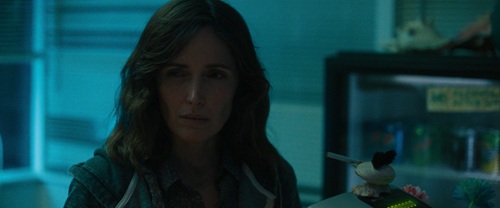
A estreia de Bronstein, Yeast (2008), fazia bom uso da estética mumblecore para mover seu ambiente habitual, bem masculino, e aproximar-se dos elementos mais tóxicos das amizades femininas; este seu segundo longa parte do intenso semirrealismo dos Safdies (o seu marido Ronald é coroterista e montador deles de longa data) para criar um thriller de arte sobre como a maternidade pode ser terrível. Tenho certeza de que será ainda melhor quando todos os seus tiques forem um vestígio de uma época passada de cinema independente americano. Ajuda o que Rose Byrne esteja ótima no filme.

77) More Beautiful (Karoline Herfurth)
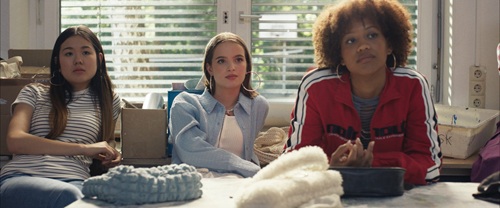
Outro filme sobre ansiedades femininas, apesar de a forma aqui ser de uma comédia populista. As cenas com o elenco jovem são especialmente boas.

76) Super Happy Forever (Kohei Igarashi)
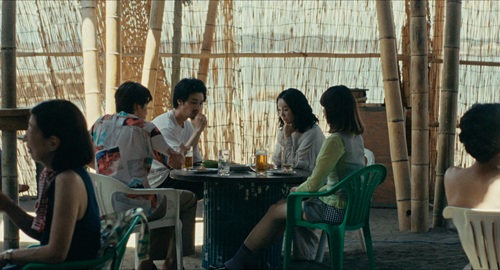
Um filme japonês do Hong Sang-soo sobre encontrar e perder pessoas. Imagens casuais, contrastando com uma estrutura narrativa mais rígida.

75) Operation Hadal (Dante Lam)

Excelente propaganda de recrutamento do exército chinês com excessos de ação e melodrama elevados ao máximo. Um filme de Jerry Bruckheimer dos anos 90 sem as partes ruins. Sai dele pronto para servir o Xi. É preciso admirar a sem vergonhice da indústria chinesa.

74) Kontinental ‘25 (Radu Jude)

Os filmes de conceito do Radu Jude nem sempre me convencem: o seu Drácula me diz nada, por exemplo, mas este “remake” de Europa 51 sobre o fim do pacto da social-democracia europeia tem a dose certa de intimidade e observação para realmente dar força à ideia.

73) Evidence (Lee Anne Schimitt)

Filme ensaio sobre o impacto de think tanks conservadores americanos bem argumentado, mas sobretudo pronto para encontrar como escoar seus argumentos por meio de uma série de processos materiais e cênicos.

72) Dream Team (Lev Kalman, Whitney Horn)

Um pastiche muito bom que tira ótimo proveito da ideia de que os filmes softcore sugerem um filme convencional sem se comprometerem com ela, o que os torna superficies ideais para este tipo de experimento sem orçamento. Ótima atmosfera de descontração; todos os envolvidos provavelmente estão se divertindo mais do que quem está assistindo, o que, paradoxalmente, é parte do que torna o filme tão agradável.

71) Honey, Não!/Honey Don’t (Ethan Coen, Tricia Cooke)

Outro bom pastiche de casais criativos. Honey, Não! é mais sério e triste do que o exercício de gênero que foi vendido e tem bastante dificuldades de fluir narrativamente, mas como uma coleção de observações sobre um espaço urbano opressivo organizados a partir da presença de cena de Margaret Qualley, este filme é mais legal e interessante do que qualquer coisa que os Coen fizeram juntos na última década da parceria.

70) A Gilded Game (Herman Yau)

Um thriller financeiro dirigido por Herman Yau, bastante eficiente e, na maior parte do tempo, agradável. Um filme de gangsters sem tiroteios, mas com muitas pessoas más gritando em frente aos seus computadores. Todas as cenas com Andy Lau (que está lá para nos mostrar que nem todos os capitalistas são totalmente maus, porque só a China se preocupa com isso) são uma delícia, ainda mais se estivermos apenas acompanhando-o, sem enredo.

69) Coração de Lutador/The Smashing Machine (Benny Safdie)

Um filme injustiçado, provavelmente porque é bem desengonçado como drama, mas como um experimento em jogar com o gosto dos Safdies para detalhes documentais como forma de representar o masoquismo esportivo e as múltiplas imagens e desejos relacionados a eles, este é um filme bem mais rico do que recebeu crédito.

67) Megadoc (Mike Figgs) e Stuntman (Albert Leung, Herbert Leung)
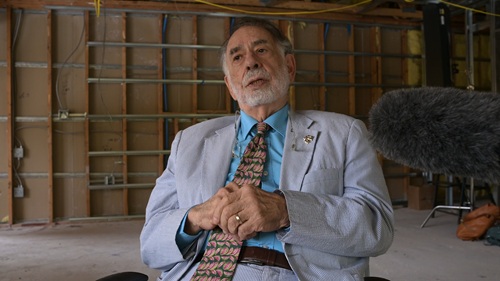
Dois filmes que retratam os limites das formas pessoais ultrapassadas de filmar e como elas entram em conflito com o cinema contemporâneo. O documentário de Figgis sobre o Megalopolis, de Coppola, com seu acesso bem abragente, é um olhar fascinante sobre os jogos de poder envolvidos em um projeto desse tipo, mesmo que seu foco nas filmagens evite cuidadosamente qualquer polêmica em torno dele. A estreia dos Leungs é um melodrama sobre um coreógrafo veterano de Hong Kong que se recusa a se adaptar às atuais preocupações com segurança, é um olhar muito sincero sobre o que resta da indústria cinematográfica da cidade, um tema que, como todos sabem, é muito significativo para mim.

66) Animais Perigosos/Dangerous Animals (Sean Byrne)

Começar agora uma série de filmes de gênero bem desavergonhados. Este deve ser o melhor filme de tubarão desde o Águas Perigosas de 2016, apenas uma boa ideia (reimaginar o clássico Peeping Tom com um psicopata cujo tesão é filmar mulheres comidas por tubarões) muito bem executada. A imagem de Jai Courtney se deliciando ao ver os vídeos que gravou é uma das grandes cenas perturbadoras do ano e a heroína castrando-o ao jogar a câmera na água é uma das mais engraçadas.

65) O Bom Bandido/Roofman (Derek Cianfrance)

Assim como Coração de Lutador, O Bom Bandido é um experimento sobre como usar uma história real. Neste caso, o quão charmoso um astro de cinema (Channing Tatum) precisa ser para fazer com que uma comédia de erros deprimente sobre um fudido que segue tomando decisões erradas seja bem aceita. O público não compareceu, mas é um crédito ao cineasta Cianfrance, a Tatum e à coestrela Kirsten Dunst o quão bem o filme funciona.

64) Relay (David Mackenzie)

Um formalista vazio, fazendo o possível para recriar um sucesso de videolocadora de 1996.

63) Pecadores/Sinners (Ryan Coogler)

Grande desconjuntado e incoerente, mas um prazer de acompanhar pelas suas mais de duas horas. O grande filme populista do ano, candidato a ser subestimado/superestimado de acordo com as preferências de cada um, permita-me ser centrista e colocá-lo no miolo da minha. Melhor em como usa do que como encena horror, mas as presenças de cena e música são ótimas e acho o epílogo bem tocante.

62) Friendship (Andrew DeYoung)

Comédia constrangedora muito boa sobre a ansiedade masculina. Todos fazem maravilhas ao reagir à atuação excessiva e bastante segura do astro Robinson.

61) Behind the Shadows (Jonathan Li, Chou Man-Yu)
Outro thriller voyeurístico, este vindo de Hong Kong e focado em casamento, e como atualizar algumas das partes mais melodramáticas dos filmes de Hitchcock.

60) Depois da Caçada/After the Hunt (Luca Guadagnino)

Sei que este filme é um saco de pancadas desde a sua estreia em Veneza, porque todos gostam de se sentir superiores em relação a filmes de prestígio que nasceram vencidos, mas eu me diverti horrores, e a maior parte da suposta relevancia é jogo de cena para uma deliciosa comédia de costumes sobre pessoas horríveis muito dedicadas às suas próprias formas de dissimulação social. Não sei se é um filme inteligente idiota ou um filme idiota inteligente, e suspeito que Guadagnino também não.

59) Pai Mãe Irmã Irmão/Father Mother Sister Brother (Jim Jamursch)
O melhor filme de Jamursch em 15 anos, uma coleção de contos que se ecoam, cujo maior mérito é como ele termina coeso.

58) O Mundo dos Mortos (Pedro Tavares)

Este filme é algo tão incomum no cinema brasileiro, com uma ambientação mítica e uma teatralidade sóbria que lembra artistas como Oliveira. O Mundo dos Mortos remete a uma tradição cinematográfica, mas sua distância em relação a ela é parte do que o torna cativante. Excelentes close-ups.

57) Life (Zeki Demirkubuz)

Demirkubuz continua sendo um mestre em dramas meticulosamente arquitetados.

56) Alappuzha Gymkhana (Khalid Rahman)

Filme esportivo fraterno sobre universitários indianos lutando boxe. Muito bom em delinear um ambiente e permitir que os sentimentos dos personagens ressoem nele.

55) Prisoner of War (Louis Mandylor)

Como outros já apontaram, uma versão DTV americana  do Merry Christmas, Mr. Lawrence, de Oshima, então Scott Adkins está batendo em alguém a cada poucos minutos. Um de seus melhores veículos recentes, e funciona bem como um filme de ação e prisioneiro de guerra.

54) A Arvore do Conhecimento (Eugene Green)
Um encontro entre o encantamento das imagens de Green e o humor da produtora portuguesa O Som e a Fúria.

53) Ick (Joseph Kahn)
Um filme de monstros sobre paternidade, tensão geracional e, suponho, a pandemia, que se mantém sempre envolvente graças à energia de mau gosto do diretor Kahn e à ótima atuação principal de Brandon Routh.

52) Queens of the Dead (Tina Romero)
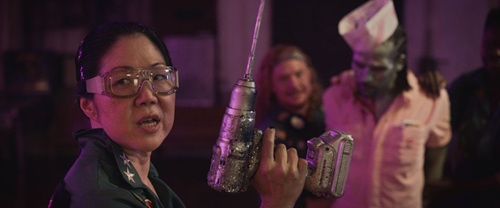
Tina Romero é filha de George, algo que o filme está pronto a constantemente lembrar, e Queens of the Dead é uma versão queer do filme de zumbis apocalípticos que ele fazia. Ótimas personagens e elenco, clima muito agradável, uma delícia que existe bem na contramão do atual cinema de horror.

51) Fuga Fatal/She Rides Shotgun (Nick Rowland)

Filme policial sobre pai e filha em fuga que mantém o ritmo propulsivo e conta com ótimas atuações dos protagonistas. Costumavamos ter muito mais filmes bons como este.

50) A Irmã Mais Nova/La petite dernière (Hefsia Herzi)

Drama muito bem observado sobre negociar a sua sexualidade quando se vem de um ambiente conservador. Gosto sobretudo de como ele existe sempre no limite de ansiedade pessoal, enquanto o entorno da personagem mantém algo relaxado e convidativo, o drama segue interior nos seus temores e desejos.

49) O Agente Secreto (Kleber Mendonça Filho)
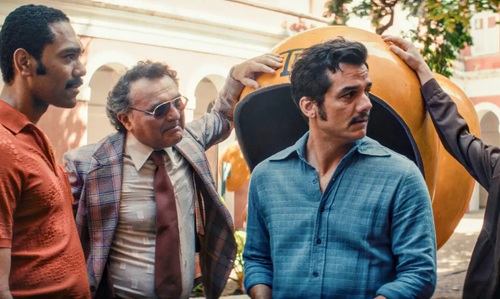
Um paradoxo: um filme que reimagina com precisão as ansiedades dos anos Bolsonaro enquanto nos transporta para o Recife do final dos anos 70. Uma armadilha emocional que muitas vezes é afetuosa e generosa. É um feito em criar um ambiente, físico e emocional, no qual o filme simplesmente desaparece. O cinema como uma forma de viagem no tempo.

48) Little Boy (James Benning)

Urgente se um pouco datado no discurso, mas filtrado com precisão conceitual e meterial de Benning.

47) O Dia de Peter Hujar/Peter Hujar’s Day (Ira Sachs)

Outro exercício de viagem no tempo. Nos anos 70, o fotógrafo Peter Hujar concedeu uma entrevista descrevendo seu dia anterior, que sobrevive apenas em transcrição, e este filme reproduz a conversa com palavras fiéis ao texto, enquanto o cineasta Sachs e seus atores Ben Winshaw e Rebecca Hall tentam imaginar o que está acontecendo fisicamente enquanto essas duas pessoas conversam.

46) Flat Girls (Jirassaya Wongsutin)

A melancolia de crescer. Muito atento aos laços entre as duas adolescentes no que elas compartilham na intimidade e como posicioná-las diante do ambiente social que teima em se intrometer.

45) Uma Batalha Após a Outra/One Battle After the Other (Paul Thomas Anderson)
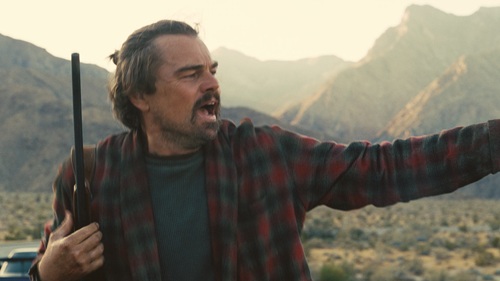
Um ótimo filme de perseguição e um panorama cômico divertidíssimo. Anderson está aproveitando ao máximo os recursos que DiCaprio conseguiu que a Warner lhe oferecesse; como a maioria de seus filmes, é uma bagunça desigual e, sinceramente, foi excessivamente discutido politicamente, mas qualquer filme com essas paisagens, a atuação de Del Toro e DiCaprio desejando saber como pentear o cabelo de sua filha está fazendo as coisas certas.

44) Relâmpagos de Críticas Murmúrios de Metafísicas (Julio Bressane, Rodrigo Lima)
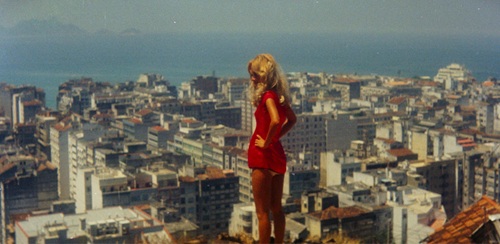
Bressane revisita as origens do seu cinema e o que a montagem ainda permite que ele flua.

43) Batguano Returns – Roben na Estrada (Tavinho Teixeira, Frederico Benevides)
Teixeira retorna ao seu ótimo filme anterior sobre Batman e Robin antropofágicos como Beavis e Butthead tropicalistas para fazer um road movie diarístico sobre suas ansiedades atuais, tão amargo, melancólico, mas ainda assim criativo.

42) Let’s Go Karaoke! (Nobuhiro Yamashita)
Sempre um prazer ver Yamashita em forma, um dos cineastas mais gostosos de se acompanhar, e quem mais faria uma delícia sobre a amizade de um garoto que canta em coro temendo os efeitos da puberdade sobre a sua voz e um yakuza que precisa vencer uma competição de karaokê.

41) Room Temperature (Zac Farley, Dennis Cooper)
Um filme muito bom sobre o que a ficção de horror pode conter e representar. É co-dirigido pelo ótimo romancista queer Dennis Cooper, mas é algo que só pode existir como cinema e oferece um ótimo comentários sobre o estado atual dos filmes de horror, mesmo que não seja exatamente um.

40) Metro.. in Dino (Anurag Basu)

Romance e alienação na grande cidade. Sobre mover as várias personagens num tabuleiro de sentimentos e conectá-las por meio da música. Um dos filmes mais prazerosos de se assistir do ano.

39) Morte e Vida Madalena (Guto Parente)

Fazer cinema independente no Brasil é uma dor e uma alegria.

38) Encontro com o Ditador (Rithy Panh)

Rithy Panh segue fiel a si mesmo e aos seus esforços de escavação da história do Camboja. Dessa vez, através de um filme de ficção sobre uma viagem de jornalistas franceses para entrevistar Pol Pot. Um dos seus melhores filmes.

37) The Shadow’s Edge (Larry Yang)

Provavelmente estou superestimando esse aqui porque ainda estou chocado por existir um filme tão bom estrelado por Jackie Chan no ano de 2025. Comentário acidental sobre o estado estagnado do cinema afiliado a Hong Kong: este é um remake de um filme muito bom de 2007 chamado Eye in the Sky, e Tony Leung Ka Fai interpretou o criminoso brilhante nele, e é claro que ele ainda está interpretando o mesmo papel aos 67 anos.

36) Jenseits des Rechts (Dominik Graf)
Eu amo os programas policiais da TV alemã e como eles permitem aos seus realizadores brincar de filme B, o que é especialmente feliz quando Graf se dedica a eles, já que é um dos melhores contadores de história do mundo.

35) Swimming in a Sand Pool (Nobuhiro Yamashita)
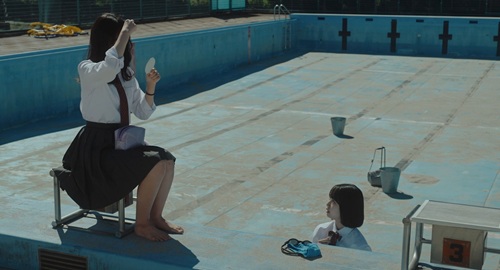
Outro filme recente de Yamashita, este baseado em uma peça teatral sobre um grupo de colegiais que conversam sobre os problemas delas enquanto limpam uma piscina cheia de areia, e pega sua situação e imagem central altamente simbólicos e cria algo muito gracioso a partir disso.

34) Com Hasan em Gaza (Kamal Aljafari)

Do gesto de localizar o peso, político e pessoal, das imagens casuais guardadas.

33) Retro (Karthik Subbaraj)

O melhor filme de ação indiano deste ano. Só eles poderiam unir Chaplin e John Wick. Um belo fluxo de imagens intensas e muito sentidas.

32) Youth (Homecoming) (Wang Bing)

A primeira parte da trilogia que Wang Bing dedicou ao cotidiano de jovens trabalhadores da indústria chinesa estava na minha lista de dois anos atrás, é no fundo um grande projeto só de cerca de nove horas. Esta parte final é como um epílogo, seguindo suas personagens em casa e no lazer, longe do trampo, mas ainda afetado por ele.

31) Apenas Coisas Boas (Daniel Nolasco)

Melodrama de faroeste queer sobre como deslocar seus desejos e sentimentos para as paisagens de Goiás. Tão bom quanto aquele faroeste do Almodóvar de uns anos atrás era tolo.

30) O Esquema Fenicio/The Phoenician Scheme (Wes Anderson)

Wes Anderson reimaginando o Mr Arkadin como uma farsa política contemporânea. Dos filmes caros vindos de Hollywood este ano é certamente o mais incisivo.

29) The Sixth Robber (Chris Huo)

O melhor dos thrillers policiais de Huo, o primeiro a combinar a excelência das suas cenas de ação com a intensidade do drama.

28) Garça Azul/Blue Heron (Sophy Romvari)

Conheço Romvari online há anos e gosto dos seus curtas-metragens, que ocasionalmente abordam o mesmo território pessoal. Dada a natureza muito emocional e autobiográfica de Garça Azul, não sou necessariamente objetivo em relação ao filme, mas filmes como este não são muito objetivos de qualquer forma. As pessoas comparam Garça Azul a Aftersun, pois são filmes semelhantes sobre dramas familiares conturbados observados por uma menina que só compreende parcialmente a situação, mas este me parece mais ambicioso e bem-sucedido, e há uma cena perto do final em que Romvari quebra a quarta parede de vez, que ainda me deixa emocionado.

27) The Colors Within (Naoko Yamada)

Música e animação que estão prontas para encontrar boas maneiras de dar aos sentimentos de seus jovens personagens um espaço ressonante. A ideia central é uma boa maneira de representar o que somente a animação pode dar conta e, como sempre, Yamada é um dos cineastas mais calorosas que temos.

26) Foi Apenas um Acidente (Jafar Panahi)

A Morte e a Donzela do Polanski como uma grande farsa. Meu filme favorito do Panahi é Ouro Carmim e este é provavelmente o filme dele que mais se aproxima desde então. É mecânico e didático, mas seu humor amargo e desesperado funciona e o drama permanece sempre envolvente.

25) La tour de glace (Lucile Hadžihalilović)
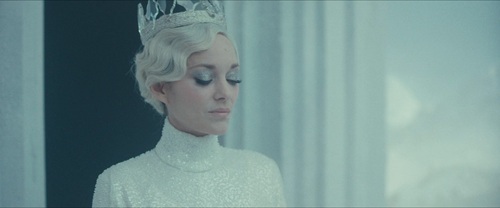
Lembro-me que La tour de glace recebeu críticas bem mornas quando foi exibido em Berlim no início deste ano, por isso é bom vê-lo aparecer em muitas listas de fim de ano. É sempre uma coisa boa quando um filme legal passa por todo o processo de reabilitação tão rápido. Nossa economia da atenção pode ser cruel, e Hadžihalilović é uma artista cujas idiossincrasias podem estar longe dela, por mais belas que sejam suas imagens. Este filme usa uma fábula para catalogar todas as maneiras pelas quais o cinema pode seduzir e massacrar você.

24) Fire Supply (Lucia Seles)

Falando em idiossincrasias, há poucos cinemas tão peculiares quanto esses filmes de Sales. Tão deliberadamente construídos nas suas ficções de ritmos próprios, a montagem de Fire Supply é um primor, assim como cada locação na qual suas personagens se refugiam. Um cinema artificial e ao mesmo tempo muito convidativo e íntimo, quase caseiro.

23) Air (Aleksei German Jr)

Um épico de guerra russo sobre pilotos mulheres no fronte de Leningrado. Trata-se de um espetáculo arrebatador, à moda antiga, realizado em grande escala. Atrizes fantásticas e ótimas cenas de ação com aviões. É muito empolgante, sem nunca deixar de lado morte que paira sobre toda a ação. A guerra é uma dura negociação com a morte, em que os Estados ganham e as pessoas perdem.

22) Kickflip (Lucca Filippin)

Jovens skatistas do interior de São Paulo. Imagens que são descartáveis e poderiam estar em qualquer mídia social, mas às quais o filme de Fillipin preenche de possibilidade. Um filme sem nenhuma distância entre o aparato cinematográfico e as suas personagens, muito vital porque reconhece ali toda uma potência de gesto e carga dramática sem distanciar as imagens da rotina deles.

21) Youth (Hard Times) (Wang Bing)

A parte intermediária do grande projeto de Wang Bing. A mais incisiva e indignada. Se Youth parece tão ambicioso quanto sua obra-prima anterior, West of the Tracks, e não me surpreenderia se, daqui a algumas décadas, fosse considerado um filme chinês fundamental da década de 2020, assim como aquele foi para a de 2000, este capítulo será o motivo. É didático, mas cheio de vida, e o uso do fora de cena continua sendo primoroso.

20) Kasa Branca (Luciano Vidigal)

O melhor e mais bonito filme brasileiro que vi este ano. Tão ligado no cotidiano dos seus jovens cariocas, tão bem observado e vivaz. O naturalismo do cinema independente brasileiro é, por vezes, uma muleta limitadora, mas Kasa Branca o areja e coloca-o em contato com o grande cinema de crônica do Rio de Janeiro, de Nelson Pereira e David Neves, e é tão bom ver algo assim novamente por aqui.

19) Mirrors No. 3 (Christian Petzold)
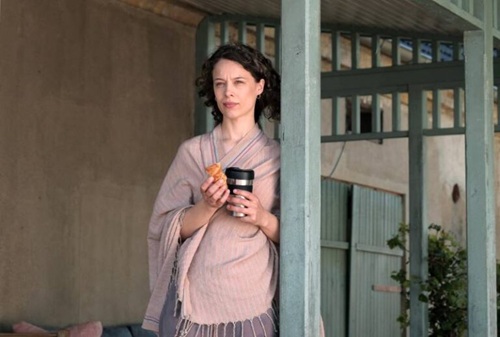
Um para o autorismo: Petzold faz uma variação cuidadosa de muitos de seus temas e tiques formais prediletos com sua habilidade costumeira. É familiar, mas preciso. O trabalho de Petzold com os atores continua excelente. Acho que ouvi The Night, do Four Seasons, umas 50 vezes nos últimos dois meses.

18) Evil Puddle (Charles Roxburgh)

Há algo nas possibilidades do cinema caseiro que Roxburgh e seu parceiro de sempre, Matt Farley, realizam: é um filme com o conceito absurdo, a cidade atacada por poças de água assombradas, que termina sendo um dos poucos retratos úteis de comunidades pós-pandemia e como elas negociam suas ânsias individualistas. Que seja tudo tão afetuoso faz as partes ácidas funcionarem melhor.  É parte Stephen King, parte Shyamalan, e oferece a Farley uma das melhores variantes para sua persona.

17) Luta de Classes/Highest 2 Lowest (Spike Lee)

O remake de Spike Lee da obra-prima de Kurosawa, Céu e Inferno, é um dos mais divisivos do ano, em grande parte devido à questão de um autor conhecido refilmar outro, o que, sinceramente, me deixa entediado. O que me interessa é o que Lee faz com a premissa, uma interpretação altamente pessoal que o transforma em uma fantasia paranóica muito conservadora sobre dois artistas negros de cinema muito bem-sucedidos, Lee e o astro Denzel Washington, e seus medos sobre sua própria relevância e como um mundo em que não se sentem tão à vontade os vê. A grande cena da entrega do dinheiro no meio do filme é maravilhosa e cheia de vida; todo o resto é opressivo, mas cada vez mais estranho e torturante. Lee continua muito relevante porque parece tão perdido em sua bolha.

16) Ariel (Lois Patiño)

Originalmente, Patiño ia realizar este filme com Matias Piñeiro e ele permanece bem próximo dos filmes deste com seu uso contemporâneo do texto de Shakespeare, no caso, A Tempestade. Em Ariel, o achado é posicionar a ação em Portugal, esta terra sempre pronta para transmitir todo um peso histórico assombrado, com os Açores filmados muitíssimo bem, que acrescenta ainda uma nova camada tanto para o cinema de Patiño quanto para o de Piñeiro.

15) Escape (Masao Adachi)

Adachi é o único cineasta importante que sacrificou anos de sua vida para se dedicar a ações políticas clandestinas e radicais. Desde seu retorno ao cinema com Prisoner/Terrorist, em 2007, ele vem produzindo representações minimalistas e desprovidas de orçamento da resistência radical japonesa. Desta vez, ele apresenta uma homenagem a Kirishima Satoshi, um homem que passou a maior parte de sua vida como fugitivo na lista dos mais procurados pelo governo japonês, até aparecer em um hospital prestes a morrer e revelar ao mundo quem ele era. Adachi pouco se importa com o panorama atual do cinema, mas preocupa-se com pessoas como Saroshi e o que vidas como a dele significam. Ele tem 86 anos e é talvez o nosso cineasta mais livre.

14) Sete Caminhadas com Mark Brown/Sept promenades avec Mark Brown (Pierre Creton, Vincent Barré)
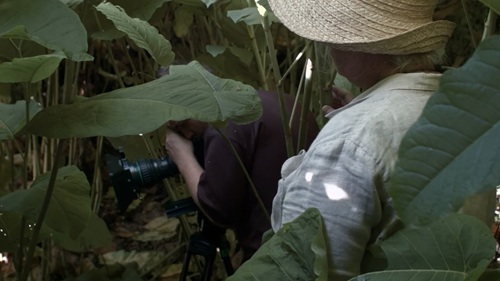
Por falar em filmes livres, este poderia usar o título do filme de Hong, O Que a Natureza Te Conta. É um filme vibrante sobre a nossa relação com o ambiente em que nos rodeia.

13) Fuck the Polis (Rita Azevedo Gomes)
Outro filme de contato radical com o mundo. Este registra uma viagem de Gomes à Grécia, múltiplos tempos e ressonâncias históricas, todo um peso de um mundo que traz tanta coisa consigo, filtrada aqui pela simplicidade com que Azevedo Gomes filma os mais casuais momentos. Há muita beleza, mas também muita violência em como este olhar de cinema faz uma mediação de todas essas relações.

11) Broken Rage (Takeshi Kitano) e Where to Land (Hal Hartley)

Como de costume, há muitos filmes de cineastas veteranos nesta lista. Os artistas mais velhos costumam trazer consigo muita história e conexões que me interessam, e eles francamente se importam muito pouco com os modismos atuais, o que é sempre uma vantagem. Detesto quando as pessoas usam termos como “estilo tardio” para tentar explicá-los, porque isso não é muito produtivo. Prefiro admitir que posso ser fiel e sentimental e que há algo de radical em muitos desses gestos artísticos de fim de carreira. Aqui estão dois bons estudos de caso, ambos espécie de testamentos cinematográficos: Kitano, 78, é uma produção quase invisivel da Amazon, e Hartley, 66, foi feito com muito pouco dinheiro, através de financiamento pela internet. O mestre japonês é uma grande celebridade local que continua se safando com filmes excêntricos, enquanto o americano pode ser único entre sua geração por não ter tentado seriamente se envolver com o mainstream. São filmes muito engraçados e generosos; eles também não fazem absolutamente nenhum sentido se você não conhece o trabalho dos artistas. Kitano oferece uma série de variações sobre sua persona na tela, um filme de uma hora que repete seu enredo básico duas vezes com variações tonais, tão opressivo em suas conotações quanto alegre em sua execução. O filme de Hartley, que é literalmente sobre a confecção do testamento de um cineasta (embora seu avatar na tela seja um célebre autor de comédias românticas, o que é engraçado e perspicaz), é tão tomado pelo que pode transmitir, pelo que vem antes e pelas possibilidades de um futuro. Será que considero este o melhor filme de Hartley em mais de 30 anos porque parece tão final? Provavelmente, pelo menos até certo ponto, a sensação de um mundo a acabar, a urgência, mas também o prazer que isso traz, são grande parte do seu encanto. Há muita finitude em ambos os filmes, mas também uma abertura que é igualmente confrontadora.

10) Bad Girl (Varsha Bharath)

No extremo oposto, um longa de estreia tão tomado de possibilidade e energia, tão dedicado a representar a vida e os anseios de uma jovem indiana. Gosto do frescor do filme, gosto de que ele permanece tão ágil e tão pouco interessado em alguma austeridade, ao mesmo tempo que só por estar ali tão franco e direto, ele soe com um gesto radical e assertivo.

9) The Bewilderment of Chile (Lucia Seles)
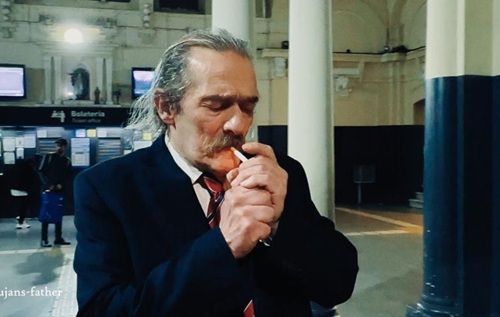
Um dos cinemas mais divertidos e aconchegantes que existem. Limita-se a reunir coisas que são importantes para seus realizadores, mantendo-se ao mesmo tempo tão ligado à cidade e aos seus espaços públicos, às formas de os amar e de neles viver. É muito engraçado e, tal como os outros trabalhos de Seles, tão convidativo e caloroso, e a edição é um ato impressionante de manter tantas situações, personagens e ideias num equilíbrio coerente.

8) Castration Movie Anthology i. Traps (Louise Weard)
O filme de Weard é a primeira parte de um projeto ambicioso, filmando atualmente a terceira, de tentar dar conta das formas mais diversas de vivências trans. São quatro horas e meia de pouquíssima modulação, capturando mais situações, personagens e sentimentos contraditórios. É muito muito filme, feito com completa despreocupação e ao mesmo tempo sempre intoxicado pelas experiências na tela, sempre muito tocante à sua maneira, sem meios tons.  

7) Deserto da Namibia (Yoko Yamanaka)

Uma jovem japonesa bipolar e os dois homens entre os quais ela oscila. Esses são pontos de referência fáceis que importam e não importam, assim como qualquer uma das maneiras pelas quais se poderia descrever as ações da personagem principal: egoísta, violenta, fora de controle. As palavras e os julgamentos de valor que as acompanham não fazem jus ao desejo da diretora Yamanaka de apenas deixá-la existir. Um gesto tão generoso e tão intransigente. E na atriz Yuumi Kawai, ela encontra sua cúmplice ideal, realmente uma das performances mais impressionantes dos últimos anos, quase tão boa quanto Gena Rowlands no auge.

6) O Que A Natureza Te Conta (Hong Sang-soo)

A natureza opressiva da casa da família, a distância generalizada entre o namorado e os pais dela, tudo observado com um cuidado tão cáustico. E depois aquela maravilhosa cena da embriaguez, em que a comédia de costumes entra em colapso.

5) Ontem a Noite Conquistei Tebas/Anoche conquisté Tebas (Gabriel Azorín)
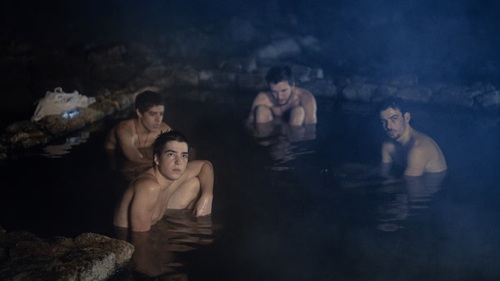
Jovens na sauna, perdidos numa imagem mítica. Todo um passado histórico, as incertezas do futuro e a presença do presente. As batalhas que se foram e virão num momento suspenso. Filme muito bonito, que cria todo um mundo a partir daqueles rapazes seminus tomando um banho e falando.

4) The Mastermind (Kelly Reichardt)

Dois movimentos, o roubo e a fuga. Múltiplos significados que são claros e obscuros. Um filme muito hábil em jogar as suas partes uma contra a outra e em explorar a presença de cena de Josh O’Connor. O título é e não é uma piada, o assalto é o desastre previsível sob sua suposta esperteza, mas O’Connor se considera claramente acima de seu meio criminoso, um cara que quer ser o chefe sem o incômodo e a monotonia do cargo de escritório que as conexões de seu pai provavelmente poderiam lhe proporcionar. O filme paira na cena tardia com o amigo da faculdade que lhe oferece uma salvação com um lugar em uma comuna canadense que ele tem que recusar porque “não é o meio dele”. Mesmo diante da marginalização literal, ainda há a necessidade de abraçar uma autoimagem imaginária. Uma miragem que o filme desnuda até o incrível plano final.

3) She Taught Me Serendipity (Akiko Ohku)
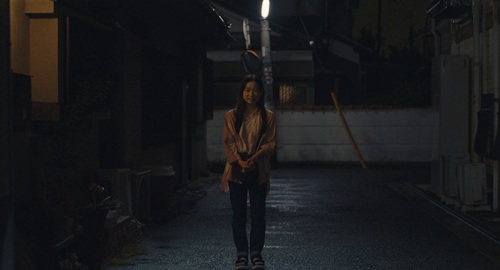
Provavelmente não há melhor momento em um filme este ano do que a confissão de amor que surge ali no meio, tão crua e vulnerável, e que se prolonga sem fim. Um filme tão bonito sobre como percebemos o mundo e como permitimos, ou não, que as pessoas ao nosso redor façam parte dele. Tão esperançoso e otimista, mas ao mesmo tempo tão doloroso e dificilmente conquistado. Uma educação  na forma de uma simples e escorregadia comédia romântica jovem.

2) Folha Seca (Alexandre Koberidze)

Dos prazeres da fabulação. Um homem sai pelas estradas da Geórgia à procura da filha desaparecida, em companhia do amigo imaginário, por um tour pelos campos de futebol amador que ela visitou. O cinema sempre voltando a Rastros de Ódio, aqui abençoado pelo futebol brasileiro. Koberidze ama futebol porque é um palco mítico no qual pode-se tudo.  Faz um filme idem, onde seguem-se catalogando novos encontros, um borrão (as imagens foram rodadas em baixíssima resolução) cheio de verdes dos campos, das crianças, animais, os rostos velhos que passam pela tela.

1) Blue Moon (Richard Linklater)

Folha Seca é o que mais olha adiante, mas, se eu for sincero comigo mesmo, essa peça de câmara toda sobre olhar para trás, para um mundo no crepúsculo, perto do fim é o meu favorito. Um filme com uma finalidade impressionante sobre todas as coisas que os dias pré-Segunda Guerra Mundial traziam de esperança perto do fim. Se passa quase em tempo real e em um único cenário, e é tão bem controlado por Linklater no seu balanço de emoções contraditórias. Um funeral bêbado e bonito.

❌