In this bonus episode David answers some of your questions about our series on the great political essays and essayists, from Montaigne to Joan Didion. Can great political thinkers also be committed members of political parties? Which of these writers would make a good prime minister? And where are the great essays being written today? With PPF producer Ben Walker posing the questions.
No episódio 84, o Pauta Pública repercutiu a sequência de chacinas e operações policiais com alto grau de letalidade entre o final de julho e o começo de agosto. Novas informações foram chegando, uma delas apresentada na reportagem de José Cícero, disponível no site da Agência Pública, que mostra a declaração de óbito de Vinicius de Souza Silva, um jovem morto na Operação Escudo, na baixada santista. O documento coloca em cheque a versão da polícia e pode indicar execução. Enquanto isso, no Guarujá, o encanador Willians dos Santos Santana foi morto por policiais dentro do barraco em que morava, com diversas marcas de tortura, inclusive unhas arrancadas, tática que remete à ditadura militar.
Tamanha violência intensifica o debate sobre o papel histórico das forças de segurança no Brasil, mas para além desses casos, existem as questões problemáticas do avanço da polícia atuando como uma força autônoma, e do aumento do número de policiais militares ingressando na carreira política.
Hoje o Pauta traz uma conversa com o Mestre em Direito Almir Felitte sobre a origem e os caminhos que levaram as forças de segurança no Brasil a chegarem a esse ponto crítico, e sobre o que está em jogo quando as polícias no Brasil parecem cada vez menos subordinadas e controladas e cada vez mais politizadas.
Almir atua academicamente em temas como a sociologia do direito, instituições policiais, direitos humanos e militarismo, e pela editora Autonomia Literária ele lançou neste ano de 2023 o livro A História da polícia no Brasil: Estado de exceção permamente? - que tenta compilar e contextualizar a história das polícias no país analisando desde as polícias garantidoras dos interesses escravagistas, até os tempos atuais, com a problemática da guerra às drogas e o superencarceramento.
====PARCERIA RÁDIO GUARDA CHUVA Conheça o Dissidentes.
Quem faz o Pauta:
● Apresentação: Andrea Dip e Clarissa Levy|| ● Produção: Ricardo Terto || ● Pauta e Entrevista: Andrea Dip e Clarissa Levy || ● Roteiro, Edição e Mixagem Final: Ricardo Terto || ● Identidade visual: Cíntia Funchal || ● Artes: Tayná Gonçalves ● Coordenação de Redes Sociais: Ravi Spreizner || ● Chamadas e teasers: Breno Andreata || ● Trilha original composta por Pedro Vituri
contato: podcasts@apublica.org
Saiba que você pode ser aliado da Agência Pública e colaborar com esse trabalho. Saiba mais em apoie.apublica.orgou faça um pix de qualquer valor para contato@apublica.org. Contamos com seu apoio!
A livraria Lello, no Porto, foi eleita a mais bonita do mundo pelos usuários da plataforma One Thousand Libraries, maior comunidade virtual de fãs dos espaços de venda e consulta de livros.
Leia mais (08/31/2023 - 19h47)
This week, Nicola Shulman introduces the volunteer army who joined James Murray to create the OED; and John Niven on his extraordinary memoir of his brother's life.
'The Dictionary People: The unsung heroes who created the Oxford
For the last episode in our summer season on the great twentieth-century essays and essayists, David discusses Joan Didion's 'The White Album' (1979), her haunting, impressionistic account of the fracturing of America in the late 1960s. From Jim Morrison to the Manson murders, Didion offers a series of snapshots of a society coming apart in ways no one seemed to understand. But what was true, what was imagined, and where did the real sickness lie?
'The thing that California taught her to fear most was snakes, especially rattlesnakes...This gets close to Didion's core anxiety: watching for something that could be anywhere, was easily overlooked, could kill you or a child playing in the garden – just like that.'
'Reassurance is something Didion doesn't need. She is talking to herself, weighing up the past, going over old stories, keeping herself company. Staging herself.'
'The Californian emptiness arrives and Miss Didion attempts to evolve a style, or manner, to answer to it. Here comes divorces, breakdowns, suicide bids, spliced-up paragraphs, 40-word chapters and italicised wedges of prose that used to be called "fractured".'
'To revisit Slouching Towards Bethlehem or The White Album is to read an old up-to-the-minute relevance renewed. Inside these essays the coming revolution feels neither terrifying nor exhilarating but familiar – if you are a reader of Joan Didion, you have been studying it all your life.'
"Noites Brancas", o clássico de Dostoiévski, foi a obra escolhida para ser lida e discutida no Clube do Livro Bula de agosto de 2023. Uma dos mais belos trabalhos do mestre russo, é uma história romântica sobre sonhos, espera e esperança.
O encontro do Clube do Livro vai ocorrer dia 31 de agosto, última quinta-feira do mês, 19h30, via link do Meet, totalmente gratuito, disponibilizado para os interessados nas redes sociais da Revista e em nosso grupo de WhatsApp, do qual você pode fazer parte clicando no link na descrição.
Qualquer dúvida, vide Bula.
_________________________________
Tv Bula
Se inscreva!
https://www.youtube.com/c/RevistaBulaTV
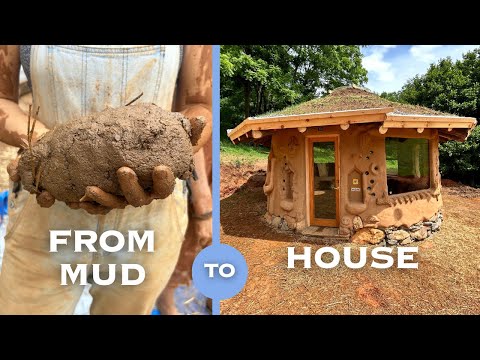
In this tutorial series we will be learning step-by-step how to build a cob house from the foundation to the roof. Cob is a mixture of clay, sand, and straw that is hand-sculpted into elegant, strong, sustainable, and affordable structures.
In this episode we cover a basic overview of the building processes and also take a walkthrough of the building with the instructors.
Learning to build with local natural materials is one of the most rewarding activities you can participate in. Natural building encourages community building, allows us to reconnect to nature, creates a rewarding symbiotic relationship with our environment, encourages creative expression, and is overall a healing experience.
If you are interested in learning more about natural building or taking a future natural building workshop be sure to follow us on Instagram @naturalbuildings to keep up to date with our ongoing offerings and projects.
This cob workshop was taught by CruzinCobGlobal, an organization that hosts cob workshops all over the world.
Timeline:
0:00 - Introduction
0:54 - Meeting the Instructors
3:22 - Explanation of Cob
4:59 - Building Design
7:00 - The Foundation
8:30 - Building Cob Walls
10:23 - A Look Inside
11:44 - Pouring an Earthen Floor
13:10 - Sculpting & Artistic Expression
14:09 - Clay Plaster
14:47 - The Reciprocal Living Roof
17:03 - Reflection
Ellen Bauer and Birgit Pauli-Haack discuss WordPress 6.4 and Gutenberg 16.4 and 16.5 and proposed wp-admin changes. Show Notes / Transcript Show Notes Ellen Bauer, co-founder Elma Studio WordPress 6.4 and more Gutenberg Phase 3: Collaboration & Workflow Admin Design Kickoff Transcript Birgit Pauli-Haack: Hello and welcome to our 88th episode of the Gutenberg Changelog […]
"Não há nada escondido que não venha a ser descoberto". Esses versos bíblicos são a inspiração para a operação Lucas 12:2 feita pela polícia federal que investiga um suposto esquema de venda ilegal de joias a mando do ex-presidente da República, Jair Bolsonaro.
Mas essas descobertas e outras que vierem por aí começaram a surgir a partir de uma série de reportagens investigativas feita por dois jornalistas, Adriana Fernandes e André Borges, convidados do novo episódio do Pauta Pública. No programa, contam bastidores e comentam a repercussão do que foi descoberto desde a primeira publicação.
A primeira reportagem da dupla, lançada em março deste ano no Estadão, conta como o governo Bolsonaro tentou trazer ilegalmente para o país um kit de joias, com um colar de diamantes, dado pela Arábia Saudita, estimado no valor de 16,5 milhões de reais.
As joias estavam na mochila do Ministro de Minas e Energia, Bento Albuquerque, e foram confiscadas porque, pela lei, qualquer bem que entre no Brasil cujo valor seja maior do que mil dólares deve ser declarado ao fisco. Essa revelação foi a ponta – banhada a ouro – desse iceberg que ainda ninguém sabe a profundidade.
Não esqueça de seguir e curtir o Pauta Pública nas plataformas de áudio.
O Afluente, podcast do jornalista Bruno Tadeu que conta histórias da Amazônia e a partir dela, tem como tema do seu episódio 31" O Daime e o último Igarapé". O Igarapé Água Branca é tido como o último igarapé urbano limpo de Manaus. Além do trabalho para preservá-lo, o jornalista Jo Farrah volta às origens para explicar a influência espiritual do ayahuasca, através da congregação no Santo Daime, como força motriz para o despertar de uma consciência ambiental. Neste episódio, o Afluente mergulha na descrição da prática religiosa e do delírio e devaneio proporcionados pelo chá de origem ameríndia, na perspectiva do pesquisador amazonense Janderson Brito. Se interessou? coloca o Afluente pra tocar depois do Pauta.
Quem faz o Pauta:
● Apresentação: Andrea Dip e Clarissa Levy|| ● Produção: Ricardo Terto || ● Assistência de produção e pesquisa: Caio Cesar || ● Pauta e Entrevista: Andrea Dip e Clarissa Levy || ● Roteiro, Edição e Mixagem Final: Ricardo Terto || ● Identidade visual: Cíntia Funchal || ● Artes: Tayná Gonçalves ● Coordenação de Redes Sociais: Ravi Spreizner || ● Chamadas e teasers: Breno Andreata || ● Trilha original composta por Pedro Vituri
contato: podcasts@apublica.org
Saiba que você pode ser aliado da Agência Pública e colaborar com esse trabalho. Saiba mais em apoie.apublica.orgou faça um pix de qualquer valor para contato@apublica.org. Contamos com seu apoio!
Autores de livros sobre o STF voltados para o grande público, Diego Werneck Arguelhes e Conrado Hübner Mendes discutem o funcionamento, os limites e a importância da Suprema Corte brasileira e do Judiciário para a consolidação da democracia e da justiça social no país. Apoie o 451 MHz: https://bit.ly/Assine451
Na efervescente cena do rap nacional, em que vozes clamam por representatividade, surge uma artista cuja trajetória é marcada por sua autenticidade e trânsito entre territórios e diferentes ritmos. Souto MC, com uma década de caminhada, não apenas domina as rimas e batidas, mas também tece sua identidade pessoal e ancestralidade indígena em cada verso. Aos 28 anos, sua jornada artística é uma mescla de influências, resgate cultural e um chamado à mudança social.
Leia mais (08/24/2023 - 19h40)
This week, Adam Mars-Jones on the "fractal brocade" of his semi-infinite novel series; and Amber Massie-Blomfield revisits Susan Sontag's production of Waiting for Godot in Sarajevo, thirty years on.
This episode in our history of the great essays and great essayists is about Susan Sontag’s ‘Against Interpretation’ (1963). What was interpretation and why was Sontag so against it? David explores how an argument about art, criticism and the avant-garde can be applied to contemporary politics and can even explain the monstrous appeal of Donald Trump.
‘The upside of Sontag’s downside was that her ire was generated by the same power supply that electrified her battle for principles that others only espoused.’
‘Paris let her say no to an academic life, but not to a life of ideas. The best thinking was done in cafes, or in bed, or at the movies, not in libraries.’
Hace más de un año le hice por primera vez la pregunta a la primera entrevistada del ciclo de entrevistas “Panchilata” y desde ahí más de 30 personas la respondieron. A veces cuesta responderla, porque nos limitamos a soñar por todos los problemas que tenemos (como dije en el video, muchos económicos y políticos), pero lo que necesitamos es gente que se anime a responderla y a arremangarse las mangas en pos de ese sueño.
O mercado de trabalho mundial já está sofrendo com processos de automação impulsionados por inteligência artificial. Neste episódio, investigamos os impactos da tecnologia no mercado de trabalho e falamos sobre os reflexos disso na sociedade como um tudo.
Beijo: demonstração de afeto, efusividade, conexão entre duas (ou mais) pessoas. Também aplicável a si mesmo/a/is (ex: beijinho no ombro). Gesto (esperemos, não?) realizado de mútuo acordo. "Depois do que aconteceu, ele nos chamou de idiotas. O que ele fez deve ser condenado. Este homem não pode durar mais um minuto no cargo. Se não renunciar, Pedro Sánchez deverá intervir"
Leia mais (08/22/2023 - 06h42)
Uma das principais apostas do governo de Portugal para tentar combater a crise habitacional no país, o pacote de medidas batizado como Mais Habitação foi vetado pelo presidente luso, Marcelo Rebelo de Sousa.
Leia mais (08/21/2023 - 18h45)
É uma manhã de verão infernal na portinha do Mediterrâneo espanhol e todos suamos em bicas, sem ventilador que nos salve.
Leia mais (08/18/2023 - 15h28)

 Login
Login