Login
Login
Proceso real de construcción 👷🏻♂️



“Nosso passado mais próximo é o passado mais escondido”, disse o arqueólogo Lautaro Núnez a Patricio Guzmán. Pode-se dizer que está nesta sentença um resumo — um duro resumo — do documentário Nostalgia da Luz, de 2010, de Guzmán.
É a sentença mais dura e definidora do documentário porque é um cotejo entre as três buscas concomitantes que acontecem no imenso deserto do Atacama, no norte do Chile: a da Astronomia, que se debruça sobre bilhões de anos atrás, a da Arqueologia, sobre milhões e milhares de anos atrás, e a busca pelos desaparecidos do golpe e da ditadura de Augusto Pinochet.
Esta última, a mais difícil de todas.
Até hoje, mulheres vasculham o Atacama atrás de vestígios das ossadas dos seus. Delas, muitos chilenos querem distância. Por isso, elas se sentem “a lepra do Chile”. Repetindo: a busca mais difícil de todas; “nosso passado mais próximo é o passado mais escondido”.
Sobrevivente da prisão de Chacabuco — a prisão da ditadura de Pinochet no Atacama — o arquiteto Miguel Lawner assombrou os genocidas quando foi capaz de desenhar em detalhes, tintim por tintim, medida por medida, as instalações do campo de concentração, após ser finalmente libertado.
“Miguel e sua esposa são para mim como uma metáfora do Chile — diz Guzmán. Miguel é a memória, enquanto ela é o esquecimento, porque sofre do Mal de Alzheimer”.
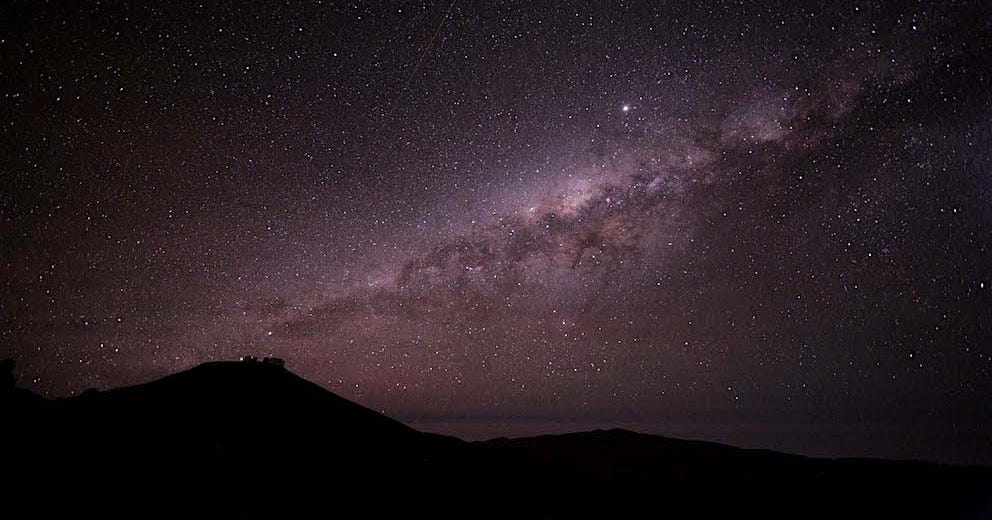
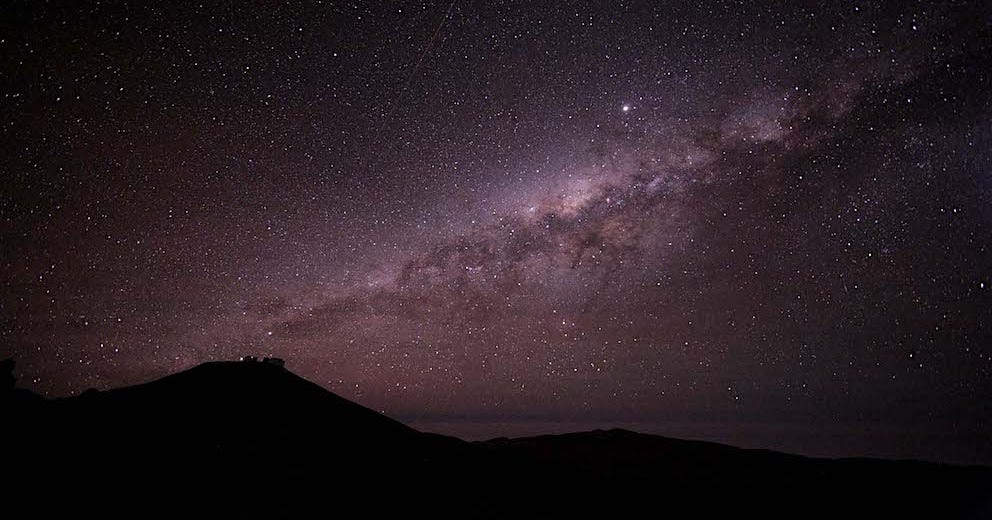
“Estou convencido — segue Guzmán — de que a memória tem a força da gravidade. Sempre nos atrai. Os que têm memória são capazes de viver no frágil tempo presente. Os que não a tem, não vivem em lugar nenhum. Todas as noites, lentamente, impassível, o centro da galáxia passa por cima de Santiago”.
Eram quase 10 da noite quando o piloto informou: “vamos atravessar a cordilheira”, e virou o avião, lentamente, rumo a Santiago. Na manobra, os Andes surgiram à esquerda, impassíveis também. Surgiram também as primeiras estrelas, tardias a 30 mil pés.
Em minha primeira vez atravessando a cordilheira, tardiamente, dois anos atrás, pensei imediatamente na força da gravidade e que em todas as noites o centro da galáxia passa por cima de Santiago, onde daqui a poucos dias, no próximo 11 de março, toma posse como presidente do Chile o pinochetista José Antonio Kast, eleito em dezembro, no frágil tempo presente, pelo Partido Republicano do Chile e por sete milhões de chilenos que não vivem em lugar nenhum.
Nostalgia da luz? Saudade das trevas.
Todas as noites o centro da Galáxia passa por cima de Santiago do Chile. E por cima de Havana e de Caracas, do que restou de Jabalia, Khan Younis e da Cidade de Gaza e do que vai restar de Úrmia, Qom e Teerã, até não restar mais lugar nenhum.
As February draws to a close, we’re taking a listen back at some of the conversations we’ve had over the past month on The TLS Podcast.
We listen back to Nick Enfield exploring the benefits of playing games, Mary Hitchman on the history of humanity's fascination with the moon, Peter Filkins, winner of the inaugural Freudenheim Translation Prize, joins us with chair of the judges Boyd Tonkin and Darra Goldstein on the hidden properties of kimchi and sourdough.
Produced by Charlotte Pardy
Hosted on Acast. See acast.com/privacy for more information.
In today’s episode David talks to Luke Kemp, author of Goliath’s Curse, about the strengths and weaknesses of modern states and modern structures of authority. Are modern states any different from the criminal enterprises of coercion that preceded them? Does democracy change the dynamic of societal collapse? What are the lootable resources of the modern age? And why are all states essentially empires?
Tickets are on sale now for our new film season at the Regent Street Cinema in London – starting on 19th March with James Marriott talking to David about Whit Stillman’s Metropolitan. Details of all our film events are here https://www.ppfideas.com/events
Join us on 11th March for a joint LRB/PPF event: The Slow Death of Democracy, with Lyse Doucet, Christopher Clark and Thant Myint-U. Tickets are available now https://www.tickettailor.com/events/londonreviewofbooks/2062789
You can find out everything you need to know about this podcast – who we are, what we do, plus merch, events and full lists of our episodes and PPF+ bonus episodes on our website https://www.ppfideas.com
Luke Kemp’s Goliath’s Curse: The History and Future of Societal Collapse is available now https://bit.ly/4aFczds
Next Time: Societal Collapse – The Present Day
Learn more about your ad choices. Visit podcastchoices.com/adchoices
Breaches at data brokers have cost American consumers more than $20 billion, Congress’s Joint Economic Committee revealed Friday as part of an investigation triggered by The Markup and CalMatters.
The estimated losses stem from identity theft linked to just four recent data breaches involving major brokers, the committee said in a report.
Released by the committee’s Democratic minority, the document repeatedly cited reporting into data brokers from The Markup and CalMatters, done in collaboration with WIRED.
The committee followed up directly on the Markup and CalMatters’ reporting, which in August showed how data brokers were hiding from search engines legally-mandated pages where Californians can request that the brokers delete or stop selling their data.
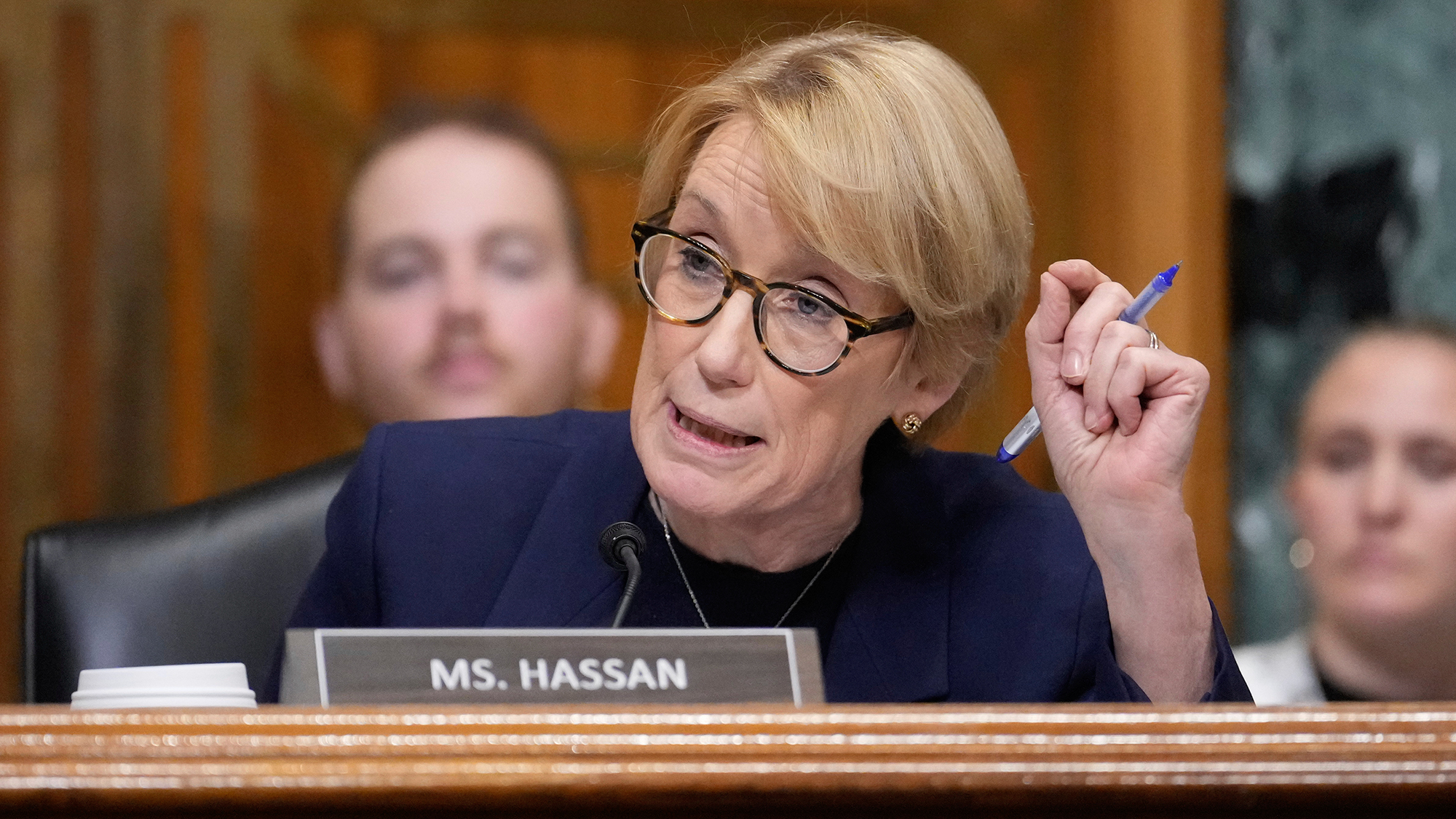
Shortly after that story was published, New Hampshire Democratic Sen. Maggie Hassan, ranking member of the committee, sent a letter pressing some brokers to explain their practices. In response, the report revealed, four major data brokers engaged with congressional staff and changed their practices to make it easier for consumers to control the use of their data.
Data brokers, as defined in the California law that requires brokers to provide consumers the so-called “opt out” pages, are companies that gather data on consumers, then sell that data to other companies who do not have a direct relationship with the consumers. Typically, companies buy such information from data brokers for marketing purposes.
Brokers can gather the data from information like public records, or more invasive methods like tracking online activity. Though brokers hold potentially sensitive information on consumers, many Americans are unaware they exist.
Under the California law, data brokers that reach a certain size are required to register and provide a clear way for consumers to request that their information be removed, that it not be sold or that they get access to it. But The Markup and CalMatters’ August story examined how several data brokers used code called the “no-index” tag on pages where consumers could exercise their right to opt out.
The tag is used to tell search engines not to index the page, meaning the information may not be returned in search results. The story noted that this created a barrier for consumers looking to block brokers from using their data. Many of the data brokers quickly removed the tag as the story was published.
In response to that initial reporting, Hassan independently contacted five major brokers, asking for more information about their practices. Only one registered broker, called Findem, declined to engage with staff or change its practices, the report said.
“Following Ranking Member Hassan’s requests, most companies took action to make their opt out and other privacy pages more visible for individuals, including by removing ‘no index’ code, adding opt-out links in more prominent locations, and publishing blog content that explains how consumers can exercise their privacy rights,” the report reads. “Ranking Member Hassan welcomes these actions as supporting greater protection for consumers against scams and other harms.”
The report goes on to estimate the potential losses incurred by consumers because of recent data broker breaches, pegging the number at $20.8 billion.
Congressional staff found that hundreds of millions of people were exposed by just four major data broker breaches in the last 10 years. The breaches counted were a 2017 Equifax incident, impacting 147 million people, as well as others involving Exactis in 2018, 230 million people, National Public in 2023, 270 million people and TransUnion in 2025, 4 million people.
Using estimates of the number of people who experience identity theft after breaches, as well as an assumed median loss of $200 from thefts, the report arrived at the nearly $21 billion figure.
The report calls for action to prevent such losses in the future, including by filling gaps exposed by The Markup and CalMatters’ reporting on brokers.
“The Committee’s findings underscore the need for clear, easy access to opt-out options and more rigorous oversight within the data broker industry. Especially given the Committee’s calculation that U.S. residents have lost more than $20 billion in recent data breaches, additional action is needed to protect Americans from scams connected to data brokers,” the report reads. “At a minimum, opt-out options should be easy to locate and use.”
A new state website allows Californians to remove their personal information from hundreds of brokers at once. The Markup and CalMatters have a guide to using the website here.
Quem foram nossas primeiras poetas? Neste episódio, as escritoras Ana Rüsche e Lubi Prates conversam com a colunista Bruna Beber sobre a antologia Inesquecíveis: Quatro Séculos de Poetas Brasileiras (Bazar do Tempo), que as duas organizaram e acaba de chegar às livrarias. O livro reúne perfis e uma seleção de poemas de trinta grandes poetas brasileiras desde o século 18, algumas ainda pouco conhecidas. As convidadas falam dos desafios da pesquisa, da importância das autoras em seu tempo e de como o machismo apagou a história das poetas pioneiras em nosso país.
Apoio: Lei Rouanet – Incentivo a Projetos Culturais Assine a Quatro Cinco Um por R$ 10/mês: https://bit.ly/Assine451 Seja um Ouvinte Entusiasta e apoie o 451 MHz: https://bit.ly/Assine451
This week, novelist Francis Spufford explains why the Blitz proved fertile territory for fantasy and the occult; and Darra Goldstein on the hidden properties of kimchi and sourdough.
'Nonesuch', by Francis Spufford
'Adventures in Fermentation: From ancient origins to culinary frontiers, an exploration of the microbes that shape the world we live in', by Johnny Drain
'Ferment: The life-changing power of microbes', by Tim Spector
Produced by Charlotte Pardy
Hosted on Acast. See acast.com/privacy for more information.