
 Login
Login

Normal view
- Acontece que no es poco

- Acontece que no es poco | Alianza trono, altar y dictadura, cáncer de la educación: Los acuerdos ...
Acontece que no es poco | Alianza trono, altar y dictadura, cáncer de la educación: Los acuerdos ...
- Despolariza

- Como se pode criar mais “ownership” na gestão pública! Episódio com João Cotrim de Figueiredo!
How to win the World Cup
Being rich helps, but being open to immigration works best of all

The School Inside a Retirement Home That Changed Everything | Sir Ken Robinson
At Grace Living Center, preschool children attend school in the foyer of a retirement home. When elders joined as reading buddies, something unexpected happened. The children began graduating reading at Grade 3 level. The elders stopped taking their antidepressants. Some began living longer.
Not because of medicine. Because they had a reason to get up in the morning.
Sir Ken Robinson believed there’s an almost mystical connection between the very young and the very old. They look into each other’s eyes and simply see each other.
This is what education can look like when we stop limiting where it happens.
What does this make you think about how we structure learning and community? 👇
#SirKenRobinson #Education #Generations #GraceLivingCenter #HumanConnection

Prueba de integridad de pilotes | mi experiencia
VISITANOS EN LA WEB (cursos con +PRÁCTICA y -Teoría): https://teyconstruccion.com
Escribenos al correo: info@teyconstruccion.com
WhatsApp: +57 3192581177 (Botón en la web)
VIDEOS DE LOS CURSOS:
CURSO DISEÑO estructuras METALICAS: https://youtu.be/Oa2znspVG0o
CURSO ETABS: https://youtu.be/fFpOAP5QhxA
CURSO MAMPOSTERIA: https://youtu.be/SKKeA5YJdTo
CURSO DESPIECES DE ELEMENTOS DE CONCRETO: https://teyconstruccion.com/cursos/dccad-para-automatizacion-de-despieces-en-elementos-de-concreto/
CURSO DISEÑO CIMENTACIONES SUPERFICIALES: https://youtu.be/Gl_FN9-FB-o
The World Cup has always been beset by scandal and strife
So has FIFA, the outfit that administers it

Como fazer uma escada de madeira para poda das árvores mãe. F4F - CEPEAS.
Neste vídeo explicamos o passo a passo de como construir uma escada de madeira muito barata.
#SyntropicFarming #Agroforestry #RegenerativeAgriculture #CacaoAgroforestry #cacau #cocoa #ErnstGotsch #SoilRegeneration #EcologicalSuccession #Agroecology #forests4farming #cepeas
Você pode comprar a segunda edição impressa do livro, Agricultura Sintrópica segundo Ernst Götsch, com desenhos inéditos e originais de Ernst. Comprando o livro você apoia as pesquisas de Ernst Götsch e do CEPEAS.
Acesse a loja no link abaixo:
https://www.lojaplantandoflorestas.com
Para comprar na Europa acesse: https://bambualportugal.pt/ (inglês e português)

Adom Getachew on Walter Rodney's Legacy
Verso is proud to be publishing an updated 2026 edition of Walter Rodney's How Europe Underdeveloped Africa with revised text and an introduction by Angela Y. Davis: https://www.versobooks.com/products/788-how-europe-underdeveloped-africa?utm_source=youtube&utm_medium=video&utm_campaign=adom_26
Adom Getachew is co-editor of Verso's Southern Questions series: https://www.versobooks.com/collections/versos-southern-questions?utm_source=youtube&utm_medium=video&utm_campaign=adom_26

WordPress has a HOMEPAGE PROBLEM - I built a better version
👇 Check the PINNED COMMENT for links to the live demo and prototype.
---
Timestamps
00:00 Introduction
00:25 The homepage problem in WordPress today
02:33 Templates add friction
05:07 A better approach - the prototype
08:47 3 Key Principles
09:07 Feedback
---
#WordPress #SiteEditor #WordPressTips #Gutenberg #WebDesign
- WordPress Tavern
- #220 – Cathy Mitchell on Why WordPress Events Matter: Community, Connection, and Giving Back
#220 – Cathy Mitchell on Why WordPress Events Matter: Community, Connection, and Giving Back
Transcript
[00:00:19] Nathan Wrigley: Welcome to the Jukebox Podcast from WP Tavern. My name is Nathan Wrigley.
Jukebox is a podcast which is dedicated to all things WordPress, the people, the events, the plugins, the blocks, the themes, and in this case, why WordPress events and community matter.
If you’d like to subscribe to the podcast, you can do that by searching for WP Tavern in your podcast player of choice, or by going to wptavern.com/feed/podcast, and you can copy that URL into most podcast players.
If you have a topic that you’d like us to feature on the podcast, I’m keen to hear from you and hopefully get you, or your idea, featured on the show. Head to wptavern.com/contact/jukebox, and use the form there.
So on the podcast today, we have Cathy Mitchell. Cathy has been working with WordPress since 2007. What began as a fun personal project during her maternity leave soon evolved into a fully fledged business with the launch of WPBarista in 2008. Over the years, Cathy has garnered extensive experience in the WordPress space, and is now working towards the 2026 WordCamp Canada.
The conversation focuses on the powerful role of community within the WordPress ecosystem, something that Cathy is deeply passionate about. We discuss how open, welcoming, and international the WordPress community feels, compared to more traditional corporate or volunteer environments. A theme that emerged was how involvement in WordPress has provided Cathy, and many others, with a sense of belonging and fulfilment, especially after life changes like becoming an empty nester.
The discussion explores the motivations for volunteering and organising within the WordPress community, both from the perspective of newcomers looking for purpose and connection, and business owners assessing the return on investment from contributing or sponsoring events. This includes how easy it is to get involved, the unique lack of barriers and red tape, and the value of altruism and camaraderie.
Other topics we explored with a broader impact of technology and loneliness, the importance of service and community for wellbeing, challenges in sponsorship amid changes economic times, and the vital need to engage the next generation in open source.
If you’re interested in the human side of WordPress, how volunteering shapes both individual and the broader community, and what the future might hold for WordPress events and contributors, this episode is for you.
If you’re interested in finding out more, you can find all of the links in the show notes by heading to wptavern.com/podcast, where you’ll find all the other episodes as well.
And so without further delay, I bring you Cathy Mitchell.
I am joined on the podcast by Cathy Mitchell. Hello, Cathy.
[00:03:25] Cathy Mitchell: Hello. Thanks for having me.
[00:03:27] Nathan Wrigley: You are very welcome. Cathy and I have been having, well, 15 minutes or so of chit chat just before we started the podcast. I’ve been learning a little bit about Cathy and we’re going to share all sorts of information.
I think probably broadly we could talk about it as being the WordPress community, which is a subject which is dear to my heart.
However, before we get into that, Cathy, I’ve had an introduction from you over the last few minutes, but would you mind sort of giving us your potted version of that, your shorter version, your bio if you like. Tell us who you are and how come you’re featuring on a WordPress podcast.
[00:03:58] Cathy Mitchell: Well that’s a whole lot of imposter syndrome. Why I am featuring, because you’re kind enough to have me. I’ve been working with WordPress since 2007 and it was just something fun that I did to begin, much like you with podcasting.
And then a couple years in, I told my friends that they’d have to start paying me, or I was going to go back to work, find a real job. This was during my mat leave, and so it kind of just took off from there in 2008, started WPBarista.
And now I’m very interested in the community because I was looking for something to do in the WordPress community last year. Dan in the Canada Slack got a hold of me and said, hey, do you want to help with the WordCamp? And I said, sure. You know, I had time.
And he got me in and brought me right up to like being on the organising team. And it was so fun but so shocking. Like, there is a lot of red tape in the corporate world before they let you do anything meaningful. Like you have to sweep the floors for a whole long time before they let you actually do something you’re good at. So this was remarkable. And this year I find to my surprise, I’m leading the 2026 WordCamp Canada.
So that’s what I’m doing now. And we’re going to focus on community too. So I’m very excited about this topic, both from a corporate, like what do we get out of this? Or are we supposed to get something out of this? And from a personal standpoint, it’s been amazing to meet these people, and to be given a chance. And I found out I’m not the only one. This is like normal, which is bizarre and wonderful.
[00:05:37] Nathan Wrigley: My experience of the WordPress community, so I started in WordPress actually quite a long time after you did. Maybe sort of six or seven years after you began using WordPress. I really didn’t know that there was a community at all. I just downloaded the software and used the software. And then I can’t even remember really how it happened. It might have been through things like Facebook Groups or something like that, where I was trying to learn a particular thing? Or perhaps there was something in the dashboard which indicated that there was an event nearby.
But I found myself, to my own surprise actually, I found myself at a WordPress event in London, WordCamp London, which at the time was going really strong. You know, hundreds and hundreds of people would show up every year.
And I remember purchasing a ticket and getting the train ticket and thinking, what am I doing? What am I possibly hoping to get out of this? And showing up and kind of being a bit like a timid rabbit sitting in the corner a little bit, and then it kind of worked out fairly quickly. Okay, this is all fairly benign. Nobody seems to be all that boastful. Nobody seems to be sort of shoving corporate speech down my throat, or trying to sell me anything unnecessarily.
And during the course of a day or maybe a couple of days, opened up a little bit and got chatting to people. And lo and behold, within a couple of years, a significant proportion of my free time, let’s call it that, outside of the commitments of daily life and family and all of that kind of thing, was taken up with doing WordPressy things in my spare time.
And so I, I don’t know if the story maps the same as you, I’ve shared mine, maybe you’ll share something similar in a moment. The community to me is much more than just, oh, there’s a community there. It genuinely is a seriously important part of my life. To the point where if that was to be sort of whipped away, or somebody like a Thanos type character suddenly clicked their fingers and that disappeared, I don’t know what I would do with myself. I would really have to go out there and find an awful lot of other things to do. Was it a bit like that for you?
[00:07:41] Cathy Mitchell: Not at all. I went to the forums first. And in 2008, 2009, there were some big names nowadays that were just answering us in the support forums. And so I learned from the best of the best, I think. And they would answer my ridiculous questions. I had no idea about PHP. I didn’t even know HTML. I didn’t even know what the internet was, like as broad concept. I asked my husband at the time like, okay, I don’t understand how my computer is talking to someone else’s computer, like you need to draw me a picture.
So anyway, I’ve only recently, I went to a couple of events, but I’ve always had the business mind. If I can’t see an ROI financially, I’ll say, from what I’m doing, then I don’t have time for it. But that was also during a time when I had a young family and then I became a single mum and then I had to work this business. And so it’s only really recently that I’m looking around and seeing people like you and going, this is unique.
I’ve been in volunteer communities, and now that my kids are all grown up, I’m kind of looking for those opportunities. What meaningful thing can I do with my time? And this just seems so unique. Like I volunteered at other places and there’s so much red tape and there’s so much, I don’t know, different feelings than this one. This one’s very open.
[00:09:09] Nathan Wrigley: I think the bit that is so curious to me is you can sort of dip in and dip out of it. Because, I don’t know, let’s say for example, you do something much more local, involved with your hometown or something like that. And you get involved in it and there’s a certain kind of, pressure is the wrong word, I suppose you can dip in and dip out of that as well, but do you know what I mean? You get involved in those philanthropic things locally and you get to know things and it becomes more of a habit, and you do the same thing over and over again. At least that’s my experience.
What I quite like about this is the international flavour of it. The fact that I’m being introduced people from really different parts of the world and cultures. And it’s very, very open, and it’s a real contrast to the bit that you just mentioned, where the corporate bit, and obviously there’s a side of our community which is very much devoted to turning a profit and what have you. But there’s a significant proportion of the people who don’t have that metric in their head when they’re introducing themselves to people.
They are just trying to be helpful and trying to deliver on the promise that the internet gave us back in the 1990s of, here’s the infrastructure to pass information around freely. Wouldn’t it be nice if everybody had the capacity to publish things, or to share things online without some sort of corporate overlord or paywall or algorithm? Which we’ve now probably regret deeply allowing that to happen to the internet.
All of those kind of things come into play. I have constantly, for the last decade, tried to sum up and capture what this is. And I always fail. It simply feels nice, is all that I’ve got, really. This community, the people in it that I hang out with, it just feels like a nice thing to do. That’s all I’ve got. No wisdom beyond that. It’s bizarre, isn’t it?
[00:10:53] Cathy Mitchell: I’ve been trying to quantify it too, and especially planning this next conference. I feel much like a student because there’s a large group, probably most people are not like me. Like they’re like you, at least the ones, in Slack that I’m talking to on a daily basis. And they’re the original nerds who are so happy, like were inspired and spent their free time, like this wasn’t their job. Promoting this and like answering my questions in forum as an absolute noob. So in that way I feel like I would really like to give back now.
But the community, yeah, I can’t quite put my finger on. I just talked to a sponsor yesterday and she is of course wanting to get in front of her audience, which is agency owners. But there’s a real sense of promoting the community because the healthier the community, the healthier all of us are. Not just financially, but it creates the forward momentum, I think as far as open source as a whole too. Like there’s a bunch of us, me included, even though I kind of am taking a corporate angle that really believe that open source could change the world. I still do, maybe even more so because AI is, can actually talk to things that are open source. Less so if everything’s behind a paywall.
[00:12:09] Nathan Wrigley: I think one of the things that you mentioned there, which suddenly sort of struck me is whilst there are a handful of people out there, and I say a handful, there’s obviously many millions of people. I think it’s fair to say that many people prefer to be in proximity to other people, to do things, to be in conversation with people, to have a shared experience. You know, we go to the cinema or the movie theatre to watch a movie. I mean I know the screen’s bigger and everything, but part of it is to be with other people and to go ooh and ah, at the same time and go to firework displays and concerts and things like that.
Now all of that stuff can be done in an isolated environment in your house. You know, you can watch Netflix and you can watch the TV and get a similar kind of experience. But I think there’s some sort of core part of me at least, and the people that I hang out with at these kind of events and online who just enjoy that shared experience, that willingness to be involved in a similar task. Just to be pointing in the same direction as a bunch of other people, pulling together on the same team. And it’s unquantifiable. I literally can’t encapsulate it, but I think you and I are talking about the same thing.
What’s interesting is I accidentally found it fairly early on in my WordPress journey. Serendipity played a really blinding hand for me there. But I think had I not had, bit like that film Sliding Doors, I could easily have missed the cues which sent me to that WordCamp or whatever it was that got me started. And I probably could have gone for a decade or more and not even noticed it was a community and maybe discovered it much more recently.
And it sounds like that’s kind of happening to you. You mentioned that you are, I think in the show notes you described it as, it’s a lovely phrase, empty nesting. Does that mean when your children grow up and go away? Is that what that means?
[00:13:53] Cathy Mitchell: Yeah. That’s a pretty common phrase over here.
[00:13:55] Nathan Wrigley: Oh, okay.
[00:13:56] Cathy Mitchell: This side of the pond. You know, you kick the little birdies out, and they’re spreading their wings. All of a sudden we’re left with, it’s a different life stage. I think we were talking a little bit about it. You’re getting there.
[00:14:08] Nathan Wrigley: I’m going to there very, yeah, awh, it’s kind of filled with melancholy. On the hand, obviously I would love for my children to grow up, but on the other hand it’s, pulls all the heartstrings, doesn’t it?
So you are finding space in your life to do this kind of stuff. I’m going to ask a question, which is maybe a little bit personal, I don’t know. Hope you don’t read it in the wrong way. Do you find this stuff like meaningful and significant? Do you get a sense of fulfilment and satisfaction from the work that you are doing? For example, with WordCamp Canada.
Because there must be moments when it’s a real chore and, you know, you’ve got far too many tasks which are spilling over, and you think, gosh, I’m just a volunteer. There’s no quid pro quo here. I’m just doing it out of the goodness of my heart. But on balance, do you get that warm and fuzzy feeling from doing all of this?
[00:14:54] Cathy Mitchell: That’s a good question. I had time, so I started volunteering at a bunch of things. I started volunteering teaching kids, and then to go the complete other end of the spectrum, I did a seniors class at my local college last month. I just started volunteering because in my opinion, as a little amateur psychologist, I think service, serving our community is kind of the best way to, like you said, pull alongside someone. And then when you have like a focused goal, there’s a togetherness and I really need to grow my community.
Me, and I think quite a few other people, there’s this whole epidemic of loneliness to be frank. Having raised the kids and then having done the job, now all of a sudden it’s like, I have time to invest in a real community. And I really want it to be worthwhile. I don’t want to sweep the floors for, maybe it’s an age thing, I don’t know. I’m so, so grateful that they let me do something that I’m good at, as far as organising, because they didn’t have to. That’s a big responsibility to put on somebody. And I am praying it all works out in the fall.
But it comes because of the huge number of volunteers that all work together. So my job’s just basically pulling all these people together, and making sure that we’re talking to each other. Because one person can’t possibly do all of the work that comes with putting on a conference. At least not part-time. But yeah, I’m finding it immensely rewarding because I also feel like I’m good at it. Everybody loves to do something they’re good at.
[00:16:28] Nathan Wrigley: You mentioned something earlier where you sort of implied that you were very surprised that in the WordPress world, you were given a bunch of responsibility for an event. I mean, basically, I think a lot of that, isn’t there? There’s a lot of, whoever can show up does get the job really, because there’s a paucity of volunteers. And for an event of the magnitude of WordCamp Canada, if you’ve ever been to events like that, you sort of walk in and on every level it feels like a corporate event. You know, it’s very polished, highly polished. There’s catering, the venue’s all been booked, you’ve got name badges and there’s probably some translation going on, and there slides and every, there’s timetables and everything. And it’s all done by volunteers.
And I remember the same sort of thing, being asked to do a variety of different things and thinking, wait, really? You don’t know the inside of my head. I will mess this up so badly. But that is such a nice characteristic of our community. And you’ll fail together, if you know what I mean? You know, it is not like anybody’s going to let you deeply fail. People will step in and help you, should you need to.
[00:17:31] Cathy Mitchell: Yeah, we have to say yes, like it’s part of the culture is, if people volunteer, we have to find a way to say yes. Like our default is yes, not, well, have you done this first?
[00:17:43] Nathan Wrigley: Yeah. It’s interesting because you obviously have done a lot of this kind of corporate stuff, and so have the impression that you ought to be qualified, I don’t know, a decade or two decades of this particular thing in order to be trusted to do it. And this is just, yeah, this is so different. Anybody? Bueller. Okay, you’ll do it. Great. Fine. That’s great, yeah.
[00:18:03] Cathy Mitchell: Yeah. You’re hired.
[00:18:04] Nathan Wrigley: Yeah, that’s it. That’s I’ve never done it before. It doesn’t matter. You’ll be brilliant.
[00:18:07] Cathy Mitchell: We’ll help you.
[00:18:08] Nathan Wrigley: Yeah. And that camaraderie of binding together on a particular thing, in your case WordCamp, but the broader project, you know, the WordPress project as a whole, I feel it’s full of these kind of people. And we will get into in a minute I’m sure, how that maybe has changed for some people in the more recent past, and about the fact that the community does feel like it’s in a bit of a challenging place at the moment.
But I just want to go back a little bit because you mentioned, and neither of us I suspect will have the answer to this, but I’m interested in your intuitions anyway. You mentioned that people nowadays, maybe this has always been the case, but it feels like there’s been a change. Loneliness seems to be a very common thing now. And my sort of back of the napkin calculus points me in the direction of wondering if it is actually oddly technology. The very thing that we’re celebrating. If technology might be responsible for it.
For example, I look around and I see a lot of people who give an awful lot of what would’ve otherwise been free time, time that they could have gone out and socialised and what have you. And, you know, you sort of end up sitting on the couch and scrolling through social media and things like that.
Television has become so absolutely fascinating. You know, there’s like a billion different channels, and essentially there’s a thousand ways to keep yourself entertained all by yourself, and never speak to another human being, or be in proximity to another human being. There’s no question there, I just wondered if you had an observation or a similar thought process.
[00:19:39] Cathy Mitchell: I looked up, because I knew we were going to talk about this, the stat on it. Because I know I’ve had the same feeling. And I’ve heard people talk about it, but I didn’t really know if that was like true or not, because whenever I am thinking or researching something, of course that’s what the algorithm shows me. So I’m always kind of hesitant, like is this actually real or am I just seeing this?
But it did say in a 2021 report, the US Surgeon General, and this is in the States, no 2023, that the health impact of a loneliness epidemic. Okay, General Vivek Murthy declared a loneliness epidemic in 2023. And he said that the health impact is the same as smoking 15 cigarettes a day. It’s not good for us. And that the biggest effect, 79% reported feeling lonely of the 18 to 24-year-old group, which is more like 40 some percent. What was it? 41% of 66 plus.
[00:20:35] Nathan Wrigley: Okay, so the younger you skew, the more lonely you are likely to be.
[00:20:40] Cathy Mitchell: Yeah. And we also see, now I don’t know if this is correlative or causative, but technology has also skyrocketed in that period of time.
[00:20:48] Nathan Wrigley: Yes. Yeah, and also probably, again, I’m drawing conclusions which are not based in fact or research or anything like that. You and I were both born in an era where that technology wasn’t available. So I imagine patterns were set down in our infant brains, which are perhaps different to the patterns that are set down now.
It’d be curious to see if there is a there, there. If the broad adoption, certainly in the UK, I can’t speak to Canada, but the broad adoption of technology to ever and ever younger children, to a really alarmingly early age. You know, you see children who are not even at school age who seem to have access to every technology under the sun, and who don’t seem to get that interaction from another human being. I wonder. And I’m going to sound all curmudgeonly and there’s probably going to be people shouting at me.
[00:21:34] Cathy Mitchell: I have seen it change with the Gen Z that they’re talking about. And my kids fall in that category. Whereas I wanted to be, okay, it’s personal responsibility, so we’re going to raise them. It was new to me, so I raised my kids thinking, okay, tablets, I’m going to teach you how to use it, not restrict it. I was all open-minded about all.
Now they’ve told me that if they have kids, they will restrict it far greater than I ever did. They were like, they won’t have nearly the freedom that I gave them in my open-mindedness.
[00:22:06] Nathan Wrigley: Yeah, well, but you are forgiven for your open-mindedness because I guess humanity perhaps needed more evidence to draw conclusions around that. And perhaps those conclusions are now landing.
[00:22:16] Cathy Mitchell: I think so.
[00:22:16] Nathan Wrigley: Yeah, well, certainly as an example, I know that in Australia more recently, there’s now a widespread ban, I think under the age of 16, and I’m going to use the word illegal, maybe that’s the wrong word. Maybe there’s a technical definition, but social media is not permitted for children under the age of 16. And I think that there’s legislation being talked about in the UK of a similar nature, and some other European countries.
I don’t know how much traction that will have because I feel that there’s a persuasive argument, much like you described of, it’ll all work itself out. You know, we don’t need the government to tell us what to do, and all of that, and that all makes sense.
But my, I can well understand, I think in the UK also, there is a growing, a groundswell of this alternative way of looking at it. Like a rejection of the phones and the technology.
Anyway, there we go. That was an aside. Do you want to contribute into that a little bit more before I push us back in the WordPress space?
[00:23:11] Cathy Mitchell: Yeah, I don’t want to be all, it’s bad, it’s bad, but I think that we’re seeing an effect. I really do believe that volunteerism, whether it’s with WordPress or anything else, in my faith background, being a person, a Christian person, I grew up seeing the service as an answer, as just part of our lifestyle. You just serve others. But now I’m seeing it come in a secular sort of way as well, where service is an antidote to loneliness.
And I think no matter where you’re serving, not the church or any, like just pick a service. Being that cameraderie with people, having a similar goal, going in the same direction, like I really do think there’s hope. There’s hope out there for all of us. And it’s a great way to do something meaningful. Like you get to do all those things. You get to practise a skill, you get to do something meaningful, you get direction, you get cameraderie all by serving.
[00:24:03] Nathan Wrigley: I’m going to, say something now, and I’m going to caveat it heavily before I say it because A, it relies on my prodigiously bad memory, and B, it could just be fabricated anyway because the source could be utterly wrong. But it feels like there’s a kernel of truth in it.
I was doing some research recently about happiness, that broad subject. You know, we would all like to be happy I’m sure. There’s a lot of people who spend a lot of time thinking about what this actually means, and trying to drill it down to some fairly basic maxims, if you like, for what leads to happiness.
Two of the biggest indicators of happiness are really interesting. One of the two is how often you spend with other people basically. How much time you interact with other human beings. Now I know that that’s not for everybody, but broadly speaking, that seems to be a huge indicator. If you actually get yourself out and you do things with other human beings, there is a definite benefit.
And the other one, which is very curious because I think it’s fair to say, you know, Canada and the UK, we’ve been brought up to worry about our own finances and amassing as much stuff as we can, and lining your nest for the future and everything. Well, this other one, controversially, the second one that I’m going to mention is the amount of stuff that you basically give away. And that could be time, or it could be finance, it could be any of those things. The more that you give away with no expectation of a return, that also apparently is a real indicator of happiness.
And I think we can all identify that. That moment where you give somebody a gift and you’ve really thought about it, and you hand it over and you watch the face change as they unwrap it. And you think, they’ve loved that, haven’t they? And you’re not thinking to yourself, well, I did that. I made them happy there. You’re just thinking, oh look, they’re really happy. Isn’t that wonderful? So anyway, there’s my 2 cents of utterly unproven thoughts.
[00:25:59] Cathy Mitchell: Okay. Learned something. Those are two, so the two things were being around people and altruism basically, with nothing expected in return.
[00:26:08] Nathan Wrigley: And funnily enough, they map very closely to what we’re talking about, right? We’re talking about events and socialising with other people, but also that, in this case, it’s not a financial thing that you are giving away, but you are definitely giving away an awful lot of your time for doing these kind of things. And maybe, given that little bit of information, it kind of becomes a little bit easier to justify because if you can say to yourself, this makes me happy, it might not seem it in those stressful moments.
[00:26:36] Cathy Mitchell: Yeah, today.
[00:26:37] Nathan Wrigley: Yeah, that’s right. But ultimately that might be causing your happiness.
Okay, so there we go. That was our little segue. Let’s sort of bring it back to WordCamps. You were very kind to write me a bunch of show notes, and they really drew me in as I was reading them. And I want to sort of dwell on a few of them because you.
[00:26:53] Cathy Mitchell: Had to convince you to get me on the podcast.
[00:26:54] Nathan Wrigley: Yeah, no, there not a lot of convincing needed. I loved it. You’ve got some sort of bullet points if you like, not really bullet points. You’ve touched on different areas where you feel that you’ve got something to say about, I dont know, why people might contribute and why they might volunteer and what have you.
So it’s things like, why might new people, newbies, as you’ve described them, volunteer and why might business folk volunteer?
So the first one was, let me go back. So I’ll read into the record what you wrote because it makes a lot of sense. You said, in 2025 I helped the organisers for WordCamp Canada and this year found myself the lead organiser. And this has been consistently one of the nicest, most open groups, that I’ve ever been part of. And then you strayed into why other people, for example, new people and business people might like to contribute.
So on the business side, you said, volunteers, boundaries when not getting paid, giving back, sponsoring folks, not necessarily a financial return on investment. And then for the newbies, you said, there’s other ways to contribute, for example, contributing in code or non-coding ways, and also just being a recipient of the open, friendly community that you encounter. So that was really it. Maybe I’ve said everything that you wanted to say.
[00:28:07] Cathy Mitchell: Well, those are kind of questions that I had coming from a corporate, and I keep talking to different people trying to figure out, I guess I’m looking for something other than altruism when comes to the corporate people at least. Like why are they sponsoring? And I can see, the pessimistic, or maybe the pragmatic, side of me to be positive wants to know why. Why are they putting the dollars in?
But then on the other side, I think, well, if WordPress doesn’t do well, then they don’t do well. Like, if their businesses are based on WordPress. But then I also saw something that, if you sponsor open source projects, it makes hiring people that much easier, and also vetting people that much easier. Because it gets you into the community and so it goes both ways. People will be more likely to apply for your jobs and you will be more likely to have a way to vet them. That’s one thing I saw.
[00:29:04] Nathan Wrigley: I think there’s a lot of truth in that, or at least I’d like to believe there’s a lot of truth in that. That makes me feel happy about the whole situation. But what’s curious about what you’ve just said, and I don’t know how much of an intuition you’ve got on this, but if you were to go back to, let’s say the year, oh, I don’t know, 2018 or something like that, WordPress was experiencing this really stratospheric growth. You know, in terms of market share of the internet broadly, you know, the number of websites as a percentage, WordPress was going from sort of the low twenties to the mid twenties, high twenties, and then through the thirties, and then finally landing at this sort of 40%.
And during that time, saying this phrase sounds ridiculous because it is ridiculous, WordPress could kind of do no wrong, I think. There was just growth upon growth upon growth and a lot of companies, I don’t think needed to explain themselves to their directors quite so much. The return on the investment didn’t need to be made. It was just, look, we’re part of this thing, and there’s this rising tide, and we are one of the boats. And look, we’re going up as it all goes up. So it just happened.
However, during COVID, and then especially over the last few years, and then now especially the last couple of years, inject AI into the mix, I feel that that calculus has changed a little bit. And there’s this inkling when you speak to the same corporate people who a few years ago were willing to open their wallets to sponsor events, the wallets are much, much harder to open.
Again, in much the same way that I don’t really know why the community is so fabulous. I don’t really know why the wallets are harder to open. But I think the landscape for sponsorship, and the requirement of a return on investment, as opposed to, well let’s just join in because WordPress is growing. I think that calculation is going to be harder and harder to make. And maybe you’ve got experience of this over at WordCamp Canada trying to gather sponsors. Perhaps you found it straightforward. Perhaps it’s been difficult. I don’t really know.
[00:31:08] Cathy Mitchell: There’s almost like a perfect storm right now because wallets are tighter because over the last few years, at least in the States where my clients are, it’s become, economically there’s uncertainty. And so that trickles down and trickles up, right? And so more wallets are going to be a little bit more restrictive on what they’re going to buy, and they’re going to want to see more bang for their buck.
Corporately, also there’s been this huge rise in competition in the corporate world. There’s just way more competition over the last five or six years for just about anything when it comes to agencies or plugins or themes or whatever, there’s a lot more great competition, like good products out there. But then there’s also a lot more competition to get the clients, like clients have a lot more options.
And so I think it’s a perfect storm. Like, do you want to put your money into WordPress because is that the future? Is there money for sponsorship? Plus WordPress has become stricter on what they require to sponsor, as far as trademark use and different things that have been put higher on the priority list.
And I kind of see it like a levelling off. Like not as a bad thing because every industry can’t just, go, go, go, go. Like there’s going to be a levelling, right? Can’t be that easy. When I started, I didn’t even advertise. And I’ve had this business for 19 years. I’ve never advertised. That is going to go away. Like it was just, you know, I lucked out starting somewhere, but that’s not realistic.
[00:32:44] Nathan Wrigley: So what’s interesting in that is I think I am the same. The only period in which I’ve been in the WordPress community was during this stratospheric growth period really. Everything has been, you know, people have argued on the inside about this, that, and the other thing, and whether a feature should ship in Core, or whether or not we should do this thing at an event or what have you. So there’s been some minor disagreements.
But broadly speaking, the whole project has just swelled and swelled and swelled. There’s this overarching sense of optimism and growth, and now the brakes are on. And so for me, it feels like unfamiliar territory. And because it’s unfamiliar, it feels a little bit scary because I don’t know what that means. I don’t know whether that means that things are going to just level out as you just described, or whether it means things are going to decline, or whether it means some of my friends are going to go away because the community, it’s no longer going to be something that they wish to frequent because their profitability is under question and they need to seek revenue from other different options. Maybe AI, maybe, whatever it might be. And so I think my concern just, it’s probably self-interest really. I’m just concerned because I don’t know what’s coming and that fear is, well, it’s fear.
[00:33:57] Cathy Mitchell: I think this brings me perfectly into the WordCamp Canada thing that I wanted to mention. Just because I see this event, and even the community team, as a whole in WordPress. There are teams in WordPress, by the way, for people that don’t know, that help you get involved. It’s not just coders, like there’s all kinds of teams. And one of them is the community team, and all we have to know how to do is plan an event or host an event or serve coffee. It’s amazing. But anyway.
I am excited about WordCamp Canada, and the reason I’m putting so much time and effort into this conference is because I really see it as a light at the end of this tunnel. Not at the end. Maybe midway. I have no idea what’s going to happen to my own business, to WordPress, I don’t know. But I think there’s one thing that I’m fairly certain of, even now, even in the midst of AI, and that’s open source. I really still believe that open source is the way of the future. I still think it is, open source and AI are probably the way of the future. Yeah, I don’t know how else to say it.
And I think the exciting thing, and the thing that we need to do as people who got to take advantage of that uprise and that uptick, is you and I need to get young people involved. Like we need to get those young people involved in open source. I don’t even care if it’s WordPress or not, but they need to become part of a community that is exciting, that is beyond themselves. They need to see that we’re nice. We don’t bite. We’ll hire them. There’s just so much good that can come out of being together. And these are the nicest people. They’ll talk to people that are just standing around in the hallways with nobody to talk to, which is me. I’m an introvert, ironically.
[00:35:38] Nathan Wrigley: You definitely don’t come across like that, just so that you know.
[00:35:40] Cathy Mitchell: Well, we’re I’m pretending nobody else is listening.
[00:35:43] Nathan Wrigley: The other thing that I would add, as you were saying all of those things, it occurred to me that, I would imagine that people in more senior positions, I don’t really know how to describe it in the WordPress world, have got a similar intuition to the one that you just described. In that they can definitely see that the future needs to be thought about in terms of the youth coming in. Because there’s an awful lot of work being done at the moment and an awful lot of hours being put into educational initiatives.
And also, not just where you and I are living, but all over the world. And it was kind of interesting at WordCamp Asia recently, that was a big focus. A lot of people talking about exactly this thing and these kind of overlapping initiatives that are beginning to bear fruit. So people coming out of universities who’ve had experience of open source and WordPress in particular. And children at schools having experience of open source and WordPress.
And I think, as much as we would like open source and WordPress to win, just from a moral point of view, wouldn’t that be a great thing if everybody just noticed it and got on and used it? I think we need to do a bit of work to make sure that it’s being put under their noses so that they can make those judgements for themselves. And that is definitely a part of the future.
[00:36:57] Cathy Mitchell: Yeah, the Campus Connect and the Credits where they can university credits, like it is getting popular in other places we haven’t heard so much. But I really want to introduce it and bring it to the conference in Vancouver this fall. Because we can have universities in Canada and the US, on this side of the pond get involved in this and actually give kids credits that they can use to graduate.
[00:37:21] Nathan Wrigley: It’s so interesting as well because it’s very hard to, how to describe this, that’s a difficult one to sell, let’s put it that way. The people that are really into those initiatives really love it, but it’s hard to get people to notice that that’s going on, and hard for people perhaps to notice how important that is. But without those little foundational bricks being put in place for the future, this rising tide carries all boats metaphor, that’s not going to happen. You know, I think maybe another good metaphor there is they’re kind of building the harbour wall to make sure that the boats have got something to rise against. And I think that’s really important.
And your part of the world is definitely open to that, I’m sure. Seems to be that some European institutions, colleges, universities and South American institutions and parts in India and Southeast Asia and places like that are also beginning to bite on those ideas as well. So it’d be really interesting to see how that all goes.
You’re painting a picture, Cathy, which makes me feel optimistic. Feels like there’s a lot of positivity coming out of where you are, yeah.
[00:38:24] Cathy Mitchell: I’m probably going to get in trouble for saying this, but for all of the faults that Matt might be accused of, somehow he put something in place that became very, very popular. And the culture that I have been a part of, I haven’t worked for Automattic, but the culture at the WordCamp level and volunteering and the community team has been unbelievably positive, and foreign to me. Like I’ve had to learn this culture. What do you mean there’s no application process? How do I say yes? What are you talking about? So somehow this has grown. And he has had a lot to do with it. People don’t like that he’s had a lot to do with it, but there’s some truth there.
[00:39:07] Nathan Wrigley: It’s really interesting and it doesn’t matter how many times I have conversations like this, I’m always confused by it. I can never get my hands around it and work out what the secret sauce is so that I could copy and paste it into a different locale or a different jurisdiction or different era. But there’s a there, there. There’s something very satisfying about this community. And from everything that you’ve said, it sounds like you are very positive about it. And I share your positivity, even though sometimes it seems quite hard to grasp in the more recent times.
Oh, Cathy, that’s been absolutely wonderful. I’ve enjoyed chatting to you today. We’ve hit the sort of sweet spot of the amount of time that we’ve got, so if it’s okay with you, we’ll wrap it up there. Just before we go, if anybody wants to get in touch with you, or just sort of wants to pat you on the back for your wisdom there, where would we find you?
[00:39:55] Cathy Mitchell: Well they can find me at WPBarista. And right now they can also find me at canada.wordcamp.org.
[00:40:02] Nathan Wrigley: Okay. Well I will make sure that that goes into the show notes. So if you’re listening to this, head to wptavern.com, search for the episode with Cathy Mitchell, that’s Cathy with a C, and you’ll be able to find the details in the show notes there. So Cathy Mitchell, thank you very much for chatting to me today. That was lovely. Thank you.
[00:40:19] Cathy Mitchell: Thank you. I enjoyed it.
So on the podcast today we have Cathy Mitchell.
Cathy has been working with WordPress since 2007. What began as a fun personal project during her maternity leave soon evolved into a fully fledged business with the launch of WPBarista in 2008. Over the years, Cathy has garnered extensive experience in the WordPress space, and is now working towards the 2026 WordCamp Canada.
The conversation focuses on the powerful role of community within the WordPress ecosystem, something that Cathy is deeply passionate about. We discuss how open, welcoming, and international the WordPress community feels compared to more traditional corporate or volunteer environments. A theme that emerged was how involvement in WordPress has provided Cathy, and many others, with a sense of belonging and fulfillment, especially after life changes like becoming an “empty nester”.
The discussion explores the motivations for volunteering and organising within the WordPress community, both from the perspective of newcomers looking for purpose and connection, and business owners assessing the return on investment from contributing or sponsoring events. This included how easy it is to get involved, the unique lack of barriers and red tape, and the value of altruism and camaraderie.
Other topics we explored were the broader impact of technology and loneliness, the importance of service and community for well-being, challenges in sponsorship amid changing economic times, and the vital need to engage the next generation in open source.
If you’re interested in the human side of WordPress, how volunteering shapes both individuals and the broader community, and what the future might hold for WordPress events and contributors, this episode is for you.
Useful links
- Stories in Colour | National Gallery Podcast

- The mauve measles: when purple went viral | Stories in Colour Podcast S2 Ep4 | National Gallery
The mauve measles: when purple went viral | Stories in Colour Podcast S2 Ep4 | National Gallery
Cultural historian Kassia St Clair joins Beks to uncover the story of mauveine – the world’s first synthetic aniline dye. Practically overnight, this striking purple became a mass-market sensation. Mauve reshaped Victorian fashion and left a legacy that stretches all the way from a laboratory in Victorian London’s East End to portraits of icons like Oprah Winfrey.
_______
Kassia is the author of books including 'The Secret Lives of Colour', 'The Golden Thread' and 'Liberty: Design. Pattern. Colour'. She specialises in telling stories about the overlooked and everyday.
_______
Subscribe to our YouTube channel and never miss an episode of 'Stories in Colour': http://bit.ly/1HrNTFd
Watch your next episode of 'Stories in Colour': https://www.youtube.com/playlist?list=PLvb2y26xK6Y5oKGCTKesXyO-LR3f2XcZF
You can email us with any questions via podcast@nationalgallery.org.uk
Find out more about the podcast on our website: https://www.nationalgallery.org.uk/podcast
_______
🎨 Find out more about artworks in this episode:
Sir Arthur Stockdale Cope, ‘Sir William Henry Perkin’, 1906. © National Portrait Gallery, London https://www.npg.org.uk/collections/search/portrait/mw04955/Sir-William-Henry-Perkin?_gl=1*n8r8uw*_up*MQ..*_ga*NDE2MjgwNzAxLjE3NzgwNzkyNDc.*_ga_3D53N72CHJ*czE3NzgwNzkyNDYkbzEkZzAkdDE3NzgwNzkyNDYkajYwJGwwJGgw
Marie-Pauline Laurent, ‘Empress Eugenie (1826–1920)’, 1855 © The Metropolitan Museum of Art, New York https://www.metmuseum.org/art/collection/search/231016
John Phillip, ‘The Marriage of Victoria, Princess Royal, 25 January 1858’, Signed and dated 1860 © Royal Collection Enterprises Limited 2026 | Royal Collection Trust https://www.rct.uk/collection/406819/the-marriage-of-victoria-princess-royal-25-january-1858
Claude Monet, ‘Irises’, About 1914-17 https://www.nationalgallery.org.uk/paintings/claude-monet-irises
Shawn Michael Warren, ‘Oprah Winfrey’, 2023 © National Portrait Gallery, Smithsonian Institution / Courtesy of the artist https://npg.si.edu/object/npg_NPG.2023.37?destination=edan-search/default_search%3Fedan_local%3D1%26edan_q%3Doprah
_______
Further reading:
Kassia St Clair, ‘The Secret Lives of Colour’, 2016 [Book]
Kassia St Clair, ‘The Secret Lives of Colour: Expanded Edition’, 2025 [Book]
Simon Garfield, ‘Mauve: How One Man Invented a Color That Changed the World’, 2000 [Book]
Find out more about William Henry Perkin here: https://collection.sciencemuseumgroup.org.uk/people/cp37617/william-henry-perkin
Perkin, W. H. ‘On Mauve or Aniline-Purple'. Proceedings of the Royal Society of London, Vol. 13 (1863-1864): 170-176. [Journal article] https://royalsocietypublishing.org/doi/pdf/10.1098/rspl.1863.0042
Science Museum, ‘The secret origins of purple dye’, 2019 [YouTube video] https://www.youtube.com/watch?v=g7JCMxq7DU8
Find out more about ‘The Mauve Measles’ in Punch Magazine, 20 Aug 1859: https://magazine.punch.co.uk/image/I0000tqpCmhDDsLU
Oscar Wilde, ‘The Decay of Lying’, 1891 [Book]
Oscar Wilde, ‘The Picture of Dorian Gray’, 1890 [Book]
Find out more about artist Shawn Michael Warren: https://www.shawnmichaelwarren.com/
Find out more about Oprah Winfrey and the colour purple: https://www.smithsonianmag.com/smithsonian-institution/oprah-winfrey-national-portrait-gallery-shawn-michael-warren-commission-180983424/
Watch or listen to our episode of ‘Stories of Colour’ on Tyrian purple: https://www.youtube.com/watch?v=kcPMFsafav8
_______
Episode credits:
Guest: Kassia St Clair
Host and executive producer: Beks Leary
Producer: Harry Rosehill
Researcher: Hannah Rogers
Technicians: Ian Warren and Timothy Carpenter
Video Producers: Jeanne Kenyon and Alessandro Sorenti
Editor: Paul Frankl
Theme music: Theo Elwell
#NationalGallery #ArtHistory #Podcast #StoriesInColour
🎞 Subscribe to our YouTube channel and never miss a video: http://bit.ly/1HrNTFd
Follow us on social media!
⭐️ Instagram: https://instagram.com/nationalgallery
⭐️ TikTok: https://www.tiktok.com/@nationalgallerylondon
⭐️ Facebook: https://en-gb.facebook.com/thenationalgallery/
⭐️ Threads: https://www.threads.net/@nationalgallery
⭐️ X, formerly Twitter: https://twitter.com/NationalGallery
Help keep the museum accessible for everyone by supporting us here: https://www.nationalgallery.org.uk/support-us
The world's greatest paintings to your inbox. Sign up to receive the latest news from the Gallery: https://bit.ly/3m0FY98
The National Gallery houses the national collection of paintings in the Western European tradition from the 13th to the 19th centuries. The museum is free of charge and open 361 days per year, daily between 10am - 6pm and on Fridays between 10am - 9pm.
Trafalgar Square, London, WC2N 5DN
https://www.nationalgallery.org.uk

Benito Pérez Galdós y un señor de Murcia #laspalmasdegrancanaria
🎧 Escucha mis aventuras sonoras en formato PODCAST a través de SPOTIFY:
🔗https://open.spotify.com/show/0cRrD0JAPMxxAFZJgwqKph?si=2Y19pbSxRBW3UR7T0UDa5A&nd=1
Sígueme también en:
INSTAGRAM https://www.instagram.com/paconadal/
FACEBOOK https://www.facebook.com/paconadal/
TWITTER https://twitter.com/paconadal
TikTok https://www.tiktok.com/@paconadal
The Great Political Fictions: The Human Factor
Today’s political fiction is a spy novel, a Cold War comedy and a meditation on the nature of good and evil: Graham Greene’s The Human Factor. Why has Greene so fallen out of fashion? What made the South African secret police his idea of pure evil? Was this book shaped by Greene’s own experiences with ‘the third man’ Kim Philby? And how did Greene prefigure the world of Slow Horses?
Out now on PPF+: our latest bonus episode in which David talks to Luke Kemp, author of Goliath’s Curse, about whether and how Ursula Le Guin’s vision of a stateless world matches up to his own. To get this and all our bonus episodes plus ad-free listening sign up to PPF+ now https://www.ppfideas.com/join-ppf-plus
Join us on Friday 19th June at the Regent Street Cinema in London for the final film in our current season: a screening of Never Let Me Go followed by a live podcast recording with geneticist and science writer Adam Rutherford. Tickets available now https://bit.ly/4x641XC
You can find out everything you need to know about this podcast – who we are, what we do, plus merch, events and full lists of all episodes including PPF+ bonus episodes on our website https://www.ppfideas.com
Next Time in Great Political Fictions: The Years
Learn more about your ad choices. Visit podcastchoices.com/adchoices
- Acontece que no es poco

- Acontece que no es poco | Alianza trono, altar y dictadura, cáncer de la educación: El concordato...
Acontece que no es poco | Alianza trono, altar y dictadura, cáncer de la educación: El concordato...
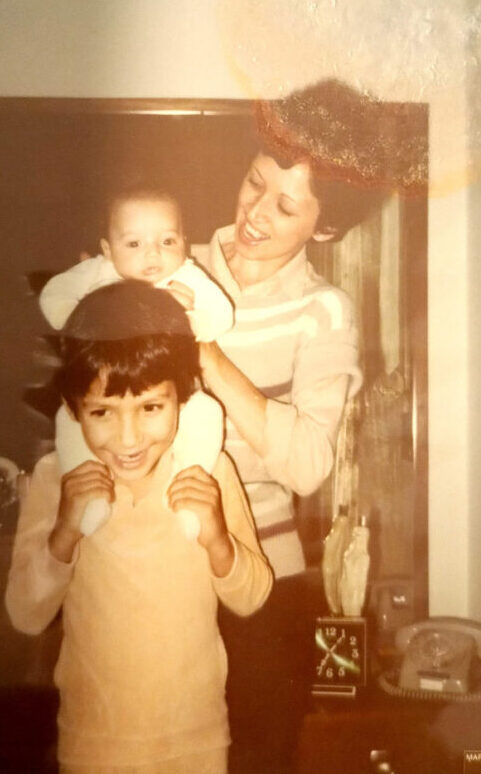
Com amor, Isilda
PRÓLOGO
É Natal de 1985. […]
Este ano talvez tenha sido o mais difícil e ao mesmo tempo o mais importante de todos os 30 outros que vivi. […]
Eu me dei de presente a minha vida. Eu me dei de presente a minha importância. […]
Talvez eu não me sinta assim no próximo Natal, talvez eu nem esteja viva no próximo Natal, mas estes 365 dias que estão terminando foram muito bons. […]
Sinto-me leve, segura e eu sei que nem todos que me rodeiam gostam desta nova pessoa, que não é tão nova assim, estava apenas adormecida.
Valeu a pena viver em 1985. Valeu a pena tudo o que me aconteceu em 1985.
Obrigada, Senhor, pela minha vida, pelos altos e baixos, pelo amor, pela saúde, pelo alimento, pela vida.
Esse foi o último texto escrito no diário de Isilda Sueli Dias Silvério. Em 12 de abril de 1986, 108 dias depois, a foto dela estava publicada na última página do Caderno B do Diário do Grande ABC. Do lado esquerdo, uma foto do seu marido, Valdir Aparecido Silvério; do direito, o revólver usado para assassiná-la enquanto dormia, e para cometer suicídio em seguida.
“O advogado deixou uma carta explicando as razões de seu ato. O irmão de Valdir disse na polícia que ele havia lhe telefonado horas antes, dizendo que surpreendera a mulher com outro homem”, diz a reportagem já no primeiro parágrafo.
Ninguém da família dela foi ouvido, e essa foi a versão que ficou: a do algoz. O que a reportagem não mostrou é que Valdir era ciumento e controlador, e questionava o amor e a fidelidade dela antes mesmo do casamento.
No final do texto, há a informação de que a polícia apreendeu os diários de Valdir, escritos desde o início da década de 1980. Mas Isilda também manteve diários, até hoje guardados pelo filho mais novo do casal.
Esta não é uma história imparcial: é a história de uma mulher morta aos 31 anos por alguém que ela amava, alguém em quem ela confiava. Vítima de feminicídio quando o termo nem sequer existia.
Esta história é baseada exclusivamente no que ela escrevia em seus diários. Os dois filhos dela, que em abril de 1986 se tornaram meus irmãos, me emprestaram os cadernos, e assim pude conhecê-la melhor, entender como ela era e como via o casamento que a matou.
Em abril de 2026, a morte dela completa 40 anos. Nessas décadas, seus filhos cresceram e se tornaram pais. Minha avó faleceu em 2013, e minha outra tia partiu em abril de 2025, também cedo, mas ela pôde, ao menos, ver as filhas crescerem.
Esta é a história da tia Isilda. Para que ela nunca seja esquecida.
1
29 de junho de 1973: Uma garota (eu), sem objetivos para viver, estava trabalhando, quando em seu local de trabalho entrou um rapaz […], não gostei da pasta que carregava, não gostei da roupa que vestia, não gostei do modo de pentear o cabelo, não gostei de vê-lo com os fios da barba aparecendo; mas gostei de seus olhos, seu jeito de falar e reparei até numa pintinha que ele traz na face esquerda. […]
E, naquele aperto de mão, que foi correspondido, naquele olhar, senti que, provavelmente, algo mudaria em minha vida.
Isilda foi a primeira de três filhos de Benedita de Andrade Dias e Martin Dias. Era irmã de Marco Antonio (meu pai) e Deise. A minha avó Beni sempre trabalhou fora, o que não era muito comum na década de 1950. Conheceu meu avô em um trem entre Santo André e São Paulo. Eles sempre foram apaixonados, mas as brigas eram constantes.
O namoro entre Isilda e Valdir começou rápido e foi uma revolução na vida da minha tia. Sempre estudiosa e concentrada no trabalho, ela aprendeu a abrir espaço para o namorado. Para ela, o relacionamento com Valdir era bom porque percebia que “alguém sentia necessidade dela”: “Eu precisava superar uma série de coisas e, [por] ele se interessar por mim, eu sentia que muito em breve eu superaria”.
Isilda depositou sua fé no amor e no futuro nas mãos de Valdir. E a certeza de que estava no caminho certo em novembro de 1973, com a perda do pai.
Novembro de 1973 foi muito marcante em minha vida. Perdi meu pai, um homem maravilhoso. […]
A impressão que ele teve a respeito do Valdir foi das melhores possíveis. Um domingo, quando fomos visitá-lo no hospital, ele praticamente entregou a minha vida nas mãos dele (Val). Disse-lhe que eu merecia ser feliz e que o Val seria responsável por ela. Uma das grandes provas do que Val sentia por mim foi dada quando do falecimento de papai. Quando eu telefonei para ele, avisando-o, ele simplesmente largou tudo o que estava fazendo e veio ao meu encontro. […]
Sempre que eu entrava em depressão, ele me lembrava de que papai confiava muito em mim e eu não podia e não devia desapontá-lo.
Sem o pai, Isilda direcionou todo o seu afeto e suas tentativas de aceitação para Valdir. Ela se mostrava insegura em relação ao amor dele – o irmão de Isilda, Marco, lembra que a irmã sempre se achou feia e tinha baixa autoestima. Ela não acreditava que alguém poderia se apaixonar, querer casar e formar uma família com ela.
No Carnaval de 1974, Isilda e Valdir, acompanhados pela mãe dela, foram a Mongaguá, no litoral de São Paulo. Em uma noite de calor, o casal foi passear na praia.
Nosso relacionamento já estava bastante íntimo. Ele dizia que eu era egoísta. Ainda não tínhamos chegado ao relacionamento total […], mas algo dentro de mim falou mais alto, e eu não cedi.
Em março de 1974, Isilda e a família se mudaram para uma nova casa – onde o que era inevitável aconteceu.
Eu me entreguei a ele. Embora não acreditasse muito no amor dele por mim, […] acreditava no meu por ele e sempre fui da opinião de que, quando a gente ama, tem que deixar a razão um pouco de lado e agir mais com o coração. […] Não me importava saber se ele se casaria ou não comigo, me importava […] que ele era a coisa mais maravilhosa que já acontecera em minha vida.
O próprio Valdir confidenciou que já havia tido relações com uma ex-namorada; Isilda ficou incomodada e com ciúmes, mas jamais questionou o caráter do parceiro por isso.
Ela sabia do risco de engravidar, mas estava tão apaixonada e envolvida que aceitou o perigo: “Eu sabia do risco que corria: alguém nos flagrar, uma gravidez inesperada, mas não me importava”.
Assim, Isilda entregou aos braços da minha avó Beni o seu primeiro neto, Daniel, em setembro de 1975. Ainda em 1974, ao completar 20 anos, ela havia começado a falar sobre um possível casamento com Valdir.
Já disse que eu não exigia nada dele. Creio que nunca o forcei a tomar nenhuma decisão. Mas, intimamente, eu sempre desejei o casamento com ele. Não precisava ser de papel passado, juiz de paz, testemunha etc. Precisava ser ele. Eu precisava que ele estivesse comigo para o resto da vida.
Além disso, a convivência familiar só piorava, o que tornou inevitável a saída de Isilda da casa da mãe e dos irmãos. O casal iniciou os planos de casamento, marcado para março de 1975. Nesse clima familiar desgastante, o matrimônio foi organizado, e Daniel, concebido.
Não tínhamos certeza, ainda, mas eu estava grávida. […] A mim, não importava o que dissessem […] e agora eu tinha um motivo a mais para amá-lo: estava espe-rando um filho dele.
O casamento aconteceu na casa de Isilda, que não se vestiu de noiva. No mesmo dia, ela e Valdir haviam ido juntos ao centro de São Paulo para comprar as alianças e as passagens de ônibus para a lua de mel. No Rio, “é claro!”. Além de todo o carinho e amor com que se refere ao bebê antes do nascimento, que aconteceria em setembro, minha tia também tem certeza sobre sua importância: “Vai nos ajudar muito”.
Sempre que houver alguma coisa ameaçando o nosso casamento, lembrar-nos-emos de que ele existe porque nós, quando o fizemos, tínhamos muito amor no coração. […] Sei que a gente não deve dizer que algo será para sempre; mas, eu digo. eu sei que vou amar esse cara, meu marido, sempre.
Em certo momento, minha tia desabafa:
Ele [Daniel] se parece muito com o pai, essa é a principal prova que consegui dar a ele de que a criança é filha dele. De que eu sou, fui e serei só dele. Ele não acredita, mas eu não imagino qual seja o tipo de prova que ele quer que eu dê. Acho que eu já lhe dei todas as provas que uma mulher pode dar.
No final de 1975, Valdir já sentia ciúmes de Isilda, que fazia promessas de amor, carinho e apoio eternos a Daniel.
Não tema, filhinho, nada nem ninguém vai tirar você de nós.
2
Em 1977, o divórcio passou a ser autorizado no Brasil, mas isso não era uma questão para Isilda, que constantemente se compadecia da situação do mundo, das guerras e da miséria. Ela conta que Daniel está crescendo, enquanto aumentam as exaltações ao seu casamento.
Nosso relacionamento é quase perfeito. Existem algumas falhas de ambas as partes, mas aos poucos vamos sabendo superar. […]
Acredito sinceramente, que emocionalmente, estou atravessando uma de minhas melhores fases. Sinto-me muito bem. Sinto-me realizada.
Isilda volta a trabalhar pouco tempo depois do nascimento de Daniel – a duração da licença-maternidade era de apenas três meses. Quando ele completa um ano, sua mãe pede-lhe desculpas pelo tempo que ela passa fora de casa, trabalhando, “mas é muito importante que assim seja”.
A partir do momento em que relembra os cinco anos do dia em que ela e Valdir se conheceram, o diário de Isilda se torna um relato da montanha-russa em que se transforma seu casamento. A mudança para a nova casa, própria, realizada em novembro de 1978, é motivo de alegria. Ela imagina a propriedade como uma fortaleza.
Em breve estaremos cercados por uma muralha […] e conseguiremos finalmente ser nós mesmos.
Em 1978, meus pais já eram casados. Metalúrgico, ele foi transferido de São Bernardo do Campo para Pindamonhangaba, no interior de São Paulo, onde vivia minha mãe, então recepcionista e depois auxiliar de enfermagem. Após o casamento, eles foram para Santo André, onde moraram até o início de 1981, quando eu estava prestes a nascer. No final de 1979, meus pais adotaram o meu irmão Samuel, recém-nascido.
Nos momentos de paz com o marido, Isilda constantemente mostrava preocupação com o mundo em que Daniel crescia, pensando, inclusive, se valeria a pena ter mais um filho em um mundo tão cruel.
Não sei se terei coragem de ter outro filho. Porque, embora fruto do mesmo amor, tenho muito medo do mundo […] que está reservado para o nosso Danny. E isto é terrível. […]
Hoje ele [Daniel] me pediu uma irmãzinha, eu disse que ia pensar. […] Agora, cá entre nós, eu continuo tendo medo de pôr outro filho neste mundo, que está a cada dia mais feio e cruel.
Após essa fase, em que tudo parece estar bem, Isilda começa a se sentir culpada. Ela mesmo se define como “várias”: esposa, mãe, profissional, filha, dona de casa; e parece estar sendo cobrada a executar tudo com perfeição.
No início de 1979, ao completar quatro anos de casamento, minha tia repete algumas coisas ao homem que ela ama.
Você continua sendo o acontecimento mais importante em minha vida. Apesar das queixas que você sabe que tenho de você, do seu jeito de ser, não consigo deixar de amar você, nem por um instante sequer. […]
Creio que nós estamos precisando conversar. Não pense que estou me queixando. Mas acontece que ultimamente nós não temos conversado tanto quanto antes. E isso me faz muita falta.
Quando me falava sobre a tia Isilda, minha avó Beni costumava mencionar que ela gostava de organização, beirava o perfeccionismo. Nessa época, ela celebra que, em seu trabalho, tudo parece estar em ordem, mas o mesmo não acontece em casa. “Na minha casa está sendo um pouco difícil, porque não tenho contado com a sua colaboração. E você sabe ao que me refiro”, ela diz, citando problemas relacionados a roupas jogadas pela casa. Tristemente, reconhece que se trata de uma batalha perdida e cita o argumento do marido de que é cansativo demais trabalhar e estudar ao mesmo tempo.
Mas e você, reconhece que eu me canso? Veja bem, eu não estudo, mas, além de trabalhar fora, o que eu trabalho na nossa casa, principalmente nos finais de semana, não é normal. Bem, deixa isso pra lá, senão você vai dizer que eu quero uma empregada. Não, agora não.
No final da década de 1970, Isilda já sabia que sua dupla jornada de trabalho era injusta, mas não motivo de discussão: a responsabilidade pela ordem da casa e pelos filhos é da mãe. E isso nem faz tanto tempo assim.
Na primeira infância de Daniel, fica claro que Isilda não está mais segura de que o casamento com Valdir é perfeito e de que será eterno. Os primeiros anos de convivência já se foram, mas o que Isilda ama é aquela máscara de Valdir. Ela não entende que o homem encantador, que a fez se sentir tão amada, desejada e apoiada, não exista mais. Porque ele volta, sempre, mas quando lhe convém.
Além do cansaço pelas múltiplas funções, ela também demonstrava muita culpa por não ficar com o filho pelo tempo que gostaria – Valdir entendia cada vez mais isso e usava esse sentimento a seu favor. Constantemente, ele saía de casa para jogar com os amigos ou irmãos. Mas Isilda desconfiava.
Ela sempre acreditou que o amor lhe daria felicidade. Mas aos poucos palavras como “tristeza” e agora “sofrido” mostram o que ela já havia entendido: o amor pode machucar, inclusive o que sentia por Daniel.
Sabe, é muito complicado ser mãe. […] A gente sempre acha que está fazendo o melhor possível, mas de repente parece que está tudo errado. Tenho a impressão de que pedir desculpas não adianta. A minha vida não é fácil. Sei que você não tem culpa disso. Aliás, você não tem qualquer culpa.
Em um texto de novembro de 1979, Isilda escreve uma espécie de carta para Daniel, em que afirma que o ama mais do que a si mesma: “Quero lhe pedir desculpas. Pelas minhas broncas, pelos meus gritos, pela minha ausência […], se há uma coisa neste mundo de que não me arrependo é de ter trazido você para junto de nós. Só lamento não poder tirar esse problema de saúde de você.” Em setembro de 1981, quando Daniel completa seis anos, Isilda lhe escreve uma nova carta em seu diário. A amarga diferença dessa vez é que a minha tia decide escrever uma segunda carta, mas como se o autor fosse o pai dele, Valdir. Foi uma dolorosa tentativa de explicar a si mesma que a atitude agressiva do marido era uma prova de amor àquela criança. Mas sei que ela entendia que isso era errado, e que o mundo perfeito que ela esperava na nova casa não tinha nada de incrível assim. E ela sabia o porquê.
Hoje, quando você já está com seis anos, eu criei coragem para lhe pedir perdão. Eu não costumo pedir perdão. Mas a você eu peço.
Pelos meus momentos de nervosismo com você. Por descarregar os meus problemas em você. Por não dar a você, ou não demonstrar, todo o amor que tenho por você. Quero que você saiba que eu sofro muito depois de cada tapa que dou em você.
Sabe, eu sofro porque é como se eu tivesse batido em um pedaço de mim mesmo. […]
Vou fazer o possível para demonstrar que eu amo você.
Entre o Natal de 1979 e o Réveillon, Isilda viaja com Daniel e a mãe para o Rio de Janeiro, e Valdir fica em casa. Ela pede que o marido entenda o motivo da viagem: ela precisa descansar: “Não de você, da vida que tenho levado, que não é fácil, nada fácil”.
Era evidente que minha tia estava cansada de Valdir, apesar de afirmar que queria voltar para casa antes do previsto. E foi esse cansaço que a fez escrever um triste desabafo, que poderia ter sido escrito por ancestrais, por amigas. Por mim.
Nesse dia, consigo ouvir um pedido de socorro da minha tia.
São quase 23 horas, e […] não sei onde está meu marido. Ele saiu antes do almoço e ainda não voltou. Isso me deixa triste, chateada e com medo. Triste porque estou só. Chateada porque brigamos e com medo […] de que possa ter acontecido algo com ele […] e de que nosso casamento esteja por um fio. […]
Talvez eu esteja vendo coisas ou imaginando-as ou dando uma importância muito grande a fatos bobos. […]
Pode ser que eu queira do Val mais do que ele pode me dar. […] Estou com medo porque parece que ele não me suporta mais. Será que eu que provoco isso? Não sei. Francamente não sei exatamente o que está errado comigo. Não sei nem se realmente há alguma coisa errada.
Eu sempre procurei ser tudo o que ele queria e dizia que precisava. Mas agora tudo é uma grande incógnita. Onde errei, por que errei, será que errei? […]
Eu ainda amo o meu marido. Amo muito. Tenho me esforçado, tenho feito muito, tenho suportado outro tanto, por ele. Para vê-lo bem, para vê-lo progredir, para ajudá-lo a construir algo de bom. […]
Eu não sei, não quero, não posso me imaginar sem ele. Ele tem, como todos nós, seus defeitos, mas tem suas qualidades. Um de seus defeitos é ser machão. Para não dar o braço a torcer ou para não dialogar, pegou suas coisas e saiu. E eu fiquei aqui, com meu filho, […] sem saber para onde foi, o que foi fazer e, principalmente, se está bem.
Nós precisamos conversar, conversar bastante, mas eu sei que vai ser difícil. Gostaria que ele lesse isto aqui […], se bem que ele já me disse que acha tudo isto uma mentira. […]
Quero o Val que eu tinha nos primeiros tempos de casamento: atencioso, colaborador, compreensivo. Acabou esse Val, o que existe agora está deixando algo a desejar, e ele nem se importa com isso. […] O Val que existe agora é muito egoísta, principalmente. Eu queria tanto ter de volta o Val por quem me apaixonei, com quem me casei.
O que será que tenho que fazer para que isso volte a acontecer? […] Eu quero que ele me diga, para eu poder voltar a fazer as coisas como eram antes. Apesar de tudo isso, eu o amo com todo o meu coração.
Isilda vivia uma relação abusiva. Era vítima constante de violência psicológica. Minha tia era infeliz por causa de um marido egoísta, e por isso doeu ler um novo relato algumas páginas depois: “Nosso casamento vai bem, muito bem. Temos nossos desentendimentos, nossas brigas, mas nos amamos, e como!”
3
Carlos Eduardo, o segundo filho de Isilda, chegou em um dia próximo do Natal de 1981. Minha mãe diz que ele nasceu exatamente nove meses depois de mim, porque minha tia, ao me ver, disse que queria outro bebê. Antes da descoberta da nova gravidez, entretanto, a vida em Santo André andava em círculos. De férias, em janeiro de 1980, Isilda leva o filho e a mãe para o Rio de Janeiro. Quando ela volta, com saudade, a realidade é, de acordo com ela, “triste”.
O Val não me recebeu como eu esperava. […] Não sei o que está havendo. Gostaria de saber, mas ele não me diz. Acho que ele está cansado de mim. […]
Ele disse que não precisa de mim. Será que não mesmo? Ele disse que queria que eu voltasse pra lá. […] Ele está diferente. Comigo e com o Daniel. Como é duro você amar uma pessoa, dedicar cada minuto de sua vida a ela e, no final, sentir que de nada vale, que essa pessoa não precisa e não quer você. Por quê? O que será que fiz de errado, onde será que errei? Em me esforçar, em me dedicar, em me anular, em me dar, em viver em função dele e para ele?
O que Isilda não entendia é que estava sendo manipulada por quem também era dependente emocional dela – e uma ameaça de término a fazia tentar agradá-lo ainda mais. Em julho de 1981, Isilda relata sua nova gravidez e já demostra um amor imenso pelo bebê, a alegria pela nova gestação e a ansiedade de todos, principalmente de Daniel, promovido a irmão mais velho. “Eu prometo, como prometi ao seu irmão, que enquanto seu mundo for, nós tudo faremos para que ele seja perfeito.”
O Valdir mudou muito desde que engravidei. Está mais carinhoso (comigo e com o Danny), mais atencioso, mais amável, mais tudo […], aliás, nós dois mudamos. Estamos mais maduros, mais crescidos, com uma situação mais sólida. Estamos bem.
O Natal de 1981 foi o primeiro, tanto para mim quanto para o Carlos Eduardo. Ela se alegrava com a felicidade de Daniel pela chegada do seu irmãozinho. “Ele é perfeito. É lindo.” No dia 31 de dezembro, Isilda expressa seus desejos de ano-novo. Para o caçula, o seu pedido já é de desculpas: “De antemão eu lhe peço que perdoe a minha ausência, quando eu voltar a trabalhar”.
*
Carlos Eduardo, o Cacá, era um bebê doce e que não dava trabalho. Começou a andar com menos de um ano e chamava a atenção com a sua curiosidade por tudo a seu redor. Com a volta ao trabalho e à rotina desgastante, minha tia diminuiu a frequência das palavras em seus diários. Mas os relatos ainda mostravam uma mulher exausta e desesperada por entender que aquilo jamais iria mudar. As cobranças de Valdir sobre qualquer coisa eram insuportáveis, como a briga pela decisão de tomar um lanche em vez de jantar numa noite de sábado.
Eu também me canso, eu também preciso que alguém, um dia, faça um favor, que aliás não é feito, para mim. Pois é, assim fica difícil, muito difícil. Ser cobrada e não ter o direito de cobrar. […] Dar e não receber. […]
Este sentimento de inutilidade me mata. […]
Val, por favor, me ajude.
Mas a única coisa que muda é uma nova rotina que se estabelece entre o casal: depois de cada briga, Valdir sai com o carro, sem dizer para onde, e demora horas para voltar. Violência psicológica em estado puro. No Natal de 1982, Isilda fala abertamente sobre os ciúmes do marido e o quanto isso a incomoda.
O que mais me machuca é a desconfiança que ele tem quanto ao meu comportamento, principalmente com os homens. E este assunto sempre vem à baila em nossas discussões, mesmo que elas se refiram a algo que não tenham nada a ver.
Não sei como ele quer que eu me comporte. […] O único homem que me interessa ter por perto é o meu Val. Será que dá para ele entender?
Folheando as páginas do diário pela primeira vez, em 2018, lembro do choque ao dar de cara com uma letra bem diferente: finalmente Valdir escreveu.
Ele afirma que “apesar dos pesares” nunca deixou de amar a Zi, classificando como “desacerto natural” as constantes brigas. Para ele, ela não devia levar os conflitos e as ofensas muito à sério, já que sempre fica tudo bem outra vez. A mãe dos seus filhos deveria colocar tudo o que ele dizia como uma coisa passageira e procurar apagar tudo, afinal, tudo se tratava de um “simples desabafo”.
Se lembramos o que o cunhado de Isilda disse ao Diário do Grande ABC, este trecho fica ainda mais revoltante: “Eu amo demais a Zi. Sou muito ciumento. Se pudesse furaria os olhos e cortaria a língua (e etc.) de todos os homens que olhassem pra ela mal-intencionados. Se essa ‘ciumeira’ toda é amor, putz, como eu a amo.”
*
Valdir perdeu o emprego, Isilda foi promovida de secretária a analista de comércio exterior. Uma mãe de dois filhos pequenos, casada com um homem que não a ajudava nas coisas mais básicas, e a cobrava sobre qualquer bobagem era, ainda assim, uma ótima profissional. E a força dessa mulher aumentou ainda mais a insegurança de Valdir.
Ele sabia que ela era muito maior que ele e não iria aguentar viver assim para sempre. Sabia que as manipulações e a violência psicológica não funcionariam indefinidamente.
Quando entra na terceira – e interrompida – década de vida, Isilda lembra tudo de bom que já conseguiu, mas conta que Valdir a ofende na frente de outras pessoas, descreve a situação como humilhante; mesmo assim, acredita que o problema está nela.
Além disso, a questão dos ciúmes volta à tona. “Por quê? Eu nunca lhe dei motivos. Agora, não sou contra ter ciúmes. Apenas eu acho que ele não deve atrapalhar dessa maneira o relacionamento de duas pessoas.”
*
No final de 1982, Isilda comemorou que, após três anos de afastamento, finalmente reencontrou seu irmão Marco, meu pai. Nesse hiato de convivência, eu e o Carlos Eduardo nascemos – minha tia só foi pra Pinda me conhecer e decidir engravidar de novo.
Para selar a paz, meus pais convidaram o casal para serem os padrinhos do bebê que estava para chegar – minha irmã, que nasceu em agosto de 1984. “Ganhamos uma afilhada: a minha doce e pequena Maria Alice”, anota minha tia em 1985, quando retoma a escrita depois de um ano.
A partir desse momento, já no final dos relatos, é possível entender o ponto de virada na relação entre Isilda e o seu marido: minha tia, minha heroína, procurou ajuda.
No final, mas sem saber que estava no final, ela decidiu reagir. Em algum momento desse ano de ausência no seu diário, ela entendeu que tanta negligência não era saudável. E aquela mulher que estava escondida sob os escombros do machismo diário, de manipulações, agressões e questionamentos sobre a sua capacidade como mãe, mulher e dona de casa, apavorou Valdir. Aquela nova mulher não ia mais aceitar o marido abusivo que ele era. Ao entender essa dinâmica, ela poderia ter decidido partir. Mas ela não fez isso.
Por que você não tenta renascer comigo, como eu estou tentando? […]
Tornei-me uma pessoa fria, muito realista, irônica, sarcástica, desconfiada, insegura, impotente. Por tudo isso fui procurar ajuda. […]
Tenho a impressão, relendo algumas passagens, de que sempre procurei esconder de mim mesma a minha realidade. […]
O Val contribuiu muito para que eu me sinta como agora. Durante algum tempo, movido talvez por sua insegurança, por sua depressão, por sua provável sensação de fracasso, apoiou-se e passou a depender muito de mim.
Minha tia subia com determinação os degraus da autoconfiança, aquela que só existe quando a gente permite se conhecer melhor.
Tenho a minha individualidade, a minha personalidade, o meu modo de ser […], não quero voltar a me sentir como um patinho feio, que ele me humilhe ou me ofenda impunemente. Não quero viver à sombra dele, a vida dele. […]
Eu quero voltar a me sentir feliz, se é que um dia me senti. Eu quero voltar a rir com naturalidade. […]
Neste novo processo de descoberta, muita coisa virá à tona. Talvez eu tenha que enfrentar verdades que um dia eu não tive coragem. […] Talvez este trabalho de análise e autoanálise me mostre coisas que eu nunca vi. […]
O que realmente sei é que, embora o Val torça o nariz cada vez que se lembra que é dia de analista, eu vou em frente. […]
O passo mais importante está dado: assumir que há algo errado.
O que Isilda nunca entendeu é que Valdir não tinha interesse na mulher que ela realmente era: ele queria a esposa apaixonada, submissa, com cargas enormes de culpa e um espaço ainda maior para manipulá-la, como sempre fez.
Aquela nova Isilda assustava Valdir, e ele não pôde aceitar sua existência, assim como não pôde aceitar a sua vida sem a esposa que ele moldou em benefício próprio.
Finalizando o penúltimo texto de seu diário, sem data, Isilda parece dar um ultimato a Valdir: aquela Zi não existe mais.
Se você é importante para mim, eu sou mais. Não vou deixar de ajudar você, mas vou me ajudar primeiro. Porque eu amo você, mas amo mais a mim mesma […], É dessa maneira que vejo as coisas agora. […]
Primeiro eu. Primeiro o que eu quero, primeiro o que eu preciso e depois todos os que contam comigo. Isso é egoísmo? Talvez seja, mas eu quero sentir o gosto de ser egoísta pelo menos por pouco tempo. […]
Conte comigo. Amo você. Ame-me. Como eu sou, com meus altos e baixos, com minhas descobertas (que podem ser tardias), com minhas falhas, como eu amo você.
Valdir perdeu Isilda para ela mesma. E isso ele não foi capaz de suportar.
EPÍLOGO
Na manhã de 11 de abril de 1986, o telefone tocou na minha casa em Pindamonhangaba. Eu, que tinha acabado de completar 5 anos, atendi. Do outro lado, a minha vó, com uma voz que eu nunca tinha ouvido. Sem os gracejos de sempre. Ela só pediu que eu chamasse a minha mãe. Então ela e uma amiga foram para São Paulo encontrar meu pai, que trabalhava na capital durante a semana. Ali mesmo decidiram: os meninos iriam para Pinda com eles.
Nos últimos meses antes da tragédia em Santo André, uma nova empregada havia começado a trabalhar para Isilda e Valdir. Elza cuidava da casa e das crianças o dia todo e estudava à noite. Os meninos gostavam muito dela. De acordo com o Diário do Grande ABC – baseado em um inquérito policial que eu não consegui acessar –, e com relatos dos meus pais e da minha avó, em 10 de abril, Elza chegou da escola por volta de 22h30. Ouviu o casal brigando, ou seja, nada anormal. Foi tomar banho e dormir.
A reportagem, no entanto, não menciona que o fato de a empregada morar na edícula, nos fundos da casa, a livrou de ter sido anestesiada com éter, como Valdir fez com os filhos e a sogra.
Depois da briga, Isilda tomou banho, passou talco, vestiu um baby-doll e foi dormir. No início da madrugada, um tiro. Depois, mais outro. Quem encontrou os pais mortos na cama foi Daniel, 10 anos. Depois chegou minha avó. E Carlos Eduardo, 4 anos. Um primo de Isilda, que foi à casa levar uma encomenda para minha avó, se tornou o responsável por pensar friamente no que fazer.
Aos poucos a notícia se espalhou. Outros parentes, vizinhos, imprensa, curiosos. Amigos, colegas de trabalho. A notícia vinha embrulhada em machismo e suposta defesa da honra. O jornal disse apenas que “Valdir surpreendera a mulher com outro homem”. Sem mencionar o ciúme que ele sentia de qualquer um que se aproximasse dela por qualquer razão. Na mente doentia de Valdir, tudo poderia ter sido visto como uma prova irrefutável de que ele era traído. E então ele matou Isilda. Matou a minha tia.
*
Nesses quase 40 anos, muita coisa aconteceu. Mas minha família permanece de pé. Carlos Eduardo e Samuel moram em Pinda perto da minha mãe. Daniel vive numa cidade vizinha, e Maria Alice no litoral paulista. Desde os 18 anos estou em São Paulo, perto do meu pai.
Devo ao Daniel a paixão pelo rock e pelo nosso time de futebol – que ele herdou do pai, Valdir. No final de 2025, ele se mudará para a África do Sul por três anos, a trabalho. Carlos Eduardo é engenheiro civil, e eu nunca vi uma pessoa gostar tanto de trabalhar como ele.
Os irmãos que essa história me trouxe têm duas das minhas risadas preferidas na vida e, aos poucos, ao longo destes anos em que estamos juntos, eu entendi duas coisas. A primeira é que tenho certeza de que era desse jeito que minha tia ria quando estava feliz. A segunda é que essas gargalhadas vêm daquelas duas crianças que perderam os pais e sobreviveram. Não foi fácil, não foi leve, mas eles estão aqui, e não penso duas vezes quando me perguntam quantos irmãos eu tenho.
O post Com amor, Isilda apareceu primeiro em revista serrote.
Gastronomía en Las Palmas de Gran Canaria. #laspalmasdegrancanaria
🧳¿ORGANIZAS UN VIAJE?
Obtén un 10% de descuento en tu SEGURO DE VIAJE
https://www.intermundial.es/afiliados/seguros-de-viaje-recomendado?utm_content=3181578
🎧 Escucha mis aventuras sonoras en formato PODCAST a través de SPOTIFY:
🔗https://open.spotify.com/show/0cRrD0JAPMxxAFZJgwqKph?si=2Y19pbSxRBW3UR7T0UDa5A&nd=1
Sígueme también en:
INSTAGRAM https://www.instagram.com/paconadal/
FACEBOOK https://www.facebook.com/paconadal/
TWITTER https://twitter.com/paconadal
TikTok https://www.tiktok.com/@paconadal
Why strongmen are wrong to loathe Europe
The leaders of America, China and Russia scorn consensual politics. That is a mistake

The Contagion
In 2022, Tania Guerrero and her husband decided to have a second child. Their financial situation was stable, so unlike during her first pregnancy, they decided to go to a private hospital in Durango, Mexico. They were looking for comfort. But it would end up marking a turning point in their lives.
Find the English transcript of “The Contagion” here. Or check out the Spanish transcript here.
In an internet full of noise, Radio Ambulante Studios is still committed to deeply reported stories about real people and real lives. But we can’t do it alone. This journalism exists because people like you decide it matters. Our goal is to raise $40,000 in the coming weeks to keep telling the stories of Latin America and Latino communities. DONATE TODAY HERE and help sustain our independent journalism.
Ask us anything! We’re preparing a special episode with listener questions about anything related to Radio Ambulante. To participate, send us a voice note with your name, where you’re listening from, and your question to the WhatsApp number at this link. The number is (+1 555 917 9841).
This podcast is the property of Radio Ambulante Studios. Any copy, distribution, or adaptation is expressly prohibited without prior authorization.
► Subscribe to our newsletter. It’s our favorite place to stay in touch with our community. Get an email every Tuesday with the newest Radio Ambulante episode and one every Friday with 5 recommendations from our team.
► We have good news: our partners at Jiveworld have launched a new app to learn and practice English by listening to real stories from fantastic podcasts that have inspired us, such as This American Life and Radiolab. Plus, Radio Ambulante listeners get a 50% discount on their subscription! Just go here.
If you value our work, join Deambulantes, our membership program.
The post The Contagion appeared first on Radio Ambulante.
- Acontece que no es poco

- Acontece que no es poco | Alianza trono, altar y dictadura, cáncer de la educación: los intentos ...
Acontece que no es poco | Alianza trono, altar y dictadura, cáncer de la educación: los intentos ...
