❌

Normal view

I’m Running Docker Apps Differently Now

💾

Want to learn more about self hosting, AI, Kubernetes, and modern infrastructure? Come to Tailscale Up and join us in person. Get 20% off IRL tickets with the code ALEXSENTME at https://tailscaleup.com.

In this video, Alex shows how to use the community project DockTail, to turn Docker labels into native Tailscale Services. DockTail watches your Docker containers, reads their labels, and automatically exposes matching containers as private Tailscale Services without publishing ports directly on the host. It is a bit like a Tailscale-native workflow for Docker apps, especially if you are used to tools like Traefik.

DockTail docs: https://docktail.org/docs/#why-docktail
DockTail project: https://github.com/marvinvr/docktail
Code snippets: https://github.com/tailscale-dev/video-code-snippets/tree/docktail-vid/2026/2026-07-docktail

TECNOPOLÍTICA #274 - Julice Salvagni - Qual o estado do trabalho plataformizado no Brasil?

💾

Neste episódio do Tecnopolítica, gravado durante o Fórum da Internet no Brasil (FIB 2026), em Belém do Pará, Sérgio Amadeu entrevista Julice Salvagni, pesquisadora dedicada aos estudos sobre o mundo do trabalho, plataformas digitais e transformações nas relações laborais. Sua trajetória é marcada por pesquisas sobre trabalho plataformizado, precarização, organização dos trabalhadores e os impactos das plataformas digitais sobre o emprego e os direitos sociais.

Durante a conversa, eles discutem o estado do trabalho plataformizado no Brasil, as mudanças promovidas pelas plataformas digitais nas relações de trabalho, os desafios para a regulação desse modelo, as estratégias de organização dos trabalhadores e as perspectivas para a proteção de direitos em um cenário de crescente digitalização da economia.

The Best Car I've Ever Driven: McLaren W1

💾

I may never see this car again. But it's incredible.

For car videos: http://youtube.com/Autofocus

Rimac Nevera: https://youtu.be/sF9xYtouZjY?si=ChdSpLzC6TcR4Wdz

MKBHD Merch: http://shop.MKBHD.com

Playlist of MKBHD Intro music: https://goo.gl/B3AWV5

~
http://twitter.com/MKBHD
http://instagram.com/MKBHD
http://facebook.com/MKBHD

Rebuilding the Tiny Wood Kiln, and Firing Again - Wood Fired Pottery Kiln ep. 6

💾

After the first iteration of this kiln failed to reach temperature, I'm back at it with some thoughtful improvements.

Most importantly, I dive deep into the heart of wood kiln design: draft, and how chimney design affects draft. Draft is necessary to pull fresh air into the firebox to burn the wood. When a wood-fired pottery kiln isn't increasing in temperature as expected, insufficient draft should be the first suspected culprit.

The design uses Australian potter Steve Harrison's "Small Portable Woodfired Kiln" as a close reference for proportions. https://tonightmyfingerssmellofgarlic...

I use a combination of dense firebrick, soft firebrick (IFB), and refractory castable cement.The roof is a Nils Lou Minnesota flattop design, and the fire grate is welded out of old rebar. You can read Lou's book, The Art of Firing, for free on the Internet Archive. https://archive.org/details/artoffiri...

IG: / tinkerandthink

Website: https://benshane.com/

Tinker and Think ethos: Combining the manual and cerebral. We cannot separate the mental and the physical, nor treat any endeavor as solely mental or solely physical. But this is precisely how we have come to talk about our world—blue collar vs. white collar, intellectual vs. athlete, book worm vs. adventurer. But this is a totally false dichotomy. This channel promotes an approach that combines manual labor (pottery, carpentry, welding, bricklaying, concrete) with a smart, purposeful attitude (study, reading, science, math, poetry, and meditation). Our minds work best when they engage with our bodies. Our bodies perform best when connected to conscious mental action. Through intelligent manual work, we discover enjoyment, fulfillment, and human flourishing.

Design Icons with Inkscape | Tutorial

💾

Learn how to use simple shapes to construct complex vector icons in Inkscape.

Want to learn more about how Inkscape works? Check out the Inkscape Master Class - a comprehensive series of over 80 videos where I go over every tool, feature and function in Inkscape and explain what it is, how it works, and why it's useful: https://logosbynick.com/inkscape/

Join my mailing list and get 200+ free design templates: https://join.logosbynick.com/

🔗 RESOURCE LINKS

Hire me to design your logo: https://logosbynick.com/

Get my premium logo templates: https://logosbynick.com/design-templates/

Upgrade to the latest version of Inkscape here: https://inkscape.org/release/

🎓 EXPLAINER COURSES

Inkscape: https://logosbynick.com/inkscape/
Affinity: https://logosbynick.com/affinity-studio/
GIMP: https://logosbynick.com/gimp/
Adobe Illustrator: https://logosbynick.com/illustrator/

Take my logo design workshop: https://logosbynick.com/learn/

▶️ MY OTHER CHANNELS

Adobe & Affinity tutorials: https://www.youtube.com/c/DesignMadeSimple/
Mobile tutorials: https://www.youtube.com/channel/UCe7cPBY4S6XMQZQsf2eC_5w

💬 SOCIALS

LinkedIn: https://www.linkedin.com/in/logosbynick/
Instagram: https://www.instagram.com/itslogosbynick/

🎵 MUSIC USED

In Da Mood - Combustibles

CHAPTERS:

00:00 Intro
00:47 Stack Of Coins
04:41 Megaphone
12:28 Headphones
21:30 Puzzle Piece
26:09 Hat
36:13 Learn More

Bandile Gumbi e as mulheres negras na fotografia sul-africana

Da esquerda para a direita: Ruth Motau, Bandile Gumbi e Zanele Muholi na 2ª Conferência Mulheres Negras na Fotografia © Thandi Sibeko


Em março de 2025 a sul-africana Bandile Gumbi assumiu a direção do Market Photo Workshop (MPW), escola reconhecida mundialmente por oferecer alto nível da formação em fotografia. Fundada por David Goldblatt em 1989 em Joanesburgo, a instituição tem como objetivo possibilitar que pessoas negras tivessem acesso ao ensino formal em fotografia, uma vez que o regime de segregação sul-africano (1948-1994) proibia o ingresso de não brancos na universidade. Entre os nomes que iniciaram suas carreiras por lá estão Zanele Muholi, Lebohang Kganye, Sabelo Mlangeni, Lolo Veleko, Ruth Motau e Jodi Bieber, entre muitos outros das artes visuais e da fotografia documental.

Durante minha passagem pela escola em razão da 2ª Conferencia de Mulheres Negras na Fotografia, [1] promovida pela Muholi Art Institute, conversei com Bandile sobre sua chegada ao MPW e planos para a instituição. Bacharel em direito e mestre em Comunicação para o Desenvolvimento pela Universidade de Malmö (Suécia), Bandile atua há mais de 20 anos no setor das artes, cultura e indústria criativa, em países do continente africano como África do Sul e Zimbábue. Antes de assumir a direção do MPW, foi presidente da Visual Arts Network,trabalhou no Goethe-Institut eno Centre for the Creative Arts da Universidade de KwaZulu-Natal, atuou como gerente de projetos no International Exchange Festival, mentora administrativa no Festival Internacional de Cinema do Zimbábue e pesquisadora no Untold Stories. Sua primeira passagem pelo Market Photo Workshop aconteceu de 2012 a 2014, na época como responsável pelo departamento de projetos e programas.


2ª Conferência Mulheres Negras na Fotografia, realizada no Market Photo Workshop em Joanesburgo, África do Sul em 2025 © Thandi Sibeko

O Market Photo Workshop é mundialmente reconhecido pela contribuição para a fotografia contemporânea. Mas essa é uma instituição ainda pouco conhecida entre os brasileiros. Você poderia, então, explicar em detalhes, o que é o MPW, o que vocês fazem aqui e por que ela está localizada em Joanesburgo?

Bandile Gumbi: Goldblatt iniciou tudo como uma oficina. Eles abriram um espaço antiapartheid e antirracista, numa época em que pessoas negras não conseguiam ir ao centro da cidade e não tinham acesso a treinamento formal em fotografia. Goldblatt já tinha contato com o Market Theatre, [2] então criou um núcleo que relacionava a fotografia com o teatro e a galeria que já existia lá. Foi um movimento incrível porque fotógrafos negros sul-africanos, e mesmo de fora do país, puderam participar dos workshops que aconteciam. Com o passar do tempo e com o fim do apartheid, a instituição cresceu e Goldblatt entendeu que precisava de uma estrutura mais formal. Havia o apetite das pessoas por esse espaço de formação em fotografia que até então realmente não existia em nenhum lugar do continente. Nem mesmo as universidades ofereciam uma formação inteiramente dedicada à fotografia (e, se pararmos para pensar, ainda não o fazem porque entendem a fotografia apenas como parte dos cursos de artes e de comunicação).

O MPW se dedica à reflexão sobre a fotografia a partir de uma pedagogia embasada na comunidade como conceito. A África do Sul tem um histórico de pensamento voltado às artes comunitárias. Acredito, inclusive, que essa seja uma semelhança que temos com países como o Brasil. Por mais que a arte seja um meio e uma prática, por trás de tudo isso, ela é uma base para discutir a política do dia a dia e para promover, de modo geral, a educação política. E isso é o que fundamenta nosso currículo desde o início até os dias de hoje. Então, trata-se de fotografia, mas a questão é como [por meio dela] você responde aos problemas sociais da época. É por isso que MPW tem esse forte vínculo com o fotojornalismo e com a fotografia documental desde a sua abertura.

Mas a fotografia evoluiu e mudou. Em resposta ao que está acontecendo globalmente no mundo da fotografia e das artes, ela se tornou uma forma de arte, e não apenas uma ferramenta midiática. Por isso a fotografia artística tornou-se uma conversa e uma prática dentro do Market Photo Workshop. Trouxemos quem trabalha com fotografia de arte para dar aulas aqui. Uma característica nossa é que não temos um corpo docente acadêmico, quem ensina em nossos cursos são fotógrafos que atuam na prática diretamente.

[Voltando à história], quando a nossa relação com o Market Theatre realmente se consolidou, nos tornamos parte da Market Theatre Foundation e passamos a receber apoio tanto da fundação quanto do governo. Por existir há tanto tempo, por ter se consolidado dentro do continente e por produzir o tipo de fotógrafo que é relevante para o cenário global, [o MPW] tornou-se esse espaço de referência. Existem sim iniciativas informais, festivais e espaços de exposição focados em fotografia. Mas o nível do treinamento, a formalidade e a infraestrutura que sustenta todo o workshop — seja no que diz respeito ao currículo ou a infraestrutura física mesmo — são sem precedentes.

O Market Photo Workshop é responsável por formar nomes hoje considerados importantes para a fotografia contemporânea em uma escala mundial. Zanele Muholi, Lebohang Kganye, Sabelo Mlangeni, Lolo Veleko, Ruth Motau, Jodi Bieber e tantos fotógrafos importantes passaram pela escola ao longo desses 37 anos de existência. Na sua opinião, como o MPW se tornou esse celeiro de talentos que são apresentados ao mundo a partir do sul do continente africano?

BG: Parte disso se deve a um grande trabalho realizado durante um período específico do MPW em que houve muita projeção impulsionada pelos diretores da época. Eles saíram pelo mundo, viram o que estava acontecendo na fotografia e incentivaram os alunos a fazerem parte da conversa global. Mas também foi um esforço conjunto. Geralmente quando um festival ou instituição abre convocatórias para trabalhos, fica a cargo do fotógrafo ou artista a inscrição. Porém o MPW costumava ir atrás do ex-aluno ou aluno e dizer “inscreva-se”. Então a equipe sentava com essa pessoa e oferecia todo o suporte para criar e enviar um portfólio, explicava o que significa se candidatar a uma residência, ajudava na revisão do trabalho que seria submetido. Enfim, faziam um trabalho que não era necessariamente de treinamento, mas de mentoria. Hoje temos programas formais de mentoria que existem há cerca de 15 anos e que são conduzidos por uma equipe especialmente dedicada a eles. Isso também acaba impulsionando as pessoas para o cenário global de qualquer forma. Além disso, quando você diz que há fotografia acontecendo na África e não é fotojornalismo, as pessoas prestam atenção de um jeito diferente.

Você se tornou diretora do MPW alguns meses atrás. Qual é a avaliação que você fez da instituição na sua chegada? E quais são os seus principais planos e projetos para ela?

BG: A instituição tem uma ótima reputação e é impressionante a qualidade dos fotógrafos que saem daqui. Eles estão fazendo coisas incríveis pelo mundo e é animador ver isso. Há também o prédio novo [inaugurado em 2017] que cria um sentimento de orgulho. Este é um espaço incrível que sempre foi acessível às pessoas. Mas a população estudantil diminuiu porque a instituição de alguns anos para cá não consegue mais oferecer apoio ou bolsas de estudo. Então minha questão é: como faremos para mudar o modelo de operação como um todo, de modo a tornar MPW um espaço acessível e possível de permanência para os estudantes novamente?

Porque, mesmo que não se trate de cruzar a fronteira, se você mora em outra província, a uns 700 km de distância, ainda precisa viajar para Joanesburgo, conseguir acomodação, pagar as mensalidades, ter dinheiro para viver. E isso continua sendo difícil sem algum tipo de apoio. Pouquíssimas pessoas conseguem fazer isso.

O MPW sempre foi um espaço seguro também em termos de gênero. Para além da viabilidade financeira, sempre foi um espaço que não julga, acessível e acolhedor para pessoas que amam, pensam ou operam no mundo de forma diferente. Mas se essa diversidade se perder porque os alunos não conseguem mais acessar o programa, tudo desmorona. Por isso, minha maior preocupação é como reverter a situação [que se agravou ao longo dos últimos anos] e manter o legado da instituição. Porque se esses problemas internos que acabei de mencionar se tornam a norma, então perderemos a qualidade do trabalho e a qualidade dos fotógrafos. Não iremos mais formá-los porque eles não conseguirão permanecer aqui para estudar. E para resolver isso não devemos fazer tudo do mesmo jeito que as coisas já foram feitas, mas sim mudar a estratégia para tentar manter esse legado. Essa é a minha principal preocupação, na verdade.

O Market Photo Workshop é uma iniciativa antiapartheid, mas ainda assim você é a primeira mulher negra a ocupar o cargo de direção nesses 37 anos de história da instituição. Como tem sido para você estar aqui, ocupando essa posição?

BG: Inicialmente não tinha caído a ficha do que isso significava para mim. Foi quando me disseram: “você é a primeira mulher negra a ocupar o cargo” que eu pensei “ah, ok, isso é importante”. A 2ª Conferência de Mulheres Negras na Fotografia pareceu para mim como a real festa de boas-vindas. Foi exatamente essa a sensação e então a ficha caiu, de certa forma. E acho que caiu para outras pessoas também, foi o que notei na conversa com ex-alunos que tinham parado de frequentar o espaço. Eles vieram para o evento, principalmente para o último dia, e me disseram que queriam muito vir, mas não sabiam se deveriam. Então uma coisa que percebi foi que houve um distanciamento entre os ex-alunos e o espaço. Nesse dia, eles pareciam tentar entender como se reconectar com o lugar novamente. Eu ainda não sei o porquê dessa desconexão. Mas o importante é que na conferência houve aquele sentimento de reconhecimento por eu estar aqui. Talvez porque eles tenham conseguido interagir comigo. Percebi também que houve uma mudança no comportamento de alguns dos membros da equipe que, por incrível que pareça, estavam um pouco distantes antes. Eu não sei exatamente como, mas a minha chegada de alguma forma começou a mudar isso. Talvez seja um nível de confiança de dizer: “ah, você vai fazer coisas que fazem sentido”, ou talvez por eu trazer de volta uma antiga cultura do espaço. Porque para mim é mais do que apenas pessoas estarem aqui, caminhando pelos corredores. Mesmo que você não seja mais estudante, é sobre ter acesso ao espaço.


Da esquerda para a direita: Tshepiso Mazibuko, Dahlia Maubane, Fulufhelo Mobadi e Tsholofelo Kodisang na 2ª Conferência Mulheres Negras na Fotografia © Thandi Sibeko

Nós sabemos que as mulheres foram o principal tema ou objeto da fotografia colonial nos últimos séculos. Algo que aparentemente ocorreu em nossos continentes – nas Américas e na África –, onde a fotografia chegou como esse artefato violento contra nossos corpos e existência. Mas me parece que esse é um cenário que muda na África quando pessoas nascidas no continente se tornam fotógrafas. Você concorda com essa minha análise? Mais que isso, como você enxerga e avalia o contexto histórico da fotografia aqui na África do Sul, especialmente no que diz respeito às mulheres negras?

BG: É muito violento. Esse conceito de poverty porn (pornografia da pobreza) é focado demais nas mulheres — nos corpos das mulheres, no trabalho das mulheres, na forma como isso é documentado, nas vidas delas, em seus meios de subsistência. A mulher é o tema central da pornografia da pobreza e isso é perturbador.

Isso ainda é o que acontece na maioria das vezes. Eu concedi uma entrevista de rádio não faz muito tempo, para falar sobre uma exposição da qual participamos como MPW. O locutor, ao telefone, me perguntava: “então, o que as pessoas vão ver?”. Eu tentava explicar o conceito, mas ele insistia: “não, visualmente, o que elas vão ver? Mulheres chorando, crianças?”. Esse tipo de pensamento ainda é a forma como a fotografia é vista.

Mas os fotógrafos, obviamente, não enxergam as coisas dessa forma. O interesse dos jovens fotógrafos está muito mais direcionado para a identidade e autodocumentação do que qualquer outra coisa; mas esse tipo de pensamento é muito influenciado pela cultura da mídia popular. Por isso a ideia de tentar ensinar de uma forma que rompa com isso — mesmo que você esteja utilizando esses elementos, entender o que está fazendo enquanto faz — é extremamente importante.

Porque [a fotografia] pode ser uma celebração do ser, do seu povo. Pode ser o ato de mostrar ou documentar a realidade como ela é, revelando quem são as pessoas por trás dessa realidade, especialmente as mulheres. [Pode ser um esforço para responder à pergunta:] “quem são essas pessoas?”. Porque existe uma invisibilidade das mulheres; elas são apenas rostos por aí, sem nome, sem história. São vistas apenas como coitadas, mulheres pobres.

Então a questão é: e se o foco for outro? Tenho visto muitos retratos produzidos hoje no documentarismo que resultam dessa tentativa de falar com as pessoas como pessoas, de documentar pessoas como pessoas, de fotografar pessoas como pessoas. E dar nome às pessoas é uma forma de discutir isso. Digo, se você observar a fotografia documental produzida hoje, especialmente na África, e na África do Sul em particular, vai perceber que existe esse desejo de dizer o nome da pessoa, o lugar onde ela está, como uma forma de reconhecê-la.

Antes disso a fotografia era uma cena, discutida como uma cena e nomeada como uma cena. Agora, ela é fotografada como um ser humano, como uma pessoa, e discutida como uma pessoa; e a história dessa pessoa em particular se relaciona comigo como fotógrafa, por exemplo. Nós vimos muito disso na conferência porque essa é, na verdade, a prática que está surgindo.

Na sua opinião, como o MPW contribui para essa mudança de paradigma da qual estamos falando?

BG: Eu acho que isso acontece quando interagimos com a sociedade, mas também quando tentamos interagir com o que está acontecendo no mundo da fotografia em geral — quem são as pessoas, o que elas estão fazendo, o que estão fotografando por aí. Esse tipo de acesso, mesmo que seja apenas por livros ou pela internet, faz com que essas conversas passem a fazer parte da discussão em sala de aula.

Isso se relaciona com como esse modo específico de fotografia está mudando. Mesmo quando falamos de fotografia conceitual — que inicialmente era muito baseada no produto, na fotografia de moda — vemos como essa conversa está deixando de ser sobre “vender uma marca” para se tornar uma discussão sobre identidade. Essas mudanças vêm acontecendo há algum tempo, porque a forma de pensar a fotografia agora é sobre “dizer algo”. Não é apenas uma imagem.

Na fotografia, muito tempo é dedicado a discutir o que a imagem significa, onde você a coloca no seu cotidiano. Por isso, não pode ser apenas uma foto. A foto precisa de uma narrativa.

Sobre esse foco muito específico da conferência que nos reuniu: abordar questões sobre nossos direitos, cuidado, união e o fortalecimento de mulheres negras, especificamente na fotografia, no mundo da arte e na indústria artística. Como esses temas também são abordados no dia a dia do Market Photo Workshop?

BG: O MPW criou ao longo do tempo sua própria cultura de ser aberto e acessível de várias maneiras. E em termos de direitos e cuidado, ele já é fundamentado em pilares de defesa de causas antiapartheid e antidiscriminação antes de qualquer coisa. Isso transparece no currículo e acaba se tornando a cultura do espaço: pessoas que às vezes não se encaixam na sociedade conseguem encontrar um lugar aqui. Porque o espaço sempre pratica esse conceito amplo de diversidade.

O Market Photo Workshop segue, desde a sua fundação, uma metodologia baseada nas ideias do educador brasileiro Paulo Freire. Ele é um teórico e filósofo que também tem muito impacto sobre o que hoje chamamos no Brasil de “fotografia popular” e que é ensinada e muito praticada nas favelas do Rio de Janeiro, por exemplo. No caso sul-africano, como especificamente vocês aplicam os conceitos freirianos ao currículo e metodologias do MPW?

BG: O meu entendimento da pedagogia é que ela se baseia em onde as pessoas estão, seja em termos de conhecimento, seja em termos de realidade, usando experiências vividas para ensinar fotografia, para falar sobre fotografia e para entender as imagens.

Hoje a maioria das pessoas fotógrafas formadas pelo MPW já são parte da chamada born-free generation [3]. Na sua opinião, o que caracteriza a relação delas com a fotografia?

BG: Acho que está muito ligado à política. Se você observar os trabalhos que estão surgindo, eles giram em torno da identidade — interpretar a identidade, tentar compreendê-la, interrogá-la e focar na autorrepresentação. Existe também um aspecto relacionado com a representação da comunidade, mas recentemente esse viés está se tornando cada vez menos frequente. Talvez isso também diga algo sobre a África do Sul, embora não exista uma identidade coesa em parte alguma do país. As pessoas precisam encontrar sua própria maneira de dizer o que significa ser sul-africano hoje. É uma pergunta aberta, inclusive, para pessoas de diferentes gerações.

Especificamente sobre o papel que as mulheres negras desempenham na fotografia hoje em dia, existe alguma característica ou aspecto que, na sua opinião, nos ajude a entender como elas têm moldado a fotografia e as artes visuais atualmente?

BG: Acho que o que as mulheres fotógrafas trouxeram com a visibilidade foi a vulnerabilidade de poder fotografar em espaços íntimos. Especialmente em termos de identidade própria e integração. De interrogar a si mesma como pessoa. Eu não sei se isso é de agora, exatamente. Mas elas trouxeram para a fotografia uma vulnerabilidade que não existia antes. E isso aconteceu porque as mulheres tiveram acesso a outras fotógrafas, em casa ou em seus próprios espaços de conforto, e passaram a fotografar a si mesmas como sujeitos. Vejo isso acontecendo com os nossos alunos também. Eles seguem esse caminho que na verdade é quase um tipo de nudez. ///


Ana Paula Vitorio é pesquisadora. Doutora em Literatura, Cultura e Contemporaneidade pela PUC-Rio, atualmente é pós-doc no departamento de Linguística e Práticas da Linguagem da University of the Free State (África do Sul).


[1] Encontro promovido pelo Muholi Art Instute em parceria com o MPW e o programa de mentoria de Ruth Motau. O evento ocorreu em agosto de 2025, em Joanesburgo, África do Sul, com o objetivo de celebrar, conectar e amplificar as vozes de fotógrafas negras, criando um espaço de irmandade, solidariedade e visibilidade para elas, além de desafiar narrativas patriarcais e promover novas formas de ver e ser visto na fotografia. [2] Centro cultural e teatral em Joanesburgo, conhecido por seu papel histórico de resistência ao Apartheid. [3] Em tradução livre, “geração dos nascidos livres”, na era pós-regime. Na África do Sul, esse é um termo sociológico específico usado para designar a geração que nasceu após o fim do Apartheid (1994), ou seja, que não viveu sob o regime de segregação.


O post Bandile Gumbi e as mulheres negras na fotografia sul-africana apareceu primeiro em ZUM.

Beach bonanza!

This week, Toby Lichtig joins us to mull over what TLS writers are reading this summer; and Hannah Lowe reads a new poem with a botanical theme.


'Jamaican Forget-Me-Not', by Hannah Lowe


Produced by Charlotte Pardy


Hosted on Acast. See acast.com/privacy for more information.

💾

La palabra más redundante del español

💾

La palabra más redundante del español:
MENTALMENTE, ¿significa con la mente mental? Y ÚLTIMAMENTE, ¿significa con la mente última?

#Publi: sinceramente, la UOC tiene un montón de titulaciones SUPERINTERESANTES.

Échales un ojo y dime qué te gustaría a ti estudiar ☺️
https://bit.ly/linguriosa-2026

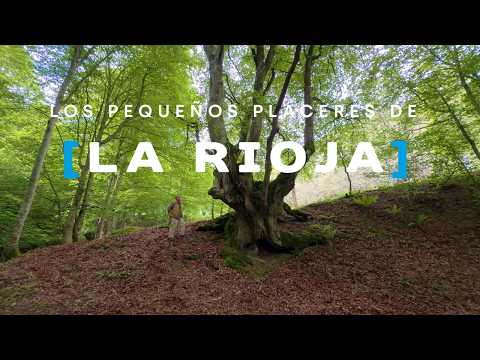
LA RIOJA: EL PLACER DE LAS PEQUEÑAS COSAS

💾

La Rioja es una de las comunidades españolas con mayor identidad y con recursos turísticos más populares. Pero más allá de los clásicos (Suso y Yuso, la calle Laurel de Logroño, Santo Domingo de la Calzada, el barrio de las bodegas de Haro) existe otra Rioja más desconocida, igual de interesante y sobre todo, mucho menos masificada en temporadas altas. Es La Rioja de las pequeñas cosas. La que te enseñó en este vídeo.

00:00 Introducción
01:05 Cuevas de los Cien Pilares
02:37 Monasterio de Santa María de San Salvador de Cañas
03:52 Hayedo de Tobía
05:20 Gastronomía
05:29 Alfarería Antonio Naharro
05:55 Los calados y bares degustación de vino
06:26 Valle del Alto Najerilla, monasterio de Nuestra Señora de Valvanera
06:35 Pueblos con encanto: Sajazarra, Peroblasco, Cellorigo
07:24 Vuelo en globo

En colaboración con @LaRiojaTurismoOficial


🧳¿ORGANIZAS UN VIAJE?

Obtén un 10% de descuento en tu SEGURO DE VIAJE
https://www.intermundial.es/afiliados/seguros-de-viaje-recomendado?utm_content=3181578

RESERVA EN BOOKING TUS HOTELES en cualquier lugar del mundo
https://www.booking.com/index.es.html?aid=1726023

Contrata aquí tus EXCURSIONES alrededor del mundo
https://www.civitatis.com/es/?aid=3058

📌Gracias a estos enlaces de afiliados conseguimos ingresos para mantener nuestra independencia y generar nuevos contenidos de calidad en este canal.

✈️¿Buscas INSPIRACIÓN PARA TUS VIAJES?
En mi web 🔗 https://1000sitiosquever.com encontrarás fotogalerías e información práctica de multitud de países que he visitado.

🎧 Escucha mis aventuras sonoras en formato PODCAST a través de SPOTIFY:
🔗https://open.spotify.com/show/0cRrD0JAPMxxAFZJgwqKph?si=2Y19pbSxRBW3UR7T0UDa5A&nd=1

o en IVOOX:
🔗https://www.ivoox.com/podcast-podcasts-paco-nadal_sq_f1868986_1.html

FOLLOW Sígueme también en:

INSTAGRAM https://www.instagram.com/paconadal/
FACEBOOK https://www.facebook.com/paconadal/
TWITTER https://twitter.com/paconadal
TikTok https://www.tiktok.com/@paconadal

PROGRAMA DE VOLUNTARIADO NO CEPEAS - 2026 , ALTO PARAISO DE GOIÁS, BRASIL.

💾

Link para acessar o formulário de inscrição : https://forms.gle/K31gM8XNFnuR7w9C9

Venha voluntariar no CEPEAS . Durante 12 dias intensos, você vai aprender na prática como implantar e manejar agroflorestas sintrópicas em um dos biomas mais desafiantes do Brasil para se fazer agricultura por processos. Preencha o formulário de inscrição e aguarde o resultado, dia 15 de julho divulgaremos o nome das pessoas selecionadas.

Você pode comprar a segunda edição impressa do livro, Agricultura Sintrópica segundo Ernst Götsch, com desenhos inéditos e originais de Ernst. Comprando o livro você apoia as pesquisas de Ernst Götsch e do CEPEAS.
Acesse a loja no link abaixo:
https://www.lojaplantandoflorestas.com.br
Para comprar na Europa acesse: https://bambualportugal.pt/ (inglês e português)

#SyntropicFarming #Agroforestry #RegenerativeAgriculture #CacaoAgroforestry #cacau #ErnstGotsch #SoilRegeneration #EcologicalSuccession #Agroecology #forests4farming #cepeas

IPv6 Is Watching You: The Hidden Privacy Nightmare (Good News and the Bad News)

💾

The vast majority of people, even tech people, do not understand the dangers of IPv6. This mysterious feature of the Internet is even being used actively by some Big Tech sites and we thought this was only used internally. You do even know that you have multiple routes over the Internet and some are dangerous but some are not. You can have full control over where your traffic goes and not let IPv6 dictate and this will decide how much privacy and security you will get.

My new Tech Deep Dive Channel - Please Subscribe!
https://www.youtube.com/@RobBraxmanDeepTechDive

----------------------------------
BraX3 Privacy Phone and Brax Open_Slate is on https://braxtech.net
-----------------------------------
Brax Virtual Phone, BraxSIM, De-Googled Phones, BytzVPN, BraxMail, BraxRouters are available on https://brax.me
-----------------------------------
Merch Store
https://my-store-c37a50.creator-spring.com/
-----------------------------------


I'm the Internet Privacy Guy. I'm a public interest technologist. I'm here to educate. You are losing your Internet privacy and Internet security every day if you don't fight for it. Your data is collected with endless permanent data mining. Learn about a TOR router, a VPN , antivirus, spyware, firewalls, IP address, wifi triangulation, data privacy regulation, backups and tech tools, and evading mass surveillance from NSA, CIA, FBI. Learn how to be anonymous on the Internet so you are not profiled. Learn to speak freely with pseudo anonymity. Learn more about the dangers of the inernet and the dangers of social media, dangers of email.


I like alternative communication technology like Amateur Radio and data communications using Analog. I'm a licensed HAM operator.


Support this channel on Patreon! https://www.patreon.com/user?u=17858353

Contact Rob on the Brax.Me App (@robbraxman) for encrypted conversations (open source platform)

https://bytzvpn.com Premium VPN with Pi-Hole, Cloud-Based TOR Routing

https://whatthezuck.net Cybersecurity Reference

https://brax.me Privacy Focused Social Media - Open Source


Please follow me on
Odysee
https://odysee.com/$/invite/@RobBraxmanTech:6
Rumble
https://rumble.com/c/robbraxman

#223 – Ivana Ćirković on How WordPress Credits Bridges Education and Industry in the WordPress Ecosystem

Transcript

[00:00:19] Nathan Wrigley: Welcome to the Jukebox Podcast from WP Tavern. My name is Nathan Wrigley.

Jukebox is a podcast which is dedicated to all things WordPress, the people, the events, the plugins, the blocks, the themes, and in this case how WordPress Credits bridges education and industry in the WordPress ecosystem.

If you’d like to subscribe to the podcast, you can do that by searching for WP Tavern in your podcast player of choice, or by going to wptavern.com/feed/podcast, and you can copy that URL into most podcast players.

If you have a topic that you’d like us to feature on the podcast, I’m keen to hear from you and hopefully get you, or your idea, featured on the show. Head to wptavern.com/contact/jukebox and use the form there.

So on the podcast today we have Ivana Ćirković. Ivana is a digital marketer with 18 years of experience working both in and out of the tech industry, and currently leads marketing at WPBakery. She’s an active participant in WordPress events, having attended, and spoken at, numerous local and international word camps over the years.

In this episode, our focus is on the WordPress Credits initiative. We learn how this program, launched by the WordPress Foundation, connects students with real world opportunities to contribute to the WordPress ecosystem, earn certifications, and increase their competitiveness in the job market.

Ivana discusses her own experience as a WP Credits mentor, working with students as they learn about digital marketing, remote work, and other open source contributions. We explore, how universities can modernise their curriculums, and real world value for students by participating in the initiative, and how businesses can get involved, not just to support the community, but to help shape and discover future talent.

The program’s evolving structure also gets attention, and we learn how students are guided through hands-on activities such as translation or documentation, and how their progress is tracked publicly via profiles on wordpress.org. Ivana shares the opportunities and challenges for both educators and businesses with thoughts on accountability, mentorship, and the need to bring new faces into the WordPress community.

If you’re interested in the future of WordPress, education, or bridging the gap between academia and industry, this episode is for you.

If you’d like to find out more, you can find all of the links in the show notes by heading to wptavern.com/podcast, where you’ll find all the other episodes as well.

And so without further delay, I bring you Ivana Ćirković.

I am joined on the podcast by Ivana Ćirković. Did I get that right?

[00:03:14] Ivana Ćirković: Yes. Excellent.

[00:03:16] Nathan Wrigley: Thank you. This is my first interview at WordCamp Europe 2026. I’m guessing because we’re on the first day of the event and it’s quite early in the morning, it’s 10 in the morning, I’m guessing you cannot have done your presentation yet?

[00:03:30] Ivana Ćirković: Not yet. Tomorrow.

[00:03:32] Nathan Wrigley: Do you get nervous with these kind of things?

[00:03:34] Ivana Ćirković: I get nervous all the time. I’ve been doing this for 12 years, it never gets easier. It is what it is.

[00:03:39] Nathan Wrigley: Well, the presentation that you are doing is going to be the focus of what we’re talking about today. So do you just want to tell us a little bit about the topic that you’re talking about, but also just give us a bit of a general bio about who you are and what you do. So just tell us about you and about your presentation basically.

[00:03:56] Ivana Ćirković: Okay. First thing first, I would like to introduce my presentation, or the talk, that is build up around WordPress Credits initiative, which is something that WordPress has rolled out late last year in December. And I applied to be a mentor to support students into their entering into WordPress. Got accepted, did my courses, passed them and started working with students on their, first entering the WordPress society, how everything works, contributing.

And out of all of this, I came up with the idea of sharing the story about WordPress Credits. What it is, why it is important, not just for the WordPress community, but also for universities all around the world for businesses to support, because there is an angle and huge opportunity for them too. And hopefully inspire people to join and become part of it more.

As far as I’m concerned, my name is  Ivana Ćirković and I am a digital marketer for 18 years. I’ve been working inside tech organisations, tech industry, but also outside of it. So I’m the multiverse. And lately, for past couple of years, I’ve been working in WPBakery, in marketing their product, and talking to people, sharing knowledge of what we do, how we do it, and so on. In the meantime I am attending many, many WordCamps, local and international ones, giving lectures, giving talks about digital marketing and all things related.

[00:05:39] Nathan Wrigley: So are you here at this event, not just to give your presentation, are you also here on behalf of WPBakery to represent them and the products that they have as well?

[00:05:47] Ivana Ćirković: Yes, we are sponsors. I am speaker, I was table lead for marketing on Contributors Day. So we are wide into the ecosystem.

[00:05:56] Nathan Wrigley: I have to say, having only been in this event space for about an hour, I’m actually deeply impressed by this particular event. It really is a gigantic venue. It’s so pleasurable as well to see the WordPress community in such large numbers here. And so we’re looking forward to a really good event.

Okay, let’s kick off with the topic at hand then. So it occurs to me that many people listening, whilst they’re using WordPress and they’re kind of, I don’t know, they’re building websites for people, and they’ve got products and plugins and they’re just general users. It may be that the community piece, and the educational piece, is nothing that they’ve heard of before. So would you just tell us a little bit about what WP Credits is as far as you’re concerned, just to give us that broad background of what it is?

[00:06:40] Ivana Ćirković: Okay. So WP Credits program is initially made to bring new young people into the WordPress, to broaden the ecosystem with the new fresh blood, new contributors. And to do so, WordPress Foundation initiated this program to connect with universities all across the world. To connect students to some programs, to learn about WordPress through contribution. For that, they will get graded and get certification, which in the end will help them be more marketable, and have more modern knowledge of what is needed in today’s job market, and to be more competitive and more appealing to potential employers.

So by doing so, WordPress Credits aims to broaden the ecosystem, to strengthen the WordPress community, and WordPress itself. But also to put new generations in more marketable place, and to help them get more profitable jobs.

[00:07:45] Nathan Wrigley: Thank you. That was a really nice summary. In terms of your personal commitment to it and what have you, how did you fall into it as a thing that you were doing? And is this something that you get sponsored for from WPBakery, or is it personal and simply a sort of philanthropic thing that you are doing on the side?

[00:08:01] Ivana Ćirković: Yeah, so basically, I’ve been doing education my whole professional life. So it’s something that comes natural to me. In my local country, in Serbia, I do informal education for high schoolers and primary school’s children about digital marketing, digital literacy. This is like very natural to me. I’m being sponsored by WPBakery to do so.

And the program works like, initiative needs people, needs more mentors to get involved. More than it needs like product and businesses to support with their products. So if there are businesses who are maybe interested in support through their product, know that you need to put your people first to actually get involved and contribute, and then you can offer products as the side piece, so to say.

[00:08:52] Nathan Wrigley: So yeah, it seems that you’ve got a lifelong interest in education as well. Okay, that gives me some sort of hook there.

Okay, if I was to say WP Credits to the people outside, the people who already knew about it, I think would probably peg it as entirely educational in nature, just an education initiative. But curiously, your presentation, the notes that went with that and the blurb that went on the WordCamp Europe website, you kind of make the point that it’s much bigger than that, and you get into businesses and the students themselves and universities.

So the students in universities bit, well, that’s the education piece. But the business bit, what’s going on there? Because I definitely hadn’t drawn that intuition. I thought education from top to bottom. But business, okay, where does that fit in?

[00:09:37] Ivana Ćirković: I will get the hot insights from the talk. So basically, there is more than what meets the eye, so to speak. Businesses have unique opportunity to shape people they want to employ by getting involved as mentors. They also get the chance to see firsthand how those young minds work in real environments, in real contribution. And they get the chance to pick and choose who they want to employ by seeing them work on some real things. Whether it’s documentation, whether it’s translation or programming, developing something, AI.

We need more people who know what they do, although they are young. By having students in this program, they are working on not fictional things, but actual things that really contribute to community and businesses as a whole. By supporting this initiative, businesses then in relations to that can get more insights into who they want to employ. So on top of that, they are building the better market for themselves as well.

[00:10:42] Nathan Wrigley: I guess the student university piece is fairly obvious. You know, WP Credits and the people working on that project communicate with universities, they’re probably easy to find. You know, if you go to a phone directory for example, they’ll all be there. And it’s an easy thing to do. You phone up the university and see if there’s interest. And I know that some universities have taken up the WP Credits program. And it seems to be, as far as I can work out, it seems to be working very successfully.

How are you going to make the connection with businesses? Because that seems like a much more scattered, I don’t know if you’re going to be working with big businesses, you know, huge companies or if it’s going to be kind of more the businesses on the street, the smaller businesses, that kind of thing. So, I’ll just sort of hand it over at that point.

[00:11:23] Ivana Ćirković: So basically, web agencies, businesses around WordPress, we know they have an issue with new employees onboarding last, let’s say three to six months. That cost time and money and other people who are teaching them what needs to be done and how.

Then we have WordPress Credit students who are already doing that junior type of work within contribution. They’re already onboarded through using Slack, knowing how to do remote work, what needs to be done. So businesses supporting WordPress Credits initiative can choose those students and spend less time and money and energy in onboarding them because they already went through that by doing WordPress Credits program.

[00:12:10] Nathan Wrigley: Yeah, I guess if you are a small web agency, it’s highly likely that you won’t necessarily have an induction program finely tuned, so that the young people that are coming through have this sort of specialised system where they can get some accreditation. It’s probably more, okay, I’m going to assign you to John this week and then next week you’re going to go over to Susan and follow what they’re doing.

So is there a sort of structured program that, let’s say a web agency based in London could drop into and receive documentation about? Where are we at with that whole process for the busineses?

[00:12:44] Ivana Ćirković: Yeah, so since this initiative is still fairly new and we already have just one generation of students that are passed the program, this is something in development. So at the moment, we still don’t have like a specific structure that is based just for agencies and businesses in general, but it is something that we are considering and working towards too. So definitely.

On the other hand, the upper management organisational team might not be aware to the fullest what am I about to talk. So it might come as a surprise to them, but also it is something in the works as well. So give us some time and we will come up with something.

[00:13:26] Nathan Wrigley: Yeah, it feels like that would be something really credible. Because if you’re a small business owner, the last thing you want to be doing is kind of wasting time. And onboarding somebody might be something that you’d have to divert weeks into, you know, syphoning employees off, writing documentation, SOPs, those kind of things. And if you could just pick something up off the shelf that was tried and tested over many years, that would actually be really handy. So good luck. I hope that that initiative comes off.

In terms of students, if you were a student, let’s say you are at a university, or you are looking for work, what would you say would be some of the top line items that you would mention as to why WP Credits is worth looking at? Because, you know, if I’m at a university, there’s probably a thousand different things that I could be doing. WP Credits would be in competition with all of those. Why do you think it’s something that young people should be taking care of to look at?

[00:14:17] Ivana Ćirković: Yeah, I would think differently, in that sense. Universities curriculums are outdated comparing to the industry that we are living and working in. So WordPress Credits gives something that is in trend. That is happening now that people are using and working now. So students who choose to go to this program are gaining the most efficient and not outdated curriculum, and things that are being worked on in this moment.

And this is bigger than WordPress. It is initially for WordPress, but the knowledge students get, nobody can take that away. They learn to be outspoken. They learn to use all the necessary remote work tools that is applicable in all the industry.

So we are really encouraging them to be very marketable employees and people who have portfolios, whether they choose that category that brings them portfolio. That is very transparent throughout whatever they do. Because on wordpress.org, every contribution is noted. So they’re building their own business brand by doing WordPress Credits. And in that way they are more marketable and can get more business opportunities.

[00:15:42] Nathan Wrigley: I didn’t realise that the wordpress.org profile, is it the profile that you mean?

[00:15:47] Ivana Ćirković: Yes.

[00:15:47] Nathan Wrigley: Each time you participate in one of these credit programs, that will be a badge, for want of a better word, that you can display and it will be freely available for the public. And presumably that will be difficult to acquire. That’s the wrong word. What I mean is, it won’t be simple to acquire. You will genuinely have had to.

[00:16:07] Ivana Ćirković: Yes, you need to do the work. Let’s say students are interested in translation. So they go to Polyglots team and they get assigned to a mentor who is on weekly basis working with them on onboarding, helping them how to navigate through wordpress.org website, translation, what needs to be done. And basically, for that student, they need to translate to have approved translation, 150 strings approved.

So that doesn’t mean, okay, I will translate 150 words. No, no. You might need to translate 500 words out of which 150 is approved. And this is the bare minimum you need to do in order to get that badge that you contributed. Because that contribution, each contribution needs to be something very specific and tailored to help other people. That is very open and helpful.

[00:17:00] Nathan Wrigley: So you mentioned translations there, which obviously is just one of multiple things that you could do, and we could list them all out, but we won’t. How is that curriculum, I’m doing air quotes, how is that curriculum decided upon? In other words, how do you decide, okay, I’m going to do a bit of translation, I’m going to do a bit of work on Core, I’m going to work for the Plugin Review Team? How is that decided? And, how is it decided by the institution, I guess that that’s going to equal something which our university will stamp as part of your degree, let’s say?

[00:17:33] Ivana Ćirković: Yeah. So basically, that is all arranged between the foundation and universities. You won’t get IT students doing marketing if that’s not their preferable choice. So students opt in. They’re given the whole like curriculum, categories of things they can contribute to. And the one they choose, this is the one they stick to throughout all the programs.

So you cannot switch in between like translation and documentation, or plugins, or WP-CLI whatever. The whole program stick to one chosen category. And that is all aligned with the, let’s say, topic of university. So IT is preferable for IT related contributions. Communications are also more favourable towards translation community, marketing. So it’s aligned that way.

[00:18:23] Nathan Wrigley: So flipping that round, so we’ve been talking about it from the point of view of the students. Now let’s just flip it around to the point of view of the university. I guess the same thing applies. They would have to communicate with the Foundation and say, okay, these are the kind of things that we wish our students to do. These particular strands, we will, you know, if they do 500 translation strings, that will count as something. I guess there’s got to be some interface between the Foundation and each university to establish what a credit equals.

[00:18:50] Ivana Ćirković: Yeah, common ground as to how WordPress Credits adds to the official curriculum of the university. And the thing that university get out of it, they are in position to offer modern, in trend, teachings, and that makes them more appealing to next generation of students. Because the more their existing students who are in the WordPress Credits program are succeeding, the more desirable the university gets to newer generations because they don’t teach outdated curriculums. They’re aligning to what is now efficient and needed in the job market.

[00:19:30] Nathan Wrigley: I suppose also as well, when I was at university, there was a choice of about, I don’t know, four things to do each year. Something like that. You could do this or this or this. And you had to pick one of them and that was your pathway. This feels much more wide open because knowing the WordPress ecosystem, I know that there’s dozens, maybe multiple dozens of different things that you could be involved in.

So that’s quite appealing as well, isn’t it? You know, you can just take a little nibble of this one thing, and another nibble of this. And so there’s potentially multiple dozens of different pathways that you could pick. And whilst you say that, once you’ve decided you’ve got to stick to that, well, that’s fair enough, but the fact that you’ve got so many different ways that you could choose. That to me as a university student would’ve been really appealing. The fact that there’s so many different things that you could do.

[00:20:15] Ivana Ćirković: Yeah. And once they got in, the overall input that we get from students that, first they don’t know that something like this exists. And once they go deep and start work, it’s like, wow. The whole mind just shifts, and they are amazed by all the possibilities that they can do within WordPress that isn’t talked about.

[00:20:36] Nathan Wrigley: Yeah. And I presume they get to do it in the way that the WordPress community works, which is remotely distributed and when you wish to do it. So long as I, you make the end of the university period of whatever a semester is or something, so long as you make the deadline, you can do it at night or in the early morning or.

[00:20:57] Ivana Ćirković: Exactly. So they are training to be like workers as we all are today, that are not restrained with some deadlines or by official university rules. They’re accountable for the final output. How will they come to that output? It’s entirely up to them because, yes, they are young but they’re not so young that they cannot be held accountable for their actions. So they need to do the work. We got weekly mentorships and assessments. So it’s a fun ride.

[00:21:31] Nathan Wrigley: So just touching on that, the sort of ongoing support that every student needs, because with the best rule in the world, there’s a proportion of students who will leave everything to the last minute. I’m looking at myself in the mirror when I say that. So that ongoing support, it’s a weekly sort of huddle. And is that like a one-to-one thing or is it a one to many thing?

[00:21:50] Ivana Ćirković: Yeah, so depending on the number of students, if a mentor has a one or two students, it can be one-to-one. If there are more like five or six, it’s better to have a group meeting on a weekly basis, and then Slack chats in between if anything is more needed than that.

So basically we go through what they did last week, are there any setbacks or they need additional help, or do they need information from other parts of the team? Are they interested in something else? So we are really trying to get them involved in a way that matters to them.

One of the things that each student needs to do, no matter section they chose, is to create a blog and to have weekly blog posts. So we discuss about that. What interests them. Whether they want to be something personal like, or professional like. So it’s very interesting to see how they think and how they express themself and how they build their online persona.

[00:22:55] Nathan Wrigley: Do those huddles take place on a, let’s say university by university basis? So for example, when you join and you mentor students, are they from the entire WP Campus project, or are you doing it from the university of this town and the university of that town?

[00:23:13] Ivana Ćirković: No, it’s mixed and matched.

[00:23:14] Nathan Wrigley: So, okay, well that’s a real strength as well it feels, because presumably then you’re on a call with people potentially from all over the world. Certainly people that you may not have encountered before. And those sort of serendipitous chance encounters can sometimes be some of the more meaningful ones. You know, work comes out of those things, and meetups come out of those things, and unexpected things come out of those things. So that must be really nice as well, watching those kind of things happen.

[00:23:42] Ivana Ćirković: Yeah, it’s like nothing I experienced before. And just to have the privilege to talk and work with those people, you never know what can come up out of them, and out of our connections. And I get inspired every time we have chats and they make me want to be a better educator.

[00:24:03] Nathan Wrigley: Oh, that’s interesting.

[00:24:04] Ivana Ćirković: So, yeah, that’s my take out of all this.

[00:24:06] Nathan Wrigley: Yeah. Okay, so there’s actually some psychological benefit for you as well. You get a real nice feeling of it. Okay, that’s really good.

So with the best will in the world, a university, every year there’s a cohort of children, young adults, whatever it may be, whichever institution it is, and a proportion of them will work diligently and hard and they will succeed. And some others maybe not so much.

How does that work? How do you ensure that everybody gets through it? And I don’t know if there’s enough data to answer this question. Again, I’m doing air quotes, how is the pass rate? Do most people that embark on this get through the necessary things? Or is there a fair bit of, I don’t know, discipline, for want of a better word, that needs to be applied and cajoling people to get through it?

[00:24:46] Ivana Ćirković: Yeah, so I touched base on the accountability. So we have not strict rules, but recommendations. Weekly mentor chats, async communication through Slack. They all have weekly tasks that needed to be done. So if a student don’t answer the message or come to weekly mentor call three times, they are no longer WordPress Credit students. And that is the accountability.

You need to show yourself that you are willing to do the work. So if you don’t care, we won’t force you to do that if you don’t want to. We will set reminders, we will call back, we will reach out. But if you are no show, no tell anything for three times, then evidently you are not for that. You don’t wish to be there, and we won’t force you to be there.

[00:25:40] Nathan Wrigley: And then in some way, are you required then to report that back to the institution and sort of say, okay, we’ve reached the end of the road here, and then it’s for them to figure out how that impacts. And presumably the students can.

[00:25:53] Ivana Ćirković: Their grades, yeah.

[00:25:53] Nathan Wrigley: Yeah, their grades what have you, okay. Touching back on the sort of business side, because we’ve dwelled a lot with students and universities and we’re going to stay with students, because that’s really the underpinning of the whole thing. How has the business side of things, is it taking off? You were describing that it’s kind of like a new thing. Have you got any sort of success stories or anecdotal evidence that people do in fact want this?

[00:26:15] Ivana Ćirković: Yeah, so it’s still fairly new, so we don’t have those anecdotes yet. One of the reasons why I’m here at the WordCamp Europe is to find out and to get new perspective from businesses to like reach out to them to see what they think about the program. Would they want to be evolved. And how to give tips, maybe how we can improve. So stay tuned for more.

[00:26:38] Nathan Wrigley: Yeah. And it is interesting, when you walk around an event like this, I don’t have the exact numbers, but the demographic is definitely skewing older. There’s not so many 18 year olds. And if this community wishes to carry on, at some point the age demographic will get to retirement age.

[00:26:57] Ivana Ćirković: Yeah. Just last night we were talking. I’ve been in the community for 11 years. And for 11 years all the same faces are here. And we really need new faces. But to get new faces, WordPress Credits is one part of the solution. But then again, we need to meet young people where they are. And they are not on the conferences, they are not on websites, they don’t use websites, they don’t care about websites. They are on very specific social media channels. And if we want to get fresh, new, young blood, we need to go there and to present what we do in a way that matters to those kids.

[00:27:35] Nathan Wrigley: In terms of success, if you were to, I don’t know, let’s imagine that we could cast our minds forwards five years, let’s go for that. What would you like to have happened with WP Credits? Would you like, for example, to see a bunch of 20 somethings wandering around in an event like this? Does it matter that they’re involved in the community and doing WordPress events and contributing to Core and those kind of things? Or is success just more broadly, people are using WordPress? You know, it’s still a project. What’s your take on, what does success look like in five years?

[00:28:08] Ivana Ćirković: For me, I would like to see more young people involved. Yes, we will always have users because in its core, WordPress is a very useful tool. And I’m happy to stumble upon that tool many, many years ago to use it both personally and professionally. But I really want to see young people involved in a way that we were involved 10, 15 years ago, and to see what can happen with WordPress.

I strongly believe it’ll be transformed, not with AI or all other flashy trends. WordPress has always been about people. And we need new people, we need young people to get it where it needs to be.

We are getting older and don’t have strengths or stamina to do so for how many long years. By having new kids, fresh perspectives, I’m really excited to see what they can come up with next.

[00:29:08] Nathan Wrigley: Yeah, it’s kind of handing over the baton in a way, isn’t it? Seeing what the future holds. Yeah, I definitely have concerns that the age demographic is skewing. And no matter what has happened in the past, I don’t see it being backfilled with younger people moment.

But I think that’s largely because we just assumed that that age demographic would fill itself, because we were excited about it, so the younger generation will be excited about it. Well it turns out the world moved on. And TikTok came along, and YouTube became a massive thing and mobile phones and all the different platforms became a thing. And so the attention was put elsewhere by many young people.

And so I suppose we needed to come up with a system where we are, in a sense, just putting it in front of their face and saying, look, it’s here. You know, you’re a university student, you are somebody looking for work in a small business. Here’s a credible way of getting involved in something which potentially could change your life. That seems like the most credible way of doing it at the moment. And I guess we’ll just have to see what the next five years brings.

In which case, is there anything that you felt you wanted to touch on that you wanted to get out of this chat before we finished?

[00:30:15] Ivana Ćirković: No, I think you did it masterfully. And we touched base on everything that needed to be said.

[00:30:20] Nathan Wrigley: Perfect. In that case, I will say Ivana, thank you for chatting to me today. Fingers crossed that your presentation goes well tomorrow, and that you pack the place out, and that by this time next week, you are extremely busy with the WP Credits program. Thanks for chatting to me.

[00:30:34] Ivana Ćirković: Thank you. Thank you for inviting me.

So on the podcast today we have Ivana Ćirković.

Ivana is a digital marketer with 18 years of experience working both in and out of the tech industry, and currently leads marketing at WPBakery. She’s an active participant in WordPress events, having attended and spoken at numerous local and international WordCamps over the years.

In this episode, our focus is on the WordPress Credits initiative. We learn how this program, launched by the WordPress Foundation, connects students with real-world opportunities to contribute to the WordPress ecosystem, earn certifications, and increase their competitiveness on the job market.

Ivana discusses her own experience as a WP Credits mentor, working with students as they learn about digital marketing, remote work, and open source contributions. We explore how universities can modernise their curriculums and add real-world value for students by participating in the initiative, and how businesses can get involved, not just to support the community, but to help shape and discover future talent.

The program’s evolving structure also gets attention, and we learn how students are guided through hands-on activities such as translation or documentation, and how their progress is tracked publicly via profiles on WordPress.org. Ivana shares the opportunities and challenges for both educators and businesses, with thoughts on accountability, mentorship, and the need to bring new faces into the WordPress community.

If you’re interested in the future of WordPress, education, or bridging the gap between academia and industry, this episode is for you.

Useful links

WordPress Credits

WPBakery

What it (really) means to be a part of the WP Credits program?

💾

A ciência está mais inteligente ou mais artificial com a IA?

Em janeiro de 2026, a Nature publicou um estudo dos mais abrangentes e robustos sobre a influência da inteligência artificial (IA) na produção de ciência. Pesquisadores da Universidade de Tsinghua, na China, e da Universidade de Chicago, nos Estados Unidos, analisaram 41,3 milhões de artigos científicos publicados entre 1980 e 2025 em seis grandes áreas das ciências naturais: biologia, ciências dos materiais, física, geologia, medicina e química.

Os resultados são positivos para quem adota IA em seus estudos: pesquisadores desse grupo publicam, em média, três vezes mais artigos e recebem quase cinco vezes mais citações do que os demais. A prática também acelera a carreira dos cientistas, que assumem a liderança de projetos mais cedo. A conclusão mais simplória é a de que a IA torna os cientistas mais produtivos, mais visíveis e mais influentes. 

No entanto, o estudo também mostra que a ciência, como construção coletiva, encolheu quase 5% em amplitude temática desde a disseminação da IA e gera 22% menos engajamento cruzado entre pesquisadores. Traduzindo: há mais cientistas publicando mais sobre menos assuntos, e esses trabalhos provocam menos conversas entre os pares.

“Fiquei surpreso com a menor probabilidade da IA gerar novos engajamentos”, afirma James Evans, professor de sociologia e ciência de dados na Universidade de Chicago, diretor do Knowledge Lab e um dos autores do artigo. “Pensei que essa tendência pudesse mudar ao longo do tempo que o estudo abrange, mas ela continua valendo para modelos recentes de IA.”

Mais produção, menos diversidade

O estudo divide a história da IA em três eras: a do aprendizado de máquina clássico (machine learning), de 1980 a 2014; a do aprendizado profundo (deep learning), de 2015 a 2022; e a da IA generativa, de 2023 em diante. Em todas elas, o padrão se repete: o cientista que adota IA ganha em produtividade individual, mas a ciência como um todo perde em diversidade temática.

Para medir essa perda, os autores desenvolveram o conceito de “extensão do conhecimento”, uma medida da variedade de temas explorados por um conjunto de artigos. Quando comparados em amostras aleatórias, os artigos que usam IA cobrem um espaço temático quase 5% menor do que os que não usam. E isso vale para mais de 70% das mais de 200 subáreas do conhecimento analisadas no estudo.

Uma das explicações para esse resultado é a disponibilidade de dados. A IA funciona melhor onde há mais dados estruturados para treinar modelos e validar previsões. Isso pode atrair pesquisadores para campos já maduros, com padrões e referências consolidados, em detrimento de questões menos estabelecidas e, portanto, “arriscadas”.

“Acelerar a atividade científica sob a luz lançada por fenômenos de alta visibilidade e ricos em dados afasta a ciência de muitas questões fundamentais e a empurra em direção a questões operacionais”, pontuam os autores no artigo. “A IA parece impulsionar a solução de problemas em vez de gerá-los”, completam.

Os resultados apresentam a seguinte lógica: se publicar com IA garante mais citações e mais visibilidade, o incentivo para adotar a tecnologia cresce. E quando mais pesquisadores se voltam para os mesmos campos – os mais ricos em dados e aqueles em que o uso da IA já é mais consagrado – a atenção passa a se concentrar em poucos trabalhos de destaque. O estudo mede essa desigualdade com o índice de Gini, que vai de 0 (distribuição perfeitamente equilibrada) a 1 (concentração máxima). Entre os artigos que usam IA, as citações recebidas se acumulam mais: 22% dos papers mais citados abocanham 80% de todas as menções, o que leva o índice a 0,75. Entre os artigos que não usam IA, a atenção se distribui de forma mais espalhada, e o índice fica em 0,69. Ou seja, na ciência feita com IA, alguns poucos estudos concentram uma fatia desproporcional da atenção.

Evans chama isso de “multidão solitária”: artigos que se voltam para os mesmos tópicos populares, mas que interagem menos entre si. “A adoção de IA na ciência apresenta o que parece ser um paradoxo: uma expansão do impacto dos cientistas como indivíduos, mas uma contração no alcance da ciência coletiva”, opina.

Fabio Cozman, diretor do Centro de Inteligência Artificial da USP (C4AI), apoiado pela FAPESP, por outro lado, considera outras possibilidades. “A IA é uma ferramenta útil e poderosa. Se ela for usada para ficar repetindo soluções, ela vai, sim, aumentar o overlapping”, afirma. “Mas cabe a nós, à comunidade acadêmica e também aos órgãos de financiamento, ter uma política agressiva que valorize a originalidade. Isso vai forçar os pesquisadores a usar as ferramentas de IA como suporte para a busca de novas ideias.”

Dilemas para jovens cientistas

Há outra dimensão da adoção de IA na produção acadêmica que levanta um questionamento entre pesquisadores ouvidos pela reportagem: o que acontece com os jovens cientistas que deveriam aprender realizando tarefas que agora a IA executa?

O estudo revela que equipes de pesquisa que usam IA tendem a ter menos pesquisadores – sobretudo em início de carreira. O número médio de cientistas júniores em equipes que não trabalham com IA é de 2,89. Já em equipes que aplicam IA na pesquisa, a quantidade é de 1,99 (31% a menos). Considerando pesquisadores sênior, a discrepância é menor: média de 4,01 em times que adotam IA e de 3,58 em times que não adotam. Em outras palavras: proporcionalmente, a IA substitui mais iniciantes do que veteranos.

Ao mesmo tempo, cientistas iniciantes que trabalham com IA têm 45% de chance de se estabelecer na carreira, uma taxa 13,64% superior à dos pares que não usam a tecnologia. “Meu medo não é que os jovens dependam da IA para executar a parte técnica, mas que ela cause uma dessensibilização neles”, comenta Helder Nakaya, pesquisador sênior do Einstein Hospital Israelita e professor da Faculdade de Ciências Farmacêuticas da USP. 

Marcos Buckeridge, professor do Instituto de Biociências e vice-diretor do Instituto de Estudos Avançados da USP, compartilha a preocupação e vai além. Para ele, o artigo da Nature carrega um risco adicional: ser mal interpretado pelos pesquisadores em formação. “Ele é instrutivo e ao mesmo tempo perigoso. Pode induzir a uma utilização da IA a qualquer custo”, comenta. Afinal, se publicar com IA garante mais citações e uma carreira mais rápida, jovens cientistas pressionados pelo sistema de avaliação acadêmica têm todos os incentivos errados para adotar a tecnologia de forma irrefletida, independentemente da pertinência científica. 

A questão da formação tem um aspecto ainda mais concreto. Análise de dados, revisão de literatura e planejamento de experimentos são habilidades aprendidas na prática – errando, corrigindo e refazendo. É nesse processo que surgem perguntas novas, insights inesperados e uma intuição que a IA ainda não oferece.

“Uma coisa é usar a IA para aumentar a produtividade em tarefas que o pesquisador já domina. Outra é aprender a fazer ciência usando IA desde o início”, afirma Nakaya. “Há estudos que indicam que o aprendizado com IA não ativa as mesmas áreas do cérebro que são estimuladas pelo aprendizado sem esse apoio”, diz. O estudo deixa em aberto justamente o que acontece quando a tecnologia encurta – ou substitui –  essas etapas fundamentais da formação científica.

“O papel do orientador será cada vez mais estimular reflexão, em vez de focar na técnica, que será automatizada”, diz Nakaya. “O que sobra para mim, como cientista, é a parte da curiosidade, que é o que fez a gente entrar nesse caminho.”

Buckeridge vê benefícios mais concretos. Desde 2023, os manuscritos de seus alunos passaram a chegar com o inglês mais polido graças à IA generativa. O biólogo vê vantagem na mudança, especialmente para pesquisadores de países que não têm o inglês como língua nativa. “Isso pode liberar o foco do pesquisador para as ideias, para os dados, para tornar a ciência melhor.” Entretanto, ele estabelece limites: “Mas a aprendizagem pelo fazer continua sendo insubstituível.”

A ciência que a IA não alcança

Evans, que além de pesquisador na Universidade de Chicago, é também pesquisador visitante no Google, acredita em uma mudança no foco de aplicação da IA na ciência. Em vez de priorizar dados existentes, o objetivo deveria ser usar a tecnologia para coletar dados novos, em territórios ainda não mapeados.

“Usar IA para impulsionar a coleta de novos dados representaria uma mudança crucial em direção a problemas que somente ela pode ajudar a resolver”, afirma Evans. “O processamento de dados já existentes demonstra que a IA tem bom desempenho com esse tipo de informação. Contudo, é possível estimular a coleta de dados inéditos que conectem sistemas biológicos conhecidos ou que relacionem informações de escala astronômica com áreas da física que buscam pistas valiosas pelo Universo, como quem procura uma agulha no palheiro.”

Evans também trabalha em uma direção menos explorada: abrir novas dimensões nos modelos de linguagem, em vez de apenas comprimir informação existente. “Estamos desenvolvendo modelos para reconhecer dados, afirmações ou artigos surpreendentes e, em seguida, avaliar, a partir de uma surpresa identificada, que outras ideias improváveis até então podem ser mais prováveis agora?” A lógica é a da descoberta: encontrar o que era invisível em vez de otimizar o que já se conhece.

Segundo Cozman, da USP, “cabe a nós valorizar menos a repetição e o número de publicações e valorizar aquilo que é novo, mesmo quando não deu certo, porque isso é o que é difícil na análise e no suporte à pesquisa.”

O lugar humano na pesquisa

Nakaya, que aplica aprendizado de máquina em suas pesquisas há mais de duas décadas, desde seu doutorado, analisa que o impacto da IA na ciência seguirá três estágios. No primeiro, o atual, a tecnologia aumenta a produtividade individual. No segundo, já em curso, a IA passa a executar tarefas melhor do que os humanos, e ao cientista caberá fazer as perguntas certas e entender os gargalos. No terceiro, mais distante, a IA também formulará as perguntas, e o que sobrará para os pesquisadores será, ironicamente, aquilo que os levou à ciência em primeiro lugar: o gosto pela curiosidade. “No futuro, a meu ver, vai sobrar fazer pesquisa não utilitarista, por prazer”, diz Nakaya. 

Ele também traça um paralelo com o xadrez. Em 1997, Garry Kasparov perdeu para o supercomputador Deep Blue e muita gente achou que o jogo acabaria. “Hoje, mais pessoas jogam xadrez do que antes. Temos que perder um pouco desse ego de achar que vamos ser sempre melhores do que as máquinas. Em alguns aspectos seremos piores. Tudo bem. Vamos usar as máquinas para melhorar a nossa pesquisa”, afirma.

Buckeridge evoca uma analogia com outro jogo ainda mais popular: o futebol. “Em relação à IA, assim como no esporte, a gente tem que antever a jogada e se mover para onde a bola vai estar e não se aglomerar onde ela está”. O perigo, para ele, é a ciência correndo atrás “da bola” da IA e abandonando campos com menos dados, mas com questões igualmente importantes. “Vai se repetir o que aconteceu com a biologia molecular. Chegou um momento em que todo mundo foi atrás e faltou gente em bioquímica. Isso é ruim para a ciência, ruim para a produção do conhecimento, mas é assim que o jogo é jogado”, conclui.

Conhecimento não é entendimento

Há uma anedota do físico americano Richard Feynman: você pode saber o nome de um pássaro em todas as línguas do mundo e continuará sem saber nada sobre o pássaro. Em outras palavras, o conhecimento não é a mesma coisa que o entendimento. Ter acesso a toda a literatura científica via um modelo de linguagem não faz de ninguém um cientista, mas somente alguém bem informado.

O estudo de Evans e colaboradores aponta, nesse sentido, para um horizonte que vai além das métricas de produtividade. Ao final, a pergunta não é apenas quantos artigos a IA ajuda a publicar, mas o que esses artigos estão descobrindo e, mais importante, o que estão deixando de perguntar.

“Esses achados iluminam um caminho crítico e amplo para o desenvolvimento da IA na ciência”, escrevem os autores no artigo da Nature. “Para preservar a exploração coletiva numa era de uso de inteligência artificial, precisaremos reimaginar sistemas de IA que expandam não apenas a capacidade cognitiva, mas também a capacidade sensorial e experimental, permitindo e incentivando os cientistas a buscar, selecionar e coletar novos tipos de dados de domínios anteriormente inacessíveis, em vez de meramente otimizar a análise de dados existentes”, completam.

A história das grandes descobertas científicas, argumentam, está mais ligada a novas formas de ver a natureza do que à otimização das formas já existentes de olhar para ela. O desafio é ensinar à máquina, e aos jovens pesquisadores, o caminho da curiosidade.

I Just Made WORDPRESS Editing SIMPLE (Try It in 1 Click)

💾

I've turned my WordPress Site Editor simplification concept into a real Gutenberg pull request - and you can test it yourself in WordPress Playground with one click.

A few months back I showed this as a concept. You wanted a real PR, not just a demo. So that's what I built.

I take you through the whole thing - a stripped-back sidebar, smarter page creation, a unified editing canvas, better navigation menus, a content types browser, and a first look at the Workspaces concept. Mockups create opinions. Working prototypes create evidence.

👇 Check the PINNED COMMENT for the Playground link and the PR.

---

📋 Site Editor Complexity playlist: https://www.youtube.com/playlist?list=PLrseGPEoB8wM8rlu_J8qTtEW_B7bDK8ja

---

Timestamps

00:00 Introduction
00:54 Demo Start
01:54 Orientation
02:37 Homepage Discoverability
03:31 Configuring Homepage
04:21 Simplified Editor Sidebar Menu
05:27 New Pages screen
06:50 Adding Pages Flow
08:50 Universal Canvas
11:33 Swapping Page Templates
12:21 Managing Posts and Layouts
15:28 Custom Post Types
17:04 Navigation Menus Upgraded!
18:21 Auto Menus (Simplified)
20:46 Adding Menu Items
23:46 Bulk Add Menu Creation
26:12 Design & Identity
27:05 Workspaces
29:24 Customising Editor Sidebar
30:23 Test the Prototype Yourself
32:17 How to provide feedback

The hunt for the blackest black | Stories in Colour Podcast S2 Ep7 | National Gallery

💾

Today we're on a hunt with artists through time, searching for the blackest black. We’re after the deepest blacks, the most accurate blacks and, the most atmospheric blacks.

Beks is joined by artist Stuart Semple to help answer questions such as: is black really a colour and how do we see the colour black?

Step back in time to the Palaeolithic era to discover ancient cave paintings at the Lascaux caves. Then jump forward in time to hear about the scientific breakthrough Vantablack and the arguments it has caused.
_______

Stuart Semple is a multidisciplinary British artist whose work spans painting, performance, internet art, and installation. His work is known for its vibrant use of colour and techniques that challenge societal norms and question the role of the artist.
_______

Subscribe to our YouTube channel and never miss an episode of 'Stories in Colour': http://bit.ly/1HrNTFd

Watch your next episode of 'Stories in Colour': https://www.youtube.com/playlist?list=PLvb2y26xK6Y5oKGCTKesXyO-LR3f2XcZF

You can email us with any questions via podcast@nationalgallery.org.uk

Find out more about the podcast on our website: https://www.nationalgallery.org.uk/podcast
_______

🎨 Find out more about the artworks mentioned in this episode:

Hilaire-Germain-Edgar Degas, 'Ballet Dancers', 1888 https://www.nationalgallery.org.uk/paintings/hilaire-germain-edgar-degas-ballet-dancers-1

Frans Hals, ‘The Laughing Cavalier’, 1624 © The Wallace Collection, London https://www.wallacecollection.org/explore/collection/search-the-collection/laughing-cavalier/

John Singer Sargent, ‘Madame X (Virginie Amélie Avegno Gautreau)’, 1883-84 © The Metropolitan Museum of Art, New York https://www.metmuseum.org/art/collection/search/12127

John Singer Sargent, ‘Lord Ribblesdale’, 1902 https://www.nationalgallery.org.uk/paintings/john-singer-sargent-lord-ribblesdale

Robert Fludd, '"And so on to infinity..."', 1617. In 'Utriusque Cosmi, Maioris scilicet et Minoris (1617–21)'. Source: Wellcome Collection https://wellcomecollection.org/works/gbbychu2
_______

Further reading:

Find out more about the history of the Lascaux caves: https://lascaux.fr/en/history-of-lascaux/

If you want to find out more about how we see colour, check out our first ever episode of 'Stories in Colour': https://www.youtube.com/watch?v=gYTWp_iLRh4&list=PLvb2y26xK6Y5oKGCTKesXyO-LR3f2XcZF&index=19

Isaac Newton, ‘Opticks: A Treatise of the Reflexions, Refractions, Inflections and Colours of Light’, 1704 [Book] https://wellcomecollection.org/works/d445akky/items

Find out more about Vantablack: https://www.vantablack.co.uk/

Take a closer look at Asif Khan's Hyundai Pavillion: https://www.asif-khan.com/project/hyundai-pavilion/

Find out more about Sir Anish Kapoor’s work with Vantablack: https://www.theartnewspaper.com/2020/03/11/anish-kapoor-to-unveil-worlds-blackest-sculptures-during-2021-venice-biennale
https://www.southbankcentre.co.uk/whats-on/anish-kapoor/#venue

Find out more about Stuart Semple's work: https://stuartsemple.com/

Find out more about MIT's "blackest black" coating and 'The Redemption of Vanity': https://news.mit.edu/2019/blackest-black-material-cnt-0913

Robert Fludd, ‘Utriusque cosmi maioris scilicet et minoris metaphysica, physica atque technica historia ... [Tractatus secundus de naturae simia seu technica macrocosmi historia]’, 1624 [Book] https://wellcomecollection.org/works/tymqmuxa/items?canvas=42
_______

Episode credits:

Guest: Stuart Semple
Host and executive producer: Beks Leary  
Producer: Harry Rosehill  
Researcher: Hannah Rogers  
Technicians: Ian Warren, Tom Gulliver and Timothy Carpenter
Video Producers: Jeanne Kenyon and Alessandro Sorenti
Editor: Oli Mason
Theme music: Theo Elwell 

#NationalGallery #ArtHistory #Podcast #StoriesInColour

🎞 Subscribe to our YouTube channel and never miss a video: http://bit.ly/1HrNTFd

Follow us on social media!
⭐️ Instagram: https://instagram.com/nationalgallery
⭐️ TikTok: https://www.tiktok.com/@nationalgallerylondon
⭐️ Facebook: https://en-gb.facebook.com/thenationalgallery/
⭐️ Threads: https://www.threads.net/@nationalgallery
⭐️ X, formerly Twitter: https://twitter.com/NationalGallery

Help keep the museum accessible for everyone by supporting us here: https://www.nationalgallery.org.uk/support-us

The world's greatest paintings to your inbox. Sign up to receive the latest news from the Gallery: https://bit.ly/3m0FY98

The National Gallery houses the national collection of paintings in the Western European tradition from the 13th to the 19th centuries. The museum is free of charge and open 361 days per year, daily between 10am - 6pm and on Fridays between 10am - 9pm.

Trafalgar Square, London, WC2N 5DN
https://www.nationalgallery.org.uk

The Andy Burnham Show

💾

Andy Burnham will soon become the UK’s seventh prime minister since 2010 and will face many of the same problems that defeated his predecessors, not least the UK’s stubbornly weak economy. To dissect the collapse of the Starmer project and the prospects for a Burnham administration, James is joined by Patrick Maguire, chief political commentator for the Times, and William Davies, a political economist at Goldsmiths.

Patrick Maguire is the author of 'Get In: The Inside Story of Labour Under Starmer',.

William Davies is a regular contributor to the LRB and the author of 'This is Not Normal: The collapse of liberal Britain' among other books.

Subscribe to the LRB: https://www.lrb.me/youtube

ABOUT THE LRB

The LRB is Europe’s leading magazine of books and ideas. Published twice a month, it provides a space for some of the world’s best writers to explore a wide variety of subjects in exhilarating detail – from culture and politics to science and technology via history and philosophy. In the age of the long read, the LRB remains the pre-eminent exponent of the intellectual essay, admired around the world for its fearlessness, its range and its elegance.

As well as essays and book reviews each issue also contains poems, an exhibition review, ‘short cuts’, letters and a diary, and is available in print, online, and offline via our app. Subscribers enjoy unlimited access to almost 15,000 articles in our digital archive. Our website features a regular blog and a channel of audio and video content, including podcasts, author interviews and highlights from the events programme at the London Review Bookshop.
❌