In today's video, we'll talk about why I'm only going to read 12 books in 2026 and why a lean reading list is a lot more impactful than a bloated one.
Want more exercises & mindsets to become a better reader? You can now get a free 7-day email course on deeper reading plus a weekly newsletter that takes you further. Sign up now at: https://www.amugofinsights.org/
Want to build your own Lean TBR? My members' workshop: Design Your Ideal TBR/Personal Curriculum, gives you the exact framework for finding the right books and reading them without overwhelming your life. This is where you can use the ideas in this video to plan practical reading plan. Access it here: https://www.amugofinsights.org/session-1-design-your-ideal-tbr-personal-cirriculm/"
A congressional investigation estimates broker breaches have cost consumers $20 billion in identity theft. Major brokers now promise to make it easier to opt out of their databases.
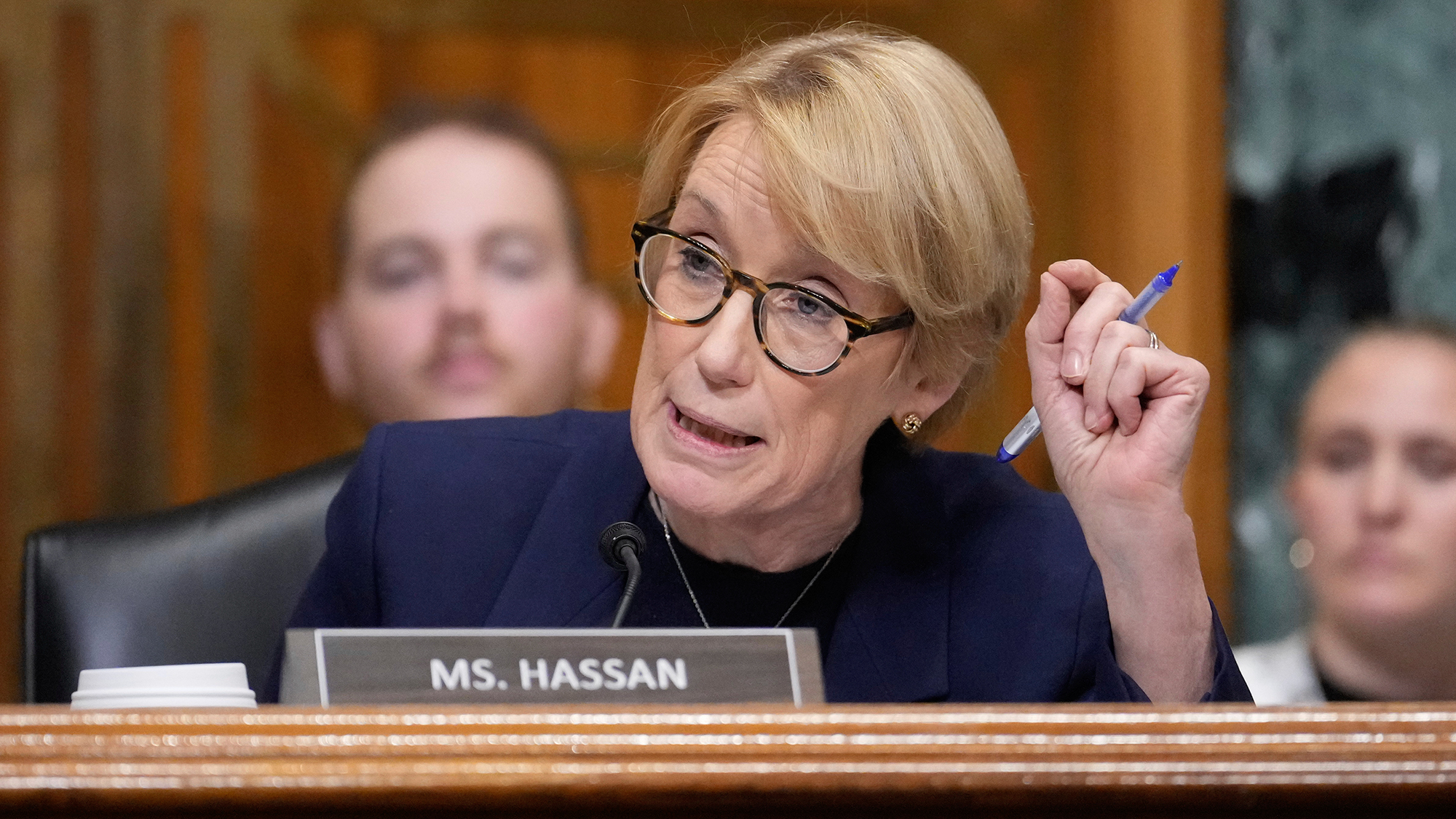
Sen. Maggie Hassan kicked off an investigation into data brokers in response to CalMatters reporting. Hassan speaks during a Senate Finance Committee on Capitol Hill, March 14, 2025.
Ben Curtis, AP Photo
Breaches at data brokers have cost American consumers more than $20 billion, Congress’s Joint Economic Committee revealed Friday as part of an investigation triggered by The Markup and CalMatters.
The estimated losses stem from identity theft linked to just four recent data breaches involving major brokers, the committee said in a report.
Released by the committee’s Democratic minority, the document repeatedly cited reporting into data brokers from The Markup and CalMatters, done in collaboration with WIRED.
The committee followed up directly on the Markup and CalMatters’ reporting, which in August showed how data brokers were hiding from search engines legally-mandated pages where Californians can request that the brokers delete or stop selling their data.
Shortly after that story was published, New Hampshire Democratic Sen. Maggie Hassan, ranking member of the committee, sent a letter pressing some brokers to explain their practices. In response, the report revealed, four major data brokers engaged with congressional staff and changed their practices to make it easier for consumers to control the use of their data.
Data brokers and the ‘no-index’ tag
Data brokers, as defined in the California law that requires brokers to provide consumers the so-called “opt out” pages, are companies that gather data on consumers, then sell that data to other companies who do not have a direct relationship with the consumers. Typically, companies buy such information from data brokers for marketing purposes.
Brokers can gather the data from information like public records, or more invasive methods like tracking online activity. Though brokers hold potentially sensitive information on consumers, many Americans are unaware they exist.
Under the California law, data brokers that reach a certain size are required to register and provide a clear way for consumers to request that their information be removed, that it not be sold or that they get access to it. But The Markup and CalMatters’ August story examined how several data brokers used code called the “no-index” tag on pages where consumers could exercise their right to opt out.
The tag is used to tell search engines not to index the page, meaning the information may not be returned in search results. The story noted that this created a barrier for consumers looking to block brokers from using their data. Many of the data brokers quickly removed the tag as the story was published.
In response to that initial reporting, Hassan independently contacted five major brokers, asking for more information about their practices. Only one registered broker, called Findem, declined to engage with staff or change its practices, the report said.
“Following Ranking Member Hassan’s requests, most companies took action to make their opt out and other privacy pages more visible for individuals, including by removing ‘no index’ code, adding opt-out links in more prominent locations, and publishing blog content that explains how consumers can exercise their privacy rights,” the report reads. “Ranking Member Hassan welcomes these actions as supporting greater protection for consumers against scams and other harms.”
Billions in losses
The report goes on to estimate the potential losses incurred by consumers because of recent data broker breaches, pegging the number at $20.8 billion.
Congressional staff found that hundreds of millions of people were exposed by just four major data broker breaches in the last 10 years. The breaches counted were a 2017 Equifax incident, impacting 147 million people, as well as others involving Exactis in 2018, 230 million people, National Public in 2023, 270 million people and TransUnion in 2025, 4 million people.
Using estimates of the number of people who experience identity theft after breaches, as well as an assumed median loss of $200 from thefts, the report arrived at the nearly $21 billion figure.
The report calls for action to prevent such losses in the future, including by filling gaps exposed by The Markup and CalMatters’ reporting on brokers.
“The Committee’s findings underscore the need for clear, easy access to opt-out options and more rigorous oversight within the data broker industry. Especially given the Committee’s calculation that U.S. residents have lost more than $20 billion in recent data breaches, additional action is needed to protect Americans from scams connected to data brokers,” the report reads. “At a minimum, opt-out options should be easy to locate and use.”
A América Latina tem acompanhado mudanças históricas nas relações de trabalho. Na última sexta-feira (20), a Câmara dos Deputados da Argentina aprovou a reforma trabalhista proposta pelo presidente Javier Milei, que tem semelhanças com as alterações feitas na legislação brasileira desde 2017. O movimento, que resultou em greves e protestos pelo país, reacendeu o debate em torno do tema também no Brasil, em meio à atual mobilização pelo fim da escala 6x1.
Neste episódio, o Pauta Pública recebe a economista e professora da Unicamp Marilane Teixeira para analisar o que está em jogo nas disputas em torno do trabalho e quem ganha ou perde com as eventuais mudanças. Segundo a pesquisadora, as flexibilizações na legislação aprovadas em ambos os países não combatem a informalidade nem o desemprego, e retiram direitos historicamente conquistados pelos trabalhadores.
Ouça o episódio completo e deixe seu comentário sobre o tema.
Não deixe também de curtir e compartilhar o Pauta Pública para que o debate chegue a mais pessoas.
Saiba que você pode ser aliado da Agência Pública e colaborar com esse trabalho. Saiba mais em apoie.apublica.orgou faça um pix de qualquer valor para contato@apublica.org. Contamos com seu apoio!
Quem foram nossas primeiras poetas? Neste episódio, as escritoras Ana Rüsche e Lubi Prates conversam com a colunista Bruna Beber sobre a antologia Inesquecíveis: Quatro Séculos de Poetas Brasileiras (Bazar do Tempo), que as duas organizaram e acaba de chegar às livrarias. O livro reúne perfis e uma seleção de poemas de trinta grandes poetas brasileiras desde o século 18, algumas ainda pouco conhecidas. As convidadas falam dos desafios da pesquisa, da importância das autoras em seu tempo e de como o machismo apagou a história das poetas pioneiras em nosso país.
Apoio: Lei Rouanet – Incentivo a Projetos Culturais Assine a Quatro Cinco Um por R$ 10/mês: https://bit.ly/Assine451 Seja um Ouvinte Entusiasta e apoie o 451 MHz: https://bit.ly/Assine451

 Login
Login