❌

Reading view

Coman M1 Pro: The $700 Must-Have for Videographers!

💾

Discover why the Coman M1 Pro is the $700 must-have for videographers! (There's also a $300 non-carbon version, see link below.)

This versatile monopod offers unmatched stability, flexibility, and innovative features to elevate your creative workflow. Designed for serious video work, it’s perfect for wildlife photography, birdwatching, or capturing cinematic footage in the field.

_________________________________________________________
Non-Carbon Version (More Affordable) - https://geni.us/gocF
Full Carbon Version (Lighter) - https://geni.us/ObsyTP

Affiliate links may earn Imaging Resource a commission
_________________________________________________________

Key highlights:
- Dozens of features, from quick-adjust legs to a locking pivot switch
- Fluid head for smooth, precise motion
- Stable feet with customizable resistance for real-world testing
- Quick-release system for effortless adjustments
- Modular design for DIY options, including compatibility with standard tripod heads
- Compact and lightweight alternative to bulky tripods

Whether you’re a creative professional seeking the best photography gear or exploring new tools for your projects, the Coman M1 Pro delivers exceptional value with its weather sealing, adaptability, and user-friendly design. Ready to transform your workflow? Read our in-depth report over on Imaging Resource for detailed reviews, benchmarks, and comparisons with other models. Don’t miss out—this monopod truly stands out as a game-changer in videography equipment!

#fluidhead #stabilitygear #kmanm1pro #videographygear #monopodreview

CHAPTERS:
00:00 - Coman M1 Pro Monopod Review
01:46 - Coman M1 Pro Monopod Feedback
02:26 - Coman M1 Pro Monopod Conclusion

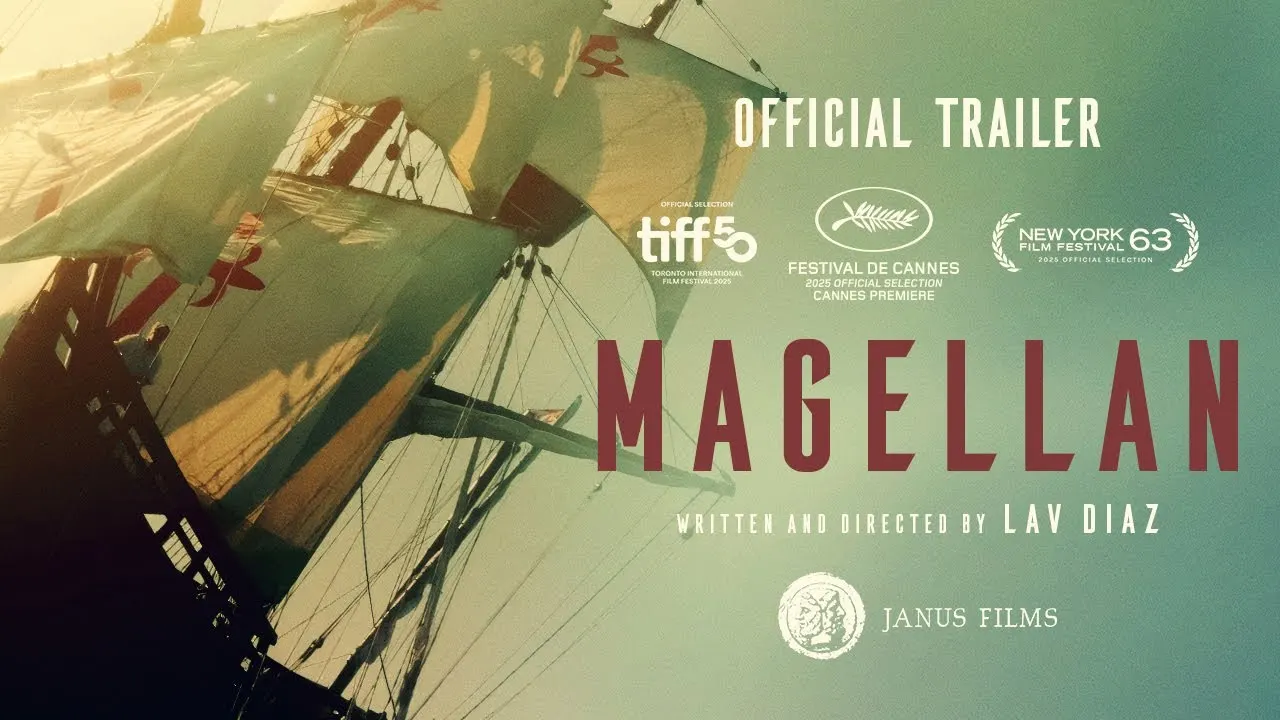
In NY and LA Theatres January 2026 - major new movie Magellan is shot on the Panasonic GH7

MAGELLAN - Official Trailer
▶ MAGELLAN - Official Trailer

With really filmic results, the filmmaker Lav Diaz decided to use the most compact Super 16mm rig out-there - the Panasonic GH7. It has a hypnotic hybrid documentary-cinematic look and the look of Super 16mm film, showing that the format of Micro Four Thirds is still every bit as brilliant in the right hands as full frame or Super 35mm - despite the large-sensor-craze of the 2020s!

According to Reddit, it was shot with native glass as well. The Panasonic 12mm F1.4 and 25mm primes. [Reddit Source]

The dynamic range is really up there with film isn't it?

The final cut also shows off a perfect fine monochromatic grain and texture, just like real thing (Super 16mm film). Although it isn't certain whether this is added in post, or straight out of camera in V-LOG, the look is absolutely fantastic.

The movie premiered at Cannes this year and will have a theatrical release just after Christmas.

Cast and crew:

https://www.festival-cannes.com/en/f/magalhaes/

Be sure to seek it out in a town or city near you.

There's in-depth discussion on Reddit, and on the EOSHD Forum here.

https://www.reddit.com/r/Lumix/comments/1p0ljsf/lav_diazs_newest_feature_film_magellan_is_shot_on/

In NY and LA Theatres January 2026 - major new movie Magellan is shot on the Panasonic GH7 was first published on EOSHD.

In NY and LA Theatres January 2026 – major new movie Magellan is shot on the Panasonic GH7

With really filmic results, the filmmaker Lav Diaz decided to use the most compact Super 16mm rig out-there – the Panasonic GH7. It has a hypnotic hybrid documentary-cinematic look and the look of Super 16mm film, showing that the format of Micro Four Thirds is still every bit as brilliant in the right hands as full frame or Super 35mm – despite the large-sensor-craze of the 2020s!

According to Reddit, it was shot with native glass as well. The Panasonic 12mm F1.4 and 25mm primes. [Reddit Source]

The dynamic range is really up there with film isn’t it?

The final cut also shows off a perfect fine monochromatic grain and texture, just like real thing (Super 16mm film). Although it isn’t certain whether this is added in post, or straight out of camera in V-LOG, the look is absolutely fantastic.

The movie premiered at Cannes this year and will have a theatrical release just after Christmas.

Cast and crew:

https://www.festival-cannes.com/en/f/magalhaes/

Be sure to seek it out in a town or city near you.

There’s in-depth discussion on Reddit, and on the EOSHD Forum here.

Lav Diaz's newest feature film Magellan is Shot on lumix cameras particularly the GH7
byu/hennyl0rd inLumix

The post In NY and LA Theatres January 2026 – major new movie Magellan is shot on the Panasonic GH7 appeared first on EOSHD.com - Filmmaking Gear and Camera Reviews.

ARRI closes factories, contemplates company sale

ARRI which still builds cameras in Germany is to close two factories as the ongoing retraction in filmmaking continues to bite.

The closure of the two facilities which produce ARRI lighting equipment (which by the way, is the best in the industry) will result in 150 job losses in Germany.

This is a real chance for Canon or Sony to save ARRI and in return be the dominant player in cinema.

If the company continues without a buyer, the future doesn't look particularly bright - despite having the best sensor technology of any cinema camera company, and THE industry standard cinema camera with the Alexa 35.

What an amazing foothold in the market they have.

And yet, says ARRI this week:

“Like many companies in the film industry, Arri is undergoing a significant transformation to address lasting shifts in market demand while reinforcing its core strengths”

Source: Bloomberg: https://archive.ph/cOwK1

The problem is that high-end cinema is almost dead thanks to endless sequels, shitty multiplexes and a shift to streaming, the quality of filmmaking just hasn't been there and the urge to leave the house has never been less.

The other problem is that the massive boom in streaming has also faltered and there's now a glut of content, a total over supply of crap and the work has dried up at such an extent that it has rippled throughout the entire ecosystem - even going so far as to tanking the value of vintage glass on eBay!

Where once you couldn't let a day pass without seeing 30 silly commercials on Sky TV shot with old anamorphic lenses, the bubbles and cinematic fashions have all seem to have gone away leaving just a general uninteresting slop in its place.

With the threat of Ai, it's obvious that a further dramatic transformation of the commercial videography world will happen.

But as Nikon has shown with their purchase of RED, a company like ARRI would be an ideal target for Sony and can be an ongoing success story if only the 90 year old folk that run our favourite Japanese companies grew an imagination.

ARRI closes factories, contemplates company sale was first published on EOSHD.

ARRI closes factories, contemplates company sale

ARRI which still builds cameras in Germany is to close two factories as the ongoing retraction in filmmaking continues to bite.

The closure of the two facilities which produce ARRI lighting equipment (which by the way, is the best in the industry) will result in 150 job losses in Germany.

This is a real chance for Canon or Sony to save ARRI and in return be the dominant player in cinema.

If the company continues without a buyer, the future doesn’t look particularly bright – despite having the best sensor technology of any cinema camera company, and THE industry standard cinema camera with the Alexa 35.

What an amazing foothold in the market they have.

And yet, says ARRI this week:

“Like many companies in the film industry, Arri is undergoing a significant transformation to address lasting shifts in market demand while reinforcing its core strengths”

Source: Bloomberg: https://archive.ph/cOwK1

The problem is that high-end cinema is almost dead thanks to endless sequels, shitty multiplexes and a shift to streaming, the quality of filmmaking just hasn’t been there and the urge to leave the house has never been less.

The other problem is that the massive boom in streaming has also faltered and there’s now a glut of content, a total over supply of crap and the work has dried up at such an extent that it has rippled throughout the entire ecosystem – even going so far as to tanking the value of vintage glass on eBay!

Where once you couldn’t let a day pass without seeing 30 silly commercials on Sky TV shot with old anamorphic lenses, the bubbles and cinematic fashions have all seem to have gone away leaving just a general uninteresting slop in its place.

With the threat of Ai, it’s obvious that a further dramatic transformation of the commercial videography world will happen.

But as Nikon has shown with their purchase of RED, a company like ARRI would be an ideal target for Sony and can be an ongoing success story if only the 90 year old folk that run our favourite Japanese companies grew an imagination.

The post ARRI closes factories, contemplates company sale appeared first on EOSHD.com - Filmmaking Gear and Camera Reviews.

What next for Micro Four Thirds?

The Panasonic GH7 I believe to be the final model, but the second hand value of some Micro Four Thirds cameras has been on the increase. Could the system still find it's way to co-exist with a legion of cheap and small full frame cameras, or is it game over?

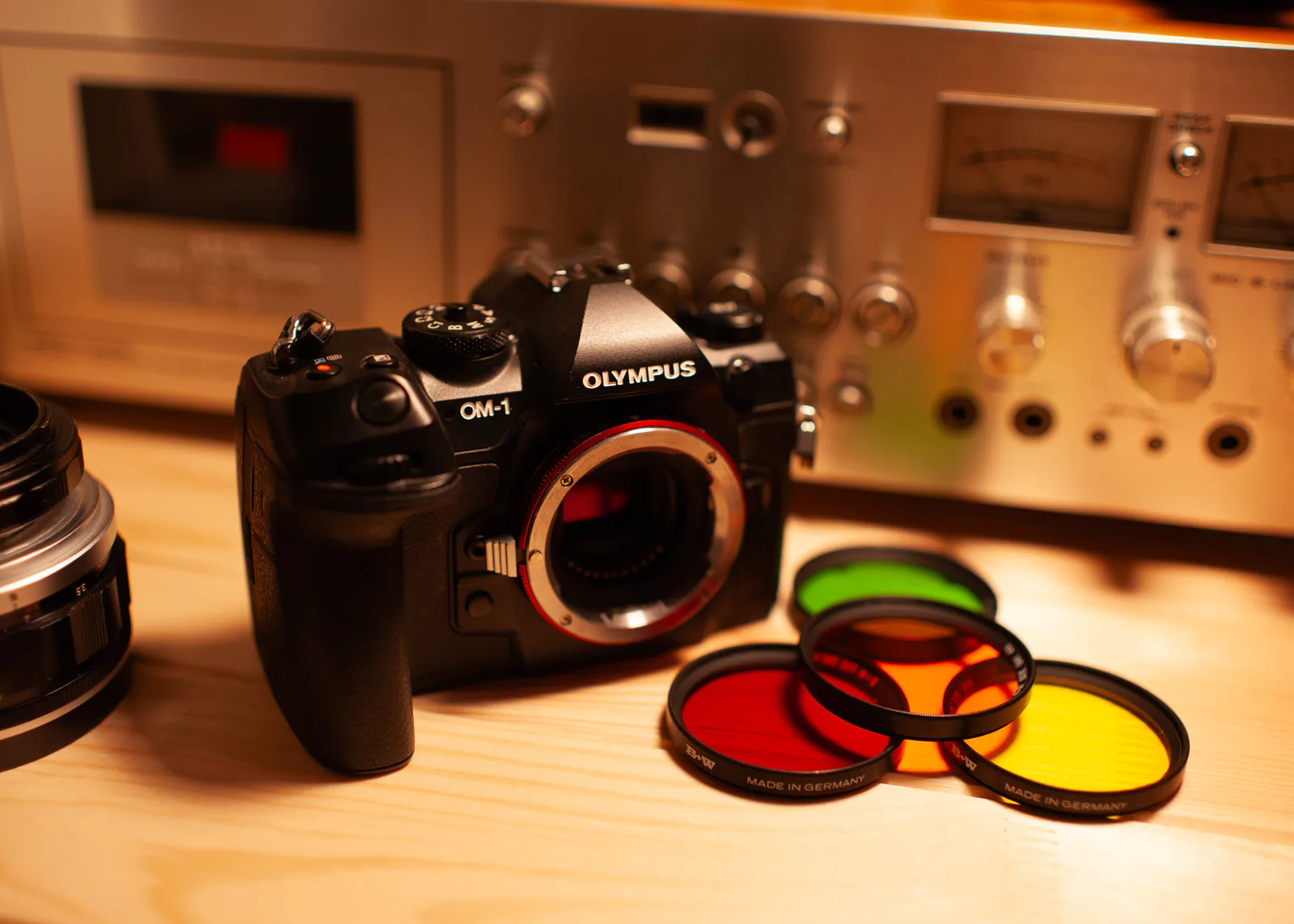
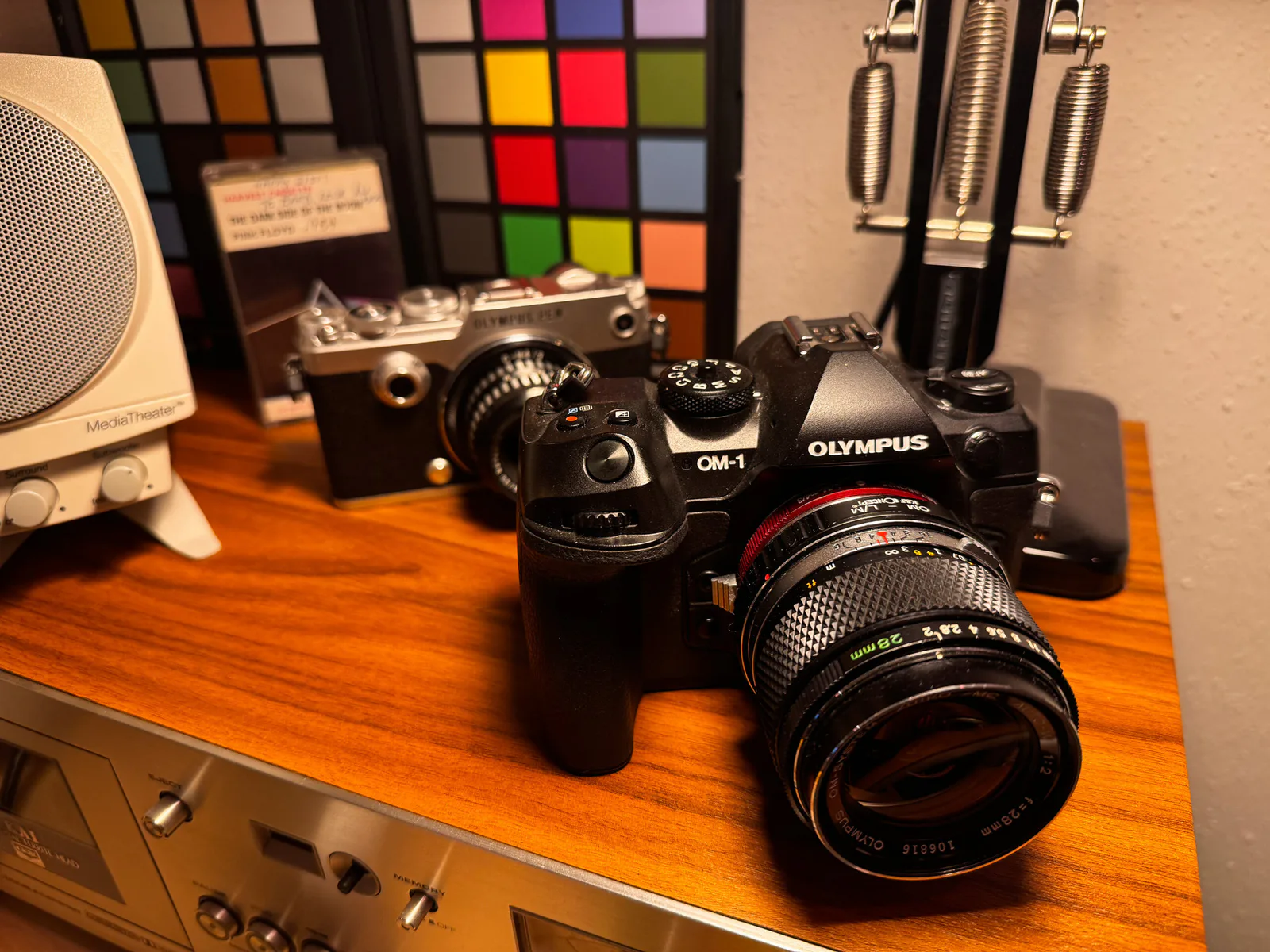
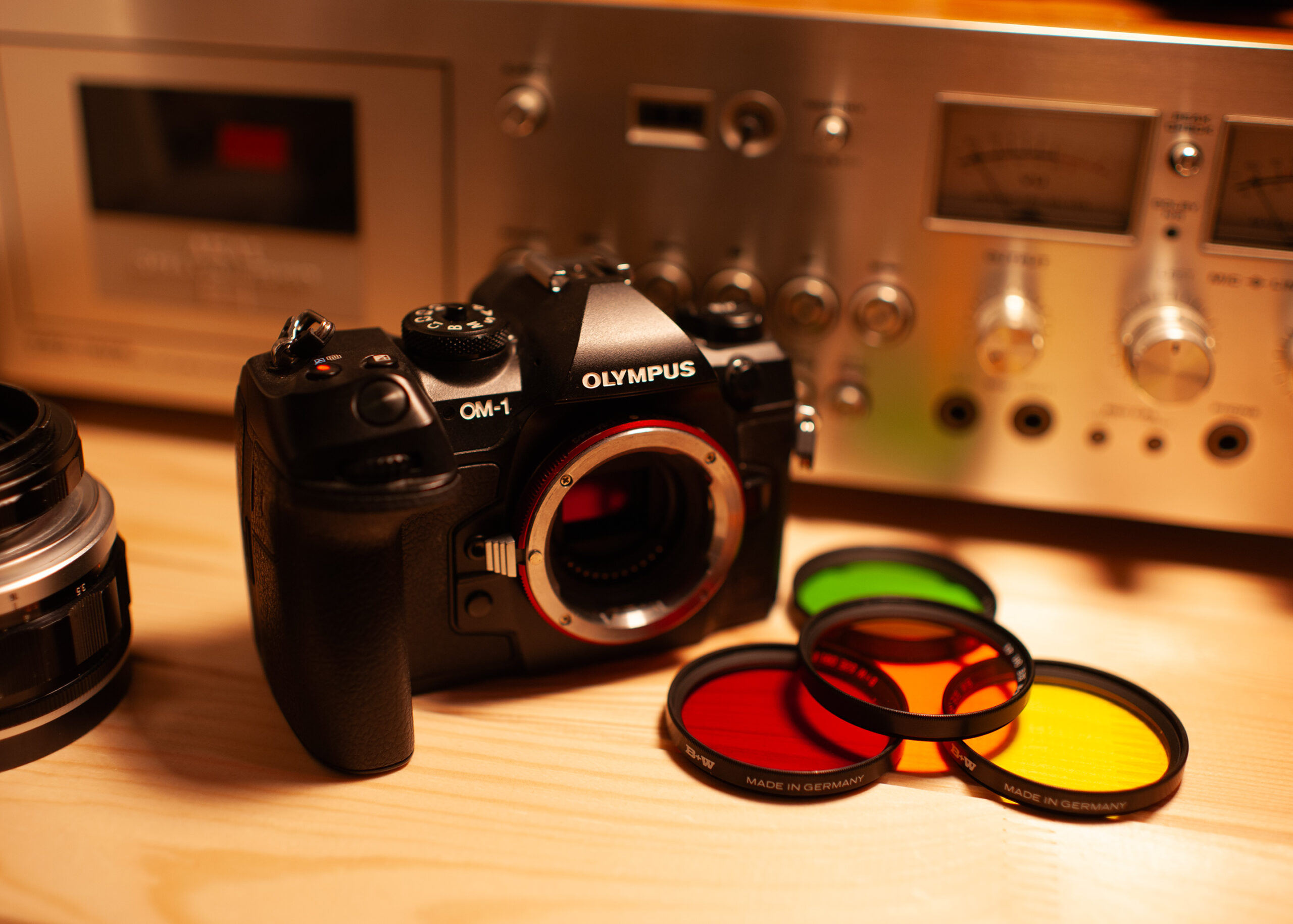
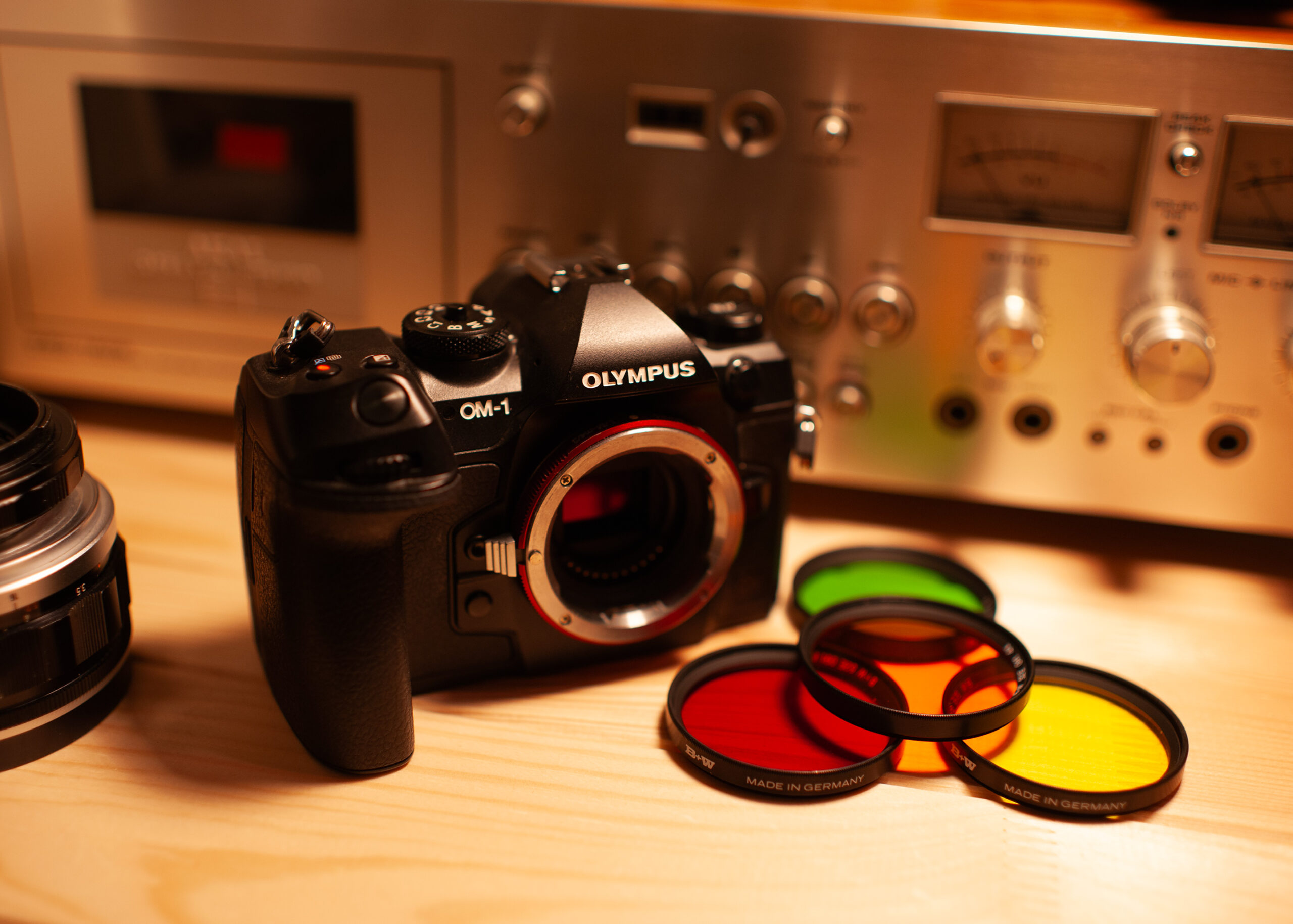
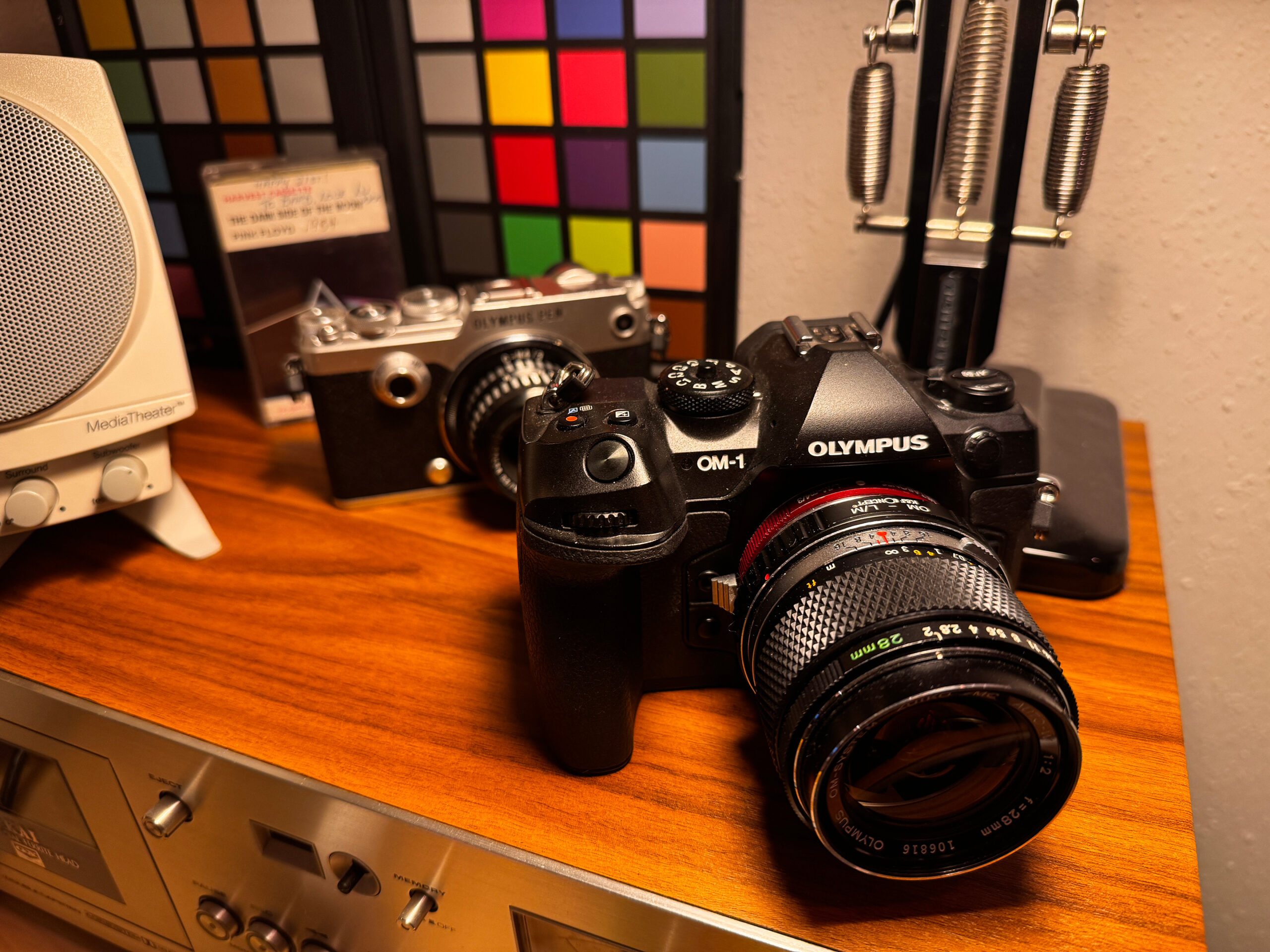
One of the most underrated cameras of today is the final Olympus MFT model, the OM-1. This was in development by Olympus before they withdrew from the business and sold out to the Japanese investment company behind the new OM System branding. So it's an Olympus flagship through-and-through, and what a tragedy we never got to see a full frame Olympus camera!

But the OM-1 is competitive with the Sony a1 in many ways, and actually in some ways better and more feature-rich. The in-body stabilisation on this camera has never been bettered by anything else (although the Nikon Z f comes close).

The OM-1 can be picked up cheap these days, but actually some of the Micro Four Thirds cameras have been steadily on the rise. The Panasonic GX9, GX8 and GX80 to name but a few - the rangefinder style small-as-possible mirrorless cameras are in fashion. Interestingly the more video-orientated models like the GH5 and GH6 have seen the opposite trend - a complete collapse in value, as so much of the pro video market has since moved on to full frame.

OM-System has been recycling the guts of the OM-1 and E-M5 Mark III for a few years now, but they haven't done new silicon or significant performance upgrades. Panasonic on the other-hand has brought new sensors and processors to the table, and the GH7 feels like a great swan-song.

But the future of Micro Four Thirds isn't in video.

If it rises again, it'll be because of the demand for smaller and smaller cameras and fast lenses. Something the Canon RF system for example really fails to deliver on.

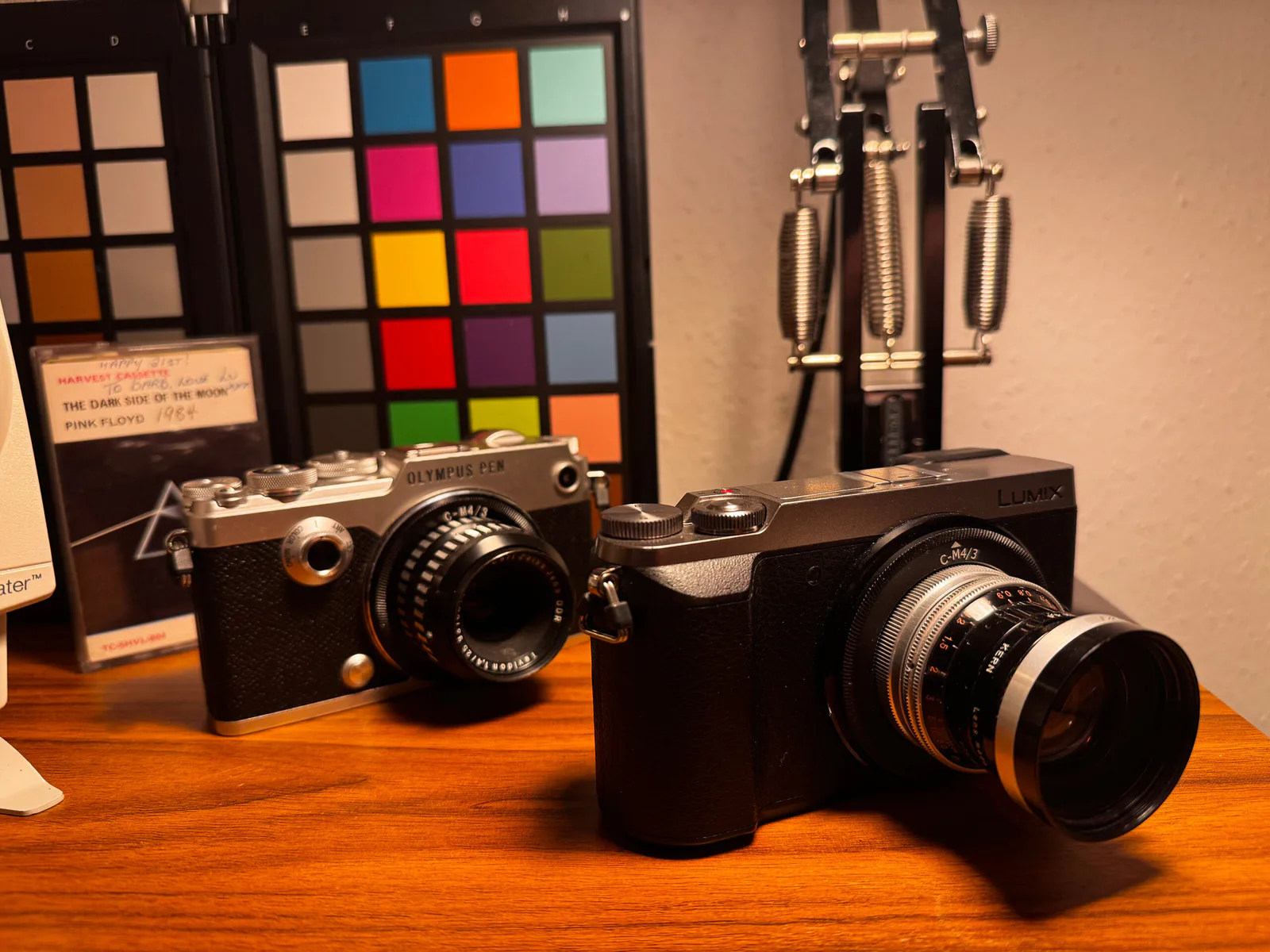
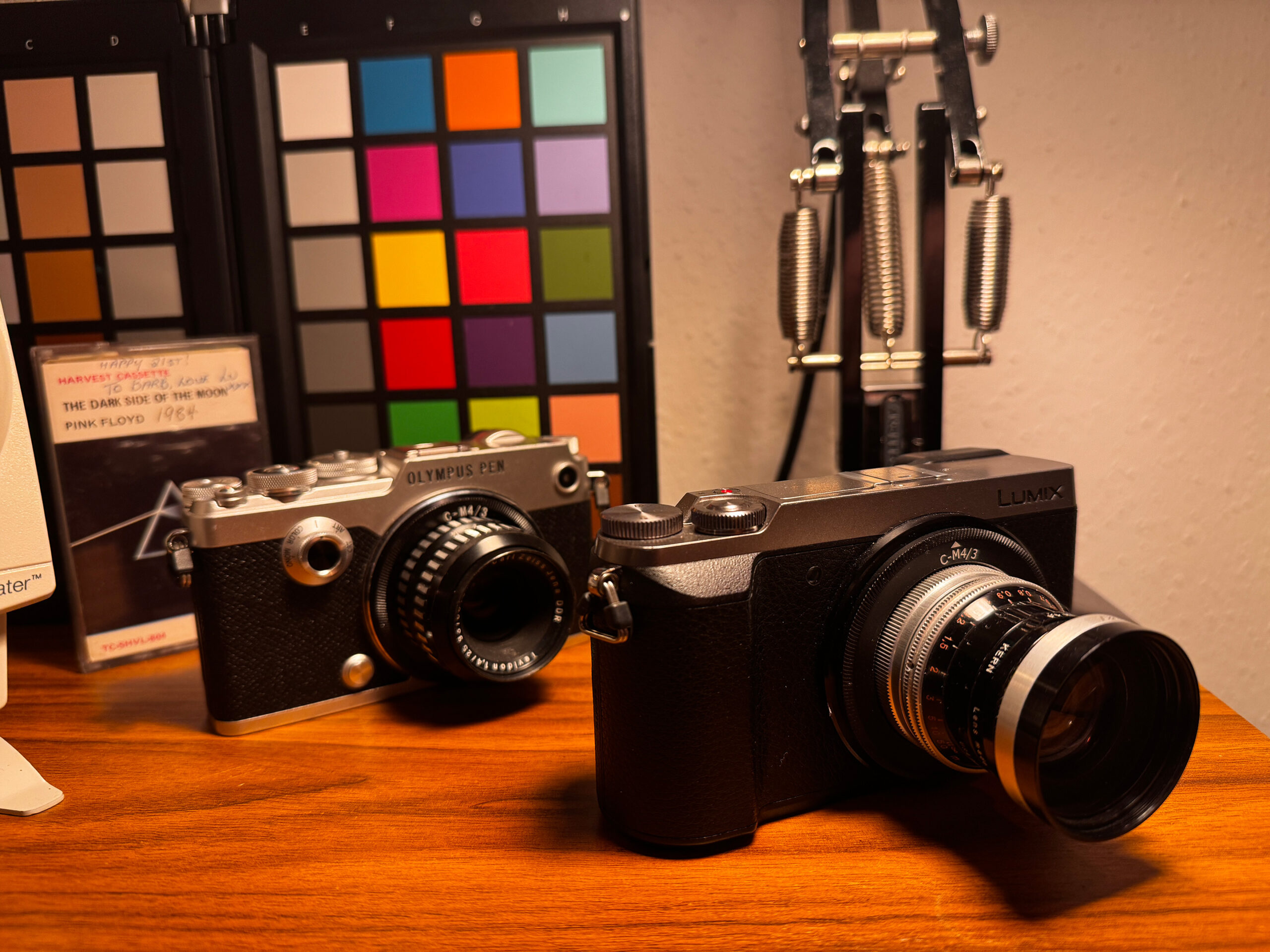
I really enjoy my Panasonic GX80 with Kern Switar 26mm F1.1 c-mount lens, the look and form factor is unique and it feels like such a well put together piece of kit. The OM-1 feels like such a nice ergonomic all-rounder, with incredible performance - even though the video quality isn't up to the same standard as the Panasonic GH7 or G9 Mark II.

The latter has seen some pretty dramatic price cuts, as Panasonic struggles to shift them. Putting a Micro Four Thirds sensor in the body of an S5 Mark II was always going to be a strange choice, as what gives Micro Four Thirds its unique selling point is that it isn't just trying to be a cheaper full frame system camera, it's a different kind of tool. They particularly excel at telephoto photography and video, wildlife, sports, and lightweight small zoom lenses compared to their massive full frame equivalents.

Typically for Panasonic the G9 II which has now been cut to 1399 euros, is a really nice spec - especially for filmmakers as it's basically a GH7 in many ways, with 4K 120fps and a great codec. But if Panasonic had put the guts of this camera in a GX9 style rangefinder-esq. body it would have FLOWN off the shelves. It really puzzles me why they didn't. Equally, had the GH7 dropped the SLR-style form factor for a slimmer Sony FX3 style more modular square design, it would have helped it capture some of the zeitgeist in video land.

There's only really one deciding factor now in the future of the format, and that's Panasonic.

Do they continue it, find a new direction, capitalise on the demand that older models show is still there, or call it quits and throw ALL their weight behind L-mount?

If Panasonic updated the little GM5, with a better EVF and latest sensor, perhaps refreshed the GX9 to make it higher-end and more current, with the latest G9 II tech and video features, then also get innovative with a third model that we've never seen before - perhaps a miniature Leica M-clone with rangefinder window, or a tiny Nikon S rangefinder style body full of metal with retro appeal, or even a little Hasselblad medium format camera replica with the G9 II sensor, Micro Four Thirds would capture the imagination again.

Photographers would be all over it, and documentary filmmakers would love a Super 16mm format camera with a pistol grip, Digital Bolex style and RAW codec.

Come on Pana...

Show some imagination and keep the Micro Four Thirds show on the road!

What next for Micro Four Thirds? was first published on EOSHD.

What next for Micro Four Thirds?

The Panasonic GH7 I believe to be the final model, but the second hand value of some Micro Four Thirds cameras has been on the increase. Could the system still find it’s way to co-exist with a legion of cheap and small full frame cameras, or is it game over?

One of the most underrated cameras of today is the final Olympus MFT model, the OM-1. This was in development by Olympus before they withdrew from the business and sold out to the Japanese investment company behind the new OM System branding. So it’s an Olympus flagship through-and-through, and what a tragedy we never got to see a full frame Olympus camera!

But the OM-1 is competitive with the Sony a1 in many ways, and actually in some ways better and more feature-rich. The in-body stabilisation on this camera has never been bettered by anything else (although the Nikon Z f comes close).

The OM-1 can be picked up cheap these days, but actually some of the Micro Four Thirds cameras have been steadily on the rise. The Panasonic GX9, GX8 and GX80 to name but a few – the rangefinder style small-as-possible mirrorless cameras are in fashion. Interestingly the more video-orientated models like the GH5 and GH6 have seen the opposite trend – a complete collapse in value, as so much of the pro video market has since moved on to full frame.

OM-System has been recycling the guts of the OM-1 and E-M5 Mark III for a few years now, but they haven’t done new silicon or significant performance upgrades. Panasonic on the other-hand has brought new sensors and processors to the table, and the GH7 feels like a great swan-song.

But the future of Micro Four Thirds isn’t in video.

If it rises again, it’ll be because of the demand for smaller and smaller cameras and fast lenses. Something the Canon RF system for example really fails to deliver on.

I really enjoy my Panasonic GX80 with Kern Switar 26mm F1.1 c-mount lens, the look and form factor is unique and it feels like such a well put together piece of kit. The OM-1 feels like such a nice ergonomic all-rounder, with incredible performance – even though the video quality isn’t up to the same standard as the Panasonic GH7 or G9 Mark II.

The latter has seen some pretty dramatic price cuts, as Panasonic struggles to shift them. Putting a Micro Four Thirds sensor in the body of an S5 Mark II was always going to be a strange choice, as what gives Micro Four Thirds its unique selling point is that it isn’t just trying to be a cheaper full frame system camera, it’s a different kind of tool. They particularly excel at telephoto photography and video, wildlife, sports, and lightweight small zoom lenses compared to their massive full frame equivalents.

Typically for Panasonic the G9 II which has now been cut to 1399 euros, is a really nice spec – especially for filmmakers as it’s basically a GH7 in many ways, with 4K 120fps and a great codec. But if Panasonic had put the guts of this camera in a GX9 style rangefinder-esq. body it would have FLOWN off the shelves. It really puzzles me why they didn’t. Equally, had the GH7 dropped the SLR-style form factor for a slimmer Sony FX3 style more modular square design, it would have helped it capture some of the zeitgeist in video land.

There’s only really one deciding factor now in the future of the format, and that’s Panasonic.

Do they continue it, find a new direction, capitalise on the demand that older models show is still there, or call it quits and throw ALL their weight behind L-mount?

If Panasonic updated the little GM5, with a better EVF and latest sensor, perhaps refreshed the GX9 to make it higher-end and more current, with the latest G9 II tech and video features, then also get innovative with a third model that we’ve never seen before – perhaps a miniature Leica M-clone with rangefinder window, or a tiny Nikon S rangefinder style body full of metal with retro appeal, or even a little Hasselblad medium format camera replica with the G9 II sensor, Micro Four Thirds would capture the imagination again.

Photographers would be all over it, and documentary filmmakers would love a Super 16mm format camera with a pistol grip, Digital Bolex style and RAW codec.

Come on Pana…

Show some imagination and keep the Micro Four Thirds show on the road!

The post What next for Micro Four Thirds? appeared first on EOSHD.com - Filmmaking Gear and Camera Reviews.

LaCie Rugged SSD4: Can It Really Survive Our Torture Tests?

💾

The LaCie Rugged SSD4 is put to the test in this real-world review to see if it lives up to its claims of being adventure-proof. Designed for creative professionals and photographers, this portable SSD boasts impressive durability with water, freeze, crush, and drop resistance, all while delivering blazing-fast USB-C transfer rates of up to 4,000 megabits per second. Perfect for demanding creative workflows, this drive offers capacities ranging from 1TB to 4TB—affordable and high-performing compared to other SSDs.

___________________________________________
*Check Price or Buy Now* - https://geni.us/DzgqUFN
___________________________________________

In this video, we take you through hands-on testing, including freezing, thawing, and drop tests, to showcase how it withstands abuse. You'll also hear about its standout features, like rugged weather sealing, and learn about a minor design flaw involving the USB-C port plug. Plus, we compare it to other models like the OWC1M2 Express to give you a comprehensive perspective on performance and longevity.

Whether you're looking for durable photography gear or a reliable portable SSD for your next project, this in-depth report will help you decide if the LaCie Rugged SSD4 fits your needs. Want to know more? Share your questions in the comments, and we’ll get you all the details!

For more honest reviews and expert insights, stay tuned to Imaging Resource—your trusted source for photography and imaging technology.

#lacieruggedssd #portabledrive #durablessd #ssdperformance #waterresistantdrive

CHAPTERS:
00:00 - LaCie Rugged SSD Review
00:24 - Performance Testing
01:32 - Speed Benchmarking
01:56 - Durability Testing
02:32 - Final Thoughts on LaCie Rugged SSD
02:56 - Pricing and Value
03:19 - Viewer Comments and Feedback

Same career psychopaths who sold out filmmaking are destroying our political parties and the BBC

I will always remember what a Leica manager in Germany said to me, which went like this: "I have read your publication today, and I have to admit that the tone is from my point of view unreasonable. However, we respect that journalists can make up their mind independently. But I think even for your reputation within the worldwide video community this article might not be helpful."

What surprised me most was not that he disagreed with my Leica SL2 review. It was that he felt I had a "reputation" within the worldwide video community.

How had this product manager at Leica come to such a revelation about me, a humble blogger and advocate of affordable filmmaking tools?

At first I thought some of the spies in Berlin had tipped him off. Perhaps they had put a neatly written memo out about the British and what we were like. Could it have been my nemesis, the Cinema5D crew in Austria?

In the end, I suspected none of that. Because to be disliked these days, it is apparently enough simply to tell the truth and be straight to the point about it.

That's because, like the former Soviet Union we are living in a post-truth society with most Western nations following Putin's media playbook where fake news is big money, and facts merely an inconvenience that get in the way money changing hands.

At the time of the Leica controversy, I was a Leica customer with the SL2, Leica Q and very firmly in the Leica M Typ 240 club when I feel like slowing down my photography and missing a lot of shots.

(Note for the Germans: The last line is a sarcastic joke - I do really like my Leica M Typ 240).

But the money the public gives to corporations and banks doesn't seem to buy us much influence. When we bail out the banks, we don't seem to get much of a say in how they are run or much of a share of the future profits. In turn, modern businesses never seem to invest any of their profits into their acquisitions, instead there always seems to be a hedge fund in there or a venture capitalist round, or a massive bank loan.

And if you follow the money, they don't just want control of our corporations, they want control of the media and government too, which is textbook fascism.

Take the AI industry for example, which will crash the world's economy next January, around the 15th if my calculations are correct and we'll have to bail them out. If the truth mattered at all to people in the AI industry (especially investors) how would Microsoft justify giving so many billions of dollars to ChatGPT so that ChatGPT could give it back to NVidia and NVidia pass it back to Microsoft and they all live happily ever after ignoring the fact they have even less profit than Leica.

I only have to look at the supposedly "Liberal" government in the United Kingdom to realise that when it comes to money and powerful networks of crooks, they are willing to throw facts and factual journalism under the bus at every opportunity.

Take the BBC.

This is a British institution which was the pioneer of all broadcasting, the mother of all TV networks, at the peak of Western civilisation, and the BBC is still to this day a world leader in journalism, news and TV and it was even further ahead of the pack at a time when the internet and shouty dickheads on social media didn't even exist, let alone Canadian YouTubers.

The BBC is a great dane in a room full of nasty little chihuahuas. I along with most of the country and 100% of the educated voted for a centre-left government last year in order to protect our institutions like the BBC and to stand up to the rising tide of fascism.

I voted so that my country would be better placed to stand up to Neo Nazism.

Instead, I may as well have voted for a customer service chat agent given what's been achieved since.

Much to the detriment of the BBC, right-wing media companies are stronger than ever and Murdoch is more influential than ever before despite looking like something that crawled out of a pyramid. Even for him Trump is "a bit too right wing" (his own words) and at one point even Fox News were reluctant to go there. But go there, they did.

In fact go there, the whole fucking world did. Just like the shills in the camera industry do whenever then inconvenient truth gets in the way of affiliate link sales.

In our own tiny microcosm of life, I'll give you an example.

Nearly all of them ignored Magic Lantern's truthful journalism about the Canon EOS R5 overheating debacle, and my reporting of it and journalism involving fridge freezers...

Granted, this wasn't as important as Emily Maitlis on the BBC exposing Prince Andrew lying about being a pedophile, but it was interesting in a camera sense.

Yet it has taken just one legal document from President Trump to the BBC over one edit in one episode of Panorama for the whole country to capitulate and sack the BBC's bosses.

To be fair, they were useless and deserved to go.

But the injustice of it is clear.

The BBC has a social contract with the British public to stand up for the truth, and in return we pay for the BBC. When a proven liar and convicted criminal sues the BBC, he is in effect suing the people of the United Kingdom, and this isn't a very nice thing to do after we were gracious enough to give him a full state visit where he met the King.

Whilst our own alleged island vacationer Mr Andrew Mountbatten persona-non-grata takes the brunt of the anger, the person Mr Epstein hired his prostitute from gets a full state visit. One assumes the Royals were thrilled to meet him. And he got a multi-billion dollar trade deal as well.

I as a non-fascist believer in free press, and British values, I think that all of this is deplorable and crosses the biggest red line on so many levels.

But that's the inherent hypocrisy in our governments of today and one of the big reasons they keep losing to fascists and popularist idiots.

As a politician of the left-of-centre and decently informed (thanks in no small way to the BBC), do you stand up for your voters and their values, and stand up for the truth, or do you rub shoulders with pedophiles and rapists? It's a tough choice, isn't it?

What I learnt in the camera community was that when it comes to certain career focused individuals - personal growth, cash and social standing means you're guaranteed to capitulate on your principals all the time, and that is as much a part of everyday life as filling the dishwasher. When it comes to the Big $D, these important values are a distinct afterthought... The sort of afterthought you have when closing a drawer, not the ones that keep you awake at night.

This is how the camera community, along with it the indie filmmaking community on Vimeo was sold out to the career-politicians of YouTube, Facebook and Instagram. Content creator workaholics who live and breathe money rather than artistic philosophies and principals... All in a big circle jerk with the camera PR marketing departments, and in return they get to grow their own online ego in order to showcase an ever expanding body of nothingness.

They have 100% of things in common with today's politicians.

There's no impartial, objective BBC of camera reviews, let alone another EOSHD. DPReview is now like advertorial. I could be savage and bitter, I could be rude, but that's how critical thinking works, you fucking dumbasses.

Once you abandon your ability to be critical and start to sugar coat everything you do, you may as well surrender to the markets, and by extension - to neo fascism.

And this is exactly what the left have done in politics.

Rather than standing up for what's right or for those who voted them into office, they have chosen to usher in a new era of career-liberalism and inequality, and they are the enablers of so many bad things, and bad people.

As a result the Germans are voting right wing for the first time since the 1930s and the Americans have turned into a full-on dystopian monarchy with a big fat ex-landlord TV celebrity as King.

Yet still the career-minded-liberals refuses to admit they got it wrong. It's a sort of mass collective delusion, the kind that makes Kamala Harris believe she can run again and win. I have news for her - thanks to you, there won't be another US election.

The career psychos with shiny faces and their nice intentions don't seem to realise it. They're too short sighted and too far gone up their own bottoms. They like to say it's pragmatism. It's actually cowardice, and the self defeating nature of it has been proof-tested.

Nobody wants to vote for this sick form of career growth and perverted pragmatism.

And as for the camera world...

It's a fascinating microcosm of the wider problem, isn't it? A case-study of what happens when shills rise to positions of power and into the positions of community gatekeepers.

When the camera community was being curated by outspoken artists or individuals speaking sense and giving their own professional and enthusiast insights, the filmmaking community by extension was so much more enjoyable and productive too.

Same career psychopaths who sold out filmmaking are destroying our political parties and the BBC was first published on EOSHD.

Same career psychopaths who sold out filmmaking are destroying our political parties and the BBC

I will always remember what a Leica manager in Germany said to me, which went like this: “I have read your publication today, and I have to admit that the tone is from my point of view unreasonable. However, we respect that journalists can make up their mind independently. But I think even for your reputation within the worldwide video community this article might not be helpful.”

What surprised me most was not that he disagreed with my Leica SL2 review. It was that he felt I had a “reputation” within the worldwide video community.

How had this product manager at Leica come to such a revelation about me, a humble blogger and advocate of affordable filmmaking tools?

At first I thought some of the spies in Berlin had tipped him off. Perhaps they had put a neatly written memo out about the British and what we were like. Could it have been my nemesis, the Cinema5D crew in Austria?

In the end, I suspected none of that. Because to be disliked these days, it is apparently enough simply to tell the truth and be straight to the point about it.

That’s because, like the former Soviet Union we are living in a post-truth society with most Western nations following Putin’s media playbook where fake news is big money, and facts merely an inconvenience that get in the way money changing hands.

At the time of the Leica controversy, I was a Leica customer with the SL2, Leica Q and very firmly in the Leica M Typ 240 club when I feel like slowing down my photography and missing a lot of shots.

(Note for the Germans: The last line is a sarcastic joke – I do really like my Leica M Typ 240).

But the money the public gives to corporations and banks doesn’t seem to buy us much influence. When we bail out the banks, we don’t seem to get much of a say in how they are run or much of a share of the future profits. In turn, modern businesses never seem to invest any of their profits into their acquisitions, instead there always seems to be a hedge fund in there or a venture capitalist round, or a massive bank loan.

And if you follow the money, they don’t just want control of our corporations, they want control of the media and government too, which is textbook fascism.

Take the AI industry for example, which will crash the world’s economy next January, around the 15th if my calculations are correct and we’ll have to bail them out. If the truth mattered at all to people in the AI industry (especially investors) how would Microsoft justify giving so many billions of dollars to ChatGPT so that ChatGPT could give it back to NVidia and NVidia pass it back to Microsoft and they all live happily ever after ignoring the fact they have even less profit than Leica.

I only have to look at the supposedly “Liberal” government in the United Kingdom to realise that when it comes to money and powerful networks of crooks, they are willing to throw facts and factual journalism under the bus at every opportunity.

Take the BBC.

This is a British institution which was the pioneer of all broadcasting, the mother of all TV networks, at the peak of Western civilisation, and the BBC is still to this day a world leader in journalism, news and TV and it was even further ahead of the pack at a time when the internet and shouty dickheads on social media didn’t even exist, let alone Canadian YouTubers.

The BBC is a great dane in a room full of nasty little chihuahuas. I along with most of the country and 100% of the educated voted for a centre-left government last year in order to protect our institutions like the BBC and to stand up to the rising tide of fascism.

I voted so that my country would be better placed to stand up to Neo Nazism.

Instead, I may as well have voted for a customer service chat agent given what’s been achieved since.

Much to the detriment of the BBC, right-wing media companies are stronger than ever and Murdoch is more influential than ever before despite looking like something that crawled out of a pyramid. Even for him Trump is “a bit too right wing” (his own words) and at one point even Fox News were reluctant to go there. But go there, they did.

In fact go there, the whole fucking world did. Just like the shills in the camera industry do whenever then inconvenient truth gets in the way of affiliate link sales.

In our own tiny microcosm of life, I’ll give you an example.

Nearly all of them ignored Magic Lantern’s truthful journalism about the Canon EOS R5 overheating debacle, and my reporting of it and journalism involving fridge freezers…

Granted, this wasn’t as important as Emily Maitlis on the BBC exposing Prince Andrew lying about being a pedophile, but it was interesting in a camera sense.

Yet it has taken just one legal document from President Trump to the BBC over one edit in one episode of Panorama for the whole country to capitulate and sack the BBC’s bosses.

To be fair, they were useless and deserved to go.

But the injustice of it is clear.

The BBC has a social contract with the British public to stand up for the truth, and in return we pay for the BBC. When a proven liar and convicted criminal sues the BBC, he is in effect suing the people of the United Kingdom, and this isn’t a very nice thing to do after we were gracious enough to give him a full state visit where he met the King.

Whilst our own alleged island vacationer Mr Andrew Mountbatten persona-non-grata takes the brunt of the anger, the person Mr Epstein hired his prostitute from gets a full state visit. One assumes the Royals were thrilled to meet him. And he got a multi-billion dollar trade deal as well.

I as a non-fascist believer in free press, and British values, I think that all of this is deplorable and crosses the biggest red line on so many levels.

But that’s the inherent hypocrisy in our governments of today and one of the big reasons they keep losing to fascists and popularist idiots.

As a politician of the left-of-centre and decently informed (thanks in no small way to the BBC), do you stand up for your voters and their values, and stand up for the truth, or do you rub shoulders with pedophiles and rapists? It’s a tough choice, isn’t it?

What I learnt in the camera community was that when it comes to certain career focused individuals – personal growth, cash and social standing means you’re guaranteed to capitulate on your principals all the time, and that is as much a part of everyday life as filling the dishwasher. When it comes to the Big $D, these important values are a distinct afterthought… The sort of afterthought you have when closing a drawer, not the ones that keep you awake at night.

This is how the camera community, along with it the indie filmmaking community on Vimeo was sold out to the career-politicians of YouTube, Facebook and Instagram. Content creator workaholics who live and breathe money rather than artistic philosophies and principals… All in a big circle jerk with the camera PR marketing departments, and in return they get to grow their own online ego in order to showcase an ever expanding body of nothingness.

They have 100% of things in common with today’s politicians.

There’s no impartial, objective BBC of camera reviews, let alone another EOSHD. DPReview is now like advertorial. I could be savage and bitter, I could be rude, but that’s how critical thinking works, you fucking dumbasses.

Once you abandon your ability to be critical and start to sugar coat everything you do, you may as well surrender to the markets, and by extension – to neo fascism.

And this is exactly what the left have done in politics.

Rather than standing up for what’s right or for those who voted them into office, they have chosen to usher in a new era of career-liberalism and inequality, and they are the enablers of so many bad things, and bad people.

As a result the Germans are voting right wing for the first time since the 1930s and the Americans have turned into a full-on dystopian monarchy with a big fat ex-landlord TV celebrity as King.

Yet still the career-minded-liberals refuses to admit they got it wrong. It’s a sort of mass collective delusion, the kind that makes Kamala Harris believe she can run again and win. I have news for her – thanks to you, there won’t be another US election.

The career psychos with shiny faces and their nice intentions don’t seem to realise it. They’re too short sighted and too far gone up their own bottoms. They like to say it’s pragmatism. It’s actually cowardice, and the self defeating nature of it has been proof-tested.

Nobody wants to vote for this sick form of career growth and perverted pragmatism.

And as for the camera world…

It’s a fascinating microcosm of the wider problem, isn’t it? A case-study of what happens when shills rise to positions of power and into the positions of community gatekeepers.

When the camera community was being curated by outspoken artists or individuals speaking sense and giving their own professional and enthusiast insights, the filmmaking community by extension was so much more enjoyable and productive too.

The post Same career psychopaths who sold out filmmaking are destroying our political parties and the BBC appeared first on EOSHD.com - Filmmaking Gear and Camera Reviews.

Panasonic closing down LUMIX Pro services on 30th November

Panasonic Lumix Pro Services Logo Canon CPS Nikon NPS

Panasonic Lumix Pro Services Logo Canon CPS Nikon NPS

What does this mean? EOSHD takes a look.

Pro photographers have been notified by Panasonic that their support service is being terminated.

Those paying a membership fee to cover repairs will soon have to seek alternatives. There's also been a memorandum put out online by the company, which you can see for the UK market at https://www.lumixpro.panasonic.com/uk/

This is quite an unusual move - can you imagine Nikon ending NPS or Canon Professional Services withdrawing support to all the sports photographers and journalists that use Canon or Nikon gear?

It looks like Panasonic has seen the domination of Canon, Nikon and Sony in the pro market and decided to withdraw and to no longer try and compete.

Could Panasonic exit the camera market in 2026?

If this is the beginning of the end for Lumix cameras, the reason might be little to do with photography or filmmaking.

In 2026 many are predicting a global recession caused by the collapse of the tech industry and over-investment in AI. Like the credit crunch in 2008 and the dot-com bubble in 2000, the banks have been pouring cash into some very questionable investments, and there's absolutely vast sums involved and enormous geo-political risk. China for example could end the whole Western dominance of the AI market in one move - by invading Taiwan, where TSMC manufactures NVidia's AI hardware.

In both of the last major economic shocks, excluding COVID, corporations cut back heavily on their workforce, and ordinary tax payers had to bail out the financial institutions to avoid a collapse.

Japanese companies are known to be very risk averse - for example in the banking collapse of 2008, Honda pulled out of all major marketing activities even Formula One.

If Panasonic were to cut 30% of their global workforce, the axe would most likely fall on the sectors of the company that are smallest or least profitable, and ones that have the least potential for future growth.

Now that cameras have retreated into a professional niche again, there's probably not room for so many Japanese manufacturers all competing against each other in a market dominated by Canon and Sony.

I predict that Panasonic's LUMIX division, OM System and Pentax will be the victims of the 2026 financial crash.

I hope this won't be the case but I do think the chances are very high.

A retreat from pro cameras

Panasonic Pro Services offer repair and service for all the major S-series cameras, like the Panasonic S1H, S5 Mark II and 2025's new S1R Mark II / S1 Mark II.

Who will repair, recondition or service Panasonic's top of the line models going forward?

In my opinion, Panasonic is soft-quitting the market for professional photographers and videographers. The S1H Mark II is missing completely, and it's been 6 years. The S1R Mark II and S1 Mark II as we've already seen, are priced like flagship cameras but use a similar body to the consumer-grade S5 series and use older sensor designs which are considered lower-end technology, instead of the latest cutting edge stacked sensors used by competitors Sony, Nikon, Canon and Fujifilm.

Hopefully Panasonic will be clarifying their service and repair plans for Lumix users in the coming days.

Panasonic closing down LUMIX Pro services on 30th November was first published on EOSHD.

Panasonic closing down LUMIX Pro services on 30th November

Panasonic Lumix Pro Services Logo Canon CPS Nikon NPS

What does this mean? EOSHD takes a look.

Pro photographers have been notified by Panasonic that their support service is being terminated.

Those paying a membership fee to cover repairs will soon have to seek alternatives. There’s also been a memorandum put out online by the company, which you can see for the UK market at https://www.lumixpro.panasonic.com/uk/

This is quite an unusual move – can you imagine Nikon ending NPS or Canon Professional Services withdrawing support to all the sports photographers and journalists that use Canon or Nikon gear?

It looks like Panasonic has seen the domination of Canon, Nikon and Sony in the pro market and decided to withdraw and to no longer try and compete.

Could Panasonic exit the camera market in 2026?

If this is the beginning of the end for Lumix cameras, the reason might be little to do with photography or filmmaking.

In 2026 many are predicting a global recession caused by the collapse of the tech industry and over-investment in AI. Like the credit crunch in 2008 and the dot-com bubble in 2000, the banks have been pouring cash into some very questionable investments, and there’s absolutely vast sums involved and enormous geo-political risk. China for example could end the whole Western dominance of the AI market in one move – by invading Taiwan, where TSMC manufactures NVidia’s AI hardware.

In both of the last major economic shocks, excluding COVID, corporations cut back heavily on their workforce, and ordinary tax payers had to bail out the financial institutions to avoid a collapse.

Japanese companies are known to be very risk averse – for example in the banking collapse of 2008, Honda pulled out of all major marketing activities even Formula One.

If Panasonic were to cut 30% of their global workforce, the axe would most likely fall on the sectors of the company that are smallest or least profitable, and ones that have the least potential for future growth.

Now that cameras have retreated into a professional niche again, there’s probably not room for so many Japanese manufacturers all competing against each other in a market dominated by Canon and Sony.

I predict that Panasonic’s LUMIX division, OM System and Pentax will be the victims of the 2026 financial crash.

I hope this won’t be the case but I do think the chances are very high.

A retreat from pro cameras

Panasonic Pro Services offer repair and service for all the major S-series cameras, like the Panasonic S1H, S5 Mark II and 2025’s new S1R Mark II / S1 Mark II.

Who will repair, recondition or service Panasonic’s top of the line models going forward?

In my opinion, Panasonic is soft-quitting the market for professional photographers and videographers. The S1H Mark II is missing completely, and it’s been 6 years. The S1R Mark II and S1 Mark II as we’ve already seen, are priced like flagship cameras but use a similar body to the consumer-grade S5 series and use older sensor designs which are considered lower-end technology, instead of the latest cutting edge stacked sensors used by competitors Sony, Nikon, Canon and Fujifilm.

Hopefully Panasonic will be clarifying their service and repair plans for Lumix users in the coming days.

The post Panasonic closing down LUMIX Pro services on 30th November appeared first on EOSHD.com - Filmmaking Gear and Camera Reviews.

Canon R6 Mark III Hands On: The Ultimate Hybrid Camera, or Were Photographers Left Out?

💾

Is the Canon R6 Mark III the ultimate hybrid camera?

Did photographers get left behind?

_______________________________________________________
*Check Prices or Order Now on the EOS R6 III*

*B&H* - https://www.bhphotovideo.com/c/product/1928858-REG/canon_eos_r6_mark_iii.html?BI=771&KBID=1047

*Adorama* - https://www.adorama.com/car6m3sm.html?utm_source=rfaffiliate&utm_medium=affiliate&utm_campaign=Imaging+Resource

Affiliate links may earn Imaging Resoruce a comission
______________________________________________________


In this real-world testing, we explore what’s new in Canon’s latest model and how it stacks up for hybrid creators. Packed with incredible video capabilities like 7K raw recording, 4K120p with audio, and professional-grade codecs, this camera takes creative workflows to new heights. Still photographers will appreciate the upgraded 32.5MP sensor, but the real star is the video performance, including tools from Canon’s Cinema Line for a seamless shooting experience.

*Read Our Full Review* - https://www.imaging-resource.com/cameras/canon-r6-iii-hands-on-review-one-small-step-for-photography-one-giant-leap-for-video-kind/

Key features:
- 7K raw recording and oversampled 4K 10-bit 4:2:2
- Improved autofocus with pinpoint eye detection for people and animals
- Full-size HDMI port and CFexpress Type B slot for enhanced connectivity
- Shockless white balance transitions and waveform monitors for creative professionals
- ISO range up to 204,000 for challenging low-light scenarios

While the stills experience might not feel like a massive leap, the hybrid design makes the R6 Mark III a standout for creators balancing photography and video. How does it compare to other models like the R6 Mark II? And is it worth the upgrade? Let us know your thoughts in the comments!

For detailed results, benchmark comparisons, and DIY options, turn to Imaging Resource’s trusted in-depth report. Don’t forget to like, subscribe, and join us for more reviews of photography gear built for creative professionals.

#hybridshooters #videocreators #hybridcamera #videocapabilities #imagestabilization

CHAPTERS:
00:00 - Intro
00:08 - Video Camera Trends
01:02 - Video Features Overview
01:52 - Camera Body and Design
02:22 - Sensor Performance and Image Quality
03:18 - Autofocus Technology
04:10 - Audio Quality and Connectivity
04:37 - LCD Screen Features
04:52 - Target Audience for This Camera
06:05 - Outro

Why it's time for Fujifilm to go full frame

Fuji in many ways have taken over from Panasonic as the most highly rated niche creative force in the camera industry. Since they started taking video seriously with the X-T2, the green camp has got a lot of things right. The popularity of the X100 series. The purist photography experience of the X-Pro3, a camera I strangely really enjoy for video too. The GFX cameras have done extraordinarily well considering it's carved out a whole new format, at very high prices. In fact, my all time favourite mirrorless camera of the last 15 years is the OG Fuji GFX 100.

But now it's time for Fuji to get real about a full frame line-up.

There's a big price gap between the X100 VI and GFX100RF for example, a camera which makes the Leica Q3 and Sony RX1 Mark III pricing look sane. Yet the market is begging, calling out for, insert cliched phrase here, for a full frame X100 VI with a sane price tag. Let's face it, if you have silly money for a compact Leica is the only proper choice.

Full frame would solve other problems for Fuji too.

The X-Pro3 was a nice bold step into rangefinder land, but it's in an odd place. It is neither a Leica M rangefinder, nor is it priced like one. It is not a Sony a7c Mark II competitor, but it IS priced like one. Nor is it really doing much to expand the popularity of XF-mount, and APS-C - because the X-H2 is a higher spec'ed, more modern do-it-all camera for the same price.

The way to differentiate the X-Pro series is to make it full frame and launch it alongside a new range of primes and a zoom. The initial lenses don't even need to be that adventurous. Small primes, Leica M sized, and one small zoom - preferably a 28-70mm F2.8.

This would be joined by a 28mm F2, an 35mm F2 and a 50mm F1.4 which rather than aiming for technical perfection, go for character and small size instead.

Now you might say such a full frame adventure might kill the APS-C cameras, but you'd be wrong. You might say it would necessitate a price reduction on the high-end XF-mount cameras, and that the X-H2 would need to get even cheaper.

This has already been priced in. What dictates the price and sales numbers of the Fuji APS-C cameras are the mid-range full frame cameras from Sony, Nikon and Canon.

So the price of those nice XF mount cameras would stay the same.

What Fuji could definitely get away with is a higher price and higher margin on a full frame Fuji.

And a full frame Fuji is a what we need. Just ask me, who uses his GFX 100 not as a medium format camera but as a full frame mirrorless system.

I don't have a single medium format lens for it, no native GFX mount lenses from Fuji. They're big, clunky, expensive and slow.

What I like to do is adapt fast primes designed for full frame onto my GFX 100, and find what works the best. The rules are, no hard vignette, small, and with a very good quality mechanical focus ring.

These look glorious on the larger "Super full frame" sensor, unique in fact. So very different to sticking vintage glass on a full frame Sony.

So the GFX line will always have that same appeal - it's an upgrade from full frame, but it's never going to be mid-range, is it?

With so many mid-range full frame cameras eating Fuji's carefully prepared APS-C breakfast, like the Nikon Z6 III, Sony a7 series and Canon EOS R8, it's time Fuji told us that for just $500 more you could get something much more creative, with Fuji Film Simulations and X-Pro style Leica-ish ergonomics.

This would be the full frame camera that stands apart from a sea of black DSLR style mirrorless cameras, the sort of which are frankly all now a bit boring.

Fuji could even let Sigma swap the mount on their L-mount range to beef out the available optics at launch. It's a no-brainer.

APS-C users will continue to buy APS-C cameras. GFX users will continue to flock to the high-end medium format bodies, but full frame users would have more reasons than ever to choose a Fujifilm.

Why it's time for Fujifilm to go full frame was first published on EOSHD.

Why it’s time for Fujifilm to go full frame

Fuji in many ways have taken over from Panasonic as the most highly rated niche creative force in the camera industry. Since they started taking video seriously with the X-T2, the green camp has got a lot of things right. The popularity of the X100 series. The purist photography experience of the X-Pro3, a camera I strangely really enjoy for video too. The GFX cameras have done extraordinarily well considering it’s carved out a whole new format, at very high prices. In fact, my all time favourite mirrorless camera of the last 15 years is the OG Fuji GFX 100.

But now it’s time for Fuji to get real about a full frame line-up.

There’s a big price gap between the X100 VI and GFX100RF for example, a camera which makes the Leica Q3 and Sony RX1 Mark III pricing look sane. Yet the market is begging, calling out for, insert cliched phrase here, for a full frame X100 VI with a sane price tag. Let’s face it, if you have silly money for a compact Leica is the only proper choice.

Full frame would solve other problems for Fuji too.

The X-Pro3 was a nice bold step into rangefinder land, but it’s in an odd place. It is neither a Leica M rangefinder, nor is it priced like one. It is not a Sony a7c Mark II competitor, but it IS priced like one. Nor is it really doing much to expand the popularity of XF-mount, and APS-C – because the X-H2 is a higher spec’ed, more modern do-it-all camera for the same price.

The way to differentiate the X-Pro series is to make it full frame and launch it alongside a new range of primes and a zoom. The initial lenses don’t even need to be that adventurous. Small primes, Leica M sized, and one small zoom – preferably a 28-70mm F2.8.

This would be joined by a 28mm F2, an 35mm F2 and a 50mm F1.4 which rather than aiming for technical perfection, go for character and small size instead.

Now you might say such a full frame adventure might kill the APS-C cameras, but you’d be wrong. You might say it would necessitate a price reduction on the high-end XF-mount cameras, and that the X-H2 would need to get even cheaper.

This has already been priced in. What dictates the price and sales numbers of the Fuji APS-C cameras are the mid-range full frame cameras from Sony, Nikon and Canon.

So the price of those nice XF mount cameras would stay the same.

What Fuji could definitely get away with is a higher price and higher margin on a full frame Fuji.

And a full frame Fuji is a what we need. Just ask me, who uses his GFX 100 not as a medium format camera but as a full frame mirrorless system.

I don’t have a single medium format lens for it, no native GFX mount lenses from Fuji. They’re big, clunky, expensive and slow.

What I like to do is adapt fast primes designed for full frame onto my GFX 100, and find what works the best. The rules are, no hard vignette, small, and with a very good quality mechanical focus ring.

These look glorious on the larger “Super full frame” sensor, unique in fact. So very different to sticking vintage glass on a full frame Sony.

So the GFX line will always have that same appeal – it’s an upgrade from full frame, but it’s never going to be mid-range, is it?

With so many mid-range full frame cameras eating Fuji’s carefully prepared APS-C breakfast, like the Nikon Z6 III, Sony a7 series and Canon EOS R8, it’s time Fuji told us that for just $500 more you could get something much more creative, with Fuji Film Simulations and X-Pro style Leica-ish ergonomics.

This would be the full frame camera that stands apart from a sea of black DSLR style mirrorless cameras, the sort of which are frankly all now a bit boring.

Fuji could even let Sigma swap the mount on their L-mount range to beef out the available optics at launch. It’s a no-brainer.

APS-C users will continue to buy APS-C cameras. GFX users will continue to flock to the high-end medium format bodies, but full frame users would have more reasons than ever to choose a Fujifilm.

The post Why it’s time for Fujifilm to go full frame appeared first on EOSHD.com - Filmmaking Gear and Camera Reviews.

Best Budget Fujifilm Lenses for Photographers and Videographers - Your Guide To The Perfect Lens

💾

Looking for great Fujifilm lenses that won't destroy your wallet? The Imaging Resource staff picks the best affordable Fujifilm X-mount options to find the best ones for different types of photographers and videographers. Whether you're shooting landscapes, portraits, or trying to capture wildlife from a distance, we have you covered.

________________________________________________________________________
Links below are affiliate links, we earn a commission on qualifying purchases.

- *Fujifilm XF 16mm f/2.8R WR* A compact, weather-sealed wide-angle prime for landscapes and street photography. - https://geni.us/PbFaqg

- *Fujifilm XF 10-24mm f/4 R OIS WR* - https://geni.us/QeV7X

- *Fujifilm XC 35mm f/2* A lightweight, sharp, and quiet standard prime for beginners. - https://geni.us/jUH5

- *TT Artisan 56mm f/1.4 AF* Perfect for budget portrait photographers craving beautiful background blur. - https://geni.us/zmbTZ

- *Fujifilm XF 18-55mm f/2.8-4 R LM OIS* A versatile standard zoom with excellent image stabilization. - https://geni.us/XZcJz6

- *Sigma 100-400mm f/5-6.3 DG DN OS* Ideal for photographers needing super long reach without sacrificing portability.

- *Viltrox AF 75mm f/1.2 XF Pro* - https://geni.us/By0bP3

*Here are the categories we cover*
*Wide-Angle Prime* - Compact, weather-sealed, and perfect for landscapes and street photography when you want to travel light.

*Wide-Angle Zoom* - Gives you flexibility for those wider shots without having to swap lenses constantly.

*Standard Prime* - Sharp, lightweight, and quiet. This is where most beginners should start—it's just a really solid all-around lens.

*Standard Zoom* - The versatile workhorse with good image stabilization. Covers most everyday shooting situations.

*Telephoto Prime* - Want that creamy background blur for portraits without spending a fortune? This focal length delivers.

*Telephoto Zoom* - For when you need serious reach but don't want to carry around a giant lens. Perfect for wildlife and sports.

I break down the real-world performance of each category—what's sharp, what focuses fast, and which ones hold up in different conditions. Sure, every lens has its compromises, but you can build a really capable kit without breaking the bank.

If you want the full details with specific recommendations and side-by-side comparisons, check out the complete report on Imaging Resource.

What's your go-to budget Fujifilm lens? Drop it in the comments! And if you found this helpful, subscribe for more honest gear reviews.

#budgetlensesforphotographers #bestlensesforphotographers #fujifilmlensrecommendations #bestlensesforphotography

Why Your Lens Needs Anti-Glare Coatings! #shorts

💾

Why Your Lens Needs Anti-Glare Coatings! #shorts
#antiglare #lenscoating #dslrtips #photographygear #sonyusers #sigmalens #tamronlens #cameratips #lenses #photographyhacks #dustresistant #weddingphotography

Watch the full video here: https://www.youtube.com/watch?v=xLOILvyQKXk

Has Nikon devalued RED's CINEMA brand immediately with low-end content creator camera?

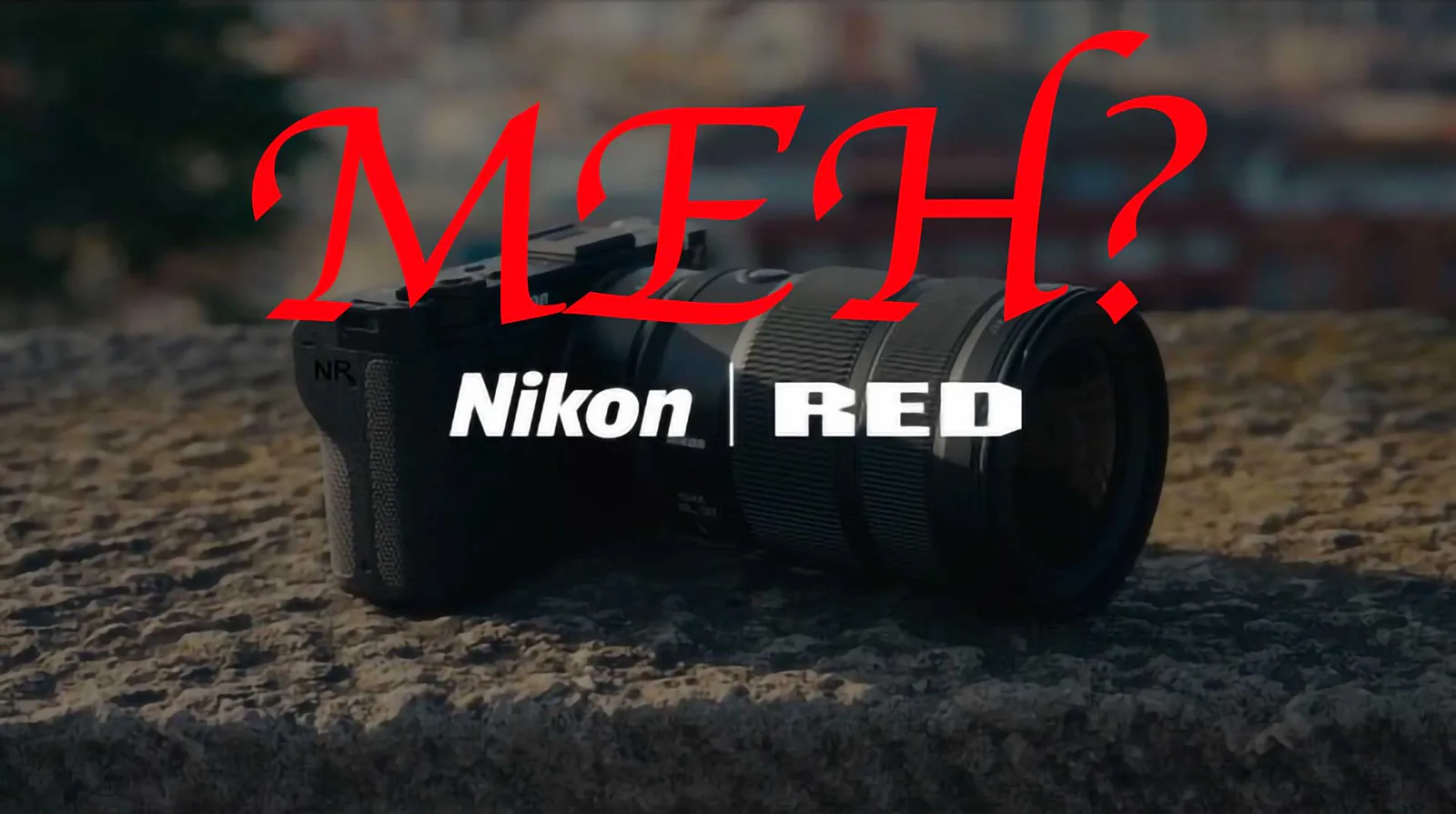
Nikon are a strange company, and you could say that Japan is a strange country. Having made cameras for 100 years, you'd think Nikon would know a thing or two about marketing cameras. Nikon bought RED for the cinema brand prestige. The original pioneer in digital cinema, is now apparently too unimportant to deserve a proper RED badge on the front of the Nikon Zr, the first Cinema Z camera which is less Hollywood, more vlogger.

Strange as it may seem, I am currently a RED user.

Yes there's been dark things in the past, abusive lawsuits, unkind words and even unkinder YouTube videos but EOSHD has a RED EPIC sitting on the shelf. I want to sell it... 2000 euros for those interested. But that's besides the point...

RED was one of cinema's most valuable brands. Nikon's deal to buy the pioneers of digital Hollywood cinematography was a decision Panasonic should have taken. A masterstroke, which gives them the best RAW codec license-free and the best brand. What's more RED sold at the right time - just as the cinema industry headed into a death spiral.

But Nikon's first hybrid stills/video camera with RED tech, the soon to be announced Nikon Zr is a cheapening of the once great cinema brand.

With this first Nikon x RED camera (x as in kisses?), the Japanese corporation had the chance to make a big cinematic statement. Canon have already done so... long, long ago, when in late 2011 Martin Scorsese appeared on stage introducing the Cinema EOS C300. This was a proper cinema camera, aimed at indies and docus and even TV crews.

Nikon's debut with Cinema Z is a strange one, they have entered not cinema but content creation.

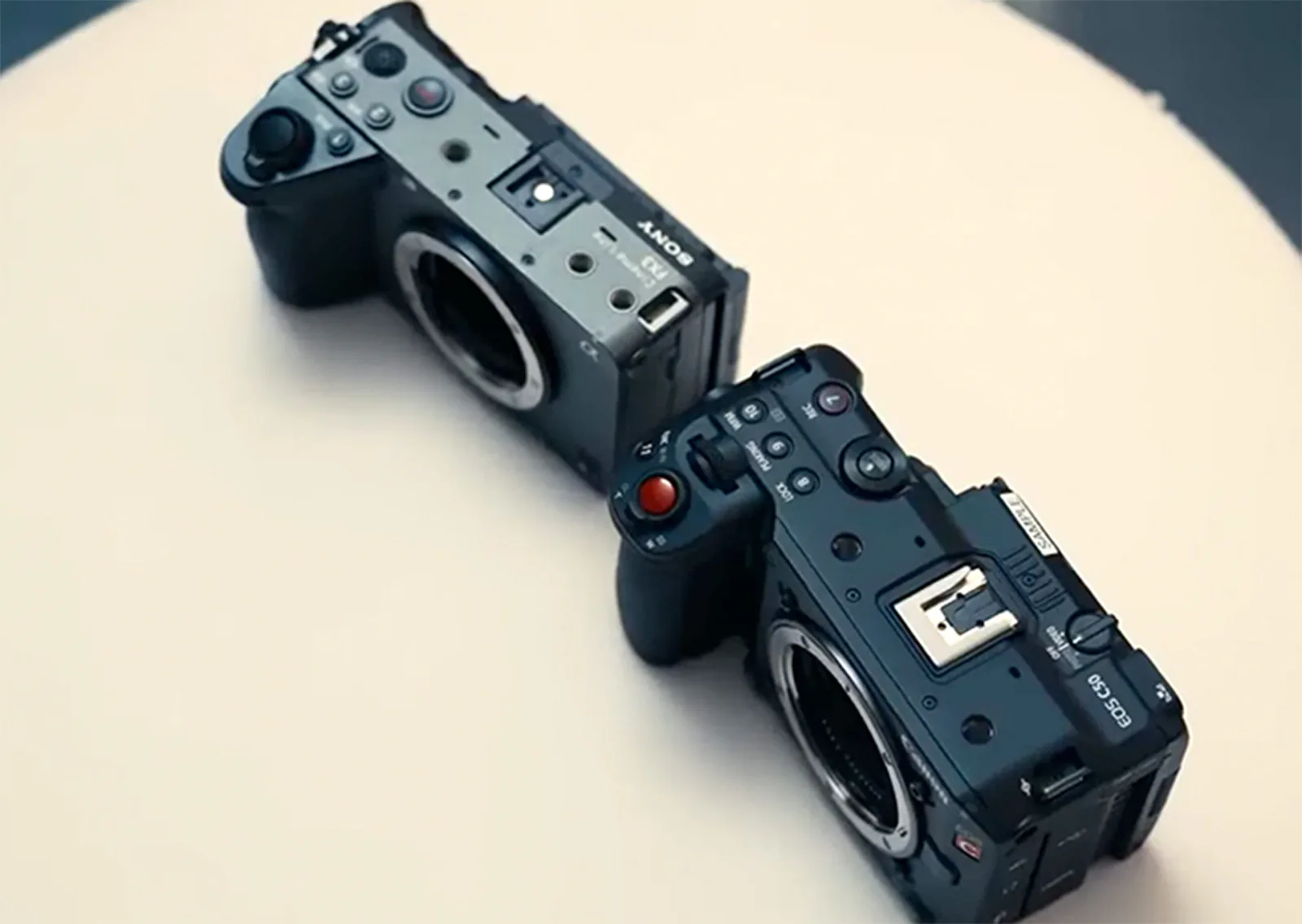
The Sony ZV1E-look-alike is a significantly less Hollywood, more consumer-point&shoot camera than the latest Canon hybrid... which actually bothers to uses the word "Cinema" properly in its name, the Cinema EOS C50. The Zr seems to strip back on what made the Sony FX3 and soon the Canon C50 so popular with video people...

High spec, high build quality, serious looks, and Cinema branding (and cinema usage in terms of the FX3 in feature-film production).

This makes me think Nikon does not have a good plan for RED, and indeed does not know how to market the brand.

Will we be getting a higher-end ZR8 soon?

Unless they quickly follow-up with something more exciting, with the RED badge actually on it more prominently, with headline specs that are at least Z8-level, with 8K REDCODE RAW at 60fps and 4K 120fps without a crop, the RED brand risks becoming like Hasselblad in 2025... a patent holder for an Asian corporation, and a badge for some colour profiles.

It's not that the Nikon Zr is a terrible camera, it's a similar concept to what I wanted RED to make way back in 2012 in the DSLR video days.

It's just that the reborn, revitalised Japanese version of RED deserved to hit the headlines with a big splash and a big dollop of CINEMA.

"Content creator" camera does not have quite the same value.

Has Nikon devalued RED's CINEMA brand immediately with low-end content creator camera? was first published on EOSHD.

❌