Reading view

YoloCam S7 — Audio guy talks about a camera?!

💾

Our sound and lighting courses can be found at https://school.learnlightandsound.com!

In this week’s episode, we do *gasp!* a camera review! That’s right, even audio nerds sometimes need a camera. In this case, we’re looking at the YoloCam S7 from YoloLiv with the . It’s an interesting blend of USB webcam and micro-4/3rds camera (yes, that means interchangeable lenses!) and we’ve had a great experience using it as an overhead cam on our weekly livestream. Let’s take a closer look and check out what special features make this such a compelling streaming camera!

If you’d like to learn how to make great dialogue audio for your film and video projects, please have a look at my courses including processing dialogue audio in Adobe Audition and DaVinci Resolve/Fairlight, recording sound, how to use the Zoom F4, F6, F8, and F8n, and how to get the most from the Sound Devices MixPre series of recorders. Our latest courses cover Sound for Live Streaming with the ATEM Mini and an Intro to Izotope RX. See https://school.learnlightandsound.com for more info!

Support my work creating videos by donating at Ko-Fi.com: http://ko-fi.com/curtisjudd

Gear used or mentioned in this episode (the links below are Amazon.com, B&H Photo, Sweetwater, or other affiliate links. As an affiliate, I earn from qualifying purchases):

- YoloLiv YoloCam S7 Streaming Camera with 18mm f/1.4 lens — https://geni.us/xC8imC9
- Matthews baby pin to 1/4-20 adapter to mount the camera on a c-stand — https://geni.us/PMjD
- JZ Mics V11 (the ‘deodorant mic’) — https://usashop.jzmic.com/collections... (not an affiliate link)
- Earthworks Ethos XLR Broadcasting Microphone — https://geni.us/8G8UdBB
- Sound Devices MixPre-3 II 32-bit float audio recorder — https://geni.us/O8e0
- Impact Turtle-Base C-Stands — https://geni.us/8a8tt
- Aputure Light Dome III Softbox — https://geni.us/AVHU1p
- Rosco Prismatic Glass Gobo in Cool Lavender — https://geni.us/GWKt
- Canon C70 Cinema Camera — https://geni.us/ABYB
- Canon RF 24-70 f/2.8 lens — https://geni.us/qwsEs
- Panasonic GH5 camera — https://geni.us/InspOl
- Panasonic 12-35mm f/2.8 II lens — https://geni.us/gr47

Copyright 2026, Curtis Judd

#yololiv #yolocam #streaming #livestream

Index
00:00 Why would audio folks need cameras?!
00:07 Our current live cam setup
00:48 About the YoloCam S7
02:51 How we’ve integrated the S7 into our setup
03:30 Vertical to horizontal orientation
03:59 YoloLive Compose app
04:13 Video Settings
04:46 Imaging Settings
06:11 Focus Settings
07:55 Zoom Settings
08:16 AI Parameter
08:25 Exposure Settings
08:45 White Balance Settings
09:33 Audio Settings
10:17 Misc Settings
10:36 My take
11:12 Please buy my courses!

Make Your Podcast or Video Sound Better with iZotope RX 12 Breath Control!

💾

Our sound and lighting courses can be found at https://school.learnlightandsound.com!

In this week’s episode we try out the new version of iZotope RX’s Breath Control plugin. It’s been fully rebuilt for RX 12 with new and improved neural nets. That means more accurate breath reduction for your video and podcast audio recordings. In our experience, previous versions of Breath Control haven’t been the most reliable tool in the suite; how does this new version measure up? Let’s take a closer look and listen!

You can dive deeper into how Breath Control works and what each set of controls do on this documentation page: https://docs.izotope.com/rx12/en/breath-control.html You can find in-depth pages for each of the other individual processing modules there as well.

If you’d like to learn how to make great dialogue audio for your film and video projects, please have a look at my courses including processing dialogue audio in Adobe Audition and DaVinci Resolve/Fairlight, recording sound, how to use the Zoom F4, F6, F8, and F8n, and how to get the most from the Sound Devices MixPre series of recorders. Our latest courses cover Sound for Live Streaming with the ATEM Mini and an Intro to Izotope RX. See https://school.learnlightandsound.com for more info!

Support my work creating videos by donating at Ko-Fi.com: http://ko-fi.com/curtisjudd

Gear used or mentioned in this episode (the links below are Amazon.com, B&H Photo, Sweetwater, or other affiliate links. As an affiliate, I earn from qualifying purchases):

- Earthworks Ethos XLR Broadcasting Microphone — https://geni.us/8G8UdBB
- Sound Devices MixPre-3 II 32-bit float audio recorder — https://geni.us/O8e0
- Impact Turtle-Base C-Stands — https://geni.us/8a8tt
- Aputure Light Dome III Softbox — https://geni.us/AVHU1p
- Rosco Prismatic Glass Gobo in Cool Lavender — https://geni.us/GWKt
- Canon C70 Cinema Camera — https://geni.us/ABYB
- Canon RF 24-70 f/2.8 lens — https://geni.us/qwsEs
- Panasonic GH5 camera — https://geni.us/InspOl
- Panasonic 12-35mm f/2.8 II lens — https://geni.us/gr47

Copyright 2026, Curtis Judd

#iZotope #RX #Audio #BreathControl

Index
00:00 RX 11 Breath Control issues
01:17 Old algorithm demo
02:25 New algorithms
02:56 New algorithm demo
03:16 Level & Target/Gain settings
04:10 Natural/Gated setting
04:39 Sensitivity setting
05:01 Which algorithm should I use?
05:27 Final processed audio sample
06:10 Please buy my courses!

TASCAM DR-40XP 32-bit float audio recorder - Is it clean?

💾

Our sound and lighting courses can be found at https://school.learnlightandsound.com!

In this week’s episode we take a look at the new TASCAM DR-40XP 32-bit float audio handheld field recorder. And the big question most people are asking is, “Are the preamps on this new version cleaner than the last version?” And the answer is…YES!

If you’d like to learn how to make great dialogue audio for your film and video projects, please have a look at my courses including processing dialogue audio in Adobe Audition and DaVinci Resolve/Fairlight, recording sound, how to use the Zoom F4, F6, F8, and F8n, and how to get the most from the Sound Devices MixPre series of recorders. Our latest courses cover Sound for Live Streaming with the ATEM Mini and an Intro to Izotope RX. See https://school.learnlightandsound.com for more info!

Support my work creating videos by donating at Ko-Fi.com: http://ko-fi.com/curtisjudd

Gear used or mentioned in this episode (the links below are Amazon.com, B&H Photo, Sweetwater, or other affiliate links. As an affiliate, I earn from qualifying purchases):

- TASCAM DR-40XP 32-bit float Field Recorder — https://geni.us/lTJjnoZ
- SHURE SM7B Cardioid Dynamic Studio Microphone — https://geni.us/GYU7dHy
- JZ Mics V11 (the ‘deodorant mic’) — https://usashop.jzmic.com/collections/vintage-series/products/vintage-11 (not an affiliate link)
- Sound Devices MixPre-3 II 32-bit float audio recorder — https://geni.us/O8e0
- Impact Turtle-Base C-Stands — https://geni.us/8a8tt
- Aputure Light Dome III Softbox — https://geni.us/AVHU1p
- Rosco Prismatic Glass Gobo in Cool Lavender — https://geni.us/GWKt
- Canon C70 Cinema Camera — https://geni.us/ABYB
- Canon RF 24-70 f/2.8 lens — https://geni.us/qwsEs
- Panasonic GH5 camera — https://geni.us/InspOl
- Panasonic 12-35mm f/2.8 II lens — https://geni.us/gr47

Copyright 2026, Curtis Judd

#tascam #DR40XP #recorder

Index
00:00 Are the XP version’s preamps cleaner?
00:10 A word from our sponsors
00:36 Audio samples
00:54 This episode’s signal chain
01:06 The big question
02:55 Does it work with high-gain mics?
03:40 State of the modern 32-bit float recorder market
04:05 The importance of mic quality
04:42 (Un?)solicited advice
05:11 Inbuilt mics
05:27 Just ONE A/D converter?!
06:47 Don’t be a (total) spec-hound!
08:43 Please buy my courses!

Sennheiser Evolution Microphones - e835, e935, e945, and e965

💾

In this week’s episode we compare several microphones from the Sennheiser evolution lineup. These mics aren’t new releases, but they are new to us and we want to see how they perform in dialogue recording and podcasting/livestreaming setups. We’ll listen to samples from the e835, e935, e945, and e965 before discussing the similarities and differences we found between them. Let’s take a closer look and listen!

If you’d like to learn how to make great dialogue audio for your film and video projects, please have a look at my courses including processing dialogue audio in Adobe Audition and DaVinci Resolve/Fairlight, recording sound, how to use the Zoom F4, F6, F8, and F8n, and how to get the most from the Sound Devices MixPre series of recorders. Our latest courses cover Sound for Live Streaming with the ATEM Mini and an Intro to Izotope RX. See https://school.learnlightandsound.com for more info!

Support my work creating videos by donating at Ko-Fi.com: http://ko-fi.com/curtisjudd

Gear used or mentioned in this episode (the links below are Amazon.com, B&H Photo, Sweetwater, or other affiliate links. As an affiliate, I earn from qualifying purchases):

- Sennheiser e835 dynamic microphone - https://geni.us/z5xMq
- Sennheiser e935 dynamic microphone - https://geni.us/nuYR50
- Sennheiser e945 dynamic microphone - https://geni.us/LnW2L
- Sennheiser e965 condenser microphone - https://geni.us/iHRl
- Sound Devices MixPre-3 II 32-bit float audio recorder — https://geni.us/O8e0
- Impact Turtle-Base C-Stands — https://geni.us/8a8tt
- Aputure Light Dome III Softbox — https://geni.us/AVHU1p
- Rosco Prismatic Glass Gobo in Cool Lavender — https://geni.us/GWKt
- Canon C70 Cinema Camera — https://geni.us/ABYB
- Canon RF 24-70 f/2.8 lens — https://geni.us/qwsEs
- Panasonic GH5 camera — https://geni.us/InspOl
- Panasonic 12-35mm f/2.8 II lens — https://geni.us/gr47

Copyright 2026, Curtis Judd

#sennheiser #evolution #microphone

Index
00:00 What are the e-Series mics?
00:10 A word from our sponsors
00:32 Our approach to the e-Series mics
01:08 Audio samples
01:42 e835
02:47 e935
03:28 e945
04:33 e965
06:39 Compare to each other
07:09 Please buy my courses!

PicoRecorder - 6 channel 32-bit float wireless receiver, recorder, mixer, and timecode generator

💾

Our sound and lighting courses can be found at https://school.learnlightandsound.com!

In this week’s episode we have a look at PicoGear’s new PicoRecorder kit, an all-in-one receiver that pairs with the PicoMic 3 Pro. The PicoRecorder is a nifty receiver/mixer/recorder interface that records 32-bit float audio right to a full-size SD card. It also has built-in timecode capability, two extra inputs for wired mics, and space for up to 6 PicoMic transmitters in the kit case. Very clever, PicoGear! Let’s take a closer look and listen!

If you’d like to learn how to make great dialogue audio for your film and video projects, please have a look at my courses including processing dialogue audio in Adobe Audition and DaVinci Resolve/Fairlight, recording sound, how to use the Zoom F4, F6, F8, and F8n, and how to get the most from the Sound Devices MixPre series of recorders. Our latest courses cover Sound for Live Streaming with the ATEM Mini and an Intro to Izotope RX. See https://school.learnlightandsound.com for more info!

Support my work creating videos by donating at Ko-Fi.com: http://ko-fi.com/curtisjudd

Gear used or mentioned in this episode (the links below are Amazon.com, B&H Photo, Sweetwater, or other affiliate links. As an affiliate, I earn from qualifying purchases):

- PicoGear Pico Recorder Kits — https://www.picogear.com/?ae=5
- Impact Turtle-Base C-Stands — https://geni.us/8a8tt
- Aputure Light Dome III Softbox — https://geni.us/AVHU1p
- Rosco Prismatic Glass Gobo in Cool Lavender — https://geni.us/GWKt
- Canon C70 Cinema Camera — https://geni.us/ABYB
- Canon RF 24-70 f/2.8 lens — https://geni.us/qwsEs
- Panasonic GH5 camera — https://geni.us/InspOl
- Panasonic 12-35mm f/2.8 II lens — https://geni.us/gr47

Copyright 2026, Curtis Judd

#PicoGear #PicoRecorder #PicoMic

Index
00:00 What is the PicoRecorder?
00:43 A word from our sponsors
01:04 The PicoGear approach
02:07 How does it transmit 32-bit audio?
02:42 User guide & documentation
02:51 Compare PicoMic 3 Pro vs RODE Wireless Pro
03:18 Recorded with the PicoMic 3 ad PicoRecorder
03:46 Pros
06:20 Transmission distance tests
07:52 Battery powering time
08:44 External lavalier microphones
09:28 Non-user replaceable batteries, but PicoGear will service
09:55 Timecode is meant for ONE use-case only
10:48 32-bit float won't clip with dialogue, but could with super loud sound sources
11:22 USB interfacing with Mac didn't work (maybe firmware can fix it?)
11:48 Pricing
11:21 Summary — for creators
13:15 Please buy my online sound courses

The Best budget light I've used to date — amaran Halo 300X

💾

In this week’s episode we quickly review the new budget lights from amaran, specifically the Hallo 300x. This bi-color light delivers over 275 W of output of quality color, especially when tuned to the tungsten end of the spectrum. The Halo 300x is also incredibly well built for its price so its bowens mount can support almost any light modifier and the light includes some very useful features like NFC pairing to the mobile control app, and even the ability to include in a studio setup with an optional DMX adapter. Let’s have a quick look!

Listen to an uncompressed and unprocessed audio sample of the DIFB used for a camera hop between a Sound Devices MixPre-3 II and a Canon C70. https://drive.google.com/file/d/10bzphdLss8zJexusobuRaS9v18uo0eum/view?usp=share_link

If you’d like to learn how to make great dialogue audio for your film and video projects, please have a look at my courses including processing dialogue audio in Adobe Audition and DaVinci Resolve/Fairlight, recording sound, how to use the Zoom F4, F6, F8, and F8n, and how to get the most from the Sound Devices MixPre series of recorders. Our latest courses cover Sound for Live Streaming with the ATEM Mini and an Intro to Izotope RX. See https://school.learnlightandsound.com for more info!

Support my work creating videos by donating at Ko-Fi.com: http://ko-fi.com/curtisjudd

Gear used or mentioned in this episode (the links below are Amazon.com, B&H Photo, Sweetwater, or other affiliate links. As an affiliate, I earn from qualifying purchases):

- amaran Halo LED Bowens mount lights — https://geni.us/XTHKYji
- Sound Devices MixPre-3 II 32-bit float audio recorder — https://geni.us/O8e0
- Sennheiser MKH50 microphone — https://geni.us/iYb065
- Impact Turtle-Base C-Stands — https://geni.us/8a8tt
- Aputure Light Dome III Softbox — https://geni.us/AVHU1p
- Rosco Prismatic Glass Gobo in Cool Lavender — https://geni.us/GWKt
- Canon C70 Cinema Camera — https://geni.us/ABYB
- Canon RF 24-70 f/2.8 lens — https://geni.us/qwsEs
- Panasonic GH5 camera — https://geni.us/InspOl
- Panasonic 12-35mm f/2.8 II lens — https://geni.us/gr47

Copyright 2026, Curtis Judd

#amarancreator #Halo #light

Index
00:00 Introduction to the amaran Halo lights
00:36 Halo 300x for keylight
00:55 bi-color white light
01:18 Color quality SSI
01:26 Intensity dims in 1% increments
01:31 Fan modes
01:41 Effects
01:46 Control modes and app and DMX
02:11 Power via AC
02:20 Bowens mount for light modifiers
02:33 Umbrella slot
02:40 Build quality
02:54 Photometrics, output, color quality
03:10 Flicker test when dimmed to 10%
03:29 Quiet fan
03:34 Beam angle 85 degrees
03:39 Con: No included modifiers
03:54 Con: No power options aside from AC power
04:01 Price
04:20 My take
04:29 Please buy my online courses

What is IFB in production sound? Featuring the DEITY DIFB

💾

Our sound and lighting courses can be found at https://school.learnlightandsound.com!

In this week’s episode we have a look at and listen to DEITY’s new IFB system, the HUSH Wireless (for North America) or THEOS DIFB (for other markets). The DIFB system is easily integrated with other DEITY ecosystem products, and also holds its own as an isolated IFB ecosystem for North American users. In this episode we explore what an IFB is, what they’re most useful for, and how it might be used to create a camera hop audio feed. Let’s take a closer look and listen!

Listen to an uncompressed and unprocessed audio sample of the DIFB used for a camera hop between a Sound Devices MixPre-3 II and a Canon C70. https://drive.google.com/file/d/10bzphdLss8zJexusobuRaS9v18uo0eum/view?usp=share_link

If you’d like to learn how to make great dialogue audio for your film and video projects, please have a look at my courses including processing dialogue audio in Adobe Audition and DaVinci Resolve/Fairlight, recording sound, how to use the Zoom F4, F6, F8, and F8n, and how to get the most from the Sound Devices MixPre series of recorders. Our latest courses cover Sound for Live Streaming with the ATEM Mini and an Intro to Izotope RX. See https://school.learnlightandsound.com for more info!

Support my work creating videos by donating at Ko-Fi.com: http://ko-fi.com/curtisjudd

Gear used or mentioned in this episode (the links below are Amazon.com, B&H Photo, Sweetwater, or other affiliate links. As an affiliate, I earn from qualifying purchases):

- DEITY HUSH Wireless DIFB Kit — https://geni.us/qXAh
- Sound Devices MixPre-3 II 32-bit float audio recorder — https://geni.us/O8e0
- Sennheiser MKH50 microphone — https://geni.us/iYb065
- Impact Turtle-Base C-Stands — https://geni.us/8a8tt
- Aputure Light Dome III Softbox — https://geni.us/AVHU1p
- Rosco Prismatic Glass Gobo in Cool Lavender — https://geni.us/GWKt
- Canon C70 Cinema Camera — https://geni.us/ABYB
- Canon RF 24-70 f/2.8 lens — https://geni.us/qwsEs
- Panasonic GH5 camera — https://geni.us/InspOl
- Panasonic 12-35mm f/2.8 II lens — https://geni.us/gr47

Copyright 2026, Curtis Judd

#DEITY #IFB #wireless

Index
00:00 What is an IFB?
01:44 Please buy my courses
01:51 About the DEITY HUSH DIFB Wireless
02:35 International vs North America version
03:05 North American version features & limitations
04:57 Shared features
06:36 Camera hop recording sample

Transform your Beyerdynamic Headphones with Headphone Lab

💾

Our sound and lighting courses can be found at https://school.learnlightandsound.com!

In this week’s episode we experiment with a new VST plugin from Beyerdynamic: Headphone Lab! Headphone Lab is a great way to optimize your headphone response for mixing work, especially if you don’t have access to an acoustically treated room with monitors. Adding it into your workflow can help your mixes translate better to other playback systems. Let’s take a closer look and listen!

You can read more about and download the Headphone Lab plugin here: https://global.beyerdynamic.com/headphone-lab

If you’d like to learn how to make great dialogue audio for your film and video projects, please have a look at my courses including processing dialogue audio in Adobe Audition and DaVinci Resolve/Fairlight, recording sound, how to use the Zoom F4, F6, F8, and F8n, and how to get the most from the Sound Devices MixPre series of recorders. Our latest courses cover Sound for Live Streaming with the ATEM Mini and an Intro to Izotope RX. See https://school.learnlightandsound.com for more info!

Support my work creating videos by donating at Ko-Fi.com: http://ko-fi.com/curtisjudd

Gear used or mentioned in this episode (the links below are Amazon.com, B&H Photo, Sweetwater, or other affiliate links. As an affiliate, I earn from qualifying purchases):

- Beyerdynamic DT 700 Pro X Closed-Back Headphones — https://geni.us/XaZBvwb
- Beyerdynamic DT 900 Pro X Open-Back Headphones — https://geni.us/Fic6
- Sound Devices MixPre-3 II 32-bit float audio recorder — https://geni.us/O8e0
- Sennheiser MKH50 microphone — https://geni.us/iYb065
- Impact Turtle-Base C-Stands — https://geni.us/8a8tt
- Aputure Light Dome III Softbox — https://geni.us/AVHU1p
- Rosco Prismatic Glass Gobo in Cool Lavender — https://geni.us/GWKt
- Canon C70 Cinema Camera — https://geni.us/ABYB
- Canon RF 24-70 f/2.8 lens — https://geni.us/qwsEs
- Panasonic GH5 camera — https://geni.us/InspOl
- Panasonic 12-35mm f/2.8 II lens — https://geni.us/gr47

Copyright 2026, Curtis Judd

#Beyerdynamic #Headphones #HeadphoneLab

Index
00:00 What is Headphone Lab?
00:18 Please buy my courses on lighting and sound!
00:25 What does Headphone Lab fix?
01:52 How does Headphone Lab work?
04:25 Hardware compatibility
04:56 What Headphone Lab can’t/won’t do
05:43 How to use Headphone Lab
06:09 A note on plugins & latency
06:42 Software specs & details
06:52 My take
07:22 Check out our lighting & sound courses!

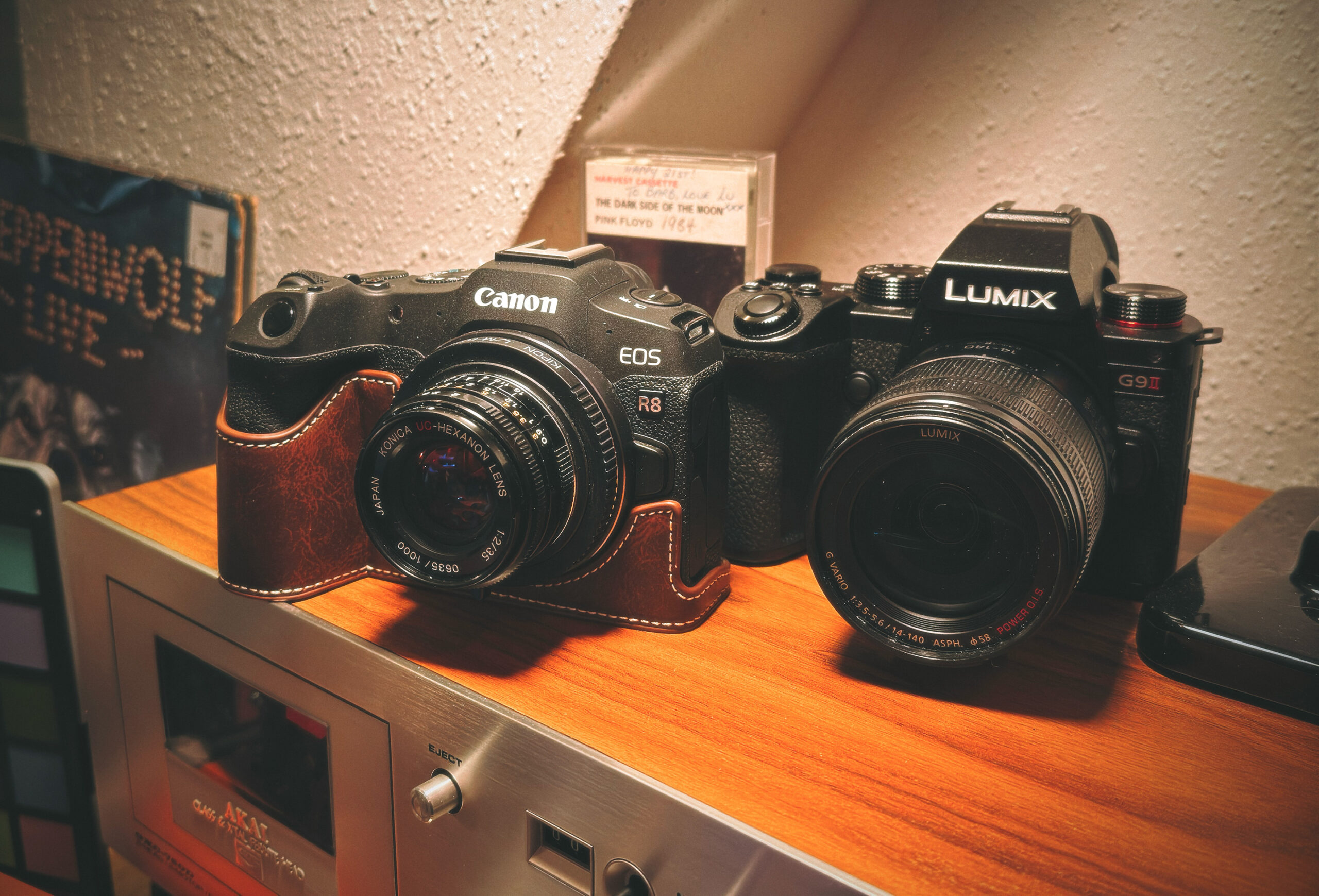
Battle of the $1000 filmmaking kit: Canon EOS R8 vs Panasonic G9 II

It’s like Canon 5D Mark II vs Panasonic GH1 all over again!

Canon got aggressive with the R8, and finally put the cripple hammer away. This is the bargain value for money full frame camera of our era, they had no choice but to do it – the Sony a7 IV exists. Indeed, the a7 V exists, but it lives in a higher realm of pricing – feature packed for sure, but does it actually offer a better image overall than the R8? I’d say… Debatable.

Then in the Lumix corner, we have the G9 II which on the face of it is not supposed to be a GH7, but it is.

And best of all, this Not A GH7 can be had for around 1200 euros, or less, if you shop around.

The G9 II is an underrated tool. The spec is more aligned with a flagship camera, like the Sony a1 II, than an enthusiast filmmaking tool, and it has far fewer compromises than the EOS R8. If you don’t mind the 2x crop sensor it’s the one to get – but it requires considerate thought in terms of glass. If you’re not careful it can end up looking a bit clinical, but that sensor – the same as the GH7 – is just such a bomb. It’s the closest Micro Four Thirds has ever been to full frame in dynamic range and low light performance, and surpasses all but the very best flagship full frame sensors in terms of speed. The quality of the 4K/120fps is outstanding.

The EOS R8 is a slower camera, and the most glaring omission is the lack of in body stabilisation. If you’re an avid collector of vintage glass or manual focus stuff, you might not miss it – the flagship R1 and R3 behave as if IBIS doesn’t exist when you’re not using native Canon RF mount lenses.

What I do like about the EOS R8 is the straight-forwardness of the body design, how small and thin it is, how good the ergonomics are – a big improvement on the RP – how decent the EVF is, how the cripple hammer was resisted in terms of autofocus and video – two areas where you can barely tell it apart from the much more expensive EOS R6 Mark II.

The lack of IBIS is in some ways a blessing – forcing you to get the sticks out and do stuff properly.

Whereas the G9 II is the closest you can get to the speed and specs of a flagship Sony A1 II, or Nikon Z8 for nowhere near as much money, and you’ll save on the lenses too – and the weight, and the size.

If I were to choose just one…

The EOS R8 does have the full frame image and all the advantages that brings, but to be honest it’s not all just about an ever more shallow DOF – it’s going out of fashion. The full frame advantage is in terms of lenses – a 35mm is a 35mm, a 50 is a 50. With Micro Four Thirds there’s always that nagging crop to factor in.

The G9 isn’t quite as good at very high ISOs, isn’t quite as creamy looking – but it’s a better documentary camera, faster, better battery times, far more feature packed.

And that’s why if I did pick one it would be the Lumix.

The post Battle of the $1000 filmmaking kit: Canon EOS R8 vs Panasonic G9 II appeared first on EOSHD.com - Filmmaking Gear and Camera Reviews.

Don’t Buy the DJI Mic 3 Until You Watch This - Mic Mini Review 2026

💾

Is the DJI Mic Mini Still the Best Value in 2026?
With the release of the DJI Mic 3, the price of the DJI Mic Mini has plummeted—but does that make it a steal or a skip? In this video, we’re putting this 10-gram powerhouse to the test to see if it’s still the "must-have" tool for creators, vloggers, and mobile filmmakers.

_________________________________________
Imaging Resource is reader-sponsored. We may earn commission on qualifying purchases.
*DJI Mic Mini* - https://geni.us/yc3HB7A
*DJI Mic 3* - https://geni.us/yq6pbts

We skip the audiophile jargon and get into what actually matters: Will it make your shirt sag? How does it sound compared to a $350 studio setup? And can you trust it without a safety net?

*Why Creators Love the Mic Mini*
The Weight: At just 10g, it’s one of the few mics that won’t ruin your outfit or sag your t-shirt.
Insane Battery: Surprisingly, it actually outlasts the Pro models with 11.5 hours of runtime.
Plug & Play: No menus, no hassle. Just clip it on and go.
The Price: At $79, it’s arguably the best bang-for-your-buck in portable audio right now.

*What You’re Giving Up*
We also dive into the "missing" features like 32-bit float and internal recording. If you’re recording in high-stakes environments (like trade shows or weddings), you might need to step up to the Mic 3. I’ll explain exactly why "32-bit float" is like shooting RAW video for your ears—and why you might (or might not) need it.

🕒 Timestamps:
0:00 - The Best Value in Audio?
1:15 - Studio Mic vs. DJI Mic Mini (Audio Test)
3:45 - Mic Mini vs. DJI Mic 3: Which should you buy?
5:20 - The "Sag Test" (Weight Comparison)
6:50 - What is 32-bit Float? (The RAW Audio Explained)
8:30 - Safety Tracks & Noise Cancellation
10:15 - Battery Life & Range Reality Check
11:45 - The Final Verdict: Is it a steal at $79?

🛒 Gear Mentioned:
DJI Mic Mini: https://geni.us/yc3HB7A
DJI Mic 3 (The Pro Choice): https://geni.us/yq6pbts
DJI Osmo Pocket 3: https://geni.us/Kbonr3x
Logitech Blue Sona (Studio Mic): https://geni.us/QJr3ZAg
💬 Join the Conversation
Are you still rocking the Mic Mini, or did the 32-bit float on the Mic 3 win you over? If you’ve found a better low-cost microphone that I missed, let me know in the comments!

If this helped you decide on your next gear purchase, please Like and Subscribe! #DJIMicMini #ContentCreatorGear #VloggingMic #DJIMic3 #AudioReview #BudgetCreatorGear #DaveTriesThis

K&F CONCEPT Video Tripod VA3+BV60 Review: 72" 22lb Capacity - An Absolute Beast!

💾

Discover why the K&F CONCEPT VA3+ BV60 Tripod is an affordable and durable winner for creative professionals! In this in-depth review, we put this tripod through real-world testing to see how it performs in demanding environments and creative workflows. Here's what makes it stand out:

_____________________________________________________________
Affiliate links earn us a commission on qualifying purchases.
K&F Concept Video Tripod - https://geni.us/9XQf5
_____________________________________________________________

- Effortless setup with adjustable legs and impressive height for press pools or unique shooting angles.
- Durable build supporting up to 20 lbs—perfect for everything from hybrid cameras to cine units.
- Smooth fluid head with customizable movement controls for precision video shooting.
- Built-in features like a hidden Allen wrench and compatibility with standard Manfrotto plates.
- DIY options for handheld video shooting with a removable triangular handle.

Perfect for wedding photographers, event videographers, and anyone looking for reliable photography gear, the K&F VA3 delivers exceptional value without breaking the bank. While it could use a few extras like a hook or more mounting threads, its overall performance and versatility make it a standout choice.

Want to know more? Let us know your thoughts below, and stay tuned for our latest reviews on photography gear, creative workflows, and what's new in imaging technology!

#k&fva3tripod #tripodreview #affordabletripod #videotripod #k&fconcept

CHAPTERS:
00:00 - Intro
00:15 - Setting Up the Legs
00:46 - Fluid Head Features
01:16 - Hidden Allen Wrench Location
02:09 - Speed Dial Functionality
02:18 - Handholdable Fluid Head Design
03:05 - No 1/4-20 Compatibility
03:33 - K&F Concept Overview
03:54 - Outro

The Sony Travel Lenses You ACTUALLY Need in 2026

💾

Looking for the perfect travel lens for your Sony mirrorless camera? In this comprehensive guide, I break down the best Sony FE mount lenses across every category—from versatile standard zooms to ultra-wide angles and telephoto options.

Read the full article at https://www.imaging-resource.com/guides/best-travel-lenses-for-sony/

Sony FE 24-70mm f/2.8 GM II - Premium flagship choice - https://geni.us/IiamuA6

Tamron 28-75mm f/2.8 Di III VXD G2 - Best value f/2.8 - https://geni.us/OaQZxA

Sigma 28-70mm f/2.8 DG DN Contemporary - Most compact f/2.8 - https://geni.us/PxDs

*EXTENDED REACH*

Sony FE 24-105mm f/4 G OSS - My go-to all-day lens - https://geni.us/8ddZ

*ULTRA-WIDE ZOOMS*

Samyang/Rokinon AF 14-24mm f/2.8 FE - Lightest option - https://geni.us/tyLXrz
Sony FE 16-35mm f/2.8 GM II - Professional ultra-wide - https://geni.us/8Mtmc

*WIDE & STANDARD PRIMES*

Sony FE 35mm f/1.8 - Compact street photography lens - https://geni.us/1trkk
Sony FE 24mm f/1.4 GM - Premium astrophotography choice - https://geni.us/O4Ywg
Sigma 24mm f/2 DG DN Contemporary - Best value wide prime - https://geni.us/vkKKjO

*TELEPHOTO ZOOMS*

Sony FE 200-600mm f/5.6-6.3 G OSS - Wildlife standard - https://geni.us/HR1BLEu
Sony FE 100-400mm f/4.5-5.6 GM OSS - Premium telephoto - https://geni.us/P7Jv2
Tamron 70-300mm f/4.5-6.3 - Most compact telephoto - https://geni.us/lFgZY
Sigma 100-400mm f/5-6.3 DG DN OS - Best value telephoto - https://geni.us/grT63

Every lens tested hands-on with real-world shooting experience, including wildlife photography in Brazil and astrophotography in Sedona.

#SonyAlpha #TravelPhotography #SonyLenses #CameraGear #PhotographyGear #SonyFE #A7IV #A7RV #TravelLens #PhotographyTips

#sonylenses #travelphotography #sonytravellenses #besttravellenses2026 #sonyfullframe

CHAPTERS:
00:00 - Introduction
00:35 - Best Travel Zoom Lenses for Photography
04:39 - Top Wide and Standard Prime Lenses
06:26 - Best Telephoto Lenses for Wildlife Photography

Oops. Has ChatGPT just been made obsolete over night? #Moltbot

EOSHD is a filmmaking camera blog but there are rare moments the earth seems to shift and something comes along which has nothing to do with what I usually cover, that nevertheless has profound implications for all of us. Early days though it may be, Moltbot is one of these moments.

This is a concept… with many implications.

Moltbot is a locally installed AI agent and is given full admin rights to your Mac or PC.

With that in mind it’s best to set it up on a second rig especially for the purpose, preferably an M4 Mac Mini and then allow Moltbot to go full goblin mode commandeering the machine. It will exploit the full capabilities of that machine and everything it can do, via an existing AI large language model – preferably one that can also be run locally, without any calls to OpenAI, Gemini or Claude.

According to the FAQ: “You can run Moltbot with API keys (Anthropic/OpenAI/others) or with local‑only models so your data stays on your device.”

This concept –  of giving a local AI model full control of your computer, all the apps on it, all of the internet, all your accounts and all your data, is very interesting and I think it’s the future.

But what could possibly go wrong?!

Moltbot will open apps, write code, code it’s own apps, use the terminal to configure the machine itself, install capabilities, edit images with Photoshop, grade images, make LUTs, edit videos, upload content, create websites, post content to the internet, delete your emails, answer your emails, do your tax, run your entire business if you want it to.

Everything a human does with a computer, Moltbot does and unlike us, it will sit there 24/7 multitasking with no sleep.

Moltbot is at your beck and call, commandeered by WhatsApp, or another encrypted message service. You make the requests and it does the work.

It DOES stuff, it takes ACTION, it doesn’t just chat and generate content, it’ll even switch your light bulbs on and off.

But all of these clever aspects of it are secondary to the enormity of the concept itself in computing terms.

What Moltbot means for the AI industry seems very significant – not just for how you use a Mac Mini to code apps or edit video, but what it means for OpenAI and the centralised corporate server farm bubble the Americans have built up in recent years much to their folly, because the future of AI is decentralised, and it is open source.

The USA has got into some sort of arms race and built infrastructure to such a ridiculously heated degree – seemingly not to realise that it’ll all be obsolete in a few years, quite possibly even over night.

Tools like Moltbot means that the bubble as it exists right now with OpenAI and Microsoft at the centre of the world, huge Meta-owned data centres and so on… is about to be consigned to history and the bubble is about to go pop in a way that makes the big bang look goofy.

For running LLMs locally on a powerful GPU or M4 Mac Mini is surely the future, decentralised, peer to peer, open source, a MacOS centred AI that actually DOES THINGS rather than corporate chatbots.

You see, large language models are a commodity now. There’s no longer anything special about one over the other, not really anyway. There’s lots of them, they all do the same thing, cost a similar amount, run on the same hardware, they’re incredibly wasteful, environmentally damaging, inflationary for fuel prices, GPUs and RAM, they waste water, pollute water, and nobody has worked out how to make a profit from any of them! They’re handy tools for the public but the money these corporate idiots are spending on data centres dwarfs the money coming in from subscriptions.

What’s more they are all disembodied. OK, they make a lot of AI slop and eye candy – nice trick, but a brain is nothing without a good toolbox. The Macbook for example is one of the finest tools humanity has come up with. Without our Macbooks, coders couldn’t code, bloggers couldn’t blog, YouTubers couldn’t YouTube, camera enthusiasts couldn’t connect to each-other across the world, we need our tools.

Where would we be if we never picked up a rock and sharpened it into a knife to kill prey, we would never have made it very far as an intelligent species, would we? If we didn’t have cars we’d all still be hauling stuff around in the mud, if we didn’t have computers we’d all still be hunting and gathering, we wouldn’t have achieved much just sitting around talking to ourselves like a brain in a jar.

Sure, chatbots can talk a good talk, they can absorb a lot of existing knowledge and data, they can generate imagery, spit out all those videos, photos, scripts and funny little poems but this is just brain-in-a-jar stuff.

With a concept like Moltbot however, you are handing a neural network one of the world’s most powerful tools, the desktop computer, connected to the internet. Commanding it to take control, and asking it to do stuff via that tool is much more useful than simply chatting and generating stuff. No longer is the AI agent simply conversing over and over with itself, dreaming inside its own head, synthesising new images from old or conjuring up hallucinations, instead it’s piloting, driving, steering, doing, making.

It is using a computer!

Which is what most of us do anyway for a career!

This is a big step that AI needed to make because to commandeer stuff in the physical world like directing films or even getting the groceries in, that’s tough – it requires absolutely enormous advances in robotics technology, political consent, and the cheap proliferation of it, which isn’t about to happen, so practical and physical labour is currently not heading to mass market. A step too far for the brain in the jar that is AI in 2026.

Humanoid AI will remain not just incredibly expensive but to be honest quite frightening, and not a decision most people would be comfortable making lightly or something they’d be comfortable living alongside of. Not yet anyway.

In terms of filmmaking however, armed with your laptop, Moltbot could act as a publicist, an agent, a blogger, a web designer, editor, colourist, and it wouldn’t just be generative. Not just coming up with content but actually actioning stuff as well, without us micro managing that side of it. It has the potential to multitask and work for you while you sleep.

It’s a kind of “ah, I get it now” moment for AI when it actually does something useful for once. A more practical phase, the doing phase and the taking control phase.

Now just bear in mind that it’s still very early days. It probably has a lot of limitations, but maybe it’s time to find out for yourself. Moltbot is available now (https://www.molt.bot)

Moltbot docs & FAQ (https://docs.molt.bot/help/faq#do-i-need-a-claude-or-openai-subscription-to-run-this)

Use at your own risk!

The post Oops. Has ChatGPT just been made obsolete over night? #Moltbot appeared first on EOSHD.com - Filmmaking Gear and Camera Reviews.

MPB camera store review 2026 – The mysterious case of 7 lost packages

I’ve known about MPB since they started following EOSHD on Twitter, all the way back in 2011. Soon after that MPB reached out with an offer to sponsor the blog. Describing themselves as “The UK’s Only Specialist Canon and Nikon Used Equipment Dealer”, MPB have come a long way since the early days. When MPB set-up a warehouse in Berlin, as you can imagine I was very excited and as a serious gear-addict, have spent many thousands with MPB online over the years

My last order was placed this week in Berlin. When I say last order, it could literally be.

It is mainly on the EU side of MPB in Berlin where I have been let down time and time again. Over 7 serious problems this past 12 months alone and now a big slap down from their customer experience team leader accusing me of being an abusive customer. This review is something I’ve been holding back for many months, to give MPB every chance to make amends, but I think it would be a disservice to the camera-world for the facts to go unpublished.

These problems are systematic and experienced by many others. It started for me in January 2025 when some of my own gear was due to be returned with what I’d bought as part of a trade-in. Instead of arriving back with me, the gear went into one of Stephen Hawking’s Black Holes around the back of DHL’s warehouse in Ludwigsfelde. Rather than reappearing as Canon radiation, nobody to this day can offer any explanation as to what happened to my Canon and Sony gear…not least MPB, certainly not DHL, not even Steven Hawking.

That’s ok, deliveries go missing occasionally. It’s the way MPB’s customer service team in Berlin dealt with it that’s from another planet, and not a good one. Rather than offer a prompt refund, MPB made me wait nearly 2 months for (their own) DHL compensation claim to proceed. This is against EU trading laws. Eventually MPB refunded the Sony camera I had ordered only, but not my own lost equipment. This needed separate, further effort on my part to chase again – by April, almost as much time had gone into the black hole as camera equipment.

The eventual compensation did not even reflect the value of the goods had sent them and never received back. Had I received it back as planned and sold the camera privately it would have gone for 50% more . Something to be aware of, if you decide not to accept their revised lower quoted value (which happens very often for the most spurious of reasons) and it goes missing.

Undeterred I accepted one-off disasters happen, this wasn’t going to ruin my 13 year relationship with MPB.

I decided to place my faith in the MPB gods once again and ordered a bargain, spares & repairs Leica Q which I intended to fix.

Stupid, I know.

This is when I really suspected something unusual, because it immediately went into the same black hole again, gone forever. Bear in mind this is not a complex logistical challenge – a delivery from Berlin, to Berlin. In order to get any sort of prompt action out of MPB I had to email their CEO, Matt Baker as their EU customer service team were now in the habit of simply ignoring emails.

What was going on? Were MPB’s boxes splitting open, due to the environmentally friendly paper box tape? Was somebody at DHL helping themselves to free cameras?

It still has not been explained.

At this point, as you can imagine I was quite annoyed. Three items lost, months without the money, would it be the case again with the Leica Q? CEO Matt Baker was initially on the case, but it all felt rather performative. After 1 or two emails, Mr Baker simply vanished just like my deliveries… ghosted by the boss.

I can accept he had better things to do, but a simple email saying – sorry Andrew, I’m rather busy, I’ll let my team look after you, wouldn’t have gone amiss. After all he had employed a team of people in Berlin whose actual job it was to look after customers.

Undeterred I ordered a Sony a7s III in the UK which was reserved as part of a trade-in, before I had chance to send the trade-in items, suddenly the Sony was taken off reservation for no reason and sold to someone else – with no audit trail. The staff could offer no explanation. I even did a freedom of information request to get to the bottom of it. There was nothing. This was so strange that not even MPB could explain it so at this point I was fighting for the whereabouts of my Leica Q in Berlin, and my Sony a7s III in the UK, several thousands of euros worth of kit – a battle on two fronts at once!

And the problems for me were not over yet. Equipment I was selling or trading-in with MPB would have spurious deductions applied to the quotes which didn’t make any sense. To give you an example: a boxed and fully complete camera as originally bought brand new had a deduction applied for a “missing AC adapter” – which was never even included in the first place by the manufacturer in the box. If they are doing this to me, how many others are out of pocket?

After all these problems, you might think it would be reasonable for the customer to vent their frustration with some negative feedback. I did exactly that, but rather than take it onboard, let alone apologise, MPB’s customer experience operations manager in Berlin doubled down on the blame game and issued me with a severe telling off, threats of action via “serious channels”, continuing “You do not have the right to belittle our team’s concerns, nor to direct discriminatory, insulting, or threatening language toward any of our staff.” none of which I did, and I can prove it – yet at the same time I’m not going to sit there and tell them how wonderful everything is when it isn’t.

Every time rather than helping me with the latest problem of their own making, this person began to point the finger at me instead.

The exact reversal of what a customer experience role entails.

Imagine, after 13 years of spending money with a store, time and time again to be told that YOU are in fact a problem, that the messed-up orders and non-deliveries don’t deserve or warrant any negative feedback at all.

Before this review was published, MPB claimed I was making an “unnecessary threat involving public defamation”. Apparently, in their eyes it is “defamation” to speak factually about your experience as a customer?

MPB in Berlin owe me an apology for the way they have behaved. The performance issues are bad enough, but the customer service team which would rather have an argument and shout “defamation” before listening to what the customer is actually saying, and solving the problems, is the cherry on top.

The problems didn’t stop here either. The last MPB non-delivery was only a month ago, in the lead up to Christmas. I have still not received a refund, for a delivery which was due on the 23rd December.

MPB’s sales practices also raise eyebrows – Sometimes descriptions on the website completely misrepresent what is being supplied. You’d think for example that a paid camera tester who sees thousands of units a year would know the difference between dust or debris on the sensor, and laser damage. In my experience, this hasn’t been the case. I also received a Leica M camera with a broken jog-dial.

In the case of the lost shipments, staff didn’t even file the claim form with DHL until many weeks later, despite assuring me it was a done job, but at the end of the day why should they ask a customer to wait months for MPB to get compensation from the postal service?

It’s frustrating for the customer to have to keep on at people, spending countless hours with emails and online chats, only to have staff sit on their hands and then a few days later forget to do anything at all.

Mistakes can happen, it’s the attitude in dealing with them that needs to improve at MPB if they are to keep hold of one of the longest standing customers.

The post MPB camera store review 2026 – The mysterious case of 7 lost packages appeared first on EOSHD.com - Filmmaking Gear and Camera Reviews.

Freewell Travel Tripod - If I could only own one tripod forever, I'd pick this $250 superstar

💾

Looking for the best travel tripod? The Freewell Real Travel Tripod, also known as the FWT One, is a $250 carbon fiber wonder that could revolutionize your creative workflow. With real-world testing, this tripod has proven to be a reliable companion for photographers and videographers alike.

Here’s what’s new and why it stands out:
- Lightweight yet durable carbon fiber build designed for portability.
- Versatile ball head for seamless transitions between vertical and horizontal shooting.
- Unique triangular center column ensures stability and eliminates slipping.
- Quick twist-release legs for rapid setup and adjustments.
- Dual quarter-inch connections for mounting microphones, lights, or monitors.
- Convertible monopod feature for added flexibility in your photography gear arsenal.

Whether you're capturing stunning landscapes or shooting on the go, this tripod offers features tailored to creative professionals. From weather sealing to innovative design elements, Freewell’s FWT One delivers exceptional performance at an unbeatable price.

Curious how it compares to other models? Or want to know more about DIY options for maximizing its functionality? Drop your questions in the comments below! For a deeper dive into photography gear, read our in-depth report over on Imaging Resource.

Take your imaging game to the next level and give it your best shot!

#besttripods #photographytips #traveltripod #besttripods2023 #tripodforvideoshooting

CHAPTERS:
00:00 - Introduction
00:24 - Ball Head Features
01:24 - Angle Indicator Functionality
01:46 - Quarter Inch 20 Mounting
01:57 - Center Column Design
02:11 - Anodized Hook Benefits
02:46 - Monopod Usage Tips
03:29 - Conclusion

Sony 100mm F2.8 Macro GM Review — Best Macro Lens of All Time. Change My Mind

💾

Is the Sony 100mm f2.8 Macro Lens the best macro lens ever? In this in-depth report, we dive into real-world testing of Sony’s groundbreaking 100mm f2.8 GM OSS Macro Lens, exploring why it’s a game-changer for photographers and creatives alike. Whether you’re capturing intricate details in macro photography, shooting fast-moving insects, or creating stunning portraits, this lens delivers unmatched performance. Here’s what makes it stand out:

__________________________________________________________
Read our Full Review at Imaging Resource
https://www.imaging-resource.com/lenses/https-www-imaging-resource-com-lenses-hands-on-sony-100mm-f2-8-stf-gm-oss/.

Affiliate purchases may earn Imaging Resource a Commission
Check Price or Buy Now - https://geni.us/1RKdro

Read Imaging Resource - Nearly 30 years as the most respected name in camera reviews. - https://imaging-resource.com

_____________________________________________________________

Speca at a Glance

- 2.8x life-size magnification with teleconverters for unparalleled close-up shots.
- Built-in optical image stabilization that pairs seamlessly with Sony’s in-body stabilization for handheld shooting.
- Precision autofocus that tracks subjects like flying insects—even at extreme close-up distances.
- Exceptional sharpness and smooth bokeh, thanks to its 11-blade aperture and advanced glass elements like XA and ED.
- Dual functionality for macro and portrait photography, reducing gear and enhancing creative workflow.

Sony has truly designed this lens with macro shooters in mind, offering intuitive controls, native teleconverter support, and flawless image quality. While there are minor trade-offs like the sensitive focus collar, the overall performance makes it a top choice for serious photographers.

Curious how it compares to other models or fits into your photography gear lineup? Explore our DIY options, benchmark results, and what’s new in the full review. Think this could be the lens of the year? Let us know your thoughts in the comments!

#portraitphotography #macrolensfeatures #autofocusperformance #macrolensreview #teleconvertercompatibility

CHAPTERS:
00:00 - Intro
00:47 - What is Macro Photography
02:43 - Image Stabilization Techniques
04:15 - Camera Controls Overview
05:17 - Image Quality Assessment
06:32 - Autofocus Systems Explained
07:30 - Best Portrait Lenses
08:15 - Conclusion and Key Takeaways

Nikon Z5 II Full Review: Best Full-Frame Camera Under $2K? for 2026?

💾

Is the Nikon Z5 II the best full-frame camera under $2K?

In this review, we talk about what's new, what's not new, how this compares to other models, and why it stands out in real-world testing. This compact, lightweight camera brings exceptional value to photographers and content creators, offering reliable performance, superb low-light capabilities, and improved autofocus over its predecessor.

Key features include:
- 24MP sensor optimized for low-light photography
- ISO range up to 102,400 for challenging conditions
- 11fps mechanical shutter and 30fps electronic shutter
- Subject detection for people, animals, and vehicles
- DIY options with Nikon’s customizable menu system

________________________________________________________________________
*Read Our Full Online Review at Imaging Resource*: https://www.imaging-resource.com/cameras/nikon-z5-ii-review/
*Hands-On Reviews, Photo News, Buyer's Guides, Deals, and More* - https://imaging-resource.com
Affiliate Links Earn Imaging Resource a Commission on Qualifying Purchases
*Check Price or Buy the Nikon Z5 II* - https://geni.us/2fzMU

Perfect for wedding photographers, landscape enthusiasts, and creative professionals, the Z5 II delivers exceptional image quality without breaking the bank. Compared to the Z6 III, it offers most of the functionality at a more affordable price, making it ideal for those prioritizing still photography and simple video workflows. Plus, Nikon’s renowned color science ensures natural skin tones and vibrant colors right out of the camera.

Looking for the best photography gear? Explore more reviews and recommendations from Imaging Resource, your trusted authority in imaging technology. Let us know in the comments if the Z5 II fits your creative workflow or if you have questions about its features—we’re here to help!


📍 CHAPTER MARKERS:
0:00 - Introduction: Why the Z5 II is One of the Best Entry-Level Cameras
1:07 - Key Features & Improvements Over the Original Z5
1:38 - In the Studio: First Impressions & Why I Love This Camera
1:52 - 24MP Sensor: Why Lower Megapixels = Better Low-Light Performance
2:20 - ISO Performance Testing: Usable Images at ISO 6,400 & 12,800
2:44 - Nikon Color Science & Dynamic Range (Real Sample Images)
3:12 - Best Value Under $2,000? Build Quality & Price Analysis
3:41 - Video Capabilities: 4K at 30fps & What You Need to Know
4:05 - Dual Card Slots, Menu System & LCD Screen Design
4:53 - Autofocus System: 299 AF Points & Eye Detection Performance
5:59 - Z5 II vs Z6 III: The $500 Question - Which Should You Buy?
6:37 - Who Should Buy the Z5 II (And Who Shouldn't)
7:27 - Final Verdict & Recommendations
7:42 - Call to Action & Conclusion

The 2025 Hybrid Mirrorless Camera Rankings

As another year draws to a close here are EOSHD’s official observations on the camera market for 2025, new vs used.

And which cameras for both stills and cinema stood out for value for money in 2025?

It’s making more and more sense to buy a used camera, and leave the new stuff on the shop shelf.

That said, 2025 has seen some exciting new releases. Canon have got their specs-act together with the EOS R6 Mark III, and Nikon has finally brought RED tech into the mirrorless camera world. How did Sony, Panasonic, Fuji and the rest fare? Read on to find out…

New vs used 2025 (overall winners)

New camera best buys for video

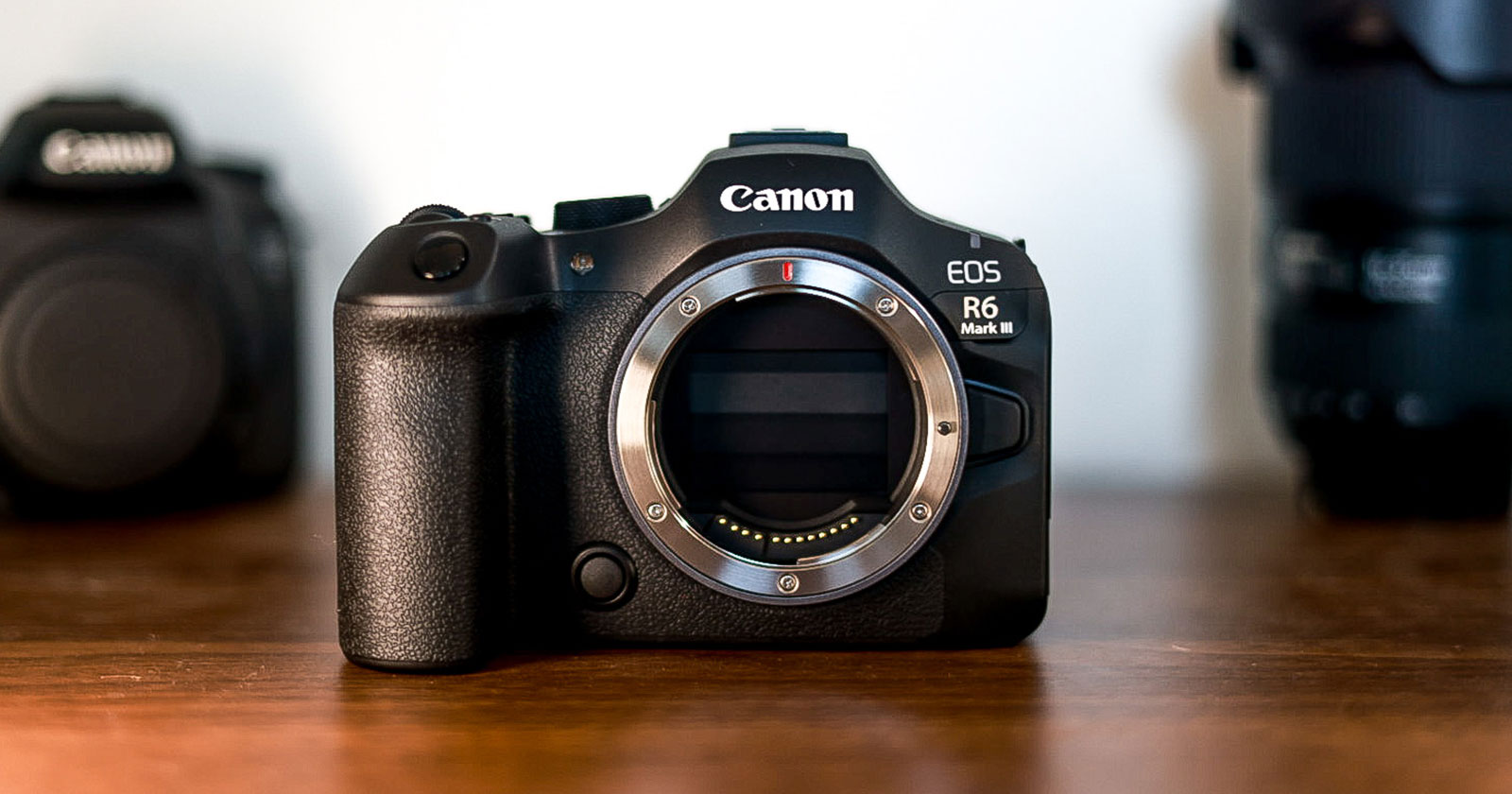
  • Canon EOS R6 Mark III (new $2900) – 7K RAW and a feature set which builds and improves on the old EOS R5 flagship, little not to like but RF mount lens range is more limited than others
  • Sony a7 V (new $2900) – 7K sensor readout, good quality oversampled 4K at up to 60fps, 4K/120p mode is 1.5x crop, much less rolling shutter than the predecessor cameras. Price is a little on high-side – sadly don’t expect used prices to come down for a while
  • Nikon Zr (new $2200) – REDCode / N-RAW for cheap with a wide ranging video spec sheet, it’s the little camera that can
  • Panasonic S1 II or S1R II (new $3200) – the S1 II is best in low light, the S1R II offers 8K open gate with a resolution advantage – excellent image quality but L-mount might put some off

New camera market image quality chart 2025

  1. Canon EOS R6 Mark III (7K, overall best internal RAW camera)
  2. Sony a1 II (best 8K image)
  3. Panasonic S1R II (best value for money full frame 8K camera)
  4. Panasonic S1 II (best low light camera)
  5. Nikon Zr (REDcode and same sensor as Z6 III)
  6. Nikon Z6 Mark III
  7. Panasonic S1 IIe (best value open gate camera)
  8. Sony a7v (capable, but slower sensor and worse rolling shutter)
  9. Sony FX2 (excellent image, but no better than cheaper a7 IV or a7c II)
  10. Leica SL3-S (value for money isn’t quite there)

Second hand used best-buys

  • Fujifilm GFX 100 (used $2000+) – People really don’t understand this camera. There’s no need to splash out on Fuji medium format glass – put Minolta MD lenses on there and shoot the IMAX look in 4K 10bit. It’s also one of the best built and best designed cameras of all time – head and shoulders above the smaller GFX 100S ergonomically
  • Sony a1 (used $3200) – The more the price of the 2021 flagship drops on the used market the more incredible it is. Here we are 5 years later and the image, performance and overall spec lacks for virtually nothing.
  • Canon EOS R5 (used $1900) – Best spec mirrorless camera on paper, under $2k – 8K RAW for how much?! Also consider – EOS R5C for 8K/60p, active cooling and longer recording times, minus IBIS
  • Panasonic S1H (used $1200) – Highly capable if you shoot Cinema 24fps – one of the only cameras with an anti-aliasing filter, one of the best 6K images you can get – the current used rate is a steal, and the ergonomics brilliant although heavy
  • Nikon Z8 (used $2800) – The best overall paper-spec for the money, there’s really very little it can’t do, if you’re a Z-mount user this is the one to get
  • Fuji X-H2 (used $1300) – The only camera remotely close to $1000 with 8K ProRes, and file-size shrinking variant ProRes LT is very welcome too, spectacular image quality
  • Sony a7 IV (used $1300) – Sony’s 2021 “basic model” offers FX2 level image quality for cheap, with great AF and wide ranging feature set for hybrid users

Bargains:

  • Panasonic S9 (used $900) – it’s practically an S1H, in a tiny small form factor, mega cheap – although some will miss the EVF and mechanical shutter of the S5 II, the image is excellent and real-time LUTs allow for some incredible colour science / colour processing in-camera
  • Sony a9 (used $1200) – the cheapest stacked sensor full frame camera with excellent rec.709 4K (NO S-LOG!)
  • Sony a7 III (used $900) – the best all-round full frame camera under $1k for most people
  • Nikon Z6 (used $700) – the best value for money 4K full frame camera for 24/30p without a crop

Used camera tiers (pre-2025)

Sigma Fp-L c-mount

S tier

  • Fujifilm GFX 100 ($2300) – 44x33mm sensor with no crop in 4K, excellent codec, colour science and image processing, stills quality beats all others
  • Panasonic S1H ($1100) – best value for money Netflix approved open gate full frame camera and excellent in low light
  • Fujifilm X-H2 ($1200) – best value for money 8K ProRes camera (APS-C)
  • Sigma Fp-L ($1300) – an excellent left-field choice for cinematic visuals, thanks to full frame 60mp sensor, pixel binned 4K at full frame but oversampling at 1.3x crop, uncompressed Cinema DNG 4K, superior sensor to original Fp
  • Canon EOS R5 ($2000) – excellent value for money, the video quality has not been significantly bettered by any of the 2025 cameras or EOS R5 II
  • Nikon Z8 ($2500) – wants for nothing
  • Sony FX3 ($3500) – used prices still high, a7s III with same sensor is a cheaper alternative
  • Sony a7 IV ($1200) – if speed isn’t a priority (i.e 4K/60/120) and you don’t mind higher rolling shutter than the newer cameras, the overall video quality and image quality is excellent and the price is a bargain

A tier

  • Fujifilm X-T5 ($1100) – excellent codec and 6K, but more limited vs X-H2
  • Olympus OM-1 ($900) – superb stabilisation, good 4K/60p and lovely handling
  • Nikon Z6 ($700) – still one of the best all-round 8bit 4K/24p full frame cameras after 7 years
  • Sony a7 III ($800) – image still holds up
  • Fujifilm X-T4 ($800) – excellent value, with very good low light 26mp sensor and superior video feature-set vs more expensive X-Pro3
  • Panasonic GH5S ($600) – the best Micro Four Thirds camera for low light shooting

B tier

  • Fujifilm X-T3 ($600) – still great 4K/60p 10bit but aging, X-T4 has IBIS
  • Panasonic GH5 ($500) – still a great image and feature-set, however lacks open gate / phase-detect AF and RealTime LUTs
  • Olympus E-M1X ($600) – a real dark horse, similar sensor to GH5, however has phase-detect AF, great 4K OM-LOG and outstandling stabilisation. A real bargain
  • Fuji X-H1 ($500) – outstanding value for money 4K camera with LOG and Fuji’s highly rated film simulations

C tier

  • Samsung NX1 ($500) – image still stands up but only 8bit and lacking modern features like LOG, LUTs and IBIS
  • 5D Mark III with Magic Lantern 3.5K RAW Video ($400) – with the hack, the Cinema DNG raw image is incredibly good, but it’s a very old DSLR
  • Blackmagic Pocket Cinema Camera OG ($400) – one of the best 1080p cameras and cheap

The post The 2025 Hybrid Mirrorless Camera Rankings appeared first on EOSHD.com - Filmmaking Gear and Camera Reviews.

Chris and Jordan select Sigma Bf, Fuji X-Half and Sony FX2 as worst cameras of the year, just goes to show that some people don’t have a single creative brain cell

If you’re wondering why the camera industry churns out so many homogeneous black cameras with the same specs and price, look no further than the reception the different ones get in the camera dweeb community.

We should all be encouraging the Japanese manufacturers to try different things and think outside the box.

Invariably these more ‘experimental’ cameras are more fun to shoot with.

Take for example the Fujifilm GFX 100, the original one. Yes the smaller and cheaper GFX 100S was more popular but the original broke the mould of what a medium format camera could do especially for cinema.

Take the Fujifilm X-Pro3 as well, another example of a special design that encourages a more creative approach to getting the shot.

Those weirdos who only own one camera probably wouldn’t brave it out with an GFX 100 and Leica M lens adapter. Manual focus isn’t for everyone, and the native GFX mount medium format lenses are slow, sterile and expensive. But the results I get with a cheap Minolta 50mm lens on the GFX 100 are 10x more artistic than the ‘default option’ of a high-end full frame mirrorless camera and brand new 24-70mm F2.8 that the average rich brat has just spent $6000+ on.

Granted the 3 cameras Chris and Jordan mention are not without issues. The Sigma Bf has an absolutely baffling UI when you first pick it up and some unsettlingly sharp edges. The Fuji X-Half has a rather soft JPEG-only output that you don’t want to pixel peep and a cheap lens that isn’t as fast (or even as sharp) as what you’d find on a smartphone costing the same price. But this camera is simply not about pixel peeping or specs.

The Sony FX2 meanwhile – I get it. It would have been nice if Sony had waited a year and put the newer sensor of the a7v in it. I know it’s neither an FX3 or an a7v and therefore appeals to nobody that are interested in the latter two, which is most people.

But the FX2 is criticised as if no camera has ever been followed-up by a faster one later. It’s completely normal, and the price of the FX2 reflects it as well.

You can quantify the specs all day long but with these cameras it’s the intangibles that matter. The X-Half is a pure creative tool to bring out the pleasure of shooting.

And that experience of walking the streets with it is made even more enjoyable by the fact it’s a trendy fashion item which brings out the pleasure of using it even more. I know it seems shallow to say, but you do look less like a dork with a camera that looks like a camera, rather than something that looks like a cross between a leaf blower and an office photocopier.

It’s the same with the Sigma Bf except that’s a full frame image quality powerhouse, one of the smallest full frame cameras, that in many ways is better than the $4800 Sony RX1R III but half the price and with the benefits of a choice of small primes rather than only one Zeiss 35mm F2 with dodgy AF that hasn’t been updated for 11 years.

And as for the Sony FX2, it doesn’t in fact have the same sensor as the a7 IV, but the newer a7c II and all the latest class leading AI and image processing that Sony is currently leading the market with, plus a pimped out video monitoring feature-set that the Sony Alpha cameras don’t have.

It’s cheaper than the FX3 yet has a proper EVF (it’s even articulating) which is rare for a cinema camera and unlike the Nikon Zr it has a proper mechanical shutter as well. That makes the FX2 completely unique and different to all the other hybrid cameras in that it’s a cinema-first design but doesn’t throw the baby out of the bathwater when it comes to key stills features like a lot of the other hybrid cinema cameras.

Yet the signals the average customer, and by extension the ultimate Canadian camera store salesmen are sending to Japan has me a bit worried.

The concept of a true stills-cinema hybrid camera has been rejected. The conclusion from the Sony FX2’s low sales is that nobody gives a damn about having a lovely EVF and mechanical shutter in a filmmaker focused camera. What a shame! For me, I really value that.

The idea of a film-compact shooting experience fairs far better with the general audience of camera buyers. The Fuji X-Half is not designed to replace your EOS R6 Mark III for sports and fucking bird photography. Worst camera of the year it is, then?

And the Sigma Bf is the affordable full frame alternative to a Contax T2, made in small quantities by a family owned business in Aizu, Japan.

I just don’t accept that you can throw so much shade so publicly at such creatively brave concepts as these.

Save the shade for the broadest shoulders, the boring mainstream cameras that you can’t tell one from another.

The post Chris and Jordan select Sigma Bf, Fuji X-Half and Sony FX2 as worst cameras of the year, just goes to show that some people don’t have a single creative brain cell appeared first on EOSHD.com - Filmmaking Gear and Camera Reviews.

❌