❌

Reading view

Boeing "incredibly excited" to serve as nation's only astronaut transportation

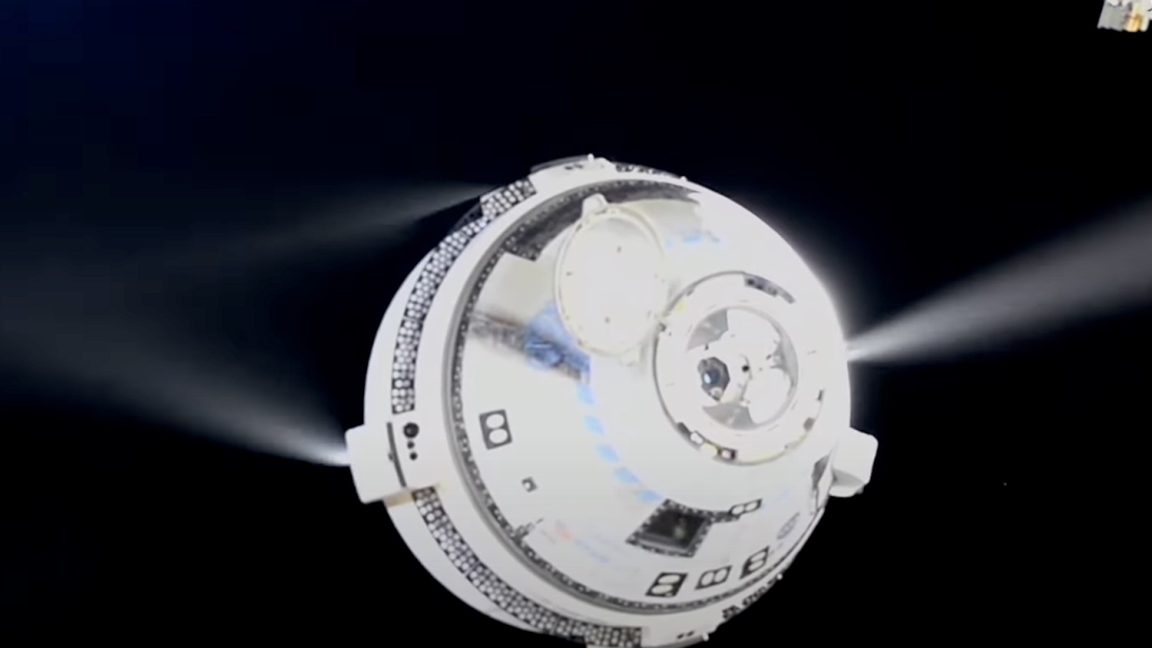
NASA announced on Monday that it will exercise options to purchase two additional flights on Boeing's Starliner spacecraft, as well as financially support the company in its efforts to return the crewed vehicle to flight and find a new rocket after the Atlas V vehicle retires.

The space agency's announcement confirms reporting by Ars Technica earlier this month on NASA's plans to maintain access to low-Earth orbit after the impending retirement of SpaceX's Crew Dragon vehicle.

"I do not think it's a secret that SpaceX intends to sunset older platforms like Falcon and Dragon as they concentrate on their next-generation capability, Starship," NASA Administrator Jared Isaacman said during a news conference on Monday afternoon.
Read full article

Comments

© NASA

Experts worry about Nvidia's AI chip sales in China and influence over Trump

On its face, the recent summit between Donald Trump and China’s president, Xi Jinping, didn’t change much in the world of AI regulation. Export controls were not discussed, with neither country seemingly interested in making concessions. An already tenuous trade truce was temporarily extended for just two months, and looming US controls that could drop soon could easily end that and trigger China to retaliate by cutting off exports of rare earths, analysts expect.

However, in the background of these shaky talks, Nvidia appeared to notch a big win, as China is currently mulling relaxing controls and allowing some of its biggest AI firms to import perhaps millions more of Nvidia’s banned chips over the next year.

Sources familiar with China’s talks told The Information that China’s tech oversight arm, the Ministry of Industry and Information Technology, asked Alibaba and ByteDance to share plans to buy Nvidia’s RTX Pro 5500 chips. Although these are gaming chips, China asked firms to detail how they plan to use them, with expectations that chips could be put into servers to help power the country’s most in-demand AI models.

Read full article

Comments

© Kevin Dietsch / Staff | Getty Images News

SpaceX's Starship goes orbital, deploying first next-gen Starlinks

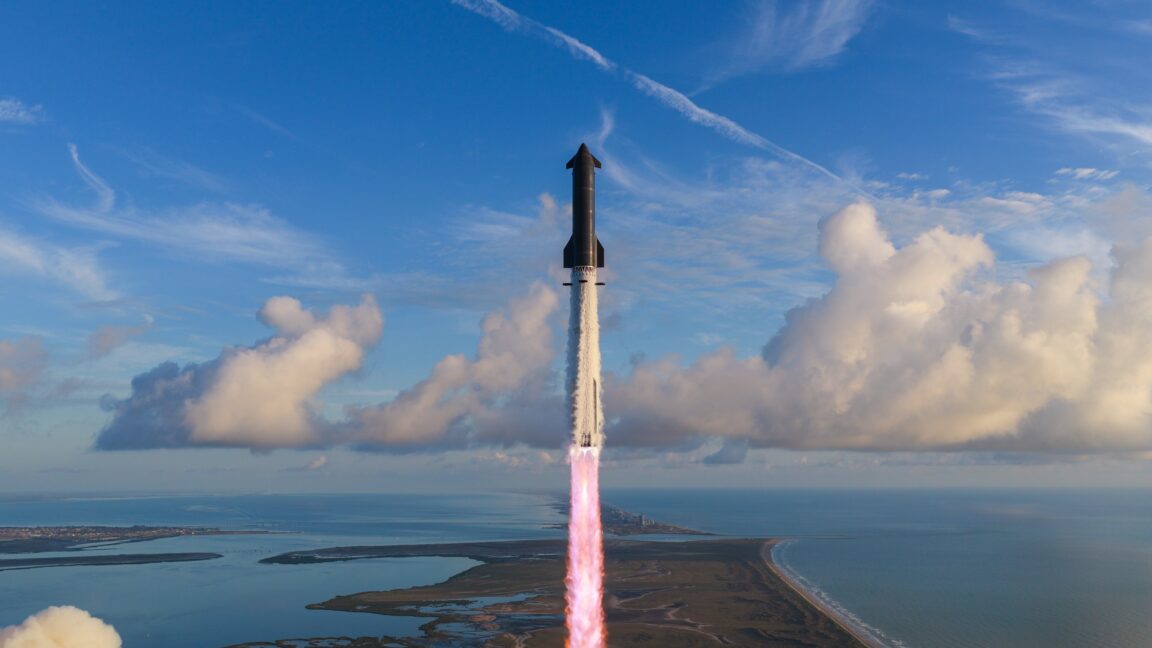
SpaceX's Starship rocket thundered into the sky over South Texas early Monday. It was the 14th test flight of the world's most powerful launch vehicle. This time, however, the rocket's massive upper stage squeezed out some extra oomph from its Raptor engines and accelerated to orbital velocity.

On all of Starship's previous flights, SpaceX intentionally dialed back the full capability of the rocket to fly a suborbital trajectory, slow enough for Earth's gravity to pull the vehicle back into the atmosphere before it could complete a full lap around the planet. After several successful suborbital flights in a row, SpaceX officials decided this launch should go all the way to low-Earth orbit. And it did.

What's more, SpaceX packed 26 of the company's newest generation of Starlink broadband satellites into the rocket's cargo bay. One by one, the flat-packed satellites—too large to fit inside SpaceX's workhorse Falcon 9 rocket—were released from Starship's payload deployer using a system of pulleys and cables to eject the satellites overboard like a Pez dispenser spits out candy.

Read full article

Comments

© SpaceX

Florida invokes extinction fears in legal bid to halt OpenAI development

The state of Florida is seeking a temporary injunction to stop OpenAI from continuing to develop what it calls a "reckless, unacceptably risky product" without the deployment of "third-party approved safety guardrails."

The new legal motion, filed Monday morning, is part of a civil lawsuit the state of Florida originally filed in June, arguing that ChatGPT represented "a threat to the public safety of Floridians," specifically by preying on vulnerable populations like children and violent or delusional adults. But that original lawsuit came before the Hugging Face hacking incident and the subsequent publicized warnings of catastrophic misalignment risk that have spurred industry-wide calls to slow the development and training of so-called frontier models.

Following that string of events, OpenAI on Friday announced it had already halted training of its "most-capable models" until it could validate safety protocols intended to prevent agents from accessing the open Internet during training. But in seeking an injunction from the state court, Florida argues that OpenAI has "repeatedly shown they are incapable of monitoring their AI, and hesitant in revealing rogue activity once discovered."

Read full article

Comments

© Getty Images

New device captures carbon dioxide by pumping it across a battery

Equipment to capture carbon dioxide from ambient air or smokestacks generally works through a sort of reversible filter. Air is passed through granules or a liquid that absorbs the CO2, then that CO2-loaded substance undergoes a process (usually heating) that causes it to let go of all that CO2. The resulting gas can be collected in a separated stream.

It’s also possible to do a similar sort of operation on a smaller scale—like inside a battery. A new study from a team led by James Buchen of the University of Delaware demonstrates an example of a battery-based electrochemical carbon-capture technique that they say is more viable than previous attempts. It has the potential to require less energy—and therefore be cheaper—than the reversible-filter designs that currently dominate.

Carbon chemistry

The basic idea behind a device of this type is that hydroxide produced at the battery cathode reacts with CO2, converting it to carbonate or bicarbonate that passes through the separator membrane to the anode. There, the lower pH causes the reaction to reverse, with carbonate turning back into CO2 gas. The role of the cathode is to produce hydroxide ions; the role of the anode is to consume them.

Read full article

Comments

© MirageC

To keep drug prices high, pharma has been piling up the patents

The cost of healthcare in general is a debilitating, pre-existing condition for Americans. But the high prices of prescription drugs usually stand out as a pain point. While there are many insidious reasons why Americans pay more—often far more—for their medicines than people in peer countries, exploitation of the US patent system is an obvious one.

A study published Monday in JAMA highlights just how much patent exploitation has grown since 1990. In that time, researchers found that the number of patents on small-molecule drugs has more than tripled, going from an average of 2.1 patents per drug approved in 1990 to 6.9 for those approved in 2019.

Most of the growth was in "nonprimary" patents—patents that generally aren't related to a drug's active ingredient, but are instead for things like minor tweaks to a drug's nonactive ingredients, updates to the way the drug is used, or the design of specialty delivery devices, such as auto-injectors. Together, those extra patents on an individual drug can create what's called a "patent thicket," which delays the release of affordable generics on the market, keeping drug prices higher for longer without actual clinical advancements.

Read full article

Comments

© Aurich Lawson | Getty Images

Trump cuts fuel economy standards back to 2014 levels

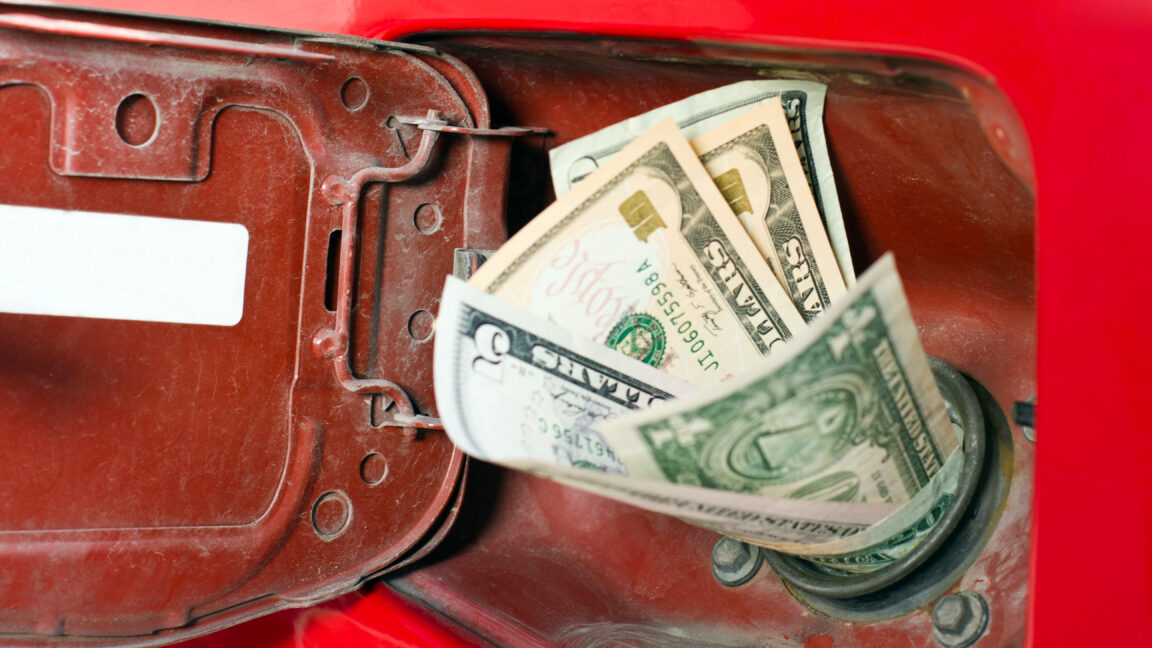
The federal government’s war on fuel efficiency claimed another victim today. The Department of Transportation released a new rule for the country’s Corporate Average Fuel Economy standards, which, as expected, discourage the very idea of economical vehicles. Among the changes is a rollback to fuel economy numbers not seen in more than a decade, below even the low standards implemented in 2020, the last time President Trump was in power. The new goal is just 34.9 mpg by model year 2031.

This is nothing if not expected. When Sean Duffy was installed as Transportation secretary last January, he immediately announced that any fuel efficiency standards put in place under the Biden administration were dead and buried. Those rules had a slower ramp up than some might have liked but would have required automakers to sell many more electric vehicles and plug-in hybrids.

Now, we may have the possibility of some OEMs dropping their EVs and PHEVs entirely. The notice of final rulemaking criticizes the idea of emissions credits and blames them for automakers not investing in cleaner engine technology, and from model year 2028, such credits are a thing of the past. And plug-in vehicles will now no longer be included in an automaker’s fleet average; under previous rules an EV or PHEV could have a CAFE rating of hundreds of mpg.

Read full article

Comments

© Getty Images

Kalshi loses again as judges rule prediction markets must obey gambling laws

Another federal appeals court has ruled that states can enforce their gambling laws against the prediction market Kalshi, which asserts that it can only be regulated by the US government. On Friday, a three-judge panel in the US Court of Appeals for the Sixth Circuit ruled unanimously against Kalshi and in favor of Ohio and Tennessee.

While the US Commodity Futures Trading Commission has exclusive jurisdiction over "swaps," the judges found that sports wagers offered on Kalshi do not meet the legal definition of swaps. Moreover, the court found that even if Kalshi wagers were swaps, the regulatory scheme created by Congress would not prohibit states from enforcing gambling laws on prediction markets.

"We hold that Kalshi has not shown that its sports-event contracts satisfy the statutory definition of a 'swap' so as to fall within the scope of the CFTC's 'exclusive jurisdiction,'" said the ruling written by Judge Julia Smith Gibbons, a George W. Bush appointee. "And, even assuming that Kalshi’s sports-event contracts are swaps, we alternatively hold that the CEA [Commodity Exchange Act] neither expressly nor impliedly preempts Ohio’s or Tennessee’s gambling laws."

Read full article

Comments

© Getty Images | Bloomberg

Google seemingly confirms plans to kill ChromeOS in 2034

We are mere days away from the launch of Googlebooks, the long-awaited Android laptops that Google hopes will compete with macOS and Windows. But what of Chromebooks? There have been hints that Google plans to sunset its web-first ChromeOS platform, and a new support page lays out some of the specifics.

The support page, spotted by 9to5Google, aims to explain the role of Googlebooks to Chrome Enterprise and Education customers. The page starts off by noting that Googlebook OS, which is Android even if Google doesn't like to say that, will offer an enhanced experience with deeper system capabilities and lots of AI.

Like Chromebooks, Googlebooks are guaranteed 10 years of software support. However, the latest Chromebook models won't get that in the traditional way. Google's support page says that it plans to continue ChromeOS support through "mid-2034," so there are already devices with support windows beyond that.

Read full article

Comments

© Google

Scientists solve 1840s space weather mystery

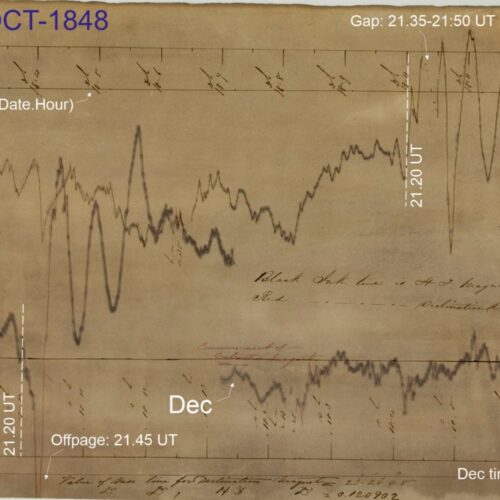
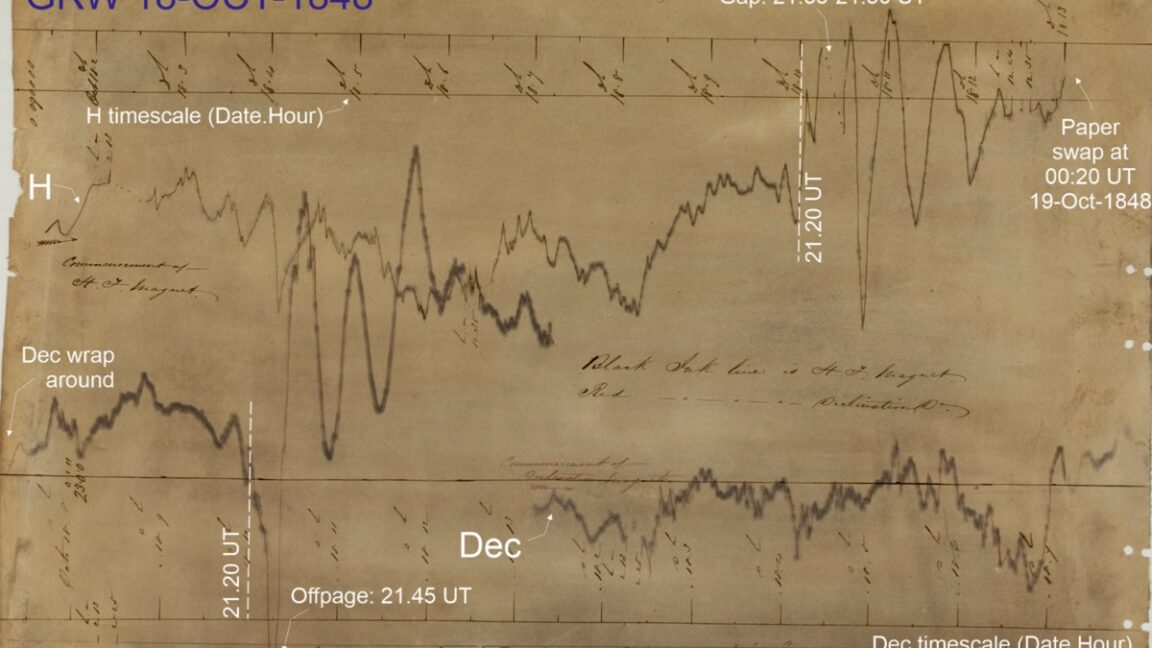
The infamous Carrington Event of 1859 has long been considered the first extreme space weather event, but there have been reports of minor disturbances to telegraph equipment during geomagnetic storms since the late 1840s. In 2013, scholars discovered an anonymous report published in 1871 in Nature describing how a "very intense magnetic disturbance" disrupted rail travel in Exeter on the southern coast of England in October 1841. If accurate, this would be the earliest such account. However, according to a paper published in the journal Space Weather, that 1841 date is most likely a typo, with the real railway disruption occurring several years later.

"Space weather is often discussed as a modern challenge because of our dependence on technologies such as satellites, communications systems and electricity networks," said co-author Jim Wild of Lancaster University. "What this study shows is that society has been experiencing the effects of space weather on technology for almost as long as electrical technologies have existed. The Exeter train delay is a fascinating story because it sits right at the point where emerging technologies first began to encounter the realities of the space environment."

The Carrington Event remains the most powerful geomagnetic storm in the scientific record, with strong auroral displays occurring all over the world, causing sparking and even a few fires in telegraph stations. Some of the auroras were so bright that people reported being able to read the newspaper by their light. The telegraph was a relatively new technology at the time, having first emerged in the 1830s, and the geomagnetically induced current—from a likely coronal mass injection from the Sun—knocked out telegraph systems. Some operators found they were still able to transmit and receive messages even after disconnecting the power supply, relying just on the powerful auroral current.

Read full article

Comments

© J.A. Wild et al., 2026

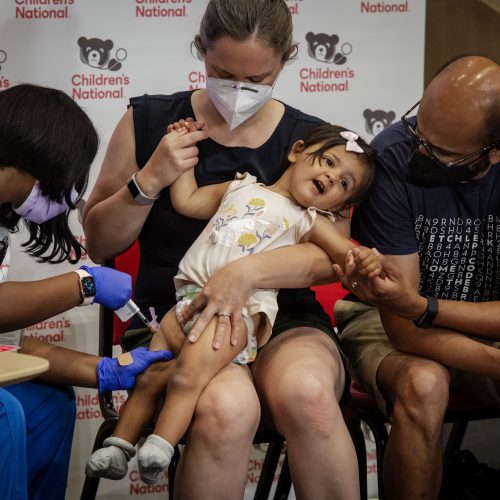
RFK Jr.'s CDC isn’t letting states order COVID-19 shots for kids, blocking access

As respiratory virus season nears and fall vaccination drives get underway, more than half of US children are facing uncertainty over access to this year's COVID-19 shot. The Centers for Disease Control and Prevention has unexpectedly delayed the distribution of the shots to a key federal program and some states.

Usually, the CDC would allow states to order the newly available seasonal COVID-19 vaccines through the federal Vaccine for Children (VFC) program, which provides vaccines at no cost to children who are uninsured, underinsured, Medicaid-eligible, or Indigenous people in the US. Approximately 52 percent of all US children are eligible for vaccines through the program.

Additionally, The Guardian reports that at least 11 states and one US territory are part of a universal vaccine purchase program, in which they buy all vaccines for children—regardless of their ability to pay or insurance status—through contracts otherwise for the VFC. The 11 states and one territory include: Alaska, Connecticut, Hawaii, Maine, Massachusetts, New Hampshire, New Mexico, Rhode Island, Vermont, Washington, Wyoming, and American Samoan.

Read full article

Comments

© Getty | The Washington Post, Bill O'Leary

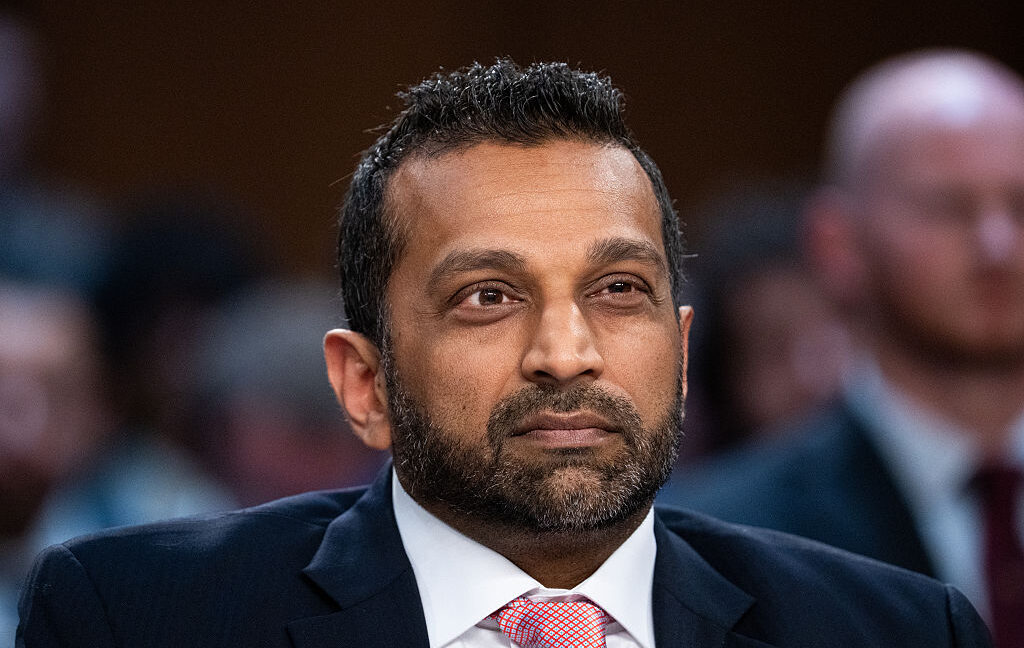
FBI rushes to investigate if ShinyHunters hack of thousands of employees is real

The FBI is now investigating claims from a hacker group that thousands of current and former employees’ personal data was stolen after the group exploited a previously unknown bug found on an agency jobs website.

On Tuesday, 404 Media reported that ShinyHunters took down the agency site, FBIJobs.gov, then posted a banner on the homepage that said “THIS SITE HAS BEEN SEIZED BY SHINYHUNTERS.”

About two to three terabytes of data were taken, ShinyHunters told The New York Times. None of the data has been leaked yet, but it included “names of current and former agents as well as applicants and corresponding home addresses, phone numbers, names of spouses, certain medical information, and other data.” According to Bloomberg, the data could be used to potentially retaliate against agents, with one sample appearing to include “potentially sensitive professional information on the FBI employees’ work focus such as counter-intelligence work on China, Russia and Iran, as well as work against street gangs.”

Read full article

Comments

Here's the Torcal, the first fully electric Bentley

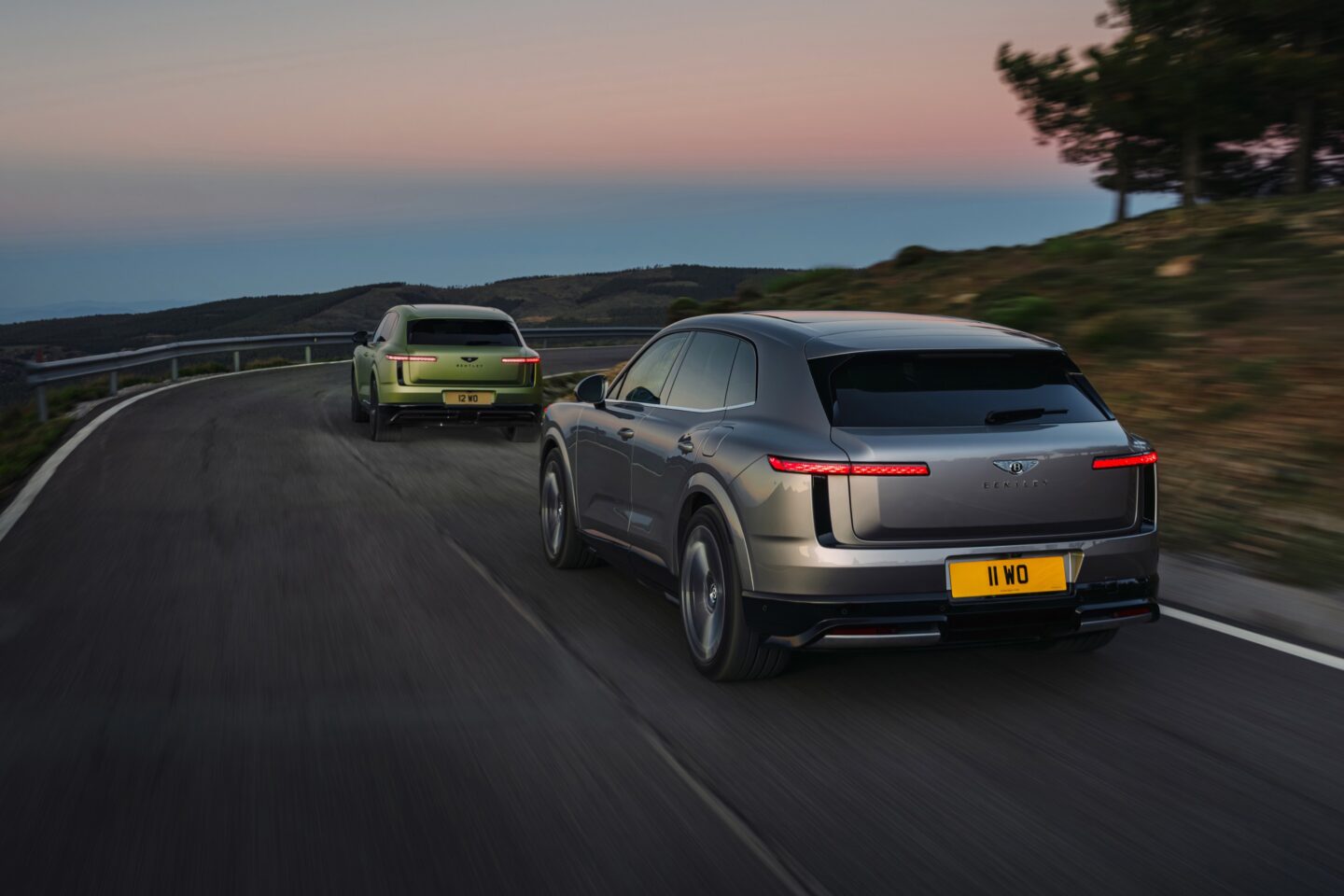
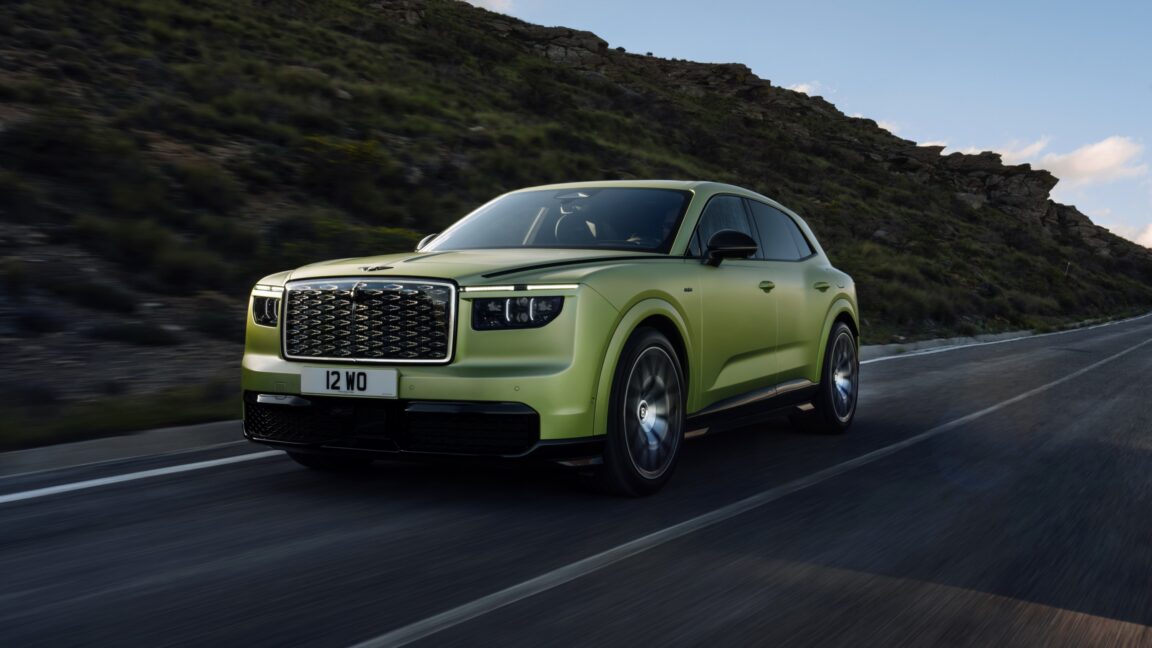
A few weeks ago, Bentley gave Ars a ride in a new camouflaged electric vehicle. Named after a Spanish rock formation, the Torcal is the brand’s first battery EV, and today the production car had its formal unveiling. That camo was effective: The real car is less bulbous and more blocky than its disguise would suggest. And it’s fair to say it brings some of the ideas of the EXP 15 concept to the road—even if that didn’t include that show car’s elegant, stretched proportions. It’s smaller than the Bentayga, and it should slot beneath that model in pricing (or the PHEV version of it, at least), though Bentley has yet to reveal exactly how much US buyers can expect to pay.

Underneath the bodywork are some relatively familiar underpinnings; Bentley shares technology with Porsche as both are part of the greater Volkswagen Group empire. The power output might not be as prodigious as the electric Porsche Cayenne but should be sufficient nonetheless. The standard car will offer peak outputs of 810 hp (604 kW) and 880 lb-ft (1,194 Nm), enough for a 3.3-second 0–60 mph time (0–100 km/h takes 3.4 seconds).

Two Bentley Torcals drive away from the camera The EXP 15's influence is stronger at the rear. Credit: Bentley
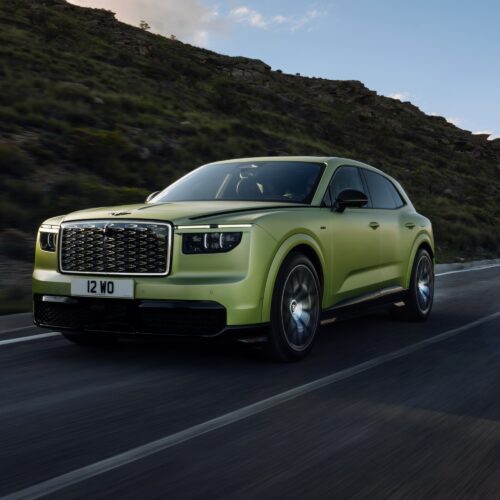
The more powerful Torcal S boasts 875 hp (653 kW) and 995 lb-ft (1,350 Nm) at its most potent; this is capable of 60 mph from a standing start in a mere 2.8 seconds (2.9 to 100 km/h) and an increased top speed of 162 mph (260 km/h), up from 155 mph (250 km/h) for the standard version, either of which are academic outside certain stretches of German highway.

Read full article

Comments

© Bentley

Trump’s China rivalry and “AI race” delusion may endanger US, experts say

This week, the US and China, the two world leaders on AI, finally started talks meant to keep the whole world safe from emerging safety risks. But whether meetings between Donald Trump and Xi Jinping can lead to a reliable global governance framework for AI depends on how much the fierce rivals are actually willing to cooperate.

It's clear Trump wants it to seem like discussions are going well. Before Trump and Xi meet on Thursday and Friday, Treasury Secretary Scott Bessent announced that both sides had already discussed setting up a new AI safety notification mechanism. If China agrees to participate, that would create an open line for either side to send alerts when their country’s AI systems pose threats or behave unpredictably. The same channel, Bessent said, could allow the countries to share their “vision of common goals.”

However, the proposal comes at a time when China may not be ready to trust the US to have AI safety conversations that aren’t about limiting China’s capabilities. Not only has Trump steadily increased export controls that explicitly seek to block China from accessing technology to advance AI, but Congress is mulling bills that would cut the country off from more chips and hardware. Adding to tensions, just two weeks ago, Trump’s Justice Department accused six of China's leading AI makers of stealing from US frontier labs, which China has strongly disputed.

Read full article

Comments

© Aurich Lawson | Getty Images

XPRIZE Wildfire winners spotted fires within 10 min—but couldn’t stop them

Wildfire detection from space and firefighting drones featured among the finalists honored in the $11 million XPRIZE Wildfire competition. Although no team walked away with either of the two grand prizes, such technologies could prove helpful as the world grapples with the growing costs of worsening wildfire disasters.

The competition’s First Prize track for space-based wildfire detection challenged teams to accurately detect all fires across a large swath of Australia within 10 minutes. A second Autonomous Response Prize track challenged teams to autonomously detect and put out a high-risk fire located somewhere within rural Alaska while ignoring decoy fires—all within 10 minutes of the fire igniting.

“We want to be able to prepare and provide tools for firefighters to really allow them to do the best job,” Andrea Santy, program director of XPRIZE Wildfire, told Ars. “They're great at what they do, but it's unfair to continue to put them in harm's way when there's technology coming online that can help keep them safe, keep communities safe, and protect ecosystems.”

Read full article

Comments

© Anduril Industries

Discord age verification rolls out today with changes spurred by user backlash

Discord today is rolling out an age-verification system that estimates each user's age and requires some users to prove they are old enough to access age-restricted content. Discord said it will take a few days for the global system to reach all user accounts.

Discord had announced a somewhat different plan for age checks in February, but scrapped it amid backlash from users concerned about privacy. The privacy concerns were heightened by a 2025 incident in which hackers stole government IDs of 70,000 Discord users from a third-party service that Discord used to verify ages in the UK and Australia.

The original plan was to require ID uploads or face scans from users seeking to access age-restricted servers and channels. The revised system, detailed yesterday by Discord CTO and co-founder Stanislav Vishnevskiy, will provide several additional options.

Read full article

Comments

© Silas Stein/Getty

YouTube promises custom feeds and a lot more AI later this year

The annual Made on YouTube event has just wrapped up, offering an early look at the features you can expect to come to Google's dominant online streaming platform in the coming months. Yes, there's plenty of AI for both viewers and creators, but there's also a handful of non-AI updates mixed in there, too.

The design of YouTube's homepage feed comes under fire often, but the platform is preparing to give you more options. With Custom Feeds, you'll be able to add new tabs to the YouTube interface with content of your choice. To create a feed, just type a description and let YouTube populate the page. You can refine your description and rate video suggestions to tune the Custom Feed. Google says you'll be able to save "multiple" feeds without specifying the exact number. This feature will roll out soon in the US for web, mobile, and TV users.

Interacting on YouTube will also change later this year. The platform will finally add the option to post GIFs in comments, which has apparently been a common request for some time. The comment box will let you search for popular animated thumbnails and post them on both regular videos and YouTube Shorts. The YouTube direct messaging feature is also adding support for group chat, but it's only going to be available in the US, UK, Singapore, Brazil, and some European countries to start.

Read full article

Comments

© Google

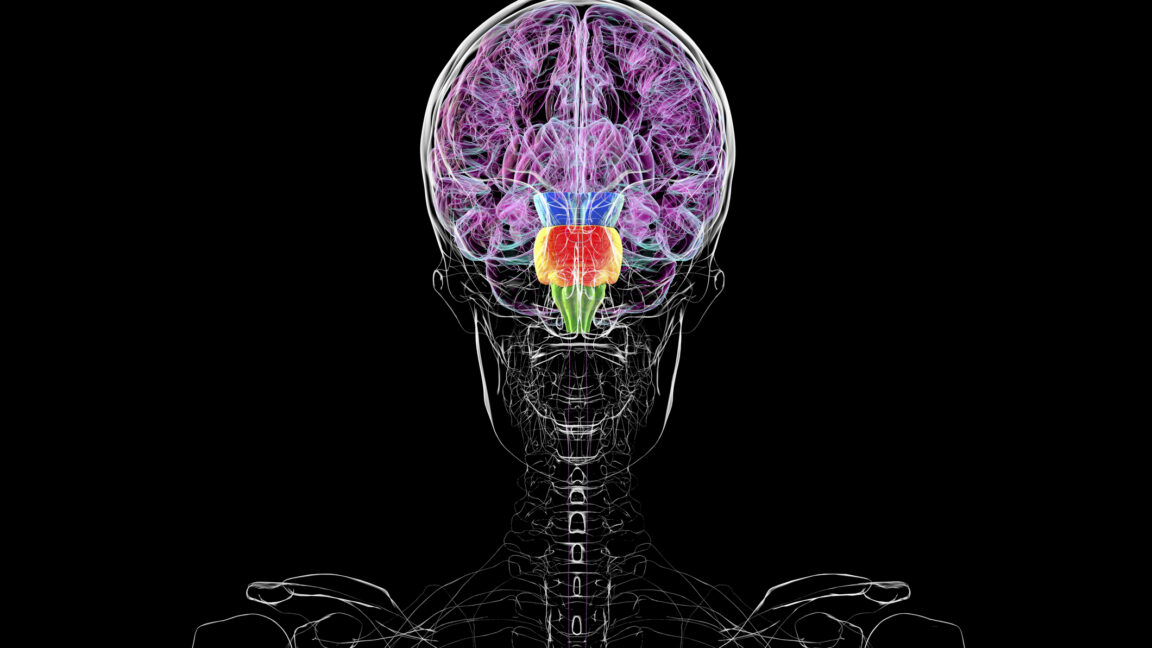
Contrary to some reports, you don't have two brains

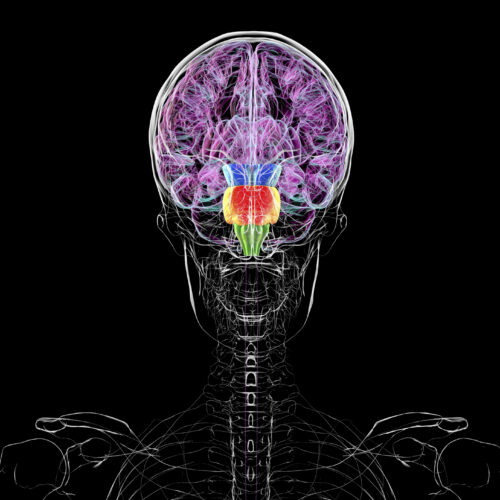
Late last week, we started seeing headlines about how new research was suggesting we might have two brains instead of the one that seems to show up on MRI scans. As is so often the case, these rumors can be traced back to a single press release put out by one of the universities where the work was done.

You do not have two brains. It's a silly way to look at the results of the new paper.

But there are far better ways to look at the results, ways that can help us understand how the brain gets put together and illustrate some of the general ideas behind developmental biology. So let's take a look at what the research actually shows and place it in the context of brain development.

Read full article

Comments

© KATERYNA KON/SCIENCE PHOTO LIBRARY

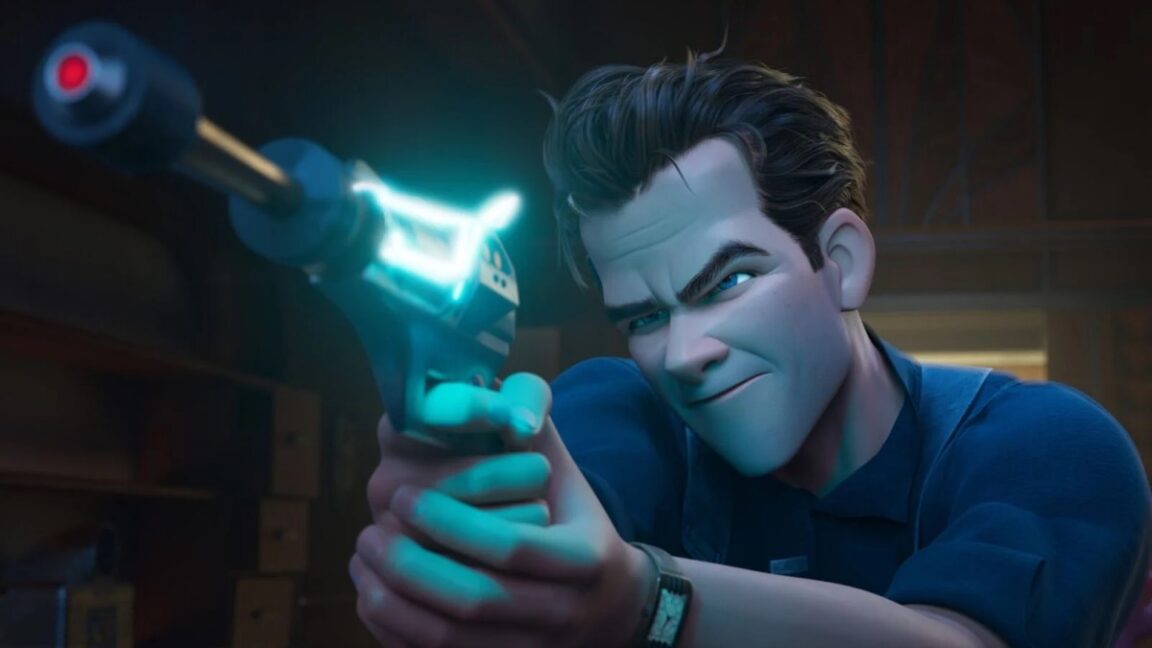
Netflix releases trailer for Brad Bird's Ray Gunn

Brad Bird has directed some of our all-time favorite animated films: The Iron Giant (1999), The Incredibles (2004), and Ratatouille (2007), with the latter two snagging well-deserved Oscar wins. He's back with a new animated feature, Ray Gunn, coming to Netflix in December, described as a neo-noir science-fiction mystery. Netflix recently released the official trailer, chock-full of retro-futuristic elements, like flying cars, jet packs, laser guns, aliens, and yes, a sultry femme fatale. Color us among those now eagerly awaiting the film's release.

Bird has been kicking around the idea for Ray Gunn for the last 30 years, working on his many other film projects while the Ray Gunn script—co-written by Matthew Robbins, who also co-wrote 1987's Batteries Not Included with Bird—"stayed in a filing cabinet at Warner Brothers," the director said earlier this year.

The film's inspiration came when Bird heard the opening of the B-52s' "Planet Claire" (a personal favorite) and initially thought it was a cover of Henry Mancini's theme music from the classic TV show Peter Gunn. Bird is a longtime fan of film noir and hard-boiled detectives, and he came up with the idea of a futuristic detective named Ray Gunn (a pun on raygun, of course). "It’s film noir and a hard-boiled detective story, but it’s got a lot more comedy and a lot more action than the average film noir,” said Bird.

Read full article

Comments

© Netflix

❌