In the course of his long literary career, Samuel Johnson reviewed only one novel. Who was it by? None other than the "preposterously confident” Charlotte Lennox, a force in eighteenth-century prose and a model for Jane Austen – Min Wild tells us more; What happens if you ask a literary critic to watch top-grossing (pun intended) Hollywood comedies from the past three decades? Robert Douglas-Fairhurst explains how comedy reflects broader culture and anxieties; How are women treated in film and television? Is there cause for celebration? Alice Wadsworth joins us in the studio to discuss.
Books
Charlotte Lennox: An independent mind by Susan Carlile
Stealing the Show: How women are revolutionizing television by Joy Press
Where No Black Woman Has Gone Before: Subversive portrayals in speculative film and TV by Diana Adesola Mafe
Are we entering a new age for LSD, full of medical potential? Can it shed its heavily tie-dyed cultural baggage? And who has written the finest prose about psychedelics? Toby Lichtig joins us to discuss; Eri Hotta (re)introduces us to Natsume Sōseki, "the greatest novelist of modern Japan"; Kate Chisholm considers the chequered history of Virago, founded in 1973 as a "feminist press", plus 40 years of Modern Classics, a series conceived to challenge the established male dominated literary canon and rescue and rehabilitate forgotten works by women
Scotland is internationally known for its traditional music. Scottish music is a significant aspect of the nation's culture. A famous traditional Scottish instrument is the Great Highland bagpipe. The clàrsach (harp), fiddle and accordion are also traditional Scottish instruments.
Traditional Music Channel is for everyone who has a passion for music.
Music is an expression of human creativity. UNESCO reports that among all the performing arts, music is the most universal and is found in every society, most often as an integral part of other performing art forms and other domains of intangible cultural heritage.
Traditional forms of music are considered carriers of cultural heritage because they represent expressions and traditions transferred through generations of a community.
With recordings from more than hundred nations our collection of traditional music offers a staggering diversity of our humanity.
With Stig Abell and Roz Dineen. Steven Nadler drops in to tell us all we need to know about the much-misunderstood Descartes; and En Liang Khong visits the Foundling museum to see an installation about how to commemorate loss.
To mark 200 years since Emily Brontë’s birth, we are joined by Robert Potts and Jacqueline Banerjee to look back at Brontë’s life and most famous work Wuthering Heights – with a nod to Kate Bush’s memorable track, as well as to other, more recent tributes; Mika Ross-Southall shares the story of Tommy Nutter, the "rebel tailor of 1960s Savile Row", who, from humble origins, pulled himself up by the force of his wild imagination to dress anyone who was anyone
Books, etc
Wuthering Heights by Emily Brontë (new edition by HQ; with a foreword by Michael Stewart)
Ill Will: The untold story of Heathcliff by Michael Stewart
Emily Brontë: A life in twenty poems by Nick Holland
Emily Brontë Reappraised: A view from the twenty-first century by Claire O’Callaghan
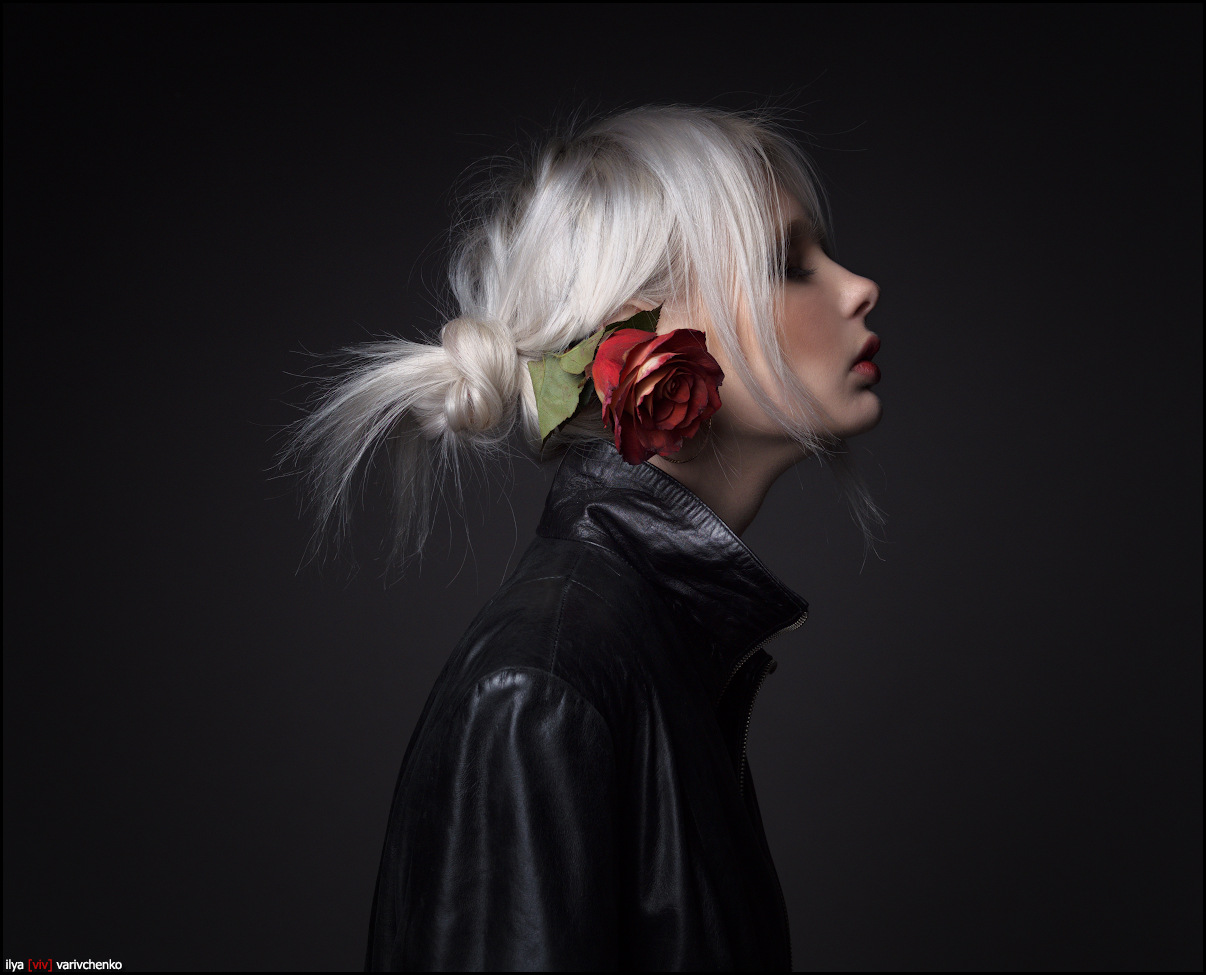
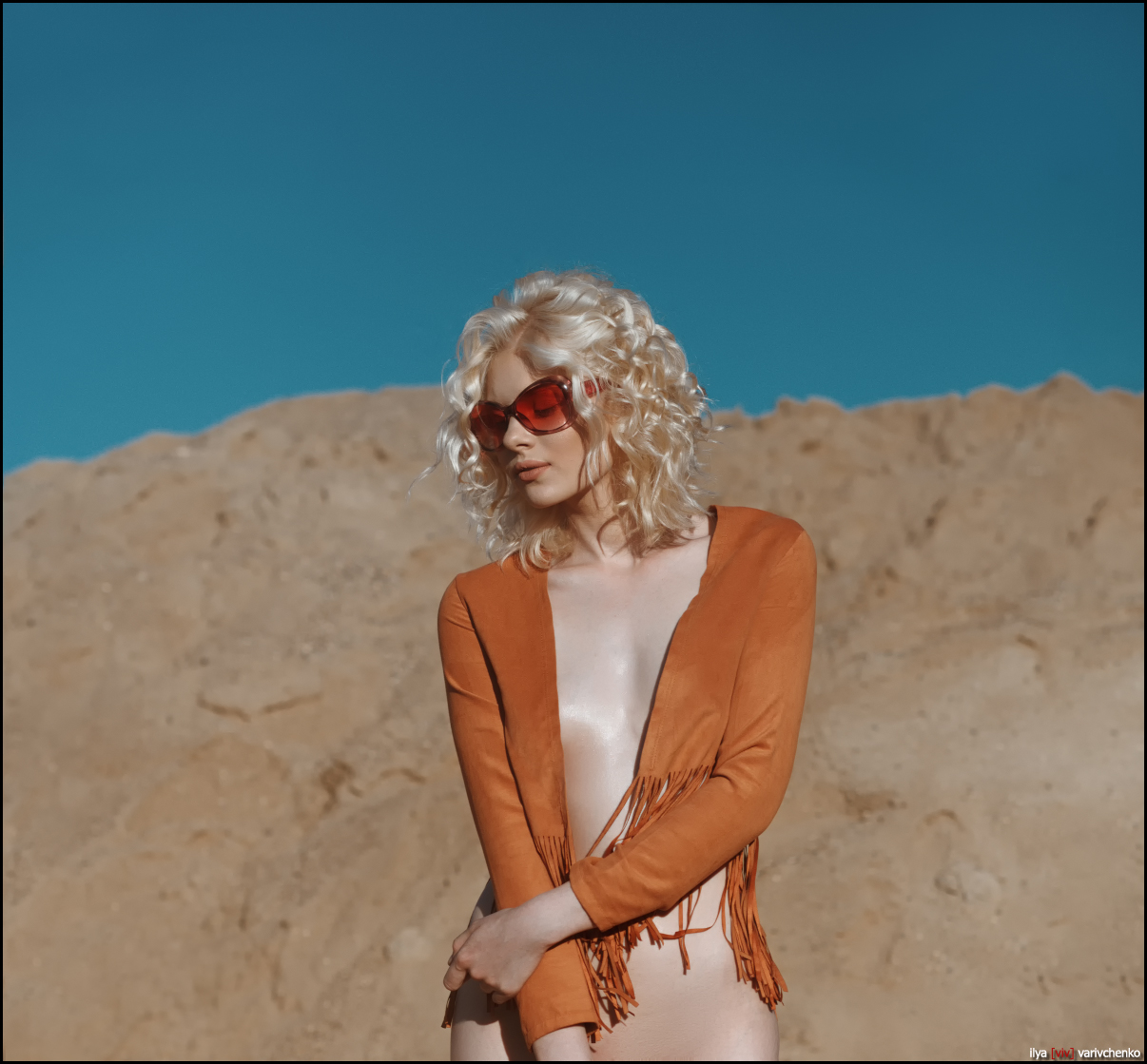
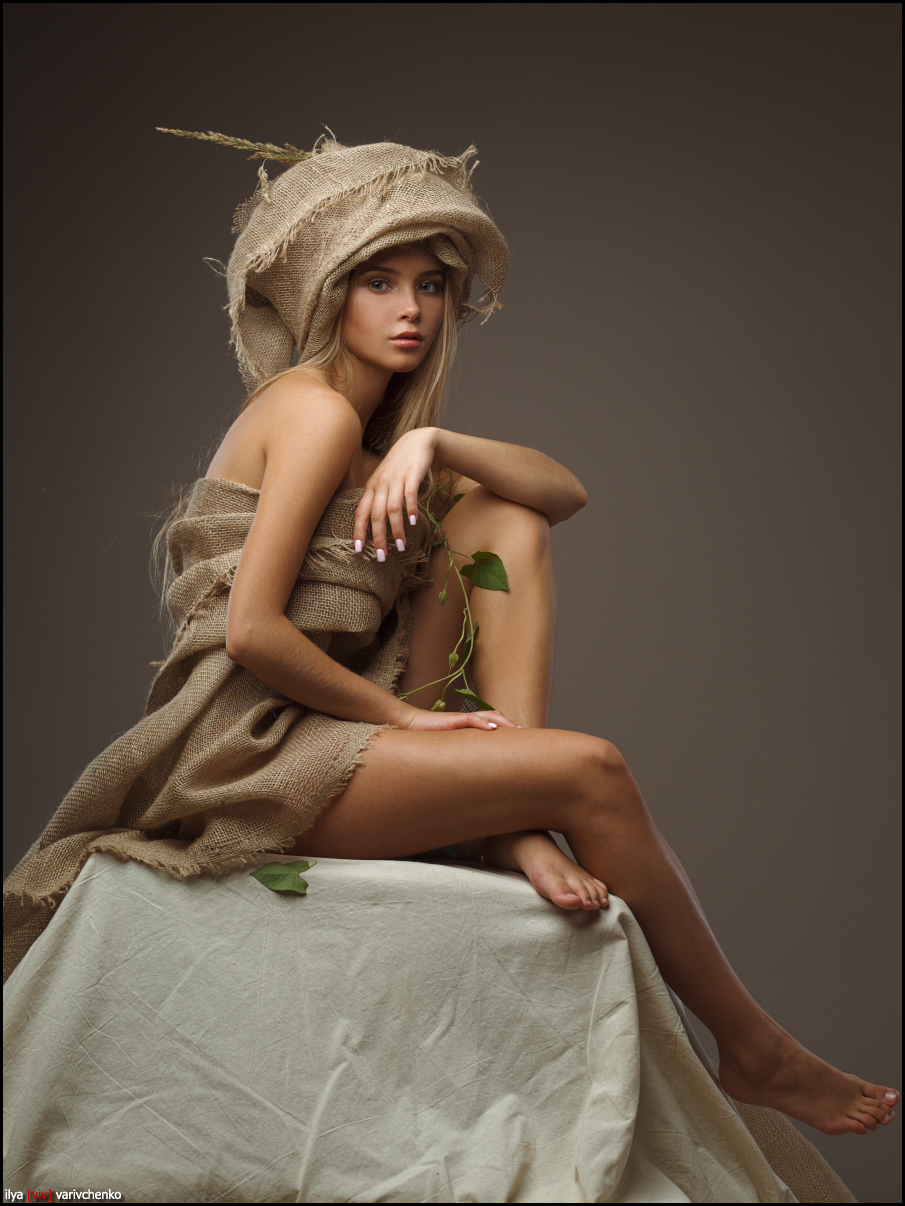
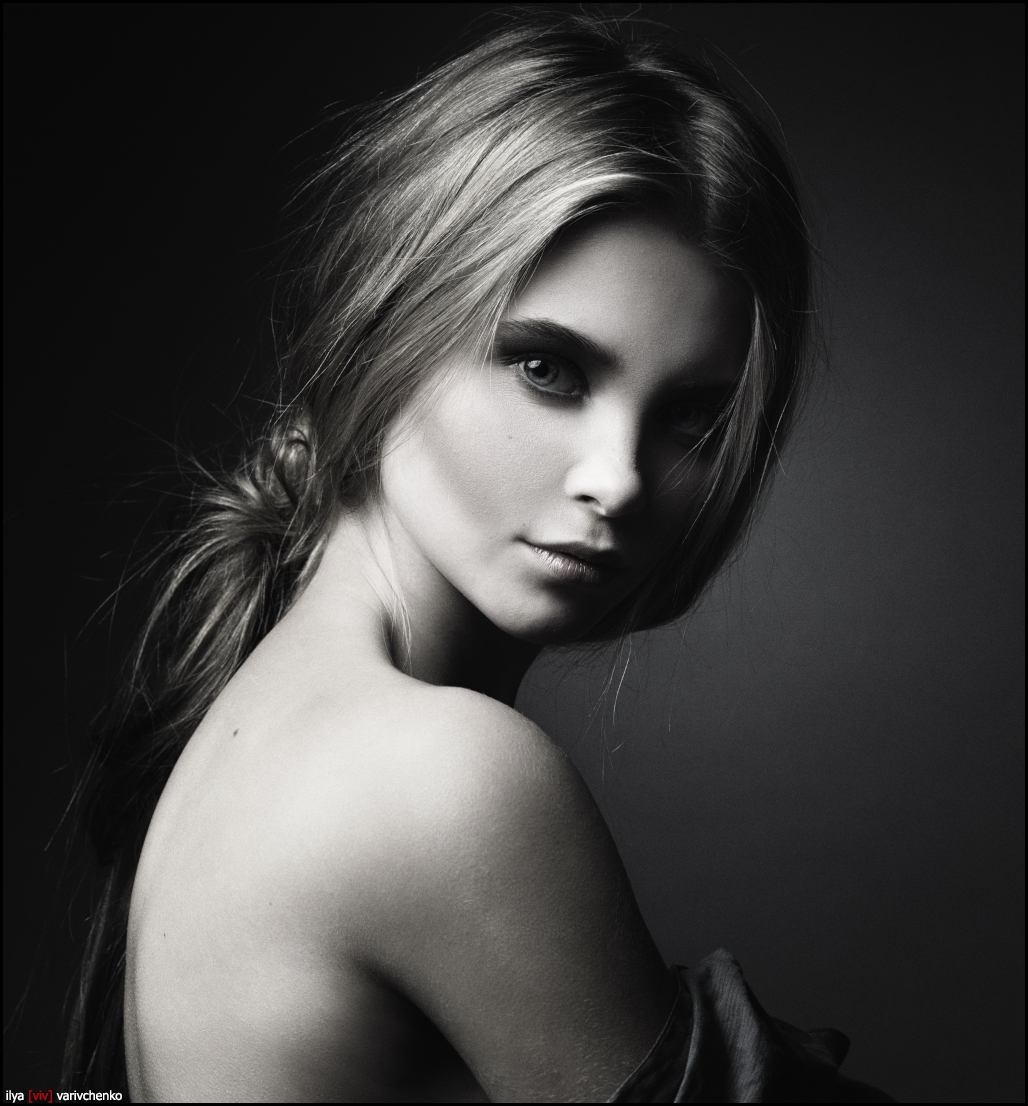
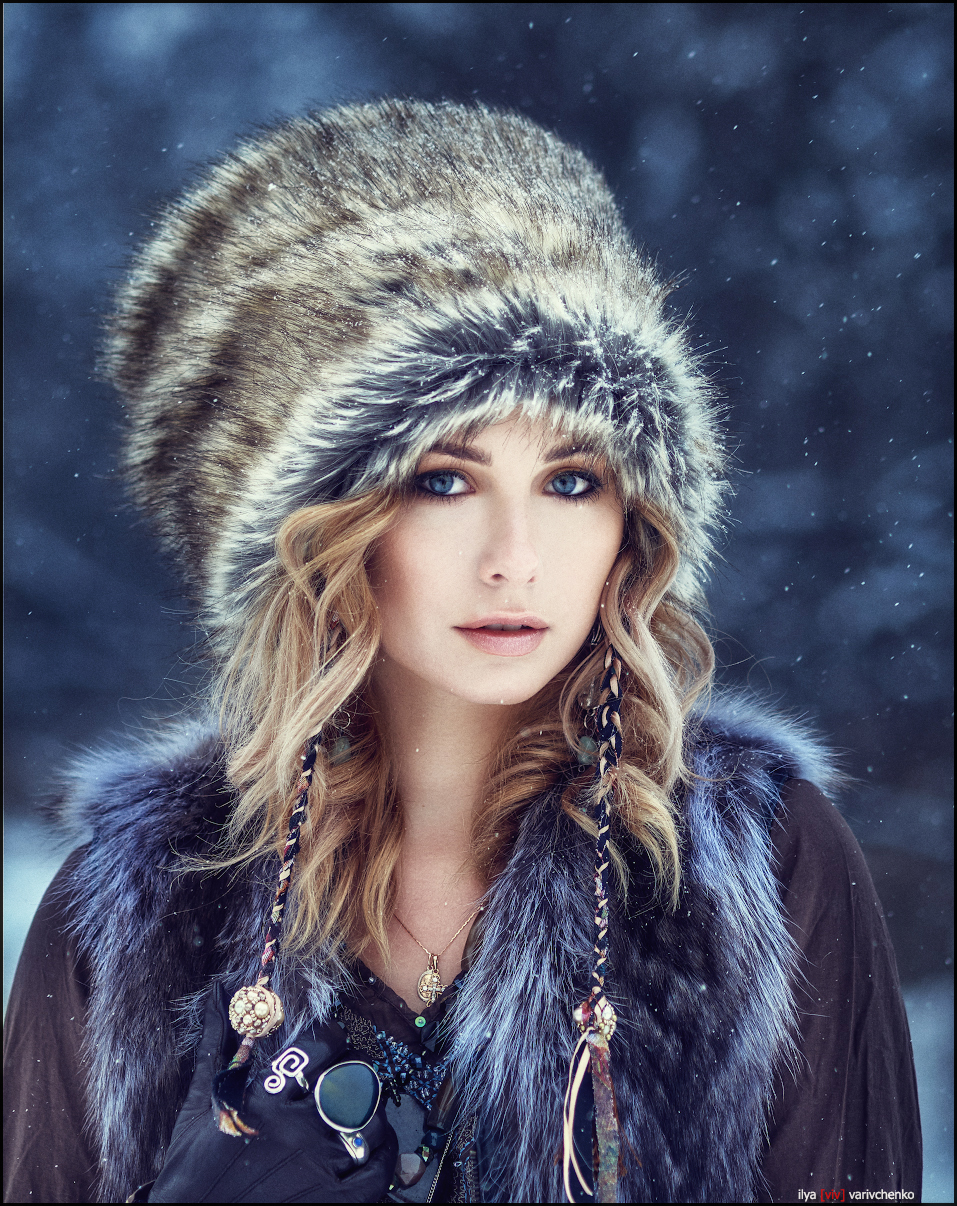
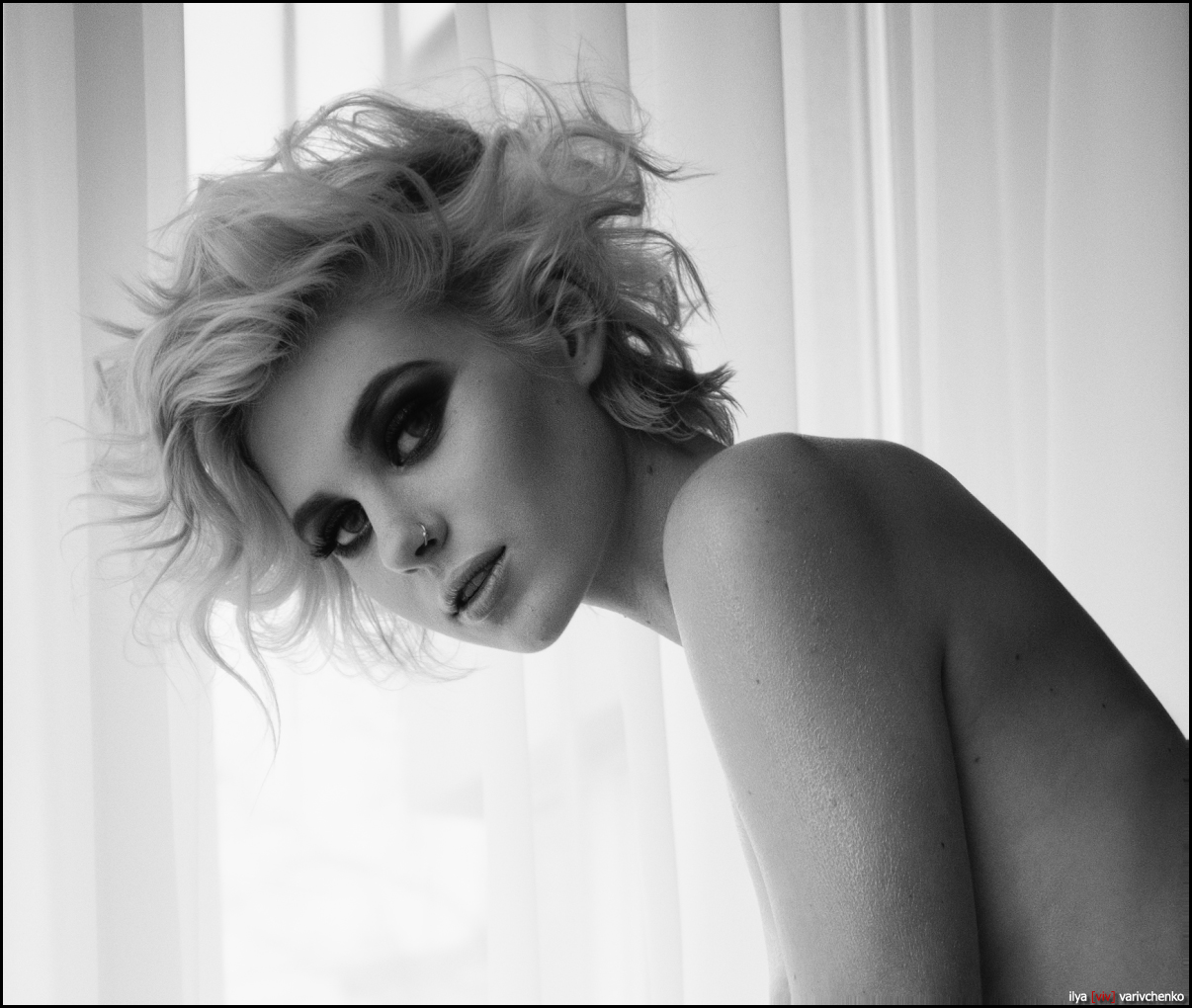
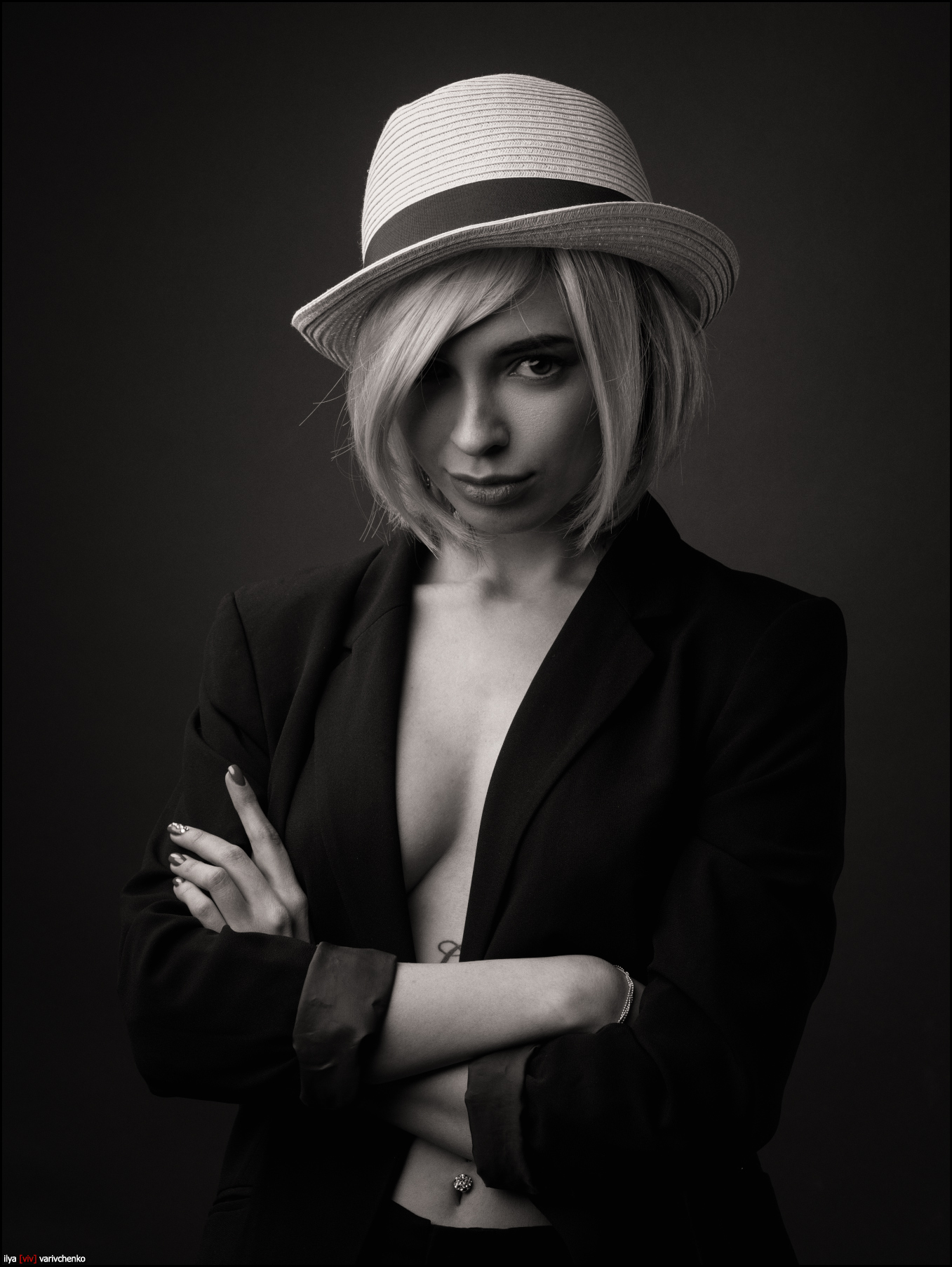
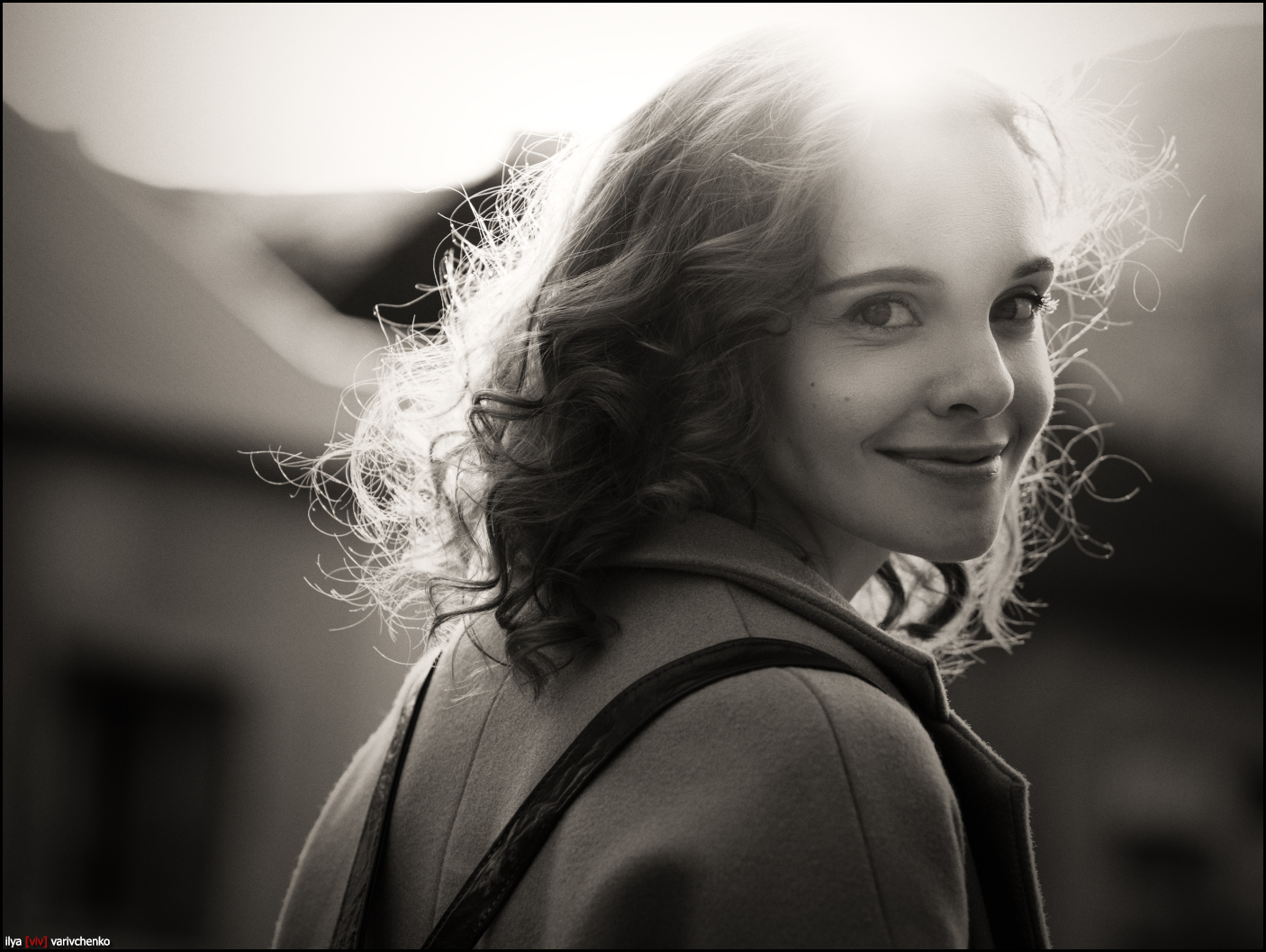
Ilya Varivchenko is a fashion and portrait photographer from Ivanovo, Russian Federation. He’s a UNIX administrator with a long-time passion for photography that has now become a second part-time job for him. Working on location and in his studio, he’s been producing a wonderful body of work specializing in portraiture, model tests, and more.
He’s a member of the community here (@viv), and he was kind enough to spare some time and answer a few questions (plus it gives me a good excuse to showcase some of his great work!).
Much of your work feels very classical in posing and light, particularly your studio portraits. What would you say are your biggest influences?
I am influenced by several classical painters and great modern photographers. Some of them are: Patrick Demarchelier, Steven Meisel and Peter Lindbergh.
The general mood defines what I see around me. Russia is a very neglected but beautiful country and women around are an inexhaustible source of inspiration.
How would you describe your own style overall?
My style is certainly a classic portrait in its modern performance.
What motivates you when deciding who/how you shoot?
I usually plan shooting in advance. The range of models is rather narrow and it’s not so easy to get there. However, I am constantly looking for new faces. I choose the style and direction of a particular shooting based on my vision of the model and the current mood.
Why portraits? What about portraiture draws you to it?
I shoot portraits because people interest me. For me, photography is an instrument of knowing people and a means of communication.
If you had to pick your own favorite 3 photographs of your work, which ones would you choose and why?
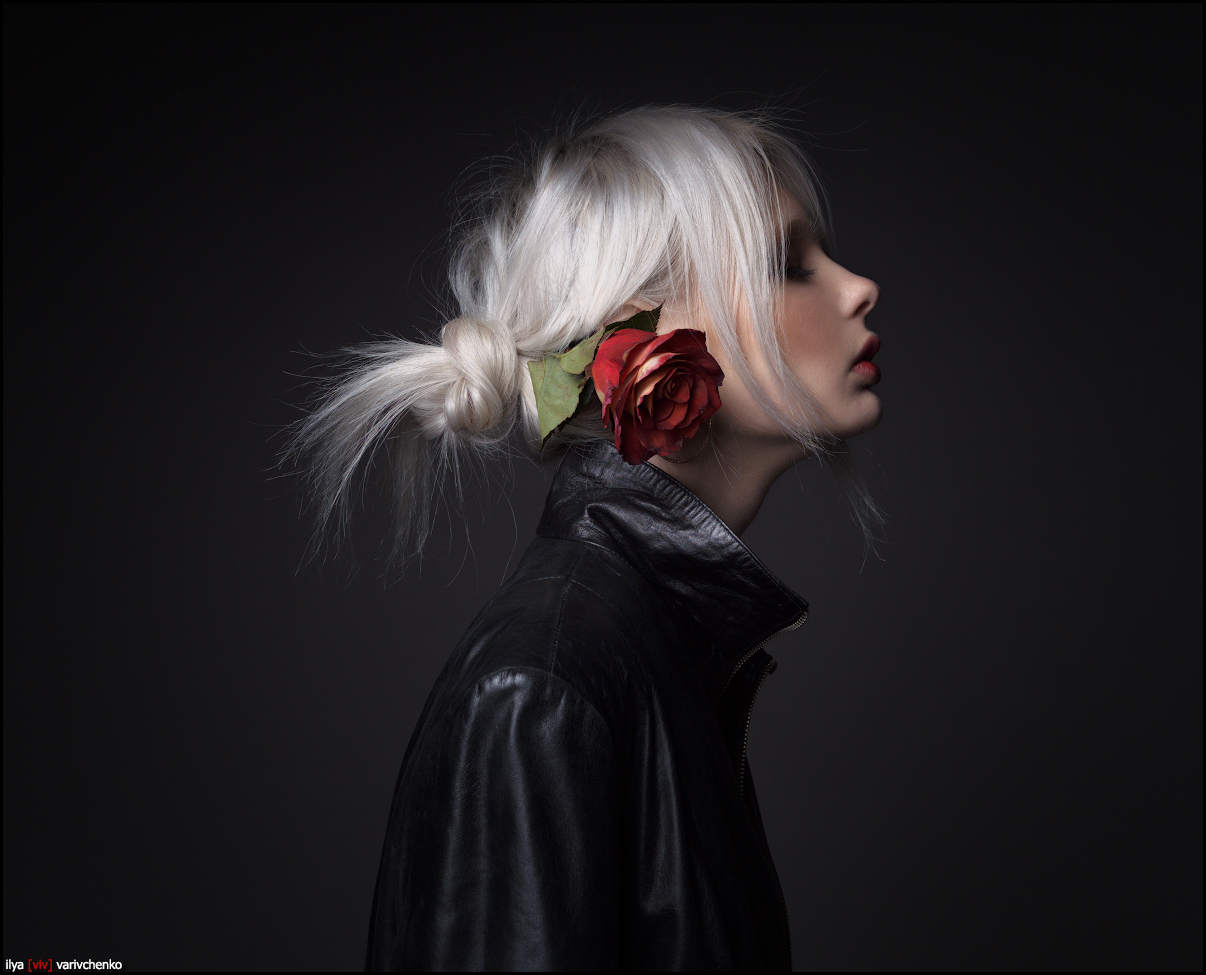
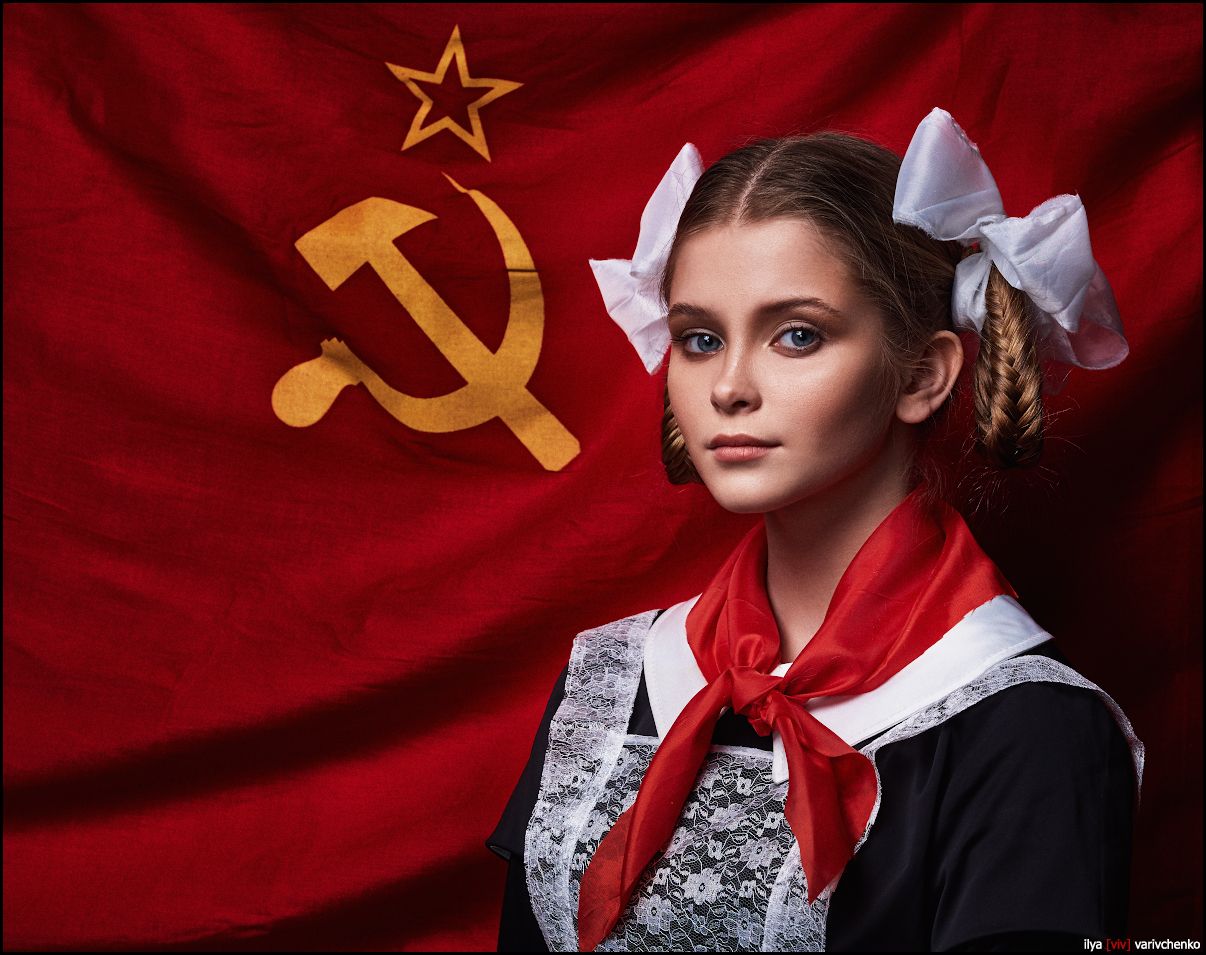
It’s difficult to choose only three photographs, but maybe these:
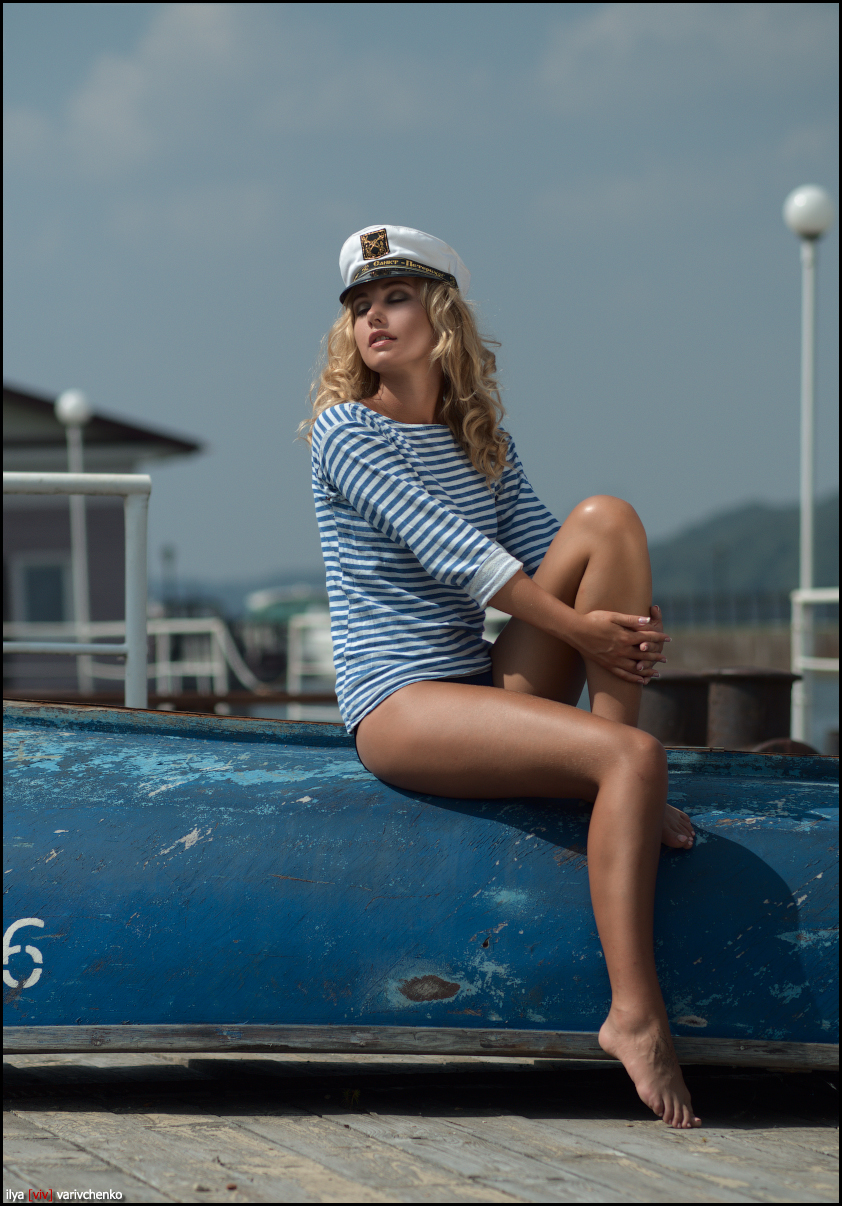
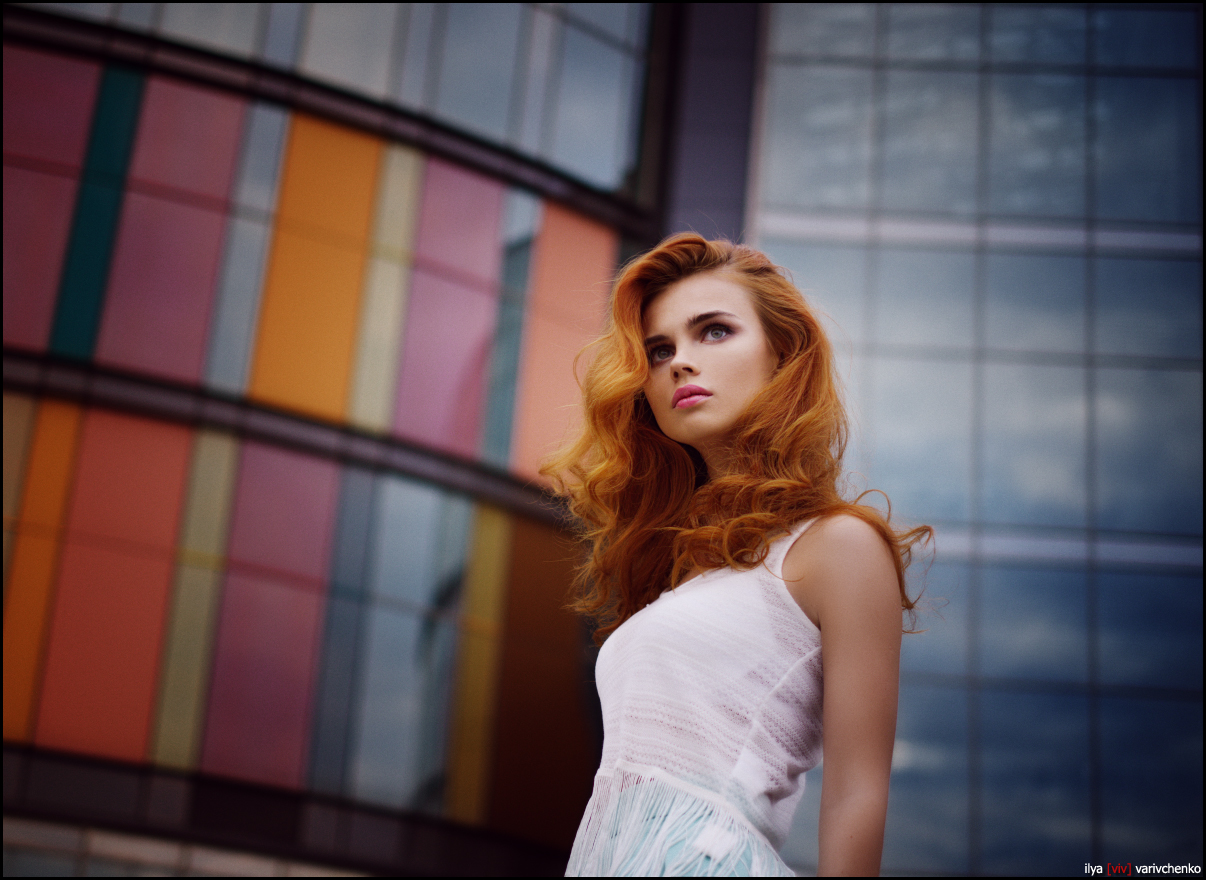
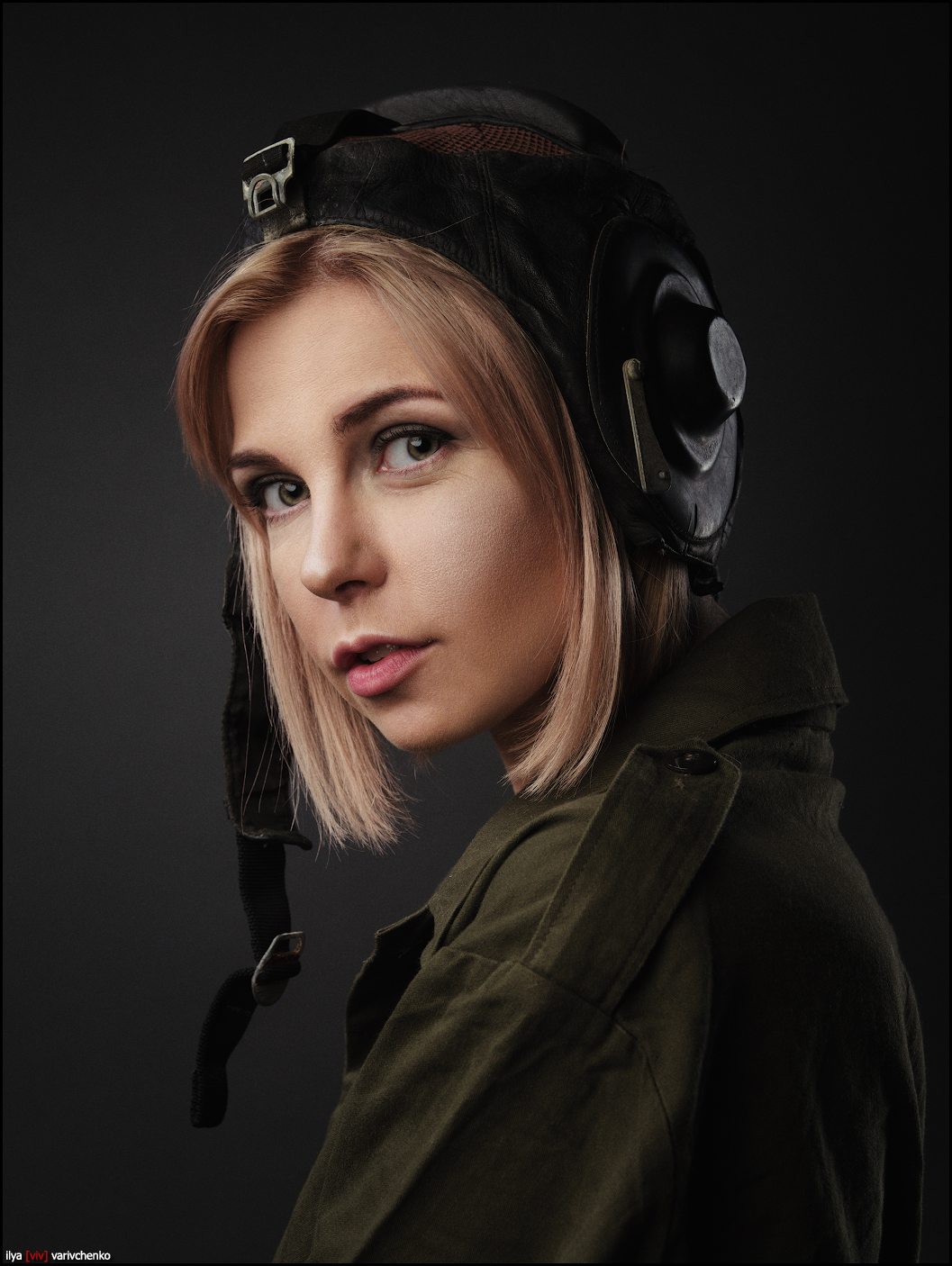
This photo was chosen by Olympus as a logo for their series of photo events in Russia 2017.
This is one of my most reproducible photos. ;)
This photo has a perfect mood in my opinion.
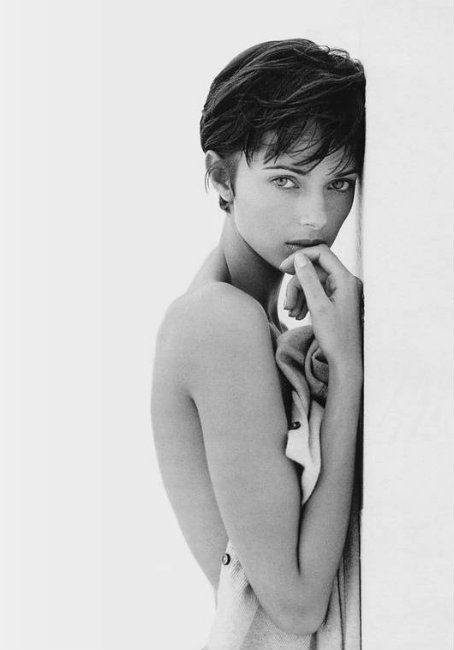
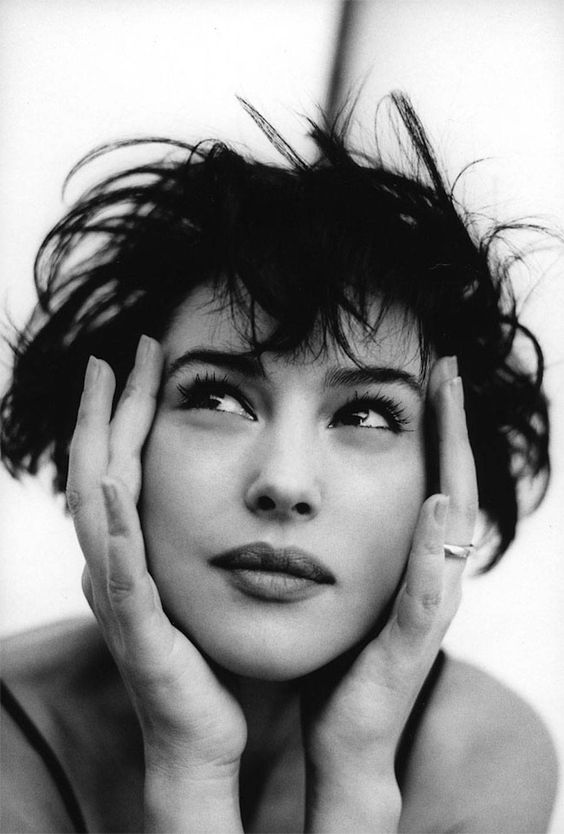
If you had to pick 3 favorite images from someone else, which ones would you choose and why?
It is very difficult to choose only three photos. The choice in any case will be incomplete, but here’s the first ones that comes to mind:
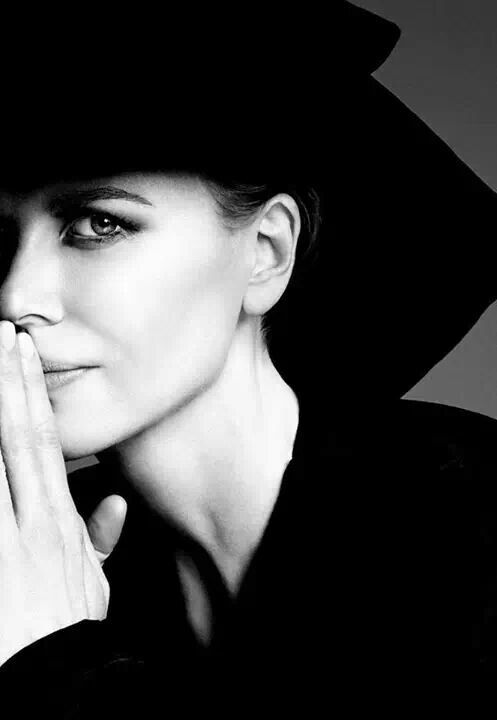
3) The portrait of Nicole Kidman by Patrick Demarchelier
How do you find your models usually?
Via social media which is the best means for model searching, but if I meet a girl I really like in the street, I can try and talk to her straight away.
In fact, the problem is not to find a model, but to choose how to reject a request without offending a prospect model that is of no interest to me.
Do you pre-visualize and plan your shoots ahead of time usually, or is there a more organic interaction with the model and the space you’re shooting in?
It’s always good to have a plan. It is also very good to have a spare plan.
Usually I discuss some common points with the model and stylist before shooting. But these plans are more connected with the mood and the general idea of the session. So when the magic of shooting begins, usually all the plans fly to hell. ;)
Do you have a shooting assistant with you, or is normally just you and the model?
The preparatory stage of shooting often requires participation of many people: a makeup artist, a hair stylist, etc., but shooting itself goes better when only two persons are involved. This is a fairly intimate process. Just like sex. :)
On the other hand, if we do a fashion shoot on order, then the presence of the customer representatives is a must.
Many shots have a strong editorial fashion feel to them: are those works for magazine/editorial use - or were they personal works you were planning to be that way?
I take pictures for local magazines and advertising agencies sometimes. Maybe it somehow influenced my other work.
What do you do with the photos you shoot?
Most of my works are for personal use.
However, I often print them in a large format and I’ve also had two solo exhibitions. Prints with my works are sold and they can always be ordered. I also publish in photo magazines sometimes, but these magazines are Russian ones so they are hardly known to you.
By the way: I periodically take part in the events held by Olympus Russia, where I demonstrate my workflow.
This video shows that I use the RawTherapee as a raw converter :)
You’re shooting on Olympus gear quite a bit, are you officially affiliated with Olympus in some way?
On occasions I hold workshops as a part of the Olympus company marketing activities. Sometimes the Olympus company provides me with their products for testing and I am expected to follow up with a review.
Is your choice to use Free Software for pragmatic reasons, or more idealistic?
The choice was dictated by purely practical considerations. I found a tool, the results of which I am almost completely satisfied with. Detail for example is outstanding, comfortable work with color grading, excellent black and white conversion, and much more.
The fact that the product is free and (which is more important to me) I have an opportunity to communicate with its developers is a huge plus!
For example, with the output of Fuji X-T20, when it was required to add a new DCP profile to the converter I simply contacted the developers, shot the test target and got what I wanted.
Would you describe your workflow a bit? Which projects do you use regularly?
My workflow is quite simple:
Shooting.
I try to shoot in a way which will not require heavy postprocessing at all. It is much easier to set up light properly than to fix it in Photoshop later.
Raw development with RawTherapee.
My goal is to develop the image in a way which makes it as close to final as possible.
Sometimes this is the end of my workflow. ;)
Color correction (if necessary) with 3DLutCreator.
In rare cases, it is more convenient to make complex color correction with the help of LUTs.
Retouching with Adobe Photoshop.
Nothing special. Removal of skin and hair defects, etc. Dodge and burn technique with a Wacom Intuos Pro.
Speaking of gear, what are you shooting with currently?
I have two systems now: Micro Four Thirds system from Olympus and X Series from Fujifilm.
Typical setups are:
Studio: Olympus PEN-F + Panasonic G 42.5/1.7
Planair: Olympus PEN-F + M.Zuiko 75/1.8 or FujiFilm X-T20 + Fujinon 35/1.4
Many of your images appear make great use of natural light. For your studio lighting setup, what type of lighting gear are you using?
My studio equipment is a mix of Aurora Codis and Bowens studio lights + a lot of modifiers from large 2 meters parabolic octobox to narrow 40x150 strip boxes and so on.
Is there something outside your comfort zone you wish you could try/shoot more of?
It is definitely landscape photography. And macro photography also attracts me - ants and snails are all great models in fact. :)
What is one piece of advice you would offer to another photographer?
Find in yourself what you want to share with others. Beauty is in the eye of the beholder. No beautiful models will help if you are empty inside.
I want to thank Ilya for taking the time to chat with me!
Take some time to have a look through his blog and work (it’s chock full of wonderful work)!
All images copyright Ilya Varivchenko and used with permission.
Romani music or Gipsy music is the music of the Romani people, who have their origins in northern India, but today live mostly in Europe. Historically nomadic, though now largely settled, the Romani people have long acted as entertainers and tradesmen. In many of the places Romanies live they have become known as musicians. The wide distances travelled have introduced a multitude of influences of Byzantine, Greek, Arabic, Indian, Persian, Turkish, Slavic, Romanian, German, Dutch, French, Spanish and even Jewish musical forms. It is difficult to define the parameters of a unified Romani musical style, as there are many differences in melodic, harmonic, rhythmic and formal structures from region to region. Lyrics to Romani songs are often sung in one or more dialects of the Romani language, and dance frequently accompanies Romani music performance.
The quintessentially Spanish flamenco is to a very large extent the music (and dance, or indeed the culture) of the Romani people of Andalusia. Apart from Romani music for local use, in Eastern Europe a separate Romani music originated for entertainment at parties and celebrations. This music drew its themes from Hungarian, Romanian, Russian and other sources. Later on it gained popularity in Western Europe, where many Romani orchestras were active, playing sophisticated melodies of East European origin. Most Romani music is based on the folk music of the countries where the Romani went through or settled. Local music is adopted and performed – usually instrumental – and, slowly, it is transformed into Romani styles, which are usually more complex than the original styles. In its turn, Romani music has greatly influenced the local music.
Traditional Music Channel is for everyone who has a passion for music.
Music is an expression of human creativity. UNESCO reports that among all the performing arts, music is the most universal and is found in every society, most often as an integral part of other performing art forms and other domains of intangible cultural heritage.
Traditional forms of music are considered carriers of cultural heritage because they represent expressions and traditions transferred through generations of a community.
With recordings from more than hundred nations our collection of traditional music offers a staggering diversity of our humanity.
“How much do you make things happen or let them happen to you?” “Can women be happy alone?” – questions such as these form the basis of a series of interviews with women, from heiresses to factory workers, conducted in the 1960s by the British writer Nell Dunn; as a reissue of Talking To Women appears Kate Webb introduces us to this seminal feminist text. And Patricia J. Williams discusses the role and lingering influence of the Progressive Era's 'American Plan' to stamp out immorality through policies including compulsory STD tests and government-endorsed sterilization
Books
Talking To Women by Nell Dunn
Fixing the Poor: Eugenic sterilization and child welfare in the twentieth century by Molly Ladd-Taylor
The Trials of Nina McCall: Sex, surveillance, and the decades-long government plan to imprison 'promiscuous' women by Scott W. Stern
The Carpathian Mountains or Carpathians are a mountain range system across Central and Eastern Europe. They are the third-longest mountain range in Europe after the Ural Mountains and Scandinavian Mountains. The Carpathians consist of a chain of mountain ranges that stretch in an arc from the Czech Republic in the northwest through Slovakia, Poland, Hungary and Ukraine, Serbia and Romania in the southeast. The highest range within the Carpathians is the Tatras, on the border of Slovakia and Poland. The second-highest range is the Southern Carpathians in Romania.
The largest range is the Tatras in Poland and Slovakia. A major part of the western and northeastern Outer Eastern Carpathians in Poland, Ukraine, and Slovakia is traditionally called the Eastern Beskids. Section of the Carpathians within borders of Ukraine is commonly known as the Ukrainian Carpathians. Classification of eastern sections of the Carpathians is particularly complex, since it was influenced by several overlapping traditions. Terms like Wooded Carpathians, Poloniny Mountains or Eastern Beskids are often used in varying scopes by authors belonging to different traditions.
Traditional Music Channel is for everyone who has a passion for music.
Music is an expression of human creativity. UNESCO reports that among all the performing arts, music is the most universal and is found in every society, most often as an integral part of other performing art forms and other domains of intangible cultural heritage.
Traditional forms of music are considered carriers of cultural heritage because they represent expressions and traditions transferred through generations of a community.
With recordings from more than hundred nations our collection of traditional music offers a staggering diversity of our humanity.
Sufi music is the devotional music of the Sufis, inspired by the works of Sufi poets. Qawwali is the most well known form of Sufi music, and is most commonly found in the Sufi culture in South Asia. However, music is also central to the Sema ceremony of the whirling dervishes, which is set to a form of music called Ayin, a vocal and instrumental piece featuring Turkish classical instruments such as the ney (a reed flute). The West African gnawa is another form, and Sufis from Indonesia to Afghanistan to Morocco have made music central to their practices. Sufi love songs are often performed as ghazals and Kafi, a solo genre accompanied by percussion and harmonium, using a repertoire of songs by Sufi poets.
Traditional Music Channel is for everyone who has a passion for music.
Music is an expression of human creativity. UNESCO reports that among all the performing arts, music is the most universal and is found in every society, most often as an integral part of other performing art forms and other domains of intangible cultural heritage.
Traditional forms of music are considered carriers of cultural heritage because they represent expressions and traditions transferred through generations of a community.
With recordings from more than hundred nations our collection of traditional music offers a staggering diversity of our humanity.
We’re joined in the studio by TLS editors for arts, features and fiction, respectively, Lucy Dallas, Roz Dineen and Toby Lichtig, to pick through a selection of TLS writers’ summer reading choices – from reworked Classical myths to Deadpool comics – before offering a taste of our own, including books by Sally Rooney, Bruno Latour and an account of witchcraft and agrarian cults in early modern Italy. Go to the-TLS.co.uk to read our summer books feature in full.
Welcoming the gPhoto Project to the PIXLS.US community!
Helping the community one project at a time
A major goal of the PIXLS.US effort is to do whatever we can do to help developers of projects unburden themselves from administrating their project. We do this, in part, by providing forum hosting, participating in support, providing web design, and doing community outreach. With that in mind, we are excited to welcome the gPhoto Projects to our discuss forum!
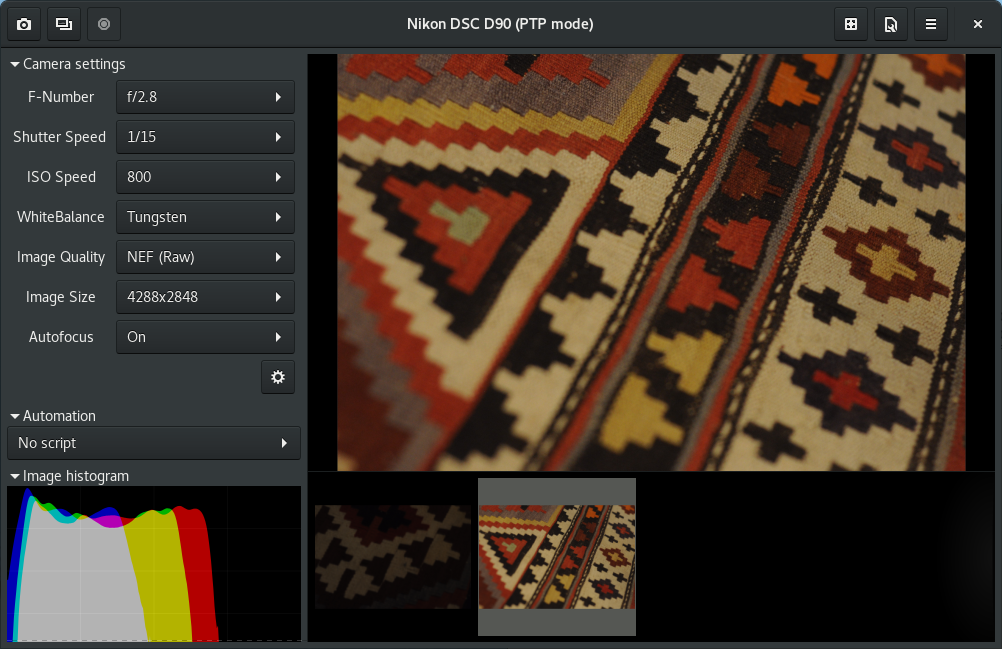
The Entangle interface, which makes use of libgphoto.
You may not have heard of gPhoto, but there is a high chance that you’ve used the project’s software. At the heart of the project is libgphoto2, a portable library that gives application access to hundreds of digital cameras. On top of the foundational library is gphoto2, a command line interface to your camera that supports almost everything that the library can do. The library is used in a bunch of awesome photography applications, such as digiKam, darktable, entangle, and GIMP. There is even a FUSE module, so you can mount your camera storage as a normal filesystem.
gPhoto was recruited to the PIXLS.US community when @darix was sitting next to gPhoto developer Marcus. Marcus was using darix’s Fuji camera to test integration into libgphoto, then the magic happened! Not only will some Fuji models be supported, but our community is growing larger. This is also a reminder that one person can make a huge difference. Thanks darix!
Welcome, gPhoto, and thank you for the years and years of development!
Geisha are Japanese women who entertain through performing the ancient traditions of art, dance and singing, and are distinctively characterized by their wearing of kimono and oshiroi makeup. Geisha begin their study of music and dance when they are very young and continue it throughout their lives. The dance of the geisha has evolved from the dance performed on the noh and kabuki stages. The "wild and outrageous" dances transformed into a more subtle, stylized, and controlled form of dance. It is extremely disciplined, similar to t'ai chi. Every dance uses gestures to tell a story and only a connoisseur can understand the subdued symbolism.
The dances are accompanied by traditional Japanese music. The primary instrument is the shamisen. This shamisen, originating in Okinawa, is a banjo-like three-stringed instrument that is played with a plectrum. It has a very distinct, melancholy sound that is often accompanied by flute. All geisha must learn shamisen-playing, though it takes years to master. Along with the shamisen and the flute, geisha also learned to play a ko-tsuzumi, a small, hourglass-shaped shoulder drum, and a large floor taiko (drum). Some geisha would not only dance and play music, but would write beautiful, melancholy poems. Others painted pictures or composed music.
Traditional Music Channel is for everyone who has a passion for music.
Music is an expression of human creativity. UNESCO reports that among all the performing arts, music is the most universal and is found in every society, most often as an integral part of other performing art forms and other domains of intangible cultural heritage.
Traditional forms of music are considered carriers of cultural heritage because they represent expressions and traditions transferred through generations of a community.
With recordings from more than hundred nations our collection of traditional music offers a staggering diversity of our humanity.
The Balkans, also known as the Balkan Peninsula, is a geographic area in southeastern Europe with various definitions and meanings, including geopolitical and historical. The region takes its name from the Balkan Mountains that stretch throughout the whole of Bulgaria from the Serbian-Bulgarian border to the Black Sea coast. Balkan music is a type of music found in the Balkan region of southeastern Europe. The music is characterised by complex rhythm. The term "the Balkans" is used more generally for the region; it includes states in the region, which may extend beyond the peninsula, and is not defined by the geography of the peninsula itself. The Balkans are usually said to comprise Albania, Bosnia and Herzegovina, Bulgaria, Croatia, Kosovo, Montenegro, North Macedonia, Romania, Serbia, Greece, and Slovenia.
Traditional Music Channel is for everyone who has a passion for music.
Music is an expression of human creativity. UNESCO reports that among all the performing arts, music is the most universal and is found in every society, most often as an integral part of other performing art forms and other domains of intangible cultural heritage.
Traditional forms of music are considered carriers of cultural heritage because they represent expressions and traditions transferred through generations of a community.
With recordings from more than hundred nations our collection of traditional music offers a staggering diversity of our humanity.
This year marks half a century since the establishment of the Man Booker Prize for Fiction. The TLS’s Fiction editor Toby Lichtig joins us to debate the point of literary prizes and discuss the most under- (or over-) rated winners; Joan C. Williams, the author of last year’s White Working Class: Overcoming class cluelessness in America, considers the political consequences of class divides in the US and Britain
Books
The White Working Class: What everyone needs to know by Justin Gest
Polynesia is a subregion of Oceania, made up of more than a thousand islands scattered over the central and southern Pacific Ocean. The indigenous people who inhabit the islands of Polynesia are termed Polynesians, and share many similar traits including language family, culture, and beliefs. Historically, they had a strong tradition of sailing and using stars to navigate at night.
Internationally, Polynesian music is mostly associated with twinkling guitars, grass skirts and beautiful relaxing sounds, Hawaiian hula and other tourist-friendly forms of music. While these elements are justifiably a part of Polynesian history and Polynesian culture, there is actually a wide variety of music made in the far-flung reaches of Polynesia.
Traditional Music Channel is for everyone who has a passion for music.
Music is an expression of human creativity. UNESCO reports that among all the performing arts, music is the most universal and is found in every society, most often as an integral part of other performing art forms and other domains of intangible cultural heritage.
Traditional forms of music are considered carriers of cultural heritage because they represent expressions and traditions transferred through generations of a community.
With recordings from more than hundred nations our productions of traditional music offers a staggering diversity of our humanity.
Tim Winton discusses his new novel, The Shepherd's Hut, with the TLS's Fiction editor Toby Lichtig. Go to the-tls.co.uk to read an exclusive extract from the novel.
Critic and novelist Margaret Drabble joins us to review the life and work of Muriel Spark, whose centenary we mark this year; Samuel Graydon discusses a new exhibition on J. R. R. Tolkien, including drawings and doodles, language trees and fan mail; the TLS's History editor David Horspool introduces a selection of new work on the medieval period
Works discussed
The Centenary Edition of the Novels of Muriel Spark, edited by Alan Taylor
Tolkien: Maker of Middle-Earth, an exhibition at the Bodleian Library, Oxford, with accompanying book by Catherine McIlwaine
‘Finding Henry – Why England’s most powerful medieval monarch should be better remembered’ by Claudia Gold, in this week’s TLS
Medieval Bodies: Life, death and art in the Middle Ages by Jack Hartnell
Sea of Caliphs: The Mediterranean in the medieval Islamic world by Christophe Picard, translated by Nicholas Elliott
The Oxford English Literary History, Volume 1: 1000–1350: Conquest and Transformation by Laura Ashe
Romani music or Gipsy music is the music of the Romani people, who have their origins in northern India, but today live mostly in Europe. Historically nomadic, though now largely settled, the Romani people have long acted as entertainers and tradesmen. In many of the places Romanies live they have become known as musicians. The wide distances travelled have introduced a multitude of influences of Byzantine, Greek, Arabic, Indian, Persian, Turkish, Slavic, Romanian, German, Dutch, French, Spanish and even Jewish musical forms. It is difficult to define the parameters of a unified Romani musical style, as there are many differences in melodic, harmonic, rhythmic and formal structures from region to region. Lyrics to Romani songs are often sung in one or more dialects of the Romani language, and dance frequently accompanies Romani music performance.
The quintessentially Spanish flamenco is to a very large extent the music (and dance, or indeed the culture) of the Romani people of Andalusia. Apart from Romani music for local use, in Eastern Europe a separate Romani music originated for entertainment at parties and celebrations. This music drew its themes from Hungarian, Romanian, Russian and other sources. Later on it gained popularity in Western Europe, where many Romani orchestras were active, playing sophisticated melodies of East European origin. Most Romani music is based on the folk music of the countries where the Romani went through or settled. Local music is adopted and performed – usually instrumental – and, slowly, it is transformed into Romani styles, which are usually more complex than the original styles. In its turn, Romani music has greatly influenced the local music.
Traditional Music Channel is for everyone who has a passion for music.
Music is an expression of human creativity. UNESCO reports that among all the performing arts, music is the most universal and is found in every society, most often as an integral part of other performing art forms and other domains of intangible cultural heritage.
Traditional forms of music are considered carriers of cultural heritage because they represent expressions and traditions transferred through generations of a community.
With recordings from more than hundred nations our collection of traditional music offers a staggering diversity of our humanity.

 Login
Login






 The Entangle interface, which makes use of


