It’s the centenary of the birth of Iris Murdoch, the novelist-philosopher who dominated the literary pages for much of the twentieth century. Where do we stand on her now? Michael Caines and Frances Wilson discuss; This was the week that the US women’s football team won the World Cup. Devoney Looser, the roller derby queen of academia, enjoys “a brief opportunity to revel in America’s better strengths”.
A weekly email from our star chefs featuring the latest recipes and seasonal eating ideas
Each week we’ll send you an exclusive newsletter from our star food writers. We’ll also send you the latest recipes from our star chefs, stand-out food features and seasonal eating inspiration, plus restaurant reviews from Grace Dent.
Sign up below to start receiving the best of our culinary journalism in one mouth-watering weekly email.
digiKam stores the current state of the application in the ~/.config/digikamrc file. This file keeps track of pretty much everything: from the database connection profile and custom toolbar settings, to the last-used curve and sharpening parameters. So next time you install or reinstall digiKam, don’t forget to back up the digikamrc file. This way, you don’t have to configure a fresh digiKam installation from scratch. Simply copy the file to a safe location or external storage device, and drop the file into the ~/.config folder before you run digiKam.
O episódio de estreia do podcast dos livros é dedicado à Flip 2019. Entrevistas com: a curadora do evento Fernanda Diamant, o colunista da Quatro Cinco Um e editor da revista Serrote Paulo Roberto Pires, os escritores Jarid Arraes, Miguel Del Castillo, Xico Sá, Tati Bernardi e Roberta Estrela D'Alva.
Do the kids – in these times of identity politics – still read Updike? The answer is “probably not”. But should they? Claire Lowdon makes the case; Toby Lichtig discusses Chelsea Manning, the US Army data analyst turned whistle-blower, and a new documentary on her life; Eric Rauchway considers the prevalence of pro-Nazi feeling and policy in 1940s America and beyond
Novels 1959–1965: The Poorhouse Fair, Rabbit, Run, The Centaur, Of the Farm, by John Updike (Library of America)
XY Chelsea, directed by Tim Travers Hawkins
Hitler’s American Friends: The Third Reich’s supporters in the United States, by Bradley Hart
The Unwanted: America, Auschwitz, and a village caught in between, by Michael Dobbs
De grandes leitores para grandes leitores. Para quem tem vontade de ler em qualquer lugar, o tempo todo. Duas sextas-feiras por mês, junte-se a nós no 451 MHz, o podcast da revista Quatro Cinco Um. Uma produção da Rádio Novelo e revista Quatro Cinco Um.
Location Tracking for Photographers with GPS Logger and Trekarta
When it comes to Android apps for photographers, we are spoiled for choice. From depth-of-field and golden hour calculators to sun position and remote control apps – there are plenty of clever tools to choose from. But there is one particular app combination that can prove to be indispensable for any photographer on the move: a GPS logger and a GPX viewer. There are two main reasons for that.
Tracking your movements and saving them in the GPX format can come in handy for geotagging photos.
The ability to attach comments to the current location allows you to use the GPS logging app to note places you either photographed or you plan to photograph later. You can then use a GPX viewer app to see and manage bookmarked locations.
There are several apps that offer GPS logging and viewing, but you can’t go wrong with GPS Logger for Android and Trekarta. Both apps are released under an open source license, and they are available free of charge on Google Play and F-Droid.
How you set up GPS Logger for Android is a matter of personal preference. One way to go is to configure the app to automatically start tracking on boot and upload tracks to the desired destination (e.g., a NAS or a file sharing service).
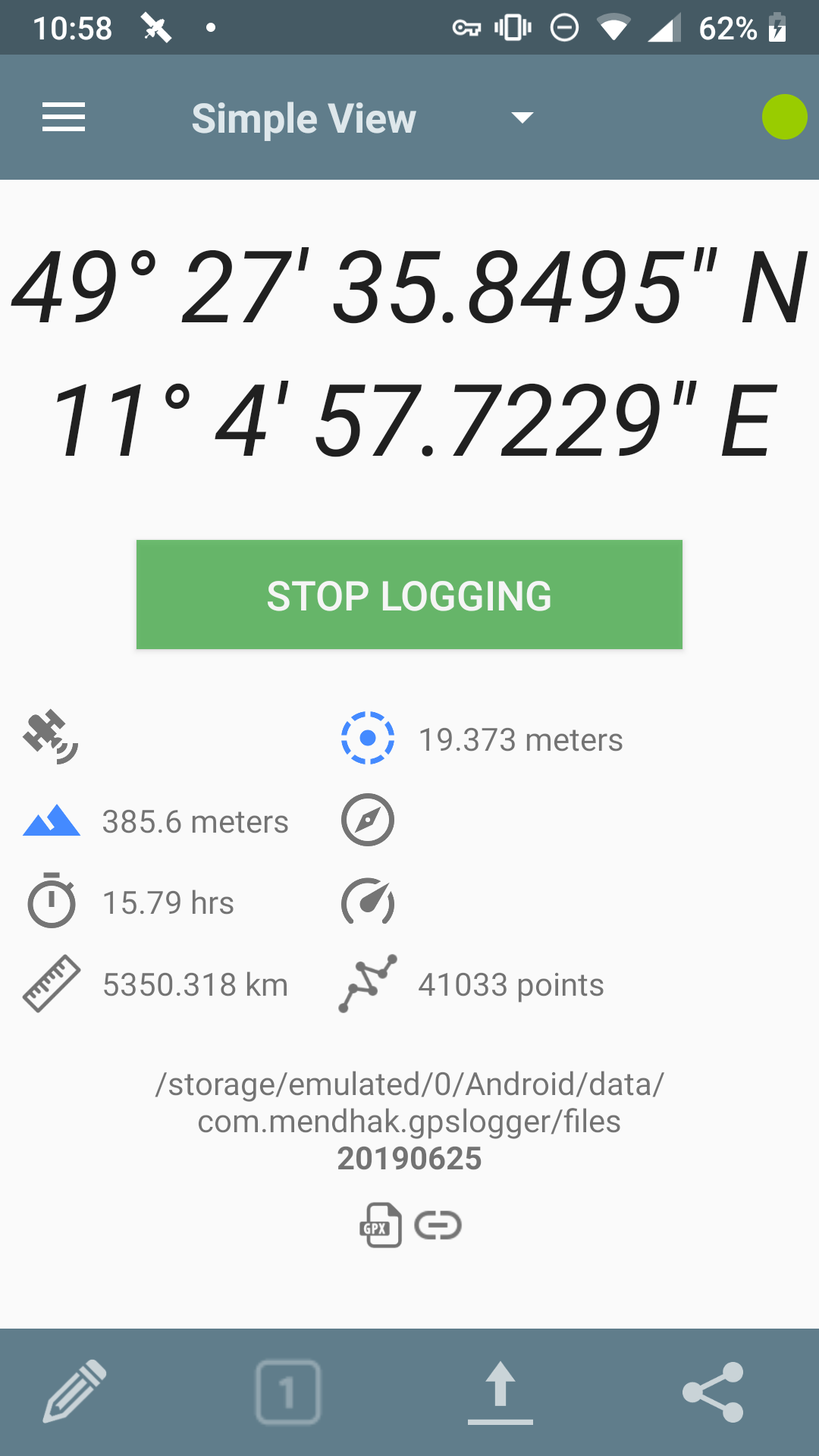
Once GPS Logger for Android is running, adding a comment to the current location is as easy as pulling down the notification drawer and tapping Comment. The app saves the tracks as GPX files in the Android/data/com.mendhak.gpslogger/files directory on your Android device. To view a GPX file in Trekarta, use a file manager to navigate to the directory, and use Android’s sharing functionality to send the desired GPX file to Trekarta.
Booktubers são youtubers que falam sobre livros. O nicho está em franco crescimento e tem profissionais dos mais diversos estilos. Alguns se dispõem a fazer resenhas pagas pelo autor do livro ou pela editora. Entre estes, há aqueles que deixam muito claro o que é pago e o que não é, e aqueles que apenas sinalizam discretamente.
Até que ponto essa prática é ética? Como o jornalismo, a crítica e a publicidade têm se relacionado antes e depois do advento das novas mídias e das redes sociais? Como essa relação pode afetar as redações e a sociedade em que vivemos?
*** Confira no Episódio 09 de Escafandro. Assine no seu aplicativo de podcast predileto e ouça de graça***
Jornalista, curador do prêmio Oceanos, apresentador do programa Arte 1 Contexto, foi curador da Festa Literária Internacional de Parati (FLIP), colunista e editor de diversos veículos culturais, entre eles Cult, Folha de S.Paulo e Guia Folha Discos Livros e Filmes.
Editor-executivo de mídias digitais de O Estado de S.Paulo, coordenador do programa de pós-graduação em jornalismo do Insper, professor da FAAP. Foi crítico de cultura em veículos como Bravo! e Veja.
Thea Lenarduzzi on the cultural history of gesture and body language; What is Chaucer to us today? When did he become known as the "Father of English poetry", and what did he get up to when he was not writing rude and memorable poetry? Julia Boffey explains; the Stonewall uprising in New York is remembered as a pivotal moment in LGBTQ rights – fifty years on, Hugh Ryan revisits the history
Books
Dictionary of Gestures: Expressive comportments and movements in use around the world by François Caradec
Silent History: Body language and nonverbal identity, 1860–1914, by Peter K. Andersson
The Stonewall Riots: A documentary history, edited by Marc Stein
The Stonewall Reader, edited by the New York Public Library
Pride: Photographs after Stonewall by Fred W. McDarrah
Love and Resistance: Out of the closet into the Stonewall era, edited by Jason Baumann
TLS contributors – including David Baddiel, Mary Beard, Paul Muldoon and Elizabeth Lowry – give their seasonal reading recommendations; TLS editors wreak havoc and suggest their own. (Visit the-tls.co.uk to read the summer books feature in full.)
A "new" ending to a Nabokov novel and the unregarded first volume of Vasily Grossman's epic, the "Soviet War and Peace"; Rebecca Reich guides us through these and the question of whether the West is paranoid about Russia or vice versa; Laura Freeman joins us to talk about dinner with the Durrells and pond life sandwiches.
Books
Stalingrad: A novel by Vasily Grossman
Vasily Grossman and the Soviet Century by Alexandra Popoff
Animais gigantes, planícies de vegetação esparsa, homens espalhados por grande estruturas urbanas interligadas por estradas amplas. Este cenário, que parece remeter à África ou ao Oriente Médio, ocupou uma região bem mais familiar, hoje conhecida como Brasil.
Achados arqueológicos recentes contam uma história muito diferente da que ficou registrada em boa parte dos livros didáticos. No lugar do “deserto verde” amazônico, que ocupa o imaginário de parte dos brasileiros, havia sociedades fervilhantes, espalhadas em cidades de milhares de habitantes, donas de uma cultura sofisticada e de técnicas agrícolas cujos efeitos ecoam até os dias de hoje.
Que povos eram esses? Por que ainda sabemos tão pouco sobre eles? Como a destruição da floresta impacta os registros que sobraram? Como a arqueologia tem lidado com isso nas últimas décadas, e como pesquisadores enxergam o futuro num governo que vem desmontando as políticas ambientais?
*** Você pode escutar o podcast gratuitamente no iTunes, no Spotify e nos principais aplicativos de podcast ***
Jornalista especializado em ciência, mestre e doutor em Estudos Lingüísticos e Literários em Inglês na Faculdade de Filosofia, Letras e Ciências Humanas da Universidade de São Paulo, autor, entre outros, do livro “1499 – O Brasil antes de Cabral” (Harper Collins).
Graduado em História pela Universidade de São Paulo, Mestre e Doutor em Arqueologia pela Universidade de Indiana e Livre-Docente pela Universidade de São Paulo. Professor Titular de Arqueologia Brasileira do Museu de Arqueologia e Etnologia da Universidade de São Paulo.
If capitalism is broken, can it be fixed? And can it save the environment? Joseph E. Stiglitz discusses; as we mark seventy-five years since the D-Day landings, William Boyd considers a brilliant new "worm's-eye view" of historical events; a decade after leaving academia for the "wilderness of writing", Stephen Marche returns to report on the troubled field of the humanities
The Future of Capitalism: Facing the new anxieties by Paul Collier
Capitalism: The future of an illusion by Fred L. Block
Money and Government: A challenge to mainstream economics by Robert Skidelsky
Normandy ’44: D-Day and the battle for France by James Holland
Esta edição do programa Podcast serrote está no site da Rádio Batuta desde 26/7/2017. https://bit.ly/2JWwVVL
A serrote, revista de ensaios do IMS, tem agora um podcast na Batuta. O primeiro assunto da conversa quinzenal entre o editor Paulo Roberto Pires e o editor-assistente Guilherme Freitas é "Viva!", livro de Patrick Deville sobre o efervescente México do final da década de 1930. Pelo país dos pintores Frida Kahlo e Diego Rivera passaram Trótski (assassinado por um enviado de Stalin), Artaud, André Breton, Malcolm Lowry, John Huston e outros. Pires e Freitas explicam o que havia de tão especial no México da época e o que há de especial no que Deville chama de "romance sem ficção". O escritor francês participa da Flip 2017 e de evento no IMS em 1º de agosto.
Apresentação: Paulo Roberto Pires e Guilherme Freitas
Edição: Filipe Di Castro
Foto: Diego Rivera, Trótski e André Breton no México
Site da Batuta: https://radiobatuta.com.br/
Site do IMS: https://ims.com.br/
Facebook: https://www.facebook.com/radiobatuta/
Twitter: https://twitter.com/radiobatuta
Instagram: http://instagram.com/imoreirasalles
Esta edição do programa Podcast xerrote está no site da Rádio Batuta desde 7/9/2017. https://bit.ly/2QPSCaE
No centenário de Antonio Callado, sua viúva, a jornalista e escritora Ana Arruda Callado, reapresenta no livro "O país que não teve infância" (Autêntica) 86 artigos publicados pelo também jornalista e escritor na revista "IstoÉ" entre 1978 e 1982. Era a época da redemocratização do país, e o artista assumidamente engajado combinava, na coluna “Sacadas”, a ironia habitual com seu olhar crítico e esperança no futuro. Esta, diz Ana Arruda em entrevista a Paulo Roberto Pires e Guilherme Freitas para o podcast da revista serrote, frustrou-se com o tempo. Callado morreu em 1997 “cansado de tudo”. Dizia que o Brasil era “um país inseguro de si mesmo”.
Apresentação: Paulo Roberto Pires e Guilherme Freitas
Edição: Filipe Di Castro
Site da Batuta: https://radiobatuta.com.br/
Site do IMS: https://ims.com.br/
Facebook: https://www.facebook.com/radiobatuta/
Twitter: https://twitter.com/radiobatuta
Instagram: http://instagram.com/imoreirasalles
Esta edição do programa Podcast serrote está no site da Rádio Batuta desde 21/9/2017. https://bit.ly/2JVRXDE
Em 1957, já com 34 anos, Millôr Fernandes realizou sua primeira exposição. Levou para o Museu de Arte Moderna do Rio de Janeiro (então apenas uma sala no edifício Gustavo Capanema) desenhos como os que o tornara famoso nas páginas da revista "O Cruzeiro", assinando-se Emanuel Vão Gogo. E, ainda, trabalhos marcantes como o trípico “O enterro de Mondrian”. No podcast da revista serrote, Paulo Roberto Pires recorda a recepção calorosa à mostra, em especial do principal crítico em atividade, Mário Pedrosa. Millôr, porém, não repetiu a experiência muitas vezes, firmando-se como um homem de imprensa, como Pires mostra valendo-se de depoimentos do artista. Em 2016, o IMS realizou a primeira grande retrospectiva da obra gráfica do artista.
Apresentação: Paulo Roberto Pires
Edição: Filipe Di Castro
Site da Batuta: https://radiobatuta.com.br/
Site do IMS: https://ims.com.br/
Facebook: https://www.facebook.com/radiobatuta/
Twitter: https://twitter.com/radiobatuta
Instagram: http://instagram.com/imoreirasalles
Esta edição do programa Podcast zerrote está no site da Rádio Batuta desde 5/10/2017. https://bit.ly/2JVRXDE
Está saindo no Brasil o primeiro dos três volumes dos diários de Ricardo Piglia (1941-2017). O escritor argentino preencheu nada menos do que 327 cadernos, utilizados como laboratórios para seus livros. A literatura é tema predominante nos diários, por vezes a partir de registros pessoais, como o do seu primeiro encontro com Jorge Luis Borges. Suas ressalvas a Gabriel García Márquez e Julio Cortázar são outros pontos que Paulo Roberto Pires e Guilherme Freitas destacam neste podcast da revista serrote. Os dois editores leem trechos do volume lançado pela editora Todavia, que trata dos anos de formação do autor. Ele morreu em 2017 vítima de esclerose lateral amiotrófica.
Apresentação: Paulo Roberto Pires e Guilherme Freitas
Edição: Filipe Di Castro
Site da Batuta: https://radiobatuta.com.br/
Site do IMS: https://ims.com.br/
Facebook: https://www.facebook.com/radiobatuta/
Twitter: https://twitter.com/radiobatuta
Instagram: http://instagram.com/imoreirasalles
Esta edição do programa Podcast serrote está no site da Rádio Batuta desde 20/10/2017. https://bit.ly/2wBP965
Quando a União Soviética se desmantelou, em 1991, um professor colega de Daniel Aarão Reis na UFF (Universidade Federal Fluminense) lhe disse: “Seu objeto terminou”. O historiador pensa o contrário. Ele defende, em entrevista a Paulo Roberto Pires e Guilherme Freitas para o podcast da revista serrote, que os estudos sobre a centenária Revolução Russa estão mais interessantes agora, priorizando aspectos sociais em detrimento do protagonismo do Partido Comunista e de líderes como Lênin, Stalin e Trotski. O papel das mulheres, por exemplo, vem ganhando destaque muito maior.
Aarão Reis está lançando o ensaio "A Revolução que mudou o mundo" e a compilação "Manifestos Vermelhos", com textos russos da época. Sobre o Brasil, ele afirma que a “ameaça comunista”, novamente em voga, é tão anacrônica quanto qualquer desejo de retomar o modelo violento da Revolução Russa.
Apresentação: Paulo Roberto Pires e Guilherme Freitas
Edição: Filipe Di Castro
Site da Batuta: https://radiobatuta.com.br/
Site do IMS: https://ims.com.br/
Facebook: https://www.facebook.com/radiobatuta/
Twitter: https://twitter.com/radiobatuta
Instagram: http://instagram.com/imoreirasalles
Esta edição do programa Podcast zerrote está no site da Rádio Batuta desde 2/11/2017. https://bit.ly/31bbmpB
O pernambucano Roberto Machado ainda começava sua carreira de professor na PUC do Rio de Janeiro quando conheceu Michel Foucault (1926-1984). Tornou-se estudioso de sua obra e um dos principais interlocutores brasileiros do pensador francês. No livro "Impressões de Michel Foucault", ele faz um “híbrido entre filosofia e literatura”, como conta a Paulo Roberto Pires e Guilherme Freitas neste podcast da revista serrote. Parte da narrativa são recordações da convivência entre “um jovem professor subdesenvolvido e uma estrela internacional da filosofia”. Machado conta histórias das passagens de Foucault pelo Brasil e traça um personagem gentil, corajoso e que podia ser cruel.
Apresentação: Paulo Roberto Pires e Guilherme Freitas
Edição: Filipe Di Castro
Site da Batuta: https://radiobatuta.com.br/
Site do IMS: https://ims.com.br/
Facebook: https://www.facebook.com/radiobatuta/
Twitter: https://twitter.com/radiobatuta
Instagram: http://instagram.com/imoreirasalles
Esta edição do programa Podcast serrote está no site da Rádio Batuta desde 1/12/2017. https://bit.ly/2JWD8B3
O professor de filosofia Eduardo Jardim está lançando o livro "Tudo em volta está deserto" (Bazar do Tempo), no qual reflete sobre a arte na ditadura militar a partir de três fatos marcantes: o romance "Quarup" (1967), de Antonio Callado, o show "Gal a todo vapor" (1971), de Gal Costa, e a poesia de Ana Cristina Cesar na década de 1970. É com esta que se identifica mais, a ponto de brincar na entrevista dada a Guilherme Freitas, da revista serrote: “Acho que eu sou Ana Cristina Cesar”. Para ele, comentando também os dias de hoje, “mergulhar no pensamento e na poesia” pode ser mais efetivo do que dar respostas imediatas a partir do engajamento político.
Apresentação: Guilherme Freitas
Edição: Filipe Di Castro
Site da Batuta: https://radiobatuta.com.br/
Site do IMS: https://ims.com.br/
Facebook: https://www.facebook.com/radiobatuta/
Twitter: https://twitter.com/radiobatuta
Instagram: http://instagram.com/imoreirasalles

 Login
Login