❌

Reading view

Nikon Z5 II Full Review: Best Full-Frame Camera Under $2K? for 2026?

💾

Is the Nikon Z5 II the best full-frame camera under $2K?

In this review, we talk about what's new, what's not new, how this compares to other models, and why it stands out in real-world testing. This compact, lightweight camera brings exceptional value to photographers and content creators, offering reliable performance, superb low-light capabilities, and improved autofocus over its predecessor.

Key features include:
- 24MP sensor optimized for low-light photography
- ISO range up to 102,400 for challenging conditions
- 11fps mechanical shutter and 30fps electronic shutter
- Subject detection for people, animals, and vehicles
- DIY options with Nikon’s customizable menu system

________________________________________________________________________
*Read Our Full Online Review at Imaging Resource*: https://www.imaging-resource.com/cameras/nikon-z5-ii-review/
*Hands-On Reviews, Photo News, Buyer's Guides, Deals, and More* - https://imaging-resource.com
Affiliate Links Earn Imaging Resource a Commission on Qualifying Purchases
*Check Price or Buy the Nikon Z5 II* - https://geni.us/2fzMU

Perfect for wedding photographers, landscape enthusiasts, and creative professionals, the Z5 II delivers exceptional image quality without breaking the bank. Compared to the Z6 III, it offers most of the functionality at a more affordable price, making it ideal for those prioritizing still photography and simple video workflows. Plus, Nikon’s renowned color science ensures natural skin tones and vibrant colors right out of the camera.

Looking for the best photography gear? Explore more reviews and recommendations from Imaging Resource, your trusted authority in imaging technology. Let us know in the comments if the Z5 II fits your creative workflow or if you have questions about its features—we’re here to help!


📍 CHAPTER MARKERS:
0:00 - Introduction: Why the Z5 II is One of the Best Entry-Level Cameras
1:07 - Key Features & Improvements Over the Original Z5
1:38 - In the Studio: First Impressions & Why I Love This Camera
1:52 - 24MP Sensor: Why Lower Megapixels = Better Low-Light Performance
2:20 - ISO Performance Testing: Usable Images at ISO 6,400 & 12,800
2:44 - Nikon Color Science & Dynamic Range (Real Sample Images)
3:12 - Best Value Under $2,000? Build Quality & Price Analysis
3:41 - Video Capabilities: 4K at 30fps & What You Need to Know
4:05 - Dual Card Slots, Menu System & LCD Screen Design
4:53 - Autofocus System: 299 AF Points & Eye Detection Performance
5:59 - Z5 II vs Z6 III: The $500 Question - Which Should You Buy?
6:37 - Who Should Buy the Z5 II (And Who Shouldn't)
7:27 - Final Verdict & Recommendations
7:42 - Call to Action & Conclusion
The 2025 Hybrid Mirrorless Camera Rankings

As another year draws to a close here are EOSHD’s official observations on the camera market for 2025, new vs used.

And which cameras for both stills and cinema stood out for value for money in 2025?

It’s making more and more sense to buy a used camera, and leave the new stuff on the shop shelf.

That said, 2025 has seen some exciting new releases. Canon have got their specs-act together with the EOS R6 Mark III, and Nikon has finally brought RED tech into the mirrorless camera world. How did Sony, Panasonic, Fuji and the rest fare? Read on to find out…

New vs used 2025 (overall winners)

New camera best buys for video

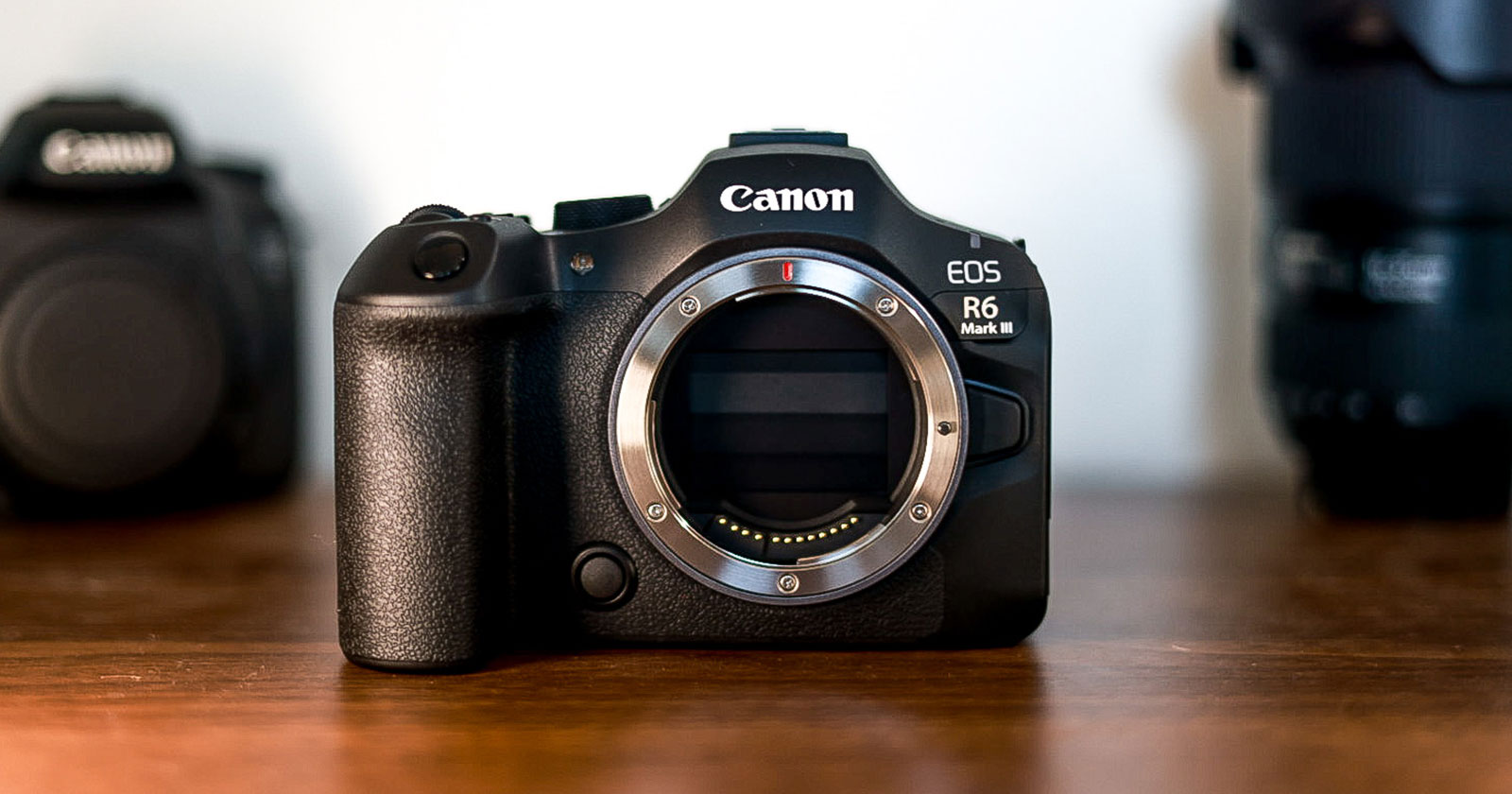
  • Canon EOS R6 Mark III (new $2900) – 7K RAW and a feature set which builds and improves on the old EOS R5 flagship, little not to like but RF mount lens range is more limited than others
  • Sony a7 V (new $2900) – 7K sensor readout, good quality oversampled 4K at up to 60fps, 4K/120p mode is 1.5x crop, much less rolling shutter than the predecessor cameras. Price is a little on high-side – sadly don’t expect used prices to come down for a while
  • Nikon Zr (new $2200) – REDCode / N-RAW for cheap with a wide ranging video spec sheet, it’s the little camera that can
  • Panasonic S1 II or S1R II (new $3200) – the S1 II is best in low light, the S1R II offers 8K open gate with a resolution advantage – excellent image quality but L-mount might put some off

New camera market image quality chart 2025

  1. Canon EOS R6 Mark III (7K, overall best internal RAW camera)
  2. Sony a1 II (best 8K image)
  3. Panasonic S1R II (best value for money full frame 8K camera)
  4. Panasonic S1 II (best low light camera)
  5. Nikon Zr (REDcode and same sensor as Z6 III)
  6. Nikon Z6 Mark III
  7. Panasonic S1 IIe (best value open gate camera)
  8. Sony a7v (capable, but slower sensor and worse rolling shutter)
  9. Sony FX2 (excellent image, but no better than cheaper a7 IV or a7c II)
  10. Leica SL3-S (value for money isn’t quite there)

Second hand used best-buys

  • Fujifilm GFX 100 (used $2000+) – People really don’t understand this camera. There’s no need to splash out on Fuji medium format glass – put Minolta MD lenses on there and shoot the IMAX look in 4K 10bit. It’s also one of the best built and best designed cameras of all time – head and shoulders above the smaller GFX 100S ergonomically
  • Sony a1 (used $3200) – The more the price of the 2021 flagship drops on the used market the more incredible it is. Here we are 5 years later and the image, performance and overall spec lacks for virtually nothing.
  • Canon EOS R5 (used $1900) – Best spec mirrorless camera on paper, under $2k – 8K RAW for how much?! Also consider – EOS R5C for 8K/60p, active cooling and longer recording times, minus IBIS
  • Panasonic S1H (used $1200) – Highly capable if you shoot Cinema 24fps – one of the only cameras with an anti-aliasing filter, one of the best 6K images you can get – the current used rate is a steal, and the ergonomics brilliant although heavy
  • Nikon Z8 (used $2800) – The best overall paper-spec for the money, there’s really very little it can’t do, if you’re a Z-mount user this is the one to get
  • Fuji X-H2 (used $1300) – The only camera remotely close to $1000 with 8K ProRes, and file-size shrinking variant ProRes LT is very welcome too, spectacular image quality
  • Sony a7 IV (used $1300) – Sony’s 2021 “basic model” offers FX2 level image quality for cheap, with great AF and wide ranging feature set for hybrid users

Bargains:

  • Panasonic S9 (used $900) – it’s practically an S1H, in a tiny small form factor, mega cheap – although some will miss the EVF and mechanical shutter of the S5 II, the image is excellent and real-time LUTs allow for some incredible colour science / colour processing in-camera
  • Sony a9 (used $1200) – the cheapest stacked sensor full frame camera with excellent rec.709 4K (NO S-LOG!)
  • Sony a7 III (used $900) – the best all-round full frame camera under $1k for most people
  • Nikon Z6 (used $700) – the best value for money 4K full frame camera for 24/30p without a crop

Used camera tiers (pre-2025)

Sigma Fp-L c-mount

S tier

  • Fujifilm GFX 100 ($2300) – 44x33mm sensor with no crop in 4K, excellent codec, colour science and image processing, stills quality beats all others
  • Panasonic S1H ($1100) – best value for money Netflix approved open gate full frame camera and excellent in low light
  • Fujifilm X-H2 ($1200) – best value for money 8K ProRes camera (APS-C)
  • Sigma Fp-L ($1300) – an excellent left-field choice for cinematic visuals, thanks to full frame 60mp sensor, pixel binned 4K at full frame but oversampling at 1.3x crop, uncompressed Cinema DNG 4K, superior sensor to original Fp
  • Canon EOS R5 ($2000) – excellent value for money, the video quality has not been significantly bettered by any of the 2025 cameras or EOS R5 II
  • Nikon Z8 ($2500) – wants for nothing
  • Sony FX3 ($3500) – used prices still high, a7s III with same sensor is a cheaper alternative
  • Sony a7 IV ($1200) – if speed isn’t a priority (i.e 4K/60/120) and you don’t mind higher rolling shutter than the newer cameras, the overall video quality and image quality is excellent and the price is a bargain

A tier

  • Fujifilm X-T5 ($1100) – excellent codec and 6K, but more limited vs X-H2
  • Olympus OM-1 ($900) – superb stabilisation, good 4K/60p and lovely handling
  • Nikon Z6 ($700) – still one of the best all-round 8bit 4K/24p full frame cameras after 7 years
  • Sony a7 III ($800) – image still holds up
  • Fujifilm X-T4 ($800) – excellent value, with very good low light 26mp sensor and superior video feature-set vs more expensive X-Pro3
  • Panasonic GH5S ($600) – the best Micro Four Thirds camera for low light shooting

B tier

  • Fujifilm X-T3 ($600) – still great 4K/60p 10bit but aging, X-T4 has IBIS
  • Panasonic GH5 ($500) – still a great image and feature-set, however lacks open gate / phase-detect AF and RealTime LUTs
  • Olympus E-M1X ($600) – a real dark horse, similar sensor to GH5, however has phase-detect AF, great 4K OM-LOG and outstandling stabilisation. A real bargain
  • Fuji X-H1 ($500) – outstanding value for money 4K camera with LOG and Fuji’s highly rated film simulations

C tier

  • Samsung NX1 ($500) – image still stands up but only 8bit and lacking modern features like LOG, LUTs and IBIS
  • 5D Mark III with Magic Lantern 3.5K RAW Video ($400) – with the hack, the Cinema DNG raw image is incredibly good, but it’s a very old DSLR
  • Blackmagic Pocket Cinema Camera OG ($400) – one of the best 1080p cameras and cheap

The post The 2025 Hybrid Mirrorless Camera Rankings appeared first on EOSHD.com - Filmmaking Gear and Camera Reviews.

SEM CENSURA | Daniel Becker, Vanessa Cavalieri, Mônica Donetto e Carolina Delboni

💾

Nesta terça-feira (23/12), a juíza da Vara da Infância e Juventude Vanessa Cavalieri, sobre como proteger crianças e adolescentes dos perigos que vivem nas redes sociais. O pediatra e ativista da infância Daniel Becker chega com um debate sobre os impactos da exposição excessiva às telas por crianças e adolescentes, assunto que ganhou destaque nas últimas semanas com o sucesso da série "Adolescência", da Netflix. Pegando gancho no tema “família”, Cissa Guimarães conversa com a psicanalista Mônica Donetto sobre pais superprotetores e como isso pode impactar a vida dos filhos. Completando o time de convidados a educadora e escritora, autora do livro "Desafios da Adolescência na Contemporaneidade", Carolina Delboni vem nos ajudar a desvendar quem é o adolescente nos tempos de hoje e sobre micro violência, além dos desafios dos pais na educação.

#SemCensura
Conheça a programação da sua TV Brasil: http://tvbrasil.ebc.com.br

Siga a TV Brasil nas redes sociais:
Instagram - https://www.instagram.com/tvbrasil
TikTok - https://www.tiktok.com/@tvbrasil
Kwai - https://www.kwai.com/@tvbrasil
BlueSky - https://bsky.app/profile/tvbrasil.ebc.com.br
Facebook - https://www.facebook.com/tvbrasil
Threads - https://www.threads.net/@tvbrasil
X - https://x.com/TVBrasil

SEM CENSURA | PENSADORES | Djamila Ribeiro, Mario Sergio Cortella e Renato Noguera

💾

Nesta segunda-feira (22/12), a filósofa e escritora Djamila Ribeiro fala sobre sua trajetória intelectual, a importância do pensamento antirracista no Brasil e o impacto internacional de seu livro “Lugar de Fala”, agora lançado em inglês sob o título Where We Stand. O filósofo Mario Sergio Cortella, traz o seu olhar sempre afiado sobre o comportamento humano e os dilemas do nosso tempo. E o filósofo Renato Noguera, pesquisador do Laboratório de Estudos Afro-Brasileiros e Indígenas, compartilha sua trajetória de vida, marcada pelo compromisso com a educação, a filosofia e os saberes afro-brasileiros.

O programa vai ao ar de segunda a sexta, das 16h às 18h, na TV Brasil e também pode ser acompanhado pelo YouTube e pelo app TV Brasil Play.

Conheça a programação da sua TV Brasil: http://tvbrasil.ebc.com.br

Siga a TV Brasil nas redes sociais:
Instagram - / tvbrasil
TikTok - / tvbrasil
Kwai - https://www.kwai.com/@tvbrasil
BlueSky - https://bsky.app/profile/tvbrasil.ebc...
Facebook - / tvbrasil
Threads - https://www.threads.net/@tvbrasil
X - https://x.com/TVBrasil

the ancient 300 year megadrought was probably not great.

💾

As the title suggests the 8.2ka event was a bummer for some.

0:00 giant floods
4:43 hunter gatherers
12:06 farmers


Sources:
https://www.nature.com/articles/s41559-021-01628-4
https://www.sciencedirect.com/science/article/abs/pii/S0033589406000949
https://www.cambridge.org/core/journals/quaternary-research/article/changes-in-climate-drove-vegetation-and-land-use-dynamics-at-the-onset-of-farming-in-europe/81E986413311CA845BD3E5DF35522C2C?utm_campaign=shareaholic&utm_medium=copy_link&utm_source=bookmark


Huge thanks to my generous patrons
https://www.patreon.com/stefanmilo

Watch my videos Ad free only on Nebula
https://go.nebula.tv/stefanmilo

Geheime Reichssache - Die Hitler-Attentäter des 20. Juli 1944 vor dem Volksgericht (2/2)

💾

Hier Teil 1 ansehen: https://youtu.be/tv4eCji3-pY

Die Prozesse gegen die Beteiligten und Mitwisser des Attentates auf Adolf Hitler am 20. Juli 1944 fanden vom 7. August 1944 bis in den März 1945 statt. An 9 Verhandlungstagen, zwischen dem 7. August und dem 20. Oktober 1944, wurde der Verlauf der Prozesse gefilmt. Ursprünglich für die Deutsche Wochenschau und Dokumentarfilme zusammengestellt, wurden die Aufnahmen von Reichspropagandaminister Goebbels zur "Geheimen Reichssache" erklärt. Goebbels erschienen das Auftreten und die Antworten der Verschwörer vor dem Volksgerichtshof für eine Veröffentlichung nicht geeignet, auch nicht die Verhandlungsführung und die entwürdigenden Äußerungen des Vorsitzenden des Volksgerichtshofes Dr. Roland Freisler, der die Angeklagten kaum zu Worte kommen ließ.
Es werden Ausschnitte des Films "Verräter vor dem Volksgericht" gezeigt, den Goebbels über den Prozess gegen die Beteiligten des Aufstands vom 20. Juli 1944 mit versteckten Kameras drehen ließ: Der Film sollte die Widerständler verächtlich machen, was aber nicht gelang, da alle tapfer zu ihren Taten standen. Daher wurde er im Dritten Reich auch nicht gezeigt, sondern als "Geheime Reichssache" behandelt.

Abonniere chronoshistory: http://goo.gl/IVGjVB

#berlin #geschichte #hitler #nationalsozialismus

Films of Ideas: My Dinner with Andre w/Lee Hall

The second episode in our live series from the Regent Street Cinema explores Louis Malle’s My Dinner with Andre (1981), in which two men discuss the meaning of theatre, capitalism, love, science, faith and freedom over a meal. David talks to playwright and screenwriter Lee Hall (Billy Elliot, Rocketman) about how a great film can be made out of a single conversation. Who was the real Andre? How scripted was the dialogue? Who won the argument? And why has this film had such an extraordinary afterlife?

Out tomorrow on PPF+: a bonus episode to accompany this series in which David and film historian Harrison Whitaker discuss the greatest Christmas film of ideas: Frank Capra’s It’s A Wonderful Life, which is much more than just a seasonal tearjerker. To get this and all our bonus episodes plus ad-free listening sign up to PPF+ now https://www.ppfideas.com/join-ppf-plus

If you are looking for last minute Christmas presents we have 6- and 12-month gift subscriptions to PPF+ giving access to all our bonus episodes, ad-free listening and automatic sign-up to our fortnightly newsletter – which can be delivered to the recipient of your choice on Christmas Day! ⁠https://ppf.supportingcast.fm/gifts⁠

Next time: Rosa Luxemburg w/Lea Ypi

Learn more about your ad choices. Visit podcastchoices.com/adchoices

💾

SEM CENSURA ESPECIAL CLUBE DA ESQUINA

💾

O #SemCensura Especial desta sexta (19/12) homenageia o Clube da Esquina, que mudou a música brasileira desde aquele encontro de amigos para tocar numa esquina de Belo Horizonte, no final dos anos 1960. E para relembrar essas histórias, que deram origem a um movimento que misturou jazz, rock, samba e muita poesia, Cissa Guimarães recebe o maestro, compositor, pianista e arranjador Wagner Tiso, além do cantor, compositor e guitarrista Toninho Horta. Na bancada ainda a jornalista Chris Fuscaldo, que lançou, junto com Márcio Borges, o livro “De tudo se faz canção – os 50 anos do Clube da Esquina” e tem muitas curiosidades para revelar aos telespectadores. Fechando a bancada, a jornalista Bia Aparecida, especializada em música, participa como debatedora deste dia repleto de boas histórias e músicas que marcaram gerações.

O programa vai ao ar de segunda a sexta, das 16h às 18h, na TV Brasil e também pode ser acompanhado pelo YouTube e pelo app TV Brasil Play.


Conheça a programação da sua TV Brasil: http://tvbrasil.ebc.com.br

Siga a TV Brasil nas redes sociais:
Instagram - / tvbrasil
TikTok - / tvbrasil
Kwai - https://www.kwai.com/@tvbrasil
BlueSky - https://bsky.app/profile/tvbrasil.ebc...
Facebook - / tvbrasil
Threads - https://www.threads.net/@tvbrasil
X - https://x.com/TVBrasil

The CHANGES LEVELLING UP Navigation in WordPress 7.0 - the roadmap REVEALED

💾

Navigation is one of the most important — and most frustrating — parts of building a WordPress site.

With the WordPress 7.0 roadmap now published, two major Navigation initiatives have been accepted that will level up how menus are designed, edited, and maintained in WordPress.

In this video, I walk you through what’s changing, why it matters, and show the real work already underway — including early prototypes and demos.

👨‍💻 I’m Dave Smith — full-time WordPress Core contributor. I help folks stay ahead of what’s coming to the Block Editor.

⸻

🔎 What You’ll Learn:
• The two Navigation initiatives planned for WordPress 7.0
• Why Navigation has remained a pain point for so many users
• How customisable mobile navigation overlays will work
• How simplified, content-only Navigation editing improves clarity and confidence
• What’s already been built — and what’s coming next

⸻

💬 What would YOU improve about Navigation in WordPress?
Drop your ideas in the comments — as a core contributor, I’ll make sure your feedback reaches the team.

⸻

🔗 Resource Links — please see PINNED COMMENT (below).

⸻

⏱ Timecodes
0:00 – Coming up…
0:38 – The 2 features on the roadmap
0:51 – Overview: Customisable Navigation Overlays
1:52 – Overview: Simple Navigation Editing
2:58 – Recap: Customisable Navigation Overlays
4:13 - Building Custom Overlays in the Editor
10:30 - Custom Overlay Template Parts
11:15 - Overlays on Front of Site
14:45 - What's Next for Custom Overlays?
17:21 – Recap: Simplified Navigation Editing
17:49 – Sidebar Functional Parity
22:22 – Link Creation Validation
25:59 – Fixing Broken Menus
28:16 - Feedback time!


⸻

Don’t forget to like, subscribe, and hit the notification bell for more behind-the-scenes WordPress updates 👇

Retrospectiva 2025 | Justiça e direitos humanos

Este é o primeiro episódio de férias do Pauta Pública, que durante quatro semanas irá relembrar os momentos mais marcantes da temporada de 2025. Neste episódio você confere as diferentes formações das milícias ao longo do tempo e entende  porque especialistas defendem que tecnologias de reconhecimento facial em redes de videomonitoramento, como o projeto Smart Sampa, reproduzem padrões racistas. Também vamos relembrar a operação policial nas comunidades da Penha e do Alemão ocorrida em 28 de outubro, que resultou numa chacina com dezenas de mortos. 

Para isso, o episódio reúne trechos das entrevistas realizadas com a jornalista Cecília Oliveira, durante o episódio Milícias: caneta na mão e bolso cheio; com o integrante da campanha Tire Meu Rosto da Sua Mira, Pedro Diogo Carvalho, durante o episódio o Reconhecimento Facial e Vigilância Racista; e das entrevistas com o sociólogo Daniel Hirata, no episódio Por que tanta gente apoia uma chacina? e com o cofundador do Instituto Raízes em Movimento, David Amen, no episódio A mobilização que desafia a violência, a favela pela favela.

Ouça agora e deixe sua opinião nos comentários.

Saiba que você pode ser aliado da Agência Pública e colaborar com esse trabalho. Saiba mais em apoie.apublica.org ou faça um pix de qualquer valor para contato@apublica.org.
Contamos com seu apoio!

💾

#177 O poeta jardineiro — Leonardo Fróes

Este episódio do 451 MHz homenageia o poeta, tradutor e ensaísta Leonardo Fróes (1941–2025), morto em novembro, com duas conversas gravadas n'A Feira do Livro 2025. Ao longo do programa, Fróes reflete sobre o impulso da escrita, a poesia como uma fraqueza necessária, sua trajetória como tradutor e ensaísta e a decisão de deixar a vida urbana para morar em um sítio no interior do Rio de Janeiro. O episódio ainda percorre sua relação com a natureza, tema central da coletânea Natureza: A Arte De Plantar (Cepe, 2021), e revisita a obra e o pensamento de um dos grandes nomes da literatura brasileira contemporânea.

Apoio: Lei Rouanet - Incentivo a Projetos Culturais.

Assine a Quatro Cinco Um por R$ 10/mês: https://bit.ly/Assine451

Seja um Ouvinte Entusiasta e apoie o 451 MHz: https://bit.ly/Assine451

💾

🔴 SEM CENSURA RECEBE DANIELA LIMA, ZECA VELOSO E ROMULO ARANTES NETO

💾

O #SemCensura desta quinta-feira (18/12), recebe a jornalista Daniela Lima, que revolucionou a forma de noticiar os bastidores da política na TV. Ex-GloboNews e atual âncora do portal UOL, Daniela vai comentar sobre os desafios da profissão e como concilia o trabalho com a vida pessoal. Na bancada também, o ator Romulo Arantes Neto, que vem se destacando na TV, no cinema e no streaming. Cissa Guimarães também bate um papo com o cantor e compositor Zeca Veloso sobre seu novo álbum “Boas Novas”. E para fazer aquela dobradinha de respeito com a nossa apresentadora, o jornalista e criador de conteúdo Muka participa como debatedor do dia.

O programa vai ao ar de segunda a sexta, das 16h às 18h, na TV Brasil e também pode ser acompanhado pelo Youtube e pelo app TVBrasil Play.

#SemCensura40anos #semcensura

Conheça a programação da sua TV Brasil: http://tvbrasil.ebc.com.br

Siga a TV Brasil nas redes sociais:
Instagram - / tvbrasil
TikTok - / tvbrasil
Kwai - https://www.kwai.com/@tvbrasil
BlueSky - https://bsky.app/profile/tvbrasil.ebc...
Facebook - / tvbrasil
Threads - https://www.threads.net/@tvbrasil
X - https://x.com/TVBrasil

Chris and Jordan select Sigma Bf, Fuji X-Half and Sony FX2 as worst cameras of the year, just goes to show that some people don’t have a single creative brain cell

If you’re wondering why the camera industry churns out so many homogeneous black cameras with the same specs and price, look no further than the reception the different ones get in the camera dweeb community.

We should all be encouraging the Japanese manufacturers to try different things and think outside the box.

Invariably these more ‘experimental’ cameras are more fun to shoot with.

Take for example the Fujifilm GFX 100, the original one. Yes the smaller and cheaper GFX 100S was more popular but the original broke the mould of what a medium format camera could do especially for cinema.

Take the Fujifilm X-Pro3 as well, another example of a special design that encourages a more creative approach to getting the shot.

Those weirdos who only own one camera probably wouldn’t brave it out with an GFX 100 and Leica M lens adapter. Manual focus isn’t for everyone, and the native GFX mount medium format lenses are slow, sterile and expensive. But the results I get with a cheap Minolta 50mm lens on the GFX 100 are 10x more artistic than the ‘default option’ of a high-end full frame mirrorless camera and brand new 24-70mm F2.8 that the average rich brat has just spent $6000+ on.

Granted the 3 cameras Chris and Jordan mention are not without issues. The Sigma Bf has an absolutely baffling UI when you first pick it up and some unsettlingly sharp edges. The Fuji X-Half has a rather soft JPEG-only output that you don’t want to pixel peep and a cheap lens that isn’t as fast (or even as sharp) as what you’d find on a smartphone costing the same price. But this camera is simply not about pixel peeping or specs.

The Sony FX2 meanwhile – I get it. It would have been nice if Sony had waited a year and put the newer sensor of the a7v in it. I know it’s neither an FX3 or an a7v and therefore appeals to nobody that are interested in the latter two, which is most people.

But the FX2 is criticised as if no camera has ever been followed-up by a faster one later. It’s completely normal, and the price of the FX2 reflects it as well.

You can quantify the specs all day long but with these cameras it’s the intangibles that matter. The X-Half is a pure creative tool to bring out the pleasure of shooting.

And that experience of walking the streets with it is made even more enjoyable by the fact it’s a trendy fashion item which brings out the pleasure of using it even more. I know it seems shallow to say, but you do look less like a dork with a camera that looks like a camera, rather than something that looks like a cross between a leaf blower and an office photocopier.

It’s the same with the Sigma Bf except that’s a full frame image quality powerhouse, one of the smallest full frame cameras, that in many ways is better than the $4800 Sony RX1R III but half the price and with the benefits of a choice of small primes rather than only one Zeiss 35mm F2 with dodgy AF that hasn’t been updated for 11 years.

And as for the Sony FX2, it doesn’t in fact have the same sensor as the a7 IV, but the newer a7c II and all the latest class leading AI and image processing that Sony is currently leading the market with, plus a pimped out video monitoring feature-set that the Sony Alpha cameras don’t have.

It’s cheaper than the FX3 yet has a proper EVF (it’s even articulating) which is rare for a cinema camera and unlike the Nikon Zr it has a proper mechanical shutter as well. That makes the FX2 completely unique and different to all the other hybrid cameras in that it’s a cinema-first design but doesn’t throw the baby out of the bathwater when it comes to key stills features like a lot of the other hybrid cinema cameras.

Yet the signals the average customer, and by extension the ultimate Canadian camera store salesmen are sending to Japan has me a bit worried.

The concept of a true stills-cinema hybrid camera has been rejected. The conclusion from the Sony FX2’s low sales is that nobody gives a damn about having a lovely EVF and mechanical shutter in a filmmaker focused camera. What a shame! For me, I really value that.

The idea of a film-compact shooting experience fairs far better with the general audience of camera buyers. The Fuji X-Half is not designed to replace your EOS R6 Mark III for sports and fucking bird photography. Worst camera of the year it is, then?

And the Sigma Bf is the affordable full frame alternative to a Contax T2, made in small quantities by a family owned business in Aizu, Japan.

I just don’t accept that you can throw so much shade so publicly at such creatively brave concepts as these.

Save the shade for the broadest shoulders, the boring mainstream cameras that you can’t tell one from another.

The post Chris and Jordan select Sigma Bf, Fuji X-Half and Sony FX2 as worst cameras of the year, just goes to show that some people don’t have a single creative brain cell appeared first on EOSHD.com - Filmmaking Gear and Camera Reviews.

Altogether Elsewhere

This week, Lily Herd heads for outer space in the company of a prodigious imagination; and Andrew Motion joins us with a wonderful new poem.


'Collected Stories' by Cixin Liu, translated by John Chu, Andy Dudak et al

'All that We See or Seem', by Ken Liu

'Snow', by Andrew Motion 


Produced by Charlotte Pardy


Hosted on Acast. See acast.com/privacy for more information.

💾

🔴 SEM CENSURA RECEBE MARIA CRISTINA CABRAL, ADRIANO CARNEIRO DE MENDONÇA E RUAN JULIET

💾

O #SemCensura desta quarta-feira (17/12), recebe a arquiteta Maria Cristina Cabral e ela vai nos contar sobre revitalização urbana, explicando como a arte e a cultura podem transformar bairros e cidades ao se revitalizar espaços, antes negligenciados. Um bom exemplo, é a Rua do Senado, no centro do Rio de Janeiro, que foi reconhecida recentemente como a rua mais cool do mundo a partir de intervenções culturais, como a do urbanista Adriano Carneiro de Mendonça, que abriu no local o restaurante Solar dos Abacaxis, dando nova vida a esta parte do bairro. Cissa também vai bater um papo bem descontraído com o criador de conteúdo Ruan Juliet. Cria da Rocinha – uma das favelas mais populosas do país – ele acaba de conquistar o Prêmio Inspira Rio 2025 ao abordar nas redes arquitetura popular, gírias locais e soluções criativas na rotina dos moradores. Fechando a bancada, a jornalista da TV Brasil, Marilia Arrigoni, participa como debatedora do dia.

O programa vai ao ar de segunda a sexta, das 16h às 18h, na TV Brasil e também pode ser acompanhado pelo Youtube e pelo app TVBrasil Play.

#SemCensura40anos #semcensura

Conheça a programação da sua TV Brasil: http://tvbrasil.ebc.com.br

Siga a TV Brasil nas redes sociais:
Instagram - / tvbrasil
TikTok - / tvbrasil
Kwai - https://www.kwai.com/@tvbrasil
BlueSky - https://bsky.app/profile/tvbrasil.ebc...
Facebook - / tvbrasil
Threads - https://www.threads.net/@tvbrasil
X - https://x.com/TVBrasil
❌