Login
LoginIndia has much to lose from a world in chaos
Not long ago, India was cocky about handling an unpredictable America. No longer

Em 2017, a Organização Mundial da Saúde declarou que a depressão é a maior causa de invalidez no mundo Atualmente mais de um bilhão de pessoas sofrem de algum transtorno mental ao redor do planeta. Uma em cada oito pessoas. Ou 12,5% da população mundial. Essa prevalência é maior entre crianças e adolescentes e varia de acordo com o país. Os brasileiros, por exemplo, parecem sofrer mais com os males da mente do que a média global.
O estudo mais recente produzido em âmbito nacional, sintomaticamente, não foi produzido pelo ministério da saúde, mas pelo ministério da previdência social. Afinal, pessoas com transtorno mentais costumam faltar ao trabalho. São menos produtivas.
A pesquisa mostra que em 2024, houve quase meio milhão de afastamentos por motivos relacionados à mente, sendo que ansiedade e depressão são os principais problemas. Esse número representa um aumento de quase 70% em dez anos.
Em paralelo, a gente tem um aumento vertiginoso na prescrição de drogas psicoativas. Segundo uma pesquisa feita pelo instituto de estudos para políticas de saúde, o IEPS, usando dados do Sistema Único de Saúde, a prescrição de drogas para tratar saúde mental aumentou 50% em uma década.
Diante disso, esse episódio tenta responder a uma pergunta inquietante: estamos vivendo uma epidemia de depressão, ansiedade, déficit de atenção e outros transtornos mentais; ou uma epidemia de drogas psicoativas receitadas com base em diagnósticos relapsos e apressados?

A conservative organization with decades of influence in California has quietly turned attention, and millions of dollars, to a national initiative of right-leaning news operations, records show.
The Lincoln Club was established in the early 1960s by a group of California business leaders. Since then, it’s been a quiet but formidable force in state and local politics, pushing right-leaning causes and candidates.
But in the past few years, an affiliated organization, the Lincoln Media Foundation, has massively increased its incoming revenue as it pushes online content with a conservative slant under the guise of local news in markets around the country.
According to Internal Revenue Service disclosures, the foundation had a little more than $400,000 in net revenue for the fiscal year ending in 2021, all of it from contributions.
By the fiscal year ending in 2024, the most recent disclosure available, that revenue had ballooned almost 10 times, to nearly $4 million.

In the same period, the Lincoln Club itself grew more modestly, not quite doubling its revenue to just over $3 million, according to records.
According to independent research and promotional material produced by the club’s media foundation, its money has gone toward creating a network of websites across the country, with the hopes of influencing the public and swaying voters in key states.
Many of the sites, first flagged by the researcher Max Read of the Institute for Strategic Dialogue, say they are locally organized, with names like The Angeleno and The Keystone Courier. CalMatters and The Markup recently explored another site linked to the organization, called the California Courier, using the same name as an unrelated Armenian newspaper. The Courier produces a steady stream of often unattributed articles about political controversies throughout the state and pays Facebook to promote those posts and videos on similar topics.
Critics say the group is attempting to influence the public with the veneer of local news that fails to offer clear disclosures about the messenger.
Kevin DeLuca, an assistant professor of political science at Yale University who has studied similar news sites, sometimes called “pink slime” news, told The Markup and CalMatters earlier this year that such sites may not be outright lying. Still, the sites often fall short of traditional journalistic standards, failing to properly attribute stories and funding, or heavily pulling and slanting press releases.
Jim Miller, a labor activist and co-author of a progressive history of San Diego, called the tactic “a menacing example of the use of stealth.”
“If you don’t think you can win an argument in a transparent debate publicly,” he said, “you try to disguise the messenger as much as you can.”
Neither the club nor the foundation responded to requests for comment or interviews with executives about its work.
The Lincoln Club of Orange County was established in the 1960s by wealthy local businessmen eager to spread pro-business Republican ideas locally and nationally. Those businessmen donated handsomely to sympathetic candidates and causes.
The club became a power player in Southern California politics when Republicans had more leverage in the Golden State. The group still boasts online of having counted among its ranks famous California political figures like Richard Nixon and John Wayne.
A 1972 article in The New York Times described it as a group “made up largely of millionaires” who “boast that, without their efforts and generosity, [Nixon] would not be occupying the White House today.” The Times article described the group as an organization with “many secrets” that shunned publicity but successfully influenced the political scene.
“I think they were very influential back in the ‘60s and ‘70s,” said Steve Earie, professor emeritus of political science at the University of California, San Diego.
By 1996, as the Los Angeles Times reported at the time, the group’s financial power had waned in the face of internal battles, but the club continued to wield influence.
The group, according to legal documents, partly funded the 2008 anti-Hillary Clinton documentary that became the subject of the landmark Citizens United Supreme Court decision that opened the door to unlimited spending by corporations and unions on elections.
In 2012, the group was described as the key architect of Proposition 32, a ballot measure that would have severely curtailed the power of unions in the state by limiting their ability to collect and spend funds for political purposes. The ballot measure ultimately failed.
Although its light may have dimmed from 50 years ago, the Lincoln Club still exerts influence in California politics.
“If you look on their website, they don’t start it talking about helping businesses, the quality of life,” Earie pointed out. “They talk about ‘preserving the American way of life.’ And that’s as much cultural as it is economic.”
Despite its old Republican roots, the group appears to have moved into a 21st-century online influence strategy with the Lincoln Media Foundation.
According to a promotional video, the foundation uses targeted web ads to broadcast its message where it can reach key voters in battleground states.
In one recent LinkedIn post accompanying a video explanation of its work, the group says it acts as a corrective to “material omissions, alternative sets of facts, and outright lies” by the media.
“Our country can’t stay free if we’re not informed with the truth,” the video reads, describing the group as a “megaphone” for “unbiased truth.” The video says it delivers that information through 27 publications in seven states, reaching millions through online advertising.
In reality, even the video is far from unbiased — a stream of germ-like images of “DEI” and “Russiagate” float by in front of the voiceover.
The launch of the foundation, and the disclosures showing it’s well-funded, suggest a new turn for the decades-old group, from one trying to influence politics through candidates to one willing to broadcast its message directly through online influence.
“Unfortunately, it’s a pretty good strategy,” Miller said.
Recently, headlines published by websites linked to the group have slammed everyone from Democratic school board officials in Orange County to Pennsylvania Gov. Josh Shapiro, while approving of President Trump’s foreign policy.
The accompanying stories are then pushed on social media platforms to what the video describes as the most influential two percent of voters in the country and as a key part of the group’s strategy.
Meta, Facebook’s parent company, has rules against “inauthentic activity” on its platforms, although a spokesperson for the company told The Markup and CalMatters that sites linked to the organization weren’t breaking those rules.
Lincoln Media Foundation isn’t alone in using the strategy to spread its views. Most famously, a right-leaning group called Metric Media has produced sites across the country pushing a right-wing message. As sites with murky attribution and sourcing practices proliferate, experts worry that artificial intelligence tools like ChatGPT could supercharge their tactics.
“It’s going to make these pink slime sites even harder for people to know that what they’re reading is not from a human source and not really local investigative journalism,” DeLuca says.
Even with its rapid growth, the Lincoln Media Foundation is only a slice of the hundreds of millions of dollars spent yearly on similar causes, according to a tally by some observers. Not all of those groups use the language of local news to spread their message.
The strategy works, the foundation’s video promises.
“It’s ad-delivered truth, inoculating lies, and preserving freedom from the inside out,” the video says.


A arte feminina de quebrar tudo

#116 – São Paulo, 9 de março de 2026
Especial Matrescência
Cansaço, pele pálida e cabelo oleoso
hortifruti.org
“Mãe é uma mulher que ficou louca”
(Miguel Sokol)
:: EDITORIAL ::
Está chegando às livrarias no dia 9 de março um verdadeiro tratado sobre esse assunto complicado que é procriar, parir e então se ver irremediavelmente transformada em um legume para o resto da vida.
O que muda aí é o tipo de legume.
(Mulheres transformadas em inhames, por exemplo, são relativamente sortudas.)
Mas me afastei um pouco do cerne da questão. Matrescência é um livro de não ficção escrito pela jornalista científica britânica Lucy Jones e traduzido por esta vossa humilde criada. Está sendo publicado pela editora Fósforo. É grande e ficou especialmente caprichado, sobretudo na parte bibliográfica e nas notas de rodapé.
Leiam, divulguem, emprestem e usem como peso para fixar a cola nos brinquedos.
Matrescência: Sobre a metamorfose da gravidez, do parto e da maternidade
Lucy Jones
Trad.: Vanessa Barbara
Editora Fósforo
384 páginas (!)
R$ 114,90

:: BABY JESUS ::
Lucy Jones, Matrescência
Essas ideias bizarras eram herança da teoria da “imaginação materna”, que prevaleceu entre os séculos XVI e XVIII. Os médicos acreditavam que as mulheres grávidas podiam transformar, com suas mentes, o feto em crescimento, e portanto os distúrbios congênitos eram culpa da mãe. Se ela se assustasse com um sapo, por exemplo, a criança poderia acabar com os pés palmados. Ou se ela passasse muito tempo olhando para uma imagem de Jesus, o bebê poderia nascer com uma barba.
:: ANESTESIA DE MORAES::
Lucy Jones, Matrescência
Quando James Young Simpson, professor de obstetrícia em Edinburgo e criador do modelo de fórceps utilizado até hoje, ofereceu essa opção a uma paciente chamada sra. Carstairs, ela ficou tão grata que batizou a filha de “Anestesia”.
:: PORÉM ::
Lucy Jones, Matrescência
Nem todos estavam satisfeitos com essas iniciativas para minimizar a dor das mulheres no parto. O apelo inicial de Simpson para empregar analgésicos “de acordo com todos os princípios da verdadeira humanidade”, em 1847, foi contestado por padres e médicos por razões religiosas e morais: em Gênesis, Deus amaldiçoa Eva por comer a maçã, e seu castigo é que o parto deveria doer – “Multiplicarei as dores de tuas gravidezes, na dor darás à luz filhos”. (O castigo de Adão era lidar com espinhos e cardos, o que me parece um pouco injusto.)
:: ENTES QUERIDOS IDOSOS ::
Lyz Lenz, Belabored
Dessa vez, eu me permiti comer mais do que nunca. Deixei meu corpo ditar sua relação com o mundo físico. Vi meu corpo se expandir, vi minha pele esticar. Muitas vezes sonhava que as pessoas vinham até mim e me ofereciam pratos de comida, seus animais de estimação, seus entes queridos idosos, e eu os enfiava delicadamente em minha boca.
[This time I let myself eat, like I never had before. I let my body dictate its relationship with the physical world. I saw myself expand, saw my skin stretch. I’d often dream that people came to me and offered me plates of food, their pets, their aging loved ones, and I’d gently draw them all into my mouth.]
:: PRIMEIRA MULHER EM MARTE ::
Abigail Tucker, Mom Genes
E, no entanto, como filha de uma mãe que, cerca de quatro décadas após meu nascimento, ainda me segue até os estábulos frios das ovelhas, e como mãe de uma filha que atualmente deseja ser a “primeira mulher em Marte”, mas também ter 22 filhos, tenho muitas perguntas sobre essa jornada feminina compartilhada e sobre os lugares aonde as mulheres vão sem saber.
[And yet, as the daughter of a mother who—some four decades after my birth—will still tail me into wintery sheep barns, and as the mother of a daughter who presently aims to be the “first girl on Mars” but also to have twenty-two children, I have many questions about this shared female journey, and the places that women unknowingly go.]
:: HIPNOPARTO ::
Lucy Jones, Matrescência
Em um dado momento, parecia que o bebê poderia rasgar o meu períneo, então rapidamente me moveram para outra posição. Nas horas seguintes, fui colocada em várias posições para aproveitar a força da gravidade: de quatro, em uma espécie de pose de cadeira, de joelhos e, por fim, deitada de lado com uma perna no ombro da parteira, porque, àquela altura, eu já não conseguia me sustentar. Estava no meu estado mais feral e primitivo. Queria queimar a indústria do hipnoparto até não sobrar mais nada.
:: A DOR ::
Olga Ravn, My Work
Mas a crença de que falar abertamente sobre a dor da maternidade prejudicaria a criança, e a própria mãe, é uma mentira. E eu não quero mais ter medo disso.
[But the belief that it would hurt the child, and the mother herself, to openly speak about the pain of motherhood is a lie. And I don’t want to be afraid of it any longer.]

:: AMAMENTAÇÃO ::
Lucy Jones, Matrescência
Baixei um livro, publicado pela La Leche League, chamado The Womanly Art of Breastfeeding [A arte feminina de amamentar]. A capa mostrava uma bela mulher de longos cabelos ruivos cacheados e soltos, envolta em um lençol branco. “Este livro irá me ensinar a arte feminina”, pensei. “Amamentar não te dá pontos extras. É apenas a forma normal de criar um bebê”, eu li.
:: ADENDO ::
Eu também li The Womanly Art of Breastfeeding inteirinho e não cheguei a entender grande coisa sobre a tal arte feminina.
:: PROFUNDO DESPREZO ::
Emily Van Duyne, Loving Sylvia Plath
Em seu testamento, Assia Wevill foi bem direta: “A Ted Hughes, o pai dela”, escreveu, “deixo minha ausência, sem dúvida bem-vinda, e meu profundo desprezo.”
[In her will, Assia Wevill made no bones: “To Ted Hughes, their father,” she wrote, “I leave my no doubt welcome absence and my bitter contempt.”]
:: PANÇA BALOUÇANTE ::
Lucy Jones, Matrescência
As reportagens nunca diziam: “Rowena ostenta seu abdome super rechonchudo apenas dois meses depois de dar à luz seu bebê”, ou: “Gia flexionou sua pança balouçante”, ou: “Ao sair de casa, Poppy fez questão de que todos olhassem para sua barriga flácida e cheia de estrias em um sutiã Balenciaga, exibindo sinais profundos de cansaço, a pele pálida e o cabelo perfeitamente oleoso”.
:: NEVOEIRO ::
Yvonne Perrin, The First Seven Years: A Record Book for Mother & Child
Ele […] deve dormir ao ar livre o dia todo, no inverno e no verão. A única condição climática realmente inadequada para o bebê é o nevoeiro.
:: EMOÇÕES DESCONTROLADAS ::
Lucy Jones, Matrescência
Publicado em 1894, The Care and Feeding of Children [Cuidado e alimentação infantis], do pediatra Luther Emmett Holt, foi um best-seller. “Nunca se deve brincar com bebês menores de seis meses; quanto menos isso acontecer, em qualquer época, melhor para eles”, escreveu. Outras regras incluíam não sair de casa com o bebê pelos primeiros três meses, assim como um aviso de que “emoções descontroladas, tristeza, excitação, medo e paixão podem fazer o leite cair mal à criança”.
:: GRAVIDEZ ::
Abigail Tucker, Mom Genes
Durante a gravidez, todo o nosso corpo passa por mudanças. Nossas pintas podem escurecer e nossa voz pode ficar mais grave (como aconteceu com Kristen Bell grávida durante as gravações de Frozen — parece que a famosa trilha sonora poderia ter sido ainda mais estridente em alguns trechos). Nossos narizes alargam, nossos arcos plantares se achatam e nossas unhas dos pés caem. Nosso cabelo pode mudar de cor ou ficar cacheado. Podemos arrotar como se tivéssemos engolido uma bomba-relógio. Nosso fígado pode liberar bile, provocando uma coceira insuportável. E nos tornamos comprovadamente mais apetitosas para os mosquitos devido ao aumento da temperatura corporal e da produção de dióxido de carbono.
[In pregnancy our entire physical selves are in flux. Our moles may darken, our voices drop an octave (as a pregnant Kristen Bell’s did while recording Frozen—it seems that the notorious soundtrack could have been still shriller in places). Our noses widen, our arches flatten, and our toenails fall off. Our hair can change color or gain curl. We may burp as if we’ve swallowed a bomb cyclone. Our livers may leak bile, causing us to itch like the dickens. And we become demonstrably more delicious to mosquitoes because of our increased body temperature and carbon dioxide output.]
:: ULTRASSÔNICO ::
Abigail Tucker, Mom Genes
Um estudo com roedores revelou que as mães ratas precisam guinchar de modo ultrassônico para que os pais ajudem a cuidar dos filhotes.
[A rodent study revealed that mice moms must ultrasonically squeak at mice dads in order to get them to pitch in with childcare.)]

>>>>
Se você gosta de A Hortaliça, encaminhe esta edição para um amigo leitor. Hoje temos 26 aguerridos assinantes e uma dúzia de doadores esporádicos que ajudam a manter essa feira livre. Se também quiser colaborar, há um botão de assinatura logo abaixo.
Os links dos livros são afiliados da Amazon e nos ajudam a recarregar o Bilhete Único.
“Para ser lido na maldita hora da noite em que tudo é engraçado – logo após a hora em que nada faz sentido e antes daquela em que tudo faz sentido” (Stephanie A.)
::: hortifruti.org :::
Pequeno aviso legal: A Hortaliça será distribuída gratuitamente através desta plataforma. Não iremos produzir conteúdo fechado para assinantes por acreditar no livre acesso à informação, arte e cultura. A tarifa zero é bancada por leitores, leitoras e leitões que têm condições (e vontade) de colaborar. Quem quiser ajudar pode escolher um plano de assinatura ou depositar moedas de ouro aleatórias na chave pix: vmbarbara@yahoo.com. Vamos apoiar o jornalismo independente, a literatura de guerrilha e a bobice semiprofissional.
O post A Hortaliça – #116 apareceu primeiro em Seleta de Legumes.


Here is our full conversation with Francis Spufford, he joined us to talk about his new novel, Nonesuch.
Produced by Charlotte Pardy
Hosted on Acast. See acast.com/privacy for more information.
In the fourth and final conversation in this series David talks to Luke Kemp, author of Goliath’s Curse, about where we might be heading. Where does the greatest risk of global collapse lie? Who is ultimately responsible for our fate? What makes states and corporations the agents of doom? How can we humans fight back?
Out tomorrow on PPF+: a bonus episode to accompany this series in which David and Luke talk about how individual experience shapes the way we imagine humanity’s fate and can motivate us to do something about it: the personal and the political. To get this and all our bonus episodes plus ad-free listening sign up to PPF+ now https://www.ppfideas.com/join-ppf-plus
Join us this Wednesday 11th March for a joint LRB/PPF event: The Slow Death of Democracy, with Lyse Doucet, Christopher Clark and Thant Myint-U. Lyse Doucet will be discussing what she saw when she was in Iran for the BBC last month and what the war means for the prospects of democracy there and everywhere else. Tickets are available now https://www.tickettailor.com/events/londonreviewofbooks/2062789
You can find out everything you need to know about this podcast – who we are, what we do, plus merch, events and full lists of all episodes and PPF+ bonus episodes on our website https://www.ppfideas.com
Luke Kemp’s Goliath’s Curse: The History and Future of Societal Collapse is available now https://bit.ly/4aFczds
Next Time: Now & Then with Robert Saunders – Churchill’s ‘Iron Curtain’ speech @80
Learn more about your ad choices. Visit podcastchoices.com/adchoices

“Não é nenhum Winston Churchill”, disse Donald Trump na última terça-feira, 3, referindo-se ao primeiro-ministro do Reino Unido, Keir Starmer; Trump reclamando de Starmer por o Reino Unido não ter ajudado os EUA no ataque ao Irã. Isso está em todos os jornais.
Já isto aqui, a seguir, está no livro “Todos os homens do xá”, do jornalista estadunidense Stephen Kinzer. Trata-se do agente da CIA Kermit Roosevelt, neto de Theodore Roosevelt — 26º presidente dos EUA —, mal contendo a emoção ao entrar em território iraniano por um remoto entroncamento, em julho de 1953, para chefiar em campo a Operação Ajax — a operação da CIA e do MI5 para derrubar o primeiro-ministro Mohamed Mossadegh.
“Lembrei-me do que meu pai escreveu sobre sua chegada à África com o seu próprio pai, T. R., em 1909, na viagem do African Game Trials. ‘Era uma grande aventura, e o mundo inteiro era novo!’ Eu me senti como ele deve ter se sentido naquele momento. Na subida da montanha, todo o meu corpo formigava de excitação, minha felicidade era total… Em 19 de julho de 1953, nos deparamos com um funcionário singularmente negligente, além de bronco e semi-analfabeto, do serviço de alfândega e imigração em Khanequin. Naquele tempo os passaportes americanos traziam, ao contrário de agora, uma curta descrição de algum traço notável do seu portador. Incentivado e ajudado por mim, o guarda copiou escrupulosamente o meu nome como ‘Mr. Scar on Right Forehead’, o que me pareceu um bom presságio.”
Eleito democraticamente em 1951, Mossadegh, ato contínuo, expulsou do Irã a Anglo-Iranian Oil Company, libertando seu país da submissão ao poder estrangeiro, para alegria do povo iraniano e suscitando a fúria do Império Britânico. No que, conforme Kinzer, “o primeiro-ministro Churchill, produto exemplar da tradição imperial, não hesitou em decidir pelo golpe”.
O 34º presidente do USA, Dwight Eisenhower, produto exemplar da Guerra Fria, tampouco titubeou quando foi procurado pelo Reino Unido para ajudar a derrubar Mossadegh, encagaçado diante do cenário pintado pelos britânicos de que o Irã poderia virar uma “segunda China”.
Daí para o neto de “T. R.” subir uma montanha persa formigando de excitação, foi um pulo.
Setenta e três anos atrás, o governo democrático de Mohamed Mossadegh no Irã foi derrubado pelos EUA e pelo Reino Unido e, em seu lugar, a Casa Branca e Downing Street, Langley e a Thames House instalaram a longa ditadura do xá Mohamed Reza, que por sua vez desaguou na teocracia dos aiatolás.
E aqui estamos, com a Operação Fúria Épica, desencadeada por Trump e Netanyahu contra o Irã-produto da Operação Ajax. Para o povo iraniano, desgraça pouca é bobagem. Sete décadas — e contando — de sabotagem a uma grande civilização pelas potências capitalistas são o resumo dessa história.

AerynOS has dropped its latest project update. This February release brings a wave of refinements to the Linux distribution, sharpening its edges for smoother daily use. AerynOS is a modern, independent Linux operating system built from scratch – not based on Ubuntu, Fedora, or any other distro. It focuses on delivering blazing-fast performance, rock-solid reliability,...
The post AerynOS February 2026 Update Brings Fresh Features appeared first on DebugPoint.com. Do not reproduce this post without permission.

California community college districts are spending millions of dollars on artificial intelligence-powered chatbots intended to help students navigate admissions, financial aid and campus services.
However, they struggle to consistently provide clear and accurate answers, leaving students frustrated and seeking help from others on unofficial social media channels.
In testing by The Markup and CalMatters, they often answered general questions correctly but struggled with more specific ones. East Los Angeles College’s bot couldn’t even correctly name its own president.
Contracts for these chatbots can be pricey and last for years. Three community college districts that responded to a Markup and CalMatters survey reported annual costs ranging from about $151,000 to nearly half a million dollars. At the Los Angeles Community College District, the state’s largest community college system, contracts and amendments approved since 2021 total about $3.8 million through 2029, according to district board documents.
Community college districts that responded to The Markup and CalMatters have contracted with chatbot platforms such as Gravyty and Gecko, which district officials say handle thousands of conversations each month, many outside regular office hours, helping to reduce calls and save students unnecessary trips to campus.
Some of these chatbot platforms rely on manually maintained libraries of frequently asked questions and campus websites to answer questions, which can lead to errors when information is outdated or questions fall outside the system’s database.
However, officials are working to improve them. Districts like the Santa Monica Community College District have moved to ChatGPT-integrated AI systems that scrape the college’s website to generate answers, which officials say seem more reliable. In the Los Angeles district, officials say they plan to transition to a new AI chatbot platform as early as late spring.
Improvements to the chatbot couldn’t come soon enough for students like Pablo Aguirre, a computer science major at East Los Angeles College and an information technology intern at the Los Angeles college district office.
Aguirre mostly avoids the chatbot himself because, he said, it might provide unreliable or outdated information. He recalled using the bot to find financial aid information, but said he gave up after it kept asking him questions instead of giving him a clear answer.
“I just didn’t find it as useful,” Aguirre said. He usually turns to Google, social media platforms like Reddit and the college’s website when looking for answers.
“Online, some pages don’t work,” Aguirre said, recalling a 404 error message on the college’s website. Even when pages load, he said, it can be difficult to find the right one, such as when he was trying to figure out where to sign up for Extended Opportunity Programs and Services, a state-funded program that supports disadvantaged students. “That’s where I just jump on Reddit,” he said.

Aguirre’s experience isn’t unique. Reanna Carlson, a commercial music major at Fresno City College and student government vice president, said her college’s chatbot, dubbed Sam the Ram after its mascot, repeatedly gave her unclear or incorrect answers to basic questions about campus services. Her district, the State Center Community College District, has a nearly $870,000, three-year contract for Gravyty, formerly Ocelot, through June 20, 2026, according to district board documents. Officials pointed out that the contract comes with other services, including tools that let staff engage in live chats or send text messages to students.
“I think the chatbot is outdated and can’t navigate the services we provide on campus effectively,” Carlson said. “I don’t think it’s the most beneficial option when it comes to asking questions.”
Oddly, Carlson got accurate information on the availability of free food at her campus’ Ram Pantry only when accidentally adding a typo to her query. Repeated Markup and CalMatters testing confirmed the same outcome, though the bot sometimes lists links that include the food pantry after clicking an adjacent “sources” button.
“If it weren’t for the amazing staff on campus that constantly remind students of our services, I’d be lost,” Carlson said.
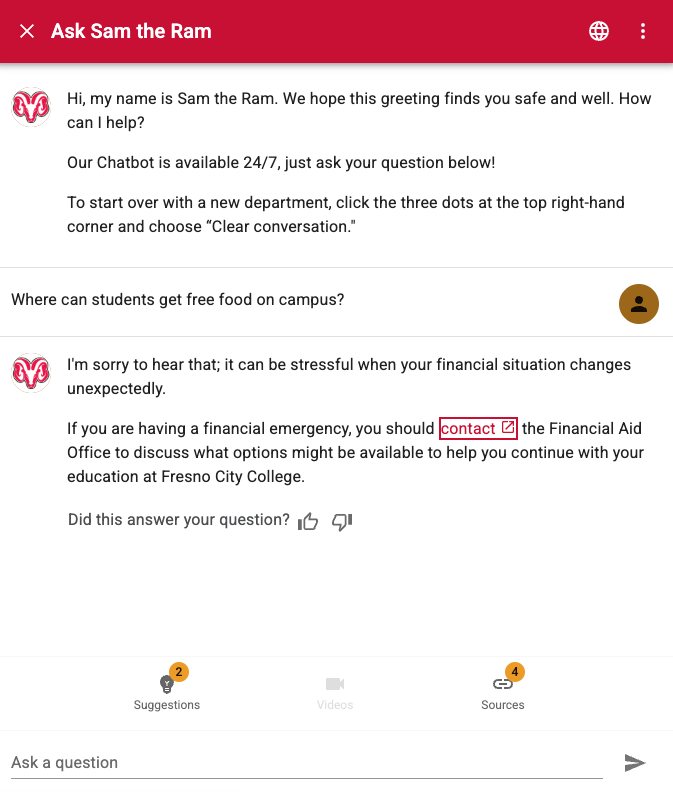
When The Markup and CalMatters tested community college chatbots, they generally returned quick, accurate responses to common questions but were less consistent with more specific ones.
For example, when asked, “Who is the current president of ELAC?” East Los Angeles College’s chatbot incorrectly named Alberto Román, who left the position last year to become the district’s chancellor. In another test, when asked, “What is the financial aid office’s current schedule?” the bot provided incorrect hours and dates.
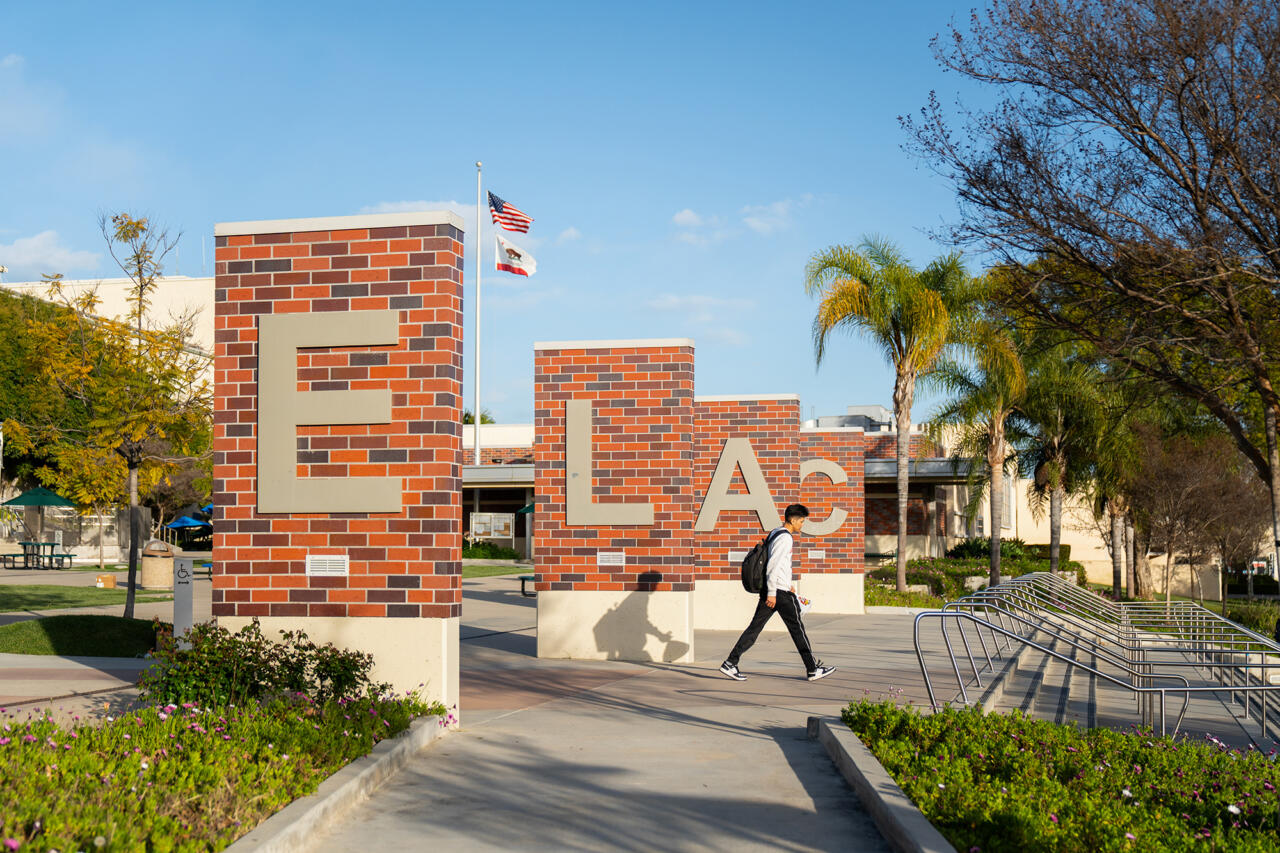
East Los Angeles College’s chatbot claims to support several languages, including English, Spanish, Chinese and Vietnamese. But The Markup and CalMatters found inconsistencies when asking it in Spanish, “Do I need a Social Security number to enroll?” Instead of answering the question, the system directed users to visit the registrar’s office to update their Social Security number. When asked the same question in English, the bot pivoted to discussing financial aid.
Fresno City College’s chatbot, powered by the same AI provider as East Los Angeles College’s system, Gravyty, showed similar problems when asked whether a Social Security number is required to enroll. It also often failed to direct students to the correct offices and, in some cases, listed incorrect locations and hours.
Concerns with chatbots have surfaced elsewhere. In New York City, reporting by The Markup and THE CITY found that a city-run AI chatbot provided guidance that could lead to illegal behavior, prompting Mayor Zohran Mamdani to terminate it in February.
Santa Monica College’s chatbot, powered by Gecko, was more successful in answering most questions. The single-college district uses a ChatGPT-integrated chatbot that scans the college’s website, which staff regularly update and monitor. The district has contracted with Gecko since 2019 and renewed its annual contract for the tool late last year for $57,000, according to district board documents. It initially showed a major hiccup: when asked about mental health counseling, the bot did not mention the campus’ Center for Wellness and Wellbeing. It does now.
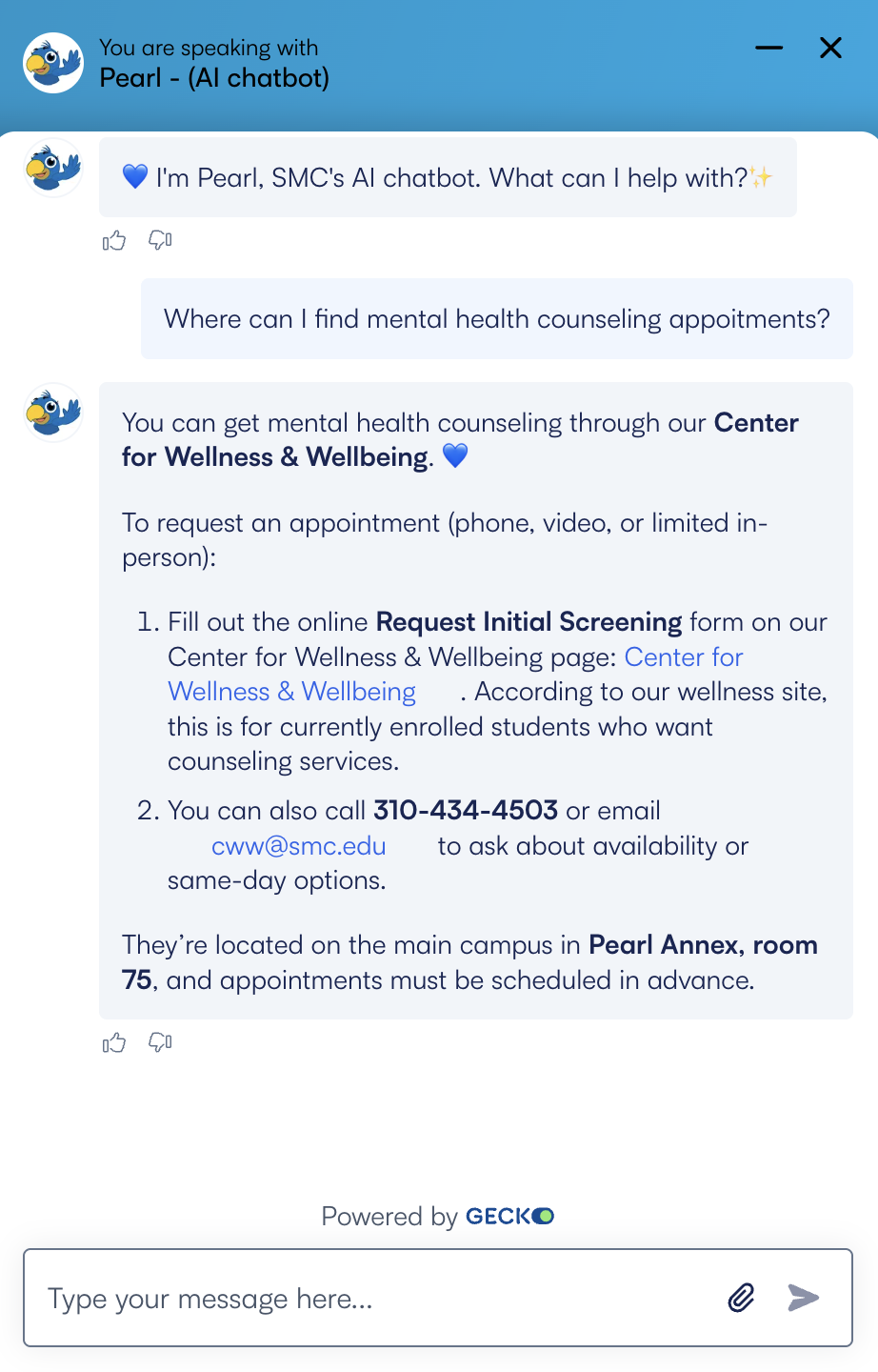
District officials say chatbots’ problems stem from how the tools are configured and the information they draw from, rather than the technology itself.
The Los Angeles district originally adopted its chatbot through Ocelot, which later merged with Gravyty The same chatbot platform is also used on the California Student Aid Commission website.
Betsy Regalado, one of the district’s associate vice chancellors, said the current system relies on a manually maintained library of frequently asked questions that staff at each of the district’s nine colleges help maintain and review at least once or twice a year for accuracy. She added that chatbots are primarily geared for the public rather than enrolled students, who can access more detailed personal information through their campus portal.
“The current chatbot that we have uses a library of questions. If you don’t have that question in that library, then those poor people don’t get an answer or they won’t get an accurate answer,” Regalado said.
She said the district plans to transition all nine colleges to Gravyty’s platform as early as late spring at no additional cost under its existing contract, which runs through 2029. The new system will use AI to scrape college and external websites to generate responses.
“We’re ready for the modernization of (the chatbot) and the change to generative AI. That is the new world out there,” Regalado said.

Santa Monica College’s chatbot similarly initially relied on a manually loaded library of common questions and answers before transitioning to its fully AI system, according to Esau Tovar, the college’s dean of enrollment services. In an email, he said the bot “was never designed to address all aspects of the student journey,” but to answer general questions from students.
Tovar said the bot draws responses from the college’s website, meaning accuracy depends on how current and complete that information is. As a result, the college prioritizes keeping its website up to date so the bot provides “good answers with fewer errors” rather than “great answers with potentially more errors.”
Acknowledging limitations, community college districts justify the costs by pointing to heavy student use, which would cost significantly more if performed by call center staff around the clock.
Regalado said the Los Angeles district colleges average 5,000 to 7,000 interactions per month. Other districts reported similar monthly use, including 5,000 interactions at the State Center Community College District, which includes campuses in Fresno and nearby counties, and 4,000 conversations at Santa Monica College. Regalado said that as long as the chatbot remains heavily used, her district would continue to support it.
Tovar said the chatbot provides 24-hour support regardless of time zone or location, which he said is helpful for international students when they are out of the country. He said that answering the tens of thousands of questions the chatbots receive around the clock would cost significantly more if handled by staff.
“Every technology has a cost. We would simply not be able to assist all students if they could only reach us using traditional methods,” Tovar said.
But high usage and expanded access do not always translate into trust, especially when students need precise answers to delicate topics.
Bryan Hartanto, a civil engineering major at Santa Monica College from Indonesia, said the college’s newer chatbot system is smoother and can be a useful starting point, especially for students more comfortable communicating in languages other than English. But as an international student he worries that following inaccurate guidance could jeopardize his visa status.
“Maintaining status as an international student right now is very, very sensitive,” Hartanto said. “I would still rely on human or email communication.”
Martin Romero is a contributor with the College Journalism Network, a collaboration between CalMatters and student journalists from across California. CalMatters higher education coverage is supported by a grant from the College Futures Foundation.



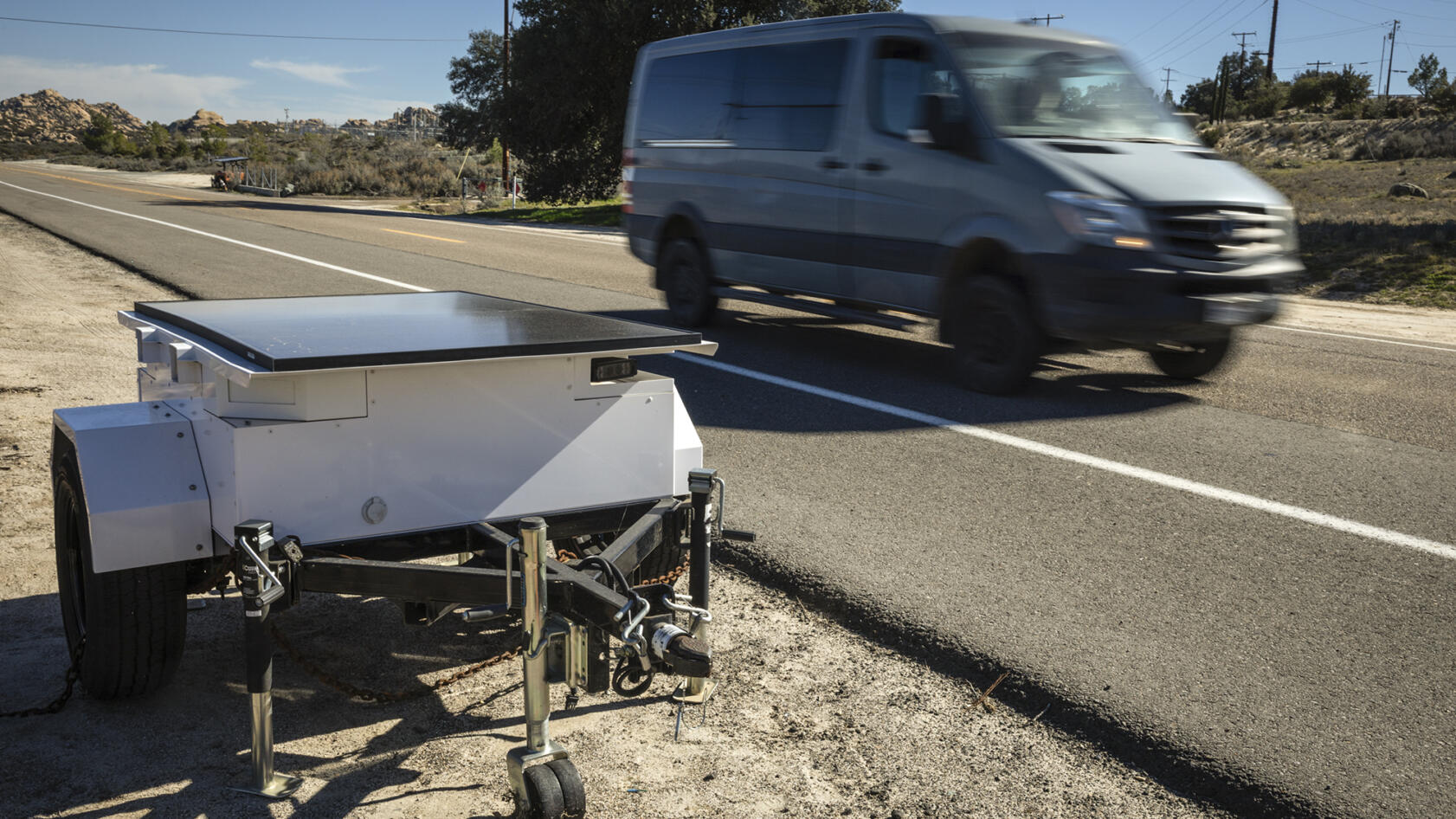
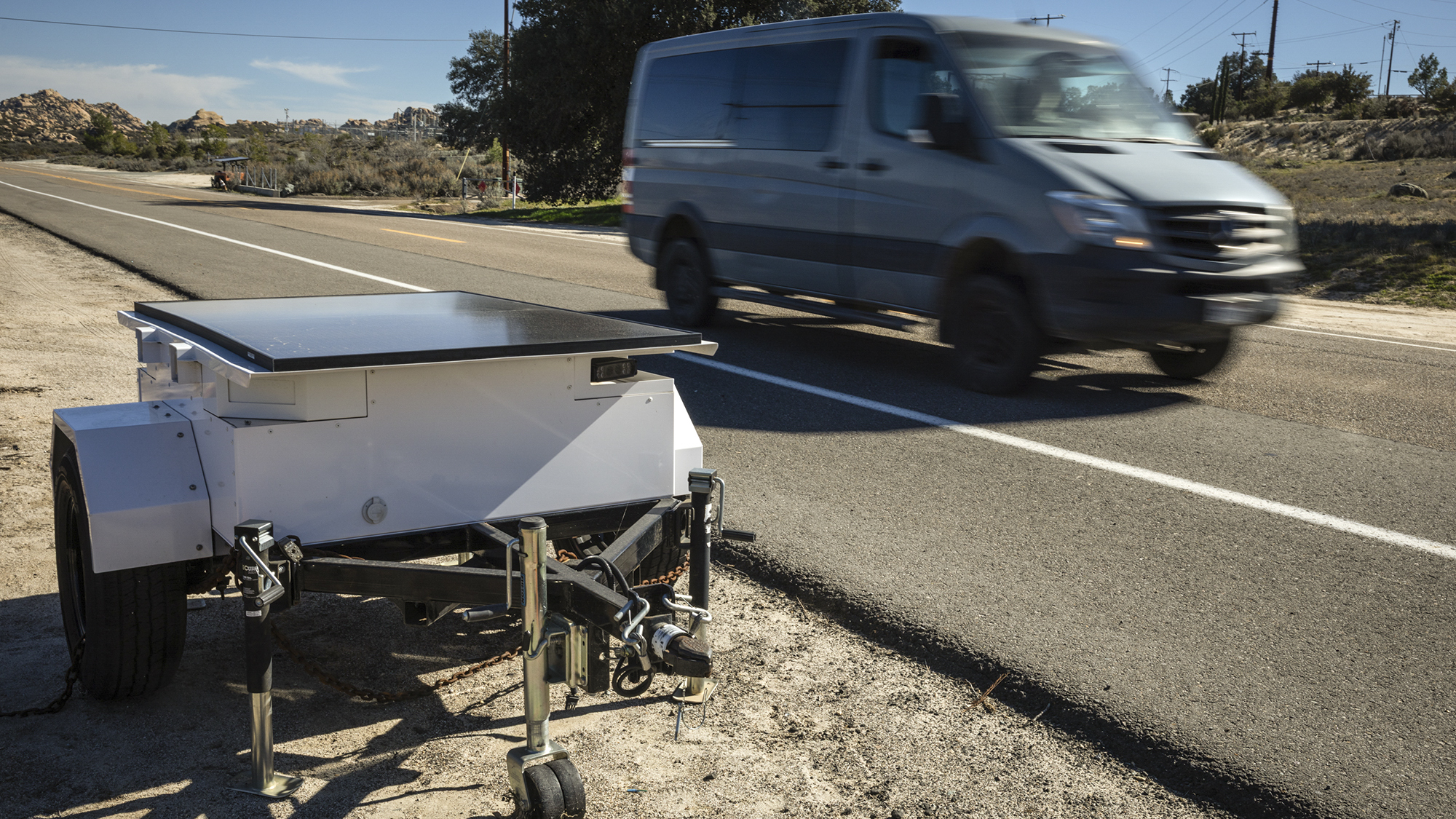
On a cracked two-lane road on the eastern edge of San Diego County, James Cordero eased his Jeep onto the shoulder after something caught his eye. It looked like an abandoned trailer. Inside he found a hidden camera feeding a vast surveillance network that logs the license plate of every driver passing through this stretch of remote backcountry between San Diego and the Arizona state line.
Cordero, 44, has found dozens of these cameras hidden in trailers and construction barrels on border roads around San Diego and Imperial counties: one on Old Highway 80 near Jacumba Hot Springs; another outside the Golden Acorn Casino in Campo; another along Interstate 8 toward In-Ko-Pah Gorge.
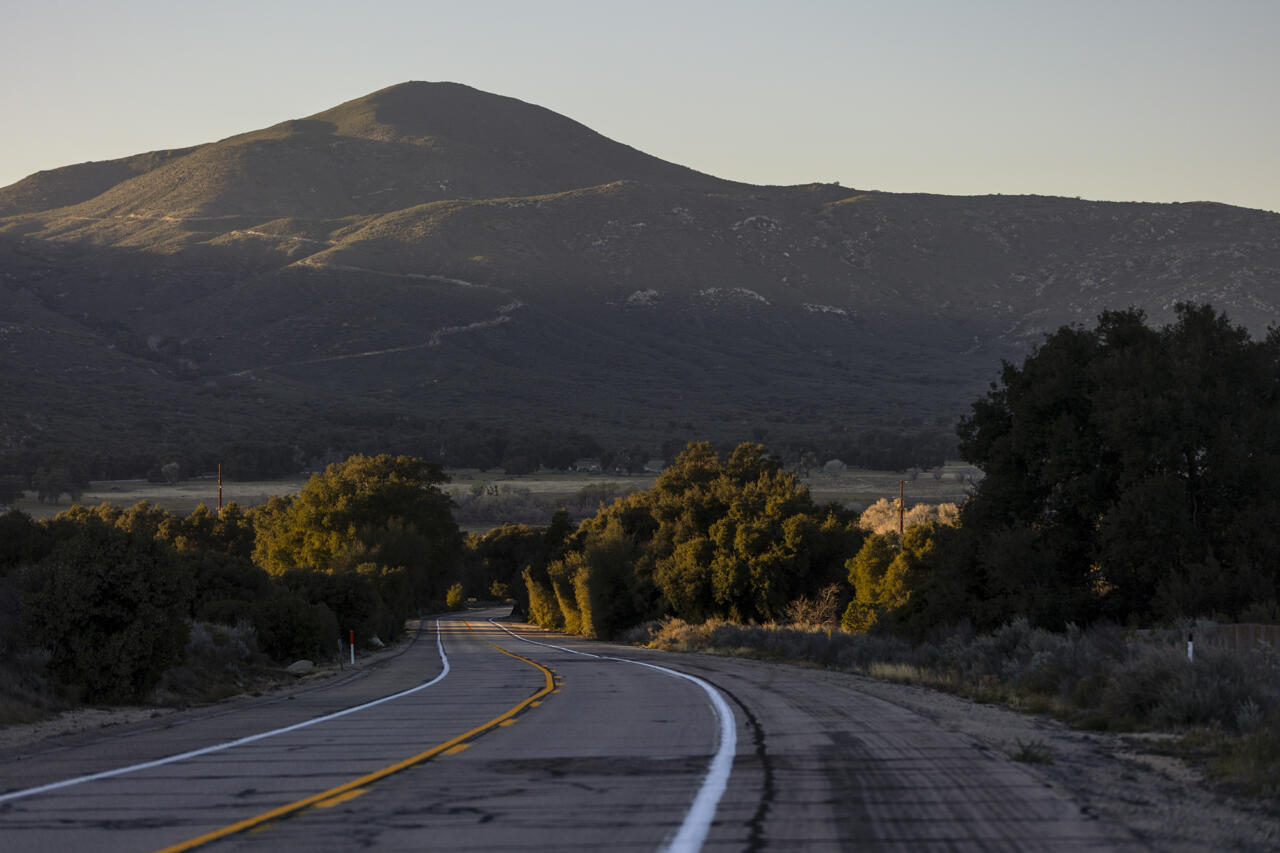
They started showing up after California granted permits to the Border Patrol and other federal agencies to place license plate readers on state highways in the last months of the Biden administration. Now as many as 40 are feeding information into Trump administration databases as the Democratic-led state chafes over the federal government’s massive deportation program.
The cameras are raising concerns with privacy experts, civil liberties advocates and humanitarian aid workers who say California should not be supporting the surveillance and data-collection program, which they view as an unwarranted government intrusion into the lives of Americans who’ve committed no crime. Moreover, they say the program conflicts with state law.
Supporters say the devices allow law enforcement to quickly identify and locate people they suspect of serious crimes. They also argue the cameras help agencies spot patterns in drug and human trafficking, and could be used to help locate missing persons, such as children or other vulnerable people.
“If you’re not doing anything illegal, why worry about it?” said long-time Jacumba resident Allen Stanks, 70.
“Everyone is talking about privacy, OK. Stop putting everything on Facebook. ‘Here’s a picture of my food.’ Who cares?” said Stanks.
Some locals, however, suspect the cameras are behind some unusual encounters they’ve had in recent months with officers from Border Patrol and its parent agency, Customs and Border Protection. In one case agents questioned a grandmother – a lawful permanent resident – about why she went to a casino, according to her grandson.
Cordero has a different concern. On his days off, he leads volunteers into the far reaches of the county, leaving water, food and clothing for migrants. He fears his colleagues could be detained by agents.
“I’m not so much worried about myself, but I’m worried about a lot of our volunteers that come out,” said Cordero. “I don’t want them to have to deal with any of the nonsense of being tracked or being pulled over and questioned.”
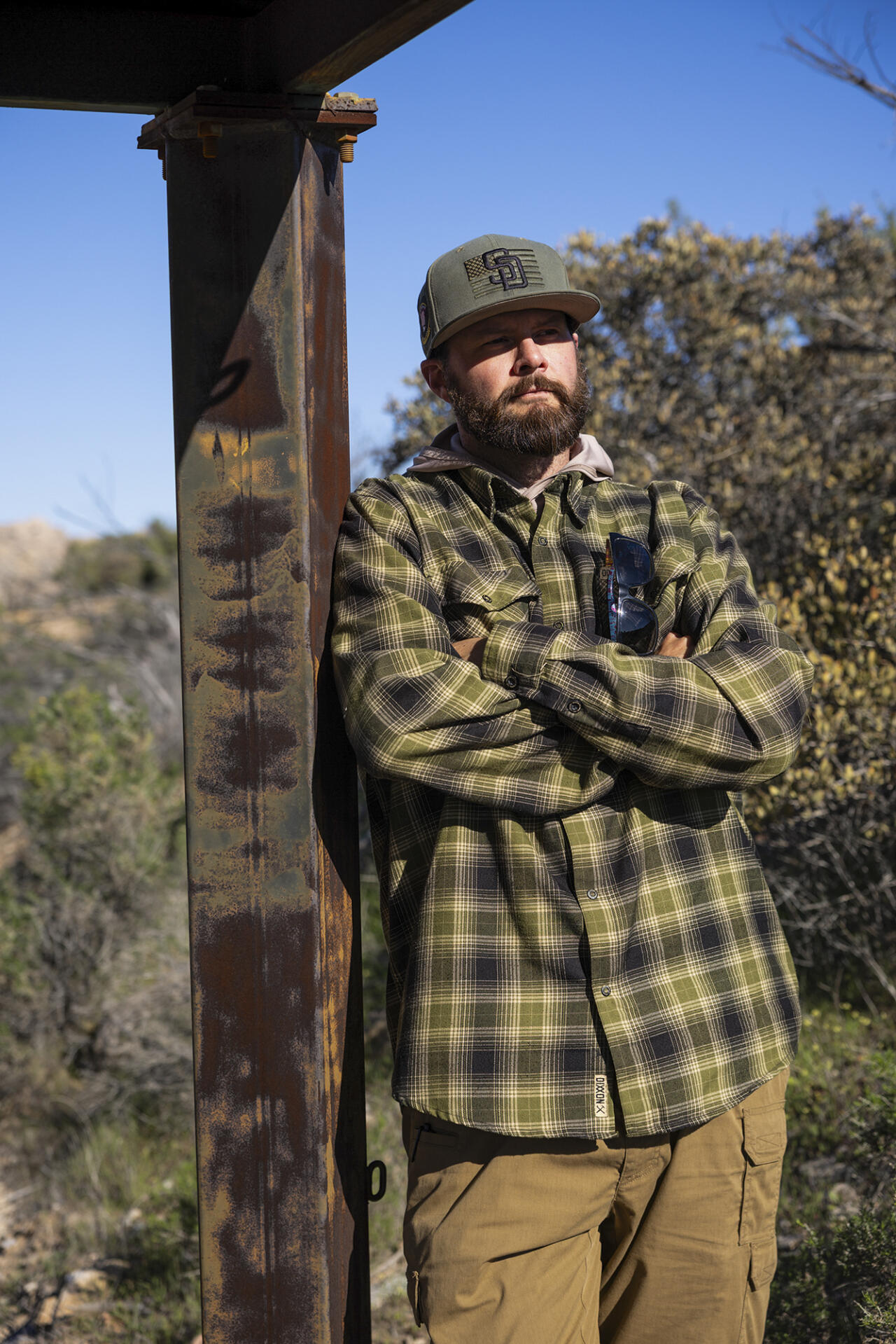
He has good reason to be nervous. During the first Trump administration, federal officials prosecuted volunteers from the humanitarian group “No More Deaths” for leaving water and supplies for migrants in the Arizona desert. The volunteers faced charges, including “abandonment of property” and felony harboring, though the convictions for some were later overturned.
Border Patrol provides little information about its use of license plate readers on its website. In 2020, the Department of Homeland Security issued a report that describes the technology in general, but doesn’t specify where it’s being used. The Markup and CalMatters reached out to Border Patrol and Homeland Security officials for comment, but did not receive a response.
“There’s no transparency, that’s the worst part,” Cordero said.
The Homeland Security report says some readers are capturing license plate numbers, as well as the make and model of the vehicle, the state the vehicle is registered in, the camera owner and type, the GPS coordinates for where the image was taken, and the date and time of the capture.
The “technology may also capture (within the image) the environment surrounding a vehicle, which may include drivers and passengers,” the report states. It also says feds can access license plate readers operated by commercial vendors.
Earlier this month, the Electronic Frontier Foundation and a coalition of 30 organizations sent a letter to Gov. Gavin Newsom and the California Department of Transportation urging them to revoke state permits and remove the covert readers operated by federal agencies like Customs and Border Protection and the Drug Enforcement Agency along California border highways.
The San Francisco-based privacy and civil rights advocacy organization, also known as EFF, mapped out more than 40 hidden license plate readers in Southern California, most of them along border roadways. It contends the devices bypass a 2016 state law that spells out how law enforcement agencies can use automated license plate readers, which are often referred to as ALPRs.
“By allowing Border Patrol and the DEA to put license plate readers along the border, they’re essentially bypassing the protections under (California law),” said Dave Maass, the director of investigations for EFF. “That is a backdoor around it.”
Maass said he believes Cordero’s concerns about the agency surveilling humanitarian volunteers may be valid.
“They claim they might be looking for smugglers or they might be looking for cartel members, but that’s not who they’re collecting data on,” said Maass. “(The program) is primarily collecting data on people who live in the region.
Maass said there’s no way to be certain which agency is installing each camera, but his organization checked with all other agencies operating in the area, such as the San Diego and Imperial sheriff’s departments, the California Highway Patrol, and Cal Fire, among others.


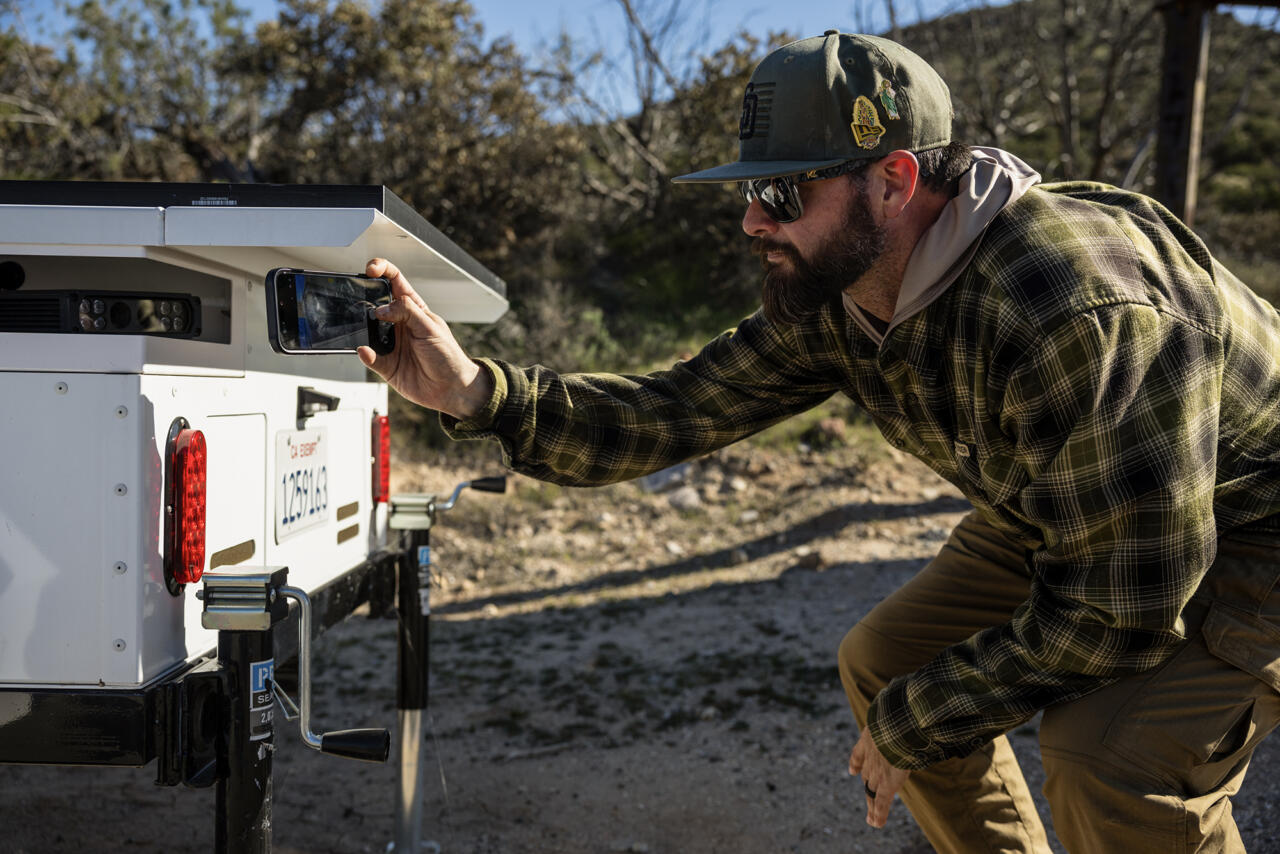
The camera models currently installed on state highways in the border region are the same as ones the Border Patrol purchased in large amounts, according to Maass. Records obtained from Caltrans by EFF from 2016 appear to show Drug and Enforcement Administration and Border Patrol requesting permits to install the same devices in other parts of San Diego County, according to Maass.
Customs and Border Protection did not respond to a request for comment. The governor’s office did not comment. The Drug Enforcement Agency also did not respond to a request for comment.
By day, Cordero works in water-damage restoration, the crews residents call after floods and burst pipes. Comfortable with emergencies, he’s the type of guy you’d hope to run into if your car broke down in the middle of nowhere.
“People are literally dying out here,” Cordero says of his volunteer work, done through the nonprofit Al Otro Lado, a legal services organization that also provides humanitarian support to refugees, migrants and deportees on both sides of the U.S.-Mexico border. “All we’re trying to do is prevent people from dying.”
In response to questions from The Markup and CalMatters, a spokesperson for Caltrans provided a written statement that the state agency has approved eight permits for license plate readers from federal agencies, like Customs and Border Protection and the Drug Enforcement Administration, to be stationed in state highway rights-of-way.
“Caltrans does not operate, manage, or determine the specific use of technology or equipment installed by permit holders, nor does it have access to any of the collected data,” the statement read in part.
Caltrans said federal immigration agencies haven’t requested permits for the cameras since June 2024. They did not say how long a permit lasts. Between 2015 and 2024, their records indicate Customs and Border Protection and the Drug Enforcement Administration requested 14 permit applications for “law enforcement surveillance devices.” Of the 14, eight were approved, four were cancelled by the applicants and two did not result in projects in state right-of-way, the agency said.
In California, license plates are tracked not only by the federal government and law enforcement, but also by schools and businesses, including some Home Depots and malls. While schools and businesses may not agree to pass that information on to the federal government, local police with access to those cameras may do so.
California law prevents state and local agencies from sharing license plate data with out-of-state entities, including federal agencies involved in immigration enforcement. A Markup and CalMatters investigation in June 2025 revealed that southern California law enforcement agencies, including sheriff’s departments in San Diego and Orange counties, haveshared automated license plate reader data with federal agencies in violation of state law.
Newsom vetoed a bill to strengthen California license plate reader law last fall. Two days later, Attorney General Rob Bonta filed a lawsuit against the city of El Cajon for multiple violations ofthe license plate sharing prohibition. Since 2024, the attorney general’s office has sent letters to 18 law enforcement agencies, including the Imperial County Sheriff’s Office, the San Diego Police Department, and the El Centro Police Department.
Local agencies continue to share license plate data with federal immigration authorities, and not just along the border. The San Pablo Police Department in Northern California, one of the law enforcement agencies that received letters from the attorney general’s office, shared license plate data with the Border Patrol as recently as last month, according to records obtained by Oakland Privacy head of research Mike Katz-Lacabe. Some cameras are easy to spot, but Katz-Lacabe said that local police have concealed cameras that scan license plates for more than a decade, sometimes behind the grill of police cruisers or inside speed limit trailers or in a fake saguaro cactus.
“This has been the practice for years,” he said.
On a recent Saturday, Cordero was dressed for the remote border terrain – flannel, hiking boots, a San Diego Padres cap pulled low against the sun. His dirt-caked Jeep is built for places roads don’t go. On this particular weekend, supplies at one of the drop sites had already been used, indicating people may be crossing in the area.
Cordero has gotten good at finding stuff out here. In the remote Ocotillo washes, where the scrubs claw at people’s shins, he recently found what he believes to be the remains of a human finger.
A year earlier, Cordero found a phone contact list next to human remains. He and his wife, Jacqueline Arellano, were able to use the phone list to notify the person’s family in Arizona about where their missing loved one fell.
That’s why when, months ago, he first saw the abandoned trailer along the side of the road on Old Highway 80, he had to stop to take a closer look.
“It took me passing by a few times before I realized what it was,” said Cordero.
An Associated Press investigation published in November revealed that Border Patrol had hidden license plate readers in ordinary traffic safety equipment. The data collected by the agency’s plate readers was fed into a predictive intelligence program monitoring millions of American drivers nationwide to identify and detain people whose travel patterns the algorithm deemed suspicious, according to the AP’s investigation.
Sergio Ojeda, a community organizer with the mutual aid group Imperial Valley Equity and Justice said CBP apparently believed his grandmother’s driving patterns were suspicious because they interrogated her about the amount of time she spends at local casinos in the area.
“She was outraged about it,” said Ojeda. His grandmother, a resident of Imperial Valley with legal status, was crossing the border when agents asked her about her trips to casinos.
“She asked them back, ‘Is something wrong with that? Am I not supposed to be doing that or why are you questioning me about this?’ and they were like “Oh, no, it just seems suspicious,” Ojeda recounted.
Ojeda said he was equally concerned, and he doesn’t enjoy the feeling of being watched just because he lives near the border. “It’s how I feel every day,” he said. “Driving around, I joke with my co-workers: ‘Which chapter of 1984 is this?’”