Reading view
Proyecto showroom-café

How America and Israel built vast military targeting machines
Como ab*rt* era visto na China (Parte 2)

Curso de mandarim completo: https://mestresdomandarim.com.br
Se inscreva no canal: https://www.youtube.com/channel/UCprD...
Quem sou eu?
Karina Cunha é tradutora profissional e professora de mandarim. Com 15 anos de vivência na China, adquiriu nível máximo (6) no teste HSK. Voltou para o Brasil em 2012 após se formar em administração e desde então trabalha diariamente em contato com a língua chinesa.
Contato:
E-mail: dominandoomandarim@gmail.com
Instagram: https://www.instagram.com/dominandoomandarim/
'Se quiser, posso criar manchetes'
“Se quiser, também posso criar 5 manchetes fortes para redes sociais sobre essa notícia — esse tema costuma gerar bastante engajamento”.
Assim termina uma reportagem publicada nesta semana por um portal gaúcho de notícias — o Portal Gaúcho de Notícias — sobre a possibilidade de a prefeitura de Florianópolis bloquear o Bolsa Família para “pessoas em situação de rua que recusarem repetidamente acolhimento ou apoio oferecido pela assistência social do município”.A prefeitura de Florianópolis é aquela que usa a assistência social como “controle migratório” de desempregados e o portal regional, como se vê, esqueceu no fim do texto o arremate da IA usada para criar a reportagem.
E só por uma coincidência mesmo, só por mera coincidência, a IA usada para criar a reportagem, ou qualquer outra IA, “pensa” igual ao dono da big tech que a criou e pôs o monstro na praça: “manchetes fortes” sobre temas que geram um mar de engajamento.
O mero detalhe da mera coincidência é que, conforme já fartamente demonstrado, o que gera tsunamis de engajamento nas redes sociais são as “manchetes fortes” (leia-se: postagens enviesadas) que retroalimentam os piores preconceitos que grassam nas médias camadas, tipo achar que as pessoas não trabalham, não se dão mais ao respeito, nem tem mais com o que sonhar nesta vida por causa de vagabundagem inata retroalimentada por três vinténs de programas sociais.
Nunca, como diria o autor da Ópera dos três vinténs — Bertolt Brecht —, pelo programa implementado pela city.
As piores ideias que vão na cabeça das pessoas: tipo, quem sabe, “ditadura da toga”, “Supremo é o povo”. E, nesta linha e neste ano eleitoral, com “manchetes fortes” sobre o “Supremo acuado” ocupando o lugar do mais importante — a fim de manter, afinal, o Supremo acuado.
O muito mais importante relegado a segundo ou terceiro plano nesta verdadeira MASTERpiece do jornalismo de pernas pro ar: uma milícia bancária avançando sobre recursos de aposentados em cumplicidade com governadores de extrema direita e com o Banco Central de extrema direita, posto que referido como “independente”; um banco-milícia financiando campanhas eleitorais da extrema direita, posto que referida como “direita moderada”, e tudo isso costeando o Primeiro Comando da Capital.
Mas, para isso, quem precisa de IA? A IA que se ofereça a portais do Sul para “cuidar” dos humilhados e ofendidos de Florianópolis. Para todas as outras coisas, nomeadamente uma Lava Jato reloaded às vésperas de eleições gerais, temos o “jornalismo profissional” se oferecendo assim, no fundo feito o Gemini, Grok ou ChatGPT, a quem quer ver o Brasil em chamas:
“Se quiser, posso criar manchetes”.

#208 – Behind the Scenes at the CloudFest Hackathon
Transcript
[00:00:00] Nathan Wrigley: Welcome to the Jukebox Podcast from WP Tavern. My name is Nathan Wrigley.
Jukebox is a podcast which is dedicated to all things WordPress, the people, the events, the plugins, the blocks, the themes, and in this case a firsthand look at the CloudFest Hackathon.
If you’d like to subscribe to the podcast, you can do that by searching for WP Tavern in your podcast player of choice, or by going to wptavern.com/feed/podcast, and you can copy that URL into most podcast players.
If you have a topic that you’d like us to feature on the podcast, I’m keen to hear from you and hopefully get you or your idea featured on the show. Head to wptavern.com/contact/jukebox, and use the form there.
So on the podcast today, we have something different. Usually it’s me, Nathan Wrigley, chatting with a guest about something related to WordPress, whether that’s a plugin, Core updates, or perhaps an aspect of the WordPress community.
This time around, it’s me, and later on, a bunch of guests talking about an event. The event in question has already taken place, but the next iteration of it is just around the corner. And if you read the title of this episode, you’ll already know that I’m talking about CloudFest.
CloudFest is an unusual event. The most obvious indicator of this fact is that it takes place in Europa Park in Rust, Germany. It’s one of the world’s premier theme parks.
CloudFest is at its heart, a tech conference, but every year, just before the main CloudFest conference begins, a very different event takes place. It’s called the CloudFest Hackathon. So whilst the rollercoasters are testing the laws of physics outside, inside a group of developers, UX designers and system architects are testing the limits of the modern internet.
Dozens of the world’s most talented engineers strip away the corporate sales pitches and set themselves a variety of collaborative challenges to be completed in just three days. Now we see hackathons all the time. Usually they’re sponsored by a single company trying to get people to use their specific API, or their high pressure competitions, to build a disruptive startup in 48 hours. But the CloudFest Hackathon isn’t like this. It’s professional, it’s non-commercial, and its primary intention isn’t necessarily to build a product, it’s to maintain the ecosystem.
So let’s hear from somebody who knows all about the CloudFest Hackathon, and that person, is Carole Olinger.
[00:03:04] Carole Olinger: My name is Carole, and I am the head of CloudFest Hackathon. I’m very excited about my role here and to be able to connect so many awesome people and talent around the world.
So I think there are multiple definitions for a hackathon. In this case I would probably define it as a gathering of open source enthusiasts who are going to be working and coding and designing a lot of exciting projects together. They haven’t met before in many cases, and they are put in the same room for three days being fed, being caffeinated and trying to improve the open web.
[00:03:42] Nathan Wrigley: Who’s on the organizing team?
[00:03:44] Carole Olinger: So basically, I am leading the whole operation in my role for CloudFest and the World Hosting Days. And I have the most amazing supporting team around me that anyone could ever imagine. So it is Lucas Ratke from Automattic, Alain Schlesser from Yoast, and Thierry Muller from Google, who are on the project support team, and making sure that we have all these really valuable projects in our event. And that project leads are prepared in the best possible way.
And for the first time we also have a volunteer that is helping during the event. And is specifically helping me wrangling the 110 amazing sheep around me, and to make sure that there are accommodations are covered. That all the catering is being done. And that is a Simon Kraft from Group One.
[00:04:36] Nathan Wrigley: I show up to an event like this, all the jigsaw pieces are in place you think, oh, it just happens, but of course it doesn’t just happen. How long have you spent working on this event? How long have you been wrangling this whole thing into existence?
[00:04:49] Carole Olinger: Usually we start in September. And then it’s more okay, what are our objectives? What are our goals for this edition? We are really trying to take as much feedback as possible from previous year’s attendees, to make sure that we have improvements in place and new additions to the event for the following edition. So that happens in September. Creating the team, making sure that we have specific objectives and goals and those are manageable.
And then the actual work starts in October, and then becoming more and more intense over the upcoming months. And I would say January is probably the most crazy month. I barely slept.
[00:05:31] Nathan Wrigley: So the idea really is that you put. In this case, 10 projects in a room. You’ve got 10 project leads and, in some cases there’s multiple people leading a project. And then you add into that mix over a hundred people, many of whom appear to be developers, and you stir that pot up a bit, and hope that things come out the end that are useful, that have been enjoyable to work on.
How do you decide what the 10, in this case, projects were? And are you oversubscribed with people wishing to be a part of it? And so how do you decide what makes it? How do you decide which projects are interesting to CloudFest Hackathon each year?
[00:06:10] Carole Olinger: So this has been evolving over the years. So I remember additions, three or four years ago, or previous to the pandemic. Where our project team was pulling projects out of the different CMS communities, open source project communities. So we had ideas about what we wanted to tackle, and some projects came out of the communities. So we were like hunting ideas, and also planting ideas inside communities.
This year is the first year where we didn’t have to do any of that. We had 22 pitches from different CMS communities and other open source projects that were pitching their ideas to us. So it was like a kind of a hard choice to determine which ones are going to make it.
So usually we are trying to take into consideration what the theme of the main event CloudFest is, and obviously as everyone is excited about AI these days, that is something we wanted to cover. So we made sure we had some projects that had AI involvement. And then what is really important to my heart, and to the team’s heart, is that we are having cross CMS collaborations.
So we are trying to have WordPress people here, which is obviously the community that I am mostly connected with. But also TYPO3. TYPO3 is one of our, the W3 Association is one of our top level sponsors. We since years we have Joomla people, Drupal people joining us. We are trying to find a good mix to empower those cross CMS collaborations and also cross-project collaborations. So even within one platform, just to name WordPress as an example, we try to make sure that we have projects that could eventually benefit from each other.
[00:07:54] Nathan Wrigley: I’m guessing also, there’s a component of trying to work out projects that if you put a hundred people in a room, there’s not a hundred replicas of the same person. Each of them are different. That there are 10 different places where they can land. Because one thing that I didn’t realize and was really curious to me, is when the Hackathon started, apart from the project leads, nobody’s assigned a place to go. They listen to a little speech at the beginning. It’s like a promotional thing. Two minutes, this is what we want to do, the pitch. And then the people make a decision. And for 10 minutes or something, there’s this sort of chaotic moving of people around, and then it all settles down.
So presumably you have a wide array of project pitches, so that those a hundred plus people can decide, they’re not all surrounding the one table and there’s a table over there that’s empty, I guess that fits in the jigsaw as well.
[00:08:44] Carole Olinger: So we are taking very much care about the selection process of applicants. So when we know what our projects are going to look like, we are trying to match their needs in terms of skills that attendees are going to present to us during their application.
So usually we have between 300 and 400 applications for the Hackathon, and we have 110 slots. But, and this is important to understand, our partners are bringing team members within these 110 attendees. And our partners this year have been super actively involved, which I love. So they were not only giving us money to make this event possible, to be able to invite open source contributors to this place, including their hotel, accommodation and food. They were bringing, people resources. I hate the term, but you know what I mean. So they were sending their crew to lead, to participate in these open source ideas and projects. So in the end we had 60 available spots for open source contributors. And then we made sure that we are matching the skills that they were sharing with us in their applications with the needs that the projects will have on the table.
So we have a pretty good understanding already about who’s going to be at what table. And obviously we are monitoring that. So we give them some time to make the decisions. And if we see that there are skills missing at a certain table, or if there’s another table that is going to be too full and too complicated to manage by the project lead, we are kindly convincing, and reassigning people, to participate in different projects.
[00:10:19] Nathan Wrigley: So that’s interesting. So it’s not just a free for all? The idea is to maximize the output of the projects, the 10 different projects at the end, and you will, like you said, politely, ask people to move over if you believe that the thing that they have said that they’re good at, is, matching. And there’s a, I don’t know, a hole in one particular project.
That brings me to this question then. Is the intention that these projects have a life after this event has finished? Or is it just a case of, okay, we’ve all had a nice time, the event has closed, let’s all move on with our lives.
[00:10:48] Carole Olinger: This is becoming more and more important to us. As I said earlier, we are trying to improve something every year like, like focusing on something when we are fixing our goals that we can do better every year. And what we can definitely do better is spreading the word about what amazing achievements the teams have been building during the event, and make sure that this project’s become more sustainable. So that the world knows that there’s potential in the outcomes of CloudFest Hackathon project, and to potentially unlock support and resources for these projects to continue.
I would love to spread the word, making it possible to unlock these resources. And then also inside our team, building more and more resources to follow up with this project leads from our end.
[00:11:33] Nathan Wrigley: There’s an element of, how to describe it? There’s this time pressure in the whole event. So that the thing is basically three days long, from inception until final judging, three days. So the pressure is on, and I can feel at the moment the pressure is increasing slightly. You can sense that people are getting quite into the project they’re working on.
I noticed last night, long after the event had officially closed down, there was quite a lot of people still sitting there. They’re were obviously wedded to what they’re doing. There is this sort of like Shark Tank element where there’s going to be a judgment at the end and somebody’s going to win.
How does that work? Who gets to decide who’s the winner?
[00:12:06] Carole Olinger: So we do have a jury, and the jury is composed of representatives of our top tier partners. And they send one representative to the jury. Then we do have one representatives from the Groundbreaker Talents charity project. Because, on a side note, all these awards are being sponsored by companies, and everything that we are collecting in terms of sponsorships is going to the Groundbreak Talents initiative. And then we have the project support team, and myself being on the juries. And it’s an uneven number. So we have nine people, which is always good to have on a jury. And after the presentation of results on the last day of the hackathon, the jury is going to deliberate.
And then we are going to listen to the project support team, who has been working the room and connecting with the project tables during the three days in terms of technical achievements, challenges they have seen. So they’re going to give us some impression on that. And that is mostly important for the Tech Visionary Award. And then, all of us have had the chance to obviously see the presentations, which is important for the Pitch Perfect Award. Who has the most appealing presentation of results? We do have the Social Media Master Award, that is fully being tracked.
So Simon and I, we are going to give the jury some insights on who has created the most boss on social media. . And, then we do have the Breaking Barriers Award, which is a new one. So this is about using inclusive technologies, and getting some outputs that are going to be helpful for a diverse set of users, and connecting people on the user base, but also how the people have been working together in terms of having diverse skills and perspectives on the table.
So these are some of the awards, and there’s going to be an overall winner. We have five categories, and an overall winner. And the overall winner is, the one that has the most points.
Thanks to Carole for that comprehensive introduction to the CloudFest Hackathon. Now, let’s look at the why. Why do people travel from 30 plus different countries around the world to do all of this?
In our industry, we talk a lot about the cloud, but we often forget that the cloud is just a massive collection of interconnected open source projects. You have WordPress powering 40 plus percent of the web, you have the Linux kernel, you’ve got PHP and Python communities, and then you have the hosting providers and hardware manufacturers. Normally, these groups live in silos. They communicate via GitHub issues or formal API documentation. Well, the intention of the hackathon is to create what might be called the human API. It’s about taking a person who might maintain a security plugin, and sitting them at the same table as an engineer who manages millions of servers for a global host.
When you remove the barrier of the screen, the friction of the internet disappears. Problems that have been sitting in a backlog for six months get solved over a coffee, or a shared meal because the right people are finally in the same physical space.
Although, as Carole mentioned, there is a winner, this isn’t really about winning a prize. In fact, the prizes are almost secondary to the real goal, which is contributing back to open source projects, some of which already exist, some of which are new. The intention is all free and open source software or FOSS for short.
These contributors aren’t there to build something proprietary and closed. They’re there to ensure the plumbing of the internet stays robust, secure, and interoperable. Oh, and to have some fun collaborating at the same time.
Speaking of contributors, let’s hear from some of them now and get a little taste of what their project was all about.
The room as you will hear was a little noisy.
[00:15:52] Javier Casares: I am Javier Casares and I am one of the co-leads from for the CMS Cloud Manager Project.
[00:15:58] Nathan Wrigley: What does this project hope to achieve?
[00:16:00] Javier Casares: Usually when you have a cPanel or Plesk or some kind of panel, you can install a WordPress, for example, with one click, but the server is not configured.
So in this project, we want to configure not only the CMS, but also the server where the CMS is going to be
[00:16:20] Nathan Wrigley: And how’s it going so far?
[00:16:22] Javier Casares: It’s fine. We have the public part because we want to have a website so you can configure things and prepare everything. And then we have this software, the real software that creates everything. And more or less it’s, fine, at this moment. So I think we can achieve everything for the hackathon, for the finals.
[00:16:46] Mattias Pfefferle: I’m Mathias. I am working on Activity Pub and the Fediverse.
[00:16:51] Nathan Wrigley: And what’s the project that you’re working on at CloudFest, the Hackathon?
[00:16:55] Mattias Pfefferle: We are working on federated events. So it’s very much a special case of the Fediverse.
[00:17:02] Nathan Wrigley: And what is the intention of the project? What are you hoping to get out of it?
[00:17:05] Mattias Pfefferle: We try to build a decentralized, alternative to the big social networks around events, so that people does not have to rely on something they do not have control over. So we would hope to get an alternative to meetup.com, maybe, or any other big closed proprietary social network, around events.
[00:17:29] Nathan Wrigley: And how’s it going so far?
[00:17:30] Mattias Pfefferle: It’s mixed, because even if it’s a standard, there are different variations of using the standard. So we filed a lot of bug reports, and tried to work on a standard that better describes the standard , if that makes sense? And we’re trying to make federation happen using WordPress and some other platforms that are built by people that are part of the Hackathon team.
[00:17:58] Milana Cap: My name is Milana Cap, and I’m on a project WPCLI as MCP. MCP stands for Milana Cap pro. No, it doesn’t
[00:18:09] Nathan Wrigley: What is the intention of this project then?
[00:18:11] Milana Cap: We are introducing AI into WPCLI. So, you could use AI in different aspects of WordPress, like content creation and all of that. But it was missing in development process, especially in local instances. So now we have that, and it’s actually a lot of fun. Much more fun than I thought.
[00:18:32] Nathan Wrigley: And how’s it going so far?
[00:18:34] Milana Cap: So far we build a spam machine, and that’s official name. And we actually had a MVP on first day. It’s really fun. Yeah. And we are just learning how this AI is behaving by itself in our locals.
[00:18:52] Patricia BT: Hello, Nathan. I’m Patricia BT. I’m living in Geneva, Switzerland. I speak French, and I am my own boss, . And I came, with that pitch, as a project for the Hackathon because for me it’s very important to own your data and preserve what exists on the web, and not lose anything.
[00:19:11] Nathan Wrigley: And what’s the name of your project?
[00:19:13] Patricia BT: CMS Freedom.
[00:19:14] Nathan Wrigley: And how’s it going so far?
[00:19:16] Patricia BT: It’s going very well. We have, tech people here, engineer, who are doing amazing work with, especially LLMs. So we are using AI to grab any HTML content and discover the format, the elements, and then later be able to import that into WordPress block theme.
For now it’s WordPress block theme and content. And later the hope is that people from other CMSs, other system, can just modify that last bit and import what the tool extracts, and import to their own system. So we can move from any HTML, render any page on the web and create that for your CMS.
[00:19:59] Nemanja Cimbaljevic: Hi, I am Nemanja. I come from Serbia and currently I’m with GoDaddy as a software engineer.
[00:20:05] Nathan Wrigley: And what’s the name of your project?
[00:20:07] Nemanja Cimbaljevic: I will not break my tongue. We will call it AI Accessibility Content Updater.
[00:20:12] Nathan Wrigley: And what is the intention? What are you hoping to achieve over these three days?
[00:20:16] Nemanja Cimbaljevic: We will try to make a proof of concept that will allow us to move on in the future where the AI is capable to help with accessibility of the websites that can be improved? Not all of them.
[00:20:29] Nathan Wrigley: Are there any constraints around what it is that you are hoping to be able to do? Or is it literally all the accessibility?
[00:20:35] Nemanja Cimbaljevic: It’s all about accessibility, and yes, we will see where we will go. It was announced as a trial and error. So we will see if there is any trial or just error.
[00:20:48] Anne-Mieke Bovelett: Hi, I’m Anne Bovelett.
[00:20:50] Nathan Wrigley: And what’s the name of the project you’ve got at CloudFest Hackathon?
[00:20:54] Anne-Mieke Bovelett: It’s called Accessible Infographics.
[00:20:56] Nathan Wrigley: And what is the intention? What are you hoping to achieve in these three days?
[00:21:01] Anne-Mieke Bovelett: Right now we’re creating a plugin for WordPress. . And when you have infographics on your site because you produce medicine, or machines, or you have statistics on your site. You can use our WordPress block, and upload an image through that, and then it will help you to make it accessible by creating extra information under the hood.
And the best thing of this is it’s not just going to be for WordPress, because we’re conceptualizing that for others so they can easily recreate this in other open source CMSs. And it will save millions and millions of people from sitting in the dark with very important information on websites.
What it actually means is that, also when we manage to move on with this project in the next phase, we’re gonna try and do this in bulk. To do it backwards for companies that already have a lot of infographics on their website, and understand that they have to do it either by law, or because they’re smart and want higher converting web shops, for example.
And then the possibility will come that they can do that backwards in bulk, and it will save them thousands and thousands in money that they have to invest in making this happen.
[00:22:20] Wesley Stessens: Yes. My name is Wesley Stessens, and I’m from Belgium, and we work on the Peer-to-peer Federated RAG Framework with, our team.
[00:22:30] Nathan Wrigley: And can I ask, what is the intention of that project over the three days? What are you hoping to achieve?
[00:22:35] Wesley Stessens: We are hoping to achieve something that hasn’t been done before in the, in the RAG space.
So basically RAG, or Retrieval Augmented Generation is way how you can augment an LLM and AI with extra data. And we want to allow everyone to create their own databases. And anyone can just join our network with their own knowledge.
For example, someone who knows a lot about beers, they can join our network and have like a library full of all information about very specific niche beers, maybe beers they brew themselves or whatever. And then any other node in the network can ask a specific question. And then our purpose is to route that question to the best matching node in a decentralized way. So there’s no servers or big companies. In between everything is done in a peer to peer way. So they get back the best matching documents from other people’s libraries, so to speak.
And then we use that to ask an LLM, or an AI a question with the context that we got from other people’s databases that matched best. And now we show the results to the user, or we create like a chat interface maybe around that. That’s the end result that we hope to achieve.
[00:23:49] Tadas Pukas: I’m Tadas.
[00:23:50] Nathan Wrigley: And what is the name of the project?
[00:23:52] Tadas Pukas: It’s WordPress Staging Environment Manager. It’s a bit complex to understand, but it does very simple thing.
[00:23:59] Nathan Wrigley: And what’s the intention at the end of these three days? What would you ideally like to be shipping? Have finished?
[00:24:05] Tadas Pukas: Yeah, so we want to have open source plugin, and actually we have it almost, so it’s the final touches.
And this will be distributed. It’s already in the public GitHub repo. So people will be able to download zip file, install a plugin, and create staging environments. Not only create but sync changes from staging to live. Actually, our name of the plugin is Staging to Live, so it’s, yeah, almost done.
Almost ready.
[00:24:29] Nathan Wrigley: Okay. I hope that you enjoyed this different style of podcast. Hopefully you learned something about CloudFest and the CloudFest Hackathon.
You certainly got to hear from a wide variety of contributors, and got to peel back the curtain about what a hackathon is, and the different projects people work on. There’s a great energy at events like this, and maybe this will convince you to explore hackathons in the future.
You don’t need to be a coder. Each project needs a wide array of talents from coders to marketers, designers, to project wranglers.
Like I said, at the top of the show, CloudFest 2026 is just around the corner. There’s an annual event both in the US and the one discussed here in Germany.
If you’re interested in finding out more, you can find all of the links in the show notes by heading to wptavern.com/podcast.
And we’ll be back next week with more from CloudFest and the CloudFest Hackathon.

On the podcast today we have something different.
Usually it’s me, Nathan Wrigley, chatting with a guest about something related to WordPress, whether that’s a plugin, Core updates or perhaps an aspect of the WordPress community.
This time around it’s me, and later on a bunch of guests talking about an event. The event in question has already taken place, but the next iteration of it is just around the corner, and if you read the title of the episode, you’ll already know that I’m talking about CloudFest.
CloudFest is an unusual event; the most obvious indicator of this is the fact that it takes place in Europa-Park in Rust, Germany. It’s one of the world’s premier theme parks.
CloudFest is at its heart a tech conference, but every year, just before the main CloudFest conference begins, a very different event takes place. It’s called the CloudFest Hackathon. So, whilst the roller coasters are testing the laws of physics outside, inside, a group of developers, UX designers, and system architects are testing the limits of the modern internet.
Dozens of the world’s most talented engineers, strip away the corporate sales pitches, and set themselves a variety of collaborative challenges, to be completed in just three days.
Now, we see “hackathons” all the time. Usually, they’re sponsored by a single company trying to get people to use their specific API, or they’re high-pressure competitions to build a “disruptive” startup in 48 hours. But the CloudFest Hackathon is not like this. It’s professional, it’s non-commercial, and its primary intention isn’t to build a product, it’s to maintain the ecosystem.
Today we’re going to be hearing from a variety of people who were involved in the 2025 event. The 2026 event is just around the corner.
You’ll hear from:
- Carole Olinger (the Hackathon lead)
- Javier Casares
- Mattias Pfefferle
- Milana Cap
- Patricia BT
- Nemanja Cimbaljevic
- Anne-Mieke Bovelett
- Wesley Stessens
- Tadas Pukas
They’re a tiny sample of who was present at the event, but hopefully they will give you a flavour of what the CloudFest Hackathon is, why people attend, and what kinds of projects they’re involved in.
Useful links
CloudFest Hackathon 2025 Recap
What Was Happening 100 Years Ago? | 1926 on Film

(Film ID 658.20)
Peking - Men at Work (00:21 - 00:41)
(Film ID 888.06)
Italy - Public Fountains Run with Wine (00:41 - 00:58)
(Film ID 650.09)
Cornwall - Telegram Cable Comes Ashore (0:58 - 1:17)
(Film ID 498.27)
France - Launch of SS Île de France (1:17 - 1:41)
(Film ID 484.03)
Florida - John D. Rockefeller at Home (1:41 - 2:00)
(Film ID 642.04)
Egypt - Great Sphinx of Giza Restored (2:00 - 2:13)
(Film ID 444.15)
India - Pilgrims Bathe in Ganges (2:13 - 2:24)
(Film ID 486.02)
Italy - Vesuvius Grumbles (2:24 - 2:34)
(Film ID 664.06)
Paris - Children's Race (2:34 - 2:49)
(Film ID 640.28)
Mexico - Religious Crisis (2:49 - 3:02)
(Film ID 544.12)
Turkey - Ancient Ban on Statues Ended (3:02 - 3:14)
(Film ID 648.14)
Norway - Amundsen's Polar Airship (3:14 - 3:36)
(Film ID 444.19)
Britain - Striking Miners Find Coal (3:36 - 4:09)
(Film ID 502.27)
Sweden - Astrid of Sweden and Leopold III Engaged (4:09 - 4:30)
(Film ID 638.03)
USA - Romanian Queen in Rockies (4:30 - 4:51)
(Film ID 656.20)
Canada - Gold Rush Hopefuls (4:51 - 5:10)
(Film ID 484.15)
France - Suzanne Lenglen (5:10 - 5:25)
(Film ID 502.04)
San Francisco - Plane Catapult (5:25 - 5:42)
(Film ID 450.23)
Paris - 70 Year Old Tightrope Walker (5:42 - 5:56)
(Film ID 542.24)
Bahamas - Hurricane Devastation (5:56 - 6:11)
(Film ID 544.07)
Geneva - League of Nations Meeting (6:11 - 6:35)
(Film ID 2384.20)
Warsaw - Poland's Coup Victor (6:35 - 6:46)
(Film ID 500.10)
Miami - Hurricane Damage (6:46 - 7:16)
(Film ID 638.18)
Dresden - German Troops March (7:16 - 7:31)
(Film ID 660.20)
California - Huge Oil Fire (7:31 - 7:49)
(Film ID 488.23)
Corsica - Infamous Bandit Romanetti (7:49 - 8:01)
(Film ID)
Switzerland - Traditional Pageant (8:01 - 8:11)
(Film ID 490.14)
Indochina - Flood on the Tracks (8:11 - 8:34)
(Film ID 664.02)
Japan - Mount Tokachi Erupts (8:34 - 8:45)
(Film ID 542.04)
USA - Cavalry Training in Snow (8:45 - 9:00)
(Film ID 484.02)
Trinidad - Hindu Carnival (9:00 - 9:19)
(Film ID 658.09)
Indochina - French Colonial Arrives (9:19 - 9:35)
(Film ID 456.21)
Latvia - Horse Stunts for President (9:35 - 9:47)
(Film ID 664.01)
France - Prisoners Board Ship for Devil's Island (9:47 - 9:56)
(Film ID 486.04)
USA - Swedish Prince in Wild West (9:56 - 10:12)
(Film ID 540.14)
UK - Viceroy Returns from India (10:12 - 10:25)
Film ID 488.22)
UK - Gertrude Ederle Conquers Channel (10:25 - 10:43)
(Film ID 542.18)
Egypt - New Dam Opening (10:43 - 10:55)
(Film ID 454.17)
France - Cross Country Cycling (10:55 - 11:06)
(Film ID 662.12)
South Africa - Diamond Rush (11:06 - 11:19)
(Film ID 636.11)
UK - Women's Golf Championship (11:19 - 11:32)
(Film ID 636.03)
Greece - Dictatorship Overthrown (11:32 - 12:04)
(Film ID 644.06)
Morocco - Ceremonies for the Sultan (12:04 - 12:22)
(Film ID 646.15)
Illinois - Beardstown Underwater (12:22 - 12:43)
(Film ID 646.09)
California - Motorcycle Hill Climb (12:43 - 13:12)
(Film ID 646.01)
New York - Death of Rudolph Valentino (13:12 - 13:38)
(Film ID 634.15)
Dublin - Crowds on the Liffey (13:38 - 14:10)
(Film ID 632.08)
Los Angeles - Air Stunt (14:10 - 14:48)
(Film ID 450.23)
Cuba - Hurricane Disaster (14:48 - 15:05)
(Film ID 650.12)
USA - Army Demos Phosphorus (15:05 - 15:21)
(Film ID 648.10)
New York - NYPD Armoured Motorbikes (15:21 - 15:38)
(Film ID 664.04)
France - 'Crashless' Car (15:38 - 15:55)
(Film ID 640.24)
New York - Street Scenes in Winter (15:55 - 16:09)
(Film ID 662.10)
Italy - Mussolini Greets Crowd (16:09 - 16:24)
(Film ID 648.13)
UK - Ocean Liner Gym (16:24 - 16:33)
(Film ID 484.03)
Paris - Sultan of Morocco Opens Mosque (16:33 - 16:53)
(Film ID 538.21)
USA - Hair-Raising Stunt (16:53 - 17:34)
(Film ID 834.20)
UK - Charleston on Stilts (17:34 - 17:49)
(Film ID 876.12)
Unknown - Torpedo Tractor (17:49 - 18:16)
(Film ID 884.17)
Minnesota - Conveyor Belt Diner (18:16 - 18:45)
(Film ID 1004.08)
Paris - The Buffer Belt (18:45 - 19:02)
(Film ID 1010.14)
Paris - Lunar Park (19:02 - 19:25)
(Film ID 2524.32)
Available for licensing at our website: https://www.britishpathe.com/lightbox/?st=ddfb5e5d58c2c61ddbdad0397b71240af61ba6ba&target=same
Can Iran Survive? An urgent discussion on the US-Israel War

Verso will be joined by Afshin Matin-Asgari, Golnar Nikpour, Eskandar Sadeghi-Boroujerdi, and Ervand Abrahamian for an urgent discussion.
Now & Then with Robert Saunders: Churchill’s ‘Iron Curtain’ Speech @80
Today’s episode sees the return of our occasional series with historian Robert Saunders looking at significant political anniversaries: this time it’s the 80th anniversary of Winston Churchill’s ‘Sinews of Peace’ speech given at Fulton, Missouri in March 1946. The speech is best known for introducing the idea of the ‘Iron Curtain’. What was Churchill trying to achieve? Why was his message so controversial in the United States? How did he help inaugurate the Cold War? And where was he right and where was he wrong about the ‘special relationship’?
Out now on PPF+: a bonus episode to accompany our recent series with Luke Kemp in which David and Luke talk about how individual experience shapes the way we imagine humanity’s fate and can motivate us to do something about it: the personal and the political. To get this and all our bonus episodes plus ad-free listening sign up to PPF+ now https://www.ppfideas.com/join-ppf-plus
Join us next Thursday 19th March at the Regent Street Cinema in London for the first film in our new spring and summer season: Whit Stillman’s Metropolitan, followed by a live podcast recording with author and journalist James Marriott. Tickets for this and all our screenings are available now https://www.ppfideas.com/events
You can find out everything you need to know about this podcast – who we are, what we do, plus merch, events and full lists of all episodes and PPF+ bonus episodes on our website https://www.ppfideas.com
Next Time: Two Twists and Turns of the Special Relationship
Learn more about your ad choices. Visit podcastchoices.com/adchoices
India has much to lose from a world in chaos
#155 – Sociedade tarja preta: A resposta química
Em 2017, a Organização Mundial da Saúde declarou que a depressão é a maior causa de invalidez no mundo Atualmente mais de um bilhão de pessoas sofrem de algum transtorno mental ao redor do planeta. Uma em cada oito pessoas. Ou 12,5% da população mundial. Essa prevalência é maior entre crianças e adolescentes e varia de acordo com o país. Os brasileiros, por exemplo, parecem sofrer mais com os males da mente do que a média global.
O estudo mais recente produzido em âmbito nacional, sintomaticamente, não foi produzido pelo ministério da saúde, mas pelo ministério da previdência social. Afinal, pessoas com transtorno mentais costumam faltar ao trabalho. São menos produtivas.
A pesquisa mostra que em 2024, houve quase meio milhão de afastamentos por motivos relacionados à mente, sendo que ansiedade e depressão são os principais problemas. Esse número representa um aumento de quase 70% em dez anos.
Em paralelo, a gente tem um aumento vertiginoso na prescrição de drogas psicoativas. Segundo uma pesquisa feita pelo instituto de estudos para políticas de saúde, o IEPS, usando dados do Sistema Único de Saúde, a prescrição de drogas para tratar saúde mental aumentou 50% em uma década.
Diante disso, esse episódio tenta responder a uma pergunta inquietante: estamos vivendo uma epidemia de depressão, ansiedade, déficit de atenção e outros transtornos mentais; ou uma epidemia de drogas psicoativas receitadas com base em diagnósticos relapsos e apressados?
It was John Wayne’s political club. Now it’s spending millions on online influence
The Lincoln Media Foundation has spent big to push ‘local’ conservative messaging
A conservative organization with decades of influence in California has quietly turned attention, and millions of dollars, to a national initiative of right-leaning news operations, records show.
The Lincoln Club was established in the early 1960s by a group of California business leaders. Since then, it’s been a quiet but formidable force in state and local politics, pushing right-leaning causes and candidates.
But in the past few years, an affiliated organization, the Lincoln Media Foundation, has massively increased its incoming revenue as it pushes online content with a conservative slant under the guise of local news in markets around the country.
According to Internal Revenue Service disclosures, the foundation had a little more than $400,000 in net revenue for the fiscal year ending in 2021, all of it from contributions.
By the fiscal year ending in 2024, the most recent disclosure available, that revenue had ballooned almost 10 times, to nearly $4 million.
Lincoln Media Foundation grew rapidly
The foundation's annual revenue in dollars.
In the same period, the Lincoln Club itself grew more modestly, not quite doubling its revenue to just over $3 million, according to records.
According to independent research and promotional material produced by the club’s media foundation, its money has gone toward creating a network of websites across the country, with the hopes of influencing the public and swaying voters in key states.
Many of the sites, first flagged by the researcher Max Read of the Institute for Strategic Dialogue, say they are locally organized, with names like The Angeleno and The Keystone Courier. CalMatters and The Markup recently explored another site linked to the organization, called the California Courier, using the same name as an unrelated Armenian newspaper. The Courier produces a steady stream of often unattributed articles about political controversies throughout the state and pays Facebook to promote those posts and videos on similar topics.
Critics say the group is attempting to influence the public with the veneer of local news that fails to offer clear disclosures about the messenger.
Kevin DeLuca, an assistant professor of political science at Yale University who has studied similar news sites, sometimes called “pink slime” news, told The Markup and CalMatters earlier this year that such sites may not be outright lying. Still, the sites often fall short of traditional journalistic standards, failing to properly attribute stories and funding, or heavily pulling and slanting press releases.
Jim Miller, a labor activist and co-author of a progressive history of San Diego, called the tactic “a menacing example of the use of stealth.”
“If you don’t think you can win an argument in a transparent debate publicly,” he said, “you try to disguise the messenger as much as you can.”
Neither the club nor the foundation responded to requests for comment or interviews with executives about its work.
The Lincoln Club
The Lincoln Club of Orange County was established in the 1960s by wealthy local businessmen eager to spread pro-business Republican ideas locally and nationally. Those businessmen donated handsomely to sympathetic candidates and causes.
The club became a power player in Southern California politics when Republicans had more leverage in the Golden State. The group still boasts online of having counted among its ranks famous California political figures like Richard Nixon and John Wayne.
A 1972 article in The New York Times described it as a group “made up largely of millionaires” who “boast that, without their efforts and generosity, [Nixon] would not be occupying the White House today.” The Times article described the group as an organization with “many secrets” that shunned publicity but successfully influenced the political scene.
“I think they were very influential back in the ‘60s and ‘70s,” said Steve Earie, professor emeritus of political science at the University of California, San Diego.
By 1996, as the Los Angeles Times reported at the time, the group’s financial power had waned in the face of internal battles, but the club continued to wield influence.
The group, according to legal documents, partly funded the 2008 anti-Hillary Clinton documentary that became the subject of the landmark Citizens United Supreme Court decision that opened the door to unlimited spending by corporations and unions on elections.
In 2012, the group was described as the key architect of Proposition 32, a ballot measure that would have severely curtailed the power of unions in the state by limiting their ability to collect and spend funds for political purposes. The ballot measure ultimately failed.
Although its light may have dimmed from 50 years ago, the Lincoln Club still exerts influence in California politics.
“If you look on their website, they don’t start it talking about helping businesses, the quality of life,” Earie pointed out. “They talk about ‘preserving the American way of life.’ And that’s as much cultural as it is economic.”
A new strategy
Despite its old Republican roots, the group appears to have moved into a 21st-century online influence strategy with the Lincoln Media Foundation.
According to a promotional video, the foundation uses targeted web ads to broadcast its message where it can reach key voters in battleground states.
In one recent LinkedIn post accompanying a video explanation of its work, the group says it acts as a corrective to “material omissions, alternative sets of facts, and outright lies” by the media.
“Our country can’t stay free if we’re not informed with the truth,” the video reads, describing the group as a “megaphone” for “unbiased truth.” The video says it delivers that information through 27 publications in seven states, reaching millions through online advertising.
In reality, even the video is far from unbiased — a stream of germ-like images of “DEI” and “Russiagate” float by in front of the voiceover.
The launch of the foundation, and the disclosures showing it’s well-funded, suggest a new turn for the decades-old group, from one trying to influence politics through candidates to one willing to broadcast its message directly through online influence.
“Unfortunately, it’s a pretty good strategy,” Miller said.
Recently, headlines published by websites linked to the group have slammed everyone from Democratic school board officials in Orange County to Pennsylvania Gov. Josh Shapiro, while approving of President Trump’s foreign policy.
The accompanying stories are then pushed on social media platforms to what the video describes as the most influential two percent of voters in the country and as a key part of the group’s strategy.
Meta, Facebook’s parent company, has rules against “inauthentic activity” on its platforms, although a spokesperson for the company told The Markup and CalMatters that sites linked to the organization weren’t breaking those rules.
Lincoln Media Foundation isn’t alone in using the strategy to spread its views. Most famously, a right-leaning group called Metric Media has produced sites across the country pushing a right-wing message. As sites with murky attribution and sourcing practices proliferate, experts worry that artificial intelligence tools like ChatGPT could supercharge their tactics.
“It’s going to make these pink slime sites even harder for people to know that what they’re reading is not from a human source and not really local investigative journalism,” DeLuca says.
Even with its rapid growth, the Lincoln Media Foundation is only a slice of the hundreds of millions of dollars spent yearly on similar causes, according to a tally by some observers. Not all of those groups use the language of local news to spread their message.
The strategy works, the foundation’s video promises.
“It’s ad-delivered truth, inoculating lies, and preserving freedom from the inside out,” the video says.
【CLOSE-UP】手技TEWAZA「真壁石燈籠」#青山スクエア #TEWAZA #伝統的工芸品 #真壁石燈籠#Shorts

繊細優雅な彫刻に優れ重量感に溢れる製品は、苔が付くことによって一段とその特徴が生かされ、日本庭園などに一層の趣を加味する。
The making of Makabe-ishidoro originated about 500 years ago.
Various stonework has been crafted since olden times, as good quality granite is abundant in this region.
Ishidoro is a stone lantern made of granite,
and they are placed in shrine or temple precincts prized for its exquisite carving
and solemnity, providing rustic flavor to Japanese gardens.
---------------------
©一般財団法人伝統的工芸品産業振興協会 All Rights Reserved.
A Hortaliça – #116
A arte feminina de quebrar tudo

#116 – São Paulo, 9 de março de 2026
Especial Matrescência
Cansaço, pele pálida e cabelo oleoso
hortifruti.org
“Mãe é uma mulher que ficou louca”
(Miguel Sokol)
:: EDITORIAL ::
Está chegando às livrarias no dia 9 de março um verdadeiro tratado sobre esse assunto complicado que é procriar, parir e então se ver irremediavelmente transformada em um legume para o resto da vida.
O que muda aí é o tipo de legume.
(Mulheres transformadas em inhames, por exemplo, são relativamente sortudas.)
Mas me afastei um pouco do cerne da questão. Matrescência é um livro de não ficção escrito pela jornalista científica britânica Lucy Jones e traduzido por esta vossa humilde criada. Está sendo publicado pela editora Fósforo. É grande e ficou especialmente caprichado, sobretudo na parte bibliográfica e nas notas de rodapé.
Leiam, divulguem, emprestem e usem como peso para fixar a cola nos brinquedos.
Matrescência: Sobre a metamorfose da gravidez, do parto e da maternidade
Lucy Jones
Trad.: Vanessa Barbara
Editora Fósforo
384 páginas (!)
R$ 114,90

:: BABY JESUS ::
Lucy Jones, Matrescência
Essas ideias bizarras eram herança da teoria da “imaginação materna”, que prevaleceu entre os séculos XVI e XVIII. Os médicos acreditavam que as mulheres grávidas podiam transformar, com suas mentes, o feto em crescimento, e portanto os distúrbios congênitos eram culpa da mãe. Se ela se assustasse com um sapo, por exemplo, a criança poderia acabar com os pés palmados. Ou se ela passasse muito tempo olhando para uma imagem de Jesus, o bebê poderia nascer com uma barba.
:: ANESTESIA DE MORAES::
Lucy Jones, Matrescência
Quando James Young Simpson, professor de obstetrícia em Edinburgo e criador do modelo de fórceps utilizado até hoje, ofereceu essa opção a uma paciente chamada sra. Carstairs, ela ficou tão grata que batizou a filha de “Anestesia”.
:: PORÉM ::
Lucy Jones, Matrescência
Nem todos estavam satisfeitos com essas iniciativas para minimizar a dor das mulheres no parto. O apelo inicial de Simpson para empregar analgésicos “de acordo com todos os princípios da verdadeira humanidade”, em 1847, foi contestado por padres e médicos por razões religiosas e morais: em Gênesis, Deus amaldiçoa Eva por comer a maçã, e seu castigo é que o parto deveria doer – “Multiplicarei as dores de tuas gravidezes, na dor darás à luz filhos”. (O castigo de Adão era lidar com espinhos e cardos, o que me parece um pouco injusto.)
:: ENTES QUERIDOS IDOSOS ::
Lyz Lenz, Belabored
Dessa vez, eu me permiti comer mais do que nunca. Deixei meu corpo ditar sua relação com o mundo físico. Vi meu corpo se expandir, vi minha pele esticar. Muitas vezes sonhava que as pessoas vinham até mim e me ofereciam pratos de comida, seus animais de estimação, seus entes queridos idosos, e eu os enfiava delicadamente em minha boca.
[This time I let myself eat, like I never had before. I let my body dictate its relationship with the physical world. I saw myself expand, saw my skin stretch. I’d often dream that people came to me and offered me plates of food, their pets, their aging loved ones, and I’d gently draw them all into my mouth.]
:: PRIMEIRA MULHER EM MARTE ::
Abigail Tucker, Mom Genes
E, no entanto, como filha de uma mãe que, cerca de quatro décadas após meu nascimento, ainda me segue até os estábulos frios das ovelhas, e como mãe de uma filha que atualmente deseja ser a “primeira mulher em Marte”, mas também ter 22 filhos, tenho muitas perguntas sobre essa jornada feminina compartilhada e sobre os lugares aonde as mulheres vão sem saber.
[And yet, as the daughter of a mother who—some four decades after my birth—will still tail me into wintery sheep barns, and as the mother of a daughter who presently aims to be the “first girl on Mars” but also to have twenty-two children, I have many questions about this shared female journey, and the places that women unknowingly go.]
:: HIPNOPARTO ::
Lucy Jones, Matrescência
Em um dado momento, parecia que o bebê poderia rasgar o meu períneo, então rapidamente me moveram para outra posição. Nas horas seguintes, fui colocada em várias posições para aproveitar a força da gravidade: de quatro, em uma espécie de pose de cadeira, de joelhos e, por fim, deitada de lado com uma perna no ombro da parteira, porque, àquela altura, eu já não conseguia me sustentar. Estava no meu estado mais feral e primitivo. Queria queimar a indústria do hipnoparto até não sobrar mais nada.
:: A DOR ::
Olga Ravn, My Work
Mas a crença de que falar abertamente sobre a dor da maternidade prejudicaria a criança, e a própria mãe, é uma mentira. E eu não quero mais ter medo disso.
[But the belief that it would hurt the child, and the mother herself, to openly speak about the pain of motherhood is a lie. And I don’t want to be afraid of it any longer.]

:: AMAMENTAÇÃO ::
Lucy Jones, Matrescência
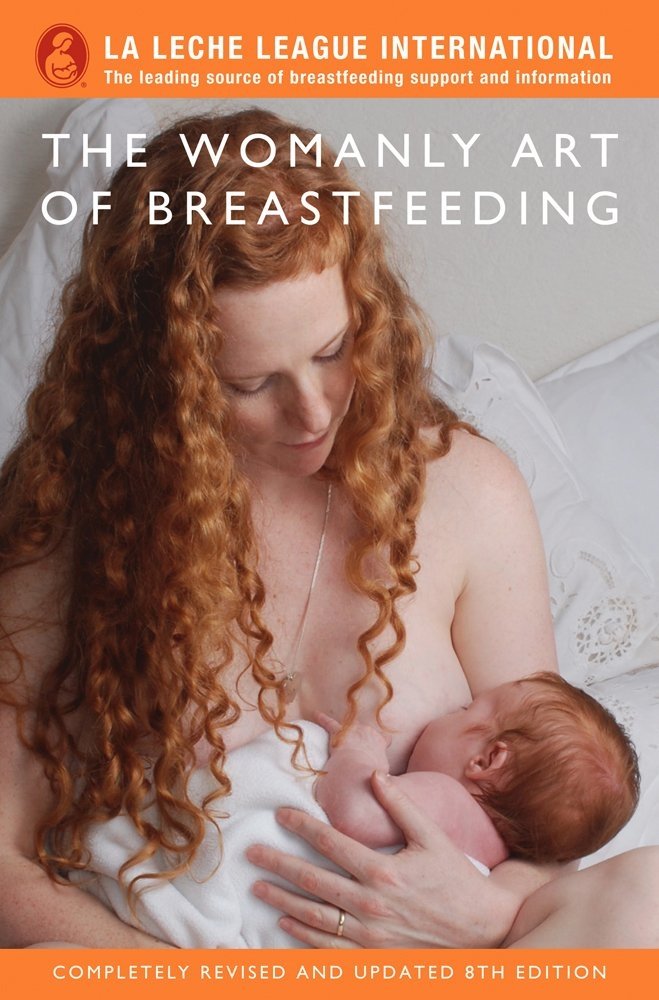
Baixei um livro, publicado pela La Leche League, chamado The Womanly Art of Breastfeeding [A arte feminina de amamentar]. A capa mostrava uma bela mulher de longos cabelos ruivos cacheados e soltos, envolta em um lençol branco. “Este livro irá me ensinar a arte feminina”, pensei. “Amamentar não te dá pontos extras. É apenas a forma normal de criar um bebê”, eu li.
:: ADENDO ::
Eu também li The Womanly Art of Breastfeeding inteirinho e não cheguei a entender grande coisa sobre a tal arte feminina.
:: PROFUNDO DESPREZO ::
Emily Van Duyne, Loving Sylvia Plath
Em seu testamento, Assia Wevill foi bem direta: “A Ted Hughes, o pai dela”, escreveu, “deixo minha ausência, sem dúvida bem-vinda, e meu profundo desprezo.”
[In her will, Assia Wevill made no bones: “To Ted Hughes, their father,” she wrote, “I leave my no doubt welcome absence and my bitter contempt.”]
:: PANÇA BALOUÇANTE ::
Lucy Jones, Matrescência
As reportagens nunca diziam: “Rowena ostenta seu abdome super rechonchudo apenas dois meses depois de dar à luz seu bebê”, ou: “Gia flexionou sua pança balouçante”, ou: “Ao sair de casa, Poppy fez questão de que todos olhassem para sua barriga flácida e cheia de estrias em um sutiã Balenciaga, exibindo sinais profundos de cansaço, a pele pálida e o cabelo perfeitamente oleoso”.
:: NEVOEIRO ::
Yvonne Perrin, The First Seven Years: A Record Book for Mother & Child
Ele […] deve dormir ao ar livre o dia todo, no inverno e no verão. A única condição climática realmente inadequada para o bebê é o nevoeiro.
:: EMOÇÕES DESCONTROLADAS ::
Lucy Jones, Matrescência
Publicado em 1894, The Care and Feeding of Children [Cuidado e alimentação infantis], do pediatra Luther Emmett Holt, foi um best-seller. “Nunca se deve brincar com bebês menores de seis meses; quanto menos isso acontecer, em qualquer época, melhor para eles”, escreveu. Outras regras incluíam não sair de casa com o bebê pelos primeiros três meses, assim como um aviso de que “emoções descontroladas, tristeza, excitação, medo e paixão podem fazer o leite cair mal à criança”.
:: GRAVIDEZ ::
Abigail Tucker, Mom Genes
Durante a gravidez, todo o nosso corpo passa por mudanças. Nossas pintas podem escurecer e nossa voz pode ficar mais grave (como aconteceu com Kristen Bell grávida durante as gravações de Frozen — parece que a famosa trilha sonora poderia ter sido ainda mais estridente em alguns trechos). Nossos narizes alargam, nossos arcos plantares se achatam e nossas unhas dos pés caem. Nosso cabelo pode mudar de cor ou ficar cacheado. Podemos arrotar como se tivéssemos engolido uma bomba-relógio. Nosso fígado pode liberar bile, provocando uma coceira insuportável. E nos tornamos comprovadamente mais apetitosas para os mosquitos devido ao aumento da temperatura corporal e da produção de dióxido de carbono.
[In pregnancy our entire physical selves are in flux. Our moles may darken, our voices drop an octave (as a pregnant Kristen Bell’s did while recording Frozen—it seems that the notorious soundtrack could have been still shriller in places). Our noses widen, our arches flatten, and our toenails fall off. Our hair can change color or gain curl. We may burp as if we’ve swallowed a bomb cyclone. Our livers may leak bile, causing us to itch like the dickens. And we become demonstrably more delicious to mosquitoes because of our increased body temperature and carbon dioxide output.]
:: ULTRASSÔNICO ::
Abigail Tucker, Mom Genes
Um estudo com roedores revelou que as mães ratas precisam guinchar de modo ultrassônico para que os pais ajudem a cuidar dos filhotes.
[A rodent study revealed that mice moms must ultrasonically squeak at mice dads in order to get them to pitch in with childcare.)]
>>>>
Se você gosta de A Hortaliça, encaminhe esta edição para um amigo leitor. Hoje temos 26 aguerridos assinantes e uma dúzia de doadores esporádicos que ajudam a manter essa feira livre. Se também quiser colaborar, há um botão de assinatura logo abaixo.
Os links dos livros são afiliados da Amazon e nos ajudam a recarregar o Bilhete Único.
“Para ser lido na maldita hora da noite em que tudo é engraçado – logo após a hora em que nada faz sentido e antes daquela em que tudo faz sentido” (Stephanie A.)
::: hortifruti.org :::
Pequeno aviso legal: A Hortaliça será distribuída gratuitamente através desta plataforma. Não iremos produzir conteúdo fechado para assinantes por acreditar no livre acesso à informação, arte e cultura. A tarifa zero é bancada por leitores, leitoras e leitões que têm condições (e vontade) de colaborar. Quem quiser ajudar pode escolher um plano de assinatura ou depositar moedas de ouro aleatórias na chave pix: vmbarbara@yahoo.com. Vamos apoiar o jornalismo independente, a literatura de guerrilha e a bobice semiprofissional.
O post A Hortaliça – #116 apareceu primeiro em Seleta de Legumes.
Transform your Beyerdynamic Headphones with Headphone Lab

In this week’s episode we experiment with a new VST plugin from Beyerdynamic: Headphone Lab! Headphone Lab is a great way to optimize your headphone response for mixing work, especially if you don’t have access to an acoustically treated room with monitors. Adding it into your workflow can help your mixes translate better to other playback systems. Let’s take a closer look and listen!
You can read more about and download the Headphone Lab plugin here: https://global.beyerdynamic.com/headphone-lab
If you’d like to learn how to make great dialogue audio for your film and video projects, please have a look at my courses including processing dialogue audio in Adobe Audition and DaVinci Resolve/Fairlight, recording sound, how to use the Zoom F4, F6, F8, and F8n, and how to get the most from the Sound Devices MixPre series of recorders. Our latest courses cover Sound for Live Streaming with the ATEM Mini and an Intro to Izotope RX. See https://school.learnlightandsound.com for more info!
Support my work creating videos by donating at Ko-Fi.com: http://ko-fi.com/curtisjudd
Gear used or mentioned in this episode (the links below are Amazon.com, B&H Photo, Sweetwater, or other affiliate links. As an affiliate, I earn from qualifying purchases):
- Beyerdynamic DT 700 Pro X Closed-Back Headphones — https://geni.us/XaZBvwb
- Beyerdynamic DT 900 Pro X Open-Back Headphones — https://geni.us/Fic6
- Sound Devices MixPre-3 II 32-bit float audio recorder — https://geni.us/O8e0
- Sennheiser MKH50 microphone — https://geni.us/iYb065
- Impact Turtle-Base C-Stands — https://geni.us/8a8tt
- Aputure Light Dome III Softbox — https://geni.us/AVHU1p
- Rosco Prismatic Glass Gobo in Cool Lavender — https://geni.us/GWKt
- Canon C70 Cinema Camera — https://geni.us/ABYB
- Canon RF 24-70 f/2.8 lens — https://geni.us/qwsEs
- Panasonic GH5 camera — https://geni.us/InspOl
- Panasonic 12-35mm f/2.8 II lens — https://geni.us/gr47
Copyright 2026, Curtis Judd
#Beyerdynamic #Headphones #HeadphoneLab
Index
00:00 What is Headphone Lab?
00:18 Please buy my courses on lighting and sound!
00:25 What does Headphone Lab fix?
01:52 How does Headphone Lab work?
04:25 Hardware compatibility
04:56 What Headphone Lab can’t/won’t do
05:43 How to use Headphone Lab
06:09 A note on plugins & latency
06:42 Software specs & details
06:52 My take
07:22 Check out our lighting & sound courses!
CG TITAN com motor de MAKITA serra mármore

confira outros vídeos aqui
@metalprojetos
vou deixar links mencionado no vídeo
Bluetti ELITE 100 V2 https://bit.ly/4aKYmvy
Bluetti nas lojas e-commerce (parcela sem juros): https://bit.ly/3tiboyT
Cupom: METAL com 5% de desconto
máquina de solda MIG FLEX 160
https://mercadolivre.com/sec/2UZcdqB
corte plasma
https://mercadolivre.com/sec/2gNi8w6
máscara de solda Boxer soldas
https://meli.la/1z8TwxN
makita serra mármore
https://meli.la/1zEHfg3
Nossas redes sociais
Youtube https://youtube.com/@metalprojetos?si=lzKdlbprJeD2itJ6
Facebook https://www.facebook.com/share/UUdpiuxrsSQLdqLt/?mibextid=qi2Omg
Instagram https://www.instagram.com/metalprojetos?igsh=YzVoYnF1bDMxa2Fz
Tiktok https://www.tiktok.com/@metalprojetos?_t=8pw4TcDFAX8&_r=1
Kwai https://k.kwai.com/u/@metalprojetosoficial/kTRCeiXV
e-mail de contato para patrocinadores
contatosmetalprojetos@gmail.com
Full Interview with Francis Spufford
Here is our full conversation with Francis Spufford, he joined us to talk about his new novel, Nonesuch.
Produced by Charlotte Pardy
Hosted on Acast. See acast.com/privacy for more information.
Where Are We Going? Societal Collapse – The Future
In the fourth and final conversation in this series David talks to Luke Kemp, author of Goliath’s Curse, about where we might be heading. Where does the greatest risk of global collapse lie? Who is ultimately responsible for our fate? What makes states and corporations the agents of doom? How can we humans fight back?
Out tomorrow on PPF+: a bonus episode to accompany this series in which David and Luke talk about how individual experience shapes the way we imagine humanity’s fate and can motivate us to do something about it: the personal and the political. To get this and all our bonus episodes plus ad-free listening sign up to PPF+ now https://www.ppfideas.com/join-ppf-plus
Join us this Wednesday 11th March for a joint LRB/PPF event: The Slow Death of Democracy, with Lyse Doucet, Christopher Clark and Thant Myint-U. Lyse Doucet will be discussing what she saw when she was in Iran for the BBC last month and what the war means for the prospects of democracy there and everywhere else. Tickets are available now https://www.tickettailor.com/events/londonreviewofbooks/2062789
You can find out everything you need to know about this podcast – who we are, what we do, plus merch, events and full lists of all episodes and PPF+ bonus episodes on our website https://www.ppfideas.com
Luke Kemp’s Goliath’s Curse: The History and Future of Societal Collapse is available now https://bit.ly/4aFczds
Next Time: Now & Then with Robert Saunders – Churchill’s ‘Iron Curtain’ speech @80
Learn more about your ad choices. Visit podcastchoices.com/adchoices