
 Login
LoginCamera prices – Have the Japanese taken leave of their senses?
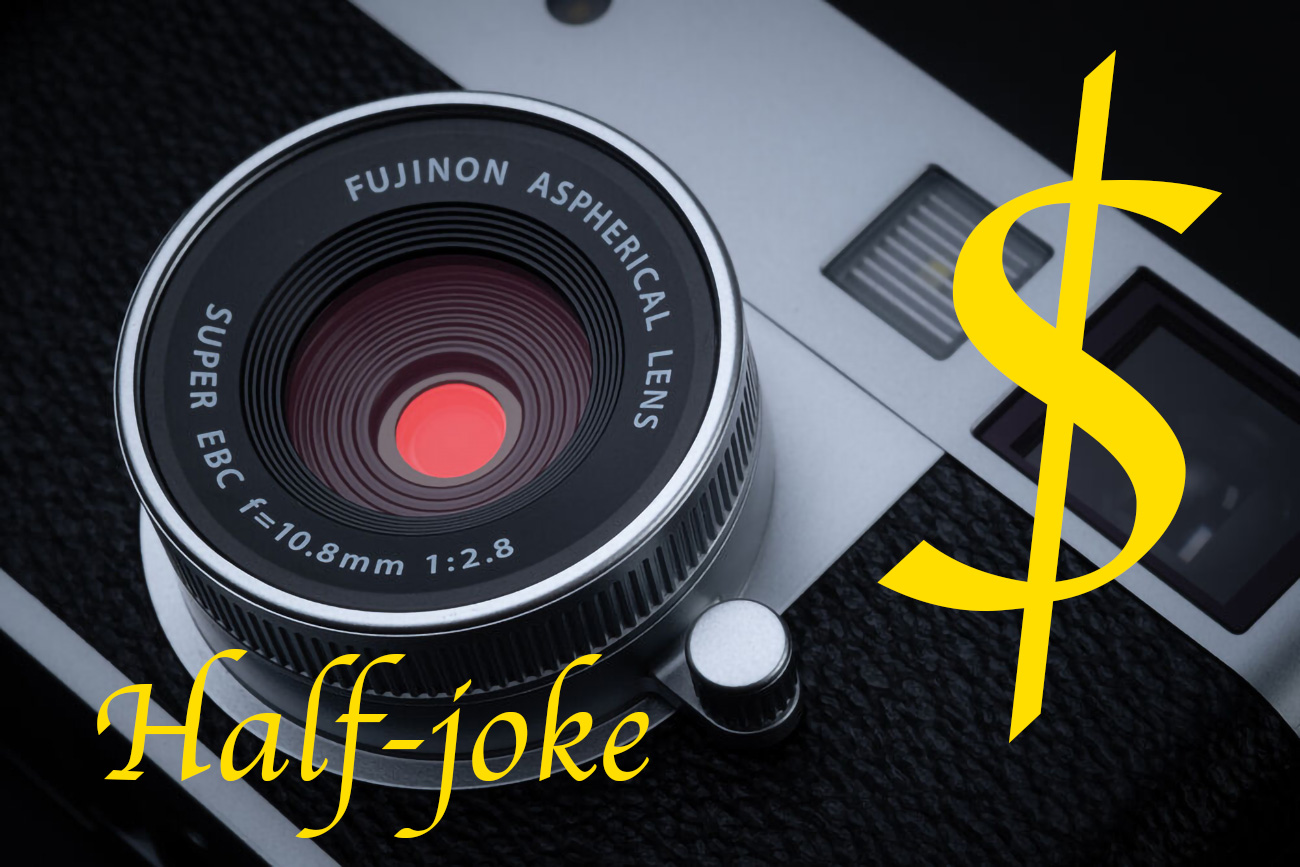
A Fujifilm JPEG-only half-frame toy for 850 smackers, the latest Sony flagship for 7000 something + tax, and the new mid-range “standard model” S1 II from Panasonic yours for a bargain $4000 with ‘basic’ kit zoom. It all begs the question, have the Japanese lost the plot?
In the UK right now, I look at the “real” price of cameras – that is used items in very good condition. These are the prices that the customer decides are worth paying. The Panasonic S9 which launched for £1699 just a few months ago (body only) is now fetching a measly £750 at most retailers in mint condition, with the box and all accessories. It has been a total and abject failiure, the point where Panasonic has had to discount up to £800 off the box price (new) with the new 18-40mm kit lens. The fact remains this – Panasonic was asking for more than double what people were willing to pay, and for a “influencer camera” £700 more than the latest iPhone 16 Pro with a cutting edge camera.
I look at the global market situation, and the prices were crazy long before crazy US tariffs. Most foreign currency like the British pound or the Euro when converted to Japanese Yen now has a very favourable exchange rate for the Japanese corporations. When they repatriate their foreign income, they’re making more per £, € or $ than they did before, and unlike at the peak of Japanese industry most of their costs and manufacturing are outsourced to China or Vietnam, with cheaper labour and less need than before to pay so many more expensive Japanese wages. Camera sales have been generally going down and surely the way one encourages better sales is to lower prices. The Japanese have done the opposite, they have price gouged their most loyal customers on everything, from lenses to lens hoods, from cameras to lens adapters, it is an absolute joke of a business.
Overall meanwhile the price of consumer electronics continues to fall, you get more and more capability for your money, even from Apple. In every way, the Japanese camera companies are bucking the trend and giving us higher and higher prices, and shipping fewer and fewer units. Even at $7000 the Sony a1 II has been almost impossible to get hold of because they are shipping so few of them.
The depreciation when you drive your new camera off the forecourt is in some cases extremely scary.
There’s also now a trend for the popular mid-range models to cost the same as a flagship camera from a few years ago – in the region of $3500 to $4000. Panasonic who are forever chasing market share and trying to establish their new full frame line-up, officially took leave of their senses only this month with the launch of the S1 Mark II at over $3000, and closer to $4000 if you want a basic zoom lens.
Then again, looking at just the average price of full frame cameras over the last 12 months results in a new “normal retail price” of $4350. Looking at unit shipment levels of cameras and we are almost at 1999 levels, before even the launch of the first affordable DSLR and first decently performing compact camera.
And now presumably thinking they are being clever, Fujifilm have come along with a small sensor compact camera that doesn’t shoot RAW, with a slow to autofocus, slow aperture 10mm F2.8 lens (not even F1.8), that takes worse photos than a smartphone with less capability and no zoom, but appeals to the crowd of hipsters who want a compact film camera without the effort and don’t realise the Sony RX1 exists for $750 on eBay.
For this admittedly cute and different fashion trinket, Fuji has for some reason decided to aim for the $850 mark which is in X-T30 II territory, or similar to a used X100F. APS-C money for a 1 inch vertical crop sensor and terrible AF?
It’s getting to the point where I might never buy a new camera again.
The post Camera prices – Have the Japanese taken leave of their senses? appeared first on EOSHD.com - Filmmaking Gear and Camera Reviews.
